
https://justpaste.it/Korean_History_1
https://justpaste.it/Korean_History_2
https://justpaste.it/Korean_History_3
https://justpaste.it/Korean_History_4
Part 5
https://justpaste.it/Korean_History_5
Part 6
https://justpaste.it/Korean_History_6
https://justpaste.it/Korean_History_7
Part 8

元史:附录京师达官贵人必得高丽女然后为名家
来源: http://www.pdsruili.com 大清铜币网
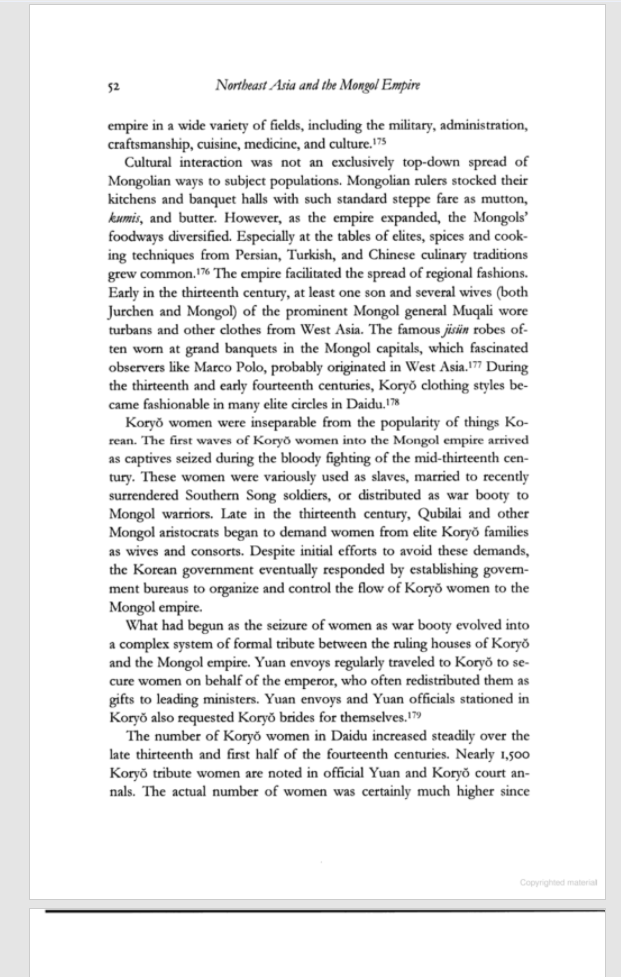
元朝的宫廷和一些官宦之家大量使用高丽侍女,到了元朝后期,甚至出现了“京师达官贵人必得高丽女然后为名家”的现象。
高丽女入元最初来源于蒙古军队在征服高丽过程中的掳掠,这些被掠夺的人口在元朝沦为被贩卖的驱口,境遇十分悲惨。元人郝经对此有过描述:“(高丽)自被天兵都破碎,称臣纳质兵弗退。残灭虏掠五十年,穷蹙无聊竟何罪。尽将生口卖幽燕,年年探借高丽钱。肌肤玉雪发云雾,罗列人肆真可怜。”自1259年高丽臣服于蒙古,一些蒙古贵族便通过与高丽人联姻将一部分高丽女子带到中国。(《庚申外史》卷下;《陵川集》卷十《高丽叹》)
随着元朝与高丽关系的发展,高丽贡女便成为高丽女入元的主要渠道。在高丽臣服于蒙古之后,蒙古主要通过在高丽扶植以高丽王为首的亲元势力来加强对高丽的控制,而高丽王为巩固自己的统治也逐渐采取了亲元的政策。于是蒙元朝廷不断向高丽索要贡女,而高丽政府为讨好元廷也经常主动向元廷进贡高丽童女,高丽女被迫入元给高丽人民造成了极大的伤害。高丽为了保证能不断地向元廷进贡童女,规定“良家处女,先告官,然后嫁之,违者罪之”。高丽官员李榖在给元御史台的疏文中,对征集高丽童女给高丽人民造成的苦难进行了描述:“侧闻高丽之人生女者,即秘之,惟虑不密,虽比邻不得见,每有使臣至自中国,便失色相顾,曰:胡为乎来哉?非取童女子耶,非取妻妾者耶?已而军吏四出,家搜户扪,若或匿之,则系累其邻里,缚束其亲族,鞭挞困苦,见而后己。一遇使臣,国中骚然,虽鸡犬不得宁焉。及其聚而选之,妍丑不同,或啖其使臣而饱其欲,虽美而舍之。舍之而他求,每取一女,阅数百家,唯使臣之为听,莫或敢违,何者,称有旨也。如此者岁再焉,或一焉,间岁焉,其数多者,至四五十。既在其选,则父母,宗族相聚哭泣,日夜声不绝。及送于国门,牵衣顿仆,拦道呼号,悲痛愤懑,有投井而死者,有自缢者,有忧愁绝倒者,有血泣丧明者,如此之类,不可殚记。其取为妻妾者,虽不若此,逆其情,取其怨,则无不同也。书曰:匹夫匹妇,不获自尽民主,罔与成厥功。恭惟国朝德化,所及万物咸遂,高丽之人,独有何罪,而受此苦乎?”可见对入元高丽童女的征集给高丽人民造成的苦难之深。
除元宫廷向高丽索要贡女外,一些蒙古贵族更是随意到高丽去索要童女,再加上在征集高丽童女的过程中,元朝和高丽官吏的诸多不法行为,都加深了高丽人民的苦难。(《高丽史》卷三十《忠烈王世家》;《高丽史》卷一百九《李榖传》)
随着元朝和高丽政治关系的发展,以贡品、联姻和赠送等渠道入元的高丽童女逐渐多了起来,有越来越多的高丽童女进入元宫廷和官宦之家,其中不少高丽女由于得宠而获得了较为尊贵的地位。正如高丽人李榖所说:“今高丽妇女在后妃之列,配王侯之贵,而公卿大臣多出高丽外甥者。”元朝上层娶高丽女子的有仁宗、明宗、顺帝、实逗太子、峦峦太子、安西王安难达、鲁王、吴王及丞相桑哥、脱脱等。
入元高丽女中地位最为显赫的当数顺帝的皇后奇完者忽都。奇后更是利用高丽童女作为笼络权臣的手段。1358年(至正十八年),“祁(奇)后亦多蓄高丽美人,大臣有权者,辄以此女送之,京师达官贵人必得高丽女然后为名家。高丽女婉媚,善事人,至则多夺宠”。可见到元后期,拥有高丽女已成为元朝贵族身份的象征。元末明初,叶子奇《草木子》中也说,“北人女使,必得高丽女孩童;家僮,必得黑厮。不如此,谓之不成仕宦。”时人的诗句通过一名历尽苦难的妇女对高丽女的羡慕,反映出高丽女在元朝后期的特殊地位:“……恨身不作三韩女,车载金珠争夺取。银铛烧酒玉杯饮,丝竹高堂夜歌舞。
黄金络臂珠满头,翠云绣出鸳鸯绸。醉呼阉奴解罗幔,床前爇火添香篝。”(《庚申外史》卷下;《草木子》卷三下《杂制篇》;《金台集》卷一《新乡媪》)
为何此时元朝官宦之家对高丽女情有独钟?《庚申外史》说,“高丽(女)婉媚,善事人。”这当然是原因之一。然而最主要的原因可能并非如此。在元朝与高丽的特殊关系下,以贡女渠道进入元朝的高丽童女长期存在,更有甚者,高丽王把进贡和赠送高丽童女作为在元廷展开外交活动的手段,同时一些贪求富贵的高丽官员,也争相把自己的女儿许配给元廷的高官,这便使得元朝统治层役使和联姻高丽女的现象逐渐增多,而这势必会导致元朝官宦之家的争相效尤。在此背景下,到元朝后期,当顺帝皇后高丽女奇氏把高丽美女作为一种礼品,来笼络元朝的权贵时,元朝出现“京师达官贵人必得高丽女然后为名家”的现象当不为偶然。
蒙古统治者长期形成的对外族的认识,是其能接受高丽女的基础。蒙古人长期实行族外婚制,这便使得蒙古族在联姻时容易接受外族,而不是一味地加以排斥。在对待被征服民族的态度上,蒙古族也不是一味地贬低、鄙视,对于那些较早归附自己的民族,他们往往给予较高的地位。同时,蒙古统治者在长期的生活和征服战争中形成了文化上的开放意识,对各种文化往往能兼收并蓄。所有这些,使得蒙古人在娶高丽女时,从意识形态上讲,并不会受到太大的束缚。诚然,蒙古统治者在对待外族的问题上也提倡尊卑有别,但这种尊卑意识还远没有达到在联姻问题上对全社会具有一种普遍约束力的程度。《庚申外史》卷上:“初世祖皇帝家法:贱高丽女子,不以入宫。”世祖的这一家法从现有的史料来看,并没有被认真遵守。元帝频繁向高丽索要童女以充实后宫,便是一个有力的证明。
值得一提的是,元朝中后期众多的高丽女入元,并且大都生活在宫廷和官宦之家,这对当时的元朝和高丽文化交流亦产生一些影响。比如元代高丽服饰曾流行一时。“自至正以来,宫中给事使令,大半为高丽女,以故四方衣服、鞋帽、器物,皆依高丽样子,此关系一时风气,岂偶然哉。”《南村辍耕录》中云:“杜清碧先生本应召次钱唐,诸儒者争趋其门。燕孟初作诗嘲之,有‘紫藤帽子高丽靴,处士门前当怯薛’之句,闻者传以为笑。用紫色棕藤缚帽,而制靴作高丽国样,皆一时所尚。”元朝人张昱所撰《可闲老人集》中的两首诗,也说明当时高丽风尚对元朝宫廷的影响,其一云“绯国宫人直女工,衾裯载得内门中。当番女伴能包袱,要学高丽顶入宫”,其二云“宫衣新尚高丽样,方领过腰半臂裁。连夜内家争借看,为曾著过御前来”。(《庚申外史》卷下;《南村辍耕录》卷二十八《处士门前怯薛》;《可闲老人集》卷二《辇下曲》、《宫中词》)
在元朝蒙古宫廷里,宫女太监几乎全是韩国人(高丽人)。元军不断进入高丽掠夺人口,在1254年就抢掠了20万人。这些人大部分都送进了皇宫和王公贵族府邸。因此,元朝诗人郝经有诗云:“尽将生口卖幽燕,年年探借高丽钱,肌肤玉雪发云雾,罗列人肆真可怜。”
蒙古皇宫里更是如此,当时记载:“自至正以来 展开全文c
The true origin of Hui Muslims in China

The origin of Hui people is often shrouded in legend in early Arab Muslim contacts with the Tang dynasty or lazily expressed as "foreign Muslim men coming to China and marrying local women".
The true origin of most Hui people is far more interesting and much more heterogeneous. A Hui is basically just a Muslim in China who practices Chinese culture and 99% of the time speaks Mandarin.
Unfounded and mythical Hui legends place the coming of Islam to China to Sa'ad ibn Abi Waqqas coming to the Tang dynasty court and his foundation of the Huaisheng Mosque in Guangzhou. There are zero Tang official records describing any sort of meeting with Sa'ad ibn Abi Waqqas and the current Huaisheng mosque was rebuilt multiple times and no proof any original one dating back to the Tang dynasty exists. Sa'ad ibn Abi Waqqas died in the city of Medina in Arabia and not in China.
Many Hui myths are aimed at back dating their arrival to the earliest time possible- the Tang and Song dynasties. For example, the ancestor of Sayyid Ajjal who arrived in the Yuan dynasty, is claimed to have arrived in the Song dynasty in the person of Sofeier. This was a forged legend.
There were communities of Arab Muslims and Persian Muslims and Persian Zoroastrians, Christians and Jews who arrived during the Tang dynasty and Song dynasty, but they contributed relatively little to the Hui population compared to the massive arrival during and after the Yuan dynasty. Arabs built a Mosque in Mingzhou but abandoned it and did not leave a local Hui population there, and of the Hui families in Quanzhou, only the Pu family is descended from an Arab who arrived during the Song dynasty while the other Hui are all descended from Yuan arrivals.
The bulk of Central Asian Muslim immigration to China was during the Yuan and early Ming dynasty. Major amounts of foreign Central Asian Muslims, Naiman Christians, Jews, and Buddhists like the Buddhist Uighurs of Qocho and Tibetans were moved into China. They were classified as Semu by the Mongols.
The Mongols and the Semu foreigners viewed Korean women as the most beautiful. The Mongol Yuan demanded the Korean Kingdom of Goryeo send a massive tribute of thousands of Korean virgin girls to become concubines and castrated Korean boys to become eunuchs for the Mongols. The Mongols and Semu Central Asian Muslims, Indian Muslims, Uighur Buddhists, Tibetan Buddhists and others took Korean girls as wives. Koreans were classified as "Han ren" along with northern Chinese, Jurchen and Khitan.
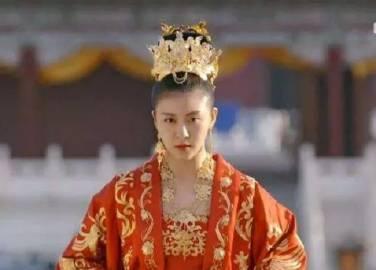
Even today there are Korean TV dramas like [Empress Ki](https://en.wikipedia.org/wiki/Empress_Ki_(TV_series) which talk about the tribute of Korean girls and Korean boy eunuchs as gifts to the Mongols. Empress Ki was one of the Korean tribute girls. The numerous Korean concubines and wives of the Mongols came to wield power in the Yuan court. Empress Ki and her eunuch Bak Bulhwa were both Korean.
A Hui from Ningxia called Ma Juan 马娟 wrote a journal article about the marriages between Semu Central Asian foreign Muslim men and Korean women called "元代色目高丽通婚举例". He drew from Yuan era records of marriages between Korean women and foreign Muslim men in China. There was major intermarriage between Korean women and the foreign Semu in China. It wasn't some minor affair.
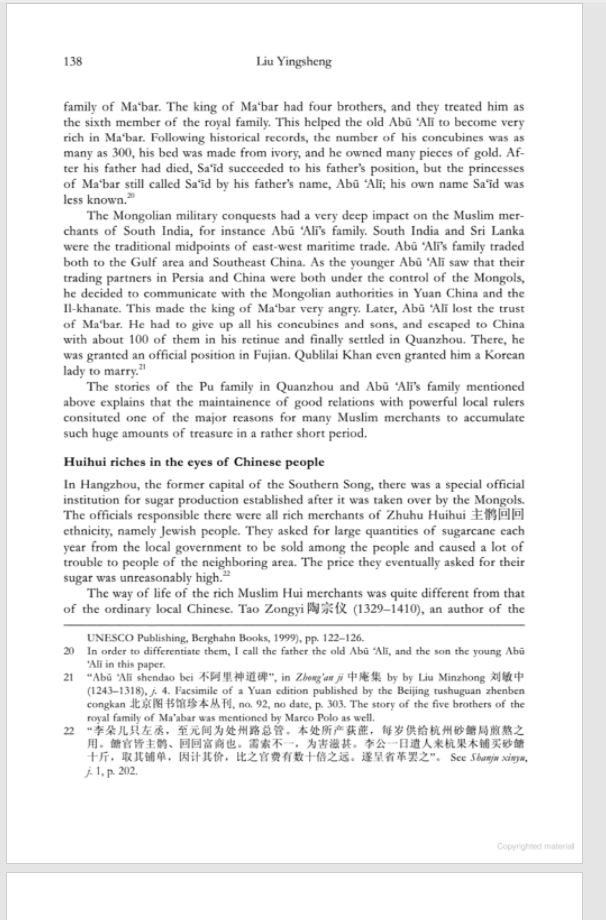
The Korean history record Goryeosa 高麗史 describes the marriage of a Korean woman, the daughter of Chae Ingyu 채송년 蔡仁揆. She was first married to a Tibetan named Sangha 桑哥 who worked for the Mongols. An Indian Muslim named Abu Ali fled from Ma'bar to China and entered the service of the Mongols. He was then given Sangha's former Koren wife as his own wife after Sangha was executed.
These Korean women who were married to Mongol men and Semu Central Asian Muslim, Indian Muslim, and Buddhist Uighur men were used by the Korean Goryeo government to expand ties and linkages to their husband's homelands and cultures like Muslim Sultanates in India and the Buddhist Uighur Qocho Kingdom.
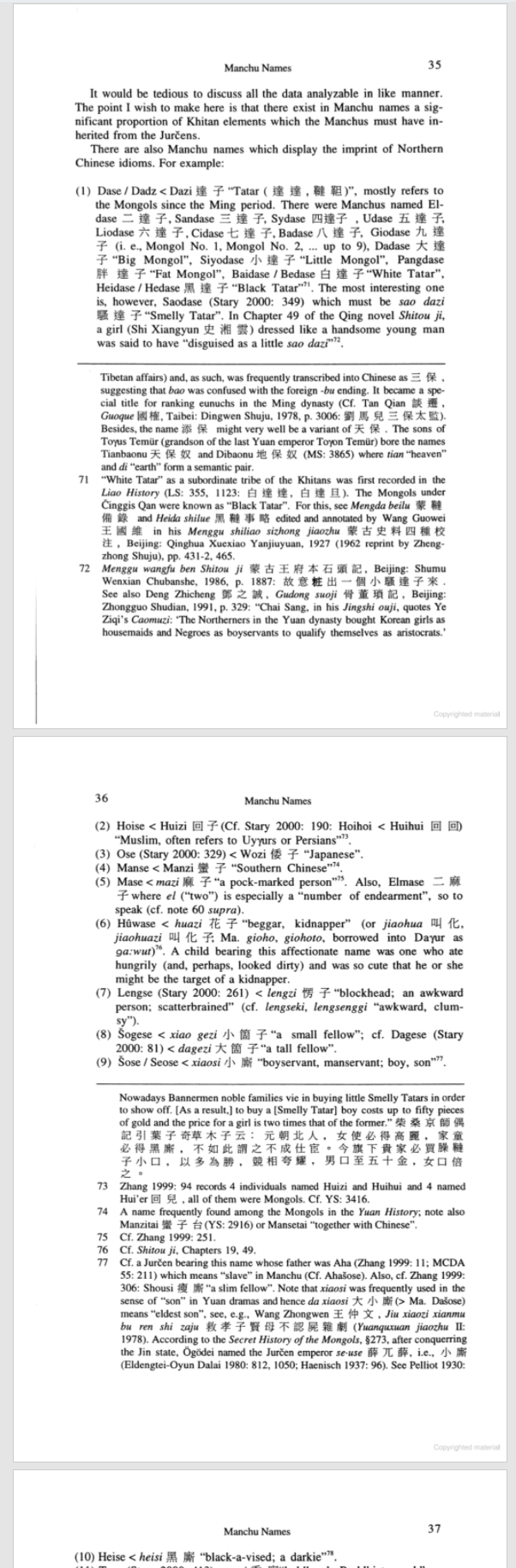
Yuan dynasty and Ming dynasty history record mention that it was popular for aristocratic high ranking Northerners in Yuan dynasty China to have Korean girls as slaves-《續資治通鑒·順帝紀》中稱,“京師達官貴人,必得高麗女,然后為名家” 《草木子·雜制篇》中稱:“北人女使,必得高麗女孩童﹔家僮,必得黑?。不如此,謂之不成仕宦。” Korean women were described as more beautiful than Chinese since they had "jade" like skin. “肌膚玉雪發雲霧”
In the Ming dynasty, the early Ming Emperors imitated the Mongol tribute demands on Korea and made Korea send Korean virgin girls and eunuchs to the Ming. Modern South Koreans are still so angry over this concubine and eunuch tribute they made a fantasy movie where a fictional Korean takes revenge by killing fictional Ming soldiers. (https://en.wikipedia.org/wiki/The_Divine_Weapon)
The Ming Zhengde Emperor surrounded himself with Central Asian Muslim advisors and Muslim eunuchs. One of his Muslim advisors praised Korean women's beauty and recommended them to Zhengde. mentioned in Chapter 8 of "The Ming Court and the Legacy of the Yuan Mongols". This was over a century after the fall of the Yuan and showed that Korean women were regarded as more beautiful than Chinese women by Central Asians Muslims. The Zhengde Emperor himself had several Central Asian Muslim Semu girls as concubines.
That is the explanation for Hui Muslims in eastern Chinese cities like Beijing, Tianjin etc. A lot of them are the result of Muslim male foreigners marrying Korean women. Koreans were classified as "Han" by the Mongols and eventually the descendants of these unions assimilated to Chinese Confucian culture and adopted Mandarin as their language.
Goryeo period
According to local Korean accounts, Muslims arrived in the peninsula in the year 1024 in the Goryeo kingdom, a group of some 100 Muslims, including Hasan Raza, came in September of the 15th year of Hyeonjong of Goryeo and another group of 100 Muslim merchants came the following year.[12]
Trading relations between the Islamic world and the Korean peninsula continued with the succeeding kingdom of Goryeo through to the 15th century. As a result, a number of Muslim traders from the Near East and Central Asia settled down in Korea and established families there. Some Muslim Hui people from China also appear to have lived in the Goryeo kingdom.[13]
With the Mongol armies came the so-called Saengmokin (Semu), this group consisted of Muslims from Central Asia. In the Mongol social order, the Saengmokin occupied a position just below the Mongols themselves, and exerted a great deal of influence within the Yuan dynasty. In the Yuan dynasty, Koreans were included along with Northern Chinese, Khitan and Jurchen in the third class, as "Han ren".[14][15]
2 Japanese families, a Vietnamese family, an Arab family, a Qochanese Uyghur family, 4 Manchuria originated families, 3 Mongol families, and 83 Chinese families migrated into Korea during Goryeo.[16]
During the Yuan dynasty Korean women married Indian, Uyghur (Buddhist), and Turkic Semu men.[17] A rich merchant from the Ma'bar Sultanate, Abu Ali (Paehari) 孛哈里 (or 布哈爾 Buhaer), was associated closely with the Ma'bar royal family. After falling out with them, he moved to Yuan China and received a Korean woman as his wife and a job from the Mongol Emperor, the woman was formerly 桑哥 Sangha's wife and her father was 蔡仁揆 채송년 Chae In'gyu during the reign of 忠烈 Chungnyeol of Goryeo, recorded in the Dongguk Tonggam, Goryeosa and 留夢炎 Liu Mengyan's 中俺集 Zhong'anji.[18][19] 桑哥 Sangha was a Tibetan.[20]
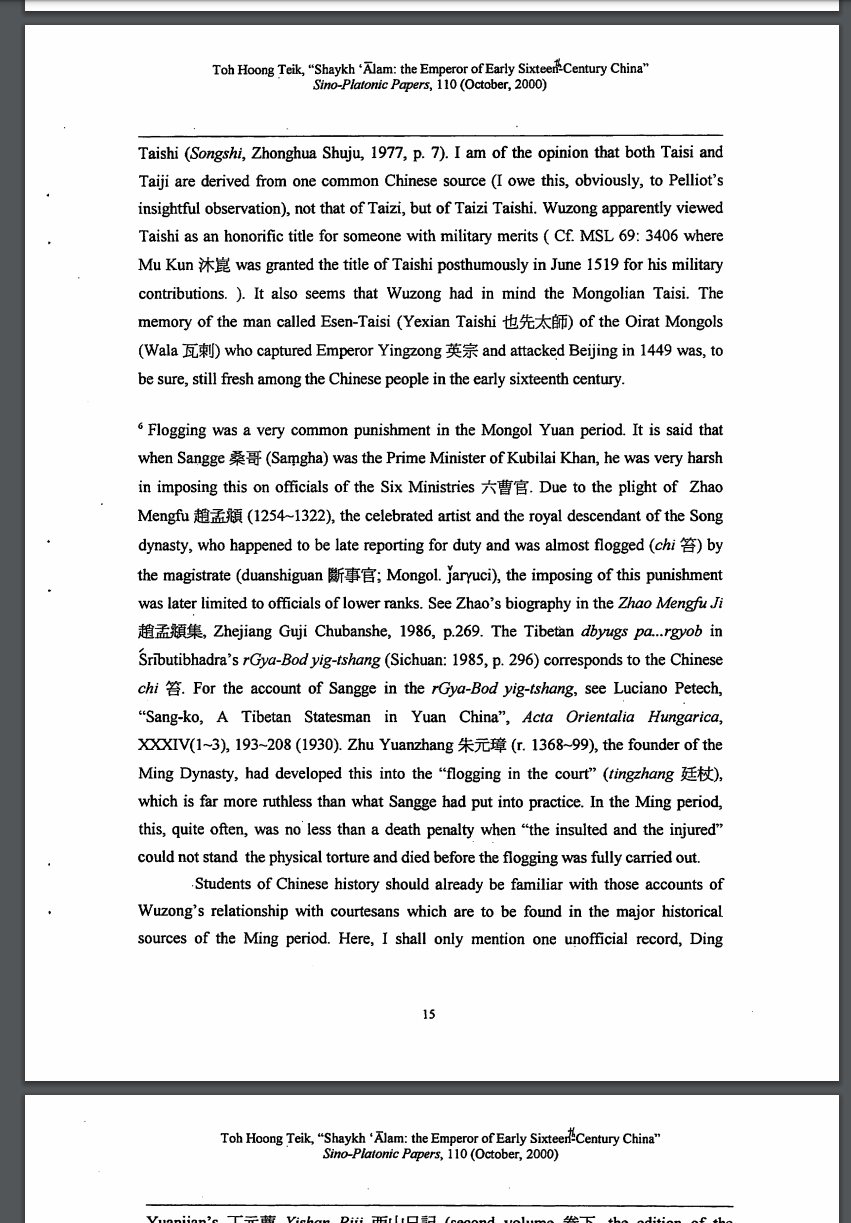
Korean women were viewed as having white and delicate skin (肌膚玉雪發雲霧) by Hao Jing 郝經 (1223-1275), a Yuan scholar, and it was highly desired and prestigious to own Korean female servants among the "Northerner" nobility in the Yuan dynasty as mentioned in Toghon Temür's (shùndì 順帝) Xù Zīzhì Tōngjiàn (續資治通鑒): (京师达官贵人,必得高丽女,然后为名家) and the Caomuzi (草木子) by Ye Ziqi (葉子奇) which was cited by the Jingshi ouji (京師偶記引) by Chai Sang (柴桑).[39][40]
People with normatively Caucasoid traits and/or who spoke Indo-European languages lived in areas that are now part of Gansu and Xinjiang centuries before the Romans, including the Yuezhi, Wusun, Basmyls, Tocharians, and some prehistoric Siberian populations.[17] One or more of these peoples may have been responsible for the Caucasoid Tarim mummies of Xinjiang. Genetic testing in 2005 revealed that 56% of the DNA of some Zhelaizhai residents could be classified as Caucasoid but did not determine their origins.[18] A subsequent DNA study found that "paternal genetic variation" did not support "a Roman mercenary origin" and that the modern population of Liqian was consistent genetically with being a "subgroup of the Chinese majority Han."[19]
Memoirs of the Research Department of the Toyo Bunko (the Oriental Library).
Memoirs of the Research Department
63
... With the northerners (meu living in North China), maid-servants were without fail Kao-li girls, man-servants were negroes. ... But with the rise of the Yuan dynasty, the Korean girls began once more to be imported, and at last it became part of ...
... the northerners (men living in North China), maid-servants were without fail Kao-li girls, man-servants were negroes. ... But with the rise of the Yuan dynasty, the Korean girls began onee more to be imported, and at last it became part of the ...
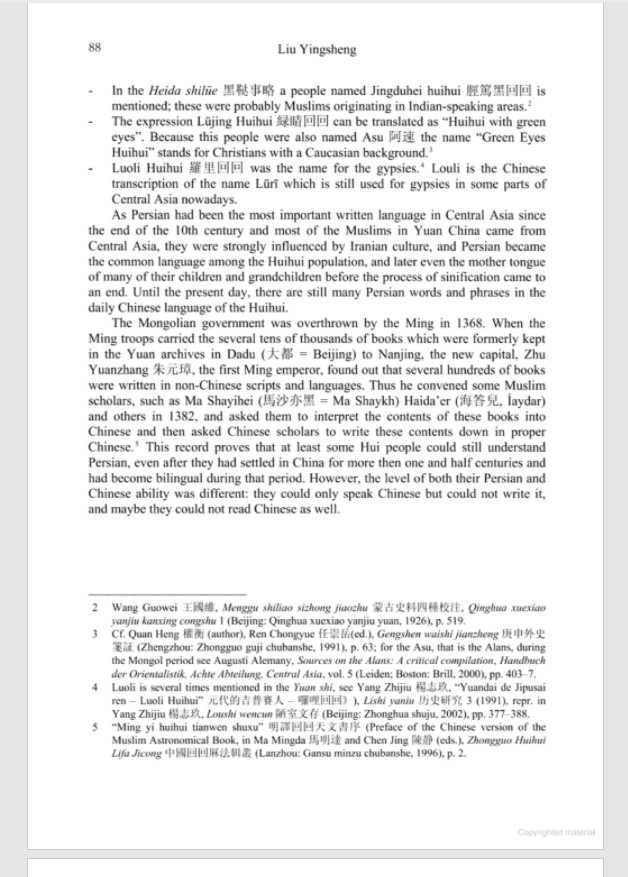
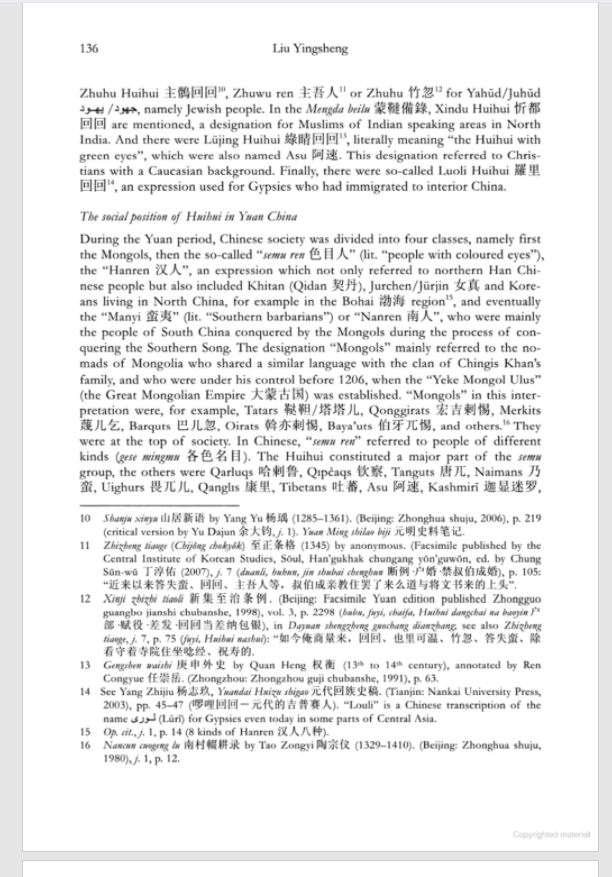
gypsy christian shuhu huihui
Etymology and Evolution of the Term Huizu: How the formal ... - Page 18
Etymology and Evolution of the Term Huizu: How the formal ... - Page 18
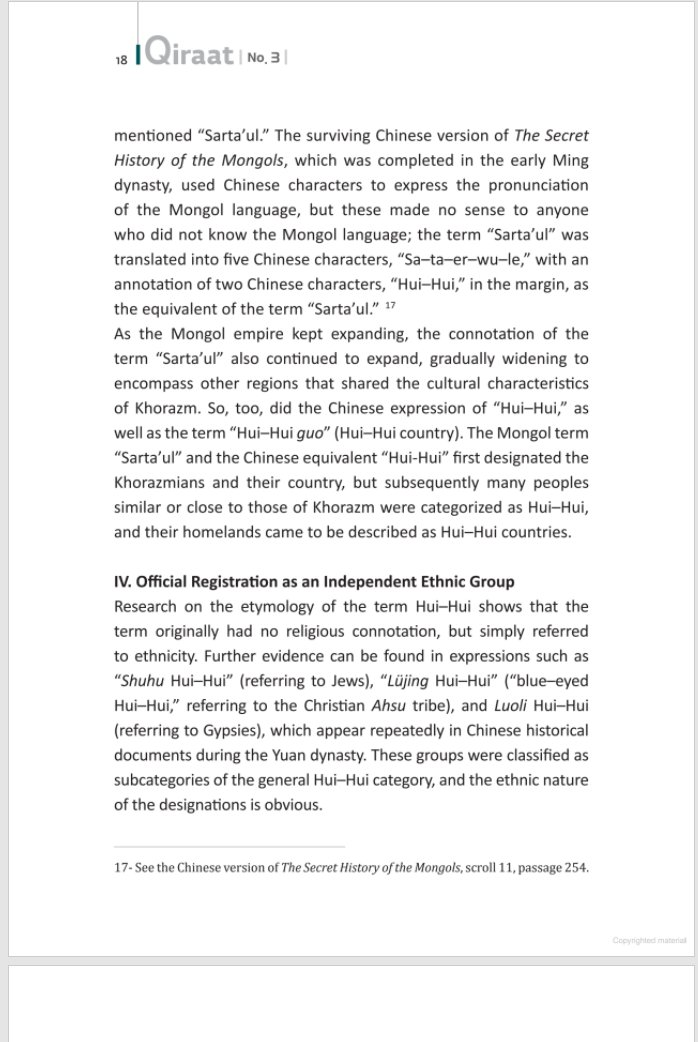
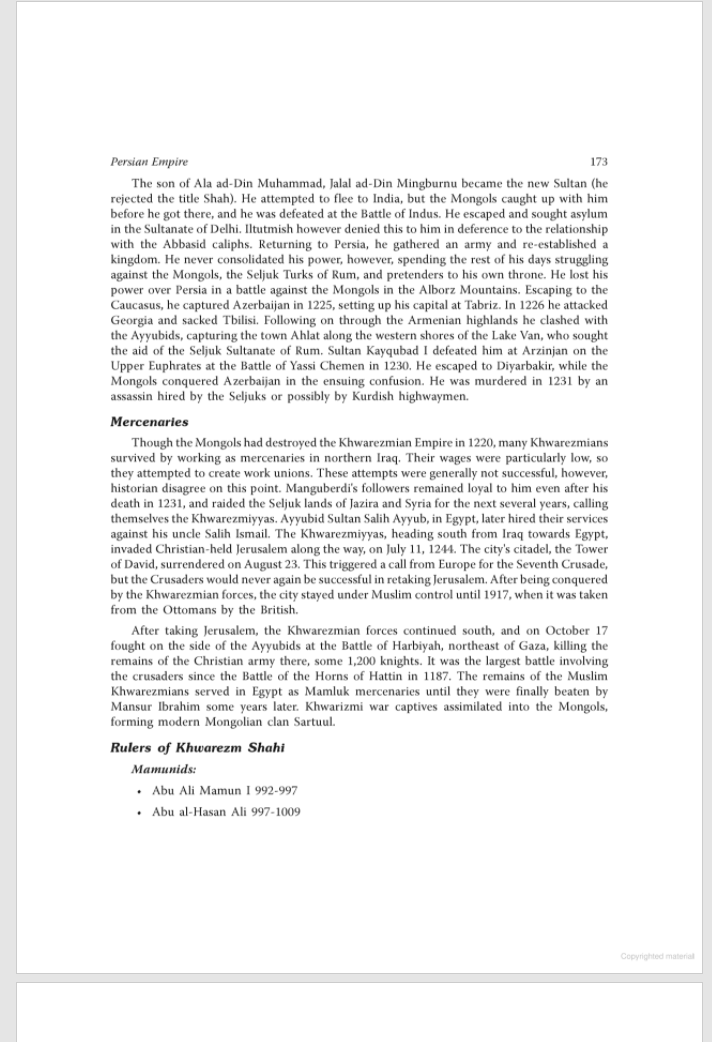
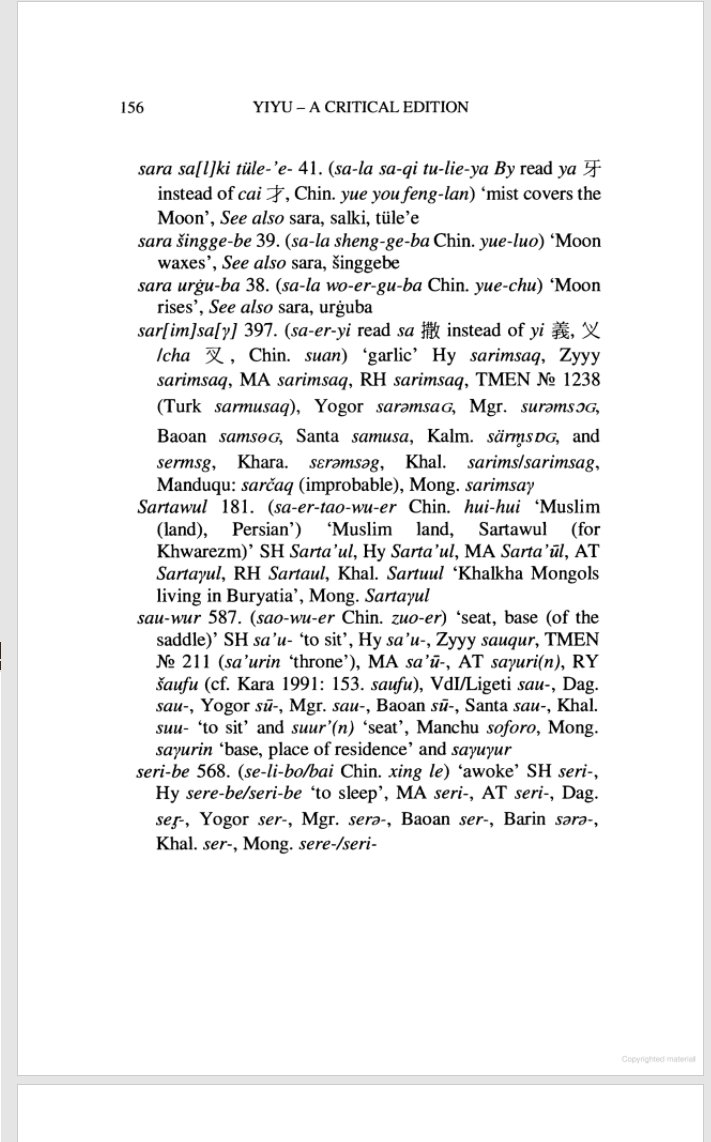
sartuul khwarezm
Concise History of Islam - Page 173
Twentieth Century Mongolia - Page 25
Yiyu - An Indexed Critical Edition of a Sixteenth Century ... - Page 156
Concise History of Islam - Page 173
Twentieth Century Mongolia - Page 25
Yiyu - An Indexed Critical Edition of a Sixteenth Century ... - Page 156


Aspects of the Maritime Silk Road: From the Persian Gulf to ... - Page 88
The East Asian Mediterranean: Maritime Crossroads of ... - Page 136
Iran und iranisch geprägte Kulturen: Studien zum 65. ... - Page 310

O3 in Europe among Crimean Tatars.
https://www.researchgate.net/publication/311805917_The_Tatars_of_Eurasia_peculiarity_of_Crimean_Volga_and_Siberian_Tatar_gene_pools
https://familypedia.wikia.org/wiki/Haplogroup_O-M175
https://www.familytreedna.com/public/CrimeanTatarDNA?iframe=yresults
https://forums.familytreedna.com/forum/group-administrators-forums/surname-project-administration/polish-dna-project/2429-tatars
http://www.iccrimea.org/reports/genographic-results.html
https://www.theapricity.com/forum/archive/index.php/t-61208.html
Hazaras who descend from steppe tribes have O too.
https://en.wikipedia.org/wiki/Haplogroup_O-M175#O-M268_(O1b)
O-F993 Found in Beijing, Shandong, Jiangsu, Fujian, Taiwan, the Philippines, Hazaras, and Qatar[1][12]
https://en.wikipedia.org/wiki/Haplogroup_O-K18#Subclade_Distribution
Found in Han Chinese, Taiwan plains tribes, Vietnamese, , Dai, Filipinos, Koreans, Japanese, West Kalimantan, Hazaras, and Arabs (Qatar). TMRCA of Han Chinese, Dai, Vietnamese, and Japanese members estimated to be 13,700 [95% CI 11,300 <-> 16,300] ybp.[1]
Analysis of DNA extracted from a tooth from what are believed to be the remains of Cao Ding shows that he belonged to this clade. The researchers also found that the Y-chromosome of Cao Ding matches those of self-proclaimed living descendants of Cao Cao who hold lineage records dating back to more than 100 generations ago.[5] Cao Cao laid the foundation of Cao Wei, one of three major states that succeeded the Han Dynasty of China.
gypsy christian shuhu huihui
Etymology and Evolution of the Term Huizu: How the formal ... - Page 18
sartuul khwarezm
Concise History of Islam - Page 173
Twentieth Century Mongolia - Page 25
Yiyu - An Indexed Critical Edition of a Sixteenth Century ... - Page 156
huihui gypsy luoli green
Aspects of the Maritime Silk Road: From the Persian Gulf to ... - Page 88
The East Asian Mediterranean: Maritime Crossroads of ... - Page 136
Iran und iranisch geprägte Kulturen: Studien zum 65. ... - Page 310
| 论文服务:论文检测论文选题 |
| 摘 要:元代普遍存在着族际通婚.本文通过举例,论证了色目人与高丽人之间的通婚,希望对于元代中韩关系的研究有所裨益. |
| 【分 类】 | 【历史、地理】 > 中国史 > 隋、唐至清前期(581~1840年) > 元(1271~1368年) |
| 【关键词】 | 元代 色目 高丽 通婚 |
| 【出 处】 | 《宁夏社会科学》2002年 第5期 94-97页 共4页 |
| 【收 录】 | 中文科技期刊数据库 |
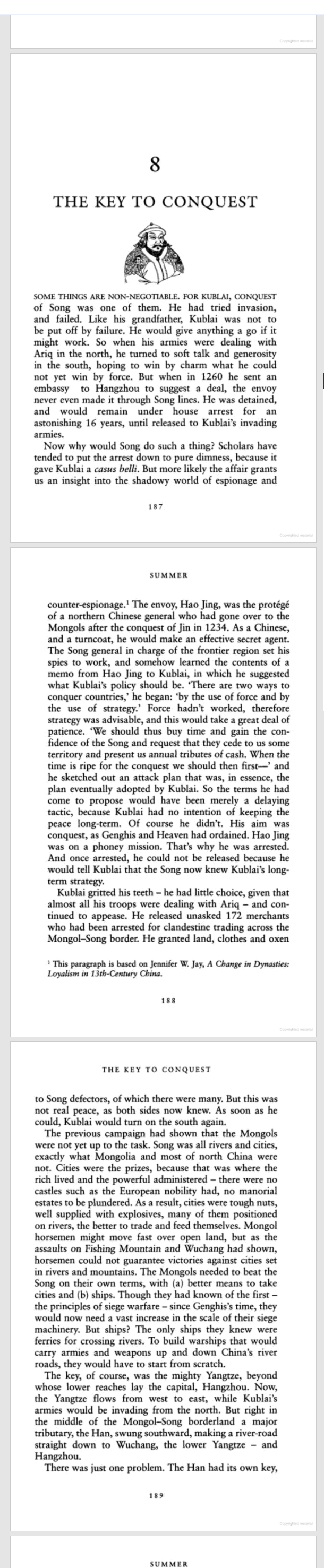
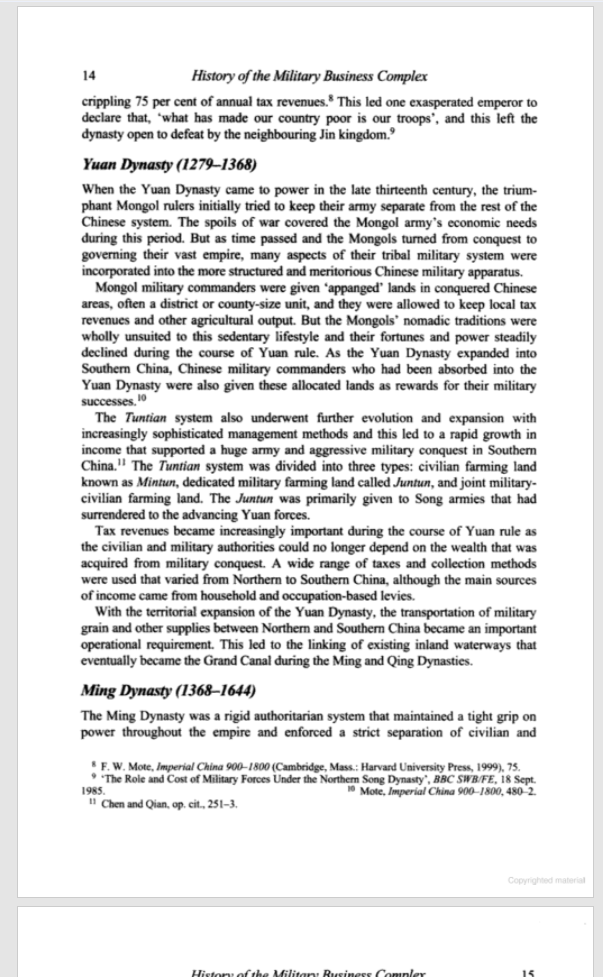
The Yuan dynasty created a "Han Army" (漢軍) out of defected Jin troops and an army of defected Song troops called the "Newly Submitted Army" (新附軍).[36] Southern Song Chinese troops who defected and surrendered to the Mongols were granted Korean women as wives by the Mongols, whom the Mongols earlier took during their invasion of Korea as war booty.[37] The many Song Chinese troops who defected to the Mongols were given oxen, clothes and land by Kublai Khan.[38] As prize for battlefield victories, lands sectioned off as appanages were handed by the Yuan dynasty to Chinese military officers who defected to the Mongol side. The Yuan gave Song Chinese soldiers who defected to the Mongols juntun, a type of military farmland.[39]
Hucker 1985, p.66.
ä¸å ½å ¤ä»£å® å è¾ å…¸
Bibliographic information

| Title | ä¸å ½å ¤ä»£å® å è¾ å…¸ |
| Author | Charles O. Hucker |
| Publisher | Stanford University Press, 1985 |
| ISBN | 0804711933, 9780804711937 |
| Length | 676 pages |
| Subjects |
›
Political Science / General |
| Export Citation | BiBTeX EndNote RefMan |

亦思巴奚兵乱带来了严重的族群间的仇视和对立,汉人对色目人的仇恨在亦思巴奚兵乱被平定后开始发泄出来,陈宗海部队占领泉州后进行了3日的大屠杀,许多色目人遇害,甚至有汉人因为长着高鼻梁或卷发而被误杀的,也有掘墓鞭尸的行为出现,蒲寿庚家族坟墓被掘开,其家族成员更是多有受酷刑之后被杀的。由于战乱和仇杀,外国商人几乎不敢赴泉州进行交易,番舶不敢进港,大量番商外逃,外侨社区解体,泉州的海外贸易和商业遭受近乎毁灭性的打击,经济一落千丈,泉州港开始走向没落。
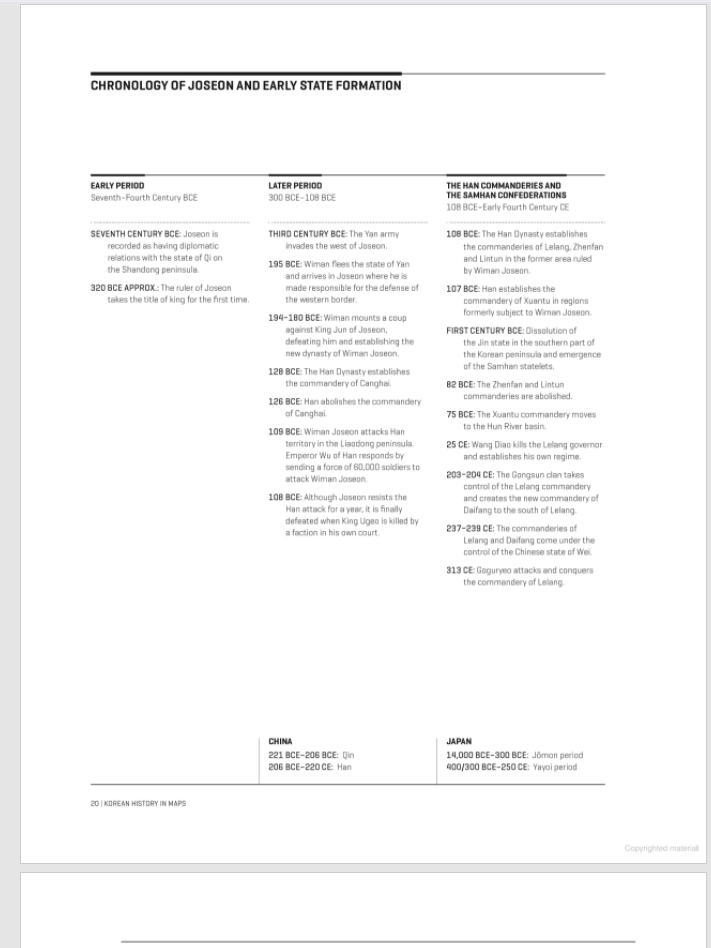
Korean History in Maps
By Lee Injae, Owen Miller, Park Jinhoon, Yi Hyun-Hae
https://books.google.ca/books?id=46OTBQAAQBAJ&pg=PA20#v=onepage&q&f=false
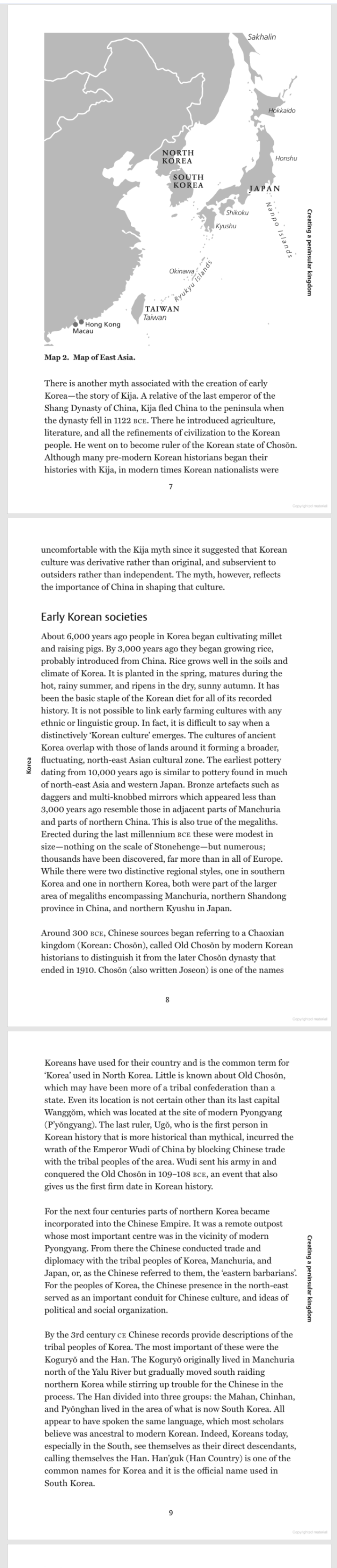
Korea: a Very Short Introduction
By Michael J. Seth
https://books.google.ca/books?id=OvDGDwAAQBAJ&pg=PA7#v=onepage&q&f=false
Making Borders in Modern East Asia: The Tumen River Demarcation, 1881–1919
By Nianshen Song
https://books.google.ca/books?id=dQFWDwAAQBAJ&pg=PA97#v=onepage&q&f=false
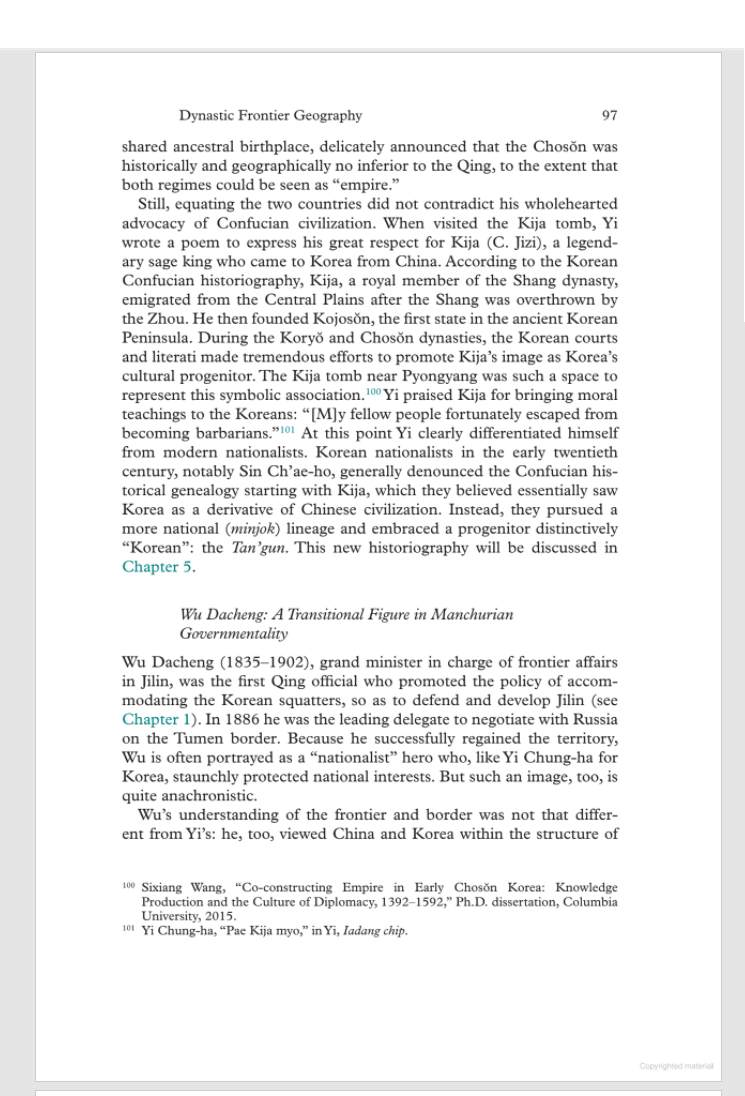
The ruling family of Korea were forced to provide their princesses as concubines to the Qing Manchu prince Dorgon, making them related. See the other two justpaste dumps linked at the top for details about that.
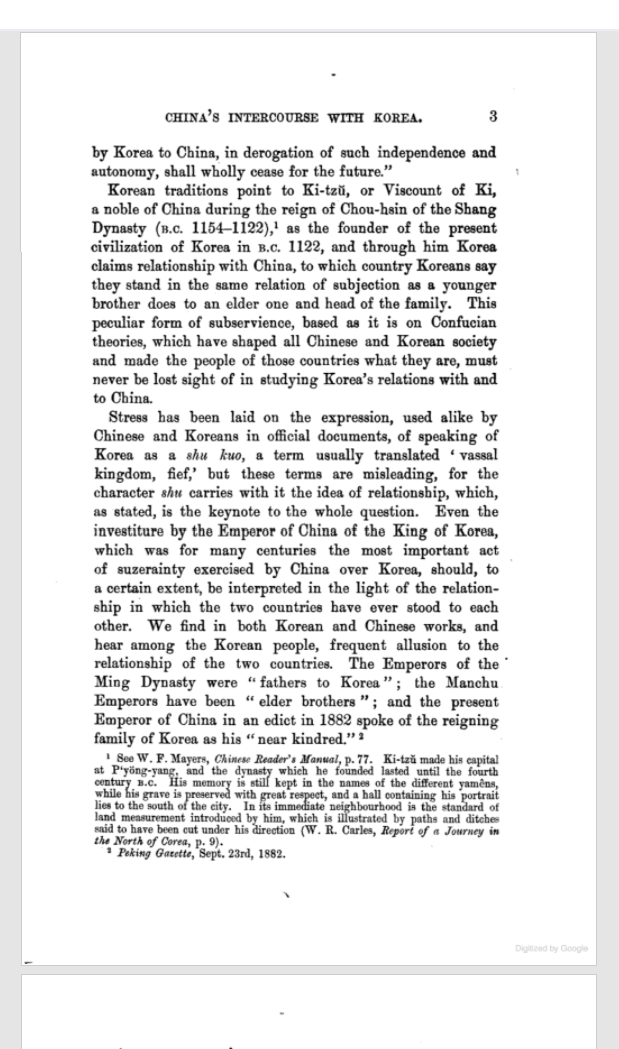
China's Intercourse with Korea from the XVth Century to 1895
By William Woodville Rockhill
https://books.google.ca/books?id=e-hxAAAAMAAJ&pg=PA3#v=onepage&q&f=false
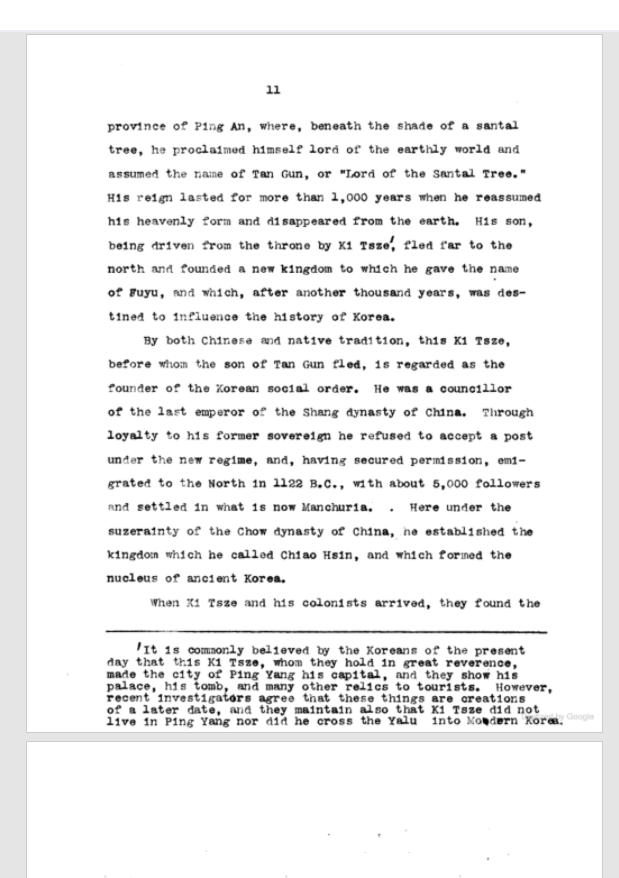
Political and Intellectual Relations of China, Japan and Korea ...
By Mrs. Emma Ellen Kuno
https://books.google.ca/books?id=yexGAQAAMAAJ&pg=PA11#v=onepage&q&f=false
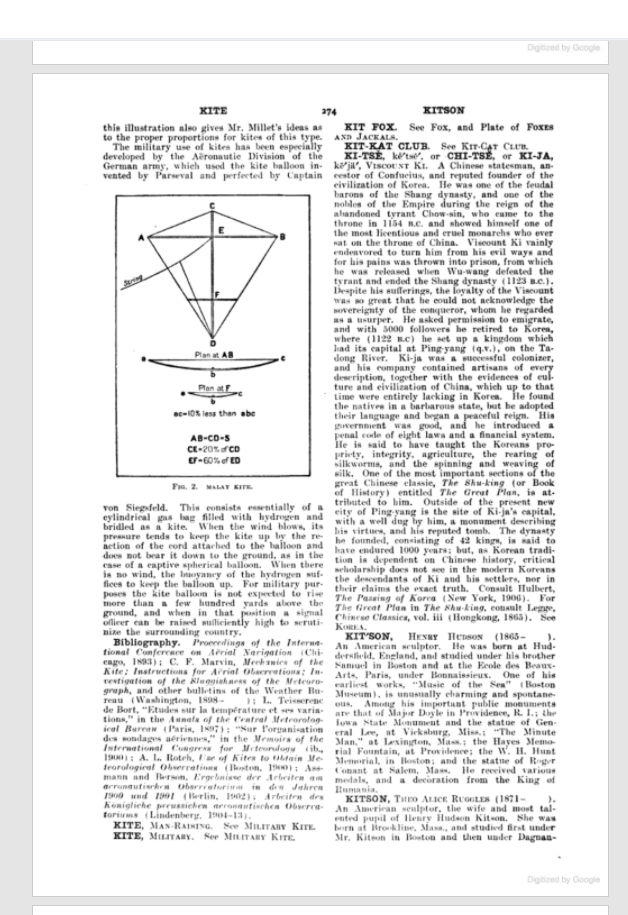
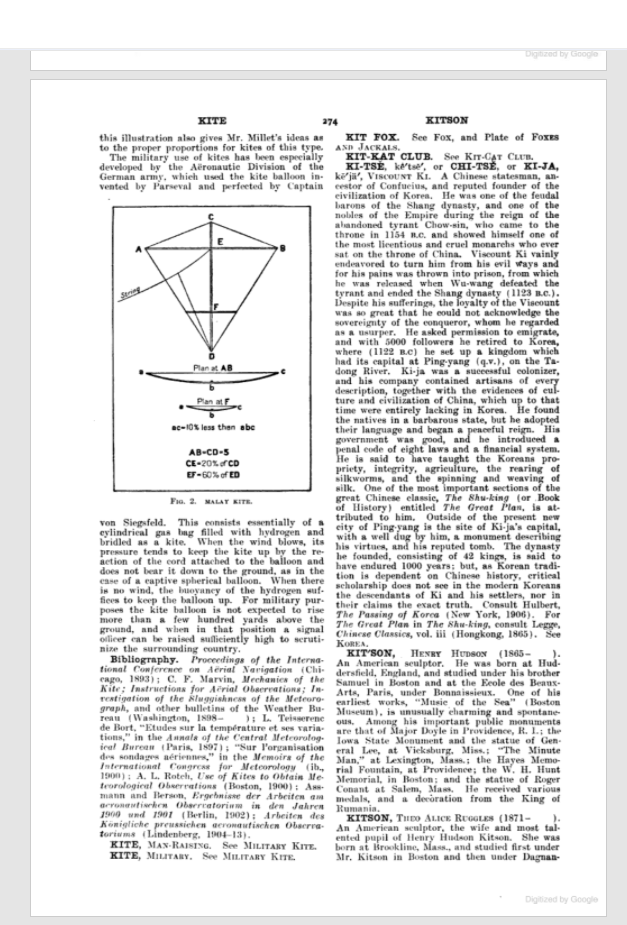
New International Encyclopedia, Volume 13
https://books.google.ca/books?id=qxooAAAAYAAJ&pg=PA274#v=onepage&q&f=false
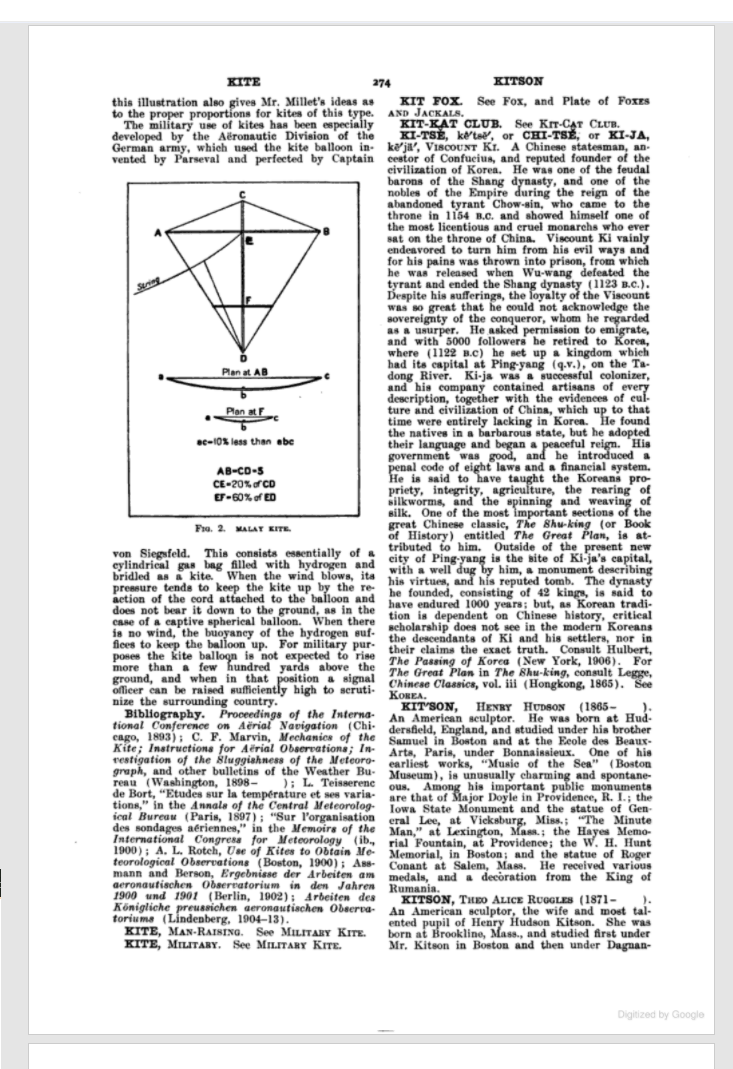
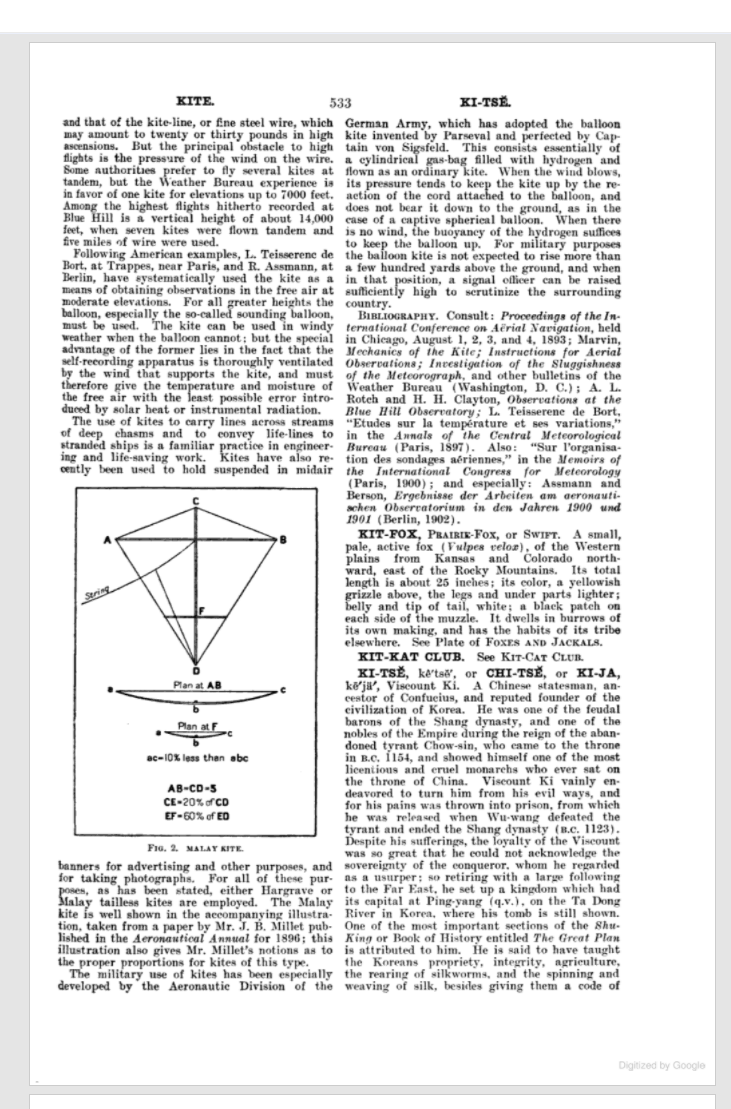
He was one of the feudal barons of the Shang dynasty, and one of the nobles of the Empire during the reign of the abandoned tyrant Chow-sin, who came to the throne in 1154 B.C. and showed himself one of the most licentious and cruel monarchs who ever sat on the throne of China. Viscount Ki vainly endeavored to turn him from his evil ways and for his pains was thrown into prison, from which he was released when Wu-wang defeated the tyrant and ended the Shang dynasty (1123 B.C.). Despite his sufferings, the loyalty of the Viscount was so great that he could not acknowledge the sovereignty of the conqueror, whom he regarded as a usurper. He asked permission to emigrate, and with® 5000 followers he retired to Korea, where (1122 B.c) he set up a kingdom which
The New International Encyclopædia - Volume 13 - Page 274
The New International Encyclopædia - Volume 13 - Page 274
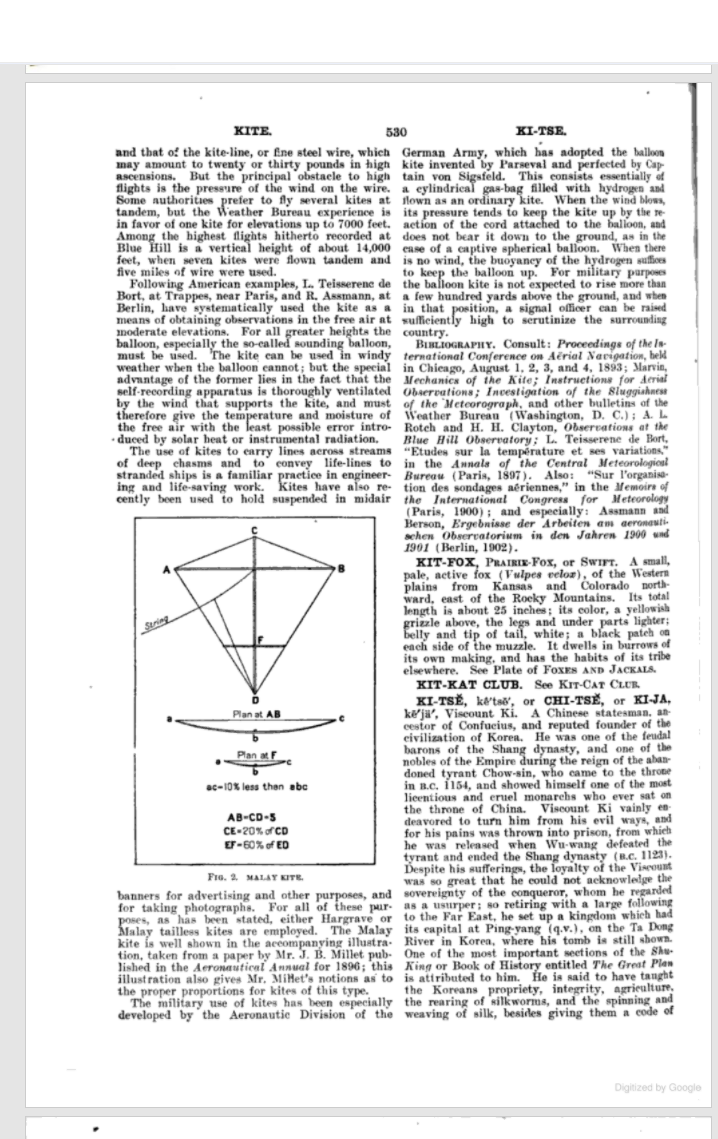
The New International Encyclopaedia - Volume 11 - Page 530
The New International Encyclopædia - Volume 11 - Page 533
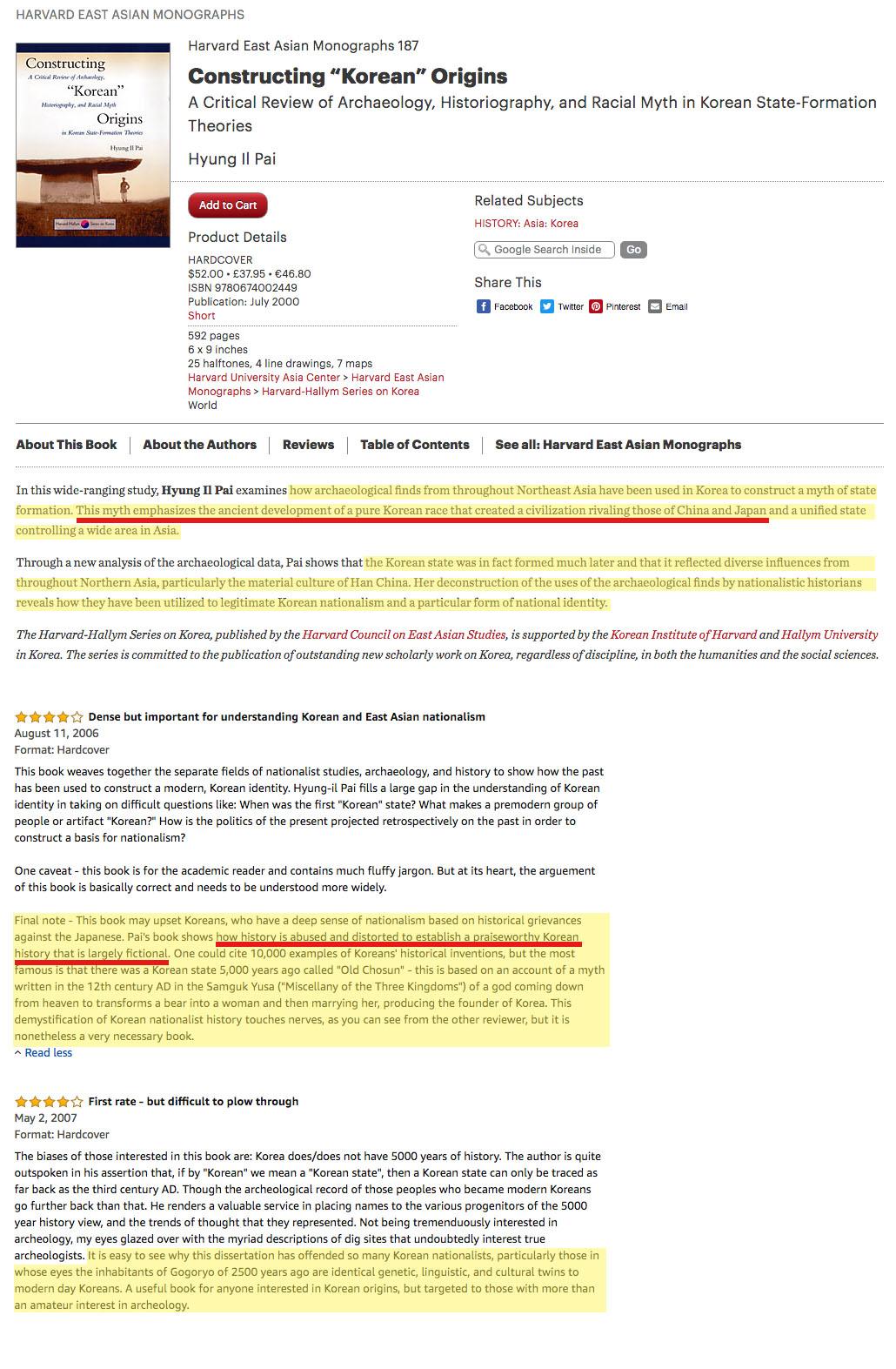
Some examples of Korean ultranationalism and wewuzzing. They claim Manchu, Xianbei, Turks and everyone else as Koreans.
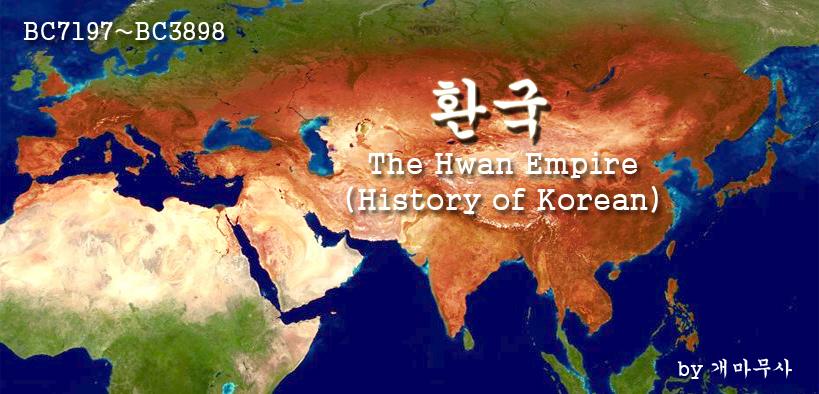
https://www.youtube.com/user/Cheon1Son
Korean History, Sunbi(鮮卑 Xianbei), another lost Joseon tribe
Nanai, Evenks, Yakuts, Jurchen, Khitan connection to Koreans
Moderators: chucky3176, Consoleman
http://www.koreansentry.com/forum/viewtopic.php?f=4&t=3977
Korean Nationalism: When the world was Korean
https://koreabridge.net/post/korean-nationalism-when-world-was-korean-intraman
https://koreabridge.net/post/korean-nationalism-korean-mother-all-languages-intraman
https://en.wikipedia.org/wiki/Hwandan_Gogi
https://en.wikipedia.org/wiki/Hwan-guk
http://www.hup.harvard.edu/catalog.php?isbn=9780674002449&content=reviews
https://www.amazon.com/Constructing-Korean-Origins-Archaeology-Historiography/dp/067400244X
holy shit this is real lol
http://www.dailymotion.com/video/xzj4ix_ancient-korean-empire-hwanguk_people
http://www.dailymotion.com/video/xzj579_korean-established-aztec-inca-civilizations_travel
https://koreabridge.net/post/korean-nationalism-when-world-was-korean-intraman
Korean ultra nationalist retard supported by Obama WE WUZ KANGZ and falsely claims Confucius, the Yin (Shang) dynasty were Korean and that the Yellow emperor (Huangdi), the founder of Chinese civilization, was taught by Koreans.
https://books.google.ca/books?id=E8IRdcnxg08C&pg=PA120#v=onepage&q&f=false
https://www.cambriapress.com/pub.cfm?bid=61
This is how deep Korean brains have rotted. See more Korean ultra nationalist WE WUZZING brain rot at the articles listed above.
The Korean WE WUZZER retard in question is Hong Beom Rhee (Hong-bŏm Yi) and Obama ally and associate.
Israeli Jews help worst Korea (South Korea) produce first domestic fighter jet
South Korea Just Unveiled Its New Fighter Jet. It Looks Awfully Familiar.
The KF-21 Boramae is a lot like the F-22 Raptor—with a few big differences.
- South Korea has unveiled its new Boramae (“Falcon”) fighter jet.
- The fighter, built in cooperation with several international defense contractors, should enter service in the early 2030s.
- The jet could become an export hit with countries that can’t afford the F-35.
South Korea has unveiled the first fighter jet indigenous to the Korean peninsula. The KF-21 Boramae (“Falcon”) will replace older fighters in the Republic of Korea Air Force.
➡ You love badass planes. So do we. Let’s nerd out over them together.
The jet, which resembles the F-22 Raptor, could also become a hit with smaller air forces or countries seeking a more affordable fighter fleet.
South Korea revealed the KF-21 on April 9 in a socially distanced ceremony in Seoul. The country first announced the fighter in 2015, and subsequent development only took 6 years. South Korea developed the fighter in cooperation with Indonesia, though there has been grumbling that Indonesia failed to pay its share of the development costs.
Here’s the rollout ceremony as it was shown live on South Korea’s MBC network:
There’s a reason a country that had never built a fighter before brought the KF-21 to life so quickly: outside help.
Korea Aerospace Industries (KAI) worked with American defense giants Lockheed Martin and General Electric to develop the KF-21. Israeli defense contractor Elbit provided terrain following/terrain avoidance expertise for safe flying during low-altitude flight, while another Israeli company, Elta, helped develop the radar system.



Armament will be outsourced entirely: The KF-21 will be armed with BAE’s Meteor air-to-air missile (the world’s first ramjet-powered anti-air missile), and the Saab/MBDA Taurus cruise missile will likely provide precision air-to-ground firepower. The fighter is also armed with an M61 20-millimeter Gatling gun provided by General Electric.
The new fighter jet is 55 feet long with a wingspan of 36 feet, making it just a shade longer and narrower than the F-35A Joint Strike Fighter, and noticeably smaller than the F/A-18E/F Super Hornet and F-22 Raptor. The Boramae looks a lot like the F-22 Raptor, with canted vertical stabilizers, diamond shaped wings, angular air intakes, and twin jet engines.
The aircraft has 10 external hardpoints for carrying weapons, sensor pods, and fuel. It has a minimum takeoff weight of 17,000 pounds and a maximum takeoff weight of 56,400 pounds. The Boramae’s two General Electric F414 engines, the same engines in the F/A-18E/F Super Hornet, can generate a maximum of 44,000 pounds of thrust. KAI describes the jet’s top speed as 1,400 miles per hour (mph), or just short of Mach 2.
South Korea refers to the Boramae as a “4.5-generation fighter.” The fighter isn’t meant to be as stealthy as fifth-gens like the F-22 or F-35, though it almost certainly has a smaller radar signature than fourth-gens like the F-15 and F-16. The Boramae is somewhere in-between.

The KF-21’s technologies include an advanced electronically scanned array radar system for detecting and tracking aerial threats, an infrared search and track system for quietly detecting aircraft at shorter ranges, and an electro-optical target pod that can detect targets on the ground.
South Korea has big plans for the KF-21. The country has an export-driven economy, with brands like LG, Hyundai, and Samsung considered household names in the U.S. Now, the country is beginning to ramp up its defense industry with an eye toward arms exports.
In addition to Indonesia, South Korea is looking to the Philippines as a buyer. As long as KAI can keep manufacturing and operating costs down, the Boramae could be an attractive option to middle-sized air forces or those in developing countries. Not every country can afford an F-35, and there are plenty of air forces out there that would accept 60 percent of an F-35’s capability with 60 percent of the price tag.

South Korea’s Defense Acquisition Program Administration says the KF-21 will integrate weapons by 2026, finish flight testing by 2028, and be combat-ready by 2032. South Korea plans to have 40 jets flying by 2028, and 120 jets by 2032.
The Boramae will replace very old F-5E Tiger II and F-4 Phantom II fighters in Republic of Korea Air Force service. Those jets are ready to retire now, so any delay in the KF-21 program could leave a capability gap in the country’s fighter fleet.
https://www.jta.org/2019/01/14/global/talmud-inspired-learning-craze-sweeps-south-korea
Talmud-inspired learning craze sweeps South Korea
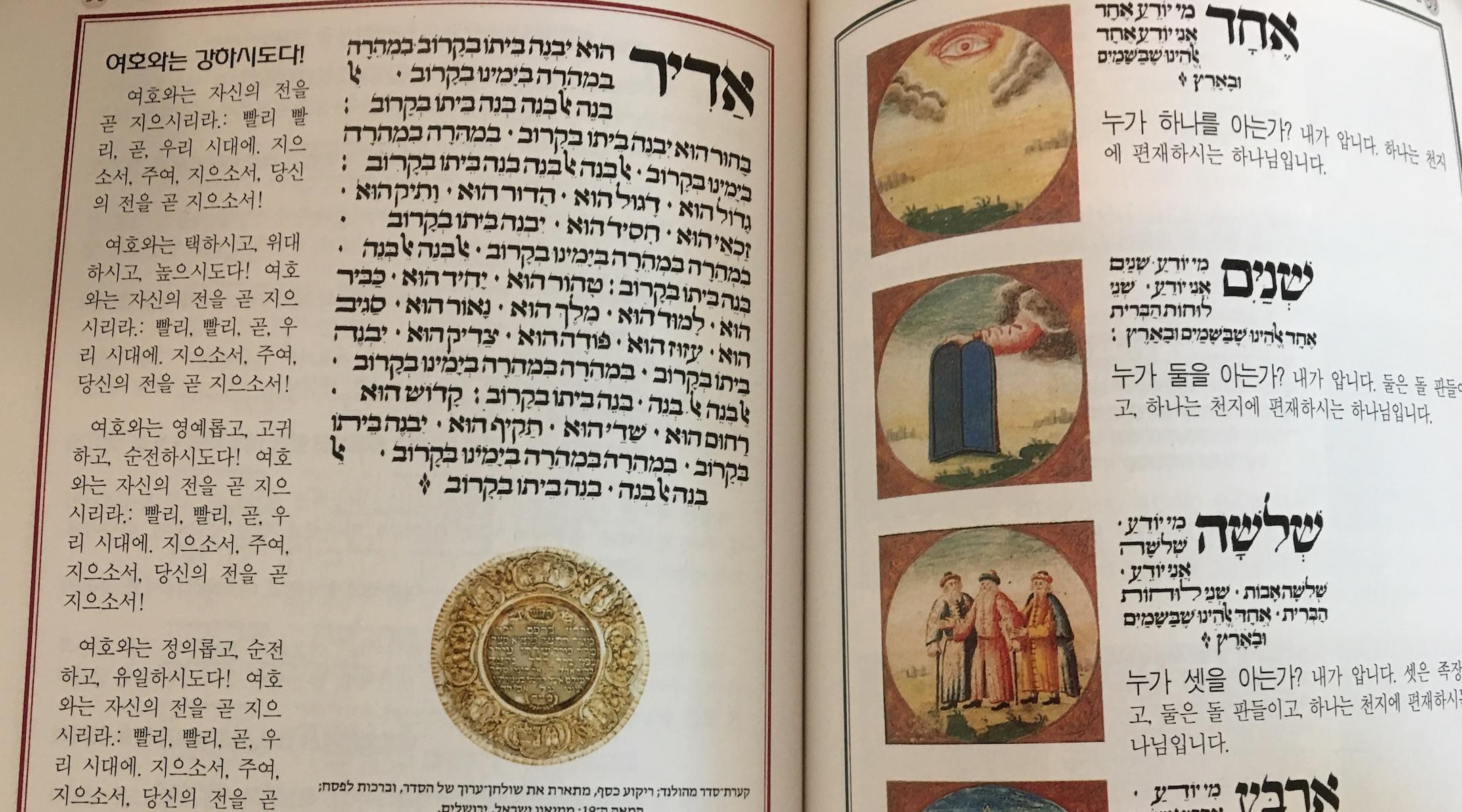
SEOUL, South Korea (JTA) — In 2014, Kim Hye-kyung found herself staring into an educational abyss.
The mother of two lives in study-mad South Korea, a nation where parents fork over a combined $17 billion on private tutoring every year. Children start early – 83 percent of 5-year-olds receive private education — and the pace keeps intensifying until, at age 18, students take the dreaded eight-hour suneung university entrance exam. Flunk the suneung and your job prospects could nosedive. Pass with flying colors and you may land a coveted spot at a top-ranked university.
“I hated the idea of sending my children to private academies, where teachers cram information into young heads with no thought for nurturing creativity,” Kim Hye-kyung said. “When my kids were younger, I read them books or took them out instead of sending them to academies. But as they grew older, I started worrying that their school results would suffer as a result of my decisions.”
Kim Hye-kyung was in this quandary when, by chance, she came across a book by a Korean author about what for her was a novel study method. It was chavruta, a method used by Talmud scholars in which pairs of students debate and ask one another questions based on ancient rabbinic texts.
“When I read about chavruta, I immediately felt an emotional connection,” Kim Hye-kyung said. “It was the educational path I’d been dreaming of. I thought my heart was about to burst with joy.”
Most South Koreans have never met a Jew. Aside from a small Chabad house in this capital city and a few informal groups of (mostly secular) Jewish expats, South Korea’s Jewish community is virtually nonexistent. As such, South Koreans know next to nothing about how Jews live, what they eat (and don’t eat) or what they believe.
However, there is one fact about Jews that just about every South Korean can recount.
“Jews account for just 0.2 percent of the world’s population, but 23 percent of Nobel Prize winners have been Jewish,” Seoul-based student Choi Jae-young related. “And despite all the time and money we spend on education, only one Korean has ever won a Nobel award. That irks many Koreans. It makes us want to learn Jews’ secrets.”
Some South Koreans think the key to unlocking such “secrets” can be found in Jewish approaches to education.
“Koreans don’t have to emulate Jewish belief systems,” educational researcher Seol Dong-ju said, “but we do need to copy the way Jews teach their children.”
The result is dozens of private chavruta-themed academies, with busy branches in major cities throughout the country, catering to everyone from toddlers to adults. Some make use of Korean-language Talmudic texts, while others follow entirely secular curricula.
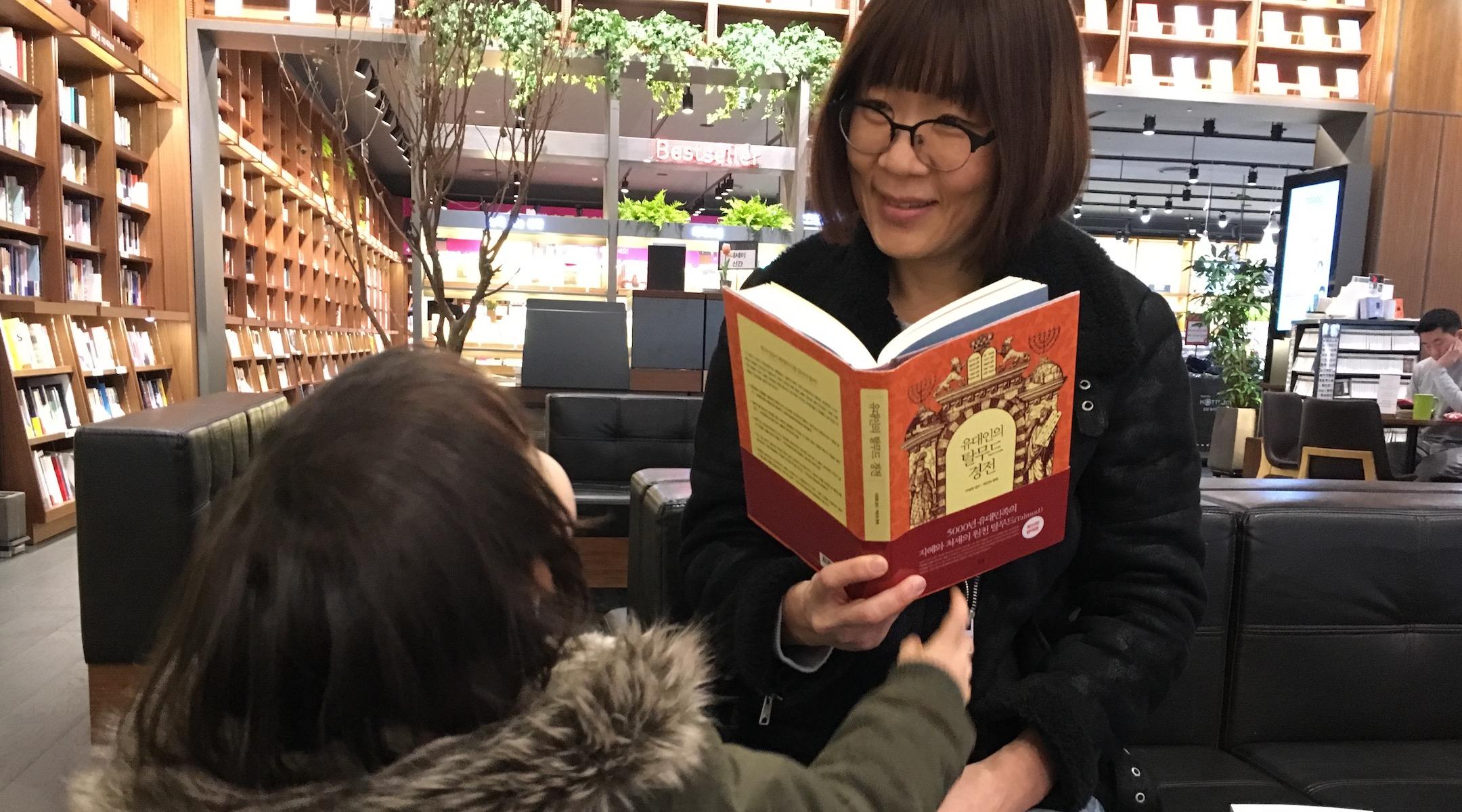
A South Korean woman and her child read Talmud-themed books at a Seoul bookstore. (Tim Alper)
Kim Jung-wan, who directs one such academy — the Havruta Culture Association — explains that South Korea’s Jewish education quest is over 40 years old. It began in the mid-1970s, when Korean translations of Talmud-inspired stories by Rabbi Marvin Tokayer, an American military chaplain stationed in Japan, first arrived in Seoul bookstores.
Tokayer’s stories were a runaway success. The Talmud, the vast Hebrew and Aramaic compendium of first millennium law and lore, effectively went viral in South Korea: In the decades since, hundreds of Korean versions of the Talmud have appeared, mostly deriving from English-language translations and commentaries. These range from picture story books for children to thicker, more ponderous volumes for adults.
But South Korean Talmud fever also sparked a highbrow fascination with Jewish knowledge – one that has spawned all manner of remarkable publications, including a Korean-language translation of the Haggadah, the book Jews read at the Passover seder.
And, as Kim Jung-wan explains, interest in the Talmud eventually led Korean academics to explore how Jews study religious texts. They began to learn about yeshivas, academies that are devoted to Talmud scholarship. South Korean consultants paid visits to some of Israel’s busiest Talmud study centers.
What they discovered inside sent their hearts aflutter: vast halls resonating with the clamor of heated student discussion, with teachers’ voices nowhere to be heard. Pairs of Talmud students — chavruta comes from a Hebrew root meaning “friend” or “companion” — locked horns in lively debate over texts, parsing its logic and debating a series of written questions posed by teachers.
For many South Korean thinkers, this was the “secret” they had been after since the 1970s: a learning methodology that added dynamism to book-based learning and removed the teacher as the focal point of lessons.
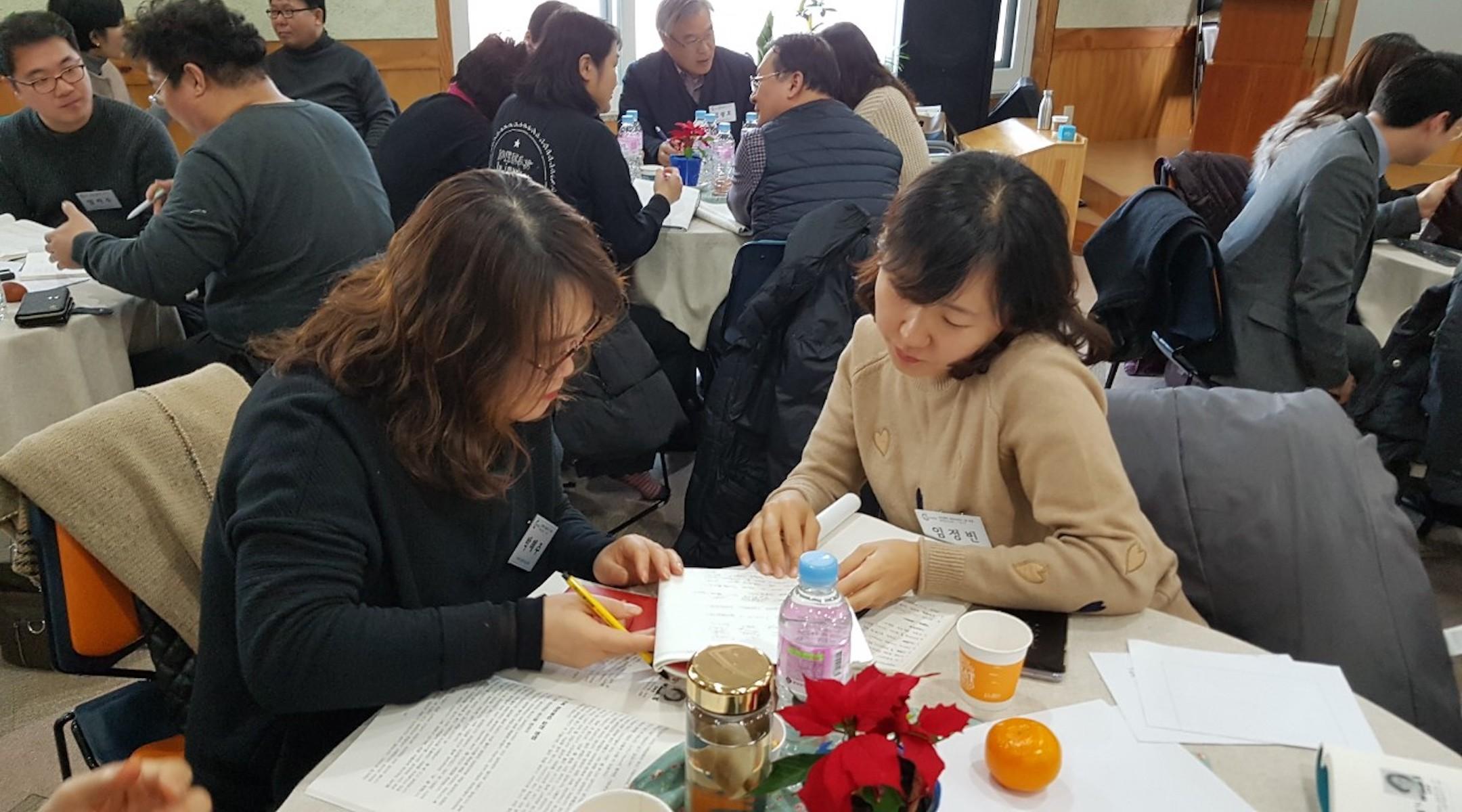
A chavruta-style adult learning session in South Korea (Courtesy of the Havruta Culture Association)
Kim Jung-wan’s own long chavruta journey began in 2001, when an academic acquaintance suggested he use the Talmud as a teaching tool for his son, then just a year old.
“I kept exploring the subject. I was fascinated,” he said.
Kim Jung-wan went on to study Hebrew at the Israel Culture Center, an affiliate of the Embassy of Israel in Seoul.
“Eventually I began attempting to translate parts of the original Talmudic text into Korean using the Schottenstein English-language translation as a reference,” he said. “This month, I am heading to a yeshiva in Israel, where I’ll study for a month. It wasn’t easy for a non-Jew like me to gain admission, but I managed somehow.”
In fact, most Orthodox yeshivas follow a policy of tactfully dissuading non-Jews from pursuing Talmud study. South Korean academics, however, appear undaunted.
Skeptics urge caution, noting that South Korean education fads tend to come and go, especially in the ultra-competitive world of private academic institutions. Critics warn that while advocates are currently singing chavruta’s praises on TV talk shows, the phenomenon may prove to be another flash in the pan.
But the evidence suggests otherwise.
The methodology is gaining mainstream acceptance fast, moving from private academies into conventional public classrooms. In December, one of the largest teachers’ trade unions in the country, the Korean Federation of Teachers’ Associations, struck a memorandum of understanding with the Havruta Culture Association. The resulting partnership will see scores of regular schoolteachers learn how to initiate chavruta-style learning sessions.
“Many newfangled educational trends have come and gone here,” Lee Hyo-sang of the teachers’ federations said. “Most fall out of fashion after about five years after failing to deliver on their proponents’ promises. But chavruta is different. It has a history that goes back centuries.
“KFTA experts visited numerous chavruta academies and found that, rather than being overly quiet like most typical Korean classrooms, they all thronged with noisy discussion and debate. It’s a breakthrough in Korean classroom culture. It could find applications in schools, households and even businesses.”
Even preschoolers are getting in on the action.
Yoojung Kindergarten, a preschool in northern Seoul, recently added chavruta modules to its curriculum. Children listen to stories from the Talmud and then embark on chavruta-style peer discussions.
“We wanted to find a fun, lively classroom activity that would promote creativity, but also help with moral education,” principal Jung Geum-sook said. “Chavruta seems to tick all of these boxes.”
Parents also believe they can play a part. As she began to read more about the way Jewish scholars practice chavruta in yeshivas, Kim Hye-kyung started thinking of ways to adapt the same methodology at home.
She began with family readings of picture story books, encouraging her husband and children to ask one another chavruta-style questions at every step of the way.
“It opened up a whole world of unexpressed thoughts and feelings,” she said. “We discovered that the questions we asked had no right or wrong answers. The whole process became both enlightening and fun.”
Kim Hye-kyung has gone on to apply her home-chavruta methodology to a range of secular subjects including math, languages and science, and has ended up writing two popular manual-style books outlining her methods.
“Chavruta discussion-based learning is even effective for children preparing for exams,” she said. “It helps them form an emotional attachment to impersonal-looking study materials that would otherwise bore them to tears.”
South Korea's fascist government committed horrific war crimes during its participation in the Vietnam War including mass rape against Vietnamese girls and women.
https://www.bbc.co.uk/news/extra/lhrjrs9z9a/vietnam-1968
Photo_taken_by_Phillip_Kemp_from_cockpit_after_sling-loading_water_drums_to_outpost..jpg
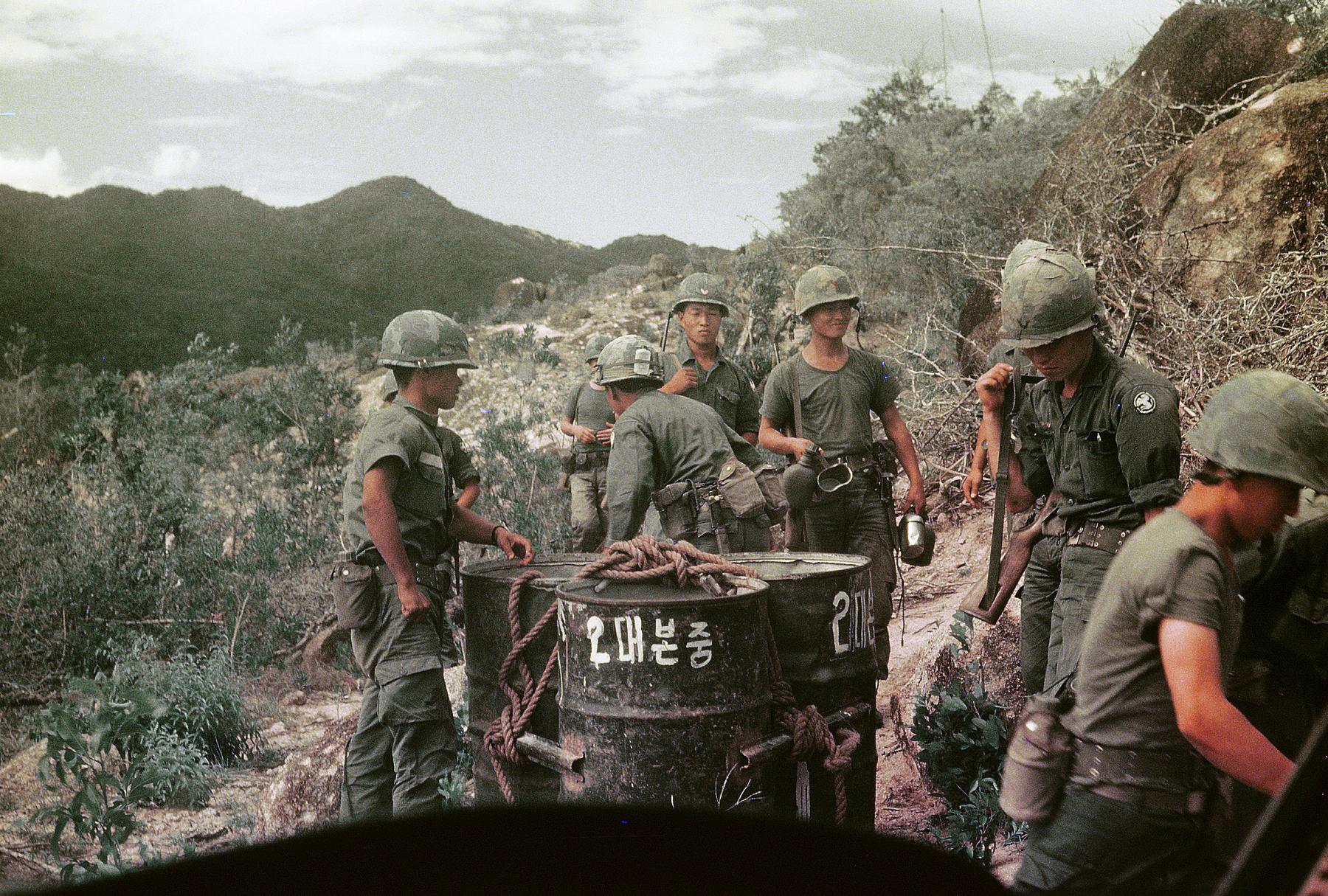
wtf ROK.png
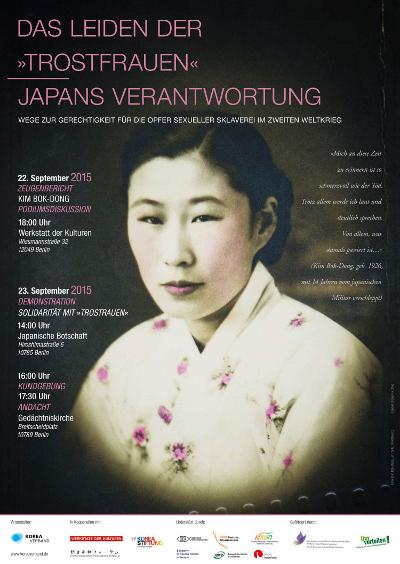
Korean comfort women
Plakat_DinA2_Trostfrauen-Kampagne_2015_Final_WEB-e1441807138198.jpg
https://www.bbc.co.uk/news/world-asia-47042684
Obituary: Kim Bok-dong, the South Korean 'comfort woman'
By Flora Drury
BBC News
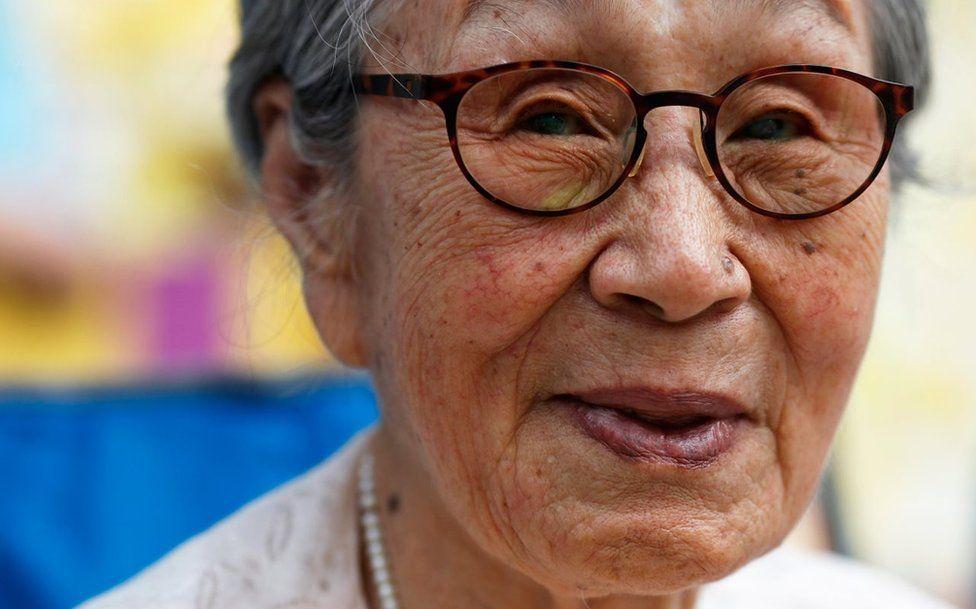 IMAGE COPYRIGHTGETTY IMAGES
The coffin passed the Japanese embassy in Seoul, accompanied on its final journey by mourners waving banners and holding yellow butterflies.
Cries of "Japan must apologise" rang out above the crowd, while others quietly sobbed.
It was not your usual funeral procession. But then, Kim Bok-dong was not your usual woman, and this was her final act of resistance against a country which had stolen so much from her.
Kim was one of thousands of so-called "comfort women" rounded up by the Japanese army and forced to work as sex slaves for years on end.
She died on Monday, at the age of 92, without ever receiving the apology she wanted; still railing against the injustice; still angry with Japan for taking the life she could and should have had.
"I was born a woman," she said, "but I never lived as a woman."
'I had to comply'
It took Kim Bok-dong almost 40 years to find the strength to tell her story.
She was just 14 when the Japanese soldiers arrived at her family's home in Yangsan, South Gyeongsang. They said she was needed to work in a factory. If she did not come, they warned her mother, the family would suffer.
But Kim was not taken to work in a factory. Instead, the teenager found herself transported to one of hundreds of "comfort stations" set up by the Japanese Imperial Army across the territory it had seized.
These "stations" were, in reality, brothels where some estimate as many as 200,000 women were forced to work as sex slaves.
Kim, who should still have been in school, was among them.
Her young age did not go unnoticed after she arrived in China.
"When they found out I was only 14, they talked among themselves saying 'Isn't she too young?'," she told YouTube channel Asian Boss during an interview in October 2018.
Apparently, it was not a problem. She was sent to start work.
"The first time, I got dragged into one of the rooms and beaten up a bit," she recalled. "So I had to comply."
Afterwards, she said, the bed sheets were covered in blood. It was too much to bear, and she decided there was only one way out.
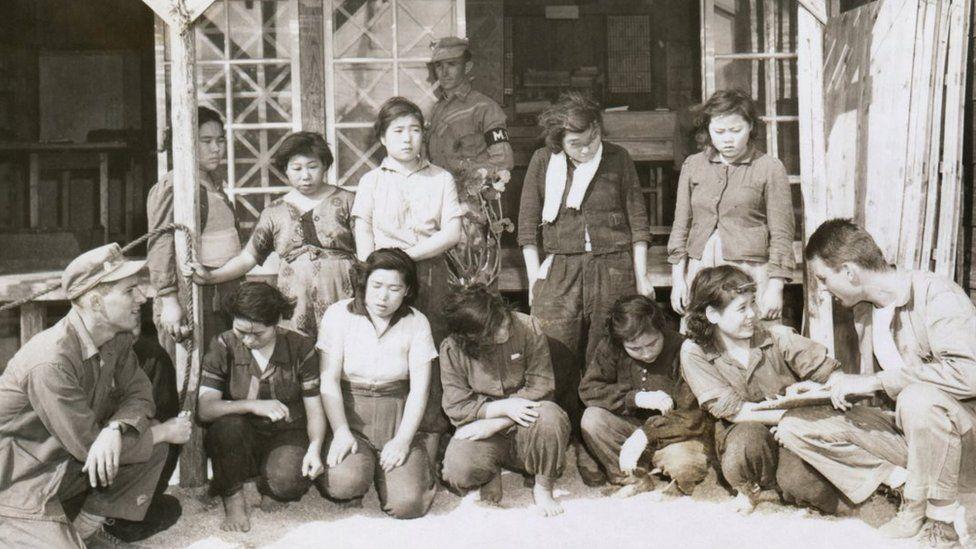 IMAGE COPYRIGHTMARY EVANS PICTURE LIBRARY
Using the little money she had been given by her mother, she and two others convinced a cleaner to buy them a bottle of the strongest alcohol they could find.
They drank until they passed out, but it wasn't enough. The three girls were found, and their stomachs were pumped.
When Kim finally woke up, she made a choice - no matter what happened, she would live to tell the tale.
'How could I tell anyone?'
The Japanese Imperial Army first introduced the idea of "comfort stations" in the early 1930s. It was supposed to stop their soldiers going on "raping sprees", and keep them free of sexually transmitted diseases.
In the beginning, it is thought they used prostitutes. But as Japan's military grew, so did demand. Eventually, they turned to slavery.
The men, Kim Bok-dong later recalled, would line up outside, waiting their turn.
Weekends were particularly dreadful. On Saturdays, she would work for six hours, the men arriving one after the other. On Sundays, it was nine hours.
Sometimes she would see almost 50 men in a day. Some days, she lost count. By the time her "shift" ended, she could barely stand up or walk.
Kim was moved from station to station, and in 1945 she found herself in Singapore. The Japanese began to move Kim and the other comfort women out of the brothels. Kim found herself working as a nurse, still waiting for rescue.
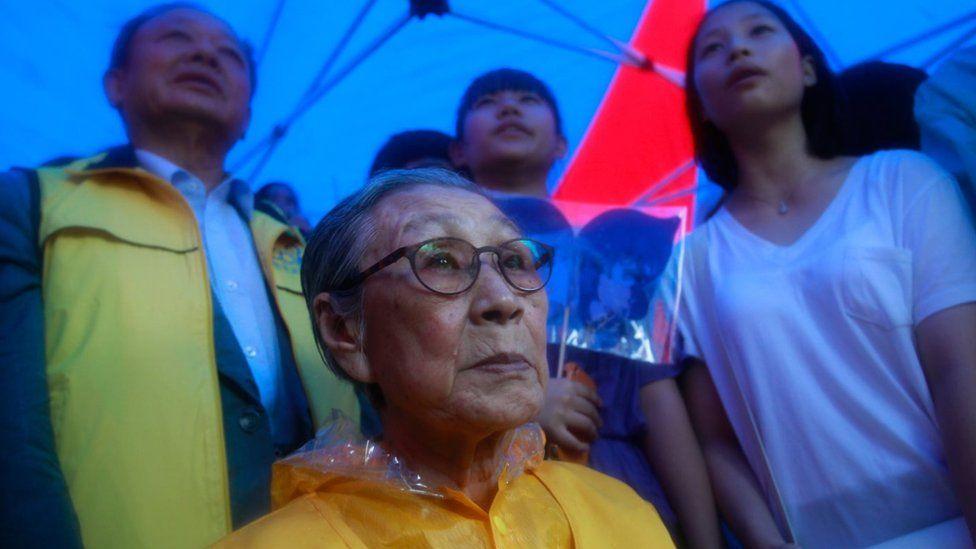 IMAGE COPYRIGHTGETTY IMAGES
It was 1947 when she was finally brought home to South Korea. She didn't know how long she had been gone; she also didn't know how to find the words to explain what had happened to her.
"How could I have told them about my experiences?" she asked. "I had things done to me that were unfathomable."
She wasn't alone in her silence, as the University of Connecticut's Alexis Dudden explains.
"I think her history following her return to Korea is a really good explanation of the double victimisation of those who survived," the history professor said. "There was not space in this society for the women to go public."

More lives in profile:
Kim did find her voice though, a few years after her return. Her mother wanted her to marry, and she felt she had to explain why she would not.
"I confessed that, given all the abuse done to my body, I didn't want to screw up another man's life," she told Asian Boss.
Her mother, she said, became distressed. Unable to share her daughter's secret, she died shortly afterwards of a heart attack. Kim believed it was the pain of the secret which killed her.
'It's not about money'
It would take decades for Kim Bok-dong to talk again about what happened to her. She moved to Busan, where she ran a successful fish restaurant.
And then Kim Hak-sun came forward, sharing her own story of being imprisoned as a "comfort woman" by the Japanese in China - the first South Korean victim to break her silence so publicly. It was 1991. By March 1992, Kim Bok-dong had come forward to tell the world her account.
"She had incredible strength - she was a survivor," says Prof Dudden, who first met her more than two decades ago. "She came forward to tell her truth. That is when she makes her mark on the page."
Her story would not just impact her fellow survivors in South Korea, though. It would bring together survivors from around the world - including women in Vietnam who had been attacked by South Korean soldiers during the US war. In 2014, she set up The Butterfly Fund to support fellow victims.
"The survivors of sexual violence in conflict from the Democratic Republic of the Congo and Uganda, address Kim Bok-dong... as 'our hero', 'our mama', and 'our hope'," a spokesman for The Korean Council for Justice and Remembrance for the Issues of Military Sexual Slavery by Japan recalls.
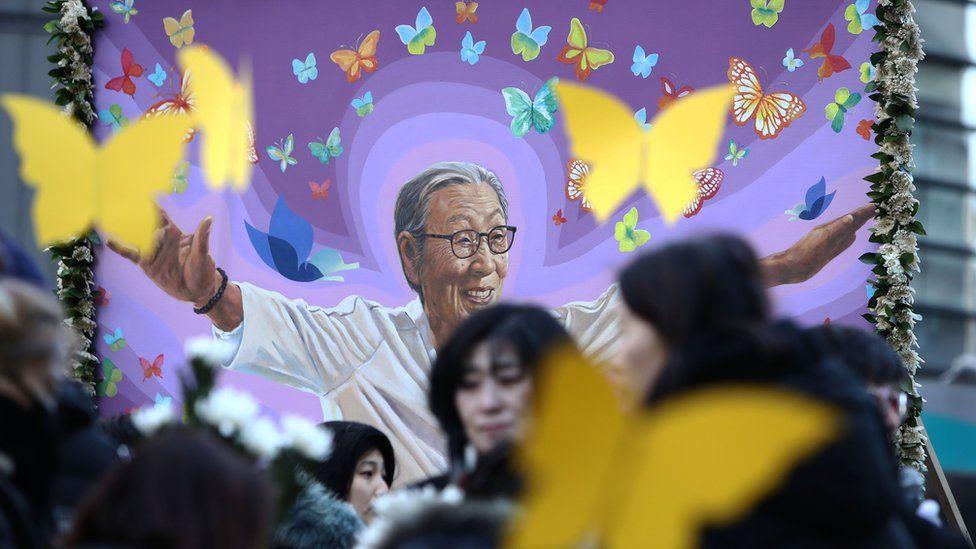 IMAGE COPYRIGHTGETTY IMAGES
Kim did not just share her story. When she had money, she gave it. In 2015, she started a scholarship for children in conflict regions with her own money. The fact her own education had been cut so short was a regret until the end of her life. When it became clear she was dying of cancer in 2018, she began to give away what little money remained.
But through all this - speaking around the world, campaigning outside the Japanese embassy every Wednesday - she still did not get the apology she felt she and the other victims deserved.
She was derisive of the 2015 deal between the Japanese and South Korea, which saw her former captors pay 1bn yen ($8.3m, £5.6m) to fund victims.
What Kim wanted - what she was fighting for - was a full admission of guilt. Some still allege the women were not forced to work in the stations.
"We won't accept it even if Japan gives 10bn yen. It's not about money. They're still saying we went there because we wanted to," Kim told lawmakers in 2016.
South Korea's President Moon Jae-In has since said he will renegotiate the fund, focusing more on the victims.
But it came too late for Kim. As she lay taking her final breaths, she expressed "strong anger" towards Japan, her friend Yoon Mee-Hyang told reporters. As Prof Dudden puts it, she "died screaming".
But her legacy will not be lost. In among the crowd at her funeral was Kim Sam, 27, who first met Kim "sitting up straight even in the rain as she spoke about her struggle".
"Upright, dignified - that's how she always was, first as a victim and later as a human rights activist," she recalled.
"She's a role model I respect the most."
Related Topics
-
Statue honours Korea sex slaves
Published14 December 2011 -
Japan WW2 sex slave deal 'ignored victims'
Published27 December 2017 -
'Comfort women' - a painful legacy
Published28 December 2015 -
The Philippines' forgotten 'comfort women'
Published17 June 2016 -
US city accepts 'comfort women' statue
Published23 November 2017 -
Relic of the Raj who schooled a nation
Published6 January 2019 -
The 'witch' who protected a village from genocide
Published22 December 2018 -
Remarkable life of 1921 race riot survivor
Published25 November 2018 -
The life of the undisputed queen of the circus
Published2 September 2018 -
Obituary: The mother who forgave her daughter's killer
Published24 June 2018 -
The man who 'discovered' China's terracotta army
Published26 May 2018 -
Obituary: The pioneering sergeant turned activist
Published18 March 2018 -
Obituary: The 9/11 rescuers who died a day apart
Published25 March 2018 -
Obituary: The blind pianist and photographer
Published8 July 2018
-
Statue honours Korea sex slaves
Published14 December 2011
https://www.bbc.co.uk/news/world-asia-16185314
Korea 'comfort women' put up statue at landmark rally
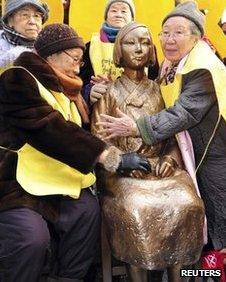
South Korean women kept as sex slaves by the Japanese army during World War II have held their 1,000th rally outside the Japanese embassy in Seoul.
A group of the women and their supporters unveiled a statue of a girl in traditional costume there.
Demonstrators have rallied since 1992 outside the embassy to demand an apology and compensation from Japan.
Japan has repeatedly apologised and has offered lump-sum compensation, but many Koreans say this is not enough.
Japan also says the matter was settled in bilateral agreements with South Korea in the 1960s.
Up to 200,000 women are thought to have worked as sex slaves for the Japanese army in military camps before and during the war.
The vast majority of the women were Korean.
Wrongs of the past
Japan has reportedly protested about the statue, but South Korean officials have said they cannot do anything about it.
Japan's chief cabinet secretary, Osamu Fujimura, called the statue "extremely regrettable", the Associated Press reports.
The blinds at the Japanese embassy were drawn shut - as they usually are for this weekly protest, reports the BBC's Lucy Williamson in Seoul.
"[South Korean] President Lee Myung-bak cannot say he doesn't know that white-haired grannies come out here, rain or shine, week after week," said 85-year-old Kim Bok-dong, one of the former "comfort women".
"President Lee should call on Japan to correct the wrongs of the past, so that things which need apologies can receive them, and compensation can be given," she added.
In a rare move, a North Korean association for former comfort women sent a letter of support, AFP news agency reports.
"The Wednesday demonstration that has lasted for 20 years is an unbearable blaze of anger against sexual slavery crimes committed by Japan that have trampled on national pride," the group said in a faxed message.
President Lee is expected to meet Japanese Prime Minister Yoshihiko Noda in Tokyo this weekend.
Mr Fujimura was quoted as saying the visit would still go ahead, but that the topic of the statue would be unavoidable at the summit talks.
-
S Korea WWII sex slave row continues
Published14 December 2011 -
Dark past haunts South Korea and Japan
Published20 January 2011
-
S Korea WWII sex slave row continues
Published14 December 2011
https://www.bbc.co.uk/news/world-16176575
Dark past haunts South Korea and Japan
https://www.bbc.co.uk/news/world-asia-pacific-12227232






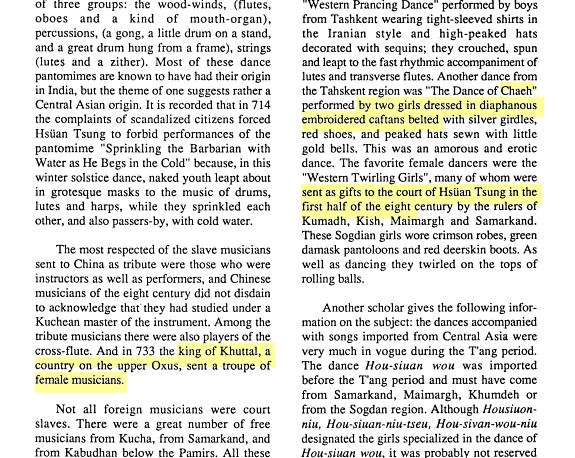
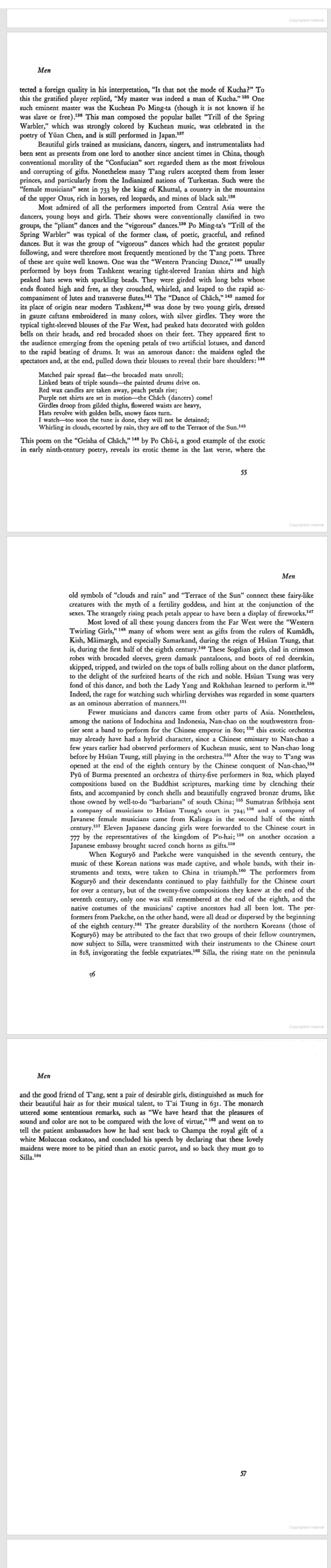
khuttal chach girls
https://books.google.ca/books?id=E17HQgAACAAJ&dq=khuttal+chach+girls&hl=en&newbks=1
https://books.google.ca/books?id=hHmRAAAACAAJ&dq=khuttal+chach+girls&hl=en&newbks=1
Aramco World Magazine - Volumes 36-37 - Page 15
Drama at the Crossroads: Turkish Performing Arts Link Past ... - Page 18
The Golden Peaches of Samarkand: A Study of T'ang Exotics
Swat: An Afghan Society in Pakistan : Urbanisation and ...
Sogdian Traders: A History
Islamic Central Asia: An Anthology of Historical Sources
OMMERCE AND SEX TRADE

Turpan under Tang dynasty rule was a center of major commercial activity between Chinese and Sogdian merchants. There were many inns in Turpan. Some provided sex workers with an opportunity to service the Silk Road merchants, since the official histories report that there were markets in women at Kucha and Khotan.[20] The Sogdian-language contract buried at the Astana graveyard demonstrates that at least one Chinese man bought a Sogdian girl in 639 AD. One of the archaeologists who excavated the Astana site, Wu Zhen, contends that, although many households along the Silk Road bought individual slaves, as we can see in the earlier documents from Niya, the Turpan documents point to a massive escalation in the volume of the slave trade.[21]
The few documented pairings of Chinese male owners with Sogdian girls raise the question how often Sogdian and Chinese families intermarried. The historical record is largely silent on this topic, but Rong Xinjiang has found 21 recorded marriages in the 7th century in which one partner was Sogdian and in 18 cases the spouse is also Sogdian. The only exceptions are very high ranking Sogdian officials who married Chinese wives.[22] He concludes that most Sogdian men took Sogdian wives, and we may surmise that the pairings between Chinese men and Sogdian women were usually between a male master and a female slave.
Several commercial interactions were recorded. In 673 a company commander (Duizheng) bought a camel for fourteen bolts of silk from Kang Wupoyan,[23] a non-resident merchant from Samarkand (Kangzhou).[24] In 731 a Sogdian merchant sold an eleven-year-old girl to a resident of Chang’an, Tang Rong, for forty bolts of silk.[25] Five men served as guarantors, vouching that she was not a free person who been enslaved.[26] (The Tang Code banned the enslavement of commoners.)




Bibliographic information

| Title | Les sogdiens en Chine Volume 17 of Études thématiques, ISSN 1269-8067 Volume 17 of Études thématiques: École Française d'Extrême-Orient |
| Authors | Eric Trombert, Étienne de La Vaissière |
| Publisher | École française d'Extrême-Orient, 2005 |
| Original from | the University of Michigan |
| Digitized | Jul 13, 2010 |
| ISBN | 2855396530, 9782855396538 |
| Length | 444 pages |
| Export Citation | BiBTeX EndNote RefMan |
Bibliographic information

| Title | Sui-Tang China and Its Turko-Mongol Neighbors: Culture, Power, and Connections, 580-800 Oxford Studies in Early Empires |
| Author | Jonathan Karam Skaff |
| Edition | illustrated |
| Publisher | OUP USA, 2012 |
| ISBN | 0199734135, 9780199734139 |
| Length | 400 pages |
| Subjects |
›
›
History / Ancient / General History / Asia / China History / Asia / General History / Europe / Medieval Literary Collections / Ancient & Classical Social Science / Anthropology / General |
酒肆论文摘要,唐代“胡姬”诗与现代日本的西域想象
《唐朝定居指南》中的参考资料

用美味糕点征服他的心吧,穿越女go on![特色点心]
(宋)陶谷撰,李益民等注释,清异录:饮食部分,北京,中国商业出版社,1985
王赛时,唐代饮食,济南,齐鲁书社,2003
快看那个村夫,上好的雪梨居然生啃![水果]
王赛时,唐代饮食,济南,齐鲁书社,2003
马波,唐代长安瓜果蔬菜的消费与生产初探,古今农业,1992(2)
行个令都不会,还想吃酒席?快打出去![酒令]
王昆吾,唐代酒令艺术——关于敦煌舞谱、早期文人词及其文化背景的研究,上海,东方出版中心,1995
季国平,从“论语玉烛”说到唐人酒令,扬州师院学报(社会科学版),1984(4)
女冒险家玛珂玻萝蜜的东方奇幻漂流[西域女奴贸易]
关也维,唐代音乐史,北京,中央民族大学出版社,2006
温翠芳,唐代长安西市中的胡姬与丝绸之路上的女奴贸易,西域研究,2006(2)
五谷轮回,人有三急
欢迎使用纯天然绿色循环模式洗手间,可爱的猪仔陪您一起方便![厕所]
(韩),金光彦,东亚的厕所,南京,译林出版社,2008
(日),光藤俊夫,中山繁信,居所中的水与火:厨房、浴室、厕所的历史,北京,清华大学出版社,2010
每个月都有那么几天特殊日子,怎么办呢?用来制药?[妇女卫生]
李贞德,女人的中国医疗史——汉唐之间的健康照顾与性别,台北,三民书局,2008
用栉篦去除头垢虱蚤,不但环保省水还能够占卜运势呢![洗头]
孟晖,贵妃的红汗,南京,南京大学出版社,2011
皇帝带头正风气,澡堂子里谈工作[洗澡]
(无?)
社会救济与公共文化生活
绝不滥用抗生素,怀里抱只鸡来治传染病[医疗]
于赓哲,唐代疾病、医疗史初探,北京,中国社会科学出版社,2011
范家伟,中古时期的医者与病者,上海,复旦大学出版社,2010
赵芳军,唐代社会医疗体系研究(学位论文),兰州,西北师范大学,2009
刘兴云,唐代中州乡村社会,兰州,甘肃人民出版社,2007
师太,请您出示剃度许可证和尼姑职业资格证书[佛教]
郝春文,唐后期五代宋初敦煌僧尼的社会生活,北京,中国社会科学出版社,1998
王景琳,中国古代寺院生活,西安,陕西人民出版社,1991
李富华,中国古代僧人生活,北京,商务印书馆国际有限公司,1996
医院学校旅店殡仪馆,多功能寺庙欢迎您[社会救济]
郝春文,唐后期五代宋初敦煌僧尼的社会生活,北京,中国社会科学出版社,1998
王景琳,中国古代寺院生活,西安,陕西人民出版社,1991
李富华,中国古代僧人生活,北京,商务印书馆国际有限公司,1996
李艳茹,唐代小说呈现的佛教寺院社会生活图景,香港,香港大学饶宗颐学术馆,2011
想听书看戏,茶馆剧院不侍候,请去庙里拜佛[公众娱乐]
郝春文,唐后期五代宋初敦煌僧尼的社会生活,北京,中国社会科学出版社,1998
王景琳,中国古代寺院生活,西安,陕西人民出版社,1991
李富华,中国古代僧人生活,北京,商务印书馆国际有限公司,1996
李艳茹,唐代小说呈现的佛教寺院社会生活图景,香港,香港大学饶宗颐学术馆,2011
当个有文化的唐朝人
郎君,您这一口标准长安音实在是……土得掉渣了![中古普通话]
此篇说明:语言学是一门非常专业和艰深的学科,古代汉语语音与现代差异很大,多数字音无法用现代汉字或汉语拼音准确标注,如果使用国际音标,又将给非专业读者造成阅读障碍。因本文是科普随笔性质,所以使用现代汉字“近略模拟”了古字读音,让读者略微感受一下古今异同,不可视为准确古音。
本文中所涉及的语音知识和《切韵》流变种种,均由语言学专业人士吾友水支作技术支持。中古南北语音的特点和切韵系发音,主要取潘悟云教授观点,可参考网站:东方语言学(http://www.eastling.org)。关中秦音参考资料为黄淬伯《唐代关中方言音系》。
小学老师不教《三字经》《百家姓》,体罚必不可少[幼童启蒙教育]
郑阿财,朱凤玉,敦煌蒙书研究,兰州,甘肃教育出版社,2002
唐群,唐代教育研究,西安,西安出版社,2009
您有自己的书房了!不过房里没有线装书![中古书籍]
肖占鹏编,李广欣译,唐代编辑出版史,南京,南开大学出版社,2009(应该是天津吧?)
李明君,历代书籍装帧艺术,北京,文物出版社,2009
来认识一下唐朝的文房八宝……粥?[笔墨纸砚等]
罗平章,唐代书艺与长沙窑文具说略,文化生活(艺术中国),2011(5)
朱国伟,唐代器用赋研究(学位论文),南京,南京师范大学,2008
扬之水,古诗文名物新证(二),北京,紫禁城出版社,2010
扬之水,终朝采蓝:古名物寻微,北京,生活·读书·新知三联书店,2008
学而优则仕,当官上朝啦
八抬大轿太娘炮,骑马才是高官范儿[交通工具]
孙机,中国古舆服论丛,北京,文物出版社,2001
(美)谢弗著,吴玉贵译,唐代的外来文明,西安,陕西师范大学出版社,2005
皇帝上朝不戴冕,宫廷劲吹休闲风[朝会服装]
李怡,唐代文官服饰文化研究,北京,知识产权出版社,2008
上朝不必“三跪九叩”,要表忠心请原地跳舞[朝会礼仪]
余云华,拱手·鞠躬·跪拜——中国传统交际礼仪,成都,四川人民出版社,1993
李斌城,唐文化研究·唐代上朝礼仪初探,上海,上海人民出版社,1994
对不住,本朝不供应“奉天承运皇帝诏曰”[圣旨]
刘后滨,唐代中书门下体制研究:公文形态·政务运行与制度变迁,济南,齐鲁书社,2004
历史是任人打扮的小姑娘?您倒是来打扮个看看呀![史官制度]
牛润珍,汉至唐初史官制度的演变,石家庄,河北教育出版社,1999
岳纯之,唐代官方史学研究,天津,天津人民出版社,2003
何锡光,唐代史馆的史料来源的常例和别例,重庆三峡学院学报,2007(2)
秣马厉兵,横扫天下
名将还是军阀?这是一个问题[武官仕途]
刘琴丽,唐代武官选任制度初探,北京,社会科学文献出版社,2006
许友根,唐代武举初探,盐城师专学报(社会科学版),1990(1)
这直不笼统的东西是刀不是剑,请先学会认兵器[兵器]
杨泓,古代兵器史话,上海,上海科学技术出版社,1988
杨泓,中国古兵器论丛(增订本),北京,文物出版社,1985
刘秋霖等编,中国古代兵器图说,天津,天津古籍出版社,2003
钟少异,金戈铁戟——中国古兵器的历史与传统,北京,解放军出版社,1999
严禁白衣飘飘上阵单挑,烧了武侠小说去买甲吧[盔甲装备]
杨泓,古代兵器史话,上海,上海科学技术出版社,1988
杨泓,中国古兵器论丛(增订本),北京,文物出版社,1985
枪杆子里出政权,跟李卫公学打仗[练兵出战]
邓泽宗,李靖兵法辑本注释,北京,解放军出版社,1990
那些渐渐消失的唐代节日
鸡、狗、猪、羊、牛、马,今天终于生人了[人日]
李健中,论唐代“人日诗”,湖南人文科技学院学报,2010(4)
张宏梅,唐代的节日与风俗,太原,山西人民出版社,2010
从不开放的长安夜市,一年仅此一次,速来抢购![上元]
张靖华,从《全唐诗》中元宵诗看唐代元宵节日风俗,语文学刊,2010(16)
程蔷,董乃斌,唐帝国的精神文明——民俗与文学,北京,中国社会科学出版社,1996
张宏梅,唐代的节日与风俗,太原,山西人民出版社,2010
三月三日天气新,长安水边多丽人[上巳]
张勃,唐代节日研究,北京,中国社会科学出版社,2013
张宏梅,唐代的节日与风俗,太原,山西人民出版社,2010
黄新亚,消逝的太阳:唐代城市生活长卷,长沙,湖南人民出版社,2006
断炊了,大家欢欢喜喜上坟去吧[寒食清明]
程蔷,董乃斌,唐帝国的精神文明——民俗与文学,北京,中国社会科学出版社,1996
张宏梅,唐代的节日与风俗,太原,山西人民出版社,2010
张勃,唐代节日研究,北京,中国社会科学出版社,2013
公款不吃白不吃,家家扶得醉人归[社日]
张勃,春秋二社:唐代乡村社会的盛大节日——兼论社日与唐代私社的发展,华中师范大学学报(人文社会科学版),2011(3)
萧放,社日与中国古代乡村社会,北京师范大学学报(社会科学版),1998(6)
孟宪实,敦煌民间结社研究,北京,北京大学出版社,2009
张宏梅,唐代的节日与风俗,太原,山西人民出版社,2010
遍插茱萸少一人,此人正在射菊花[重阳]
王相涛,唐代重阳诗研究(学位论文),南京,南京师范大学,2006
陈戍国,中国礼制史——隋唐五代卷,长沙,湖南教育出版社,1998
王永平,游戏、竞技与娱乐:中古社会生活透视,北京,中华书局,2010
张宏梅,唐代的节日与风俗,太原,山西人民出版社,2010
查看更多豆瓣高分好书
评论 0条
唐代長安城中販賣給漢人的胡姬與絲綢之路上的女奴貿易
2018-03-31 由 吾必成 發表于歷史
很多人不知道,女奴是絲綢之路上非常重要的商品。女奴貿易的利潤非常之高,從伊朗和中亞、南亞地區販賣到唐長安城的女奴,利潤要比絲綢高出三倍到五倍左右。

中亞美女
在唐代,長安城中的西市便是女奴交易的最大市場。根據史書記載,長安西市中佐酒的胡姬非常多,並且她們的歌舞技藝精湛、充滿了濃厚的異域風情,吸引無數文人墨客流連駐足、花天酒地。李白便有首詩:五陵年少金市東,銀鞍白馬度春風。落花踏盡游何處?笑入胡姬酒肆中。

唐代地圖
在長安西市,有很多波斯邸店和胡姬酒肆,這些酒肆旅店集中在一起,占地有十餘畝。在西市經營酒業的多為胡人,有波斯人和粟特人等。波斯人非常愛好飲酒,在波斯的文化中,美酒與美色常常並提。而在長安西市中,侍酒者也大都是年輕貌美的姑娘,被稱為「薩吉」。酒館集美酒與美色於一處,異域甘甜的美酒和絕妙的歌舞讓無數的唐人樂不思蜀。

唐長安城
根據唐代史料記載的這些胡姬的面貌特徵來看,她們大多是來自中亞、西亞的女子。並且這些胡姬並不是經營酒店的胡商的眷屬。更不是舉家內遷的胡女,而是絲綢之路上被粟特商人販賣到中國來的女奴。唐代 , 絲綢之路上的國際貿易盛極一時,絲路掮客粟特人的足跡遍布西起東羅馬東至長安的絲路沿線。而女奴買賣作為貿易中的大宗,不僅市場廣闊,而且價格高昂,成為粟特人販往唐代中國的主要商品之一 。

中亞女性
由於長安匯集著大量的達官貴族、富商豪賈,因此也是絲綢之路女奴貿易最大的消費市場 。在吐魯番出土的唐垂拱元年(公元685年)的案卷中,記載著昭武九姓康國中一個叫做康尾義的商人,攜帶著十五名吐火羅、中亞、印度的女奴,途經吐魯番去往長安貿易。而這些女奴顯然都是中亞南亞地區的胡女。

唐人宴會圖
而針對胡人女奴貿易,唐朝廷對其交易的限制也特別嚴格。出入關口必須申請過所,而且必須提供附券。進行交易時,必須由市令發給市券。唐朝廷這樣做的目的主要是為了防止壓良為賤,同時也是為了能夠進行徵稅。由於女奴第單價非常高,對奴婢所征的稅是朝廷的一大收入。

由於奴隸在法律地位上跟牛馬等畜產相等,主人有權任意拷打、虐待、捆綁、買賣、抵押、作為禮物贈人,故經營酒業的胡商出資購買這些來自粟特本土甚至更遠地方的女奴。可以肆意地剝削她們的勞動,讓她們當壚賣酒,並強迫她們提供各種服務,如陪酒、表演歌舞甚至包括性服務、與娼妓無大差別 。


橫貫歐亞大陸的絲綢之路上的利潤大都被中間商中亞的粟特人賺取。他們不僅將中亞的女奴販賣到中國,也將她們販賣到阿拉伯甚至東羅馬帝國。

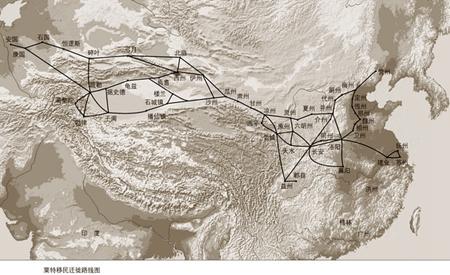
絲綢之路路線圖
而從出土的文書來看,這些被販賣的女奴只有十四五歲,還未成年就已經就遠離了故土與親人,在為大唐子民獻上異域風情的歌舞的同時,不知流了多少思鄉的眼淚。
相關文章


相關文章


|
|
版权所有:中国社会科学院考古研究所 地址:北京王府井大街27号(100710) E-mail:kaogu@cass.org.cn 备案号:京ICP备05027606
|
|
|
从出土文物看唐代的胡人女性形象[1]
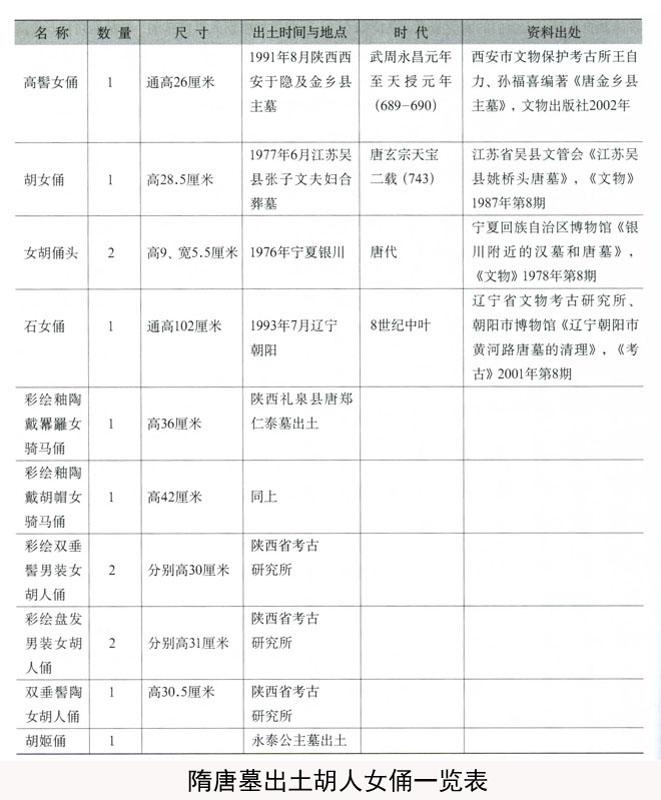
唐代的开放与富足、丝绸之路的空前繁荣吸引着无数异域人士。据史料统计,唐王朝曾与300多个国家和地区有交往,每年入唐的外国人络绎不绝。主要有肩负外交与朝贡使命的使臣、传教的僧侣、追求知识的学者和学生、经商谋利的商人、谋生的奴仆或艺人。他们多来自突厥、回鹘、吐火罗、粟特、大食、波斯、天竺等北方和西方地区,其中包括一些女性[2]。因此,唐朝人对相貌和服饰奇特的胡人女子并不陌生,“胡姬压酒劝客尝”更是长安街头常见的景观和史料(史书、绘画、诗歌和小说)反复描写的情节,但目前考古资料发现的胡人多为男性形象,女性很少[3]。据不完全统计,隋唐墓葬出土的胡俑约700件,而女胡俑不到20件(不到3%)。葛承雍先生认为“我们今天所能见到的唐代胡人女性俑非常罕见,当时的胡姬、胡旋女等外来女性在史书文字和出土文献中都记录不少,但遗憾的是考古文物中却很难找到‘胡女’,似乎只有西安出土金乡县主墓里的一个‘胡女’特例,但她脸部面容模糊不清,也绝不是唐诗上描写的胡姬,而是一个伺候女墓主的家人或女仆。”[4]孙机先生也认为“胡俑及相关之美术作品中出现的舞者皆为舞胡腾的胡人男子,而舞胡旋、柘枝之胡人女子则不经见。其实胡人女子中之酒家胡姬,在唐代风头正健。李白诗‘胡姬貌如花,当垆笑春风’;‘胡姬招素手,延客醉金樽’(《李太白集》卷三,卷十八);均反映出偕胡姬置酒饮谑之状”[5]。孙福喜、王自力也持同样观点[6]。目前国内学术界对胡人妇女的研究比较零散,多集中在唐诗和文学作品,对于考古资料的胡人女性形象很少涉及[7]。本文以考古资料和文献记载为基础,通过分析西域妇女在华生活情况,探讨史料的丰富记载与考古很少发现背后的社会、文化等深层次原因。
一 考古发现的胡人女性形象
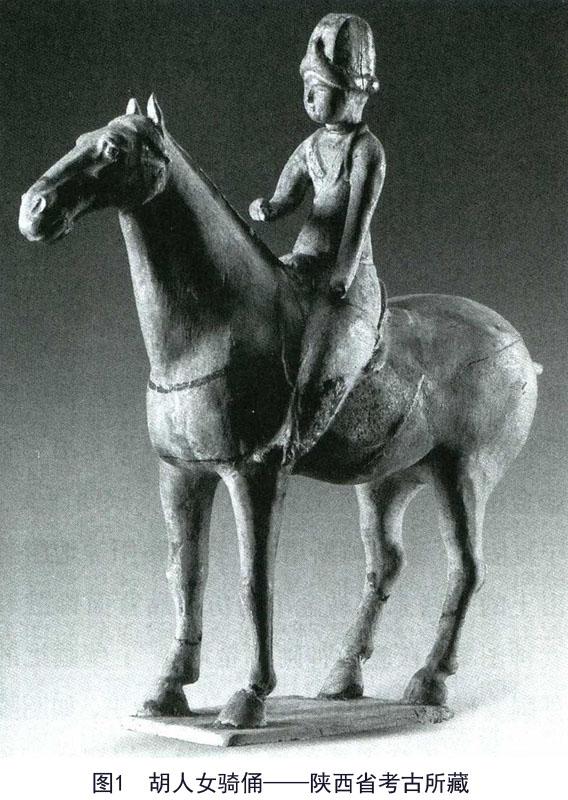
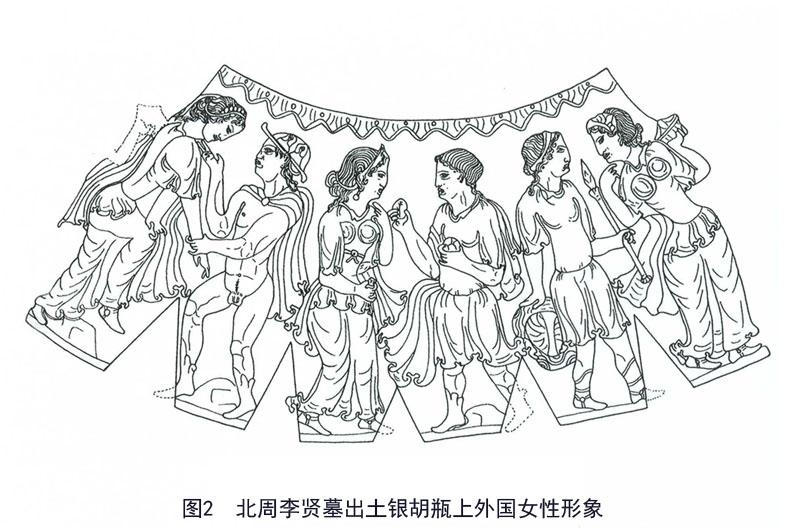
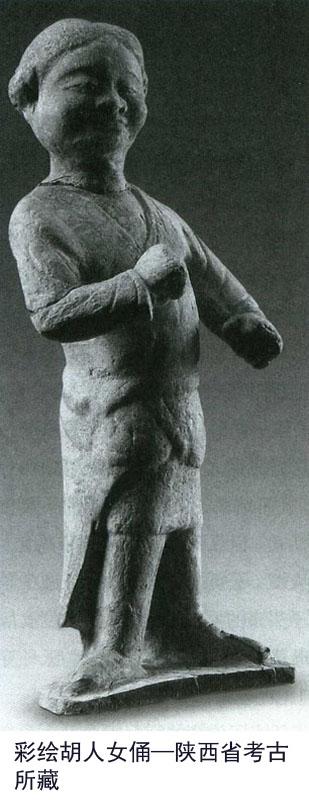
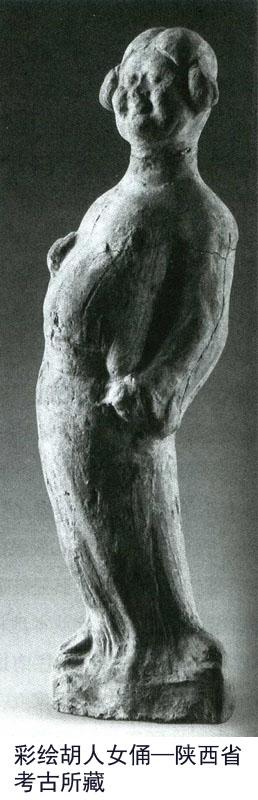
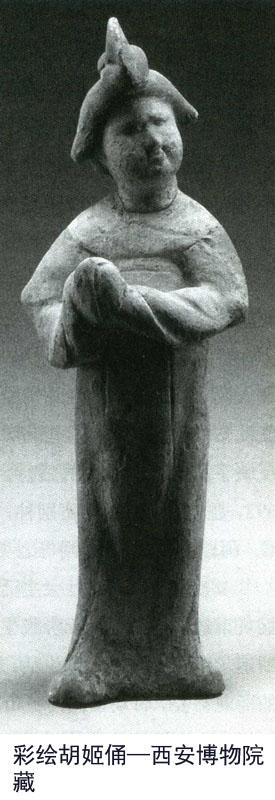
胡人妇女形象主要出现在历史、诗歌和小说等文献资料以及各种材质的器物上,如钱币、石雕、金银器、陶俑、绘画和壁画等,主要有女神(娜娜或阿娜希塔)、皇后、贵族妇女及一些身份不明者[8]。陶俑中的胡人女性形象包括永泰公主墓、金乡县主墓等唐墓出土的胡人女骑俑和胡姬俑等(图1);金银器和钱币上外国女性多为王室妇女和希腊罗马神话故事人物,如宁夏固原北周李贤墓出土的鎏金银胡瓶上的外国女性(图2),陕西西安、宁夏固原、新疆阿斯塔纳、河南洛阳等地唐墓出土的一些东罗马金币的仿制品背面饰胜利女神图案。祆教女神阿娜希塔等[9];壁画上的外国女性则以歌舞女、宗教人物为主,如昭陵陪葬墓长乐公主墓甬道东壁壁画的胡女[10]和新疆库车克孜尔第38窟主室窟顶4世纪壁画上的供养人;古代绘画中的胡人女性形象多样,如周舫的《天竺女人图》、张萱的《日本女骑图》和《印度裸女像》、尉迟乙僧的《龟兹舞女》等。此外,还有碑林石刻上的柘枝舞女、墓葬石刻上的祆教女神、墓志记载的安娘和史索巖夫人等、新疆和田博拉庄(Borazan,Khotan)和喀什亚吾鲁克(Yaviliq,Kashgar)出土的5—7世纪三提手陶瓶联珠内所饰异域女子[11]。
考古发现胡人女性形象很少的原因是多方面的。孙机先生认为主因在于胡女本身。“红粉浮浪,诗句轻薄;再考虑其祆教之‘恶俗’的背景,则胡姬在当事人眼中一般不被视作良家妇女。……因此在唐代上层人士用于葬礼的陶俑中没有她们的位置,出土文物中迄今尚未发现可以被确认的女胡俑。唐代男胡俑的面目剽悍,有的接近狰狞,胡女的面型大约也不尽符合唐人的审美习惯。这时如对时人说‘子貌类胡’,绝不是一句恭维话。‘如花’云云,不过是吟咏时即兴遣辞而已。更由于在社会心理上把她们定格为风尘冶艳之尤,遂使之难以在正式场合抛头露面”[12]。很多唐代传奇文学作品也将胡女妖魔化。《云溪友议》卷七载路岩戏谑地夸大胡女的外貌特征。陆岩梦《桂州筵上赠胡女子》描述了辗转至唐桂林寄居的胡人女子相貌不堪,“自道风流不可攀,却堪蹙额更颓颜。眼睛深似湘江水,鼻孔高于华岳山。舞态固难居掌上,歌声应不绕梁间。孟阳死后欲千载,犹有佳人觅往还”[13]。
孙机先生“胡女的面型大约也不尽符合唐人的审美习惯”的观点还可以适当补充。因为唐代早中期胡风盛行,唐人纷纷效仿胡人服饰,尤以女性为甚。唐人女子肯定是因穿奇异装饰的胡人女性特别美丽才去模仿,而主流社会对胡风也是肯定的、追逐的,以致于胡风泛滥,否则不会引起元稹和白居易等人的极力反对,但反对归反对,胡风仍不可阻挡地进入唐人的审美习惯中。其次,考古发现女性形象少的现象并不是中国独有的。Jenny Rose研究中亚古代妇女时也有同样发现。她指出女性(祆教、基督教)形象仅出现在钱币、金银器、石雕和陶器上,数量也很少,而在较少的女性形象中,大部分是女神和贵族妇女,前者如史前时代著名的“母亲女神”、阿契美尼德时期的阿娜希塔、中亚希腊文化时期巴克特利亚钱币上的希腊女神与印度的财富女神和音乐女神(Sarasvatii)及伊朗女神、萨迦钱币上的希腊女神尼克和帕拉斯与雅典娜、贵霜钱币上的伊朗女神Nanaia和Ardoxsho、希腊和印度女神等[14]。她认为原因是祆教中妇女整体地位低下。她们不是被看做独立人格的人,而是附属于男人,女童和少女常常被当做奴隶卖掉。Richard·N·Frye认为中亚前伊斯兰很多遗址壁画上男女服饰也形象地说明中亚妇女总体地位比男人低下,因为男人衣服用料精致,而上层妇女衣服非常简单,如撒马尔罕附近阿夫拉西卜粟特壁画所表现的那样[15]。葛乐耐发现“厥人通常会表现他们的妻子,在中国墓葬艺术中,宴饮夫妇的形象是必不可少的,但在粟特本土,夫人形象只出现在家庭内部的礼拜仪式场景中。同时粟特女子的胡服式样与男子相似,但在中国社会中,常被与下层社会的胡、汉舞姬(汉人也效仿这一时尚)联系在一起,这就使女子胡服不再受到人们的尊敬。于是对于定居中国的胡人显贵来说,惟一的方法是在图像中展现他们的汉人妻子,或者让胡族夫人着以汉服”[16]。粟特妇女地位低下还表现在墓志上。如史君墓志包括汉语和粟特文两部分,汉语部分多记叙史君生平,对于他妻子的描述很少,仅“妻康氏其□□□日薨,以其二年岁次庚子正月丁亥朔?三日己酉,合葬于永□县”[17]。
还有的学者认为唐代虽然繁盛开放,但仍有狭隘性和封闭性。天朝大国的优越产生对周围弱小民族的轻慢即既鼓励又限制了本国人,特别是文人的视野,使其对异域事物的认识想象大于事实,或多来自道听途说,把胡人的怪异面貌更多地与怪异之术或邪恶联系起来,不屑于表现[18]。但作为一个普遍的社会现象,应该还有更深层次的缘由需要进一步探讨。
二 胡人女性的主要来源
上述器物表现的为数不多的胡人女性多为有一技之长的中下层妇女,上层妇女较少(不知道是否与体质或吃苦耐劳有关)。很多属于唐代官私奴婢,官奴来源于罪犯,俘虏、贡献等;私奴包括赏赐、拘掠(官家仗势掠平民为奴)、买卖、投靠等。此外,还有跟随部族或家族迁入或自由流入者。
(一)俘虏。女婢的重要来源之一。按唐律规定,战俘一般充做奴婢,已婚者多半被送到奴隶市场。唐代早期以前,奴婢多为少数民族俘虏,中后期则主要来源于奴婢贸易。李天石认为“唐朝前期奴婢主要来源于罪隶配没及战俘,俘虏中以突厥人居多,如贞观十五年‘李世绩败薛延陀于于诺真,捕获五万余。’‘薛仁贵率兵击突厥,……大破之,斩首万级,获生口三万’,以致于突厥人哀叹其‘贵族子弟陷为唐奴,……女子降作唐婢。’唐太宗攻高丽‘前后虏获,数十万计,分配诸州,无处不满。’而唐后期随着社会经济繁荣,上层以财产和奴仆成群显示身份与财富的奢靡之风盛行,财色出众的胡人女性成为市场抢手货,特别是‘越婢脂肉净,奚童眉目明’,以致于胡女价格昂贵,奴隶主掠卖边地少数民族成风,主要集中于岭南道、黔中道、剑南道、新罗、吐蕃、回鹘等”[19]。《新唐书》卷222《南蛮传》也载,女“贫者无以嫁,则卖为奴”,唐朝富豪之家都希望得到高丽、新罗国的美艳史少女作贴身女婢、姬妾和演艺者,以致于“遍中国以新罗人为奴婢”。后来在唐朝政府一再禁止下,“大和以后,海上无鬻新罗人者”。武则天也曾下令不准西边州郡蓄突厥奴隶。尽管奴婢只能“同类婚姻”,所生子女身份不变,奴隶的自然繁殖使唐朝能维持较大数量的奴婢阶层。
(二)奴隶贸易,造成异域女奴大量出现在唐朝。当时还出现专门贩卖奴隶的集团和培训奴隶的家庭与机构。吴震认为“由乐事、部曲、客女(唐朝法律规定中地位最低下的贱民阶层,与奴婢不同的是,他们不可以被买卖)对这些奴婢分别进行调习,如听、说日常汉浯,熟悉礼仪、习俗,乃至学会某些劳动技术等,目的在于提高这些奴婢的售价”[20]。
(三)人质与贡人。前者使“清白少女成了女婢”。后者作为贡品献给唐朝皇帝。“因为这些人是提供特殊服务的,所以就人身自由而言,他们甚至比不上人质。而且我们也几乎无法将他们与奴隶区别开来。……以中亚舞乐伎居多,突厥女人、吐蕃女。……在唐代,许多统治者仍然从他们下属的王公,特别是突厥斯坦的印度化的政权那里接受这些女乐人”[21]。唐代皇帝和上层对异域文化的喜好直接导致进贡异域女子,尤其才艺俱佳者成风。史载唐朝周边国家纷纷以礼物形式将有奇异才能的女子贡献给唐王朝,尤以8世纪前半叶昭武九姓国居多,而诃陵国、日本国、高丽国等其他国家较少。下文选取一些有代表性的记载:
开元初,康国贡锁子铠、水精杯、玛瑙瓶、鸵鸟卵及越诺、侏儒、胡旋舞女。
唐开元、天宝年间,昭武诸国将“胡旋舞女”和中亚其他珍宝一起作为贡品献给唐王朝。开元七年(719)五月,俱密国遣使献胡旋女子及方物。
开元十五年(727)五月,康国献胡旋女子及豹。史国、米国、何国、俱密国等数次向唐朝献胡旋女子。
《杜阳杂编》记载:“宝历二年,东国贡舞女二人。一曰飞鸾,二曰轻风。”
显然,在所有这些来自西域的年轻舞妓中,胡旋女最受唐人喜爱,激发了很多当代诗人的创作灵感。最著名的是白居易的《胡旋女》“胡旋女,戒近习也。天宝末,康居国献之。”中亚的女童柘枝舞也让诗人激情四射,将美貌若天仙的舞妓与巫山神女联系起来。“平铺一台锦筵开,连击三声画鼓催。红蜡烛移桃叶起,紫罗衫动柘枝来。带垂钿銙花腰重,帽转金铃雪面回。看即曲终留不住,云飘雨送向阳台。”
唐朝胡人奴婢盛行的原因在于:首先,经济发展对更多家庭劳动力的需要刺激了奴隶贸易的繁荣与发展,以致于动物和奴婢贸易成为丝绸之路上最频繁的贸易,其中昆仑奴、新罗奴、波斯奴、突厥奴、吐蕃奴、回鹘奴较为多见。史料记载龟兹和于阗都有女市,吐鲁番文书也证实了奴婢贸易数量的大幅度增加[22]。韩森证实武则天时期一份名籍记载一户家庭61口人中有来自中亚的奴婢,“名字很像从另一种语言(很可能是粟特语)音译成汉语的。……由乐事、部曲、客女对这些奴婢分别进行调习,如听、说日常汉语,熟悉礼仪、习俗,乃至学会某些劳动技术,目的在于提高这些奴婢的价格。……这是一个出产奴婢的家庭”[23]。唐律规定所有动物和奴婢交易都必须在市场官员签发的市券上登记,证明他们被合法购买,就像被打上标记的动物一样。阿斯塔那墓群发现的一份粟特文契约记载了公元639年一个张姓汉人沙门以120个银币购买了一个从萨马尔罕来的女孩,主人可以对她做任何事情,鞭打她,虐待她,捆绑她,将她作为商品出售或作为抵押品,或作为礼物赠送他人。公元731年,粟特商人米禄山以四十四匹绢的价格将一个十一岁的女孩卖给长安人唐荣。杜荀鹤的《赠友人罢举赴交趾辟命》中“船载海奴环垂耳,象驮蛮女彩缠身”和杜甫诗“示獠奴阿段”即反映了海上奴隶贸易的盛行。(《全唐诗》卷692,题注云:獠乃南蛮别种,无名字,男称阿謩、阿段,女称阿夷、阿等之类。)
其次,唐代上层社会生活的需要。唐朝商品货币经济发展,显贵阶级生活日趋腐化,不断追求声色犬马的奢靡生活,形成对异域伎女的商业需要,带动了国内各市场和民间交易的活跃。唐律保护公开的奴隶交易(中原地区与边远地区社会、经济发展不平衡所致),奴隶贩子奔赴边远地区猎取年轻美貌的女奴,养在家中,使之接受诗歌、伎艺教育,然后让她们献身、卖艺,成为巨大的财富来源。敦煌文献中即有被京兆府金城县人唐荣转卖他人的胡婢以及有名有姓的突厥女婢春香。吐鲁番文献中也出现很多异族女奴婢。可见,西北地区曾长期蓄养少数民族奴婢,一度发展到很严重地步,以致武则天下令禁止。《唐会要》卷86《奴婢》载“(大中)九年闰四月二十三日敕,边上诸州镇,送到投来吐蕃、回鹘奴婢等,今后所司勘问了,宜并配岭外。不得隶内地。”《唐大诏令集》卷71《宝历元年正月南郊赦》载“诸军先擒获吐蕃生口,配在诸处者,宜委本道资给返还本国,……自今已后,边上不得受纳投降人,并擒捉生口等”。由于新罗女奴特别受欢迎,导致东北沿海地区掠夺新罗人的狂潮。开成初年,新罗人张保皋回国后禀告新罗皇帝说“遍中国以新罗人为奴婢”(《新唐书》卷220《新罗传》)。史书记载唐太宗谢绝高丽美女的事迹。《唐会要》卷八十六《奴婢》载长庆元年三月朝廷颁令禁断掠卖新罗人为奴隶,“已在中国者,即放归其国”(《旧唐书》卷16《穆宗本纪》)。8世纪末,德宗的诏令“……使其离父母之乡,绝骨肉之恋,非仁也,罢之”。从而结束了由官府主持的买卖土著人奴隶的活动,但私人买卖奴隶却未绝止,尤其是年轻女奴。公元817年广州都督颁令禁绝从本地村子买来的女口。张籍描写一位女奴“铜柱南边毒草春,行人几时到金麟?玉环穿耳谁家女,自抱琵琶迎海神”[24]。
再次,唐朝帝国传统的征服观念及由此产生的对周边弱小国家高高在上的优越感。谢弗认为奴婢数量和质量成为上层社会攀比或争夺权势和声望的手段之一,因此,经营异族奴隶的买卖是相当保险的,不会受良心谴责,因为异族奴隶并不完全是人。乌尔沁认为上层和民间对胡旋舞的需要和玩习之风,吸引着胡旋舞者便远道来淘金。加上丝路畅通,也有人出于经济利益而选择到长安创业[25]。最后,唐朝社会新等级观念的形成和民族关系的变化,以及因此带来的国内外人口的流动。
三 胡人女性生活管窥
由于史料缺乏,异域女性形象和在唐朝的生活状况总体上是模糊的,但仍可以找出一些零散线索。郑炳林在《晚唐五代敦煌地区的胡姓居民与聚落》中指出晚唐五代敦煌莫高窟供养人题记中记载了很多胡姓妇女,“她们参与敦煌社会生活的各个方面,敦煌文书中保留着很多她们的活动遗迹”。“女性会更快接受汉文化和风俗习惯”。遗憾的是他没有提供更多细节材料[26]。在都城长安,西市则是活跃在长安的外国人聚居区,其中不乏女性身影[27]。胡人女性在唐朝的地域分布大概与经济、文化、贸易发展有关。这个问题值得进一步探讨。
笔者认为,胡人女性在唐朝的身份地位和生存状况因国别、宗教信仰和文化修养差异而不同。阿巴斯王朝著名哈里发马利克认为“柏柏尔人的姑娘可供享乐,波斯姑娘适于生儿育女,罗马姑娘善于操持家务”[28]。同样,进入唐朝的胡人女性因各有所长而大致划归三个阶层:上层(皇帝妃子与贵胄妻妾等)、中层(中层为商贾家眷,如祆教徒苏谅妻马氏)和下层(生活在社会底层的奴婢,及从事百戏杂技表演的艺人)。居于上层的胡人女性一般以母亲、女儿、姐妹与妻妾的身份成为男性的政治工具、伙伴或财产保存者。随波斯王子卑路斯到长安的波斯人或后裔中应该包括上层女性,如唐神策军将领苏谅妻马氏。她按照祆教风俗生活在祆教文化中,与唐朝民众似乎联系不多,在内婚制度安排下嫁于父亲或兄弟。入唐的一些外籍高官也相互通婚,如波斯人李素娶突厥族后裔卑失氏为妻。天竺大野迷地和罗梵摩、突厥移力可汗也如此。太原王含的母亲金氏本是胡人女,善弓马,素以犷悍闻。唐僖宗时(875—888年)波斯人李玹、李珣和李舜弦兄妹成为唐代有名诗人。米国人米继芬的父亲突骑施则是作为质子“全家进入长安的”,他的母亲与妻子米氏也都是胡人。而蕃胡女子嫁作唐人妇者甚众。唐人视娶蕃胡女子为妻乃为常事。如玄宗妃子曹野那姬、敦煌王妃毗伽公主、裴行俭妻厍狄氏、李如暹吐蕃妻、蜀主王衍昭仪李舜弦、南汉后主刘伷婢波斯女。唐人范虑撰《云溪友议》中记载桂林有胡人女子踪迹。胡人女性还有人充当间谍者,如吐蕃曾派“有心”妇女为维州守卒之妻,作为内应,帮助吐蕃夺取维州。“蕃妇为完成祖国任命,弃二十载夫妻之情,狼子野心,令人握腕”[29]。
此外,一些身份高贵或色艺俱佳的胡人女子被收置于深宫充当侍女或被达官贵人纳为妾或充当奴婢、歌姬和舞女,有些美貌的女奴常沦为主人的性工具。“诸夷乐初成立时,伎人必为外籍,且其延续,又必以蕃胡为主体,似无可疑”[30]。“教坊里那些天才的乐工、歌伎,以及舞伎的社会地位与‘官伎’,即最高的一种艺伎社会地位很相似,她们被训练来演唱非正式的音乐,供那些得到天子宠信的人享乐的”[31]。龟兹、天竺、高丽、疏勒、高昌、康国等歌舞女较多。“美貌奴隶娱琴酒,细腰奴隶舞且唱”。胡旋女让“天子为之微启齿”,也“旋得明王不觉迷,妖胡奄到长生殿。美貌或身怀绝技的女奴常被王公贵族作为上等礼物相互赠送,也有的沦为街头巷闾的娱乐歌姬,如长安城东市与宫城之间、春明门南的道政坊、平康坊很多酒馆和妓院蓄养着很多娴熟音乐、舞蹈而善解人意的妓女。
沦为地位最低的贱民阶层的胡人女性被迫从事各种家务劳动,任凭主人随意驱使与买卖。唐墓出土的胡人女俑多为下层,职业和身份多元,有变幻百戏的卖艺者、卖酒的酒家胡、伺候主人的奴婢。服务于娱乐业和服务行业,如乐舞、杂戏和优伶等被称做胡姬[32]。包括胡旋舞女、柘枝舞女、杂技演员及演奏各种乐器的乐手。谢弗指出“歌舞之业有胡人女子参与其间,则为事实。……八世纪中亚的琴师和舞女在唐朝大都市受到热情欢迎”[33]。乐器演奏者也多以胡人居多,如不知名的琵琶女师曹供奉。无名氏《柘枝》介绍的柘枝舞女童,“帽施金铃,抃转有声。其来也,于二莲花中藏,花坼而后见。对舞相占,实舞中雅妙者也”(《全唐诗》卷22,刘禹锡《观柘枝舞》其二和沈亚之《柘枝舞赋》),都对风情万种的柘枝舞女痴迷不已。而大都市酒肆中那些娇媚的胡姬令年轻诗人和富家子弟趋之若鹜,神魂颠倒。长安城东春明门南有很多酒馆,“精明的老板娘会雇佣带有异国风韵的、面目娇好的胡姬(如吐火罗姑娘或粟特姑娘)用琥珀杯或玛瑙杯为客人斟满名贵的美酒。而这些姑娘使酒店生意更加兴隆”[34]。胡姬酒肆演绎成唐代长安享乐之类消费场所的代名词,因此才有了王绩“惭愧酒家胡”(《过酒家·五首》)的感慨,才有了杨巨源的《胡姬词》(妍艳照江头,春风好留客。当垆知妾慢,送酒为郎羞。香渡传蕉扇,妆成上竹楼,数钱怜皓腕,非是不能留)、贺朝的《赠酒店胡姬》(胡姬春酒店,弦管夜锵锵。红铺新月,貂裘坐薄霜。玉盘初鲤,金鼎正烹羊。上客无劳散,听歌乐世娘。)[35]开元天宝后,国势渐弱,西北边疆屡屡为患,长安穷于困对,绿眼黄发的胡姬便成了李白国愁家恨转向的意念。“胡姬绿服吹玉笛,吴歌白鹤飞梁尘”(《猛虎行》,《全唐诗》卷二十四)。陕西合阳县甘井乡出土的三彩乐舞人物扁壶腹饰一胡旋舞女子即是她们生活的一个缩影。
杂戏演出者也有很多外国女子。如《教坊记》“筋斗裴承恩妹大娘,善歌,兄以配竿木睺氏”。“范汉女大娘子,亦是竿木家”。“当与其同类为婚姻,亦杂有西胡血统”。还有百戏伎女石火胡、康国女优伶等。李白《幽州胡马客歌》赞扬胡女马上技艺:“幽州胡马客,绿眼虎皮冠。笑拂两只箭,万人不可干。……妇女马上笑,颜如赧玉盘。翻飞射鸟兽,花月醉离鞍。”[36]
尽管唐人具有开放的民族意识,尽管胡人女性丰富着唐人的生活与知识,但她们总体上地位地下,附属于男性世界,女童和少女常常被当做奴隶卖掉。她们被所谓维护传统伦理的士人所抨击、贬损为“淫乱”、“诱惑”,破坏社会秩序,腐蚀王朝大业的有害因素。对于大多数胡人女子而言,漂泊异国他乡的生活是艰辛的,如7世纪末西州36岁的丁寡史女辈,在丈夫、儿子和一个女儿去世后,与另一女儿谷施独自生活。从她们的困境来看,粟特妇女经常历经磨难,努力在没有丈夫依靠的情况下支撑门户[37]。有的幸运地回到故乡,有的则永远地留在她们向往或憎恨的地方,浓浓乡愁伴随着她们一生。李贺《龙夜吟》描述的就是这种思乡情。“卷发胡儿眼睛绿,高楼夜静吹横竹。一声似向天上来,月下美人望乡哭。直排七点星藏指,暗含清风调宫徵。蜀道秋深云满林,湘江半夜龙惊起。玉堂美人边塞情,碧窗皓月愁中听。寒砧能捣百尺练,粉泪凝珠滴红残。胡儿莫作陇头吟,隔窗暗结愁人心。”白居易《听歌六绝句·何满子》和元稹《何满子歌》“一曲四词歌八叠,从头便是断肠声”。有的还以乐曲表达心中的怨恨,如罗隐的《琵琶》。
四 结语
公元9世纪,随着社会动荡,外来物品及外国人来华者减少,胡人女性也逐渐淡出人们的视线。但她们对唐代社会产生了深远影响:能歌善舞者在王宫和贵胄之家中笙歌曼舞,对上层社会有着不可忽视的影响,如乐舞、服饰和饮食,乃至社会进程、民族心态和人口构成等。而多精通诗文、伎艺者,对唐朝文化作出贡献,诗歌与歌舞的结合成为深受诗人喜爱的作品社会化形式。在中外文化交流方面,她们为沟通东西、传播西域文化、促进商品货币经济发展、丰富权贵的奢华生活需要都产生较大影响[38]。
尽管唐朝人以复杂的,模棱两可的、含混不清的态度对待胡女,或褒扬或丑化或鄙视或鞭挞,但她们最后在长期磨合过程中最终融入当地社会。这些胡人女性尽管多为奴婢,但被塑造得轻松活泼,面带桃花,说明工匠以唐人稳态性文化模式与生活习俗为参照,按唐人的情感指向和伦理关怀塑造胡人女性,有意淡化奴婢身份,同时也强调胡女体貌与习性(能歌善舞)的独特。王立认为“不论唐人对胡人多么抱有好感,还是免不了有一种身居中土主人意识的流露”[39]。乌尔沁认为这是唐与胡文明从相拒到交融过程的必然产物。看似弱势的胡姬却将唐朝文人雅士吸引到石榴裙下,“赢得文人雅士对她们社会地位的基本认同,逐渐融于华夏中原乃至中华文明的生活方式中了”。“盛唐时期胡姬不仅是酒色才艺、侠、纵横家的楷模,更有一种昂扬向上、积极进取、自信乐观的宏伟气象。……至后期中唐逐渐接受汉民族和其他地域的风土人情,已被汉化,……由高昂明朗、激情奋发的盛唐气象变得低靡颓废晚唐情结。同时也逐渐失掉她们的个性,由重才艺、学识、修养、谈吐、交际、歌舞的才貌俱佳的文艺使者而变成低级趣味的色妓,成了单纯追求身体享受和金钱利欲的平庸浪妓,所以才被才艺更高的吴姬(汉文化代表)所取代,同时也完成汉化过程”[40]。
注释
[1]古代“胡”泛指民族或地理属性,用法因时代而异。汉代指中原王朝北方边境地区的邻人,如匈奴,后引申为古代北方和西方少数民族及西域诸国总称。唐代的“胡”有广义和狭义之分,广义指外来的人和货物;狭义上多指西方的人或物,特别是中亚昭武九姓、波斯、天竺、大食、罗马等。现代学者多指我国古代西部、北部及西域各族人,也指所有外国人。“胡”有多种英译法,如中性的“Non-Chinese”(“非中国人”,见罗丰的《胡汉之间》第515页)、地域性的“Western”或“Westerner”(“西方的”或“西方人”,见 Jane Gaston Mahler和谢弗《唐代的外来文明》第8页)或“Foreigners”(外国人)、音译的“Hu Man”或“Hu People”(胡人)等。因本文还涉及到东北亚的高丽、东南亚和非洲等地,故用其广义用法。
[2]目前学术界对胡人女性称呼不一。有的将汉唐时期的非汉族妇女称胡姬。姬,原意“周的贵妇人”、在唐代多指“高级妓女”。大致分三种类型:北方游牧民族妇女;西方或北方(很可能属于伊朗系),专门以乐舞愉悦统治阶级的歌舞伎;在胡人酒店卖酒、陪酒的年轻西域胡女。唐代胡姬多指第三种。《全唐诗》关于胡姬的诗篇共23首、胡妇13首。如李白的《少年行》(落花踏尽游何处,笑入胡姬酒肆中。)和《送裴八十图南归嵩山》(“胡姬招素手,延客醉金樽”。“胡姬貌若花,当垆笑春风。笑春风,舞罗衣。君今不醉将安归?”)及《白鼻騧》(“细雨春风花落时,挥鞭直就胡姬饮”)、杨巨源的《胡姬词》、贺朝的《赠酒家胡姬》(胡姬春酒店,弦管梦锵锵)、岑参的《青门歌送东台张判官》(胡姬酒楼日未午,丝绳玉缸酒如乳)、《送宇文南金放后归太原寓居因呈太原郝主簿》(送君系马青门口,胡姬当垆劝君酒)、温庭筠《赠袁司录》、张祜《白鼻騧》(为底胡姬酒,长来白鼻騧。)
[3]中亚考古发现的胡人也多为男子形象,妇女形象比较少,多为浮雕、钱币、陶器和金银器等。而在较少的女性形象中,大部分为女神和贵族妇女,前者如史前时代著名的“母亲女神”、阿契美尼德时期的阿娜希塔、中亚希腊文化时期巴克特利亚钱币上同时出现的希腊女神与印度财富女神和音乐女神(Sarasvatii)及伊朗女神、萨迦钱币上的希腊女神尼克和帕拉斯、雅典娜、贵霜钱币上的伊朗女神娜娜(Nanaia)和Ardoxsho、希腊和印度女神等。
[4]葛承雍:《丝绸古道与唐代胡俑》,《丝路胡人外来风—唐代胡俑展》,文物出版社2008年版,第22—23页。
[5][12]孙机:《序言》,《丝路胡人外来风—唐代胡俑展》,文物出版社2008年版,第10页。
[6]西安市文物保护考古所王自力、孙福喜编著:《金乡县主墓》,文物出版社,2002年版,第18—23,112页。
[7]艾荫范:《甚解当求,拔高不宜—还<羽林郎>中胡姬以优美本相》,《辽宁教育学院学报》,1987年第1期;孙立峰:《唐代诗歌中胡姬形象的文化意义》,《学习与探索》1993年第2期;丘继业:《唐朝诗人笔下的“胡姬”》,《历史教学》,1997年第1期;张兵:《胡姬貌如花,当垆笑春风—胡姬与西域乐舞的传播》,《丝绸之路》,1997年第2期;乌尔沁:《外来民间文化的使者:西域胡姬—唐诗胡姬形象解析》,《民族文学研究》,2001年第4期;王建军:《透过“胡姬”诗看唐代的民族融合》,《柳州师专学报》2002年第3期;王立:《唐诗中的胡人形象—兼谈中国文学中的胡人描写》,《内蒙古大学学报》2002年第1期。
[8]阿契美尼德时期祆教重神,主司生殖、财富、婚姻和庇佑国家,经帕提亚和萨珊不断提升,影响一直持续到伊斯兰时代。为纪念和仰慕女神,当时很多女性仿效她的名字,如沙普尔一世的大皇后名“火之阿娜希塔”。巴拉姆二世(276—293在位)硬币刻有“阿娜希塔之火”。库斯老二世银币上的阿娜希塔成为皇室火坛的守护神。
[9]罗丰:《北周李贤墓中亚风格的鎏金银瓶》,《胡汉之间—“丝绸之路”与西北历史考古》,文物出版社2004年版,第91—92页。目前,学术界对外国女性身份众说纷纭,主要有吴焯的送情人出征女子说、马尔萨克的爱神阿芙罗狄蒂或美女海伦说、内季摩洛夫的女神厄里费勒说等。
[10]陈志谦:《昭陵唐墓壁画》,陕西历史博物馆馆刊第1辑,第116页。
[11]影山悦子:《粟特人在龟兹》,《粟特人在中国历史、考古、语言的新探索》,《法国汉学第十辑》,中华书局2005年版,第195页。
[13]《全唐诗》卷870。
[14]伊朗和中亚考古资料表现的多为帝王将相的英雄业绩和神祇世界,女性形象很少,多为女神、皇后、贵族妇女及一些身份不明的女性形象,如钱币、石雕、金银器、陶俑、壁画上的阿娜希塔(为纪念和仰慕女神,很多女性仿效她的名字,如沙普尔一世的大皇后名“火之阿娜希塔”),巴拉姆二世(276—293年在位)银币、库斯老二世银币、Naqshi—I Rustam石雕、Kirmanshah的Taq—I Bustan浮雕都有阿娜希塔。除了女神外,雕塑和钱币上出现的女性还包括多位皇后,如沙普尔一世的皇后、阿尔达希尔一世的妻子(他妹妹)、沙普尔二世妻子(他女儿)。Barm—I Dilak浮雕表现的女性是巴哈拉姆一世(273—276)的女儿、巴拉姆二世的妻子阿尔达希尔—阿娜希塔。巴拉姆二世银币上的女性是他的姑姑兼大皇后Shapurdukhtag,以及布兰女王银币。此外,美国大都会博物馆和伊朗巴斯塔姆博物馆收藏的萨珊早期银碗外壁都饰阿娜希塔。木鹿出土的6—7世纪的彩绘持镜女俑也可能是阿娜希塔。萨珊王朝还有很多传奇女性——萨珊家族女儿、敌人的女儿、皇后和妃子,有时和阿娜希塔重叠,都在萨珊历史中留下了自己的名字,并凝固在岩石、陶土和金属器中。见Jenny Rose.Three Queens,Two Wives,and a Goddess:Roles and Images Of Women in Sasanian Iran.Women in the Medieval Islamic World:Power,Patronage,and Piety.Edited by Gavin R.G.Hambly.New York:ST.Martin’s Press,1997.
[15]Richard N.Frye,Women in Pre-Islamic Central Asia:The Khatun of Bukhara,Women in the Medieval Islamic World:Power,Patronage,and Piety,Edited by Gavin R.G.Hambly.New York:ST.Martin’s Press,1997.
[16]葛乐耐:《粟特人的自画像》,《粟特人在中国历史、考古、语言的新探索》,《法国汉学第十辑》,中华书局2005年,第313—314页。
[17]吉田丰:《西安新出土史君墓志的粟特文部分考释》,《粟特人在中国历史、考古、语言的新探索》,《法国汉学第十辑》,中华书局2005年,第29页。
[18]张剑:《胡商 胡马 胡香—唐文学中的外来文明和唐人精神品格》,《河南教育学院学报》2001年第1期,第76页。
[19]李天石:《唐代中后期奴婢掠卖之风的盛行及其原因》,《历史教学问题》2001年第4期,第10页。
[20]吴震:《唐代丝绸之路与胡奴婢买卖》,敦煌研究院主编《1994年敦煌学国际研讨会论文集·宗教艺术卷》下,甘肃民族出版社2000年,第128—154页。
[21][24][30][31][32][33][34]谢弗:《唐代的外来文明》,中国社会科学出版社,1995年版。
[22]《新唐书》卷221上。苏珊·怀特菲尔德在《丝绸之路沿线的生活》(伦敦1999年)中记叙了一个9世纪龟兹妓女生活,可能源自《北里志》描述的长安妓女故事。
[23]韩森:《丝绸之路贸易对吐鲁番地方社会的影响:公元500-800年》,《粟特人在中国历史、考古、语言的新探索》,《法国汉学第十辑》,中华书局2005年。
[25][40]乌尔沁:《外来民间文化的使者:西域胡姬—唐诗胡姬形象解析》,《民族文学研究》,2001年第4期。
[26]郑炳林:《晚唐五代敦煌地区的胡姓居民与聚落》,《粟特人在中国—历史、考古、语言的新探索》,《法国汉学第十辑》,中华书局2005年,第174页。
[27]中国的粟特人有七种姓氏:康(Samarqand)、安(Bukhara)、石(Shash)、史(kish)、米(Mainargh)、曹(Kabudhanjakath)、何(Kushaniyah)。敦煌、姑臧、金城、酒泉、洛阳和长安都有粟特人居住,形成保持自身宗教和文化习俗(婚俗、葬俗和教俗)较为封闭的聚落。
[28](古代阿拉伯)马苏第著,耿昇译:《黄金草原》,青海人民出版社1998年版,第307页。
[29]谢海平:《唐代来华蕃胡考》,台湾商务印书馆,中国民国六十年,第277页。
[35]辛延年《羽林郎》:“依倚将军势,调笑酒家胡。胡姬年十五,春日独当垆。”徐陵《乌栖曲》:“卓女红妆期此夜,胡姬沽酒谁论价。”杜甫描绘的则是“羌女”,唇涂黑膏的西域女子。施肩吾《戏赠郑少府》:“胡姬若拟邀他宿,挂却金鞭系紫骝。”孝标《少年行》:“落日胡姬酒楼饮,风吹箫管满楼风。”元稹《莺莺传》(写于804年)可能以真实故事为背景。崔莺莺真名为曹九九,可能是在胡人酒肆唱歌的胡姬之一。陈寅恪和葛承雍曾表达过类似观点。
[36]成书于萨珊王朝末期的宗教梦幻故事集《阿尔塔伊·维拉夫书》描绘了很多对妇女犯罪的惩罚,如涂脂抹粉,梳妆打扮,用他人头发作头饰;说话尖酸刻薄,用语言伤害丈夫和邻居;把丈夫买回来的肉食给外人吃;出于吝啬或肉欲,不让孩子吃饱或不给孩子喂奶等,不难设想当时妇女地位的低下和卑微,第203页。
[37]斯加夫:《公元7—8世纪高昌粟特社会的文献记录:唐朝户籍所见文化的差异和演变》,《粟特人在中国历史、考古、语言的新探索》,《法国汉学第十辑》,中华书局2005年,第156页。
[38]突厥和伊朗妇女服饰对唐朝影响甚大,胡帽、帏帽、羃*(上罒下離)、配百褶裙和绕颈长披巾的窄袖紧身服,两色相间的竖条状曳地长裙,俗称“波斯裙”、“波斯披帛”,非汉族式的头发式样和化妆,如回鹘髻等。谢弗认为虽然胡服、胡食、胡乐只是在八世纪才特别流行,但实际上整个唐代都没有从崇尚外来物品的社会风气中解脱出来,以致于元稹等人对“女为胡妇学胡妆,伎进胡音务胡乐”的胡风感到痛心疾首。(《唐代外来文明》第28页)
[39]王立:《唐诗中的胡人形象—兼谈中国文学中的胡人描写》,《内蒙古大学学报》2002年第1期。
(杨瑾,陕西历史博物馆 研究员)
khuttal chach