south korean
https://twitter.com/Alexcho54162413/status/1330274176691736581
All of Islam must watch this China what are they doing now. Do not betray your brothers. https://twitter.com/EmilyZFeng/status/1330196631099236353
Korean King Sejong banned Islam btw, that's why Hui descendants in Korea no longer practice Islam
Korea banned Islam and forced their Korean Hui community to stop being Muslims
Central Asian Muslim men moving to Korea and marrying Korean women in the Middle Ages (during Mongol empire and Yuan dynasty when they conquered Korea and the Mongols imposed Muslim officials on Koreans)
Also the Yuan dynasty forced Goryeo to pay tribute in Korean women and eunuchs to the Yuan and distributed Korean women as concubines to Muslim officials in China itself
Central Asian Muslim men founded clans like Jang clan of Doksu after marrying Korean women.
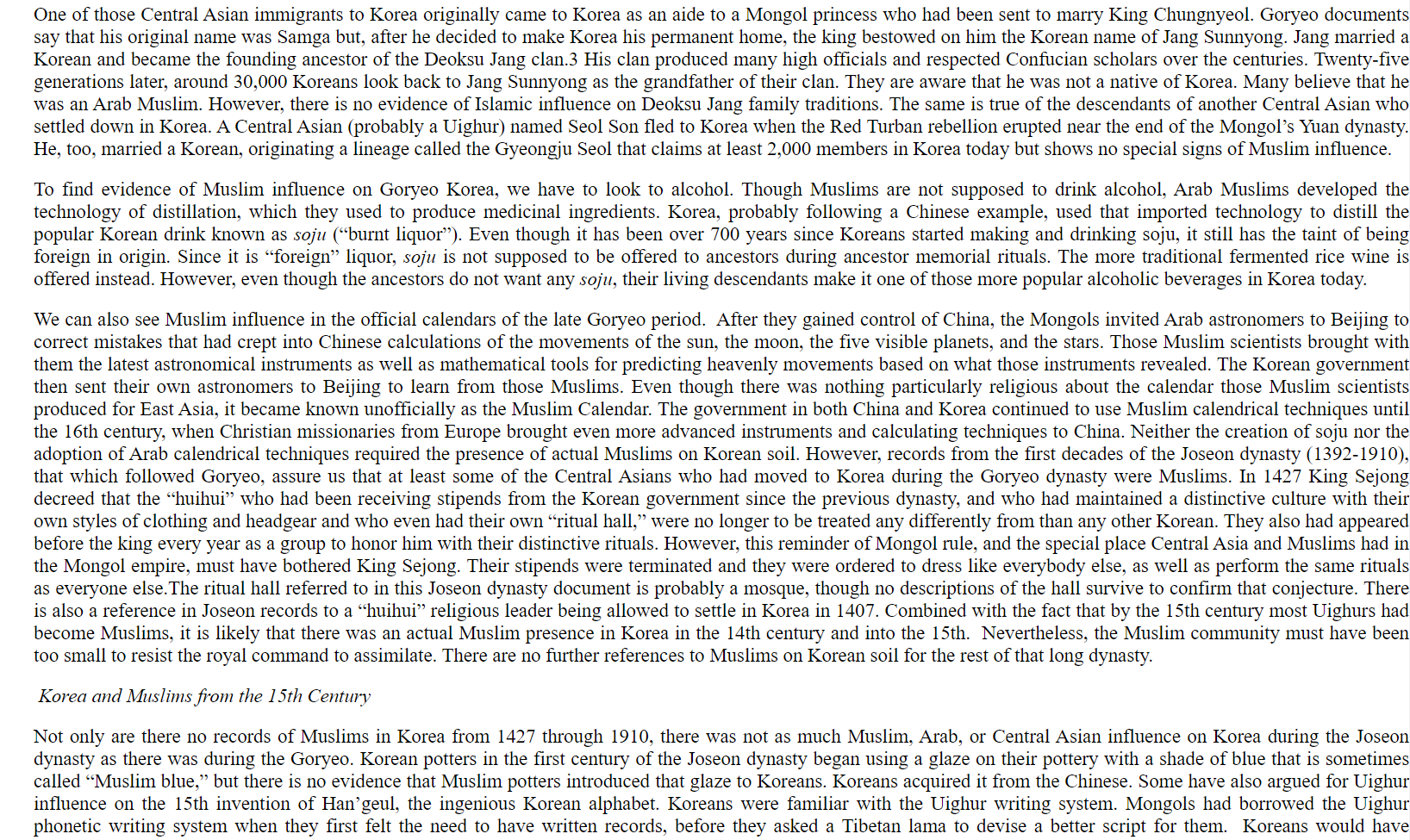
In 1427 the Korean King Sejong shut down their mosque, stopped their subsidies and banned the practice of Islam (several decades after the Yuan ended) so those clans stopped practicing Islam but their male line descendants still live in Korea today among the Korean population, carrying foreign male Y chromosomes.
there was pretty heavy Hui settlement in Korea and foundation of several clans marrying Korean women before Islam was banned and they assimilated
Korea used to have Hui Muslims just like southern Fujian, whose descendants no longer practice Islam
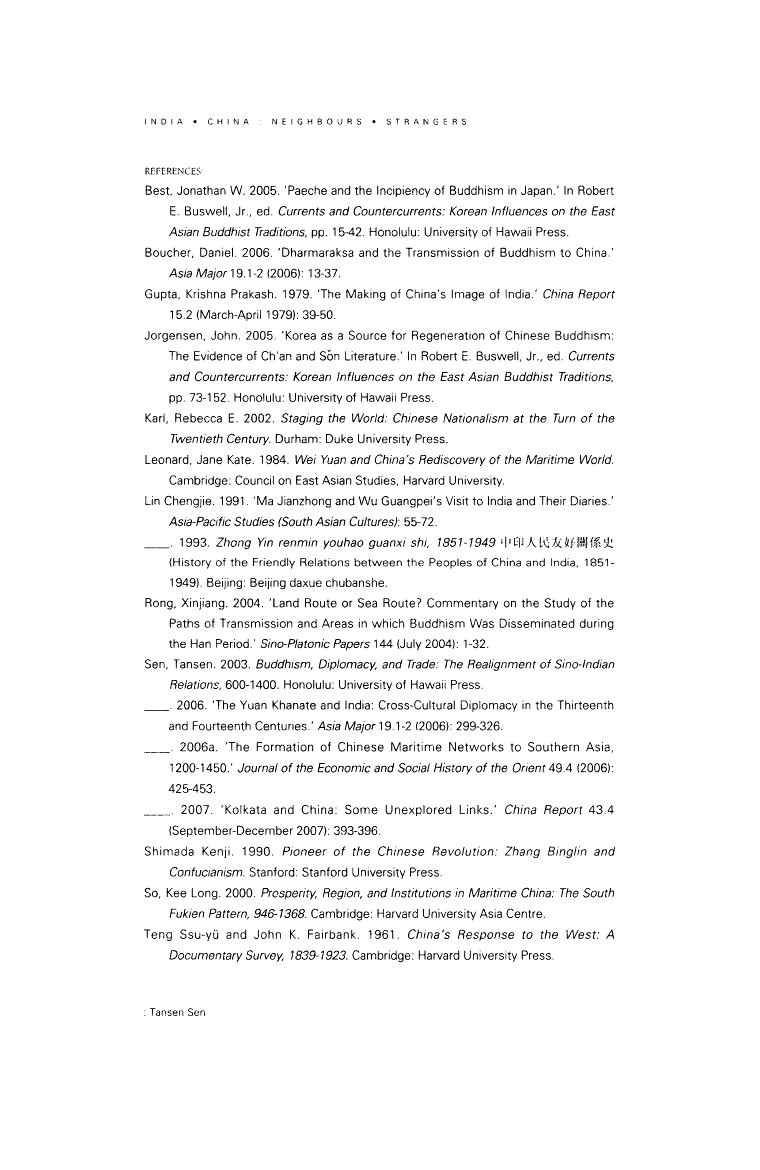
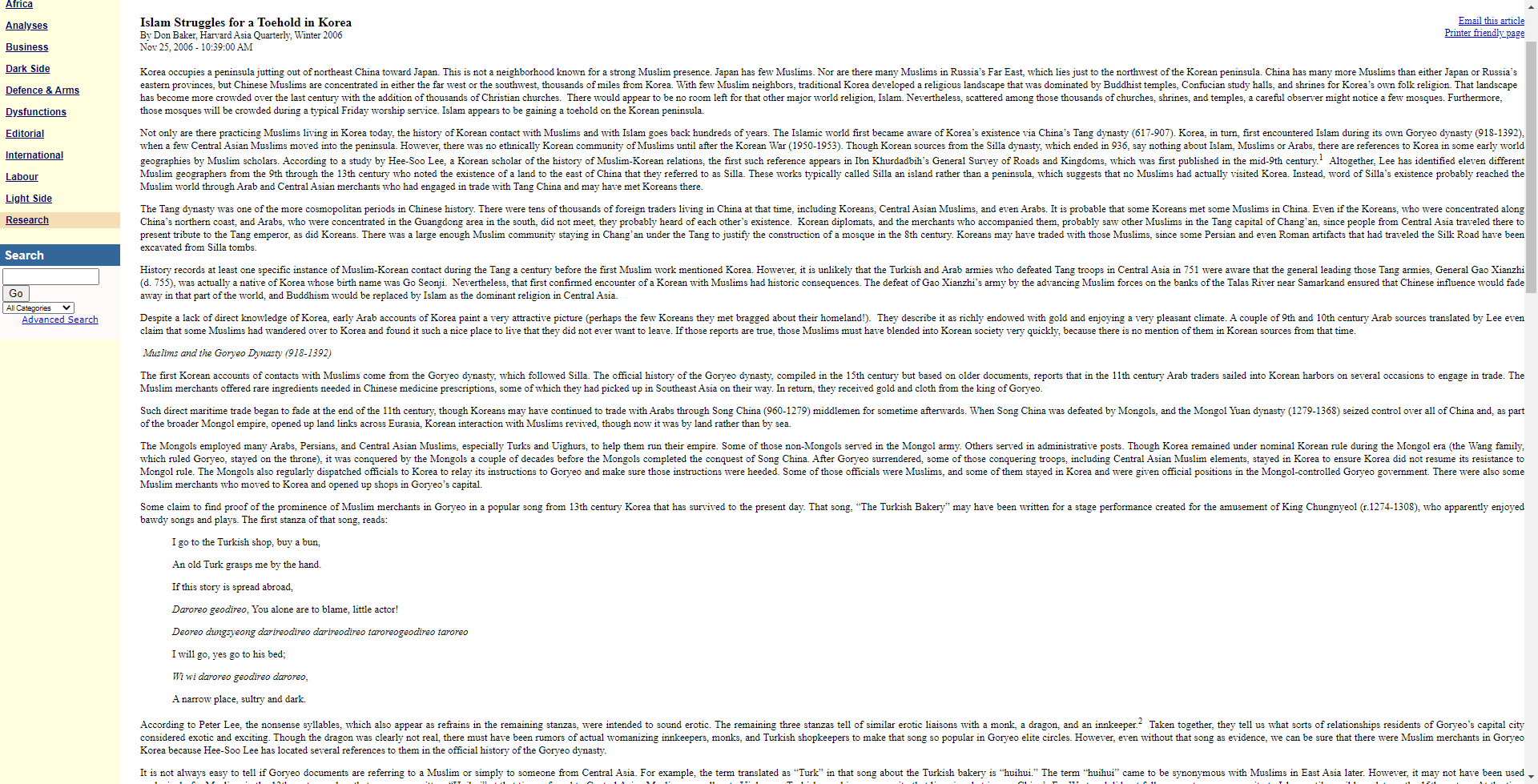
1,500 Years of Contact between Korea and the Middle East mei.edu
https://www.mei.edu/publications/1500-years-contact-between-korea-and-middle-east
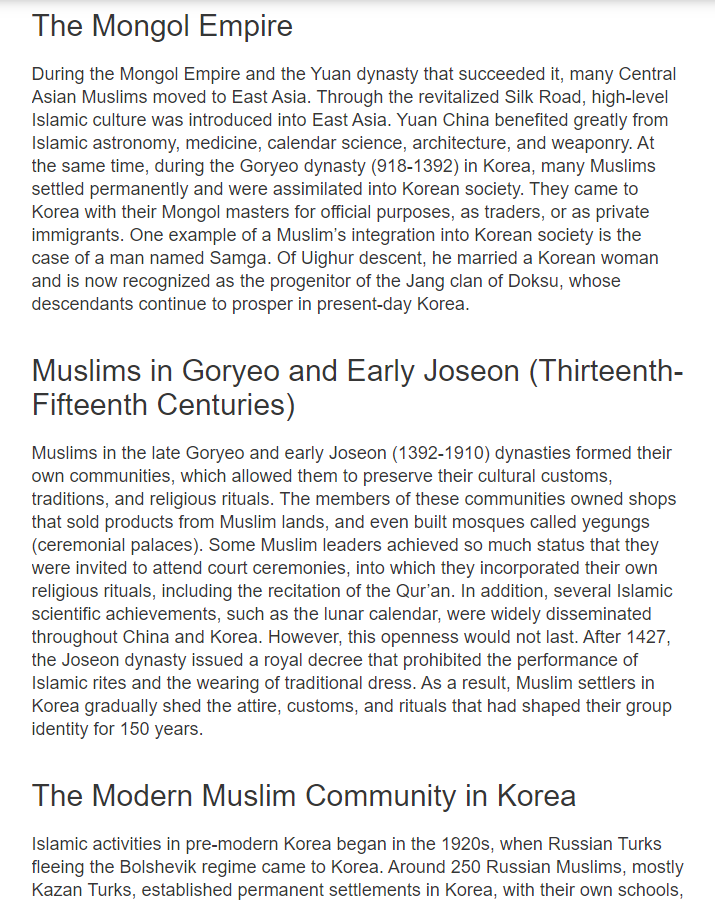
"Muslims in Goryeo and Early Joseon (Thirteenth-Fifteenth Centuries)
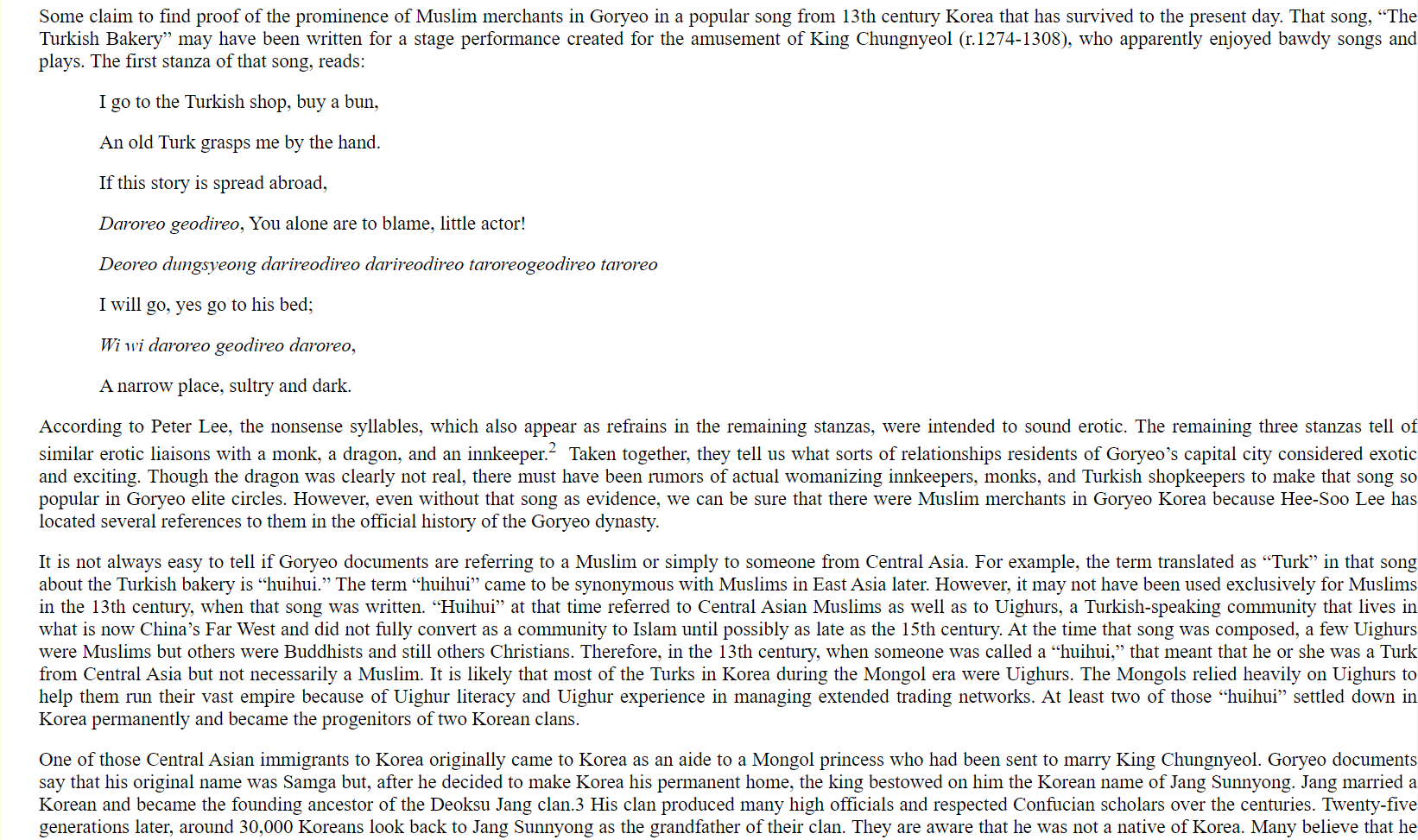
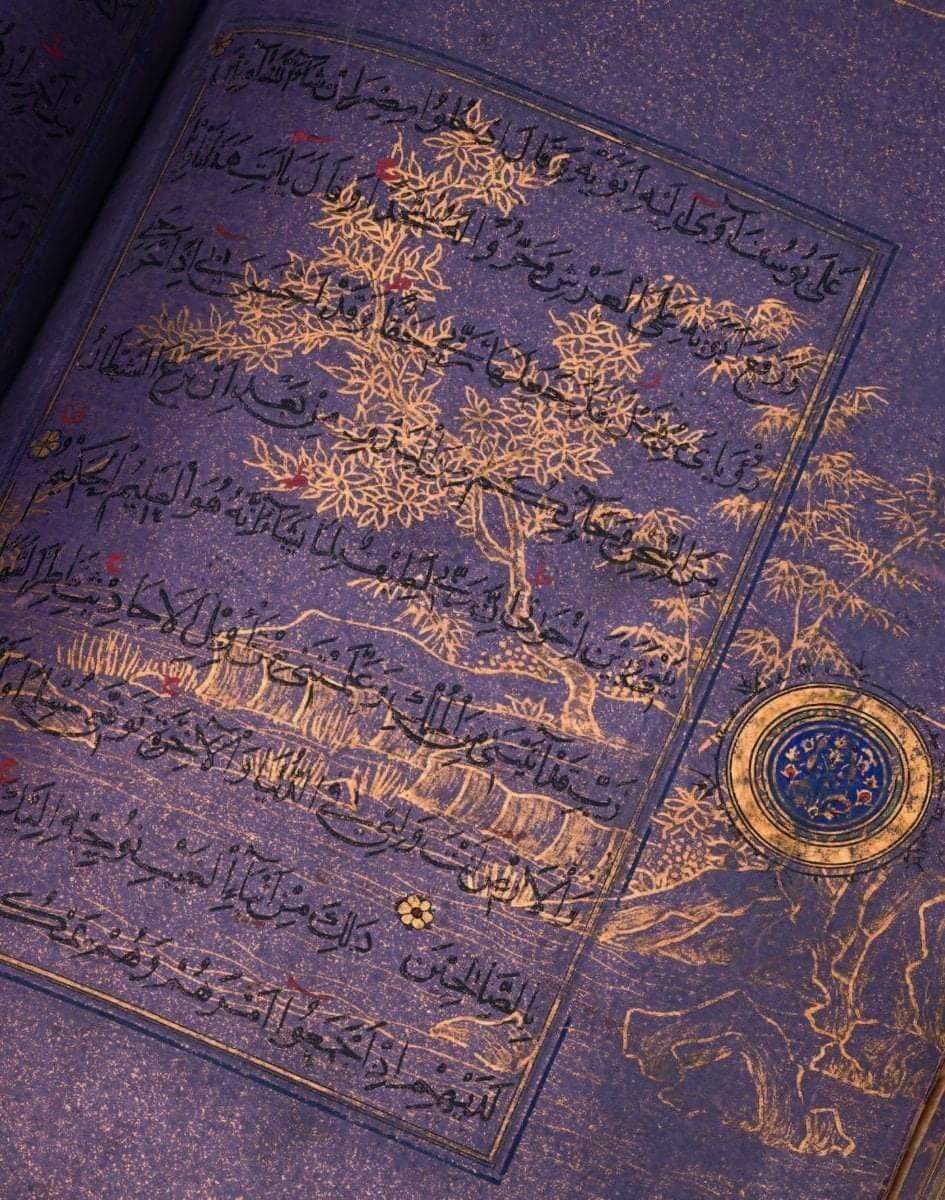
Muslims in the late Goryeo and early Joseon (1392-1910) dynasties formed their own communities, which allowed them to preserve their cultural customs, traditions, and religious rituals. The members of these communities owned shops that sold products from Muslim lands, and even built mosques called yegungs (ceremonial palaces). Some Muslim leaders achieved so much status that they were invited to attend court ceremonies, into which they incorporated their own religious rituals, including the recitation of the Qur’an. In addition, several Islamic scientific achievements, such as the lunar calendar, were widely disseminated throughout China and Korea. However, this openness would not last. After 1427, the Joseon dynasty issued a royal decree that prohibited the performance of Islamic rites and the wearing of traditional dress. As a result, Muslim settlers in Korea gradually shed the attire, customs, and rituals that had shaped their group identity for 150 years."
"The Mongol Empire
During the Mongol Empire and the Yuan dynasty that succeeded it, many Central Asian Muslims moved to East Asia. Through the revitalized Silk Road, high-level Islamic culture was introduced into East Asia. Yuan China benefited greatly from Islamic astronomy, medicine, calendar science, architecture, and weaponry. At the same time, during the Goryeo dynasty (918-1392) in Korea, many Muslims settled permanently and were assimilated into Korean society. They came to Korea with their Mongol masters for official purposes, as traders, or as private immigrants. One example of a Muslim’s integration into Korean society is the case of a man named Samga. Of Uighur descent, he married a Korean woman and is now recognized as the progenitor of the Jang clan of Doksu, whose descendants continue to prosper in present-day Korea."
Hui clans like Jang no longer practice Islam because of this
King Sejong closed their mosque and banned Islam in 1427, leading those Central Asian Hui clans to assimilate so they just became Koreans with foreign Central Asian paternal ancestors.
https://twitter.com/hanifa_zulf/status/1272335649782132736
Raja Sejong (penemu abjad Korea, Hangeul) yang pernah mengundang muslim membaca al Quran (tilawah/murajaah) di istananya adalah orang yg sama dalam penghapusan ajaran2 lain (termasuk islam) di wilayah Joseon demi penguatan ajaran Konfusianisme
These drive him crazy, incel gets triggered at any mention of foreign man+ Korean women and their descendants living in Korea today
today it's still driving people like him nuts
King Sejong banned the practice of Islam so those Hui clans assimilated into Korean society and their descendants aren't Muslims, but keep genealogies that say their ancestors were Hui
that was during Mongol rule over Korea
Also Mongolic peoples like Khitan and Tungusic Jurchens also migrated into Korea and founded new clans after marrying Korean women at this time.
Baekjeong are believed to be descended form Khitan
Korea has no separate ethnic categories unlike China (they didn't maintain the Hui category) so these people are all under Korean unlike China and don't get affirmative action
Korean Evangelicals and Korean liberal feminists went on anti-Islam protests and rampages, burning qurans and getting prayer halls for Muslims closed
South Korea scraps prayer room plans for Winter Olympics after Islamophobic opposition dailysabah.com
https://www.dailysabah.com/islamophobia/2018/02/12/south-korea-scraps-prayer-room-plans-for-winter-olympics-after-islamophobic-opposition
Anti-Islam protest derails plan for Muslim prayer rooms koreatimes.co.kr
https://www.koreatimes.co.kr/www/sports/2018/02/702_243839.html
extreme feminists
Radical feminist group attacks Catholicism, Islam koreatimes.co.kr
https://www.koreatimes.co.kr/www/culture/2020/03/135_252194.html
Radical Korean Feminist Group Burns Koran and Calls Muslims “Cockroaches” rokdrop.net
https://www.rokdrop.net/2018/07/radical-korean-feminist-group-burns-koran-and-calls-muslims-cockroaches/
One of the Korean feminists said "“Muslim cockroaches and Korean men should be eliminated.”"
Korean feminists and Korean evangelicals also protested Yemeni refugees in Jeju island, attacking Islam
south Korean feminists and liberals are really anti-Islam
South Korea Is Going Crazy Over a Handful of Refugees foreignpolicy.com
https://foreignpolicy.com/2018/08/06/south-korea-is-going-crazy-over-a-handful-of-refugees/
https://fount.aucegypt.edu/cgi/viewcontent.cgi?article=1586&context=etds
Korea is basically one of the few nations to wipe out the practice of Islam among it's Muslim population without expelling them
With large scale violence and expulsion. Those Central Asian Muslim descended clans still exist but just don't practice Islam anymore.
Hui history or Hui in other countries, like Hui in Moro Sulu Sultanate, Hui in Korea, Hui in Myanmar and northern Thailand
Bersides Central Asian Muslim men moving to Korea and marrying Korean women in the Middle Ages (during Mongol empire and Yuan dynasty when they conquered Korea and the Mongols imposed Muslim officials on Koreans)
Also the Yuan dynasty forced Goryeo to pay tribute in Korean women and eunuchs to the Yuan and distributed Korean women as concubines to Muslim officials in China itself
Hui in northeast China also have Korean blood, there were many Korean women in Beijing in the Yuan dynasty (due to tributary demands) and they married Hui there.
Korean female clothes and fashion spread around Beijing during that time.
Hui in northeast China itself also have Korean blood, there were many Korean women in Beijing in the Yuan dynasty (due to tributary demands) and they married Hui there.
Korean female clothes and fashion spread around Beijing during that time.
Hui in China itself also have Korean blood, there were many Korean women in Beijing in the Yuan dynasty (due to tributary demands) and they married Hui there.
Korean female clothes and fashion spread around Beijing during that time.
Empire’s Twilight — David M. Robinson | Harvard University Press hup.harvard.edu
https://www.hup.harvard.edu/catalog.php?isbn=9780674036086
Mongol and Central Asian Muslim seizure of Korean women
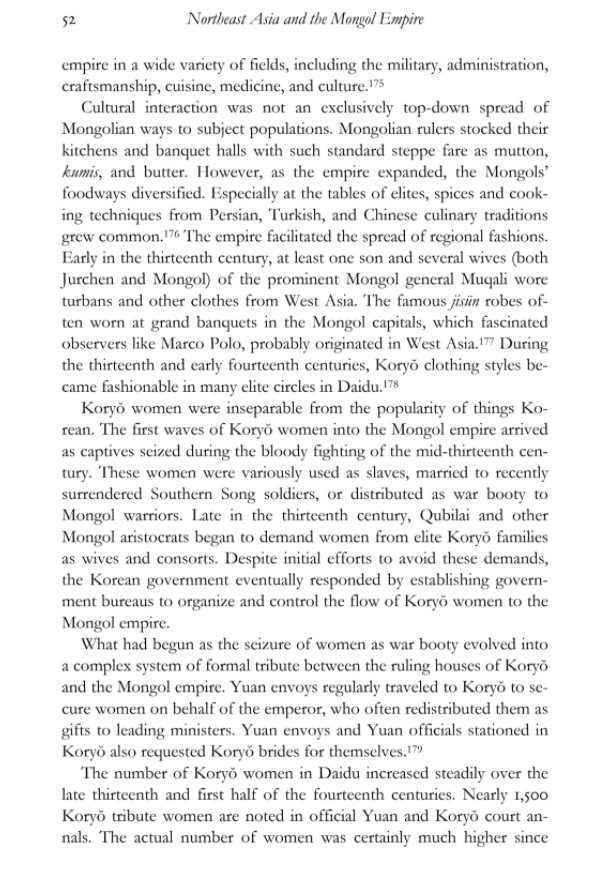
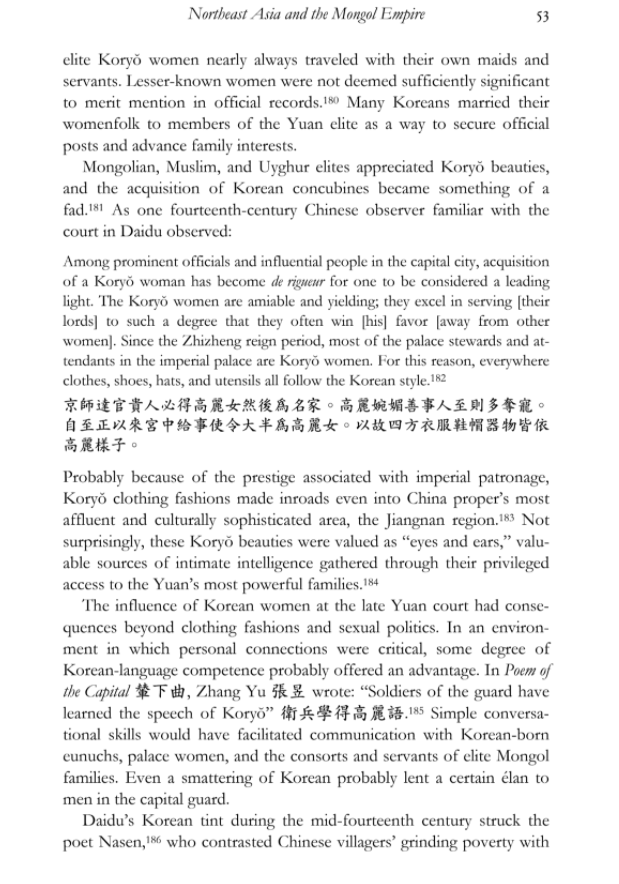
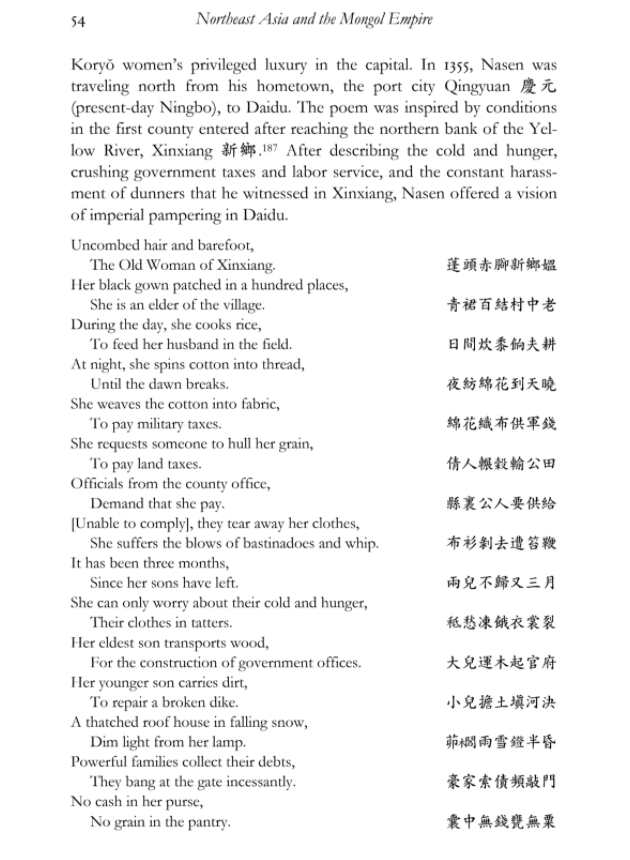
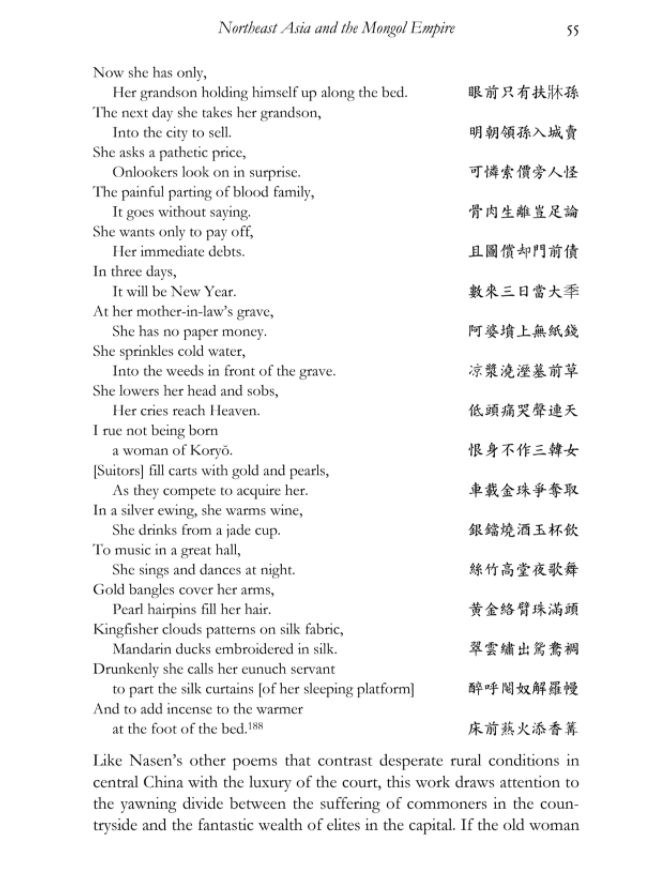
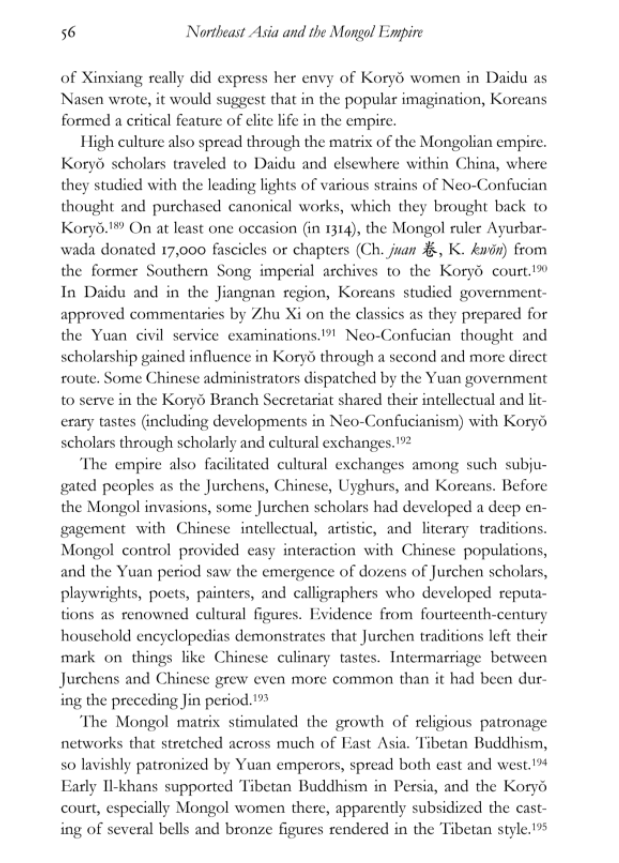 Many high ranking Mongols and Turkic, Central Asian, Uyghur officials of the Mongol empire and Yuan took Korean wives at that time.
Many high ranking Mongols and Turkic, Central Asian, Uyghur officials of the Mongol empire and Yuan took Korean wives. There is a Hui who wrote an article about Korean wives of Central Asian Muslim officials.
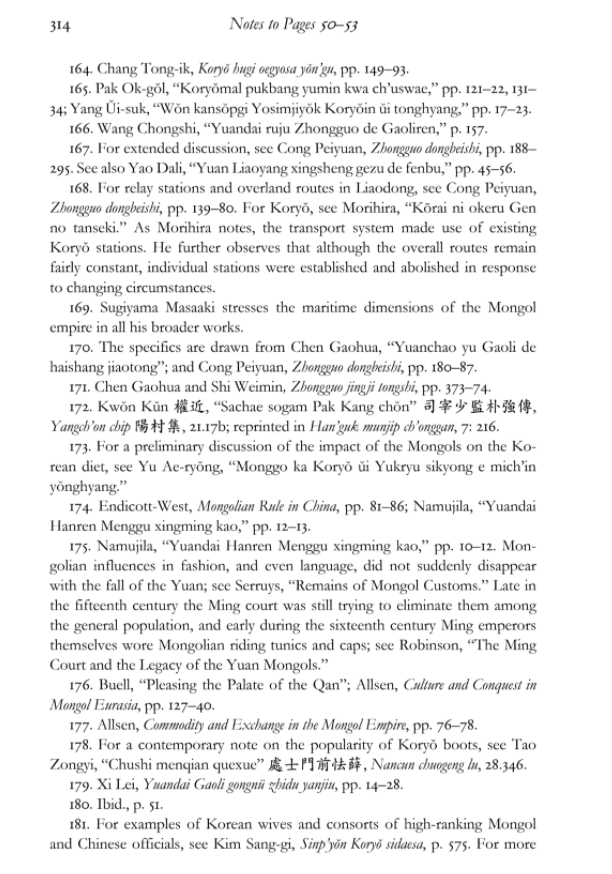
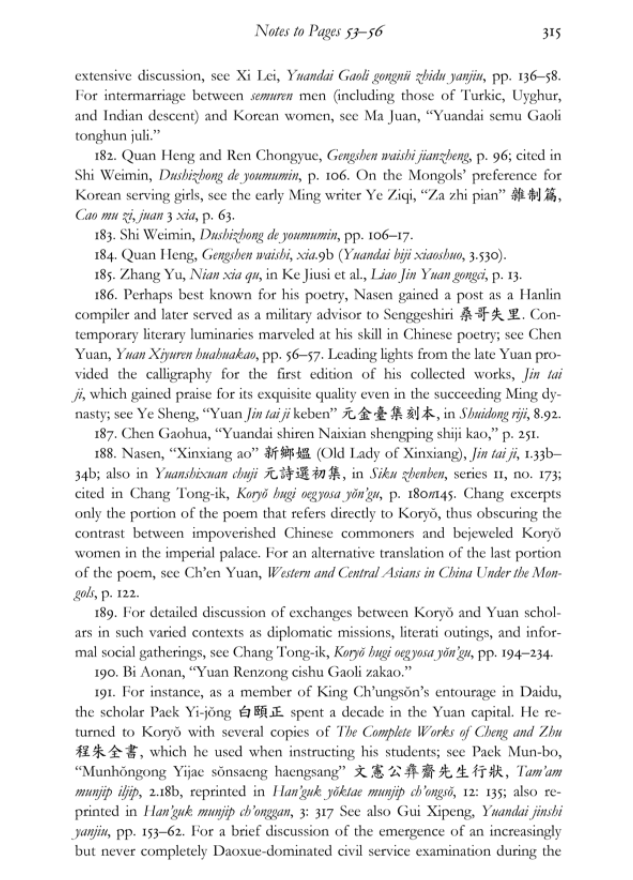 An Omani Arab Muslim man living in south India also moved to the Yuan dynasty and married a Korean woman
An Omani Arab Muslim man living in India also moved to the Yuan dynasty and married a Korean woman
https://en.unesco.org/silkroad/content/did-you-know-sayyid-bin-abu-ali-true-representative-intercultural-relations-along-maritime
"A specific period of Sayyid Bin Abu Ali’s life is also narrated in a chapter treating of India in Yuan Shi (“A History of the Yuan Dynasty”). It is counted that during an expedition in to the Kerala region in the Indian Subcontinent from Quanzhou in 1281 AD, Kublai Khan of the Yuan dynasty requested Sayyid to work with him. Moreover, in a chapter of Gao Li Shi (“History of Korea”), the author refers to Sayyid Bin Abu Ali as “Bo Ha Li”, in this book about Korea, the author declares that Bo Ha Li married a Korean lady. In fact according to scholars, Sayyid left the Malabar Coast to Beijing in 1292. With the authorization of Kubilai Khan, he married a Korean lady. Therefore, this marriage allowed him as well to get closer to the Korean royal family.
Sayyid Bin Abu Ali died in 1299 in Beijing where an imperial funeral was organised for him. He was then carried to Quanzhou through official vehicles and buried there.
Sayyid Bin Abu Ali’s life deeply shows the impact of the Maritime Silk Roads at this period of history. An Omani born in India, who lived in many places eventually became a close companion of Yuan dynasty members. As other travellers of this time, he settled along the Silk Roads, exchanged and mixed with other people. His life remains a significant evidence of the international mobility and interactions possible thanks to the Silk Roads at these times. "
Hui people of northeastern China in Liaoning, Beijing, Tianjin and Hebei, I believe, are genetically intertwined with Koreans due to these marriages.
Also maybe even the apostate Hui of Quanzhou in Fujian who no longer follow Islam are descended from Korean women, since many Hui there originally came from northern China in the Yuan dynasty and that Omani Arab who married that Korean woman was brought to Quanzhou for burial. Ding family of Quanzhou descended from Nasulading who has branches in Yunnan and Ningxia
The Na family in Yunnan are still Muslim but the Ding in Quanzhou, descended from the same Sayyid Ajall, are not Muslim.
Also maybe even the apostate Hui of Quanzhou are descended from Korean woman, since many Hui there originally came from northern China in the Yuan dynasty and that Omani Arab who married that Korean woman was brought to Quanzhou for burial.
Ding family of Quanzhou descended from Nasulading who has branches in Yunnan and Ningxia
The Na family in Yunnan are still Muslim but the Ding in Quanzhou, descended from the same Sayyid Ajall, are not Muslim.
So there is a high likelyhood Quanzhou Hui also have Korean blood.
the pages I sent are from this book
https://www.hup.harvard.edu/catalog.php?isbn=9780674036086
Empire’s Twilight — David M. Robinson | Harvard University Press hup.harvard.edu
Spain expelled it's Muslims, Italy massacred them, in Korea they just banned practice of Islam
and shut down the mosque
also see
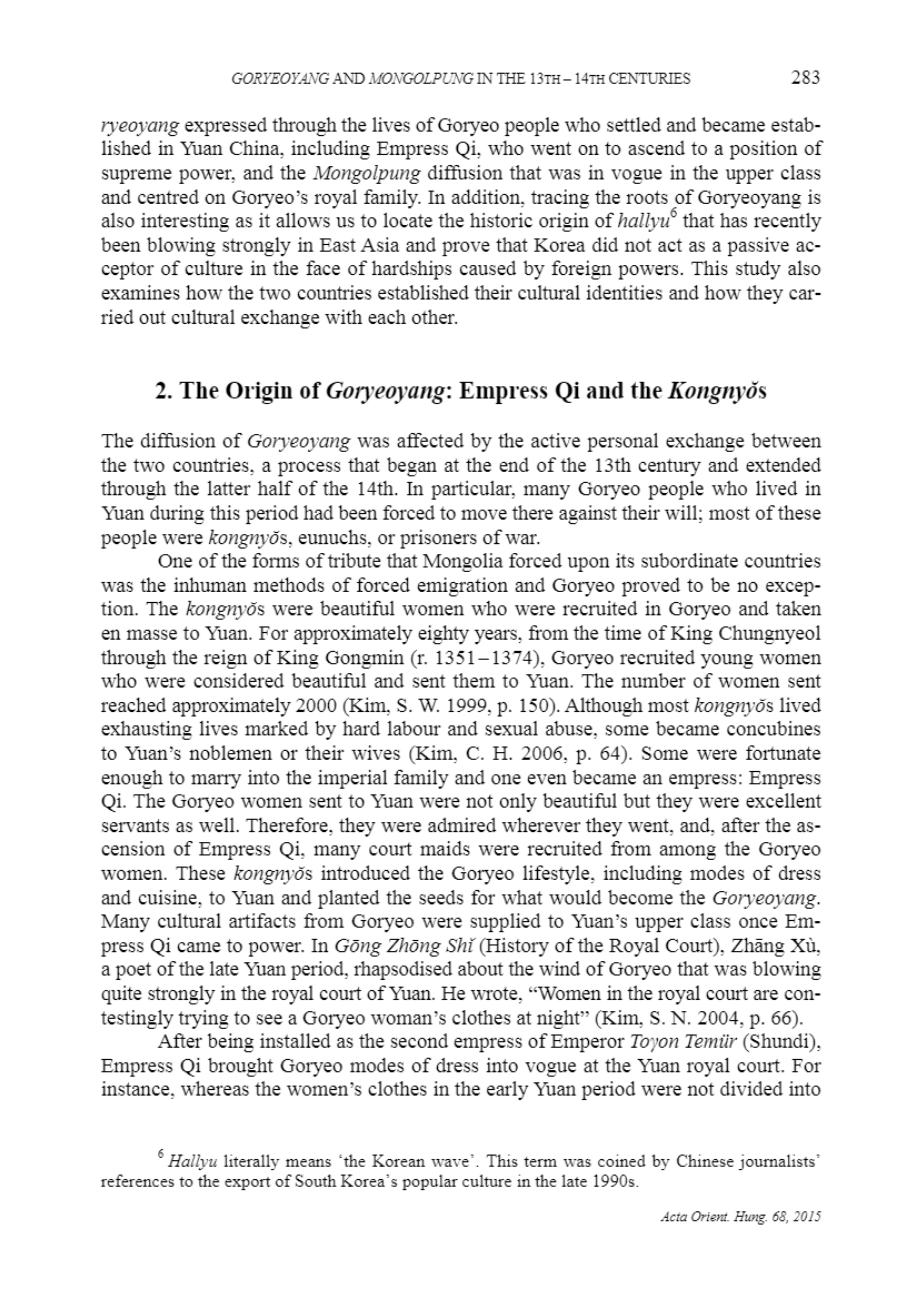
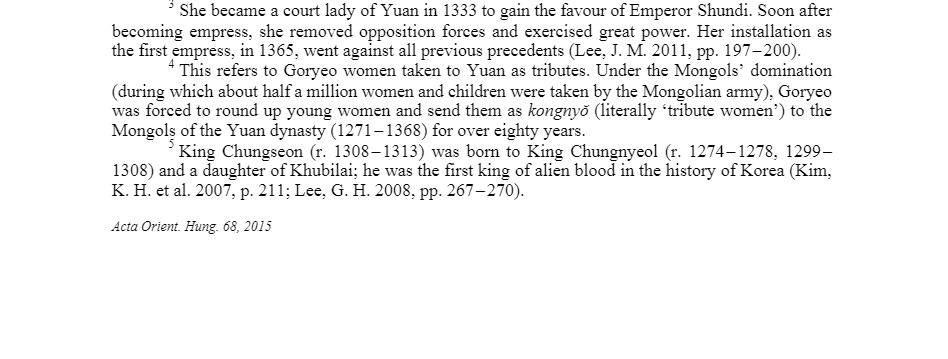
The Mongols demanded a tribute of women from Korea which is where these women came from.
GORYEOYANG AND MONGOLPUNG IN THE 13TH 14TH CENTURIES * - PDF Free Download docplayer.net
https://docplayer.net/100516413-Goryeoyang-and-mongolpung-in-the-13th-14th-centuries.html
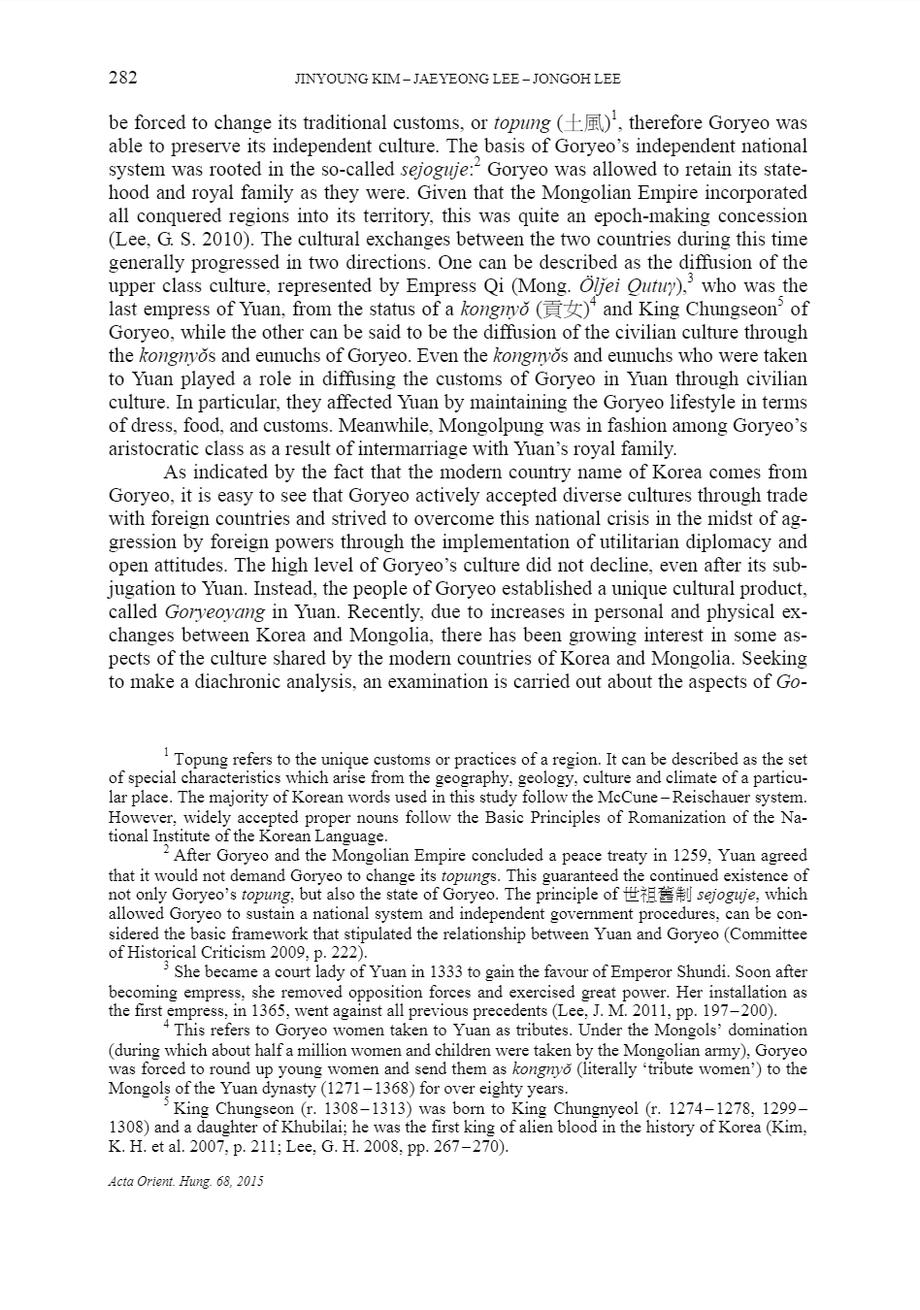 the tribute of Korean women to Mongols in the Yuan
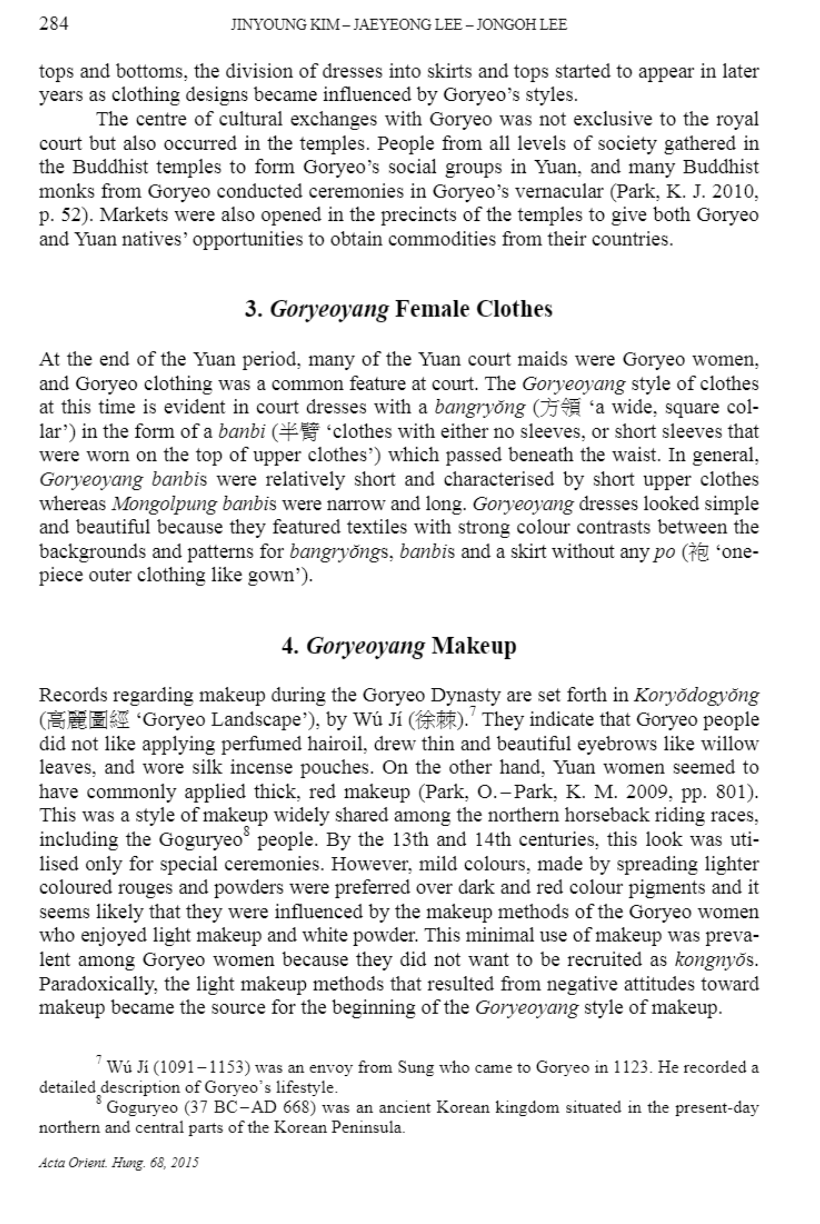
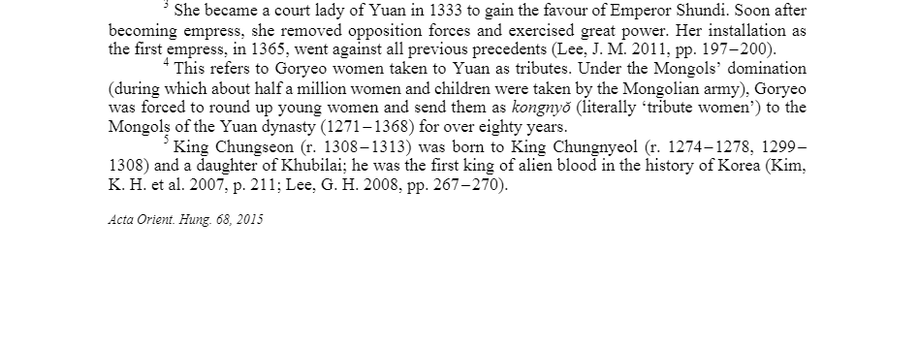 this is how Korean female fashions spread in Beijing
 The Omani Arab was a rarity and came by the coast, most Muslims there were Central Asians rather than Arab
The Yuan royals married off some princesses to the King of Dali of Yunnan, the former southern Song emperor and kings of Goryeo but the women extraction from Goryeo was half a million while the number of Yuan princesses sent to Goryeo in return was a handful, (because it was one per king)
The half a million Korean women sent to Beijing at that time could mean a significant portion of the Hui population of China has Korean ancestry
Another famous family which left Islam is the Sha family of Fuzhou. I think they were Kipchak or Karluk ancestry. Maybe they had Korean female ancestors as well.
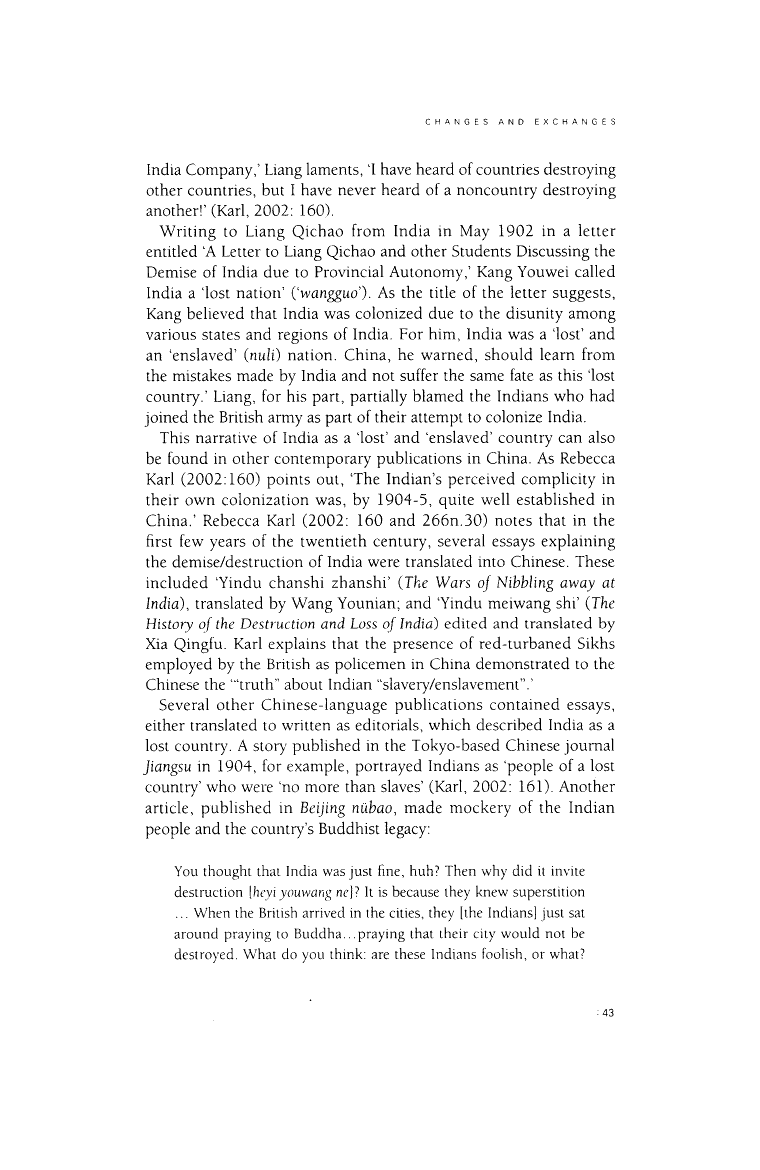
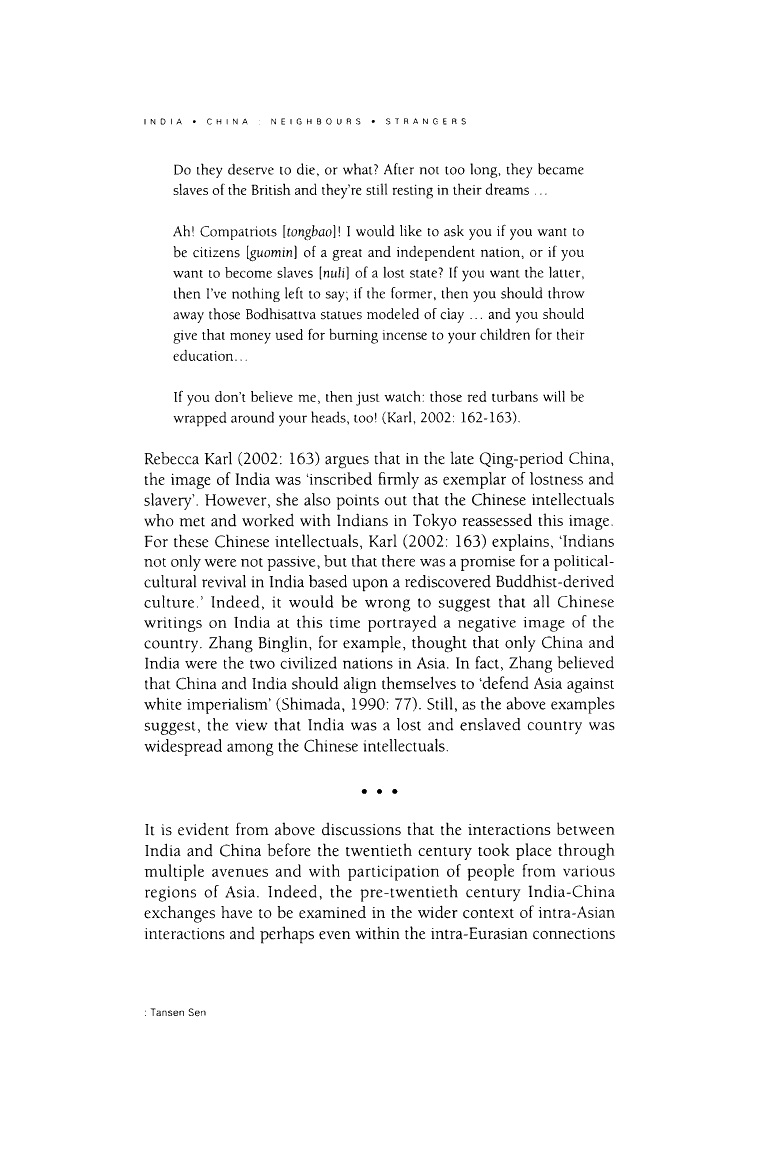
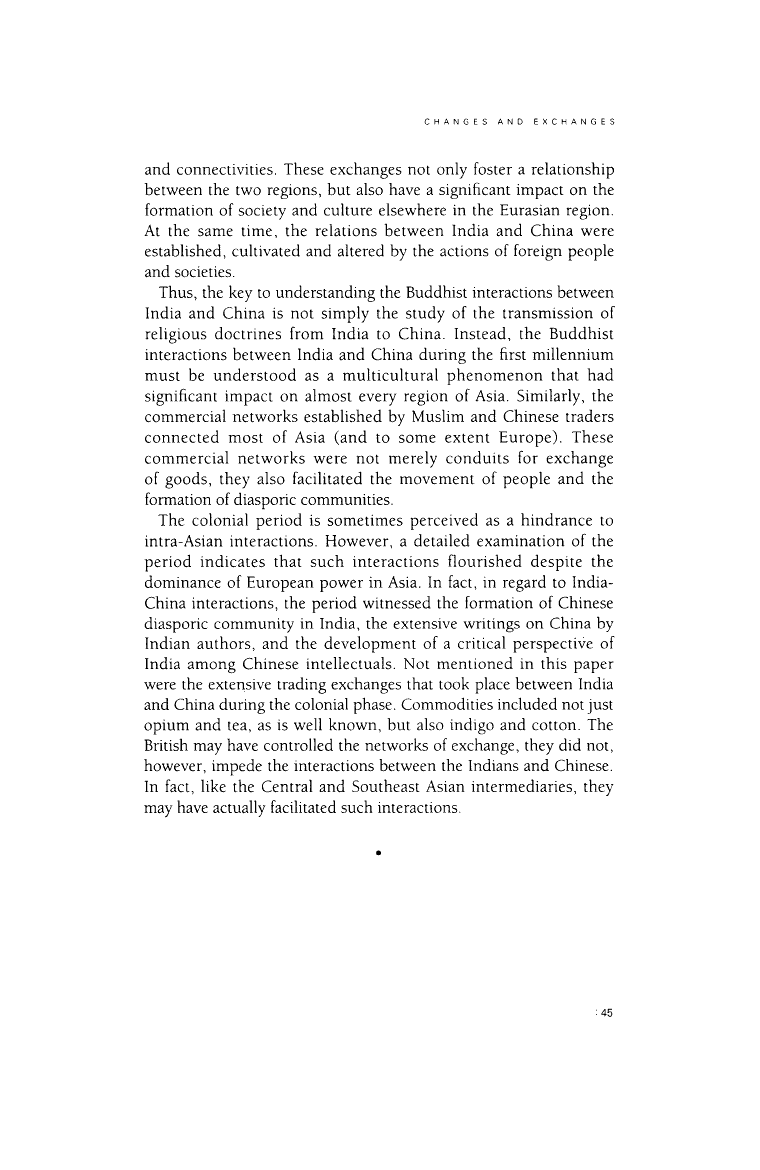
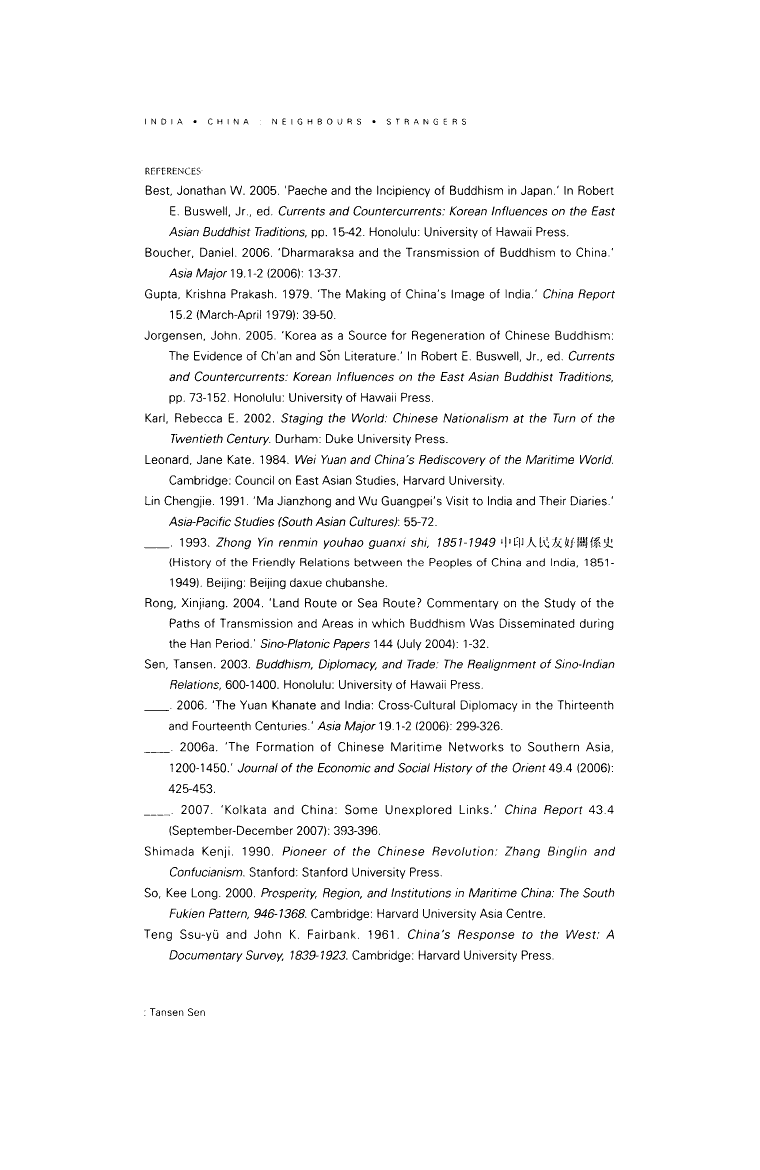
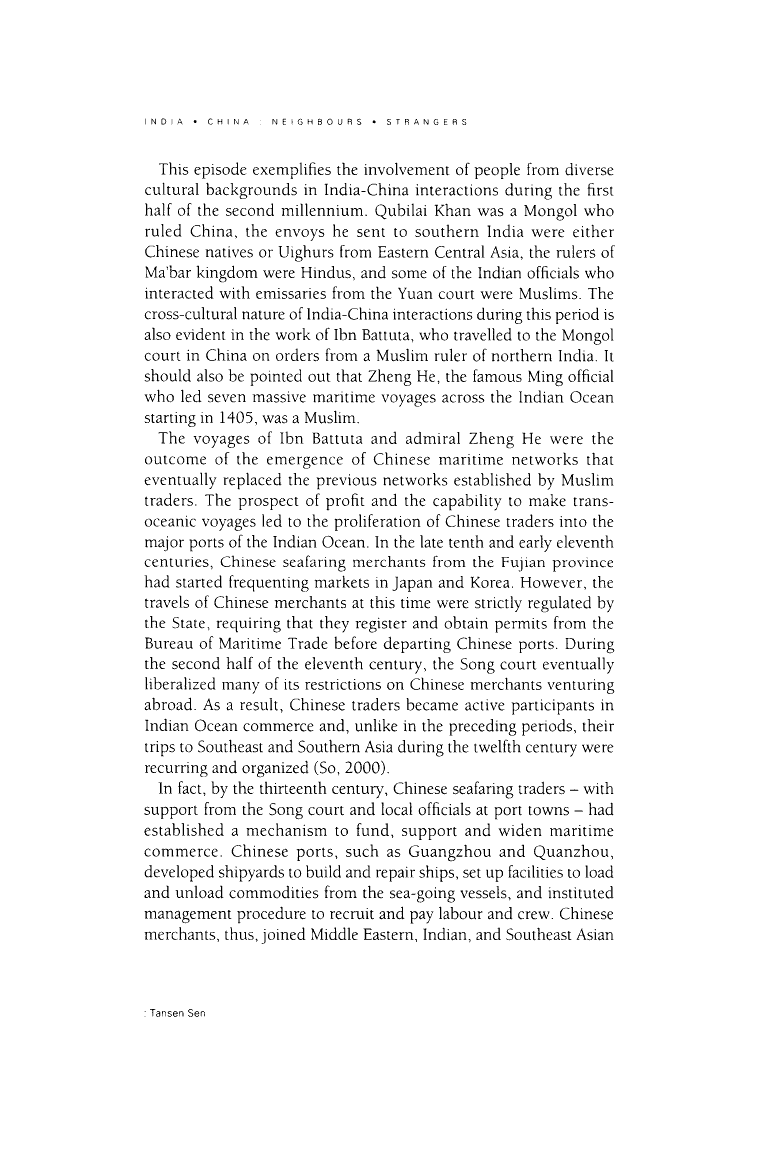
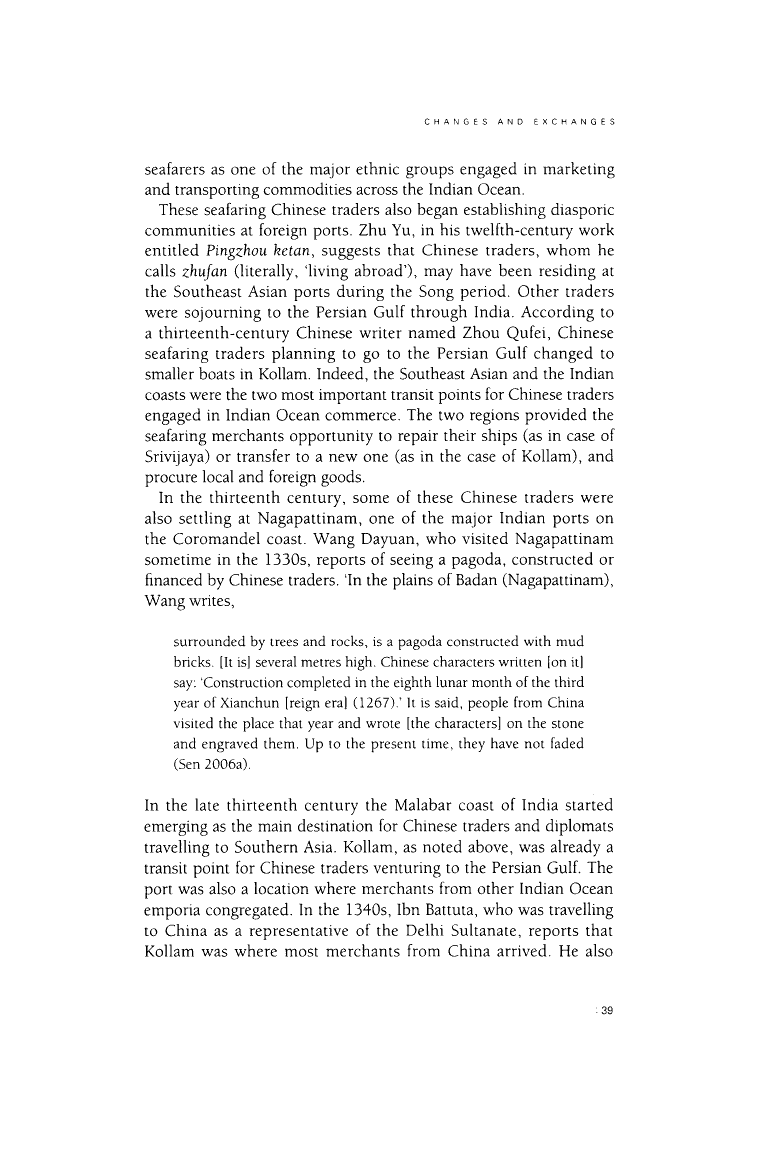
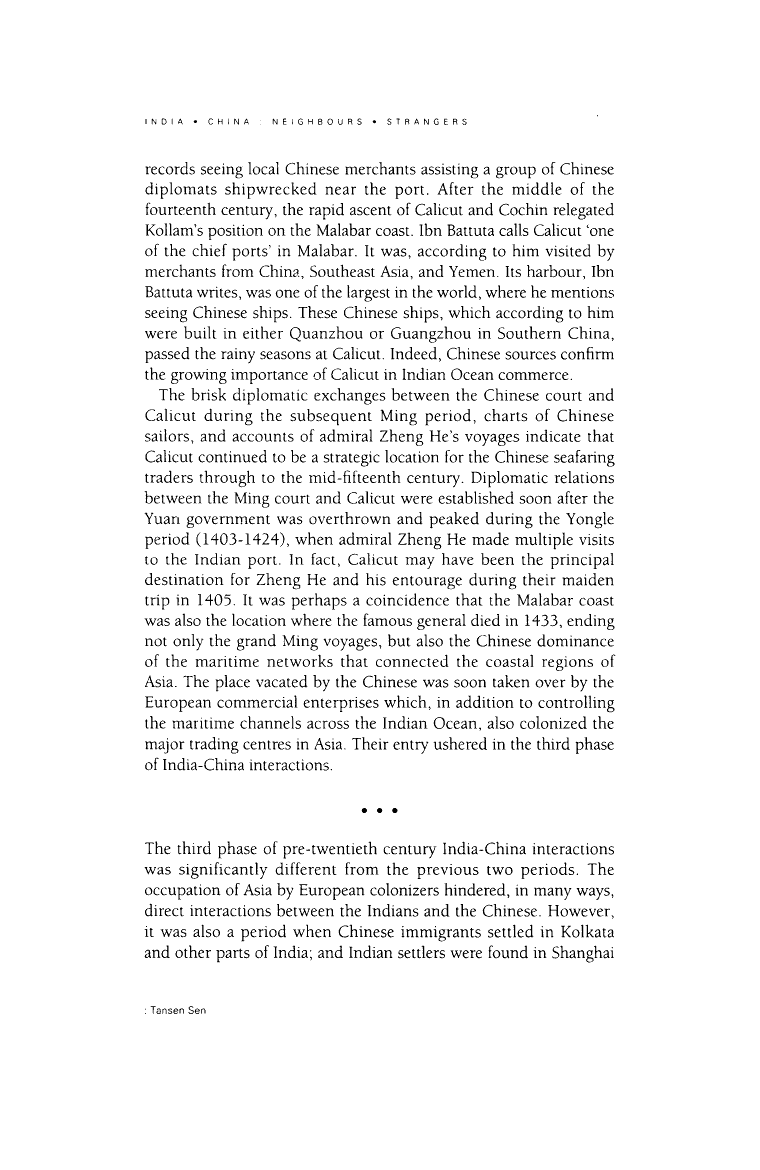
That Arab Omani guy from south India who moved to China and married that Korean women, another source says he is Hadrami Arab (from Hadramaut in Yemen)
That Arab Omani guy from south India who moved to China and married that Korean women, another source says he is Hadrami
https://jstor.org/stable/41649921?read-now=1&seq=15#page_scan_tab_contents
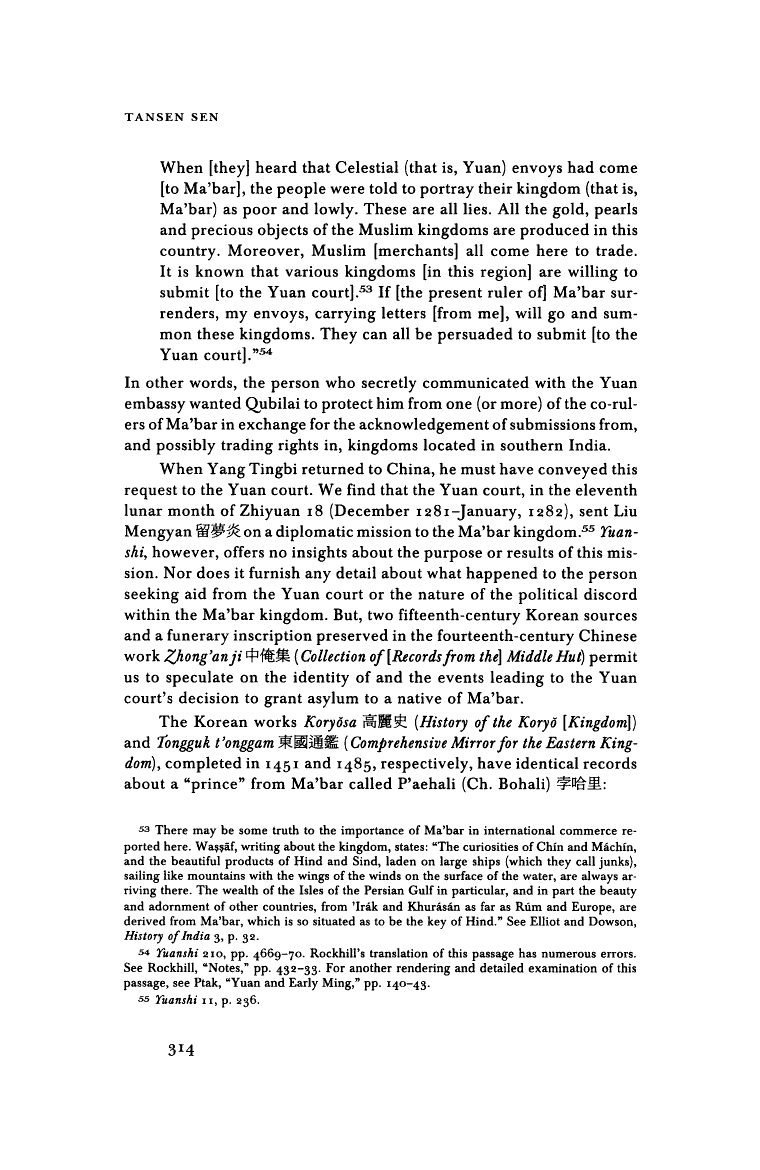
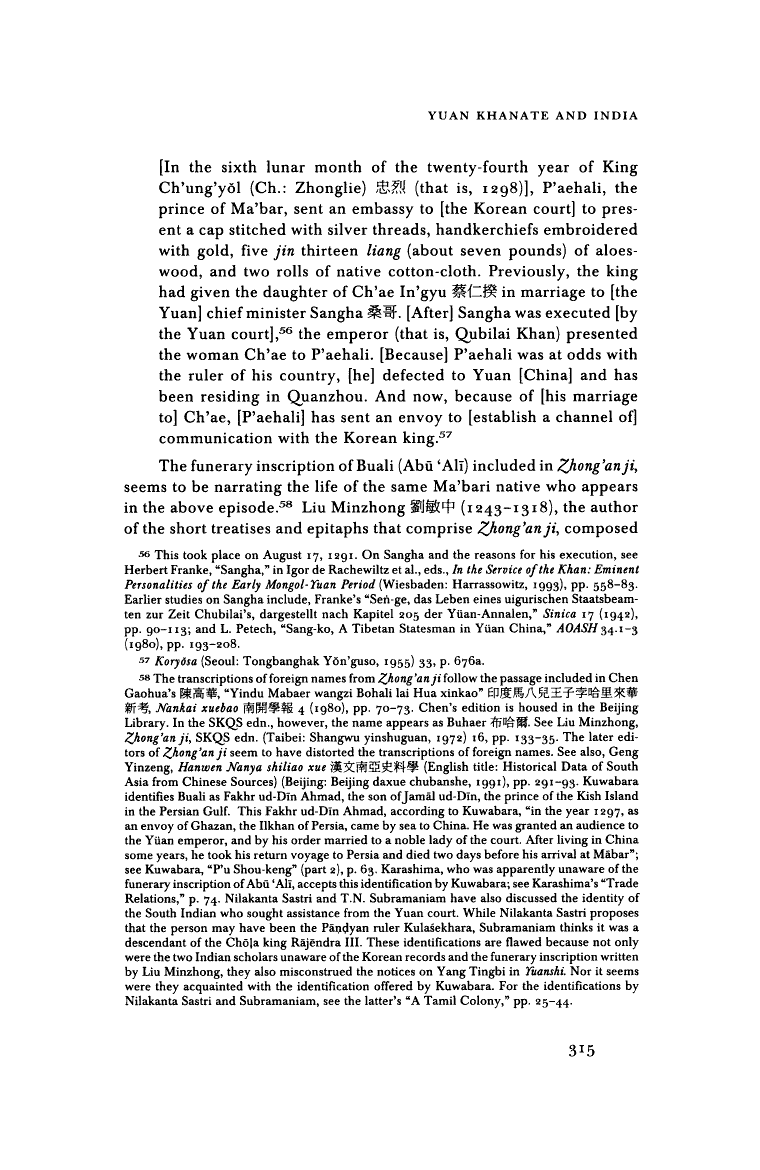
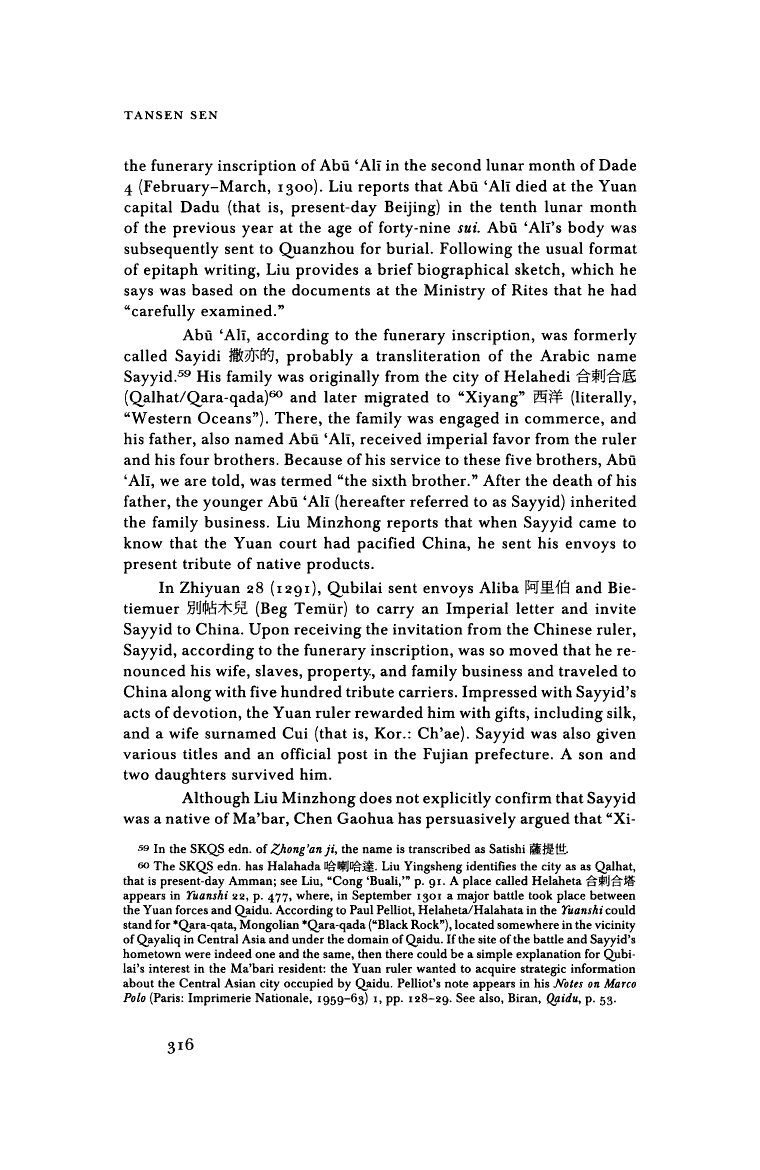
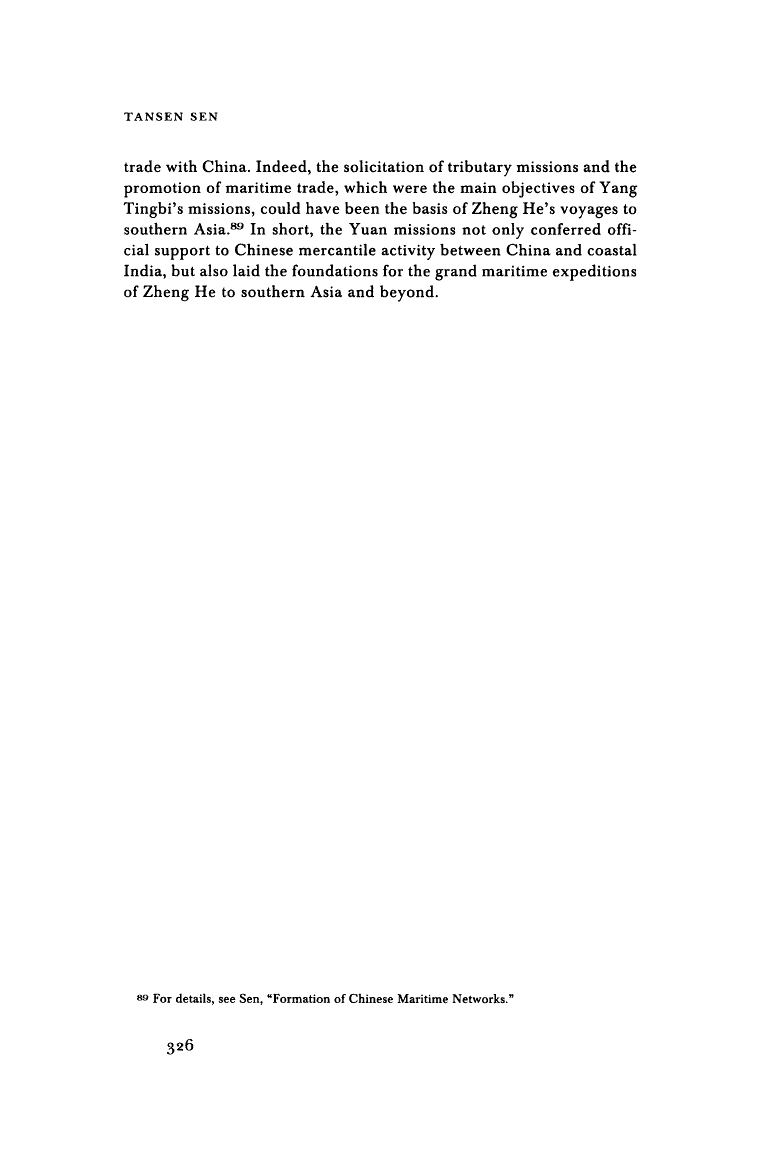
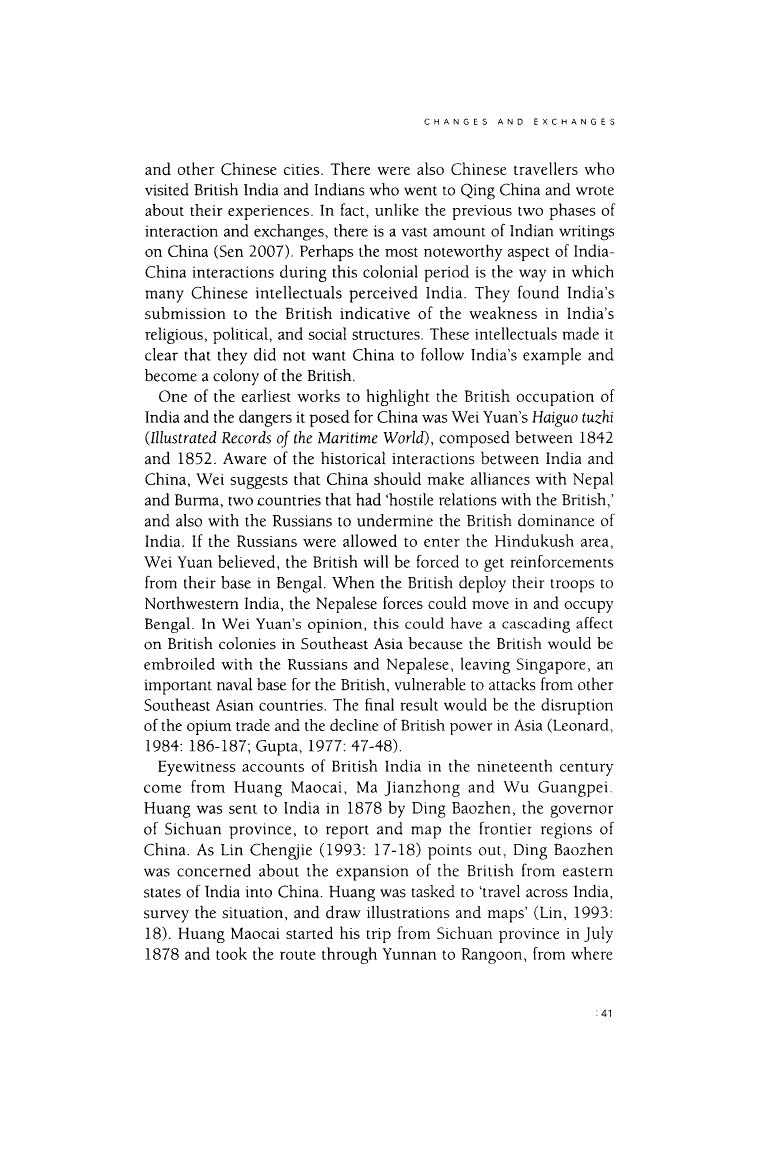
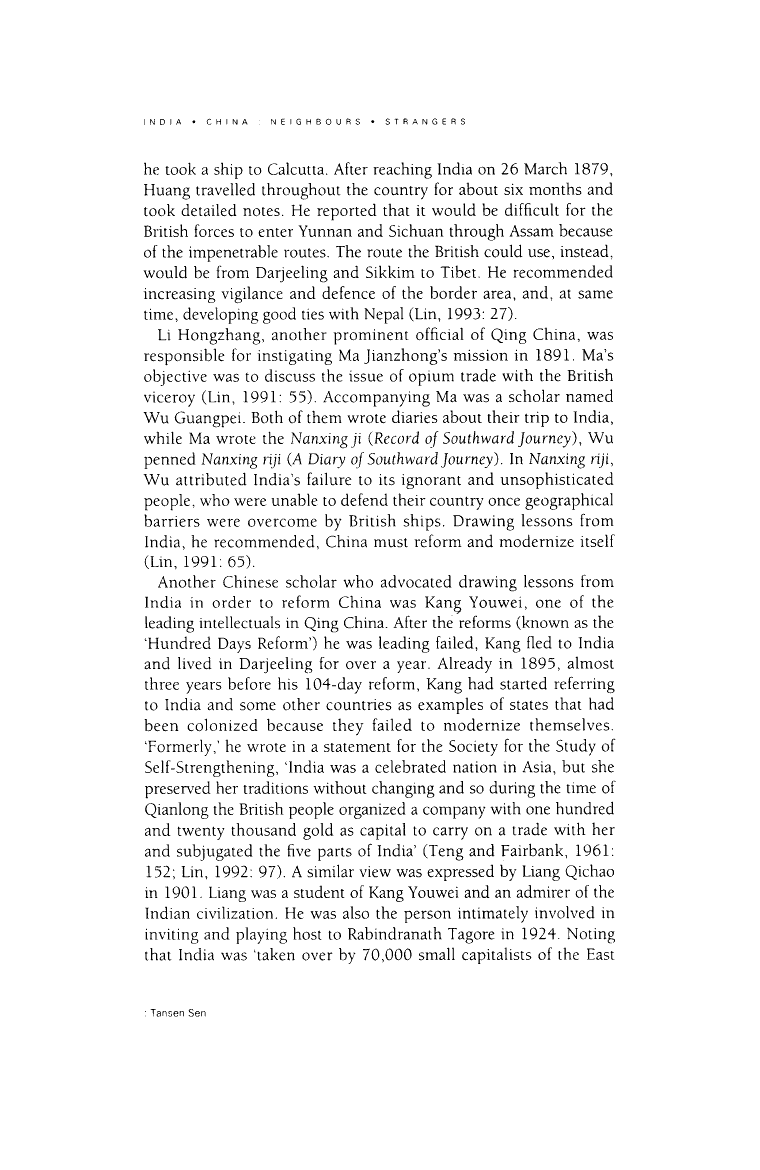
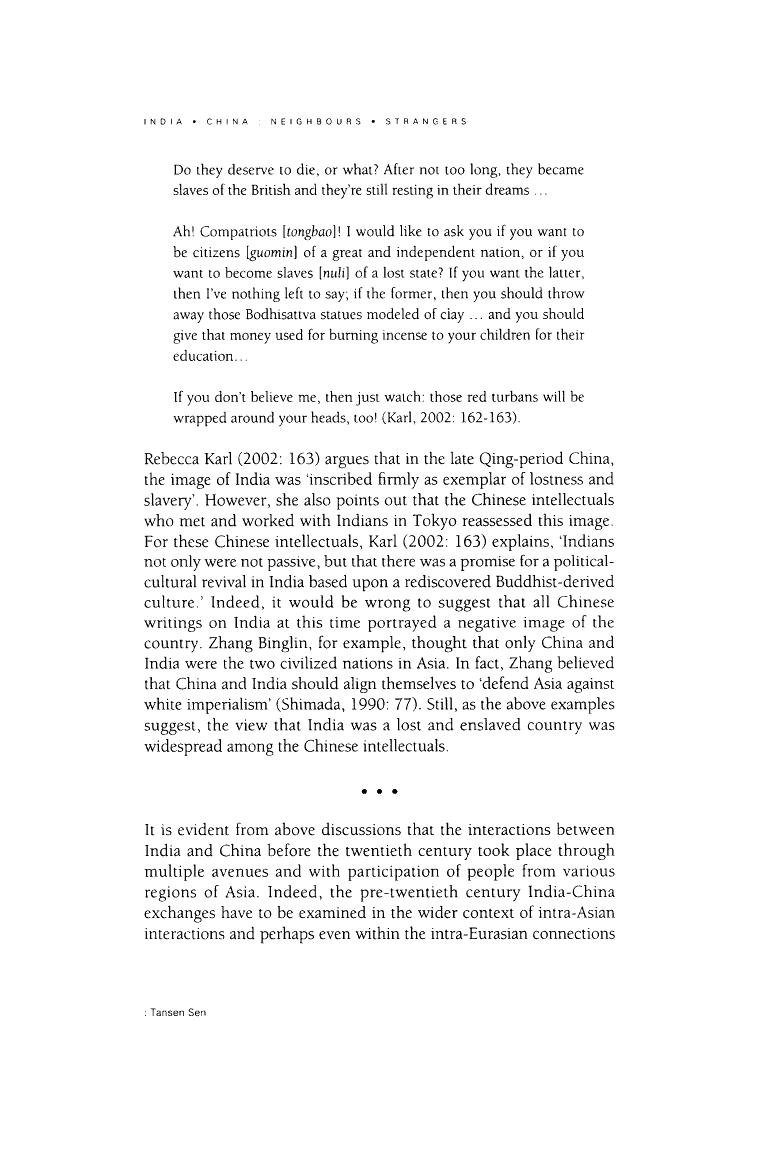
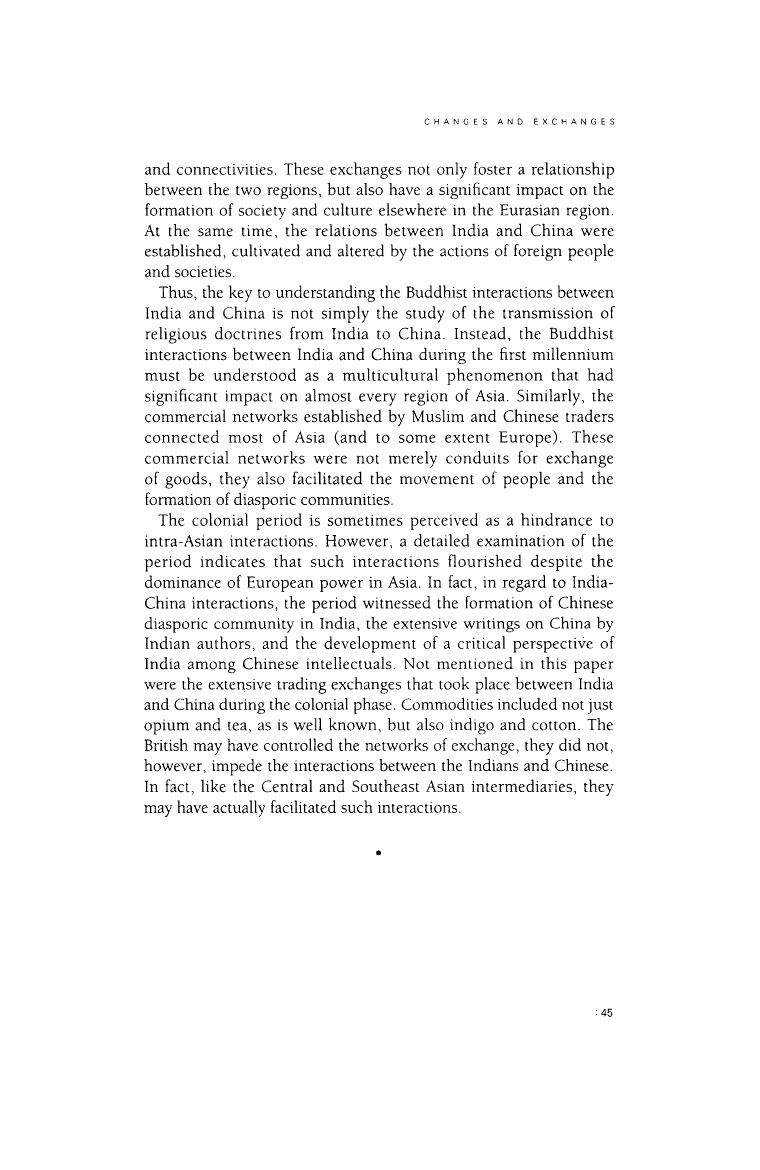
SEN, TANSEN. “The Yuan Khanate and India: Cross-Cultural Diplomacy in the Thirteenth and Fourteenth Centuries.” Asia Major, vol. 19, no. 1/2, 2006, pp. 299–326. THIRD SERIES, www.jstor.org/stable/41649921. Accessed 24 Nov. 2020.
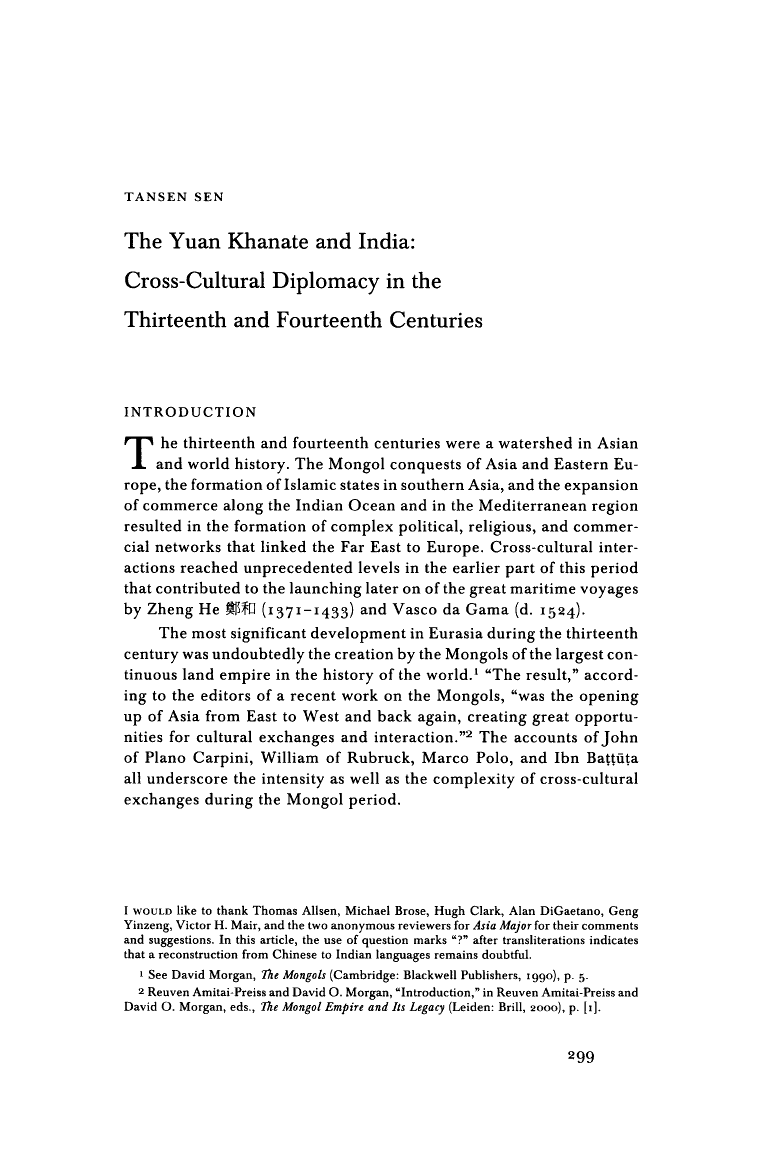
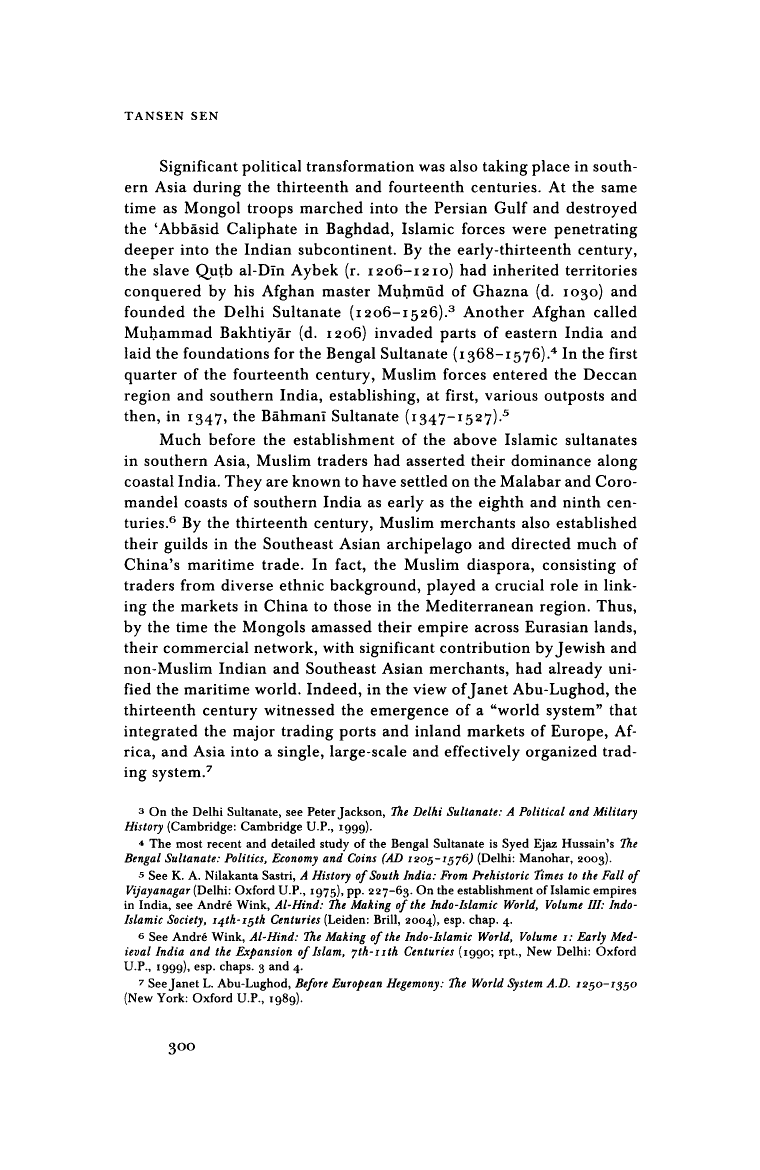
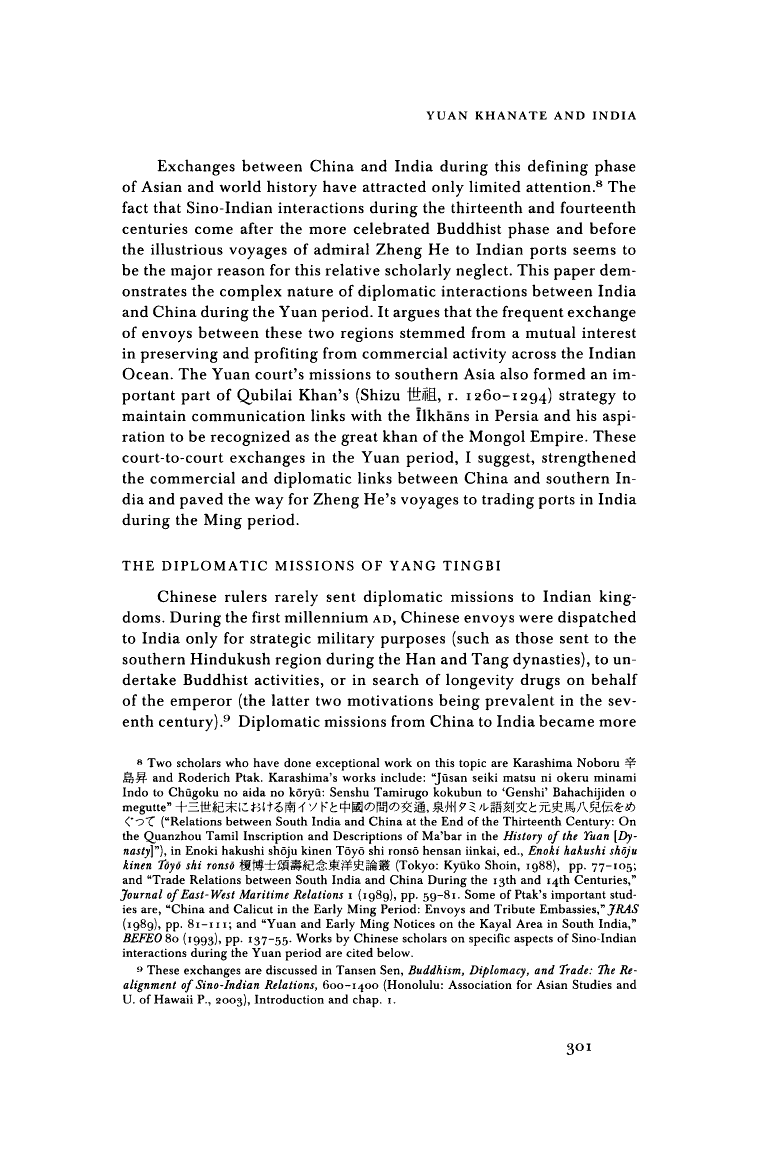
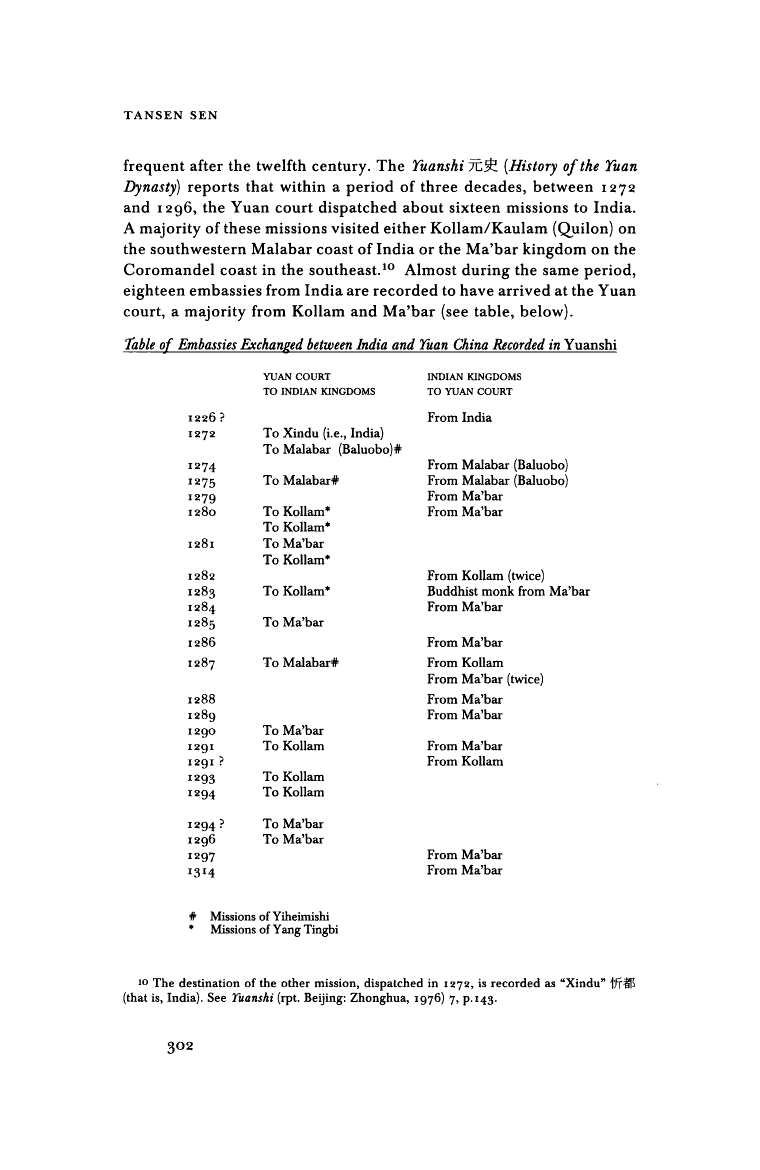
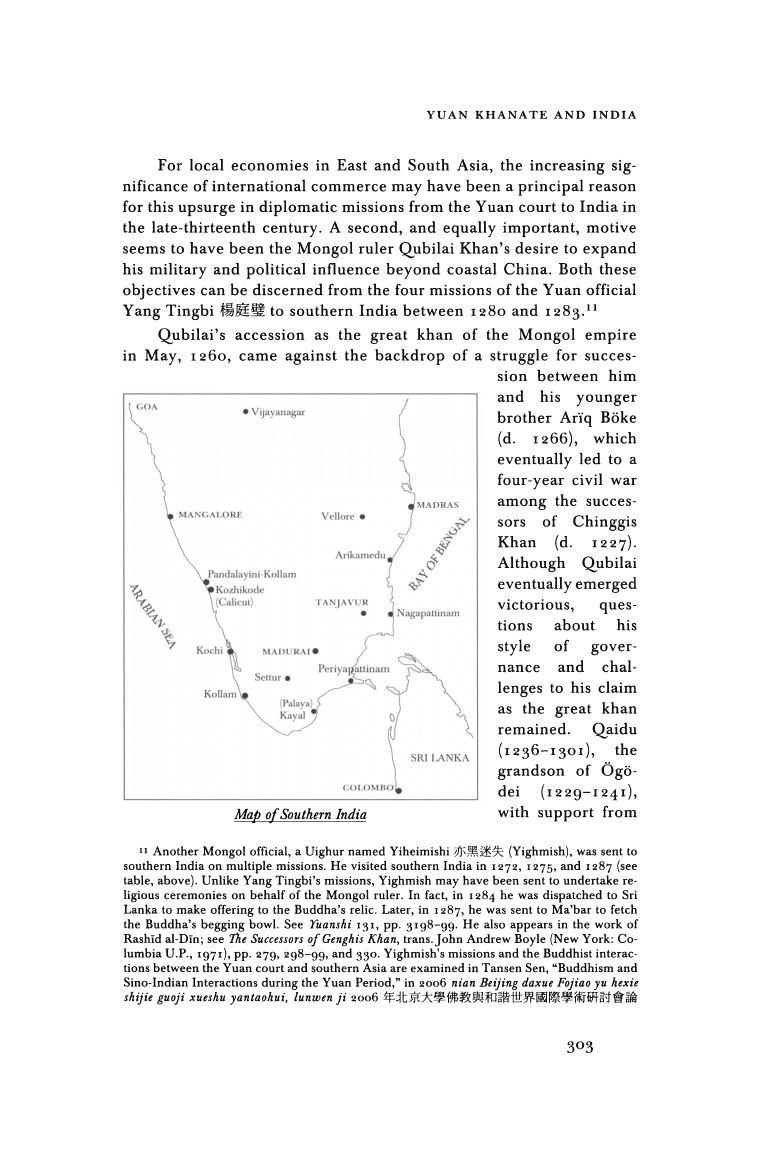
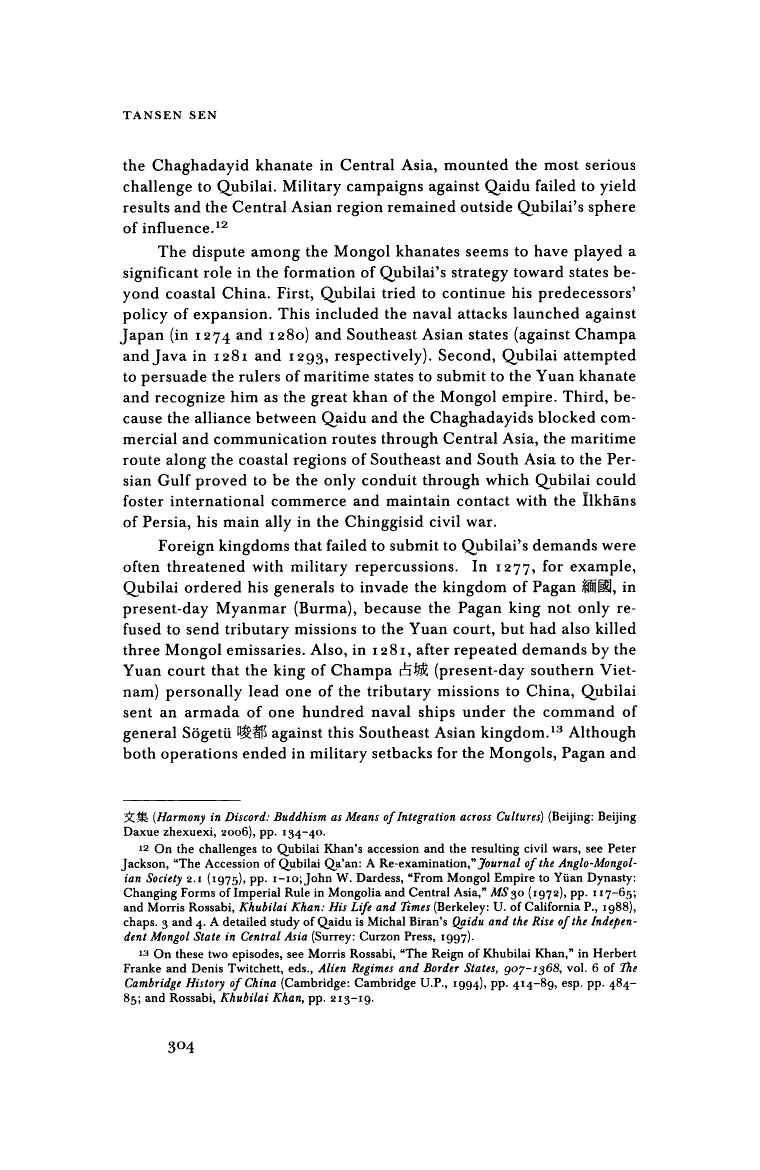
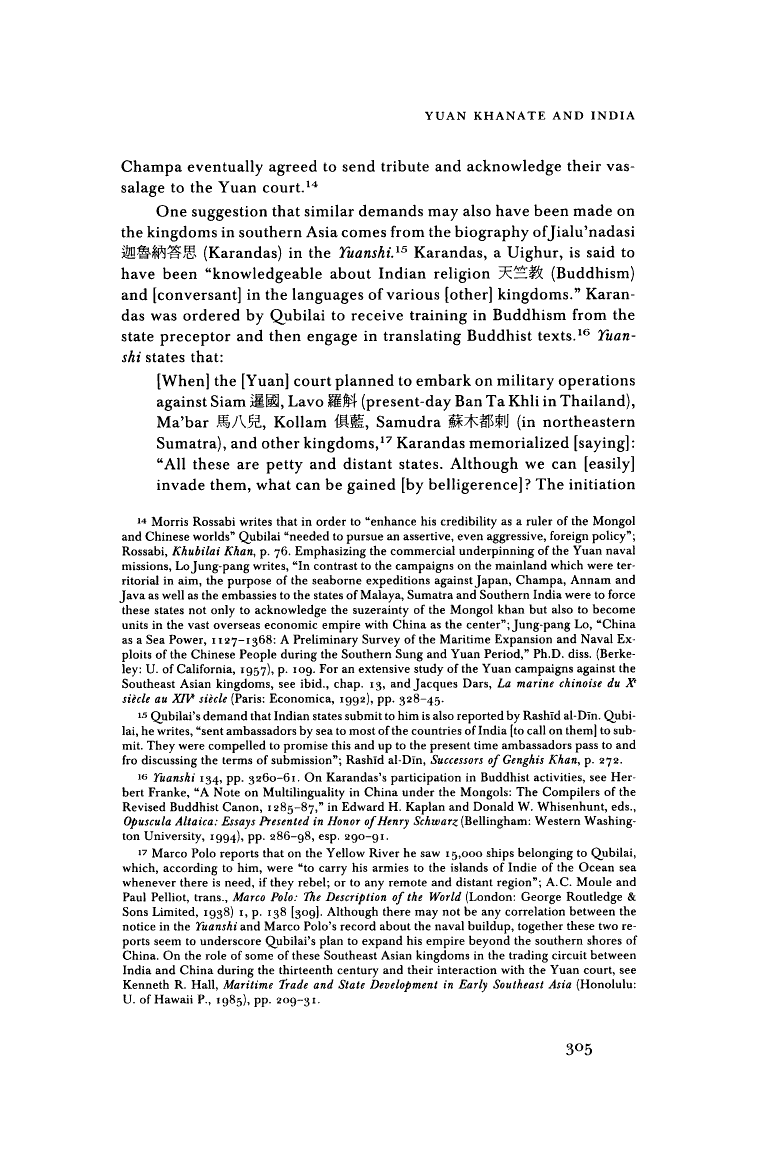
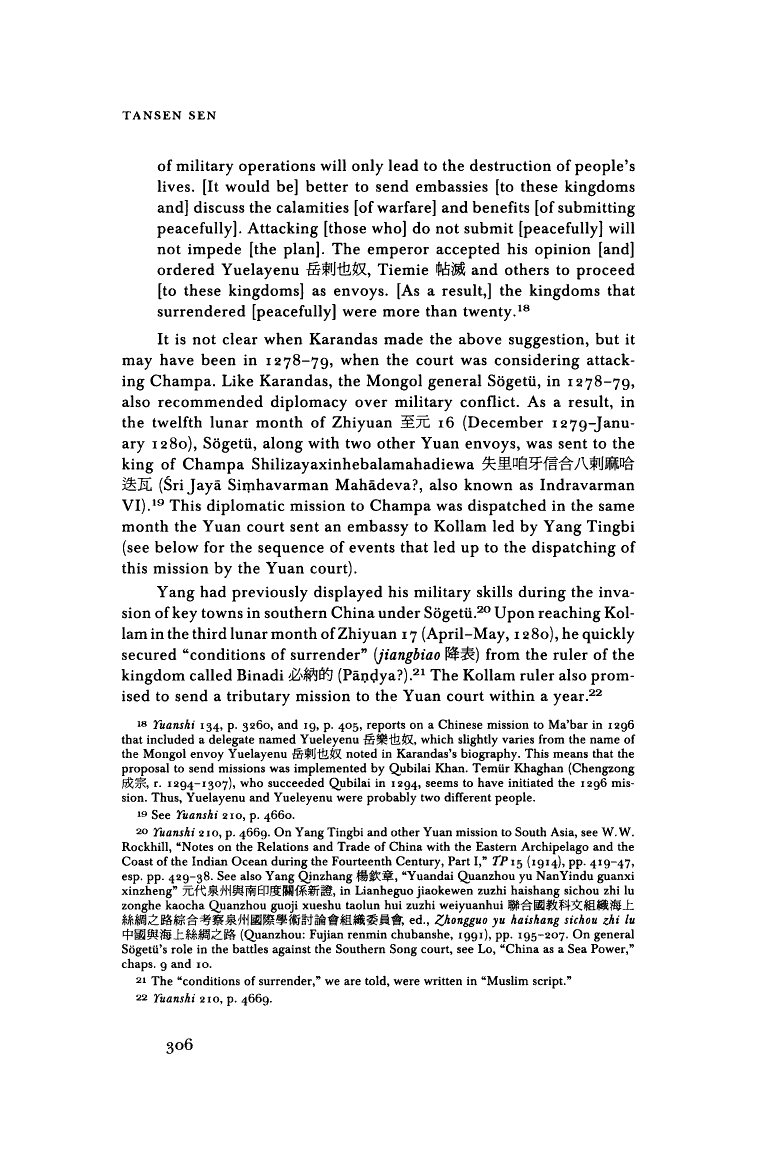
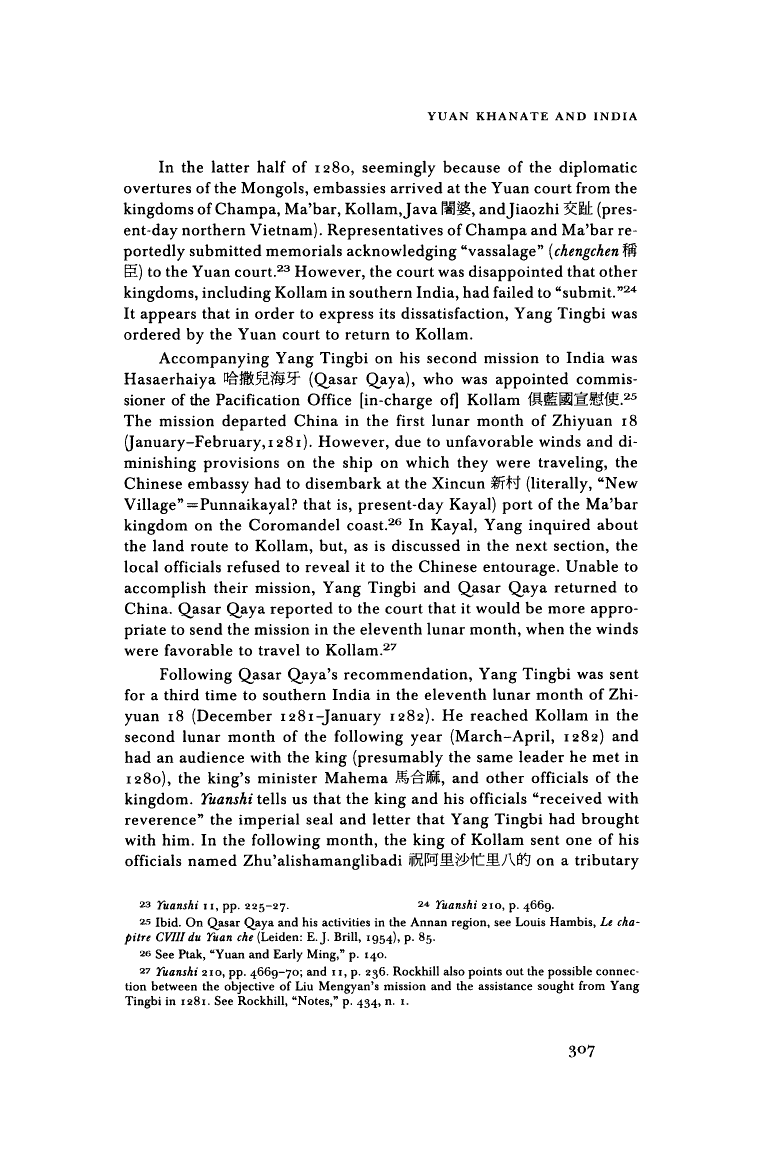
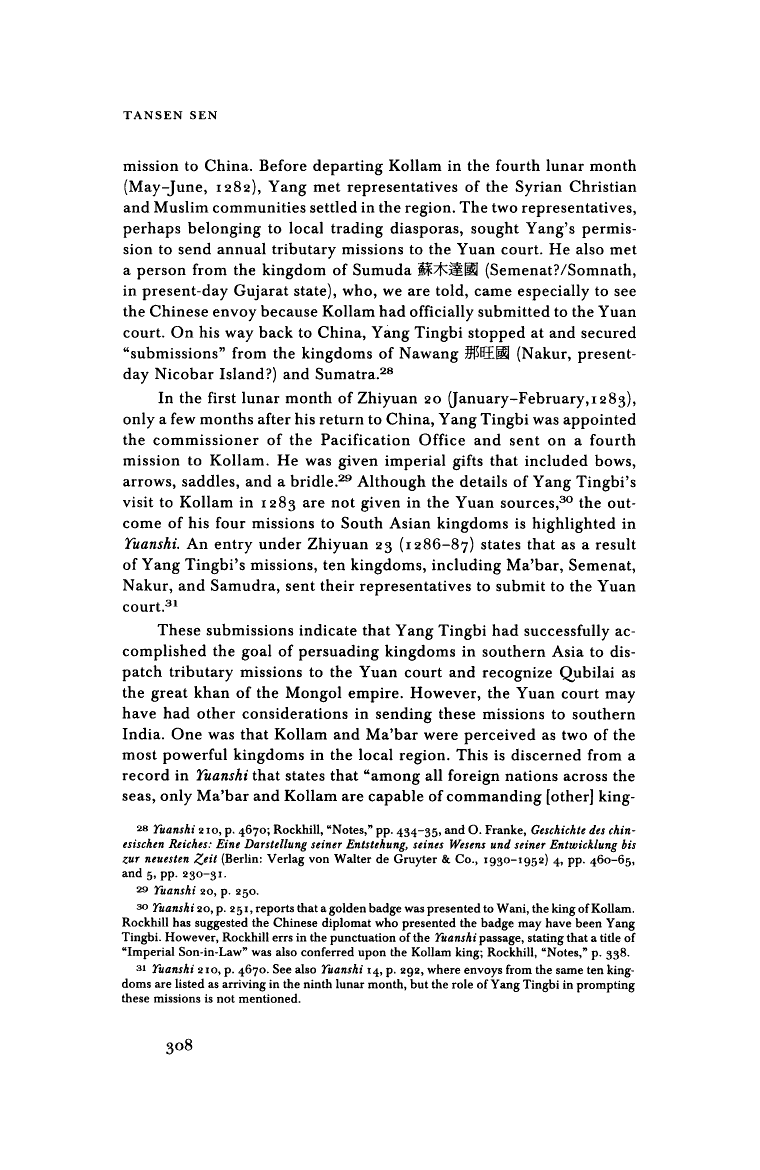
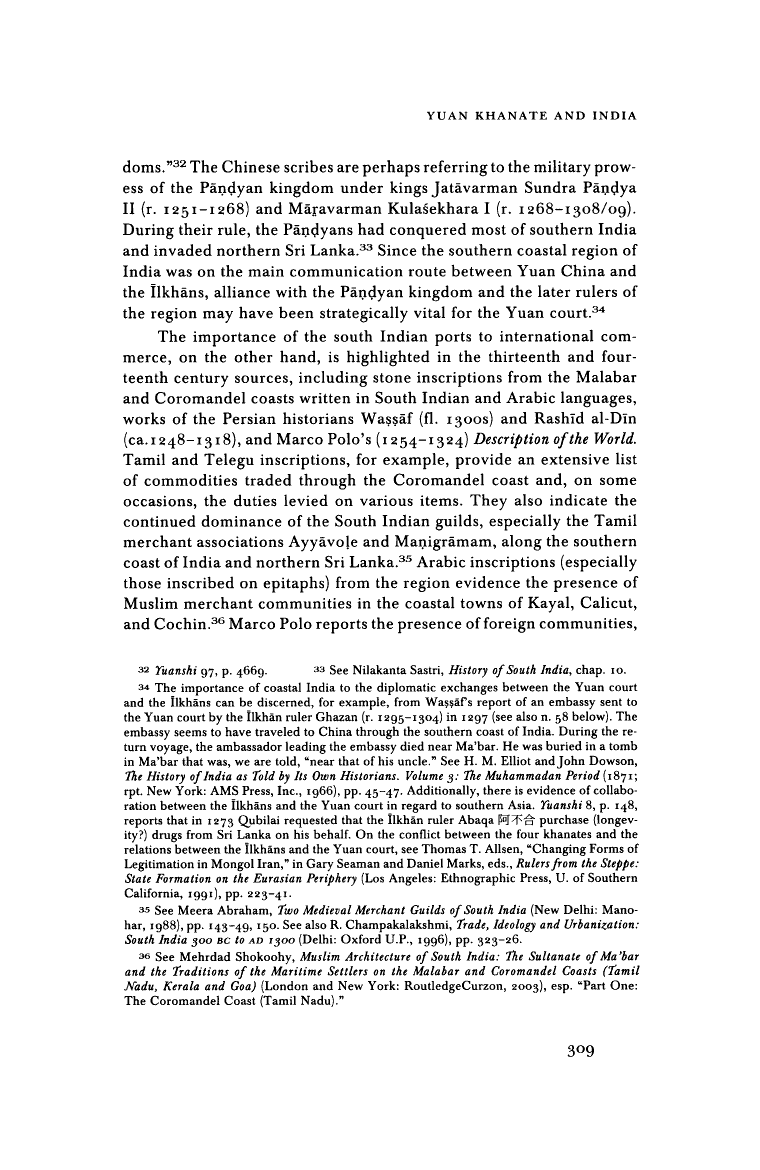
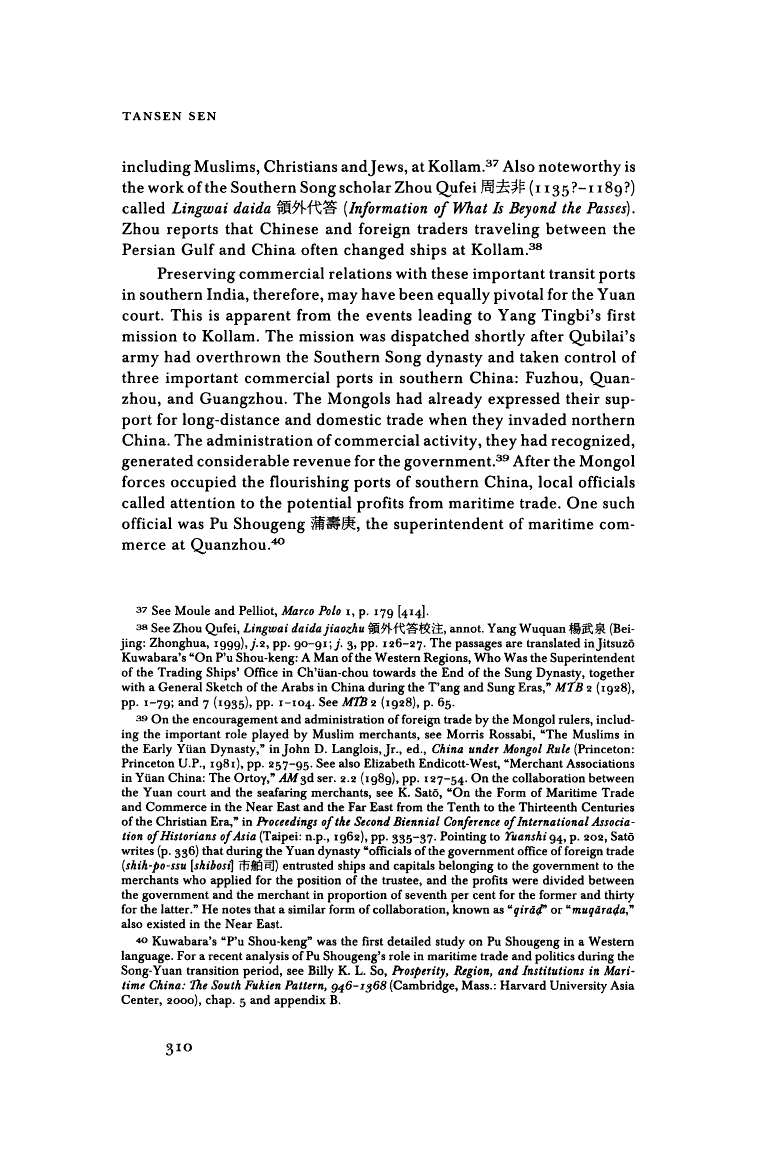
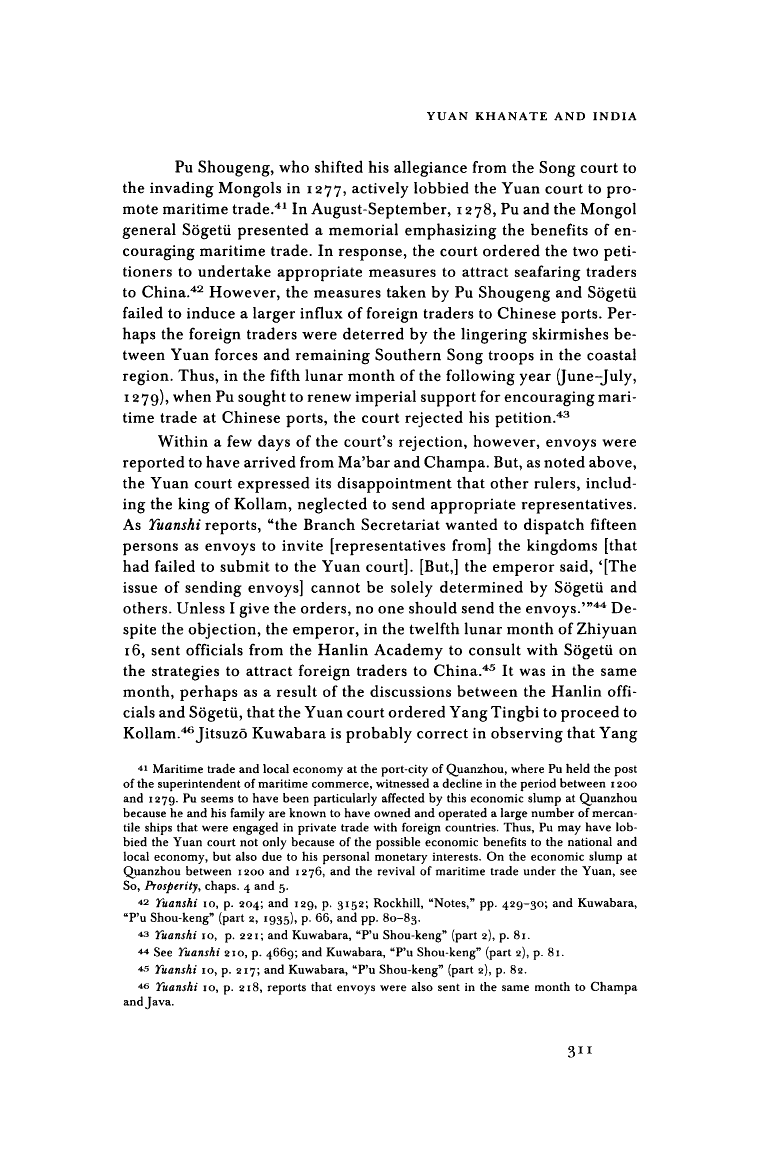
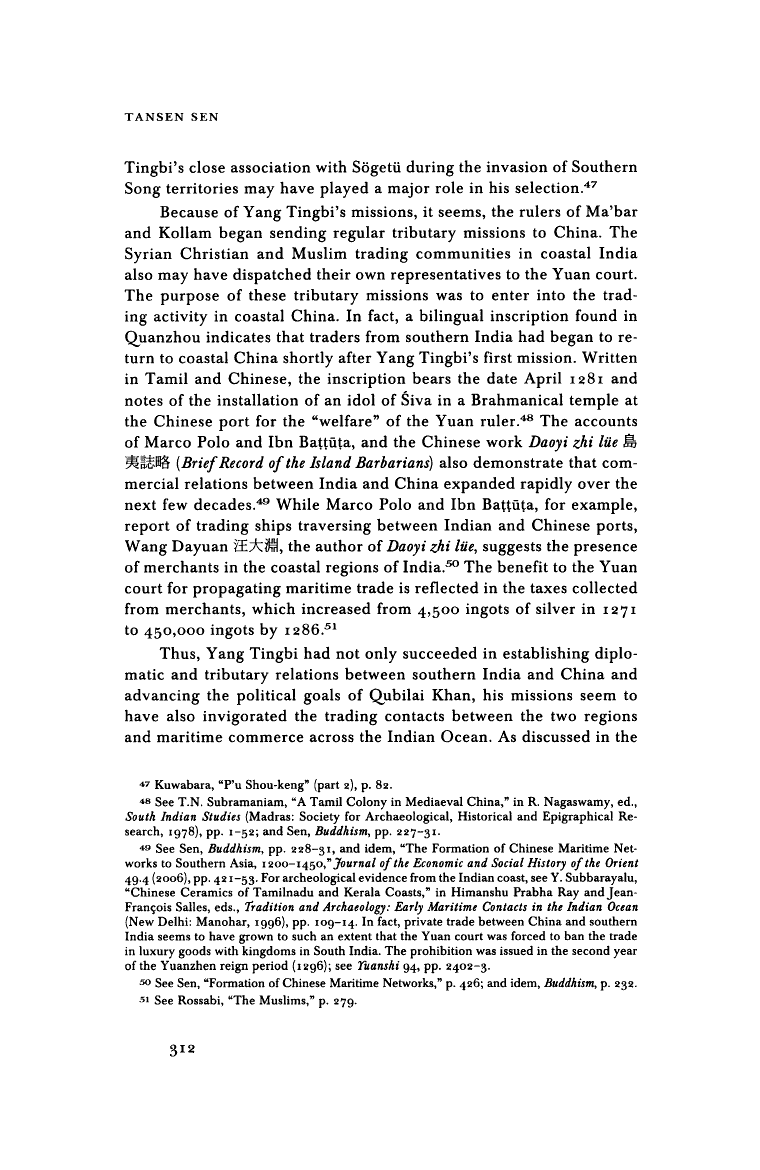 An Arab in Yuan China who married a Korean woman
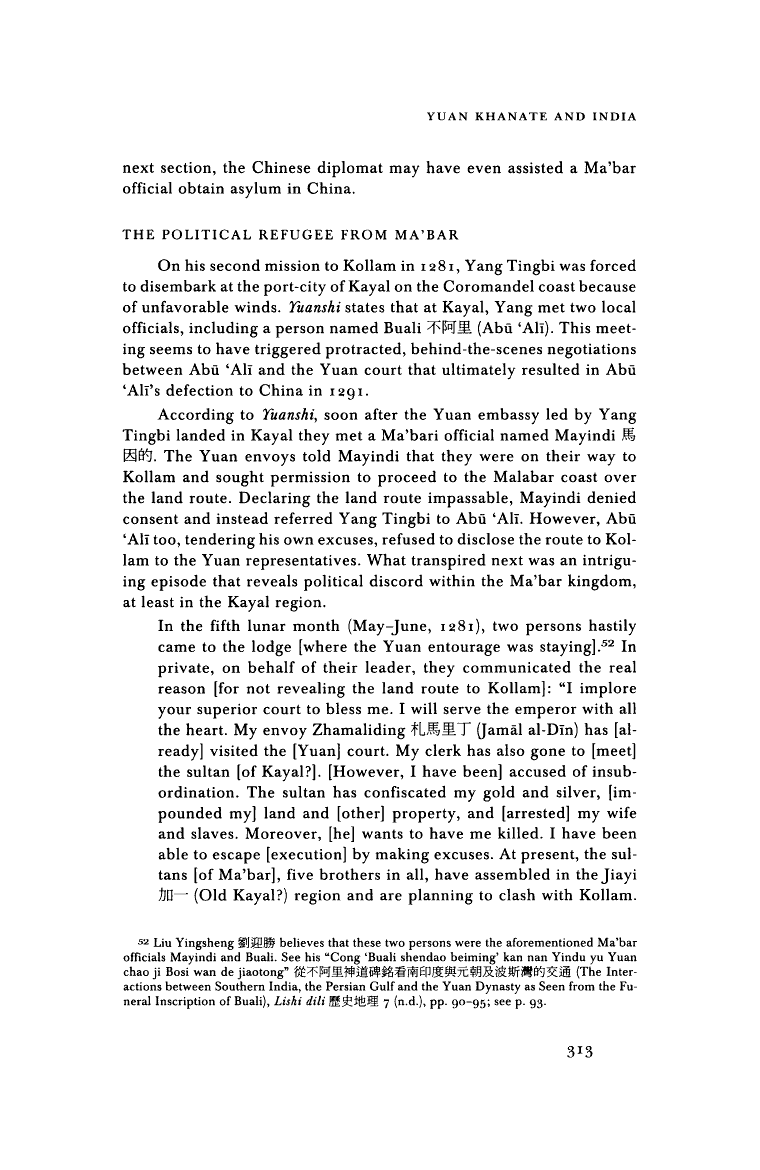
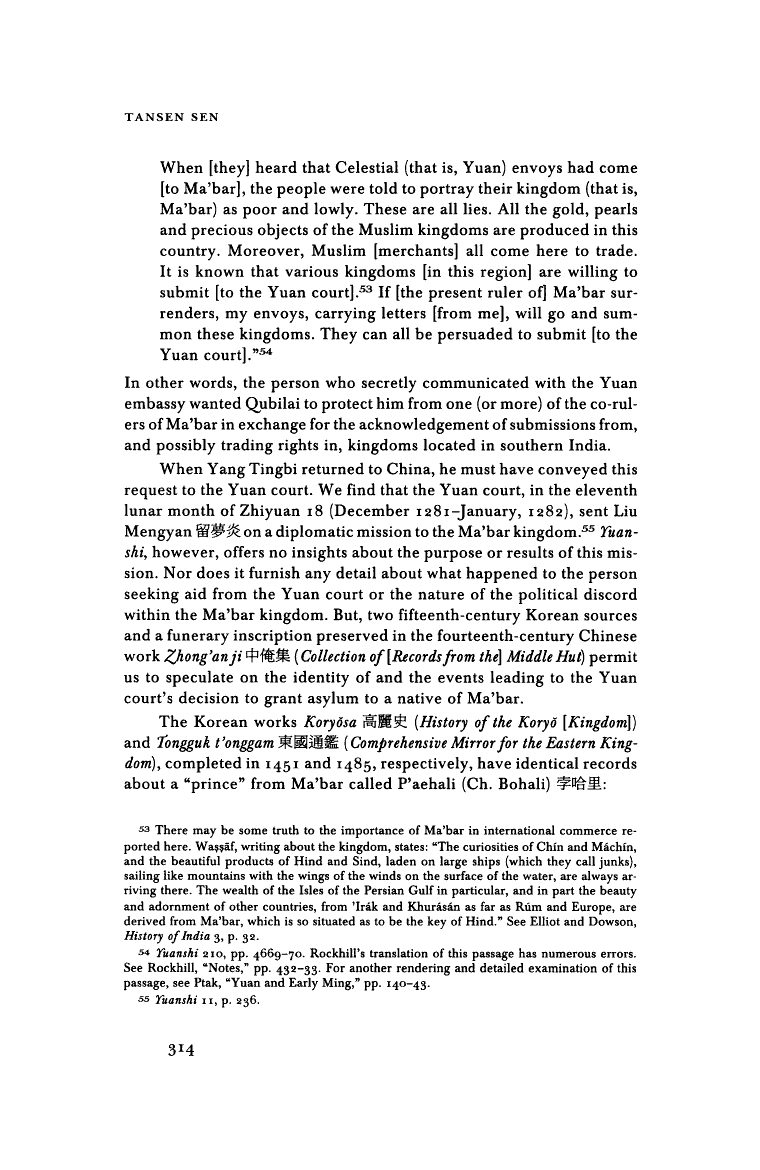
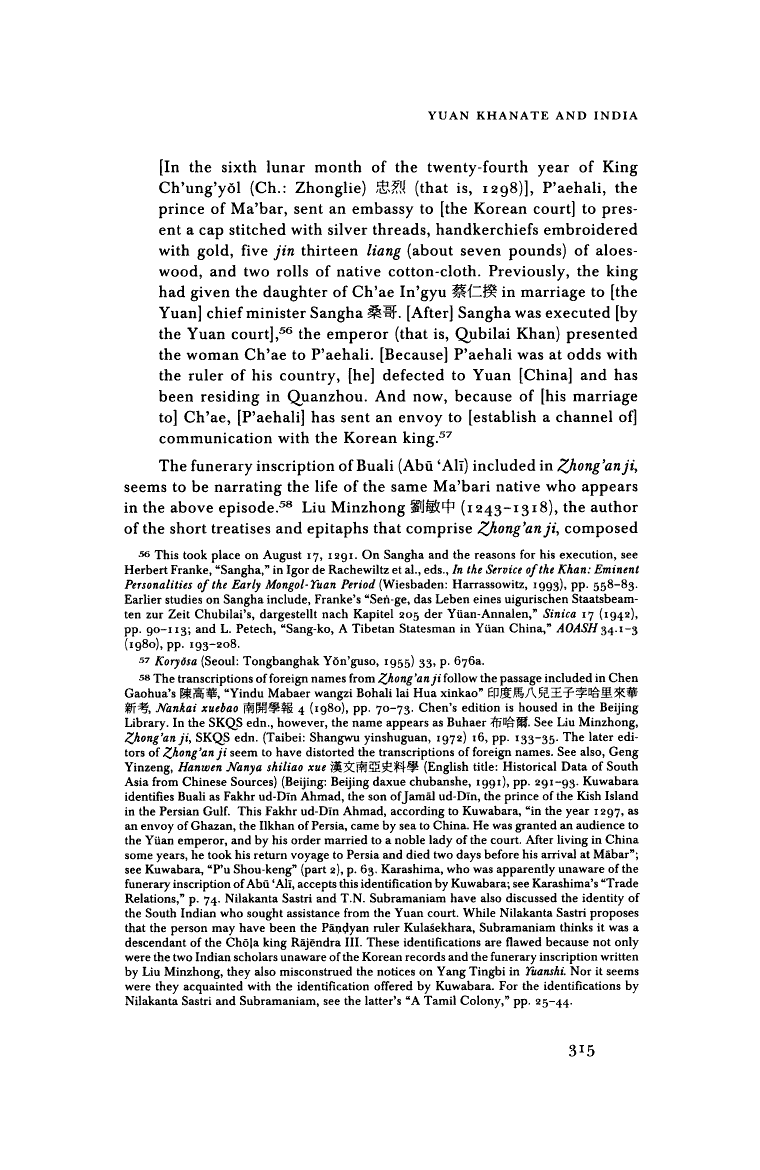
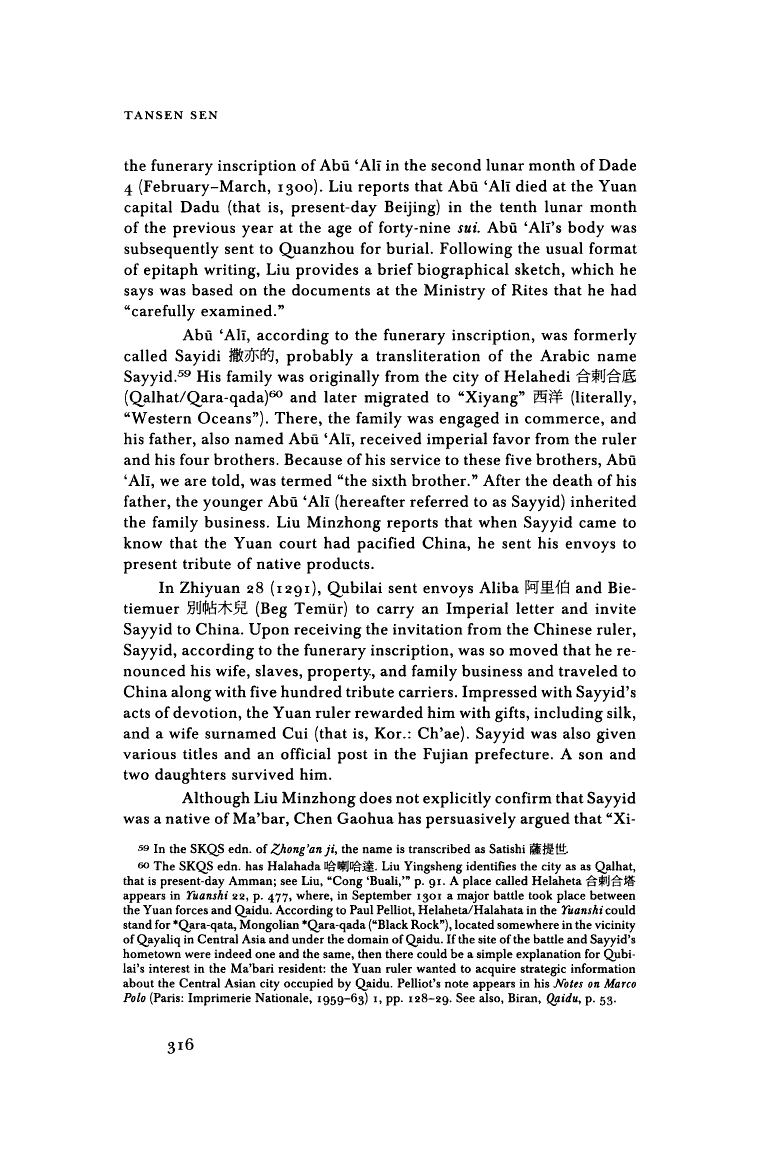 Kublai Khan gave that Arab a Korean woman to marry
The Mongol emperor Kublai Khan gave that Arab a Korean woman to marry
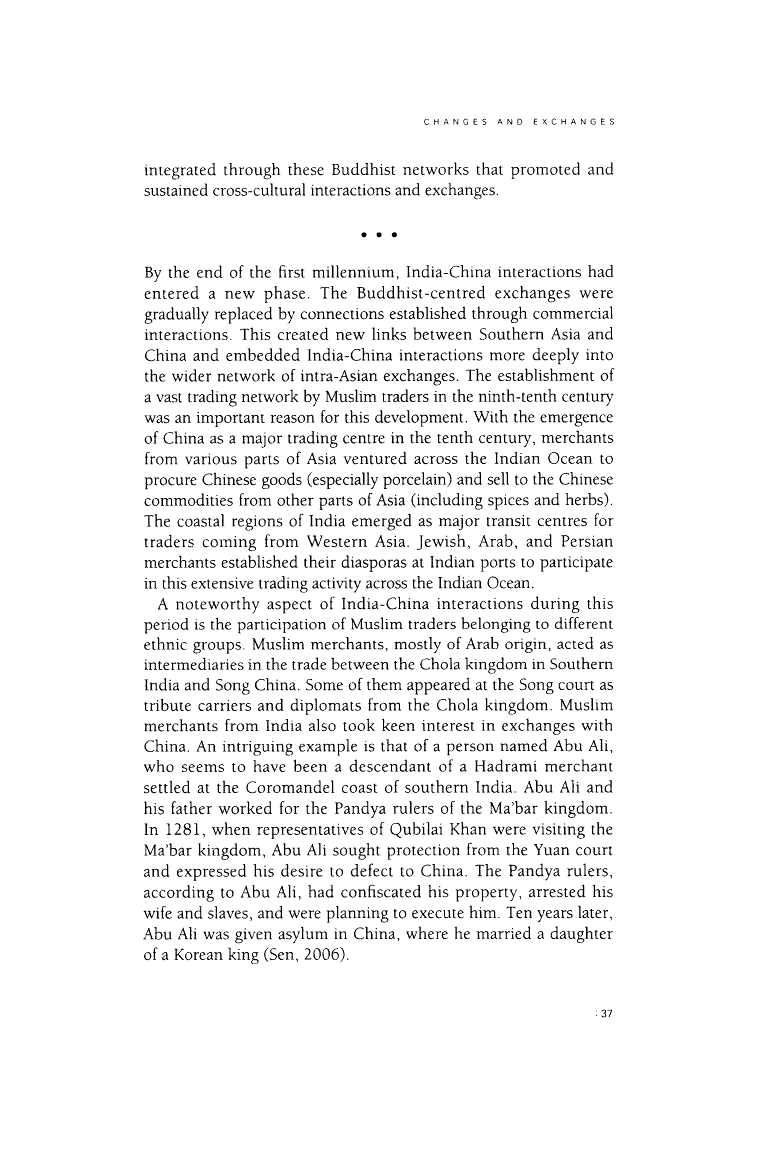
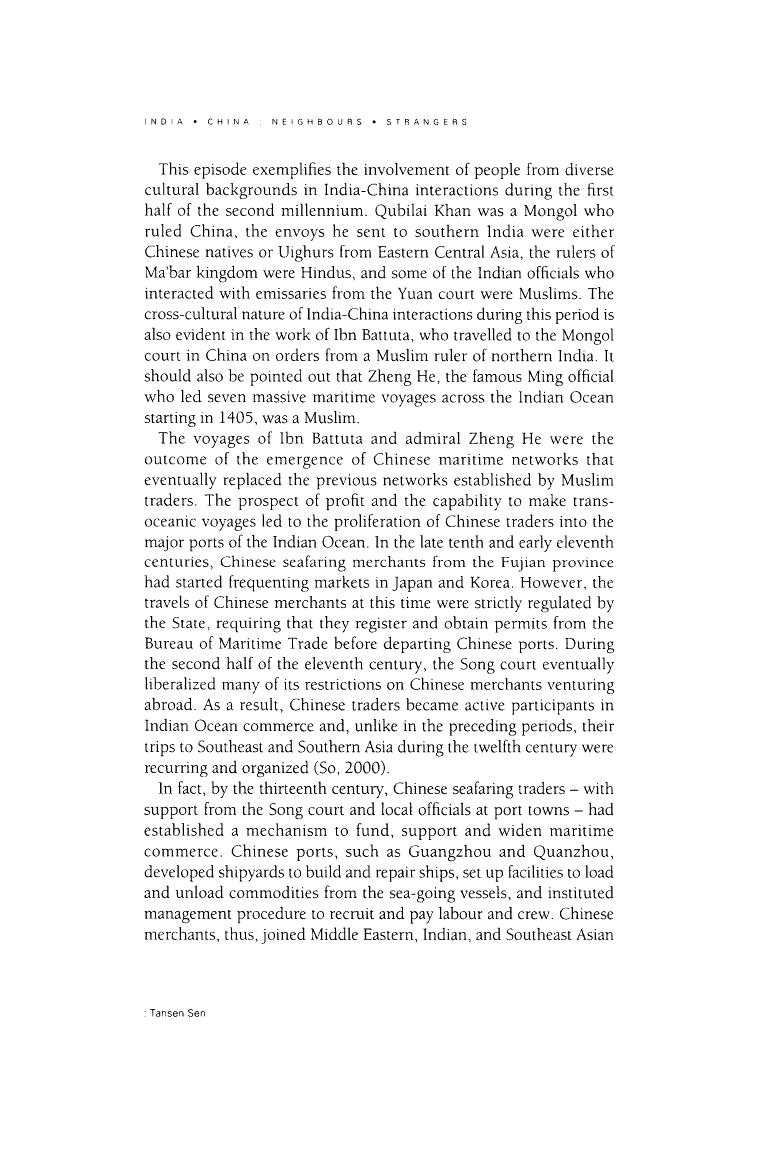
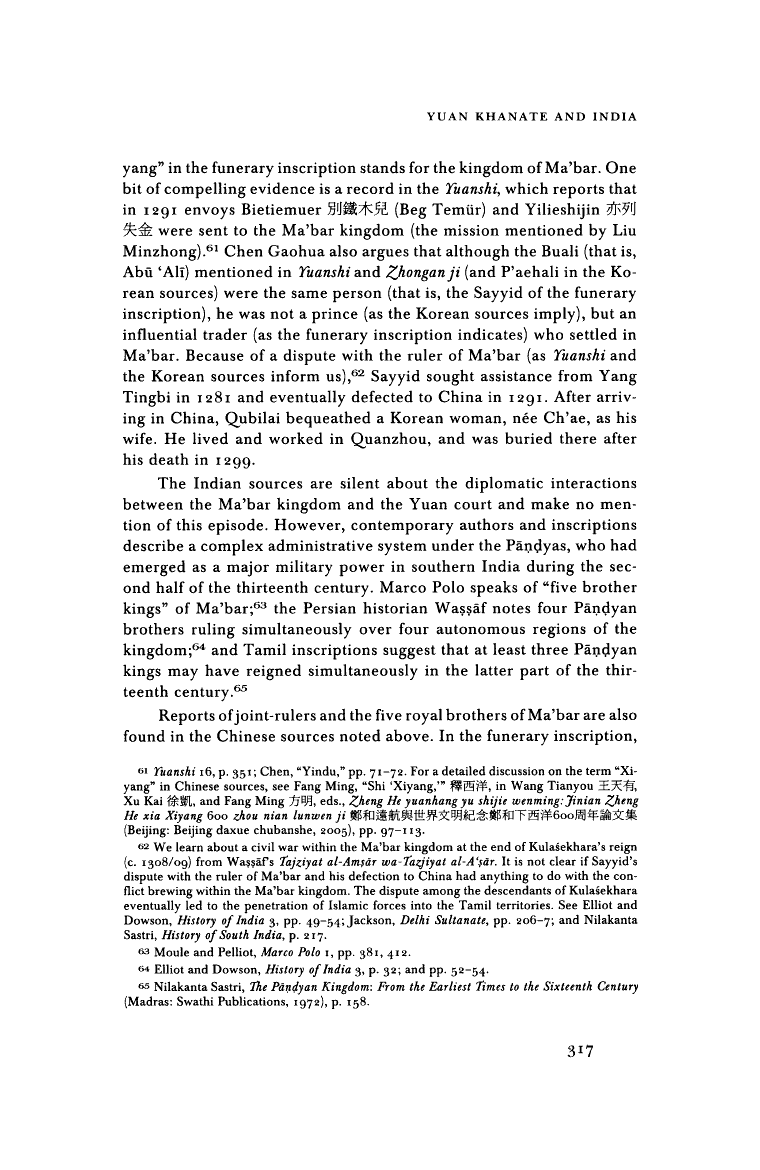
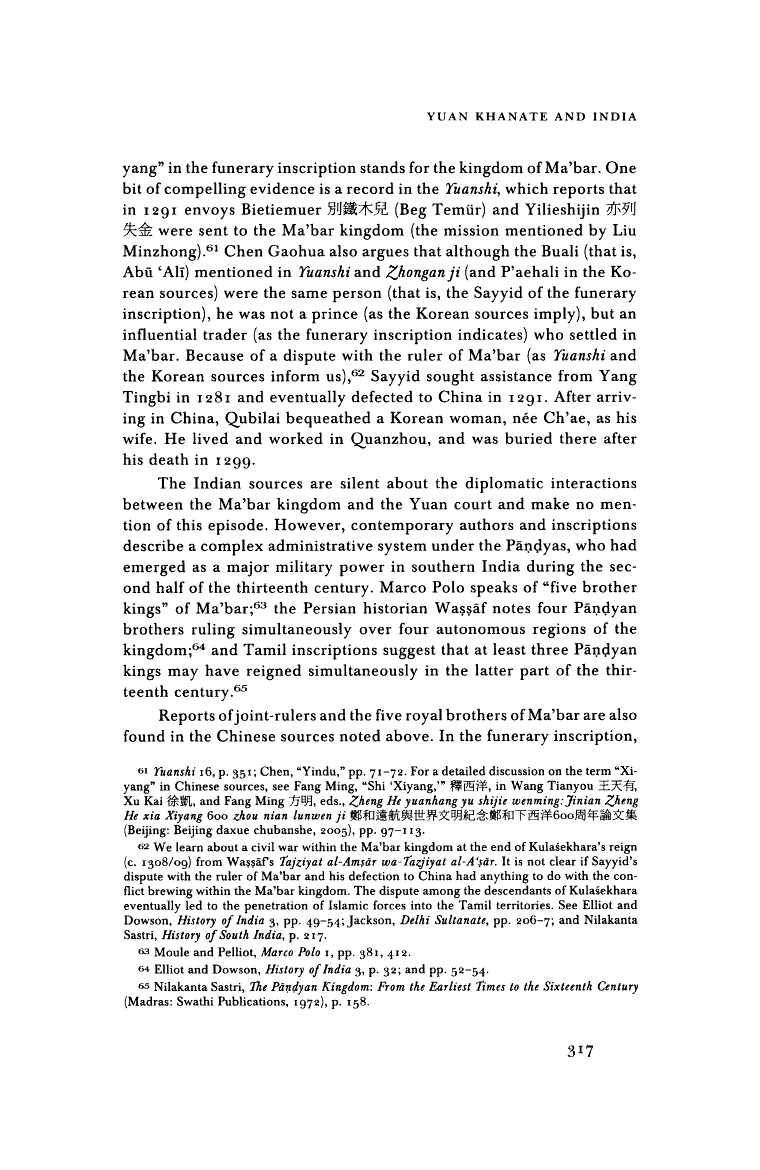 This says he is possibly Hadrami
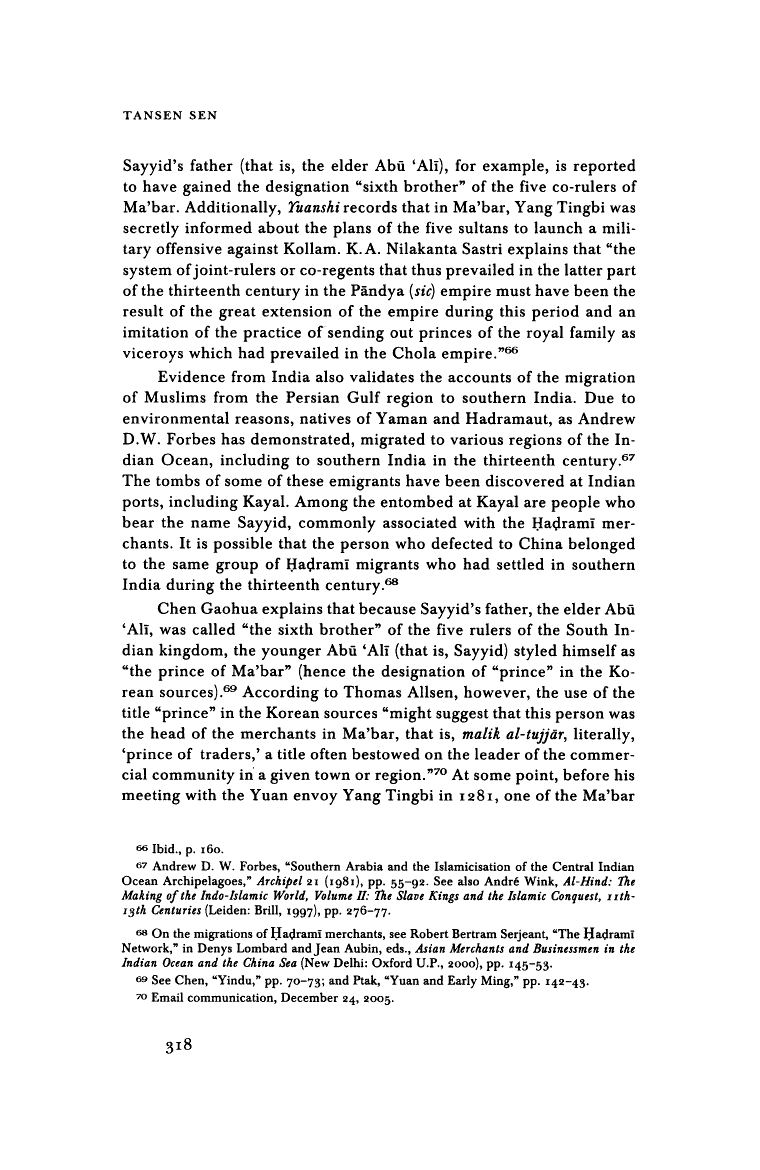 and a Sayyid
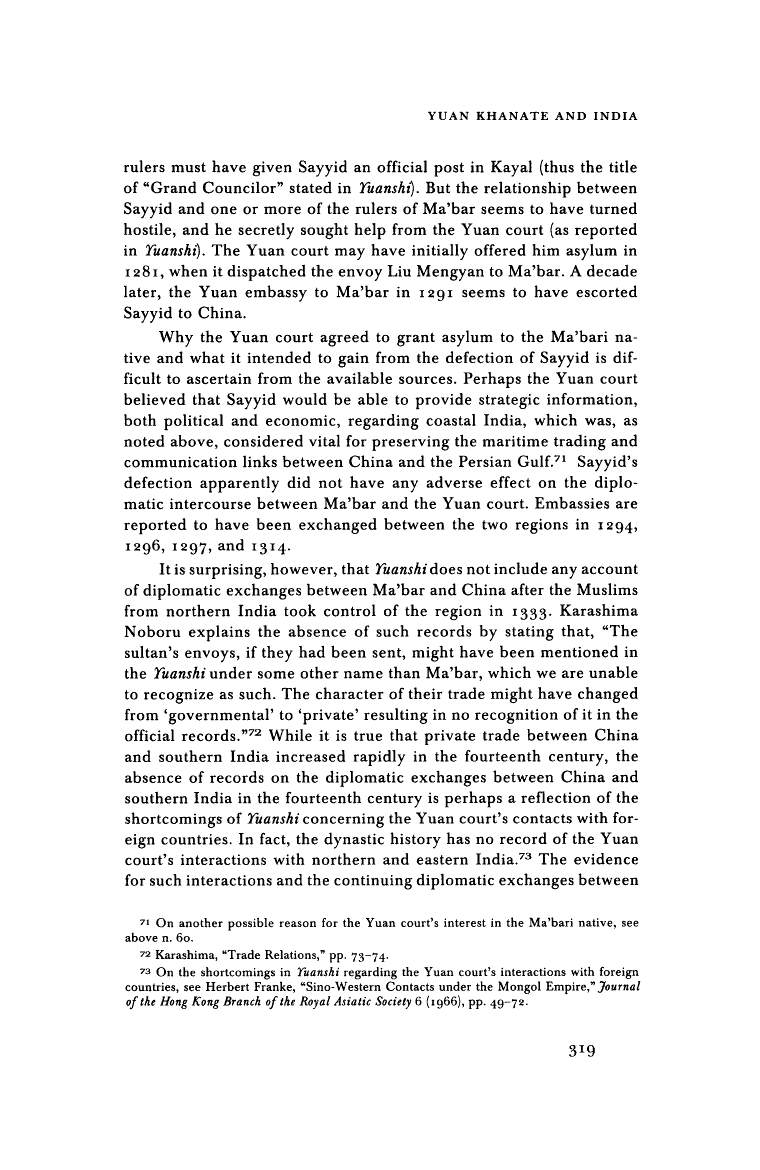
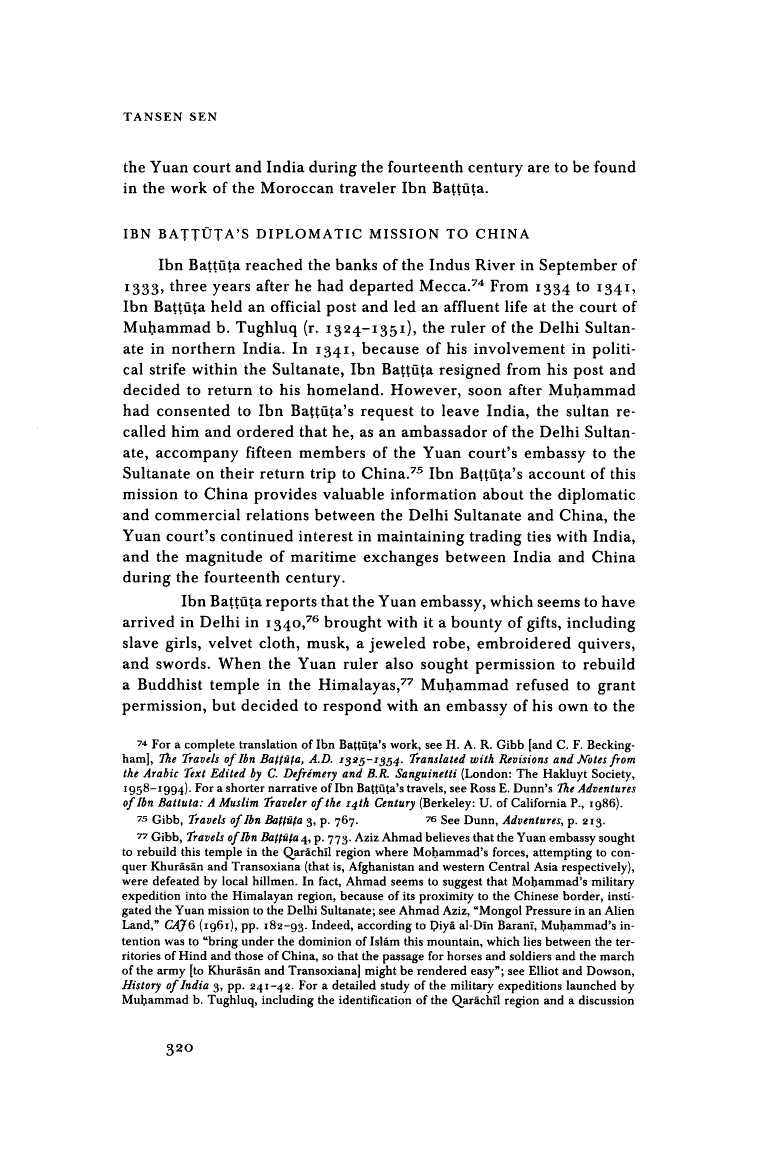
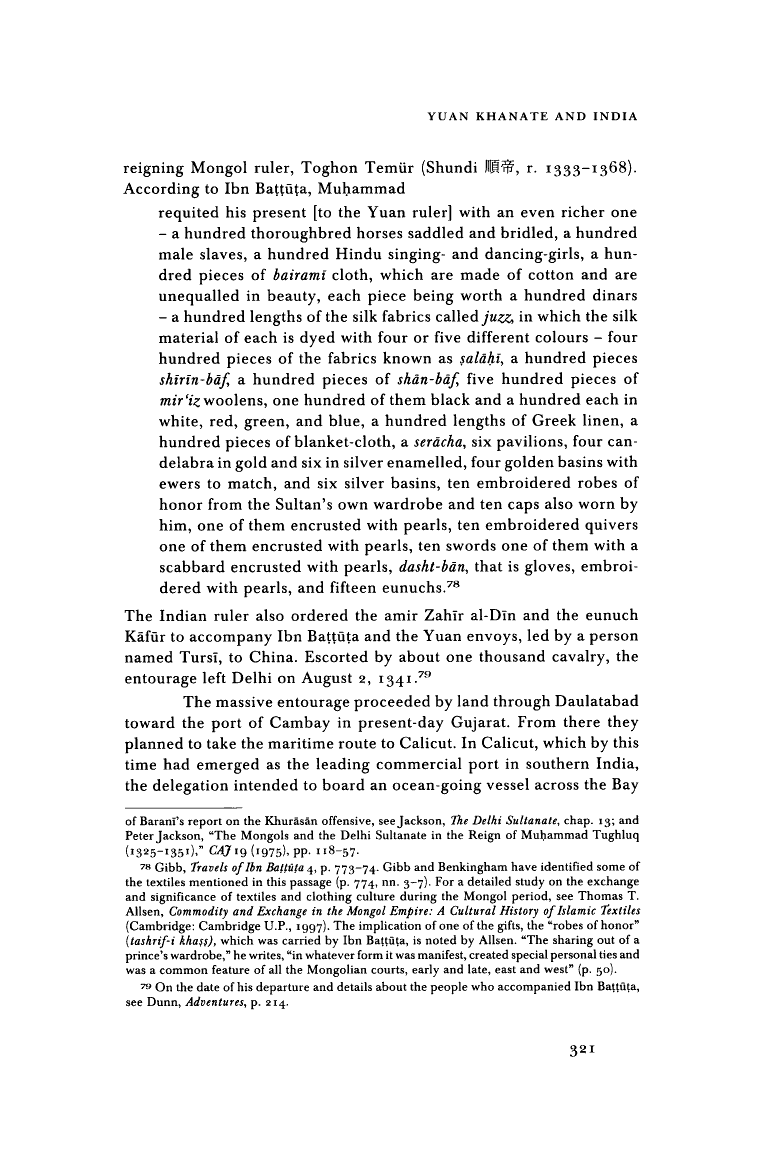
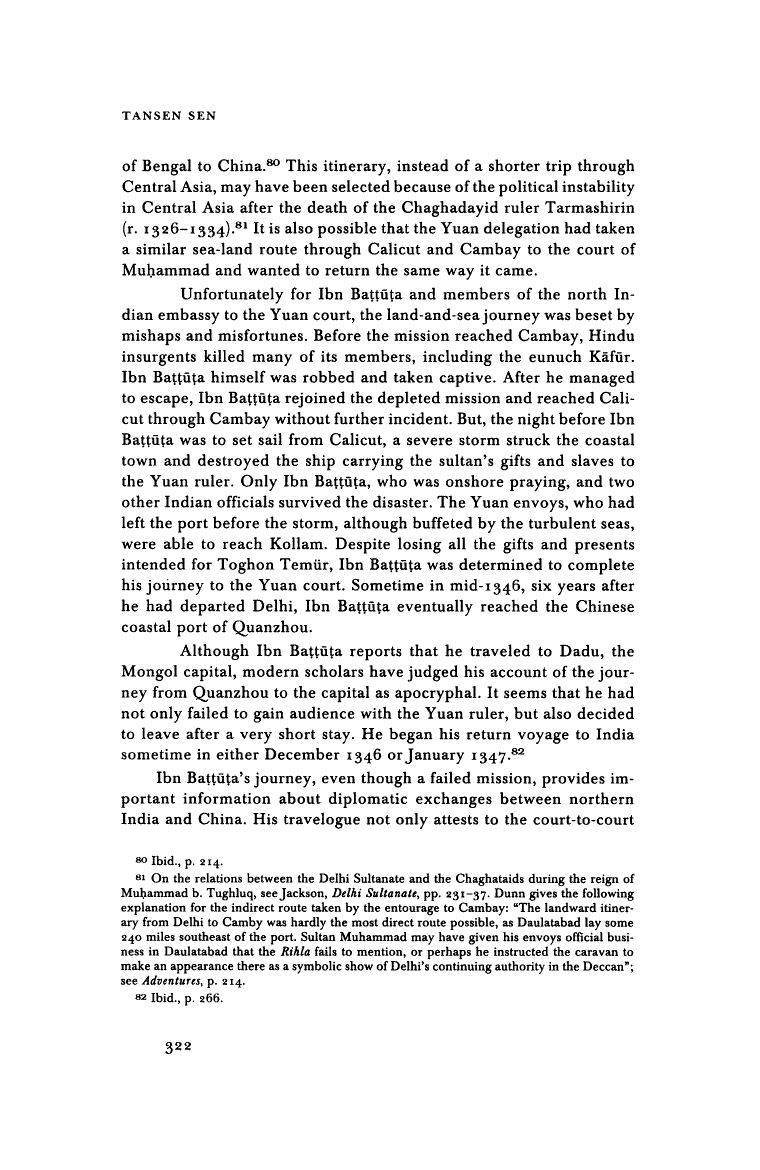
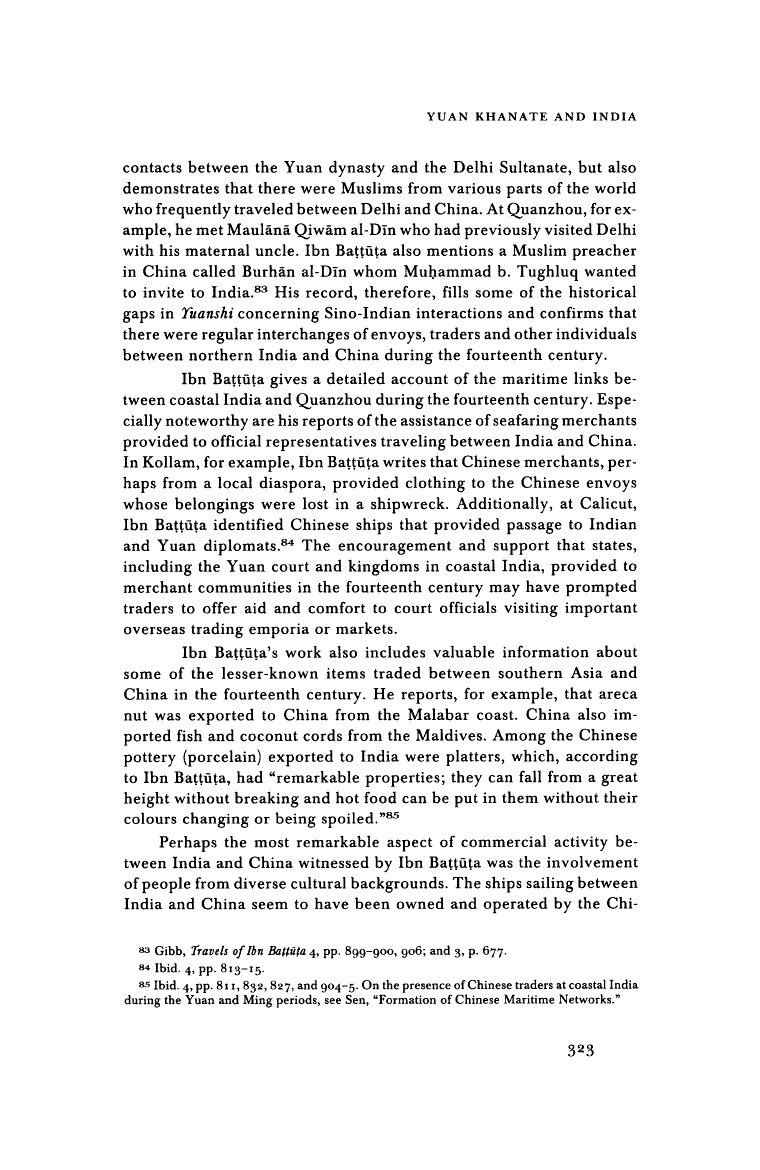
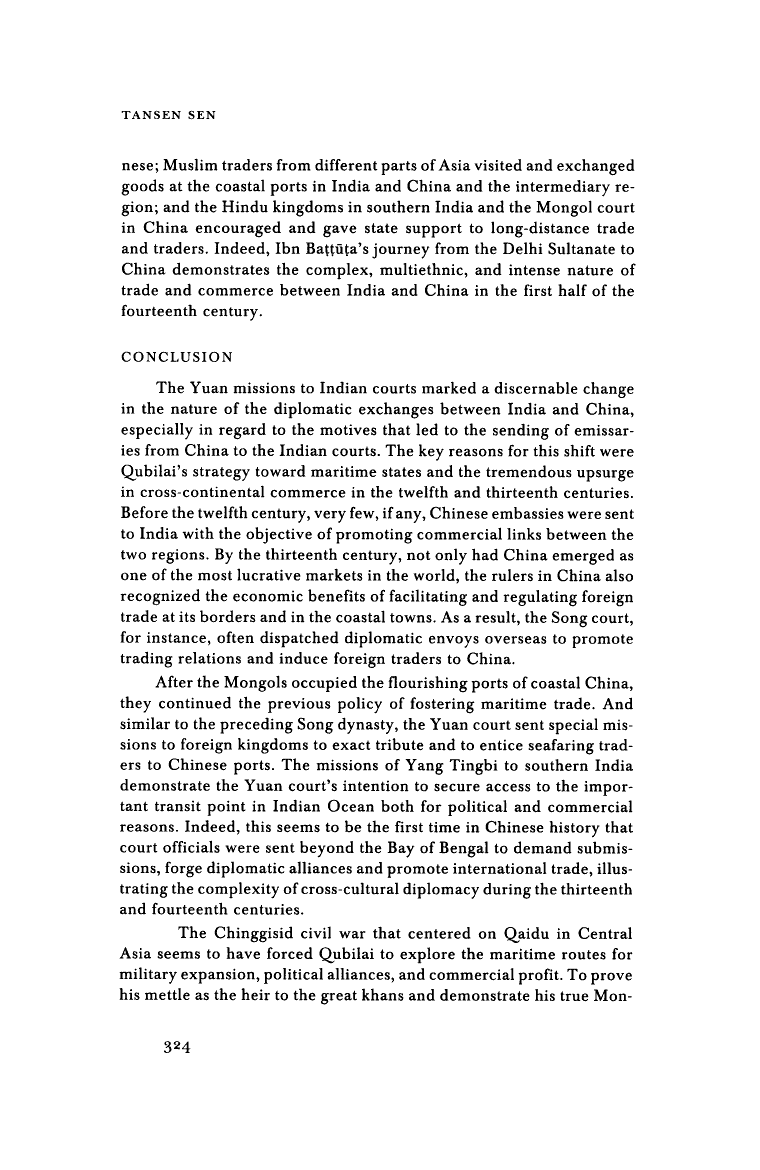
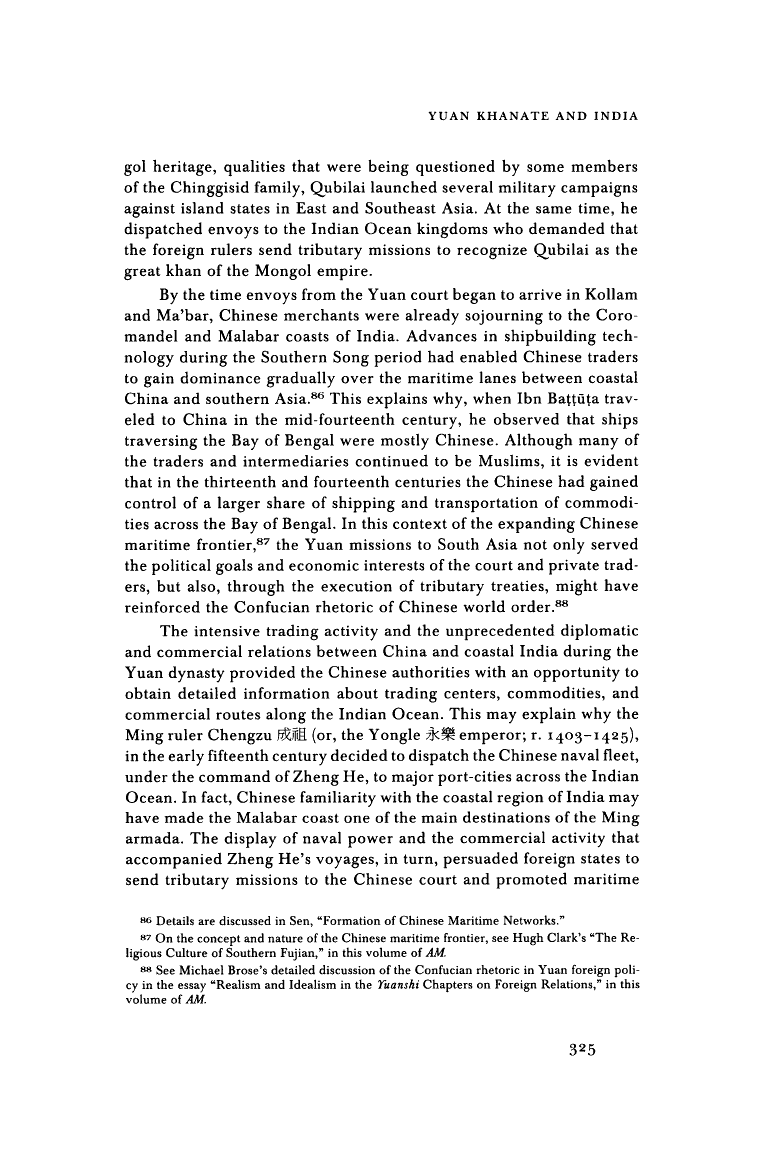
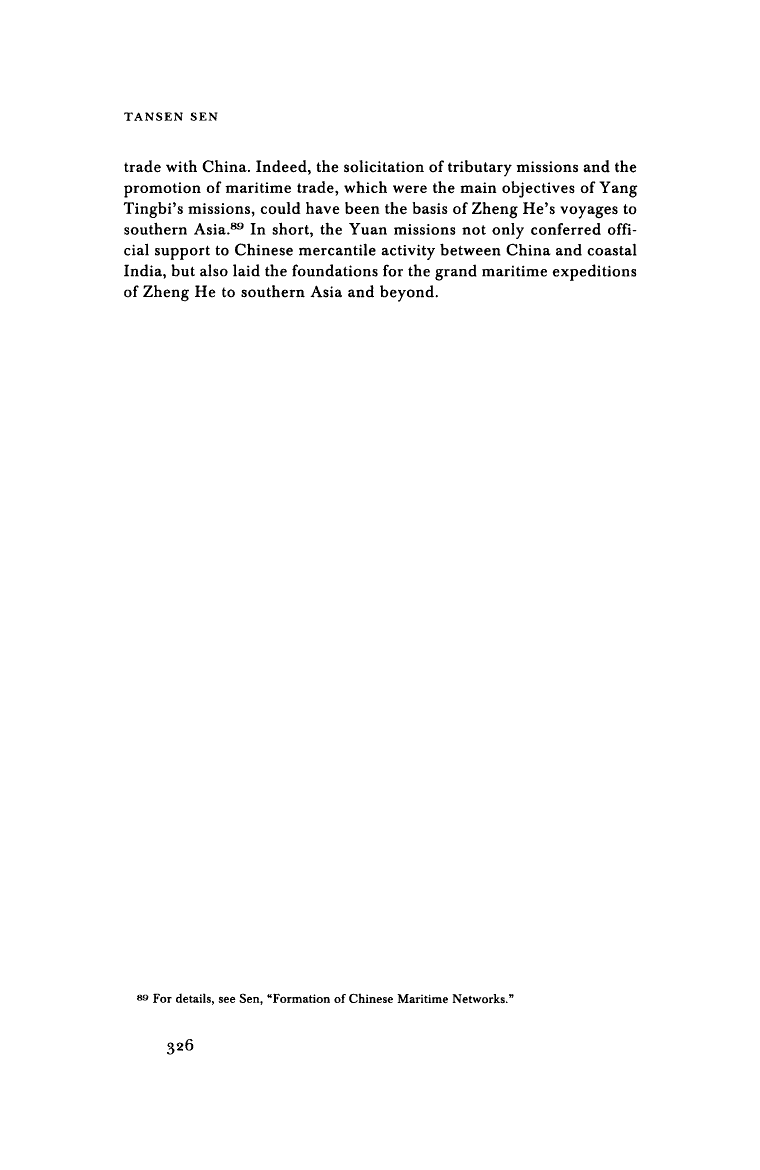 This also says that guy is possibly Hadrami
https://jstor.org/stable/23006400?read-now=1&seq=4#page_scan_tab_contents
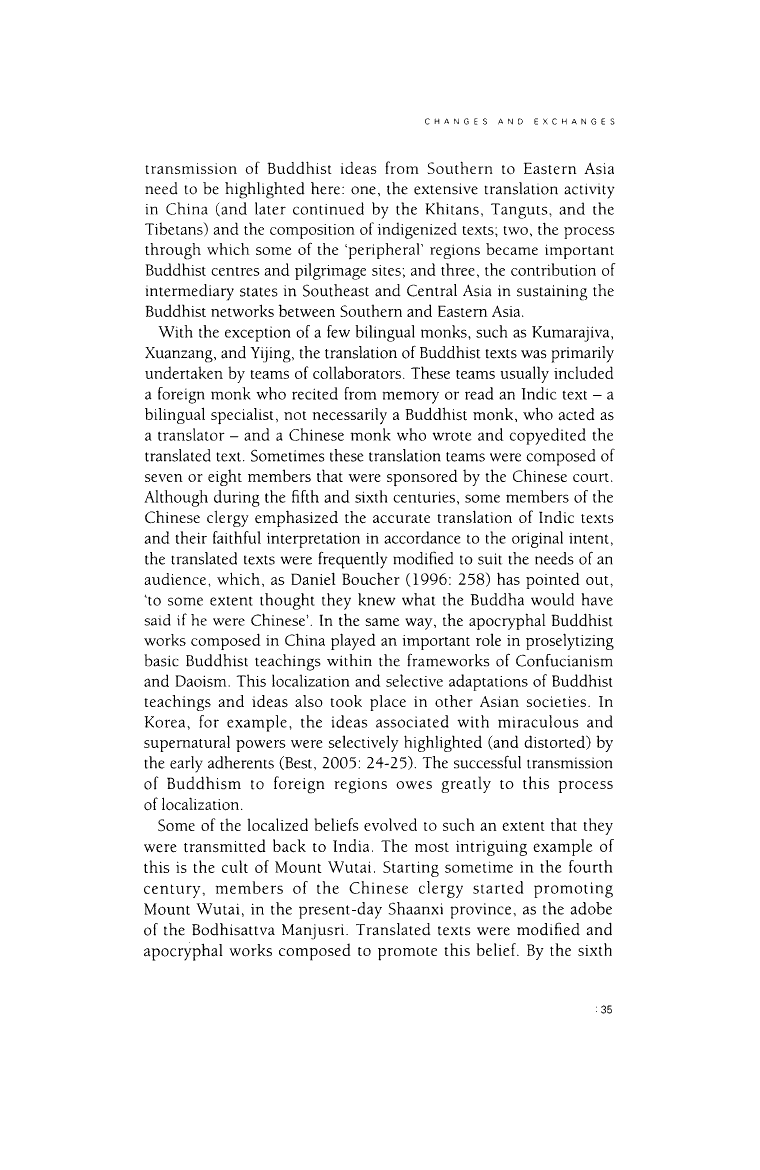
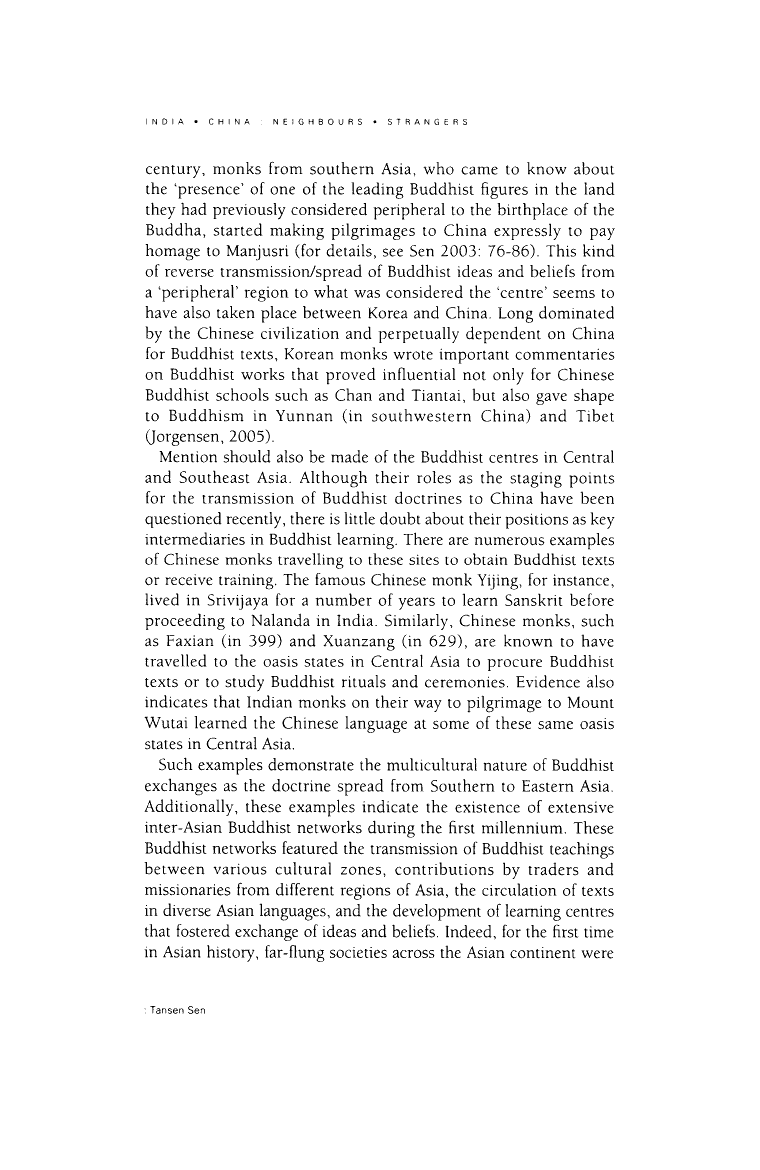
Sen, Tansen. “Changes and Exchanges.” India International Centre Quarterly, vol. 36, no. 3/4, 2009, pp. 34–47. JSTOR, www.jstor.org/stable/23006400. Accessed 24 Nov. 2020.
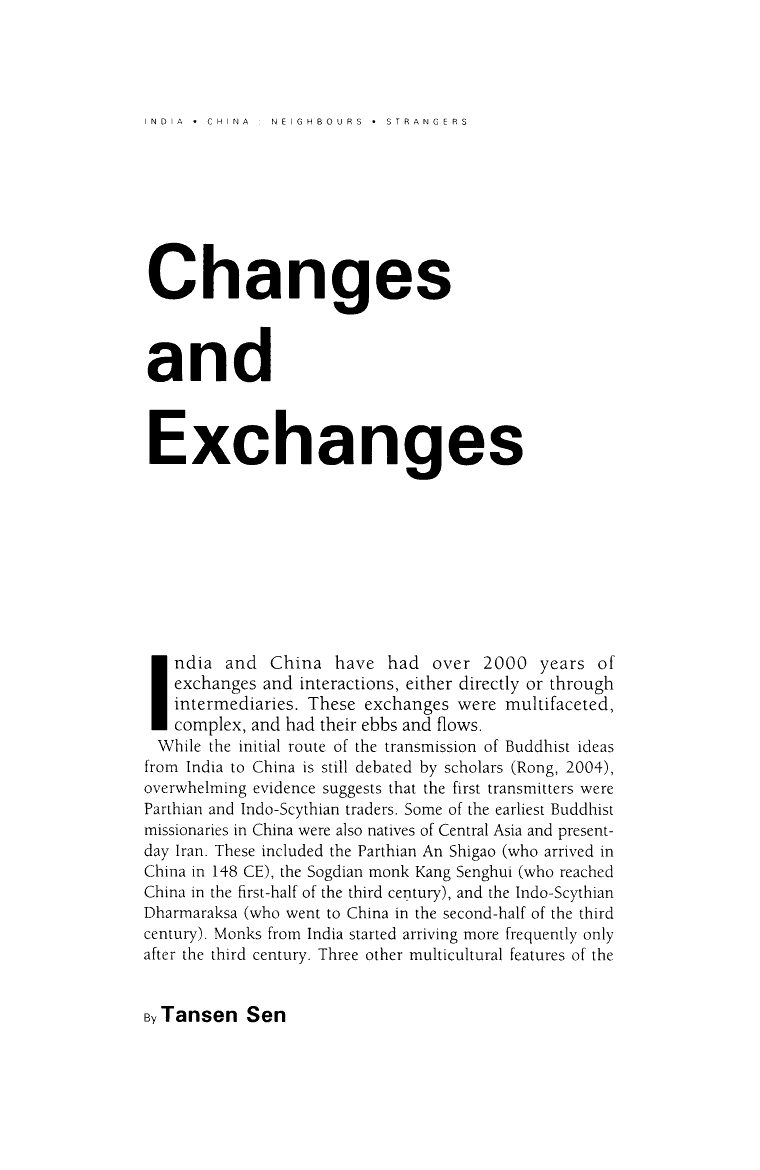
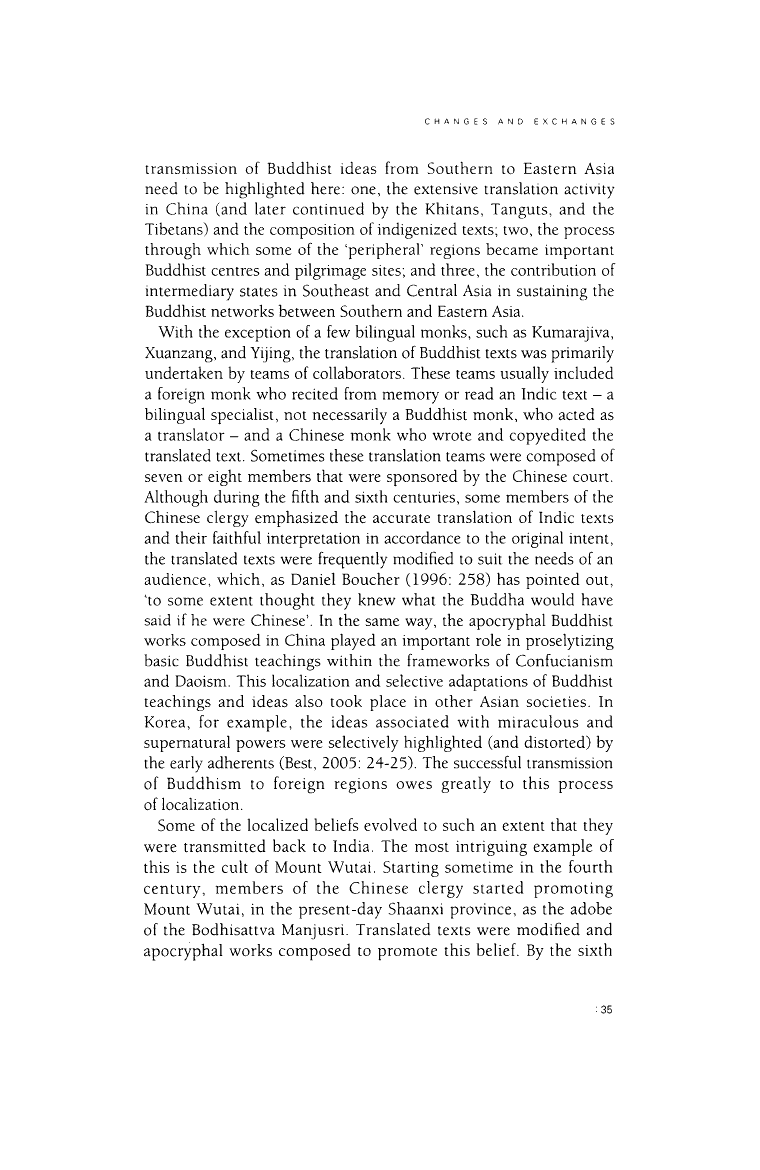
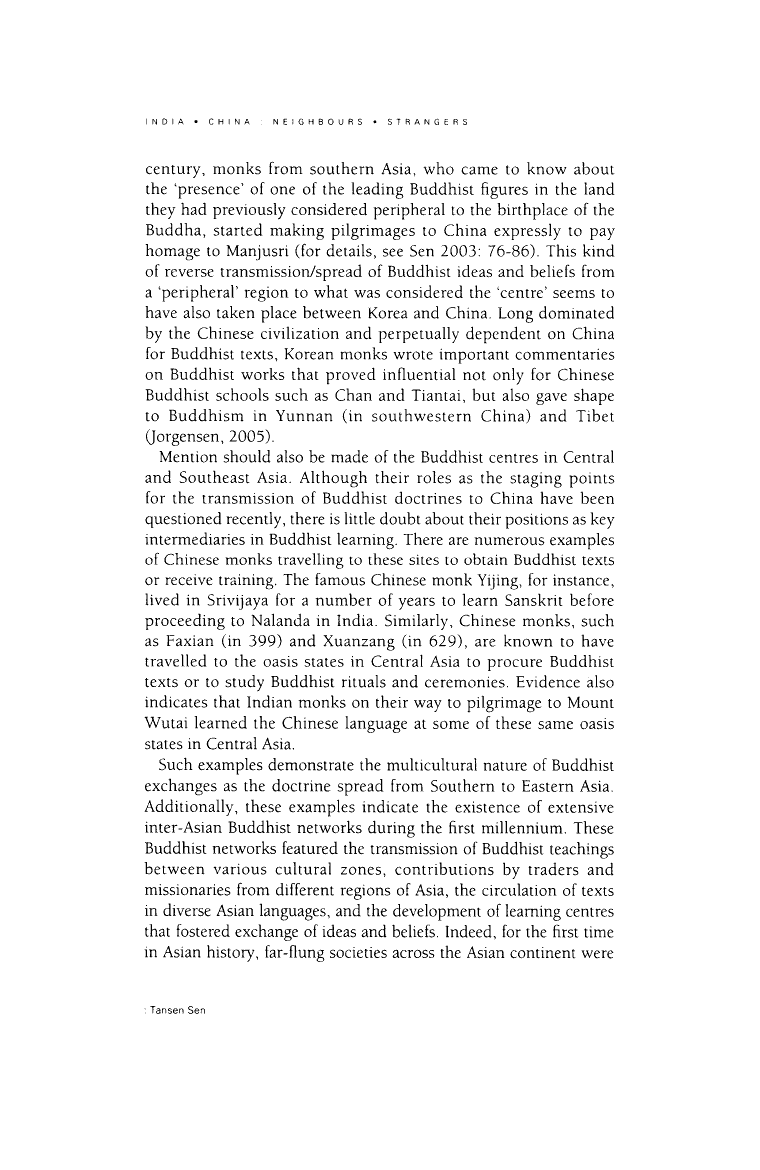 This also says that guy is possibly Hadrami
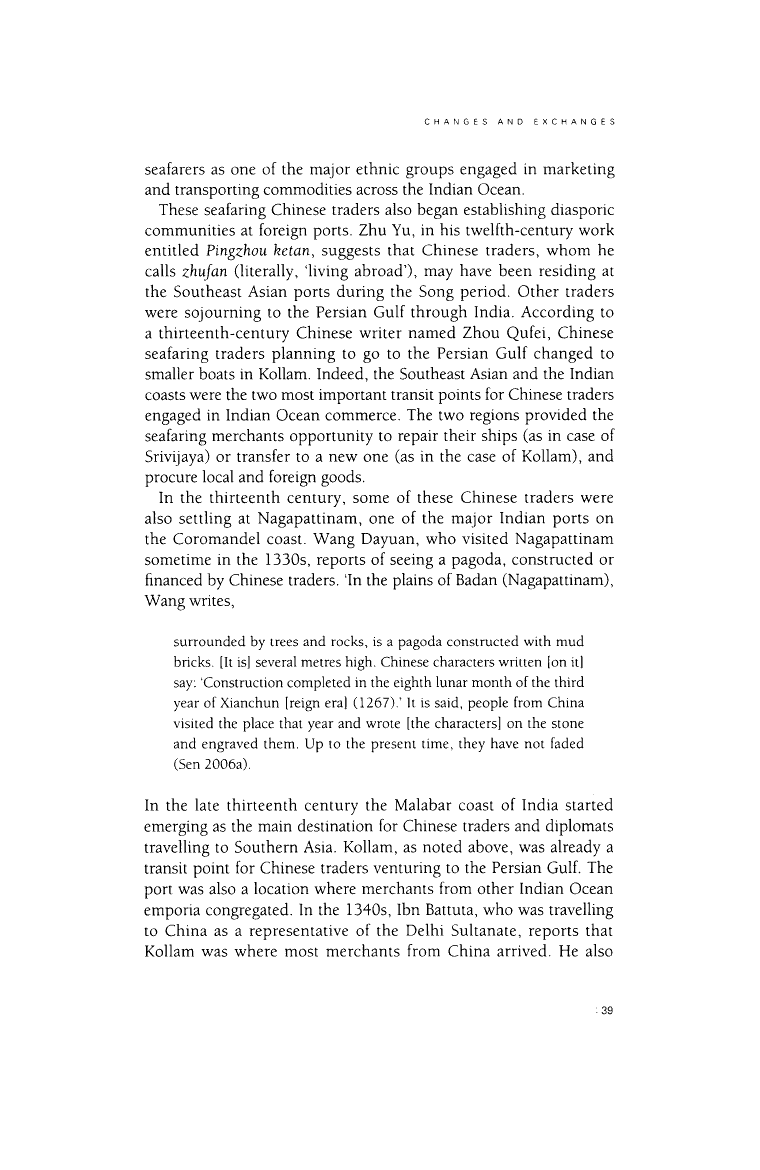
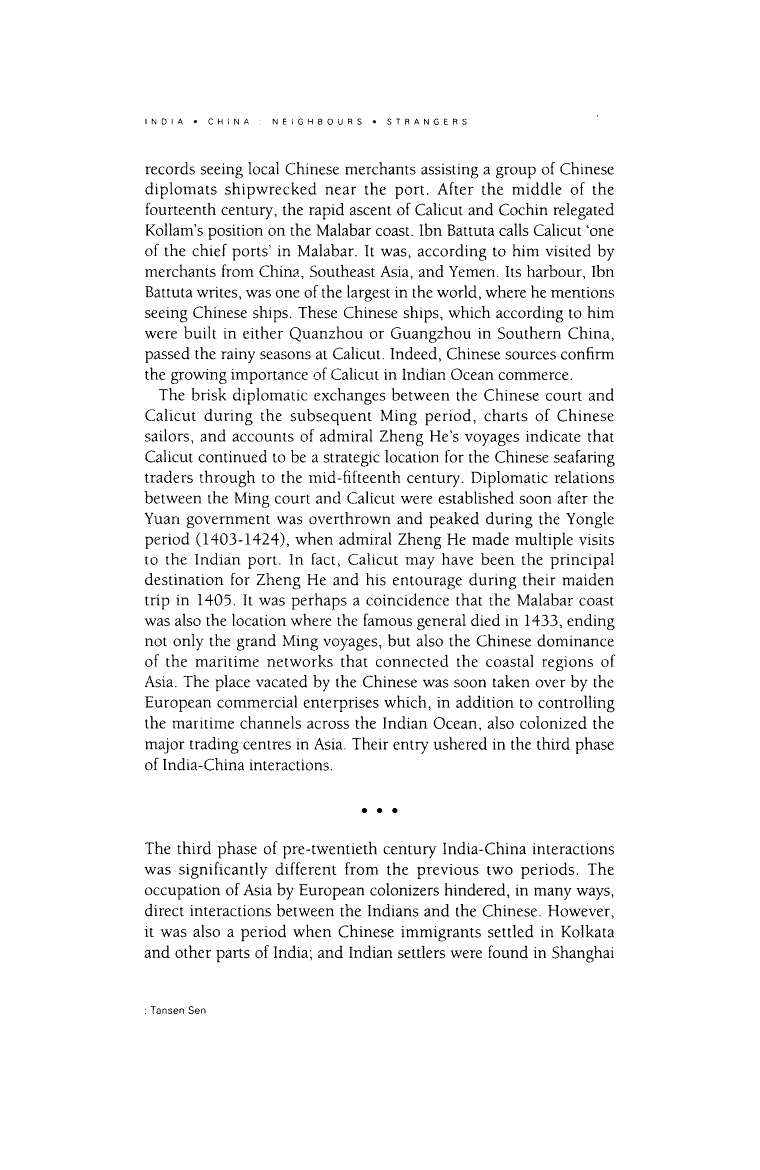
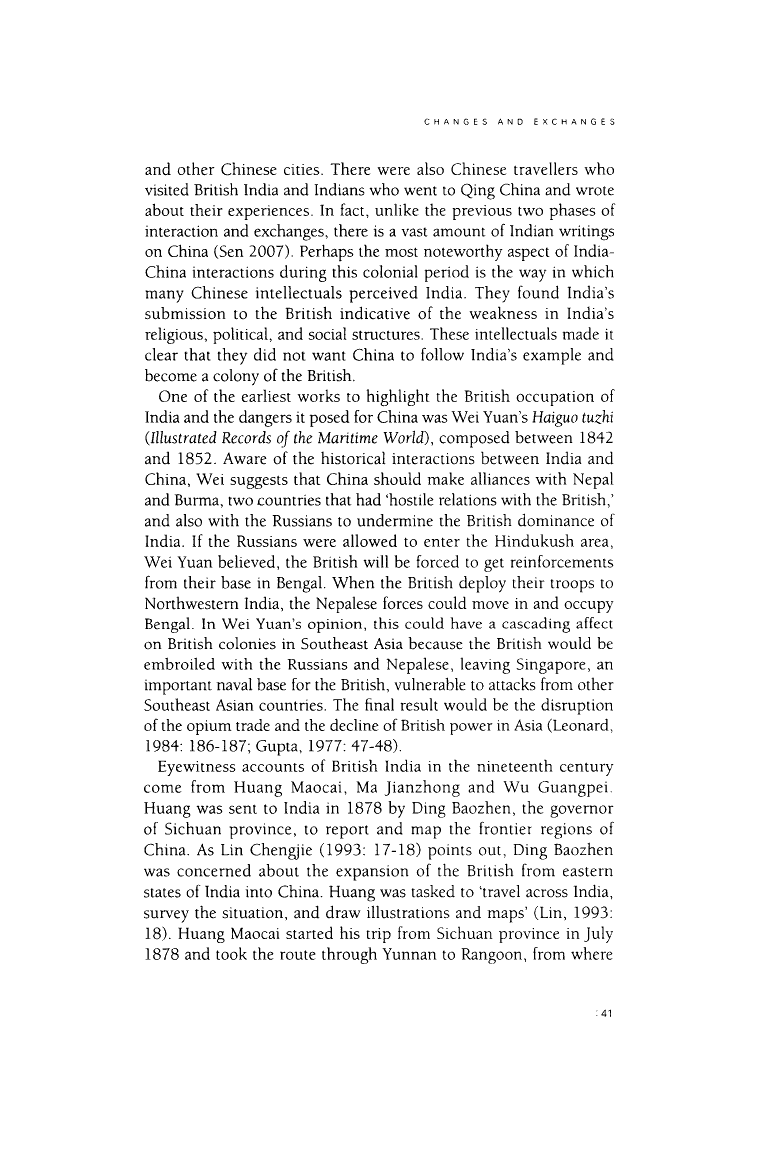
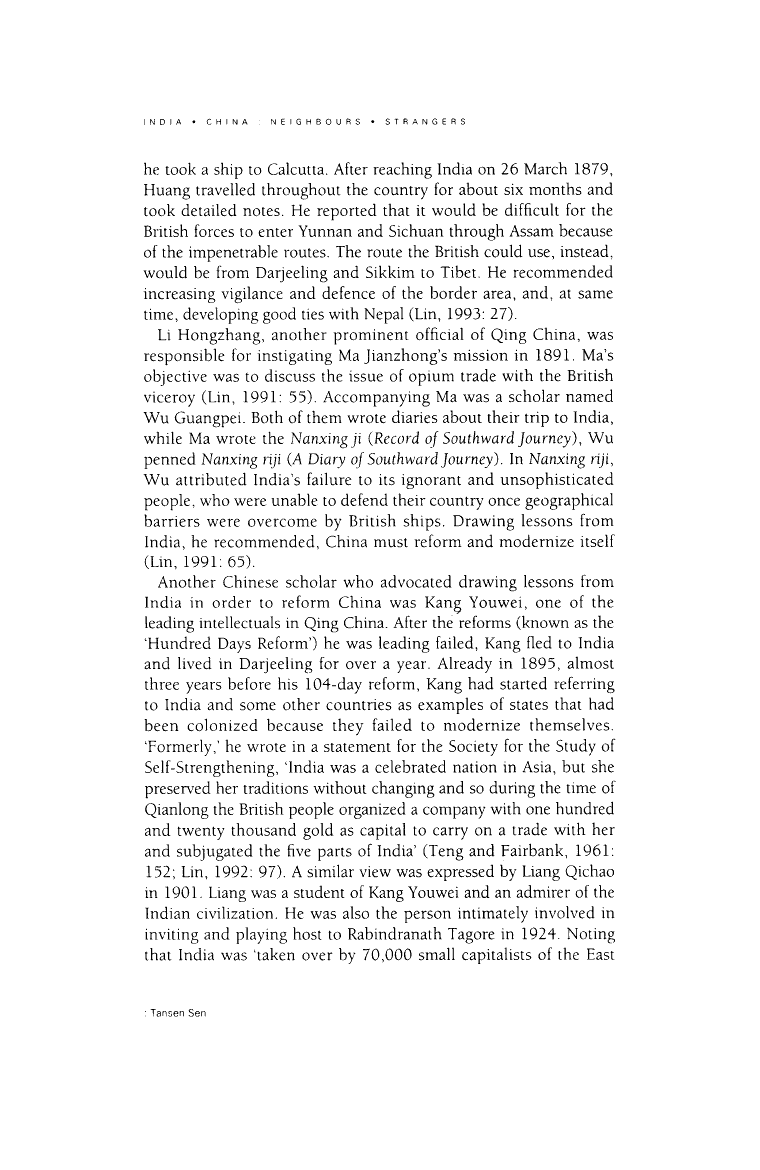
During Goryeo and Joseon, Korea called it's Muslims Hui like China, but Korea didn't maintain ethnic categories after banning Islam in 1427, so all those clans are now just grouped as ethnic Koreans with foreign paternal descent.
actually all clans of foreign paternal descent are classified as Korean, because Korea has no native ethnic minorities, immigrant founded clans just assimilate into Korean ethnicity
so those clans in Korea founded by Hui Muslims like Jang are just considered ethnic Koreans with a foreign paternal ancestor in their genealogy. Unlike in China where a Hui ethnicity is still used
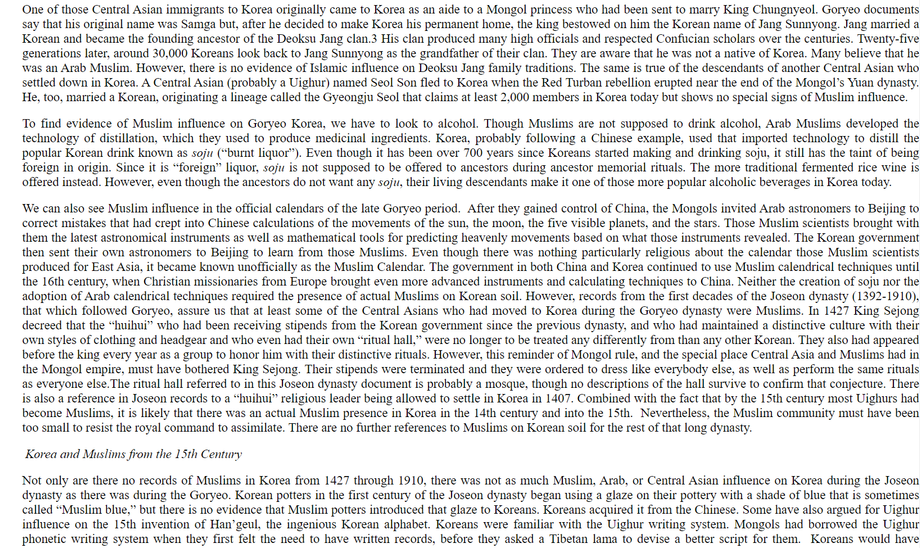
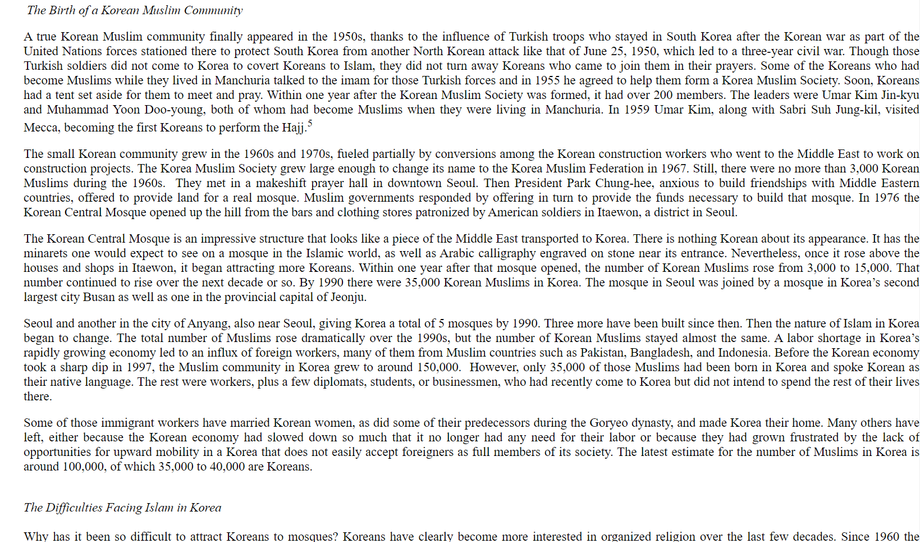
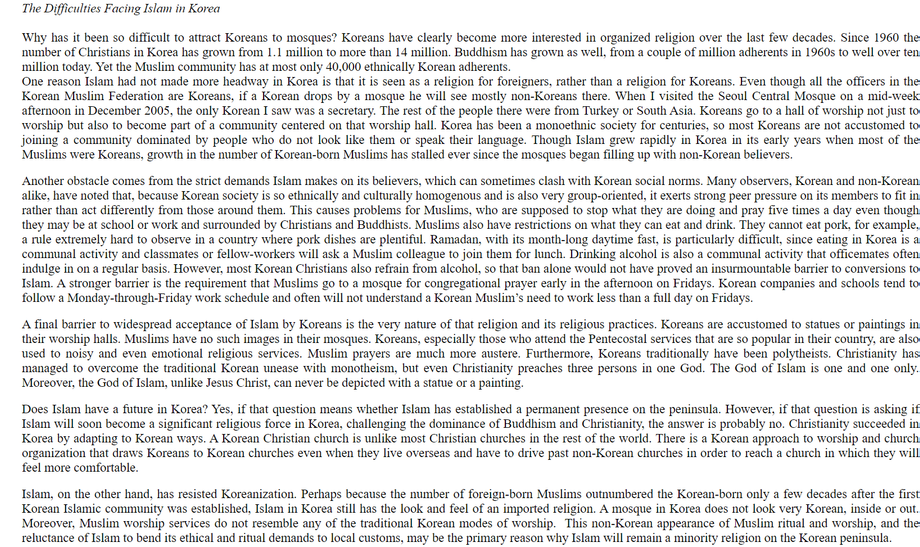
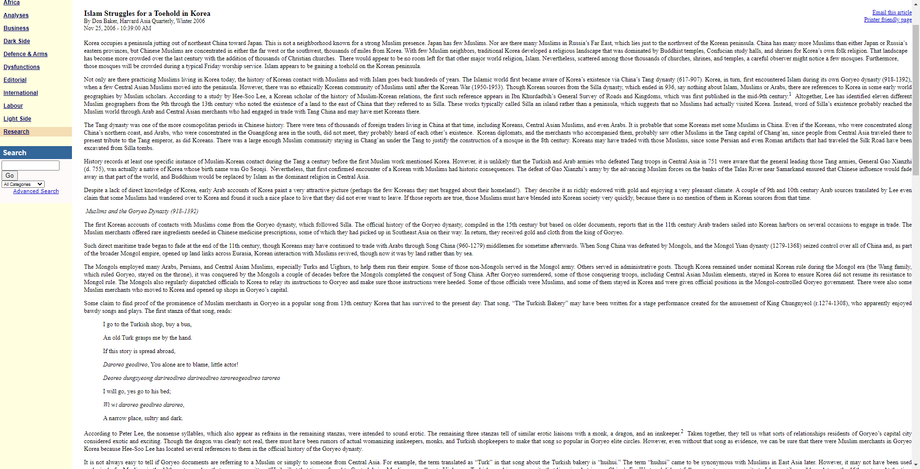
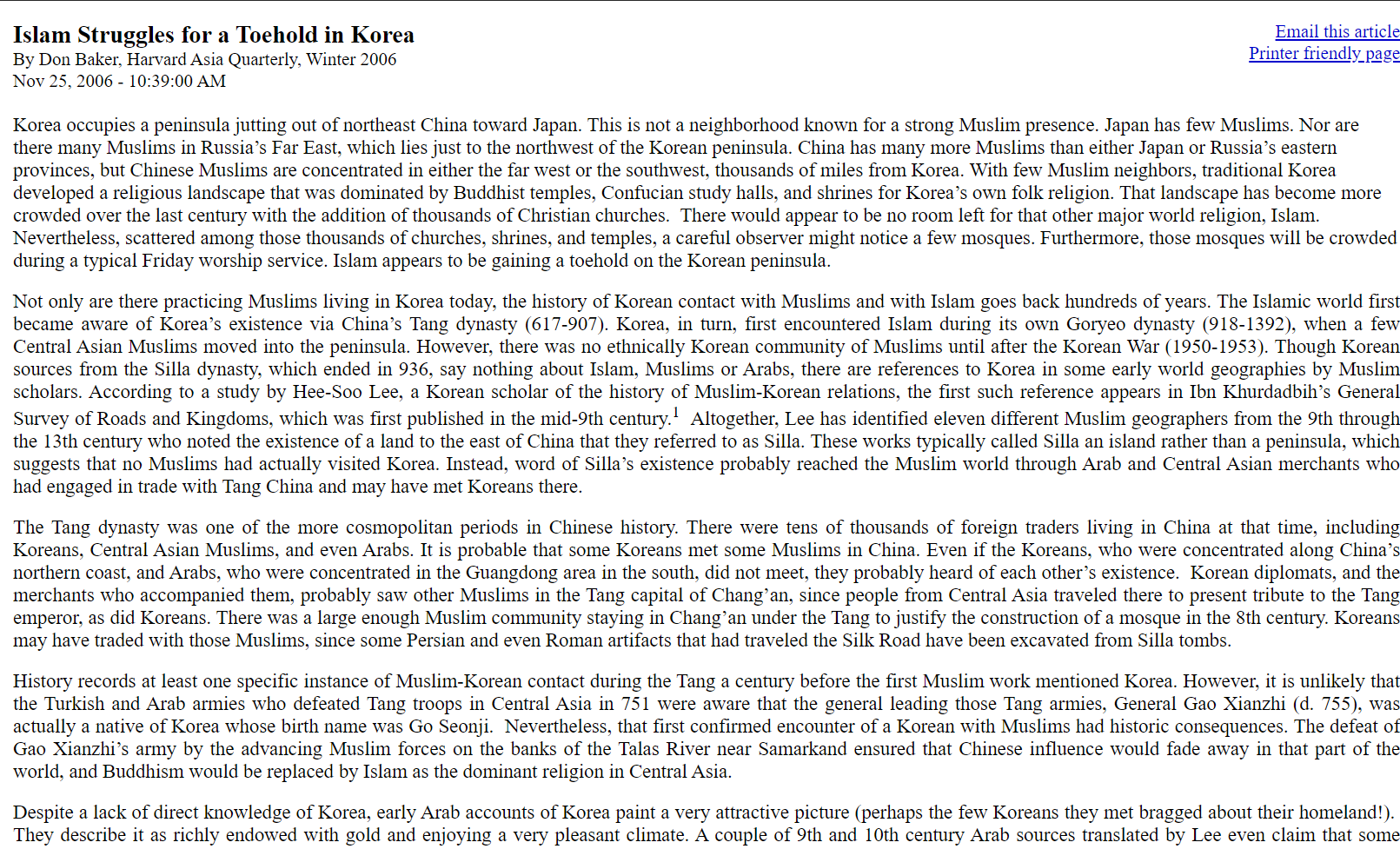
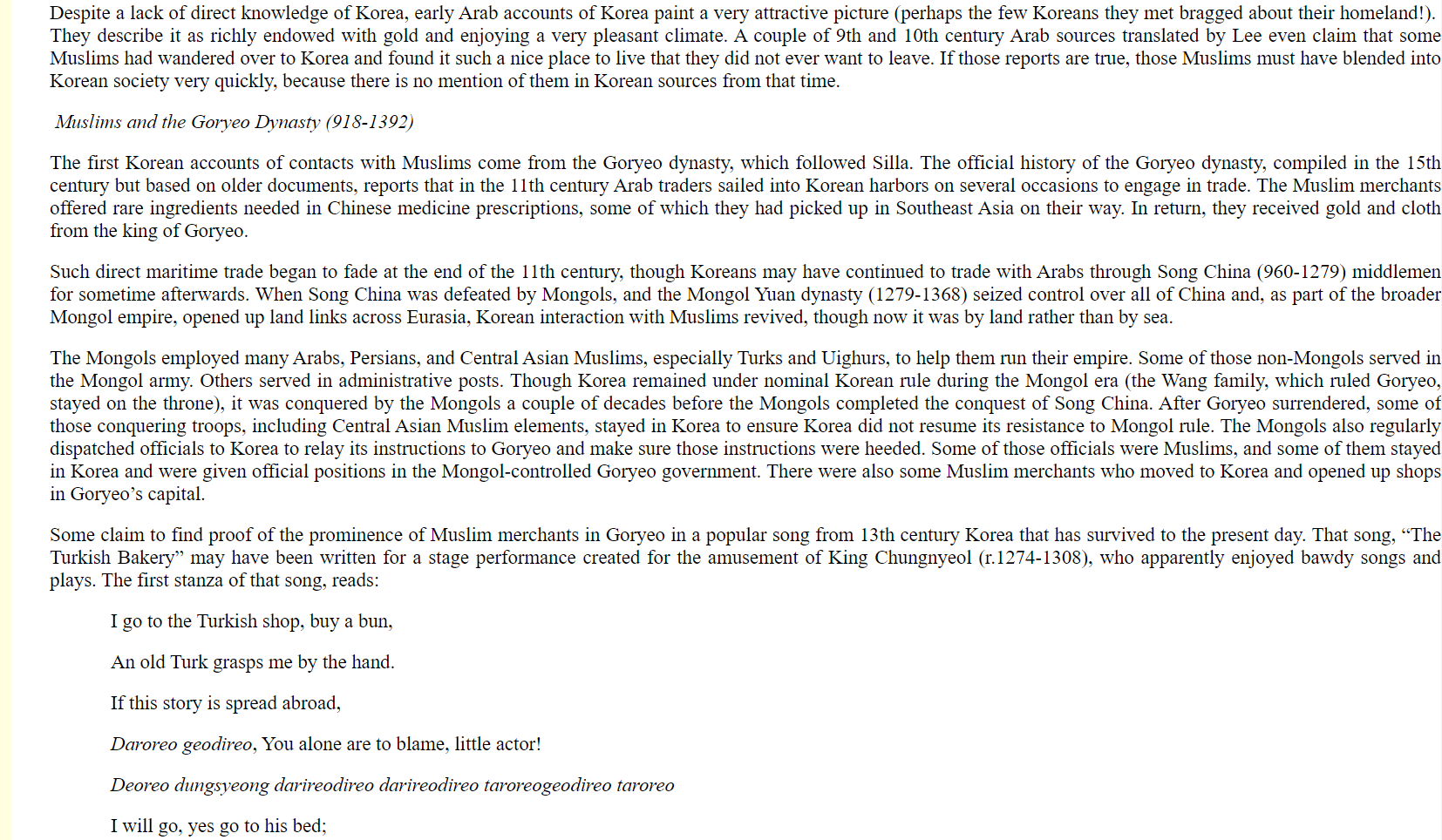
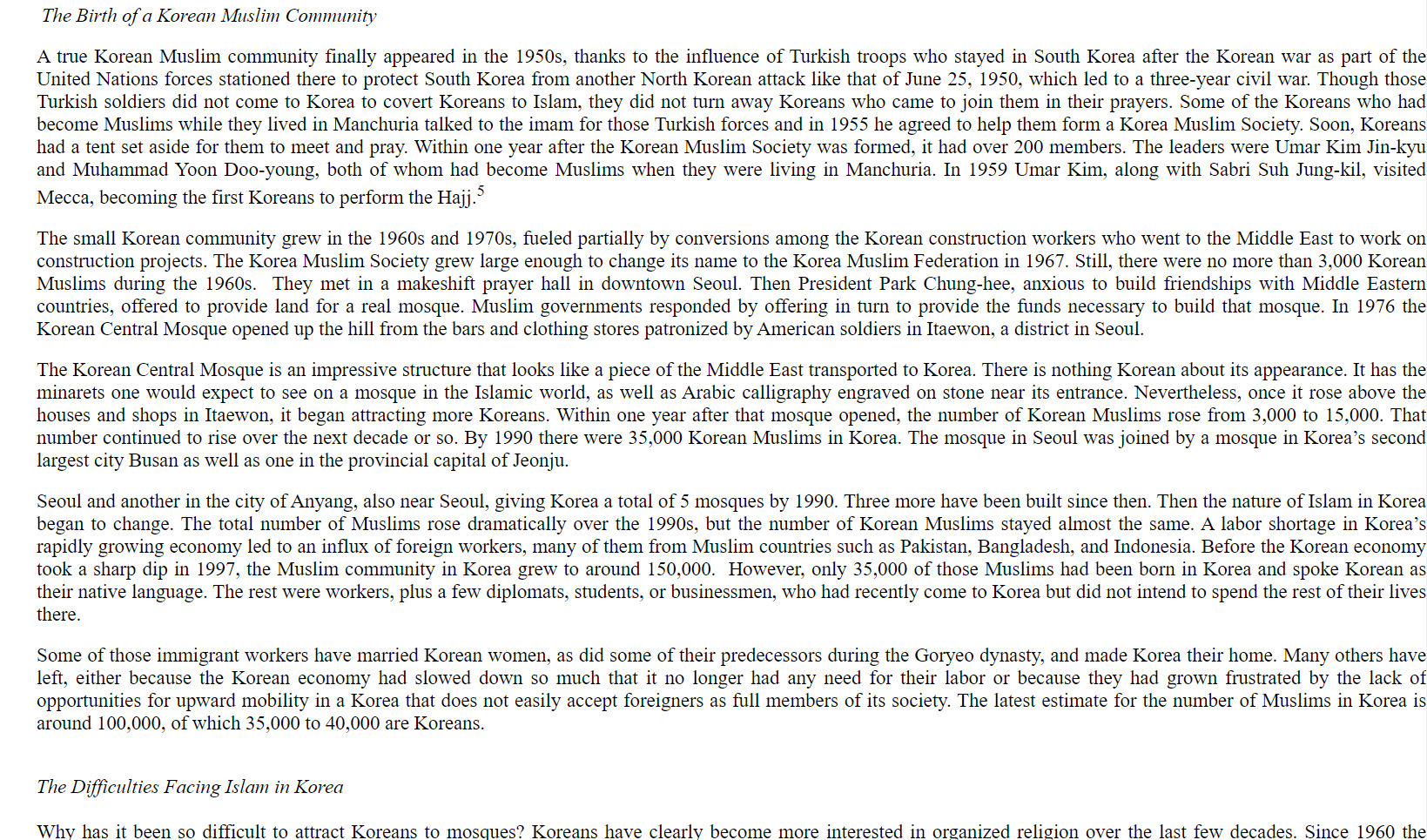
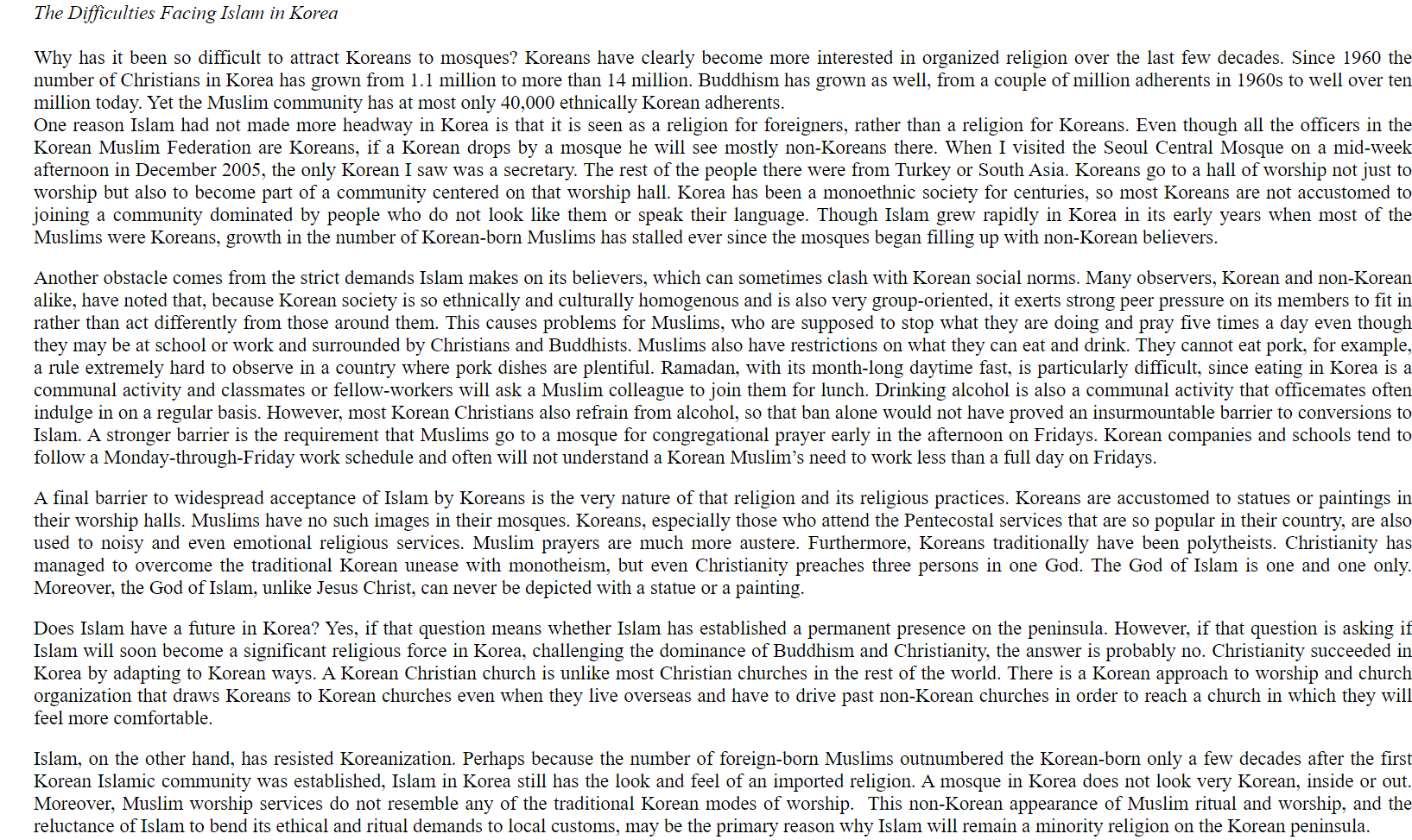
more on Hui Central Asian Muslims who established clans in Korea after marrying Korean women, and then their descendants abandoned Islam after it was banned in 1427
http://ocnus.net/artman2/publish/Research_11/Islam_Struggles_for_a_Toehold_in_Korea_26867.shtml
http://www.ocnus.net/artman2/publish/Research_11/Islam_Struggles_for_a_Toehold_in_Korea_26867_printer.shtml
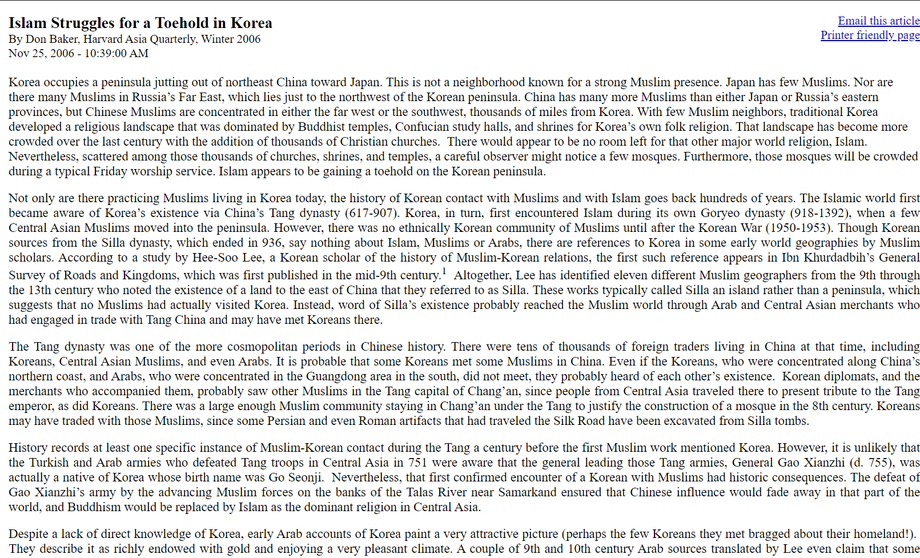
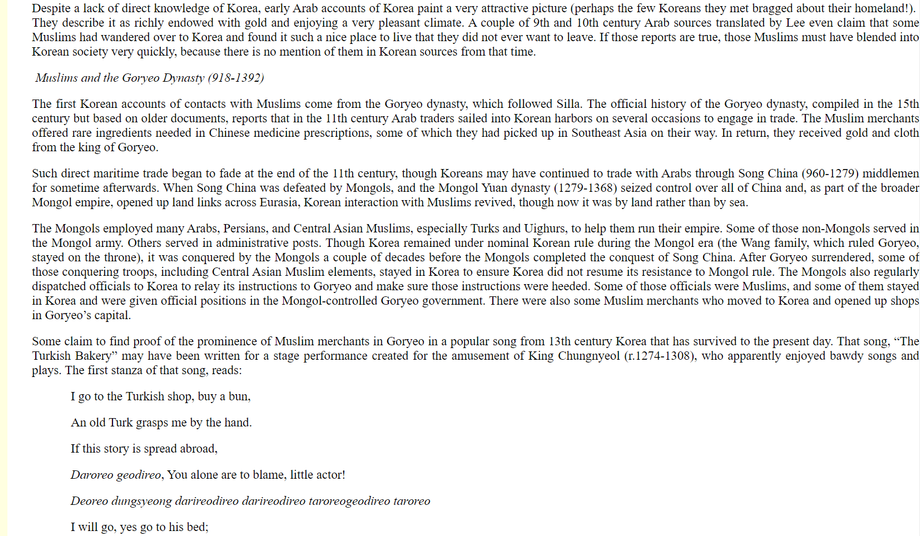
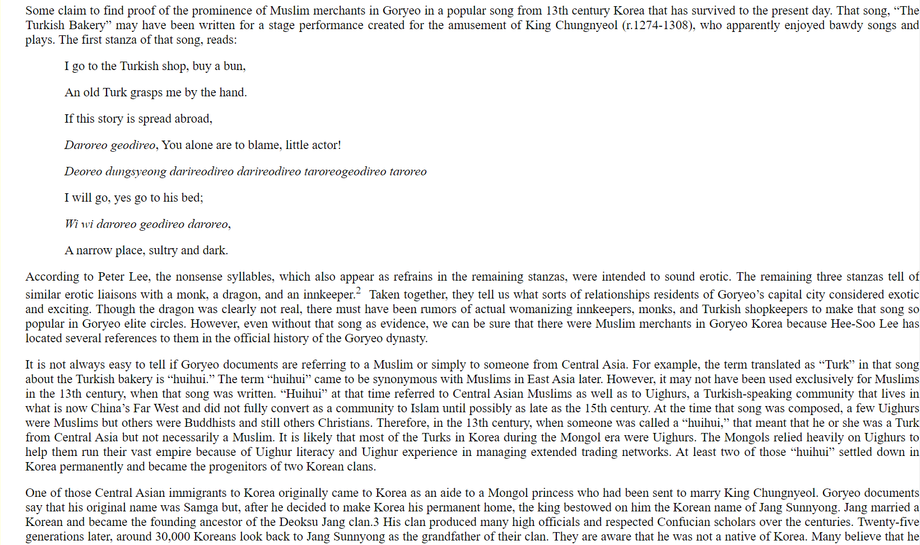
Besides the Muslim founder of the Jang clan in Korea, some Han people, like one of the descendants of Confucius (of the northern branch of the Kong clan) also came to Korea at this time accompanying the princess, he also married a Korean woman and founded a branch of the Kong family in Korea
http://china.org.cn/china/features/content_16696029_4.htm
https://terms.naver.com/entry.nhn?docId=1062982&mobile&cid=40942&categoryId=31639
https://terms.naver.com/entry.nhn?docId=1129680&cid=40942&categoryId=31639
http://newsgd.com/culture/2016-03/15/content_144080683.htm
http://china.org.cn/china/Off_the_Wire/2016-03/11/content_37999541.htm
https://chinadaily.com.cn/culture/2016-03/11/content_23830215.htm
https://twitter.com/Truth_Lighter/status/885844999031709696
Jason Kim 'Truth🕯️Lighter' Manners 🇺🇲🇮🇱🇰🇷 @Truth_Lighter
FACT! King Sejong of Korea banned Mosques from Korea in 1427 and Muslims left the Country. Sejong knew something would happen like this.
leaving the country part isn't true
https://twitter.com/fldk917/status/1315276713178193920
Ada juga jejak keberadaan islam di sana. Aku ingin tahu, apakah benar raja Sejong yang menjadikan islam keluar dari korea? Padahal aku suka hangeul
https://twitter.com/Dina_Morgabiin/status/1302345515187744770
Axel Flag of Réunion Flag of Cuba @Dina_Morgabiin
Ce sont surtout les turcs qui constituaient la Oumma en Corée. En dehors des sources arabes, nous avons peu d’informations fiables sur ce qu’il est advenu des premiers arrivants du Moyen-Orient et qui finirent probablement par s’assimiler ; nous en savons mieux sur les turcs
https://twitter.com/Dina_Morgabiin/status/1302345517494566913
Plus globalement, les musulmans ont directement eu une influence sur la Corée de l’époque..
https://twitter.com/Dina_Morgabiin/status/1302345519432433666
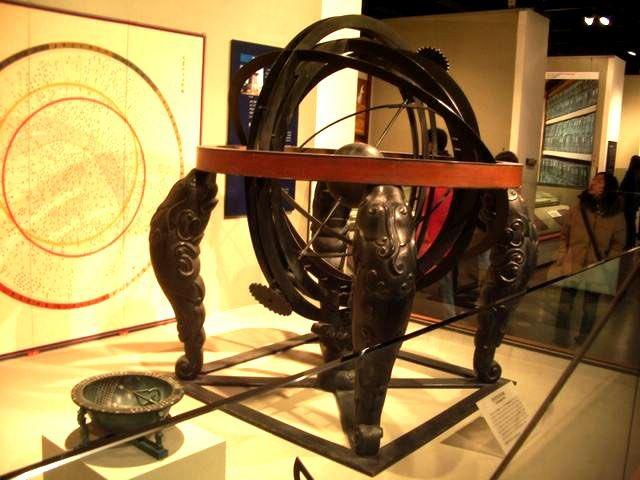
Après avoir pris le contrôle de la Chine, les Mongols ont invité des astronomes musulmans à Pékin pour corriger les erreurs qui s'étaient glissées dans les calculs chinois des mouvements du soleil, de la lune et des étoiles.
https://twitter.com/Dina_Morgabiin/status/1302345528756383749
Le gouvernement coréen a ensuite envoyé ses propres astronomes à Pékin pour apprendre de ces musulmans, qui étaient les pionniers de la science à cette période...
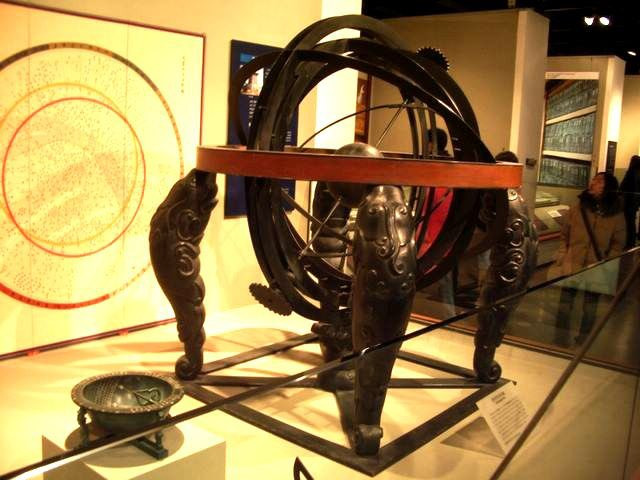 https://twitter.com/Dina_Morgabiin/status/1302345530970955782
La Corée a continué à utiliser le calendrier élaboré par les musulmans jusqu'au XVIe siècle, lorsque des missionnaires chrétiens ont apporté des techniques de calcul encore plus avancées en Asie de l’Est.
https://twitter.com/Dina_Morgabiin/status/1302345532527050753
La communauté musulmane en Corée disposait de plusieurs mosquées et les privilèges accordés aux musulmans par les mongols de la dynastie Yuan qui dominait alors la Corée des Goryō leur permit de se développer de façon prospère.
https://twitter.com/Dina_Morgabiin/status/1302345534313762816
Certains notables musulmans étaient même invités aux fêtes, cérémonies royales jusqu’au début de la dynastie Joseon (qui renversa Goryō). Les premières chroniques de la dynastie Joseon (조선왕조실록) relatent d’ailleurs cette présence islamique dans le cercle royal.
https://twitter.com/Dina_Morgabiin/status/1302345546615619586
Selon l’historien Lee Hee-Su, les hommages faits au roi Sejong par les musulmans étaient des récitations du Qur’an, probablement de la Sourate al-Mulk.
Malheureusement, c’est sous ce même roi Sejong que prend fin l’épanouissement de la communauté musulmane en Corée...
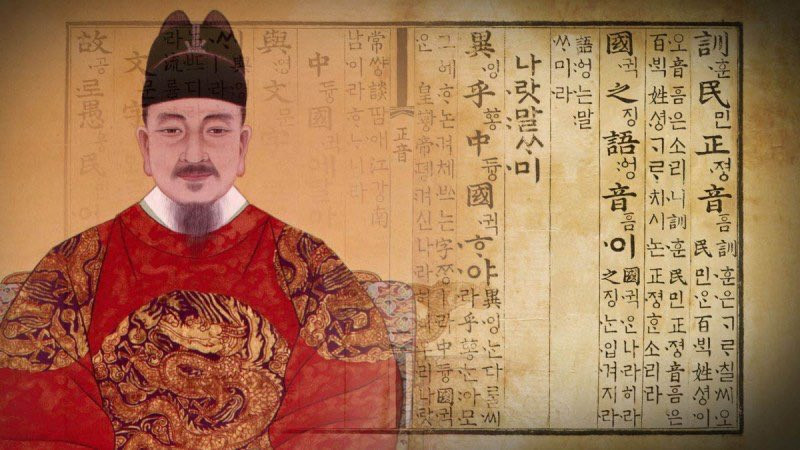
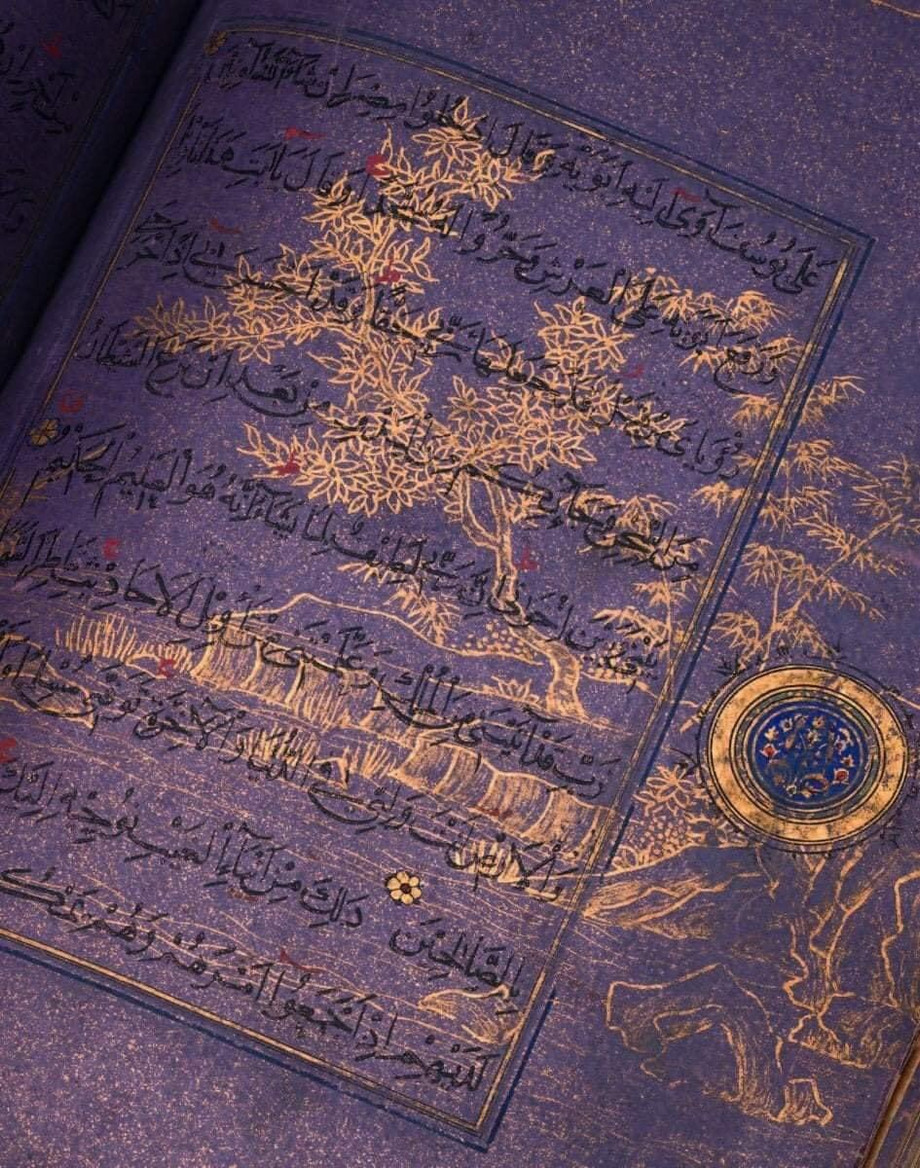 https://twitter.com/Dina_Morgabiin/status/1302345549136498693
Eux qui disposaient d’une place privilégiée sous le rayonnement des Mongols qui n’ont désormais plus aucune influence sur la couronne coréenne, subissent les réformes de l’État.
En 1427, le roi Sejong ordonne à la population musulmane de retirer leurs vêtements traditionnels,
https://twitter.com/Dina_Morgabiin/status/1302345550772264963
fait fermer leurs mosquées et les force à se conformer aux normes confucéennes. Après ces strictes réformes, les musulmans coréens disparaissent des archives historiques pendant plusieurs siècles, après des années de coexistence.
https://twitter.com/Dina_Morgabiin/status/1302345552538017792
Au 20è siècle, la Corée connaît une revivification de son héritage islamique perdu. À cette époque, la Corée est un protectorat de l’Empire colonial du Japon, qui accepte d’accueillir dans les années 1920 des centaines de musulmans de Kazan ayant fui le pouvoir soviétique.
https://twitter.com/Dina_Morgabiin/status/1302345554391957504
Ils s’installent à Séoul, Busan et Daegu et achètent un bâtiment qu’ils transforment en mosquée. Protégés par l’empire du Japon, ils fuient la Corée après la seconde guerre mondiale à cause des tensions et des troubles qui y régnaient. Ils migrent soit aux USA, soit en Turquie.
https://twitter.com/Dina_Morgabiin/status/1302345628534669315
Durant la colonisation, une communauté de coréens s’était installée en Manchourie. Ceux-ci, inspirés par l’attitude des musulmans locaux, décident de se convertir.
https://twitter.com/Dina_Morgabiin/status/1302345710797553664
Certains reviennent en Corée après la WW2, parmi lesquels ˋUmar Kim Jin-kyu and Muhammad Yoon Doo-yong, qui fondent la Société musulmane coréenne en 1955.
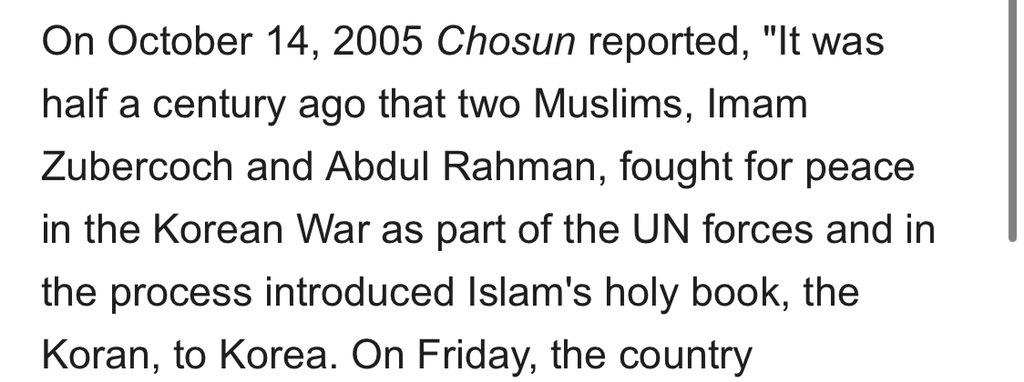
Les troupes turques, présentes depuis cinq ans dans la péninsule, favorisèrent l’émergence de cette communauté musulmane, avec l’aide notamment des imams Abdurrahman et Zubercoch
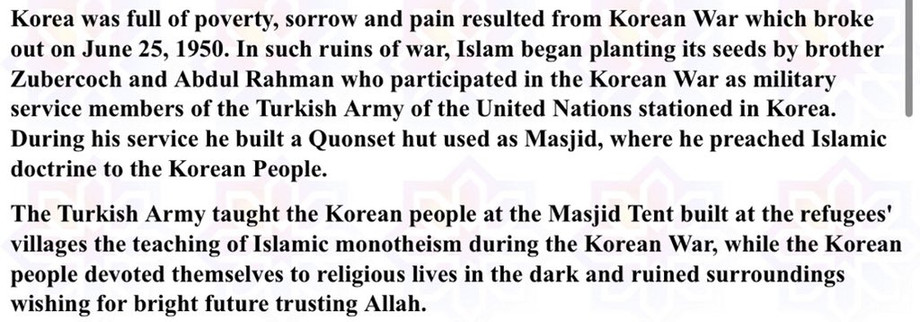
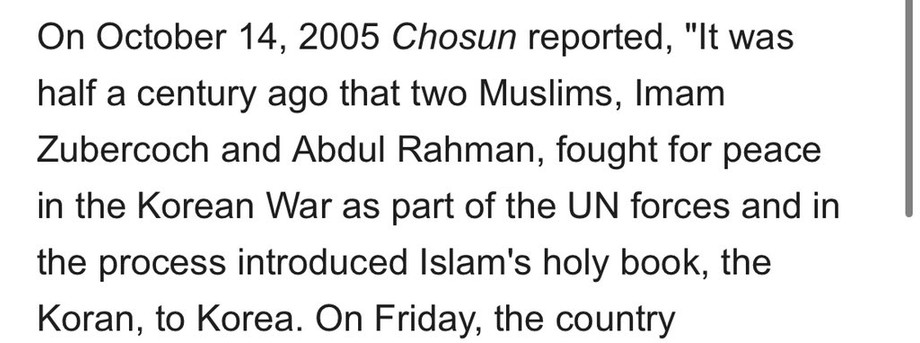
https://twitter.com/Dina_Morgabiin/status/1302346197802397696
Les soldats turcs étaient alors réputés durant le conflits pour prendre soin des orphelins et ça a même donné un film basé sur une histoire vraie, "Ayla" en 2017
https://twitter.com/Dina_Morgabiin/status/1302346199916306433
Les premiers pèlerins coréens eux, furent ˋUmar Kim et Subri Su jung-kil, qui accomplirent le Hajj en 1959
https://twitter.com/Dina_Morgabiin/status/1302346206962692097
Quant à la Corée du nord, l’ambassade iranienne possède une mosquée à Pyongyang, et c’est l’une des rares mosquées au monde où prient ensemble chiites et sunnites (diplomates indonésiens, malais...)
https://twitter.com/Dina_Morgabiin/status/1302346209026338824
Je me suis principalement concentré sur l’histoire médiévale plutôt que moderne (post-1950), sinon ça aurait été trop long
https://twitter.com/Dina_Morgabiin/status/1302364161658294272
le top sur la question coréenne ce serait le professeur Hee Soo Lee (il a fait une dizaine d’études dessus)
Aussi Maria M. Jamass sur la perception de l’islam par les coréens
Et aussi avec des mots clés sur archive. Org, jstor, etc pour tomber sur de vieilles revues scannées
https://twitter.com/Dina_Morgabiin/status/1302364967828627459
(Les sites de vulgarisation en anglais aussi ils mettent souvent leurs sources en bas de page, des fois c’est galère pour y accéder mais si t’as des identifiants universitaires normalement tu peux y aller sans payer)
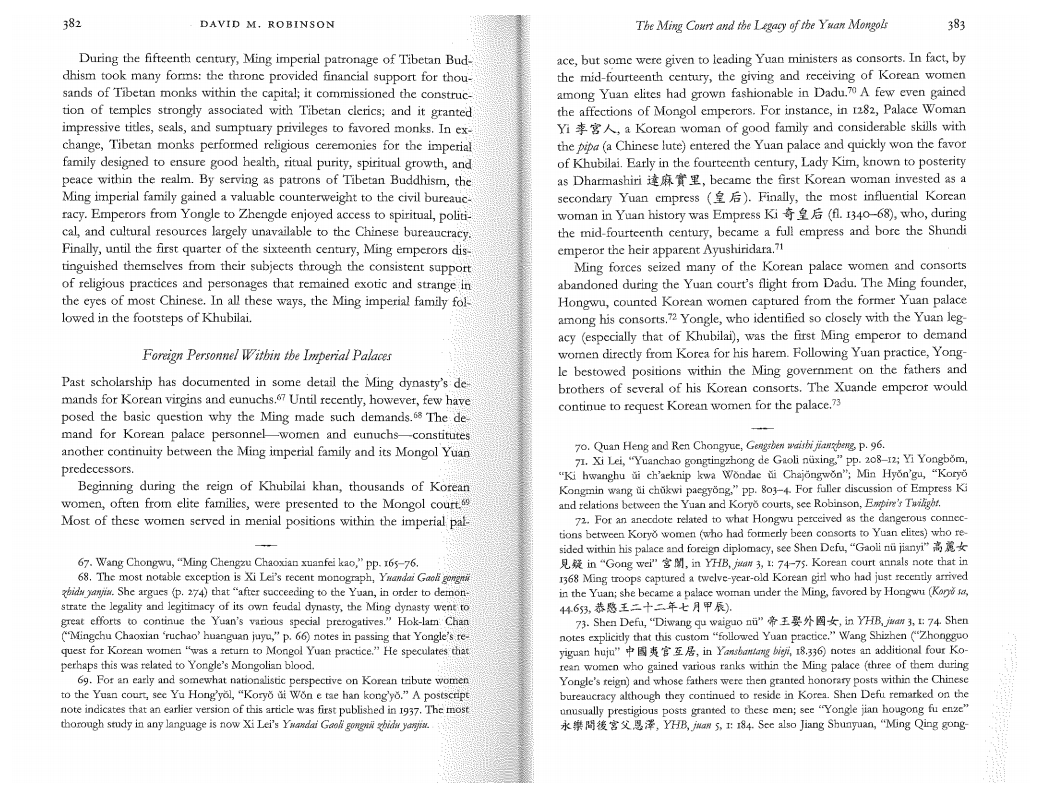
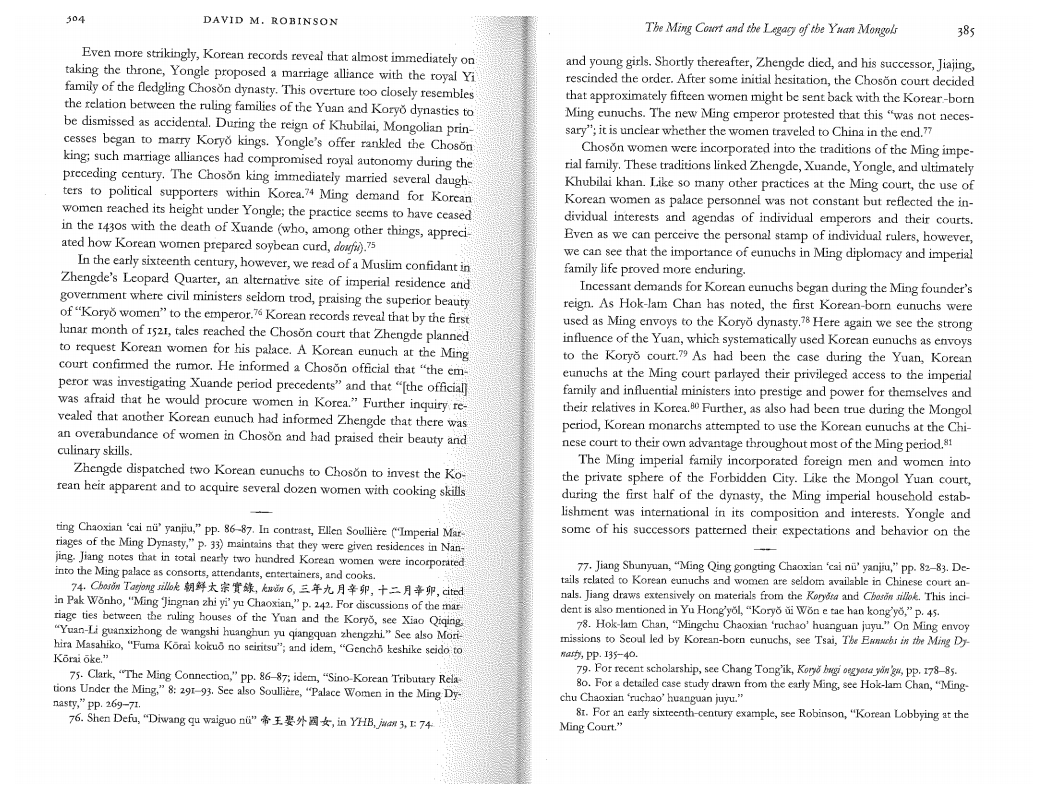
Hui Muslims in the Ming dynasty were also obsessed with Korean women.
http://web.archive.org/web/20160611124056/https://history.ubc.ca/sites/default/files/documents/readings/robinson_culture_courtiers_ch.8.pdf
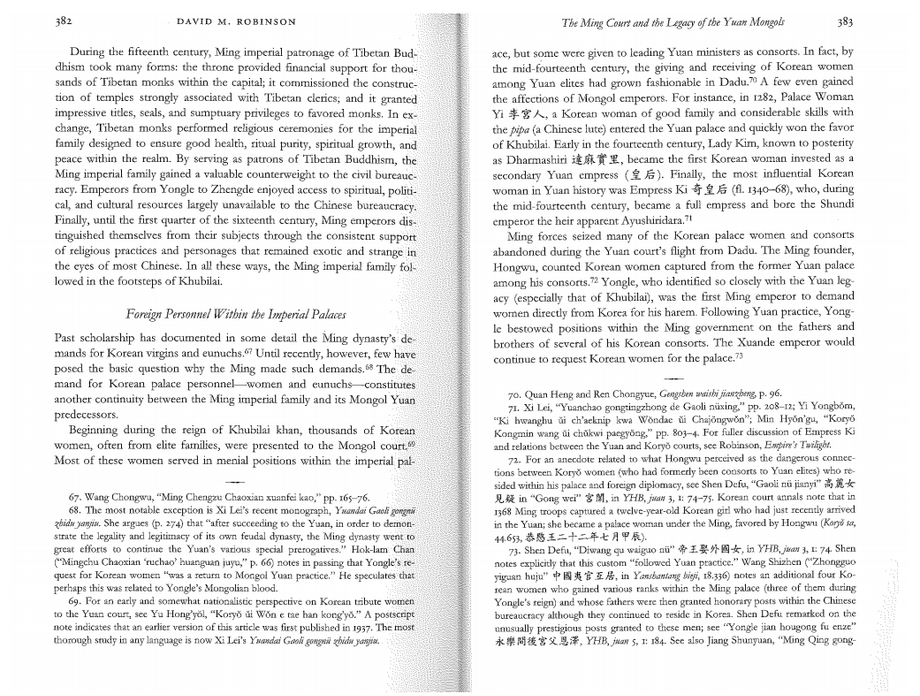
this page, a Muslim at the Ming court spoke about the beauty of Korean women
this page below, a Muslim at the Ming court spoke about the beauty of Korean women
this page below, a Muslim at the Ming court spoke about the beauty of Korean (Koryo) women
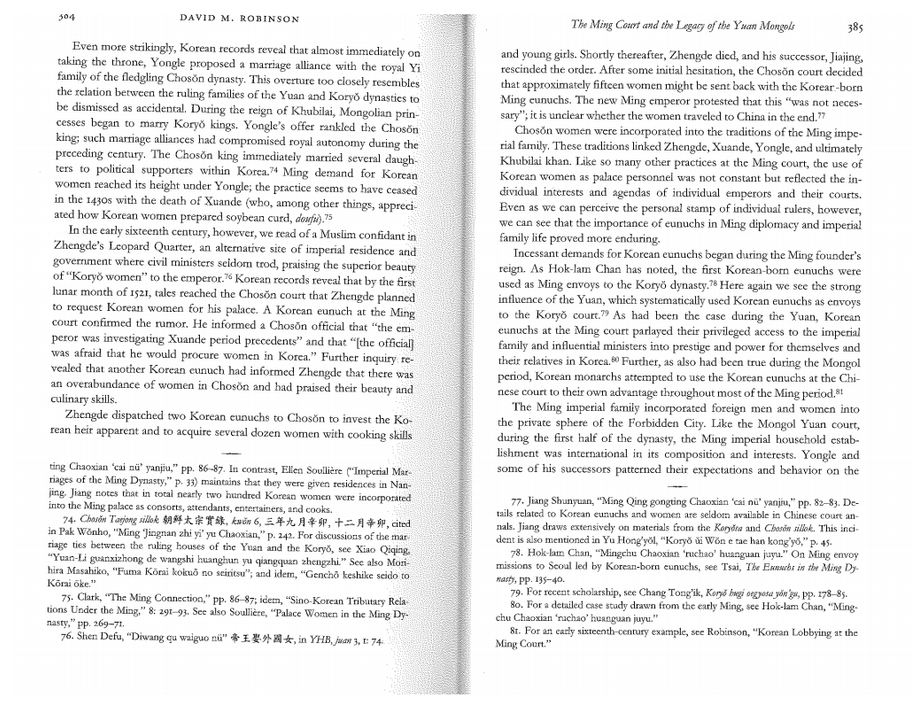
* the discrepancy between the number here of thousands vs half a million in the other source is that the other source includes women taken during the invasion of Korea itself and not just official tributes
its the page 384 on the bottom image not the first one
also some Ming porcelain with Arabic inscriptions
http://www.alaintruong.com/archives/2018/04/21/36339392.html
A rare Ming blue and white porcelain pen box, Jingdezhen area, Jiangxi province, China, Zhengde... alaintruong.com

ignore the stuff below that talks about the Tang dynasty, just focus on the part about Ye Ziqi's Caomuzi in the 14th century (Yuan dynasty) He said northern Chinese (referring to Yuan elites in northern China like Beijing, including Mongols and Hui Muslims) having Korean girls as maids
https://books.google.com.ua/books?id=ht-GDwAAQBAJ&pg=PA170&dq=%22influence+could+therefore+be+included+in+a+harmonious+image+of+the+chinese+household%22&hl=uk&sa=X&ved=2ahUKEwiglPPf8JrtAhXE66QKHYdlAQwQ6AEwAHoECAAQAg
Discourses of Race and Rising China - Сторінка 170
books.google.com.ua › books
Знайдено всередині книги – Сторінка 170
... a culture under China's influence could therefore be included in a harmonious image of the Chinese household and even trusted with domestic managerial duties. “For northern Chinese, if they obtain maids, they have to have Korean girls; ...
this source also quotes the same guy mentioning how important men in northern China during the Mongol period had Korean girls as servants
A Documentary History of the Black Diaspora in Asia, Latin America, and the Caribbean During the Age of Slavery ... Sung ( 960 – 1279 ) dynasties contains many references to black slaves , and it is clear that even at that remote period the physical appearance of Africans was well known to the ordinary Chinese. By Mongol times (1260– 1368) important men in north China "were said not to be perfect gentlemen ” unless they had in their households Korean maidservants and Negro manservants . 90 And from the sixteenth century onward , with the start of direct trade between China and the West , African slaves in ...
https://books.google.com.ua/books?id=VTlIAAAAYAAJ&q=A+Documentary+History+of+the+Black+Diaspora+in+Asia,+Latin+America,+and+the+Caribbean+During+the+Age+of+Slavery+...+Sung+(+960+%E2%80%93+1279+)+dynasties+contains+many+references+to+black+slaves+,+and+it+is+clear+that+even+at+that+remote+period+the+physical+appearance+of+Africans+was+well+known+to+the+ordinary+Chinese.+By+Mongol+times+(1260%E2%80%93+1368)+important+men+in+north+China+%22were+said+not+to+be+perfect+gentlemen+%E2%80%9D+unless+they+had+in+their+households+Korean+maidservants+and+Negro+manservants+.+90+And+from+the+sixteenth+century+onward+,+with+the+start+of+direct+trade+between+China+and+the+West+,+African+slaves+in+...&dq=A+Documentary+History+of+the+Black+Diaspora+in+Asia,+Latin+America,+and+the+Caribbean+During+the+Age+of+Slavery+...+Sung+(+960+%E2%80%93+1279+)+dynasties+contains+many+references+to+black+slaves+,+and+it+is+clear+that+even+at+that+remote+period+the+physical+appearance+of+Africans+was+well+known+to+the+ordinary+Chinese.+By+Mongol+times+(1260%E2%80%93+1368)+important+men+in+north+China+%22were+said+not+to+be+perfect+gentlemen+%E2%80%9D+unless+they+had+in+their+households+Korean+maidservants+and+Negro+manservants+.+90+And+from+the+sixteenth+century+onward+,+with+the+start+of+direct+trade+between+China+and+the+West+,+African+slaves+in+...&hl=en&sa=X&ved=2ahUKEwjE_YTv85rtAhXNjKQKHVP-ChUQ6AEwAHoECAUQAg
Africans Abroad: A Documentary History of the Black Diaspora ...
books.google.com.ua › books
Found inside – Page 169
A Documentary History of the Black Diaspora in Asia, Latin America, and the Caribbean During the Age of Slavery ... The literature of the Tang ( 618 - 907 ) and Sung ( 960 – 1279 ) dynasties contains many references to black slaves , and it is clear that even at that remote period the physical appearance of Africans was well known to the ordinary Chinese . By Mongol times ( 1260 - 1368 ) important men in north China “ were said not to be perfect gentlemen ” unless they had in their ...
and this source too
Fourteenth Century , says : “ With the northerners ( men living in North China ) , maid - servants were without fail Kao - li girls, man - servants were negroes. Otherwise, they were said not to be perfect gentlemen." ... The male and female Koreans were imported to China as slaves from the Tang era ( see # WE ! , = t , dll ) , but as the ..."
"Fourteenth Century , says : “ With the northerners ( men living in North China ) , maid - servants were without fail Kao - li ... The male and female Koreans were imported to China as slaves from the Tang era ( see # WE ! , = t , dll ) , but as the ..."
"Fourteenth Century , says : “ With the northerners ( men living in North China ) , maid - servants were without fail Kao - li ... The male and female Koreans were imported to China as slaves from the T ' ang era ( see # , # D = t , O ) , but as the ..."
https://books.google.ca/books?id=IZ_WAAAAMAAJ&focus=searchwithinvolume&q=%22Fourteenth+Century+%2C+says+%3A+%E2%80%9C+With+the+northerners+%28+men+living+in+North+China+%29+%2C+maid+-+servants+were+without+fail+Kao+-+li+...+The+male+and+female+Koreans+were+imported+to+China+as+slaves+from+the+T+%27+ang+era+%28+see+%23+%2C+%23+D+%3D+t+%2C+O+%29+%2C+but+as+the+...%22
https://books.google.com.ua/books?id=IZ_WAAAAMAAJ&q=Fourteenth+Century+,+says+:+%E2%80%9C+With+the+northerners+(+men+living+in+North+China+)+,+maid+-+servants+were+without+fail+Kao+-+li+girls,+man+-+servants+were+negroes.+Otherwise,+they+were+said+not+to+be+perfect+gentlemen.%22+...+The+male+and+female+Koreans+were+imported+to+China+as+slaves+from+the+Tang+era+(+see+%23+WE+!+,+%3D+t+,+dll+)+,+but+as+the+...%22&dq=Fourteenth+Century+,+says+:+%E2%80%9C+With+the+northerners+(+men+living+in+North+China+)+,+maid+-+servants+were+without+fail+Kao+-+li+girls,+man+-+servants+were+negroes.+Otherwise,+they+were+said+not+to+be+perfect+gentlemen.%22+...+The+male+and+female+Koreans+were+imported+to+China+as+slaves+from+the+Tang+era+(+see+%23+WE+!+,+%3D+t+,+dll+)+,+but+as+the+...%22&hl=en&sa=X&ved=2ahUKEwi6yf3G9JrtAhUE-6QKHSa4C7cQ6AEwAHoECAAQAg
https://books.google.com.ua/books?id=rBIUAQAAMAAJ&q=Fourteenth+Century+,+says+:+%E2%80%9C+With+the+northerners+(+men+living+in+North+China+)+,+maid+-+servants+were+without+fail+Kao+-+li+girls,+man+-+servants+were+negroes.+Otherwise,+they+were+said+not+to+be+perfect+gentlemen.%22+...+The+male+and+female+Koreans+were+imported+to+China+as+slaves+from+the+Tang+era+(+see+%23+WE+!+,+%3D+t+,+dll+)+,+but+as+the+...%22&dq=Fourteenth+Century+,+says+:+%E2%80%9C+With+the+northerners+(+men+living+in+North+China+)+,+maid+-+servants+were+without+fail+Kao+-+li+girls,+man+-+servants+were+negroes.+Otherwise,+they+were+said+not+to+be+perfect+gentlemen.%22+...+The+male+and+female+Koreans+were+imported+to+China+as+slaves+from+the+Tang+era+(+see+%23+WE+!+,+%3D+t+,+dll+)+,+but+as+the+...%22&hl=en&sa=X&ved=2ahUKEwi6yf3G9JrtAhUE-6QKHSa4C7cQ6AEwAXoECAEQAg
Memoirs of the Research Department - Page 63
books.google.com.ua › books
Found inside – Page 63
Tōyō Bunko (Japan). Fourteenth Century , says : “ With the northerners ( men living in North China ) , maid - servants were without fail Kao - li girls , man - servants were negroes . Otherwise , they were said not to be perfect gentlemen . " it .
Memoirs of the Research Department of the Toyo Bunko (the ...
books.google.com.ua › books
Found inside – Page 63
Fourteenth Century , says : “ With the northerners ( men living in North China ) , maid - servants were without fail Kao - li girls , man - servants were negroes . Otherwise , they were said not to be perfect gentlemen . " HEI , , * 1 1 , 7 pitt , il 27 HÈ ...
🐳 ⟭⟬ ⟬⟭ 🌙 ⭐️⁷ Deer,Rabbit 𝗜 𝗞𝗡𝗢𝗪 𝗝𝗜𝗡●▼ @DeerRabbit7
•Jang is family korean name there ancestors are arab ( some of them )
• Arab called Korea with that name
Hundreds years ago there was a kingdom called koryeo in Korean Peninsula.. so arab who visited the country for trade call it Koriya
WOW My people roamed the whole world
[Special Report] [Vin Salman, Crown Prince of Saudi Arabia] “오래전부터 아라비아제국과 대한민국은 형제였다” / "A long... businessreport.kr
"The `Doksu Jang Clan’ of South Korea can trace their origins back to Arabia, when a Muslim official was naturalized and granted their official surname by the king at that time. The clan has thrived over the years with approximately 300,000 descendants. In light of this, the Global Digital Economy Newspaper (Business Report) will feature a special article titled "Korea-Arabia, We Are Brothers" on the occasion of Saudi Crown Prince Bin Salman's visit to Korea on June 26."
Akif Emirhan Akyel @akifakyel
Kore'de hemen her soy isim bir aşirete, klana tekabül eder. Bunlardan Doksu Cang'ın (Deoksu Jang) kurucusu Uygur Türkü. Jang Sun Ryong demişler. Asıl ismi neydi acep? Kore Yarımadası'nın ilk Müslümanlarından.
see this
Also see this
remember this
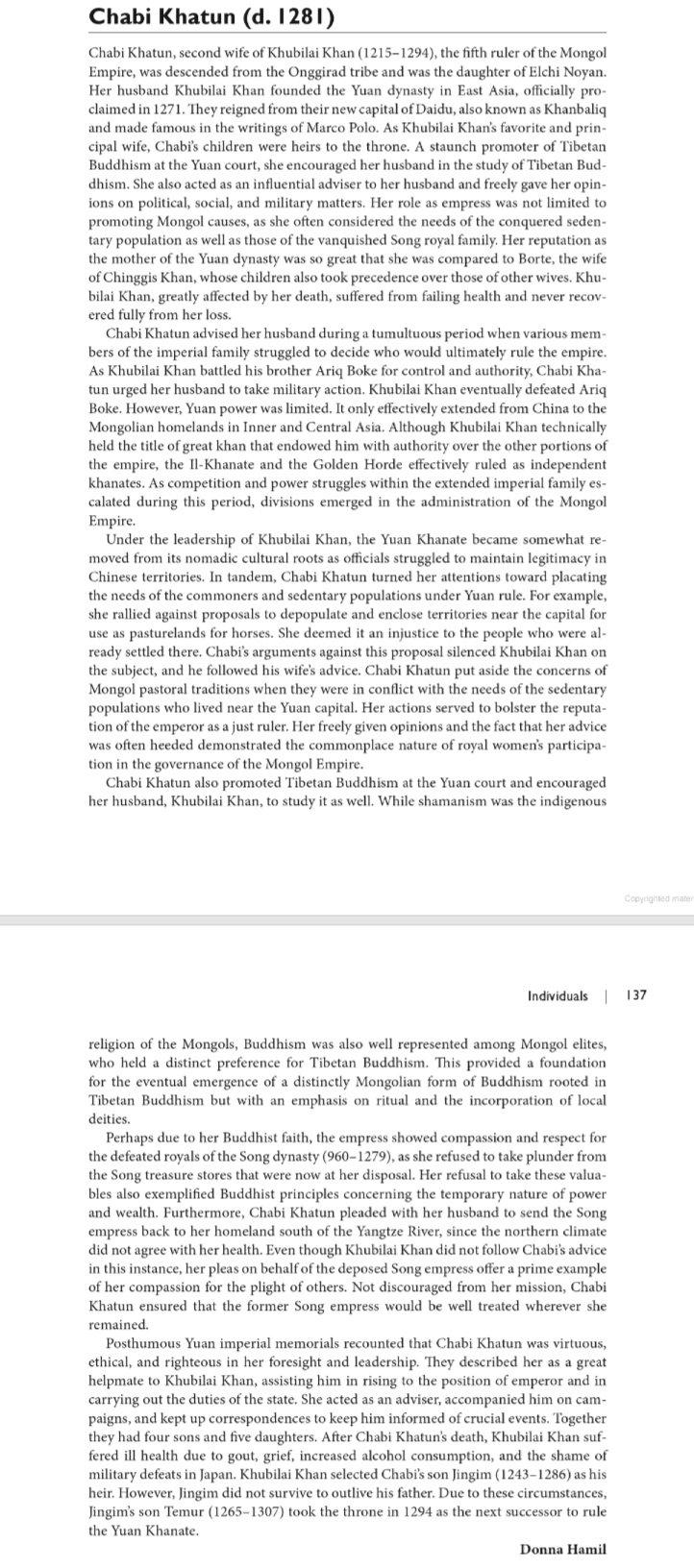
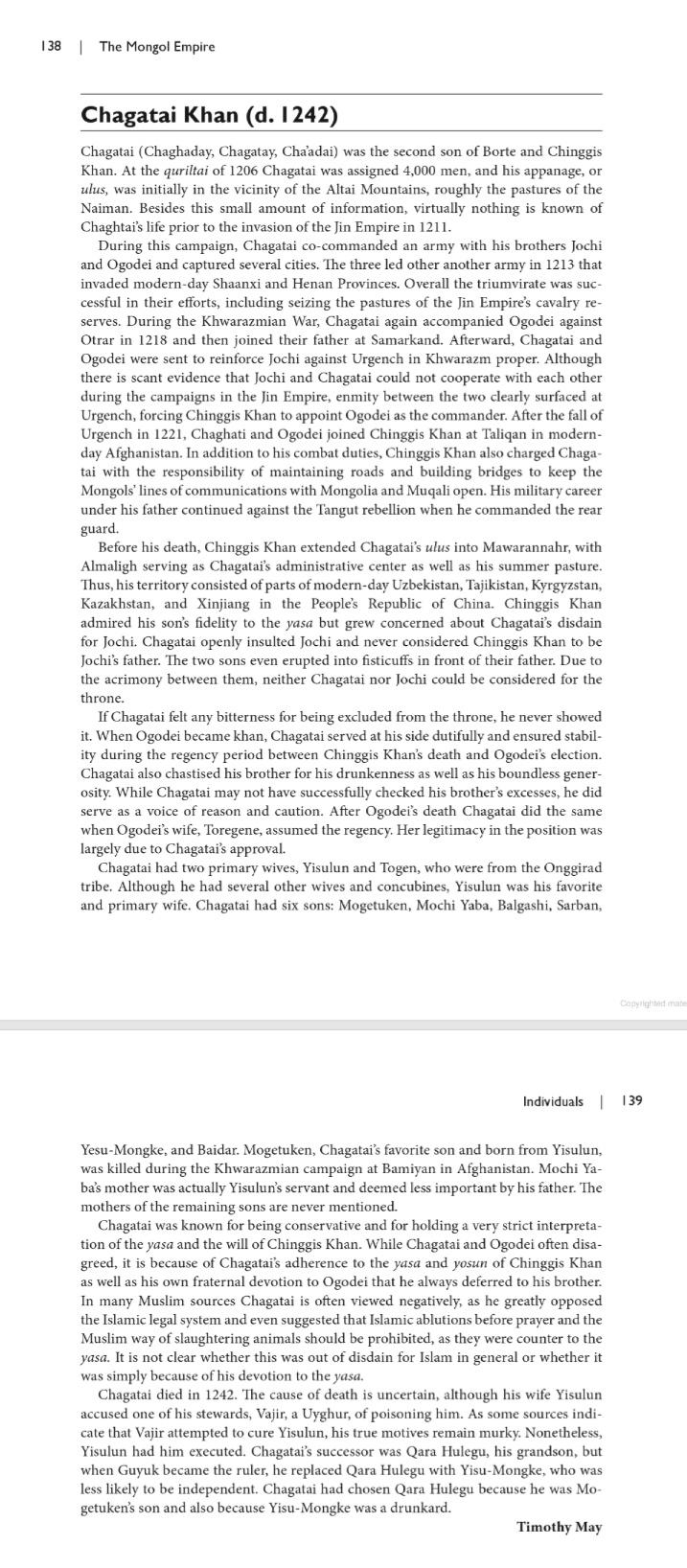
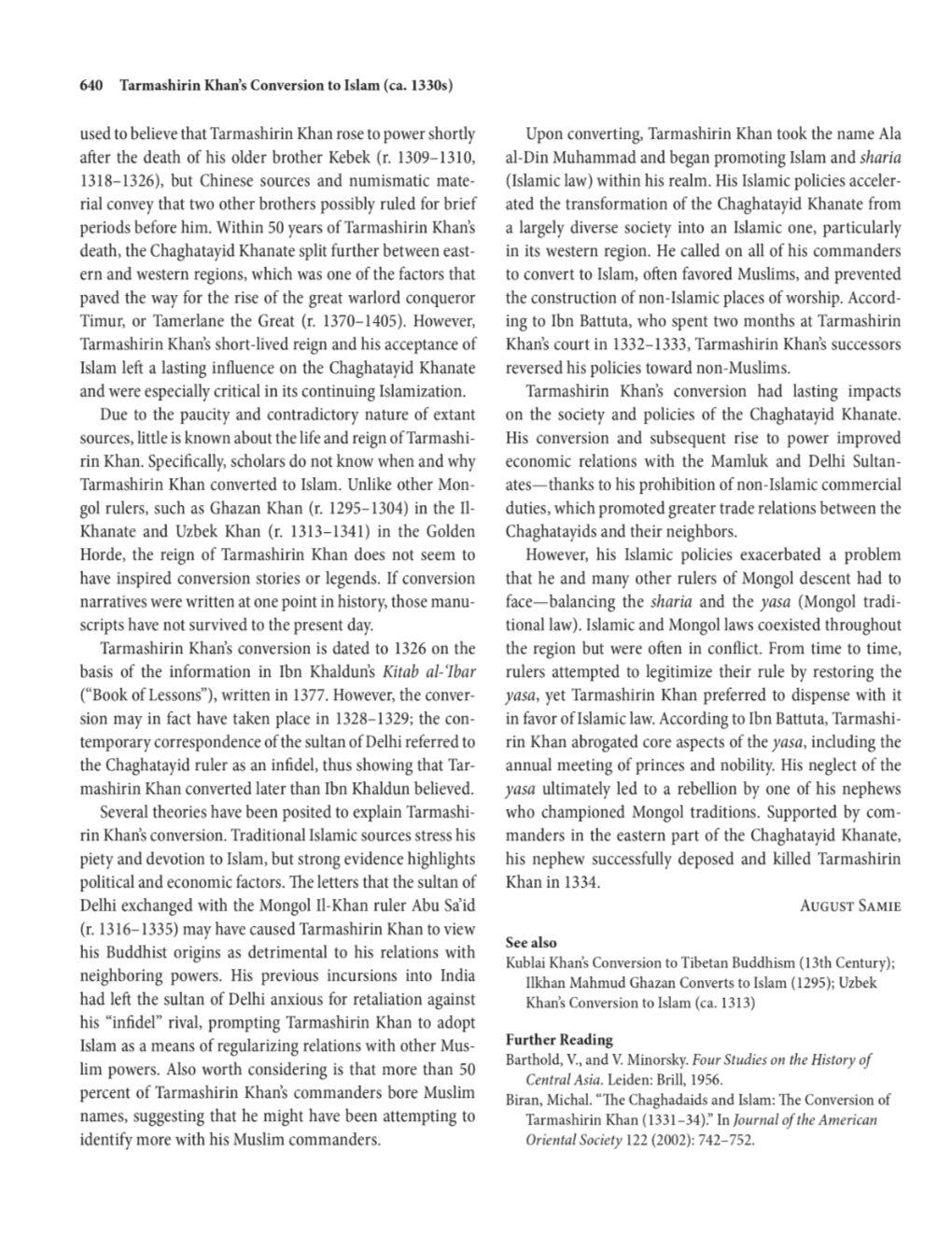
Chagatai Khan, the ancestor of the Mughals was Islamophobic who oppressed Muslims. He put a ban on halal.
"The Mongol Empire: A Historical Encyclopedia" - Timothy May
"Great Events in Religion: An Encyclopedia of Pivotal Events in Religious History" - Florin Curta, Andrew Holt
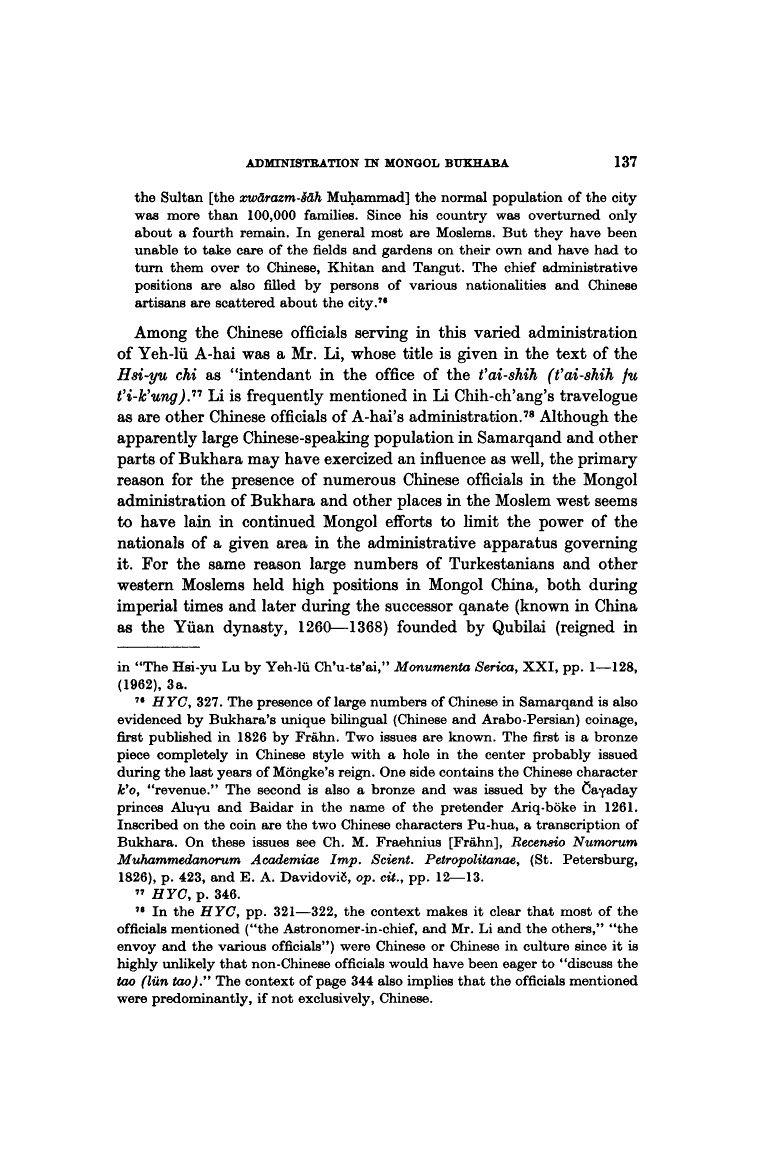
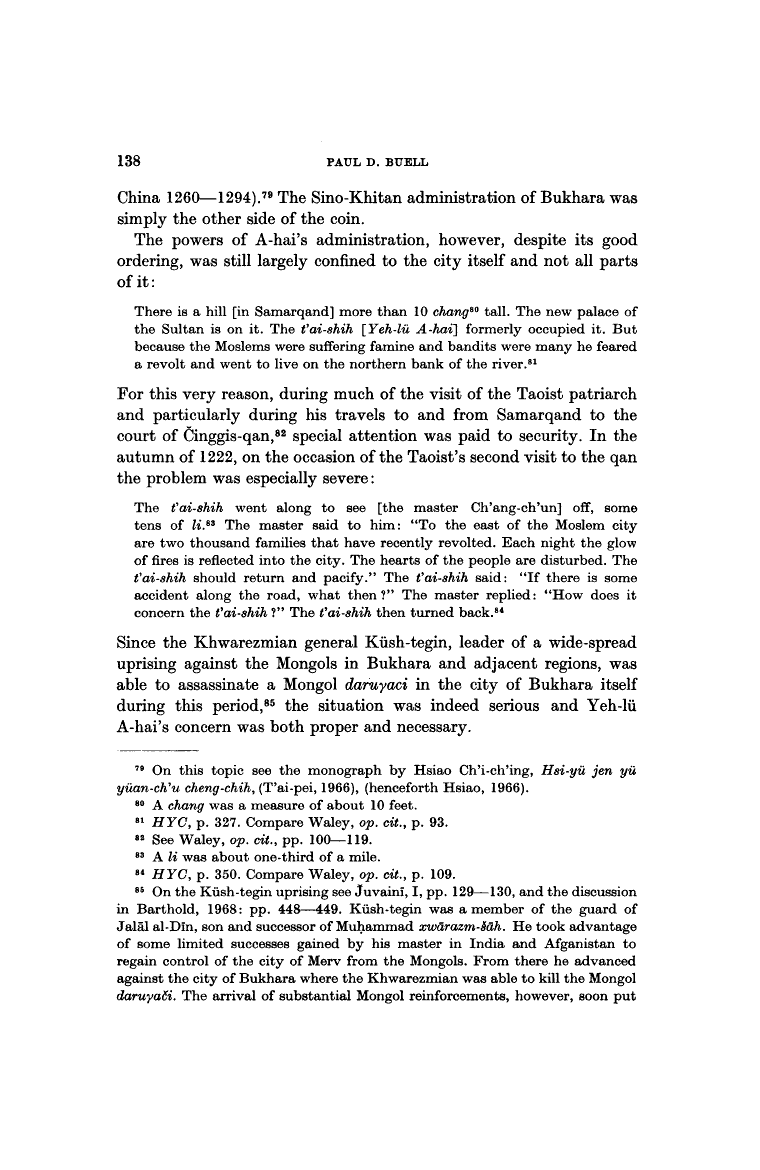
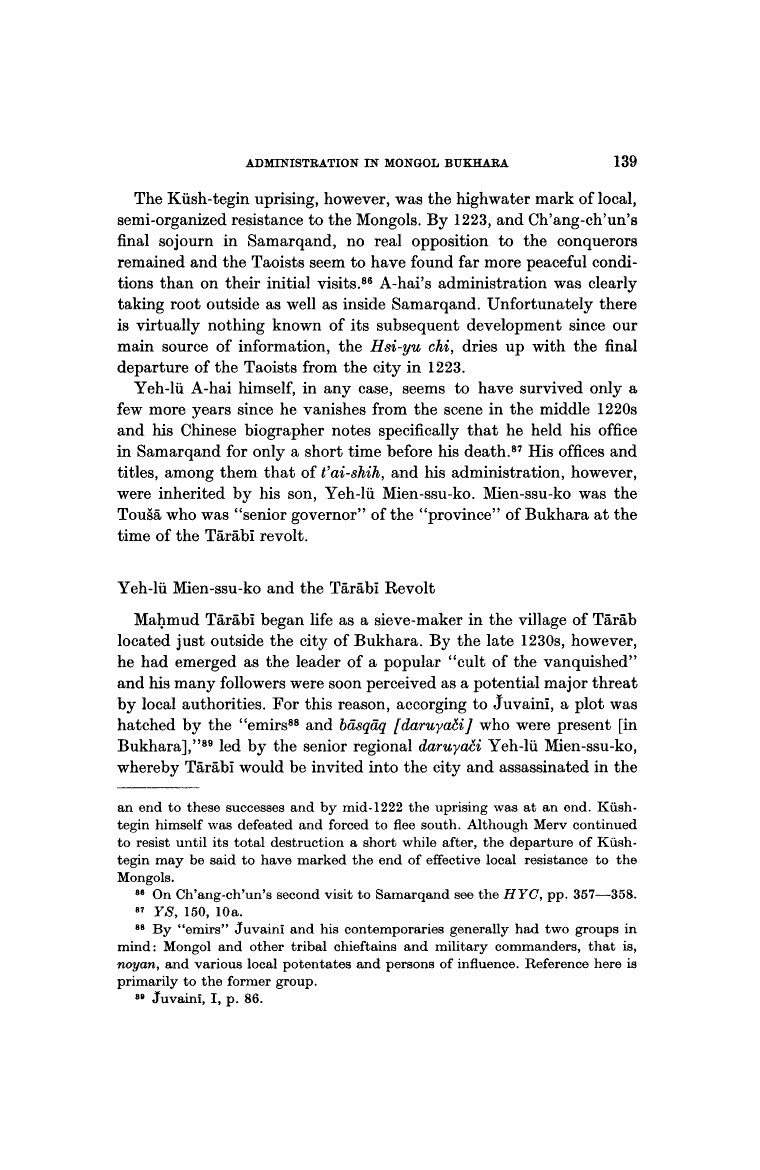
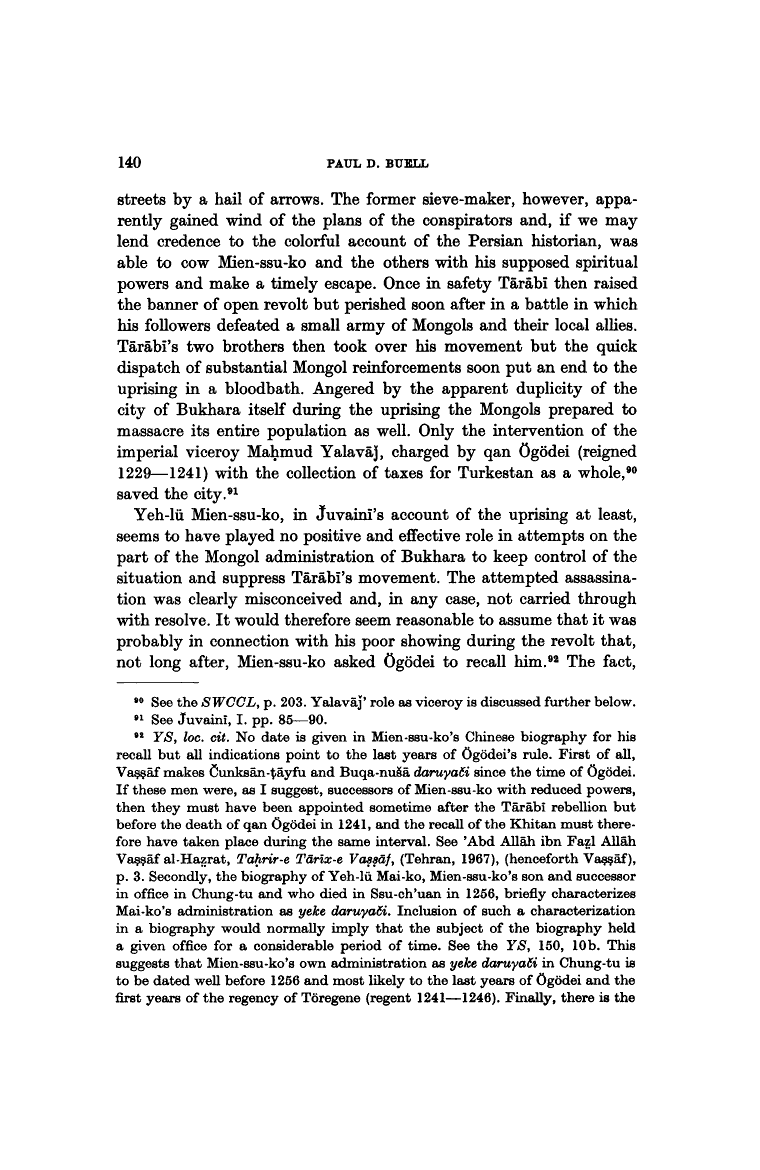
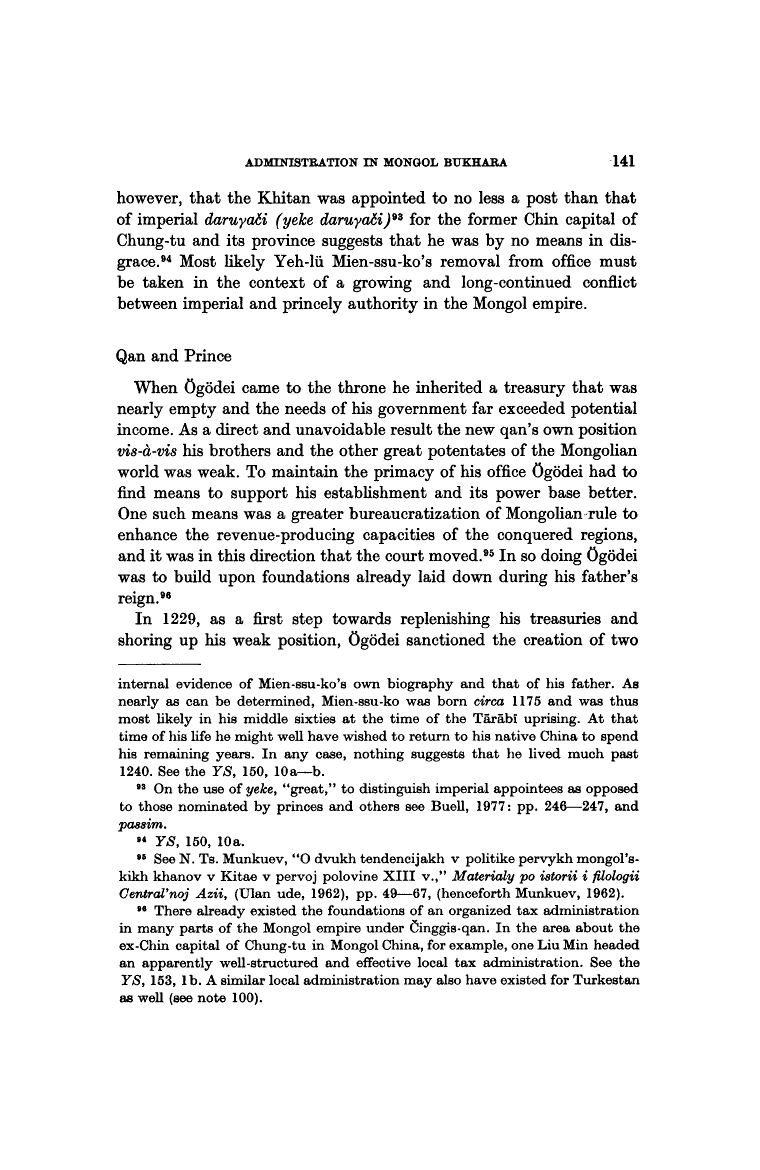
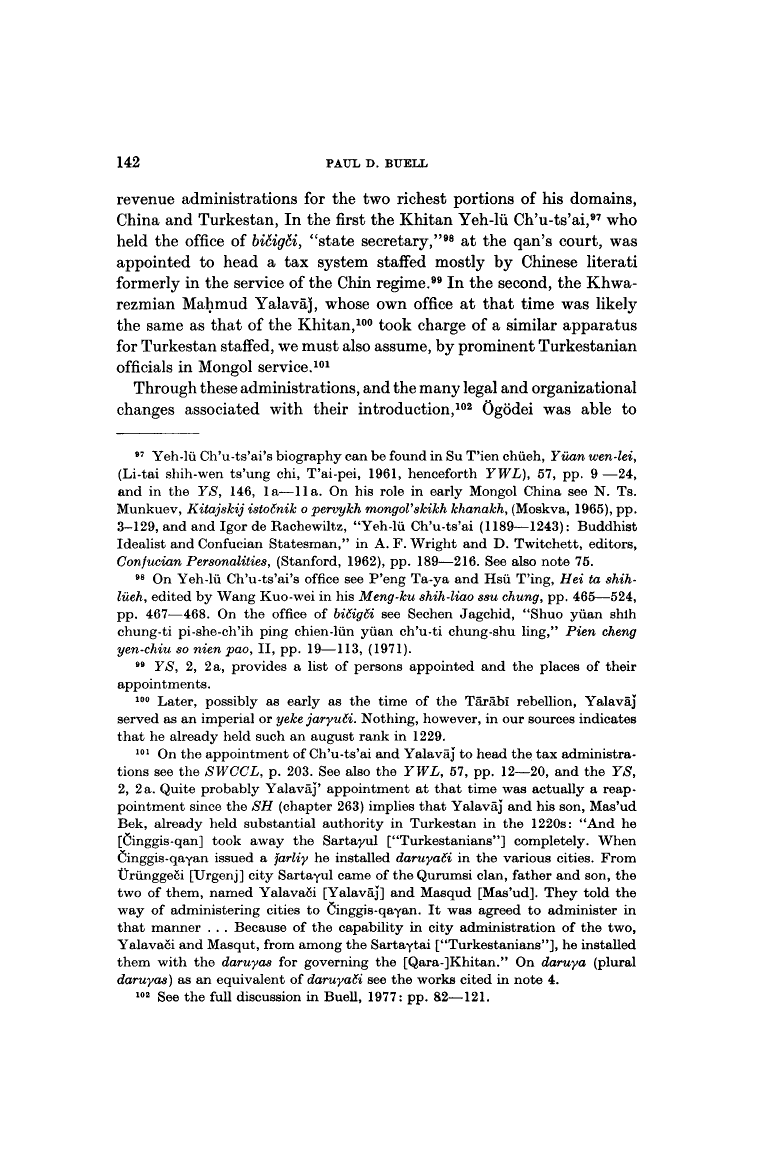
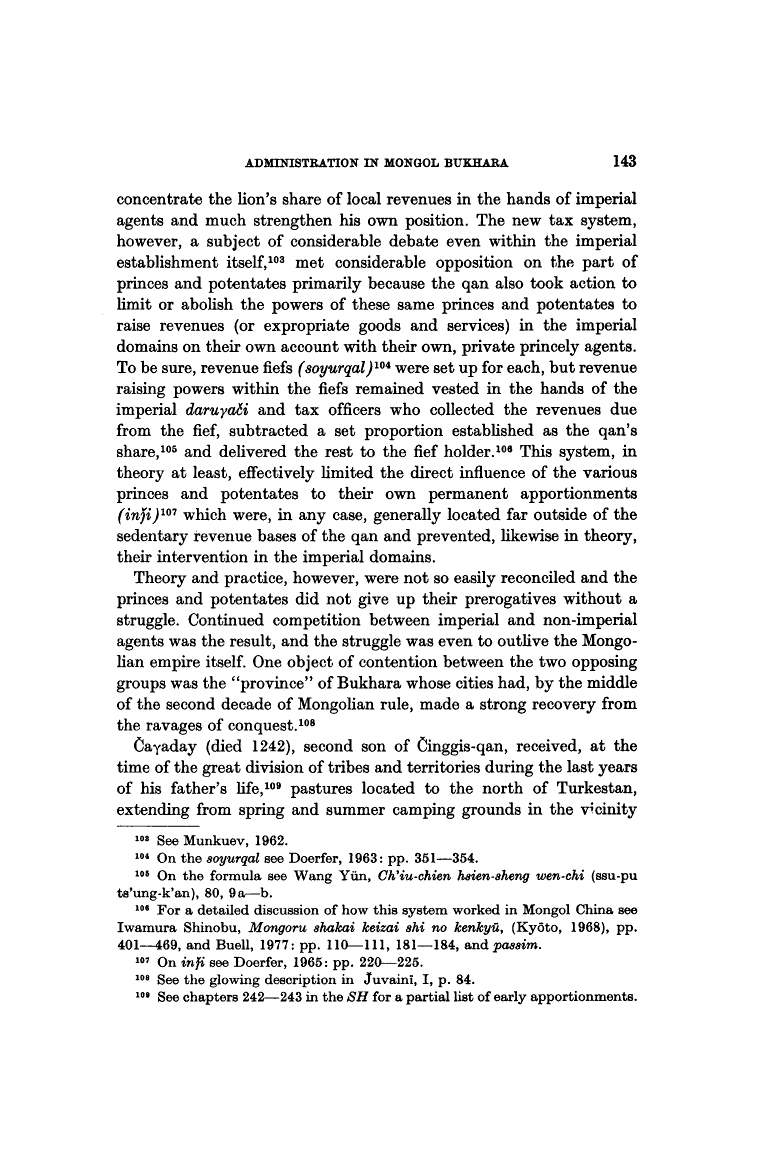
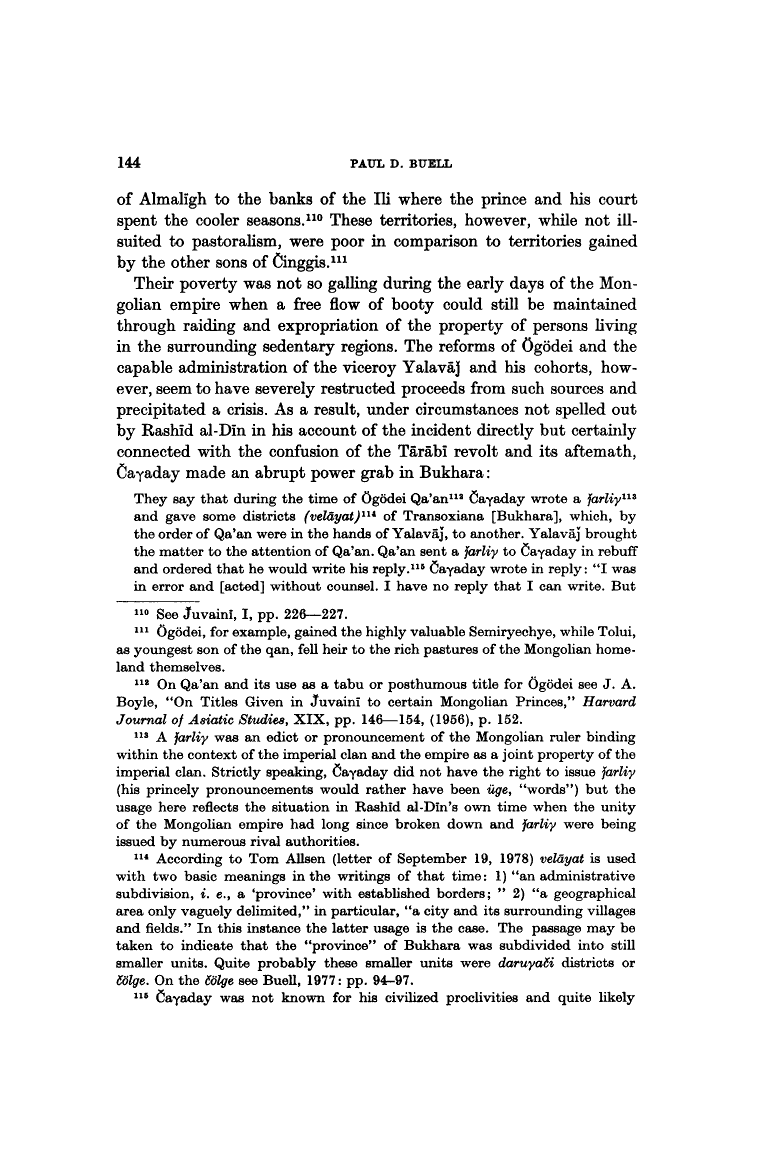
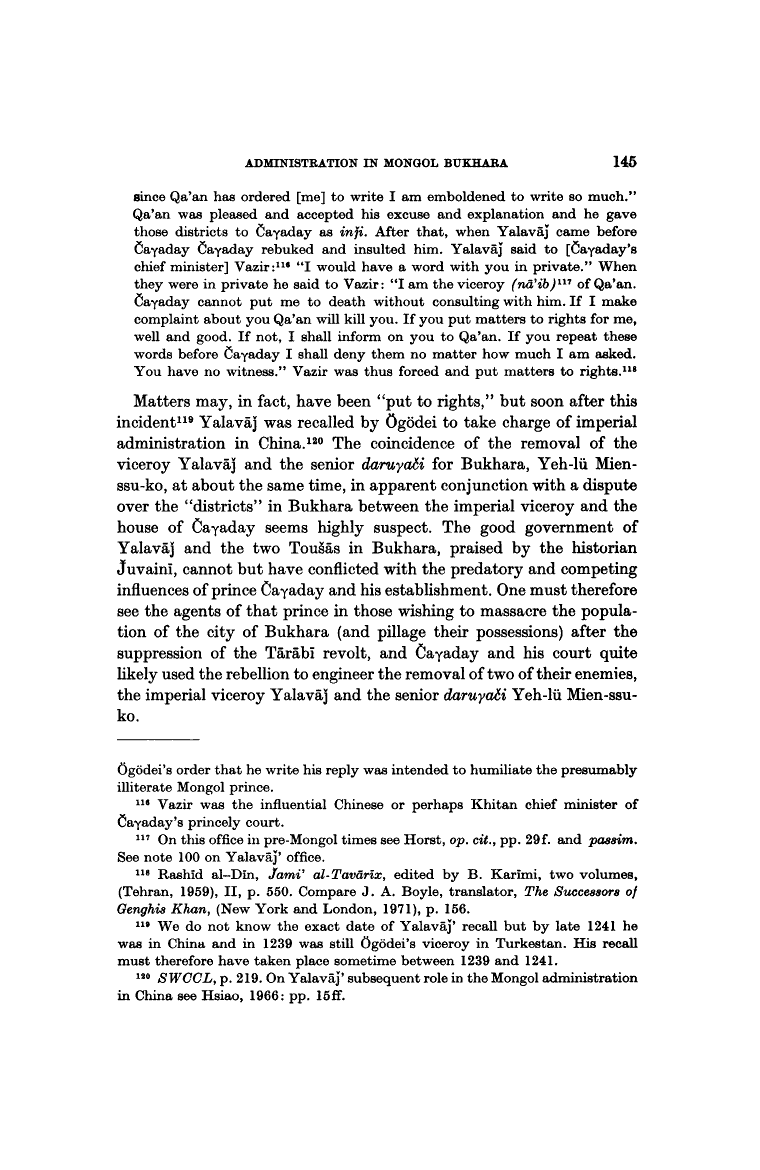
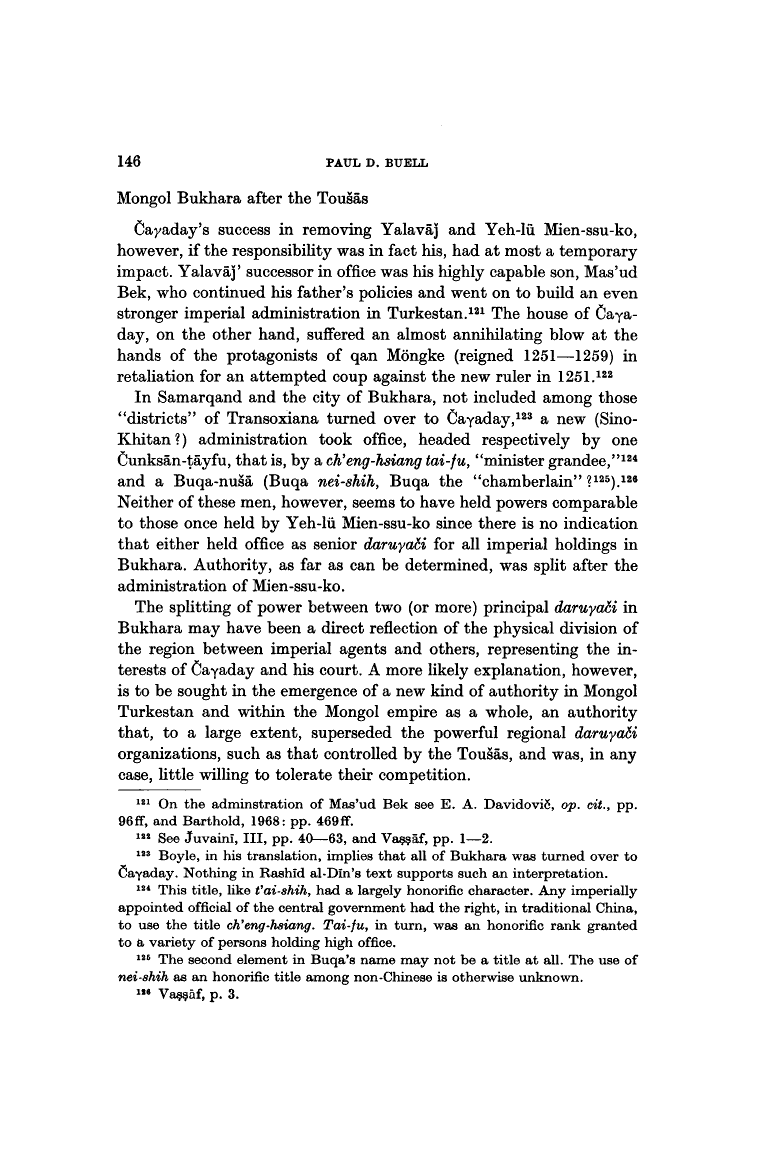
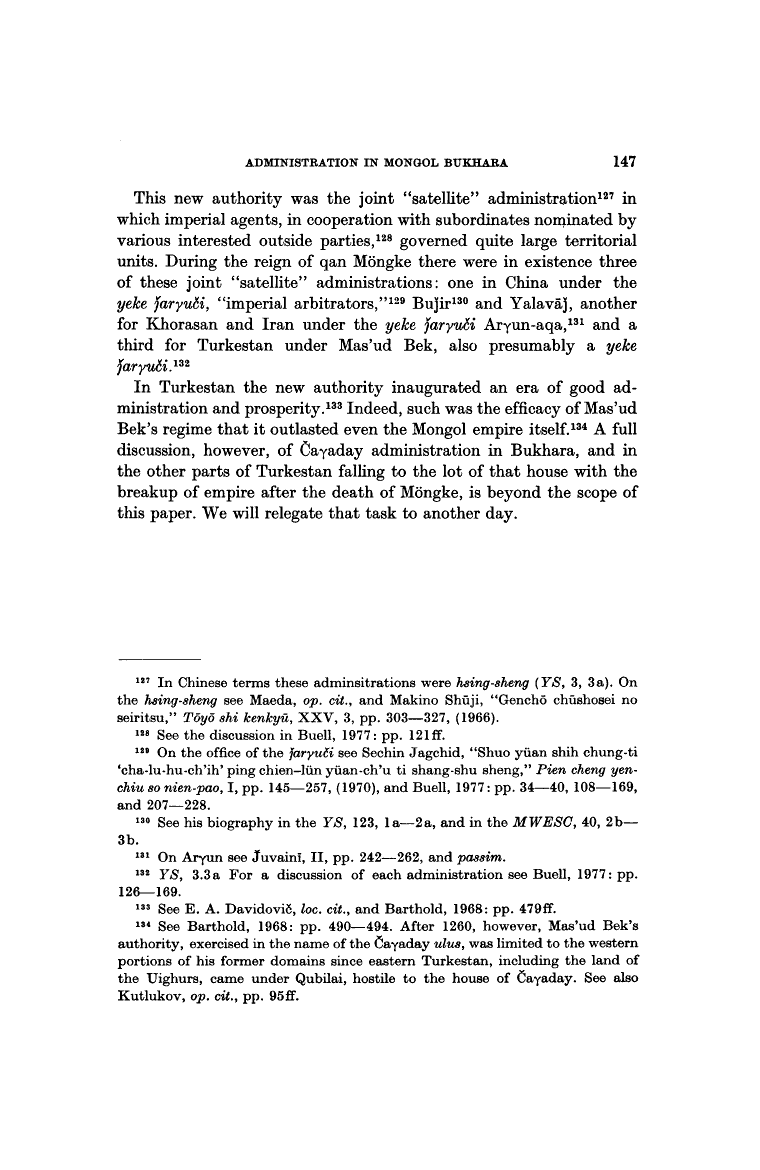
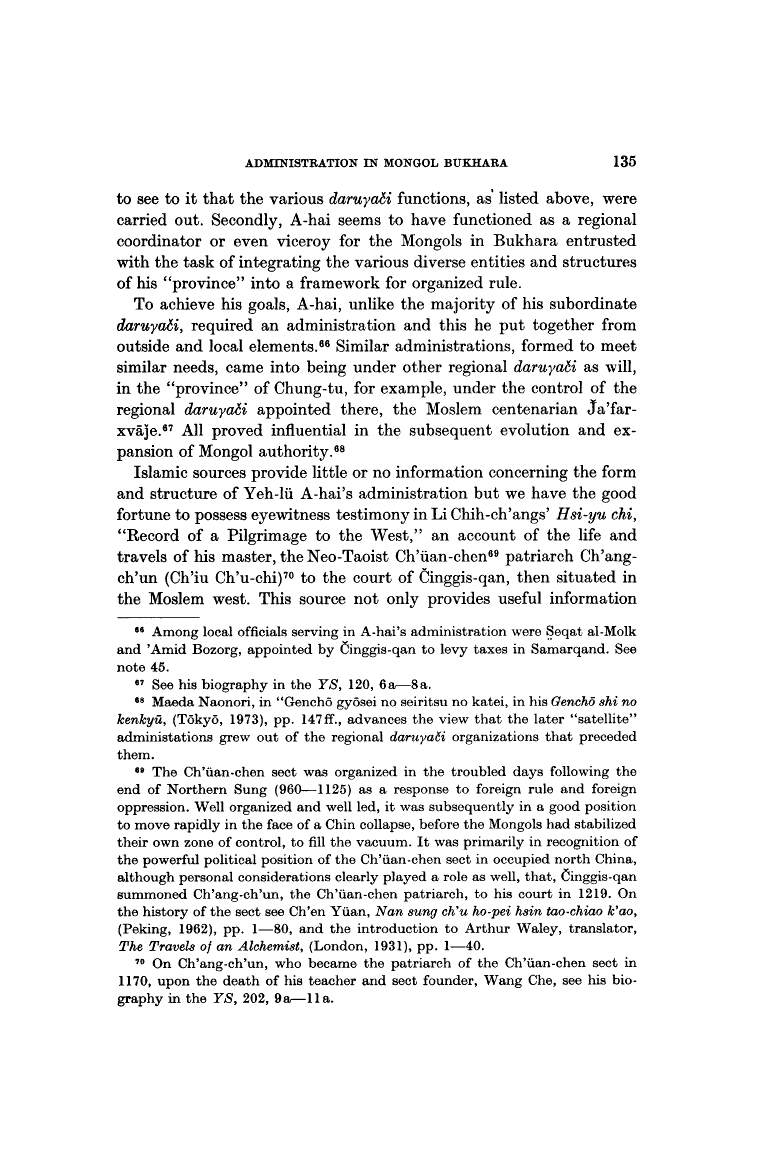
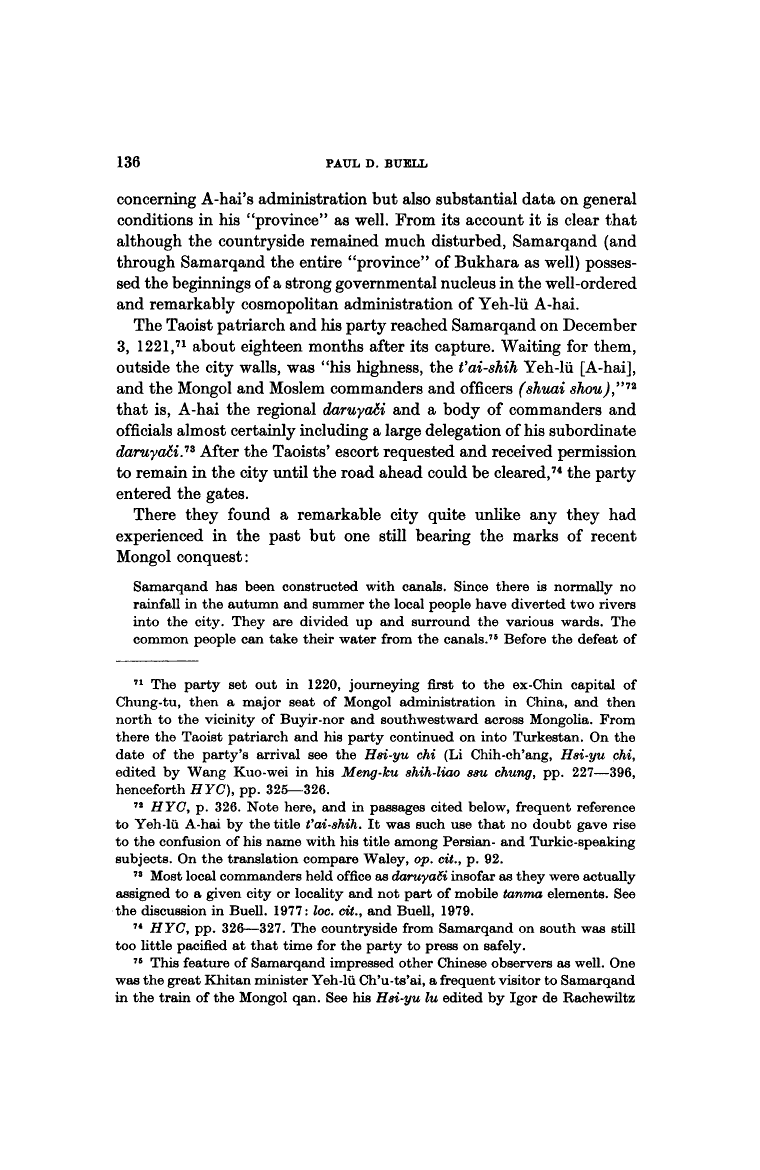
This was connected to switching Han for Central Asians. Han were sent to Bukhara and Samarqand to rule Central Asian Muslims while Central Asian Muslims were sent to China and Korea as officials
This was connected to switching Han for Central Asians. Han were sent to Bukhara and Samarqand to rule Central Asian Muslims while Central Asian Muslims were sent to China and Korea to rule as officials
So Chagatai put anti-Muslim laws in his realm in Central Asia and used Han, Khitan and Tangut officials to rule Central Asian Muslims while Central Asian Muslims were appointed as governor of Yunnan in China and in charge of finance, tax collections and played the analogous role in the Yuan as members of the Semu class
So Chagatai put anti-Muslim laws in his realm in Central Asia and used Han, Khitan and Tangut officials to rule Central Asian Muslims while Central Asian Muslims were appointed as governor of Yunnan in China and in charge of finance, tax collections and played the other role there
Later on, the role of these intermediaries broke down
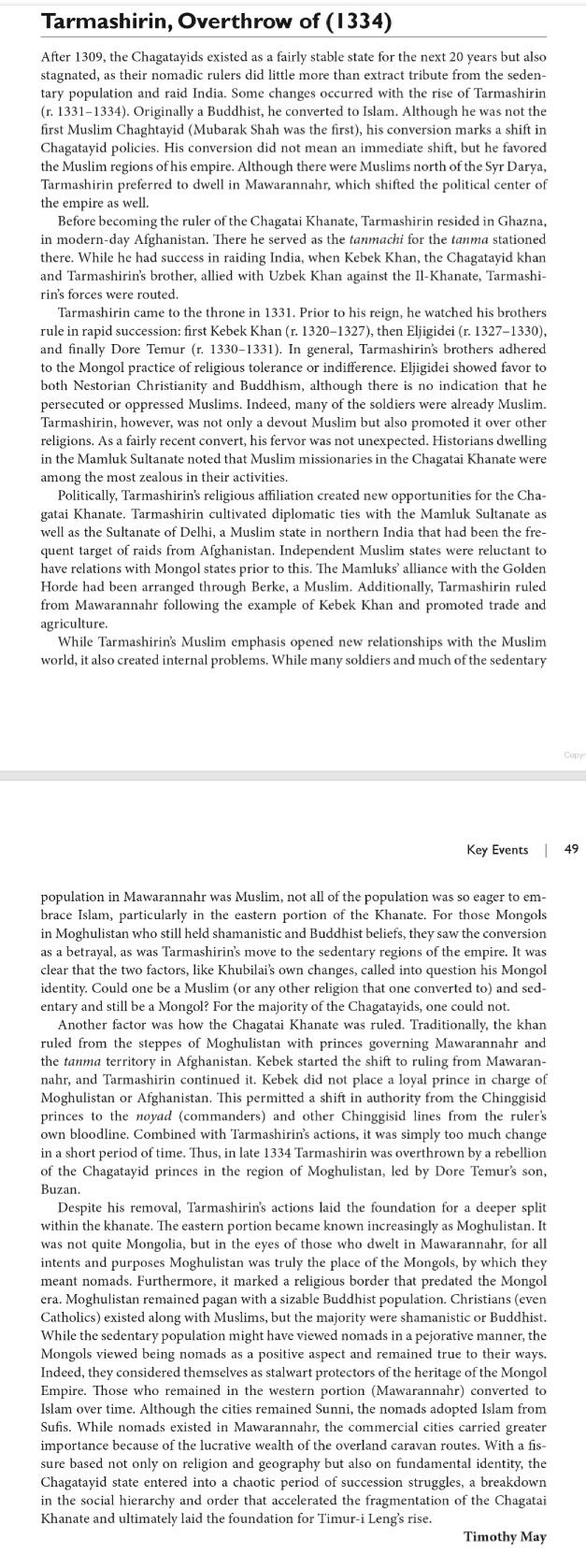
Eventually the Chagatai Khans converted to Islam later and stopped being anti-Musilim, while the Yuan similarly started to revoke the privileges of the Semu class and pass anti-Muslim laws so they were no longer privileged.
The Yuan no longer needed the Central Asians and Chagatai no longer needed this Han, Khitan, Tangut class, this eventually led to the massive rebellion against the Yuan by Muslims in Quanzhou
and here is the source for the Yuan later turning against the Semu and Central Asians and start passing laws against Semu and Central Asian Muslims
And I don't need to provide a source for the later Chagatai Khans converted to Islam since that is known. The Yuan and Chagatai switched positions from the beginnings. At the end of the Yuan they were relying on Han generals like Chen Youding to uphold their rule after turning on the Semu. But the Chagatai were more successful in their shift unlike the Yuan, the Chagatai Mongol rulers completely melded their identity with their Turkic Muslim subjects after conversion.
another source for Chagatai Khan (the founder of the Chagatai Khanate) for being anti-Muslim (when he was relying on Han, Khitan and Tangut officials to rule Bukhara and Samaqand) His later descendants converted to Islam
"CHAGHATAYID DYNASTY, name given to the descendants of Čengīz Khan’s second son Čaḡatai, who reigned in Transoxania until ca. 771/1370 and in parts of Turkestan down to the 11th/17th century. Čaḡatai accompanied his father on his first campaigns against north China and subsequently on the great expedition to the West (616-22/1219-25). According to Jovaynī (ed. Qazvīnī, I, pp. 31, 226-27), when Čengīz Khan allotted an ulus, that is, pasturage and subject peoples, to each of his sons Čaḡatai’s share extended from the borders of the Uighur territory as far as Samarkand and Bukhara, and his seasonal residences lay on the river Ili, not far from Almalïḡ (Almālīḡ/q); though the fiscal administration of his lands was in the hands of civil officials directly responsible to the great khan. The same author (I, pp. 162, 227) depicts Čaḡatai as extremely zealous in enforcing Mongol customary law, the yasa; the Muslims especially suffered, since various prescriptions of the Šarīʿa, such as those for ritual ablution or for the slaughter of animals, ran counter to Mongol practice. It is difficult to imagine that this policy could be enforced among Muslims in general, and Jovaynī’s remarks in all probability apply mainly to those Muslims domiciled in the vicinity of Čaḡatai’s own encampments or at the great khan’s capital, Qaraqorum. Nevertheless, Čaḡatai certainly acquired a reputation for being no friend of the Muslims. According to one version given by Rašīd-al-Dīn (Jāmeʿ al-tawārīḵ II, ed. Blochet, p. 184), he died seven months before his brother, the great khan Ögedei (Ūkatāy), in 638/1241, but Jovaynī’s statement that he outlived him (II, p. 227) is corroborated by the local chronicler Jamāl Qarši, who says that Čaḡatai died in 642/1244-45 (Barthold, Turkestan1 I: Teksty, St. Petersburg, 1898, p. 138)."
https://twitter.com/JayminKim/status/1330985001639424003
Jaymin Kim 金載民 @JayminKim
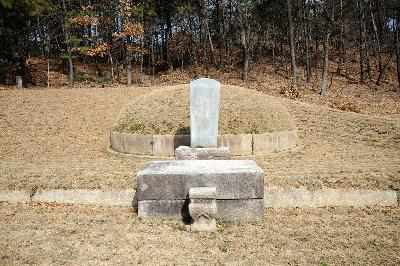
#TodayinQing (1655): Chosŏn tributary embassy for Winter Solstice, headed by Yi Kaeyun李愷胤, departs #Seoul for #Beijing. One of the 3 annual embassies, the mission usually numbered about 250 and acted as a node of intercultural interaction #China #Korea #history #otd
https://twitter.com/JayminKim/status/1330986054690729984
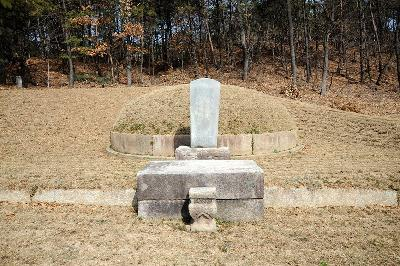
Attached image shows the tomb of Yi Kaeyun, who is also known as the father of Princess Ŭisun (義順; d. 1662), who married and was widowed by 2 Qing princes: Dorgon (d. 1650) and Bolo (d. 1652). Yi would eventually be allowed to take his widowed daughter home with him.
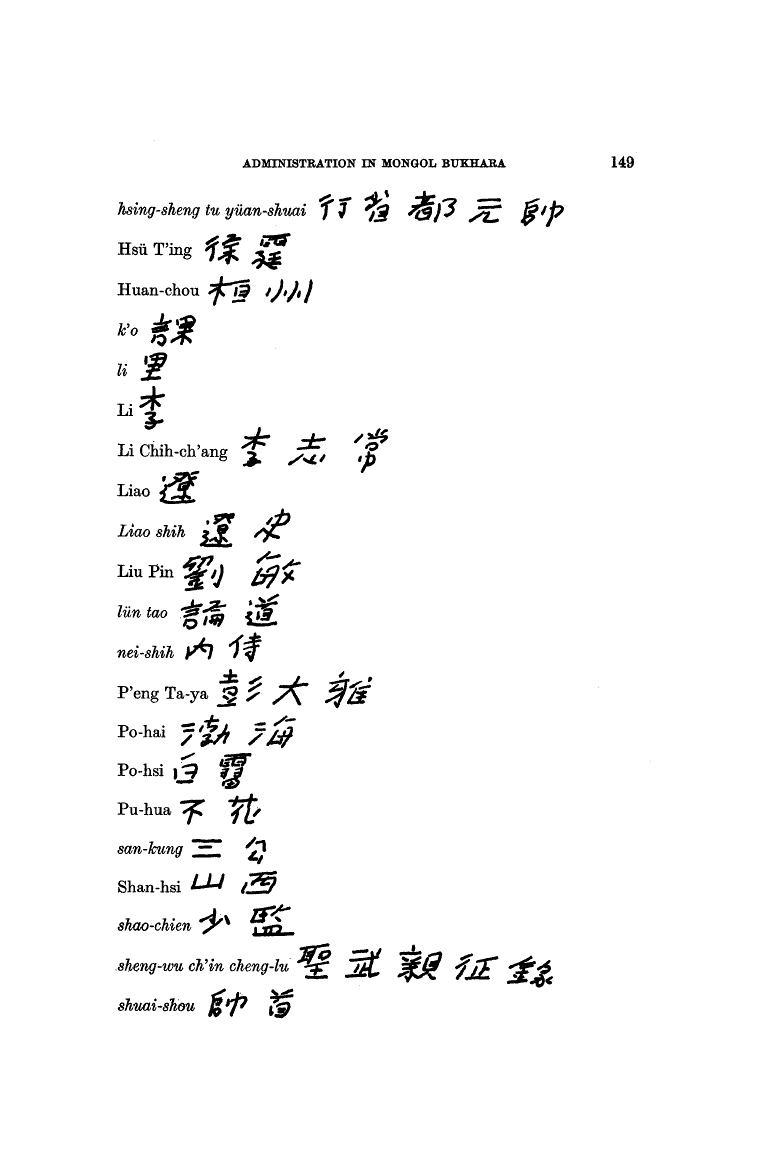
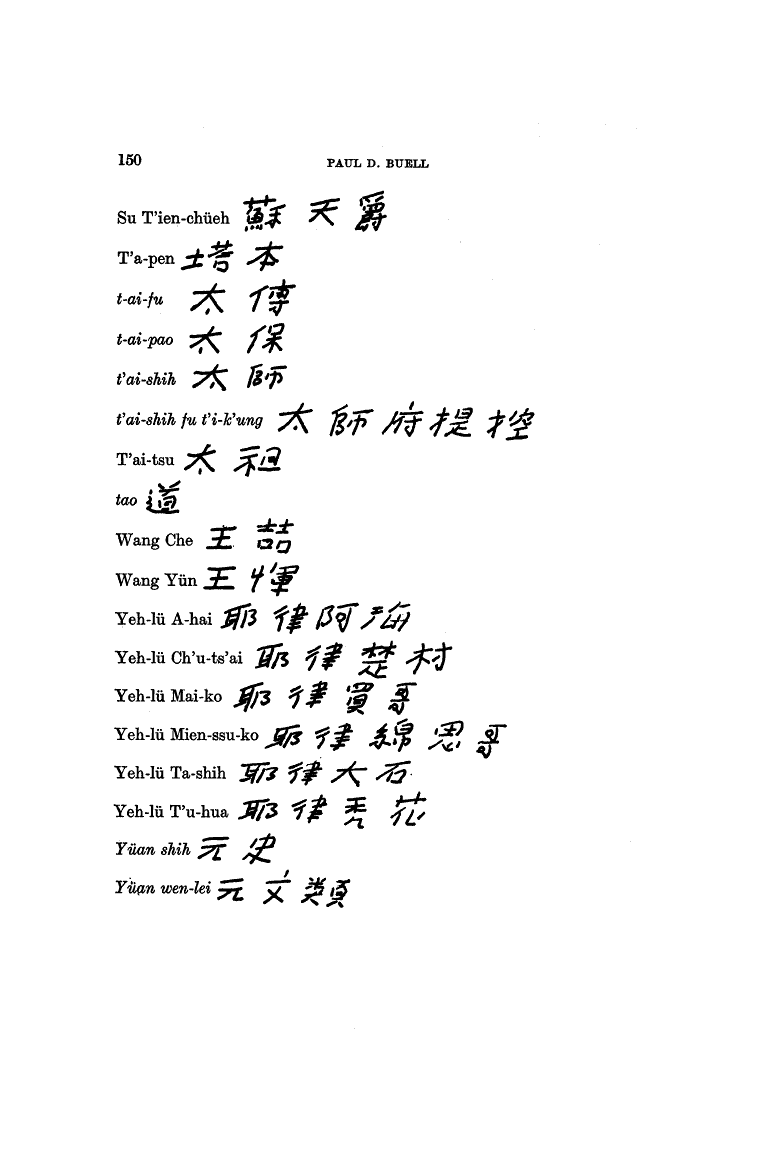
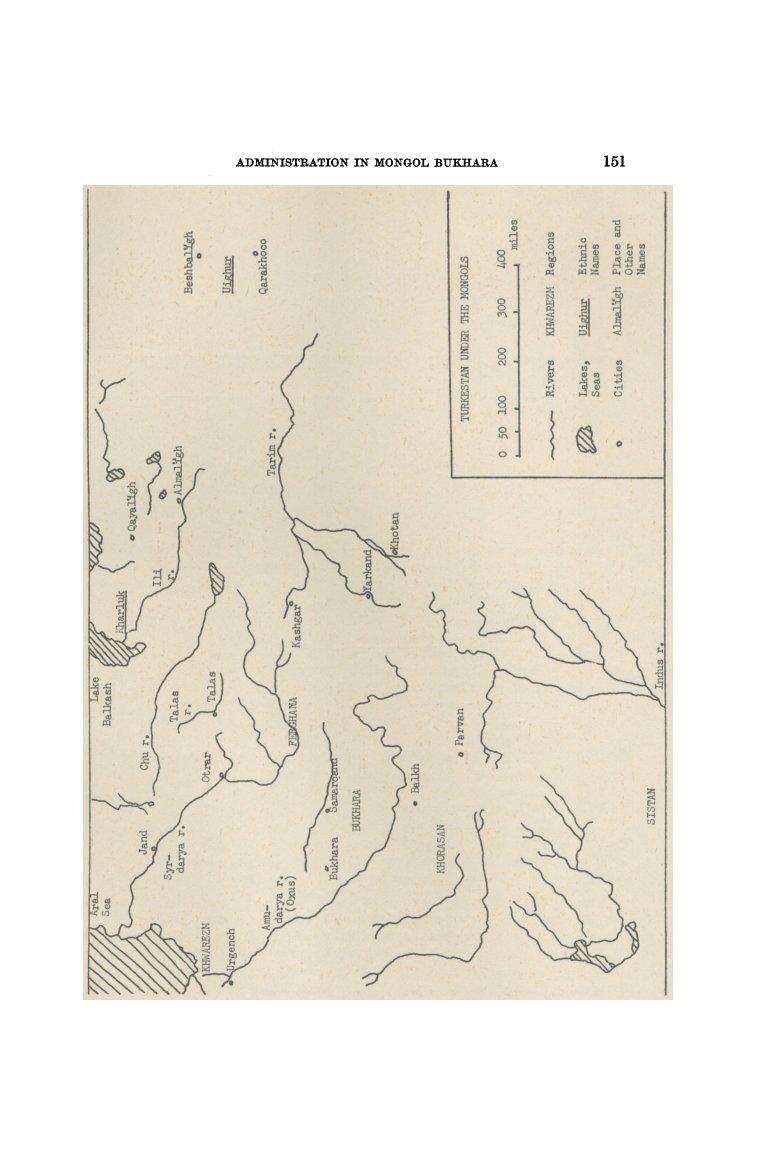
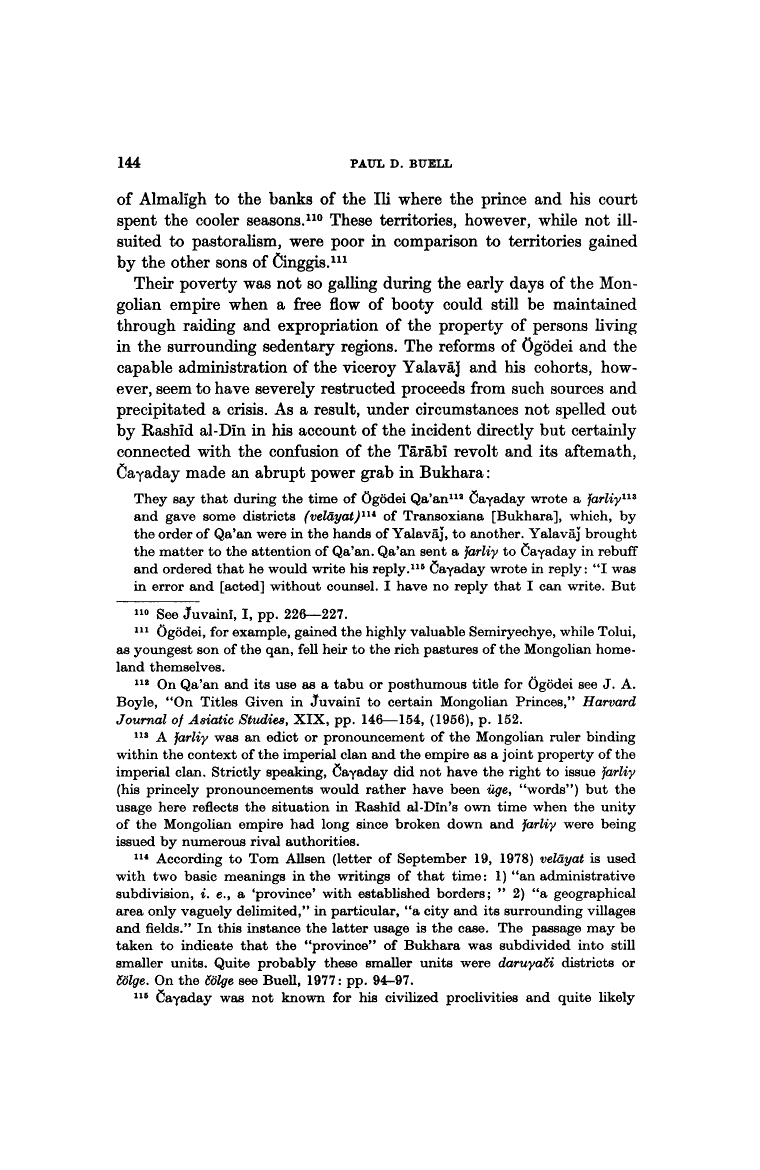
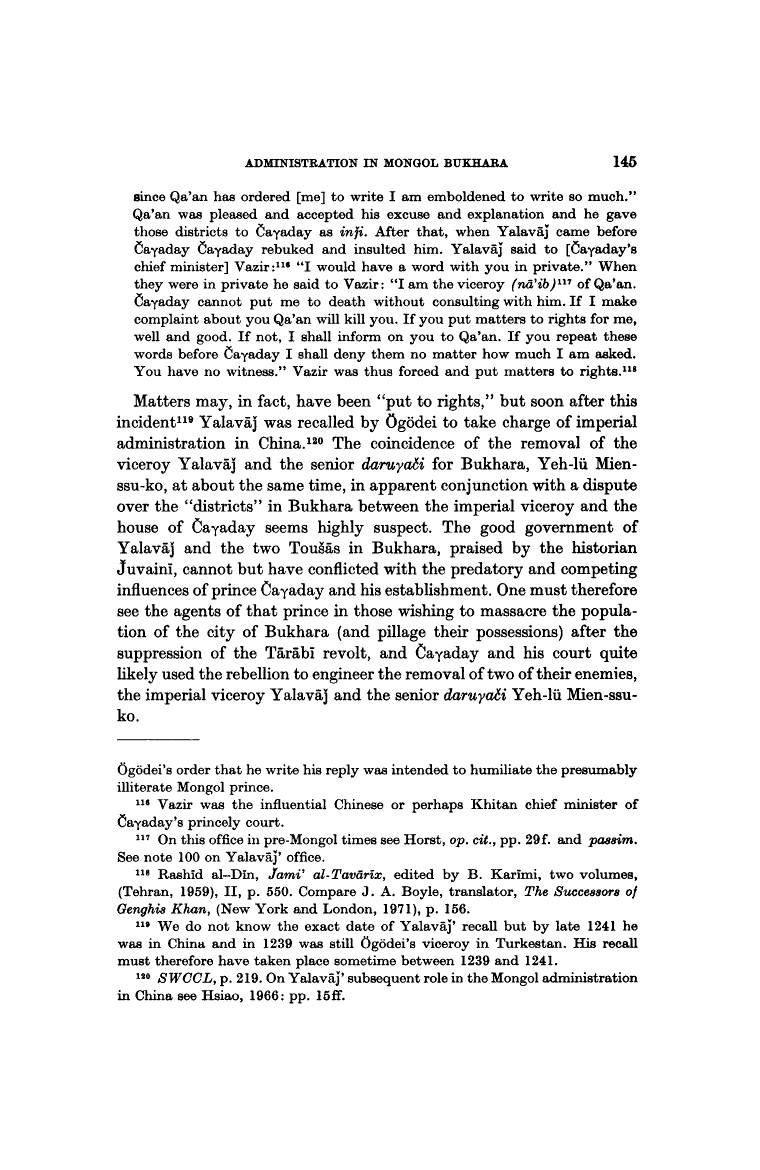
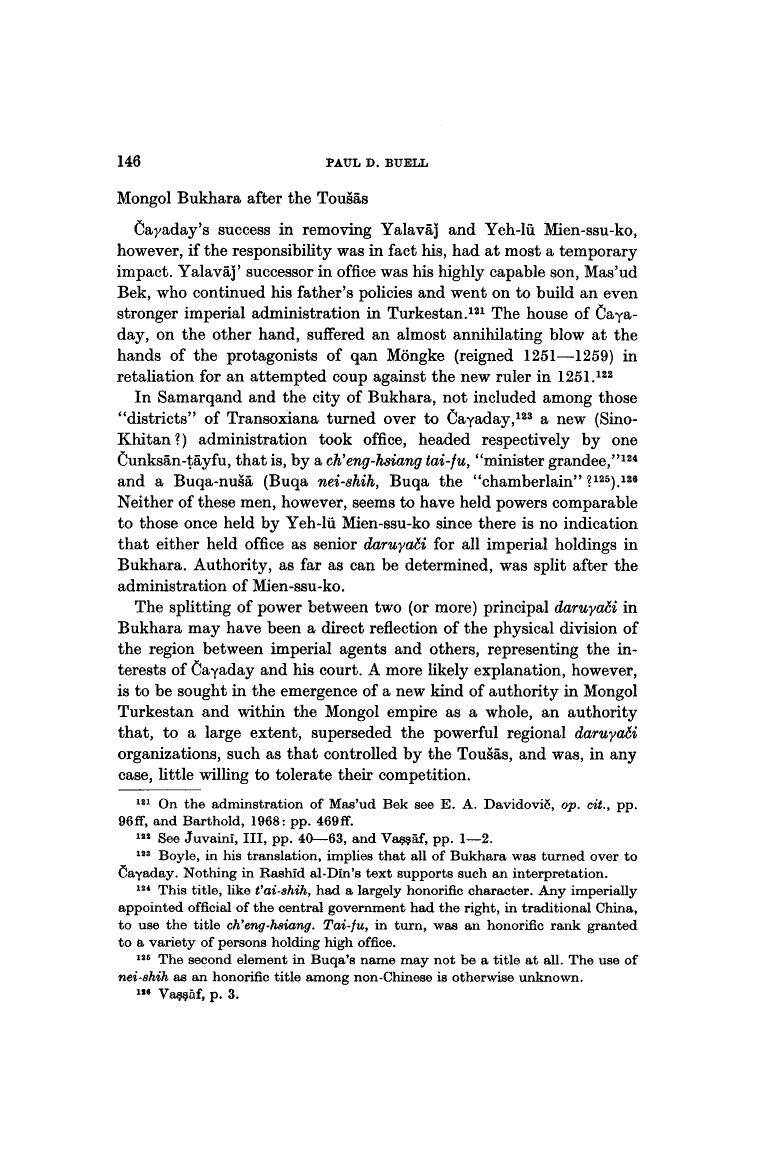
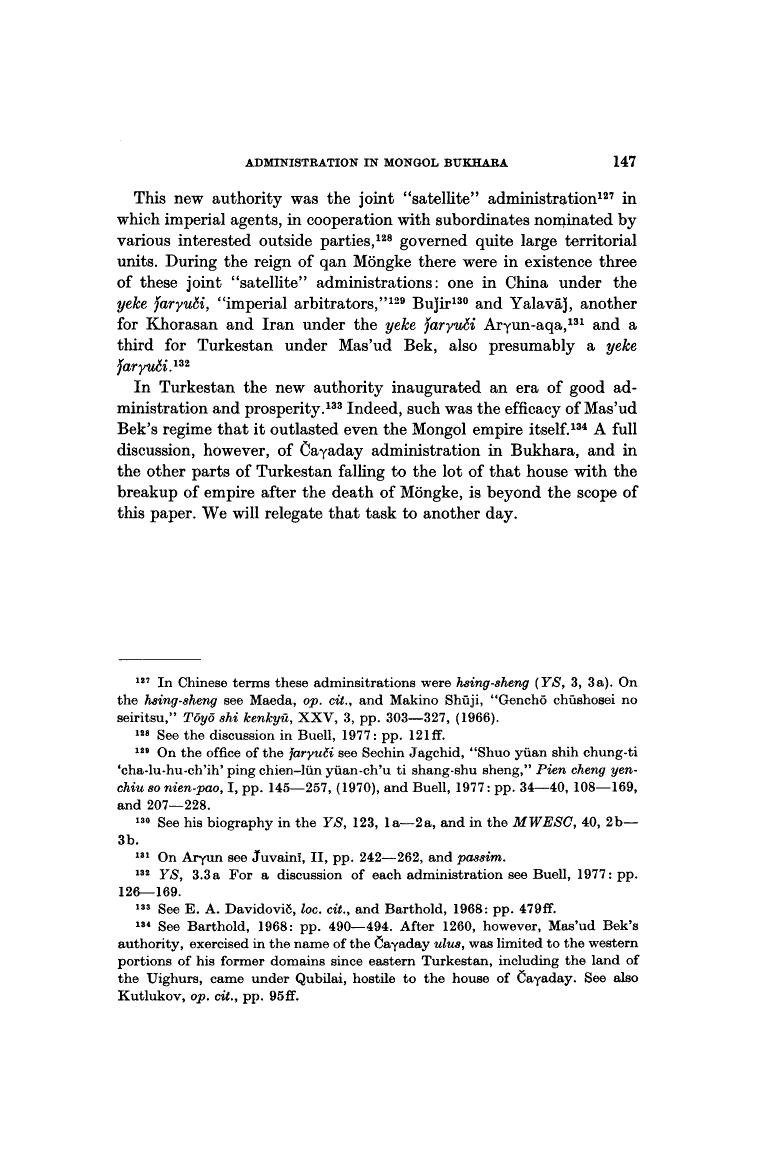
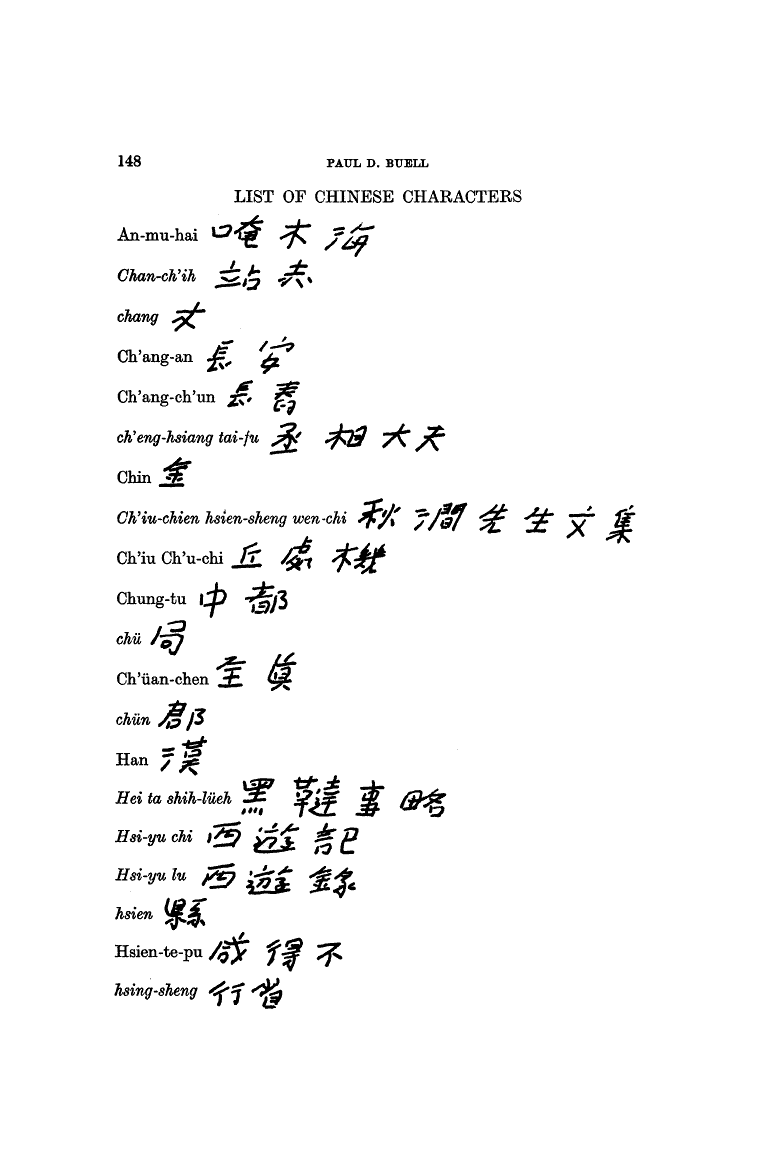
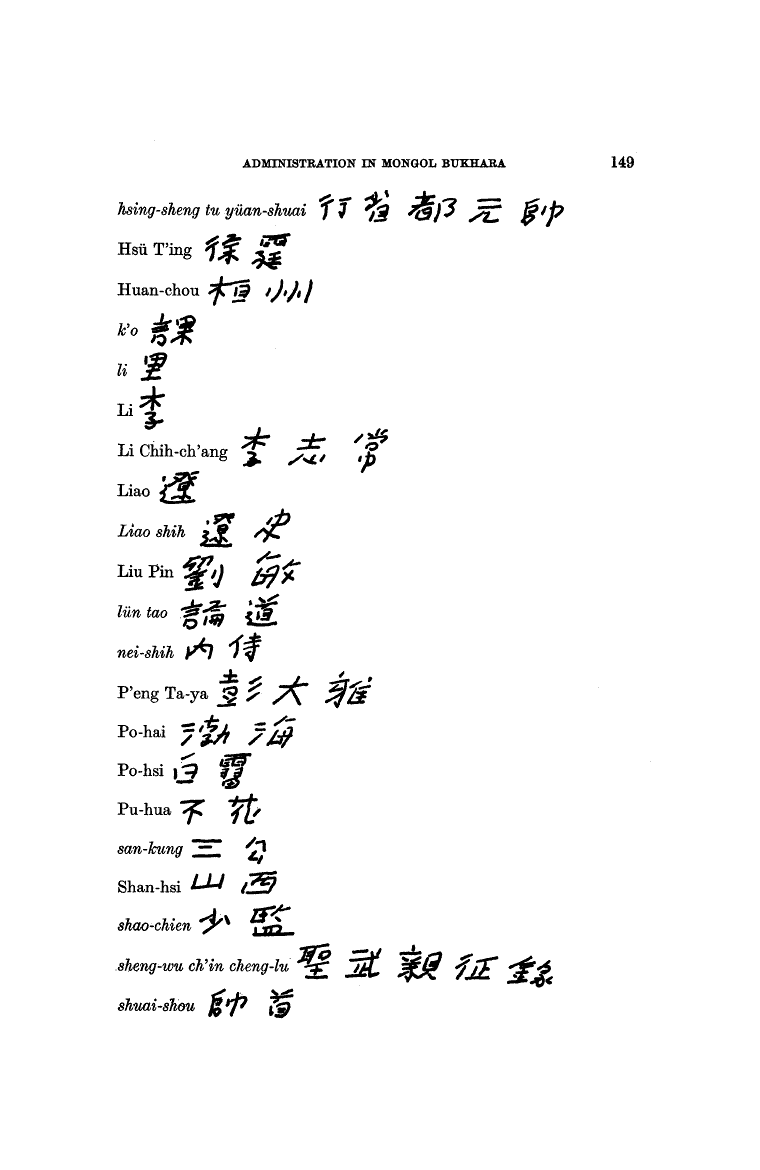
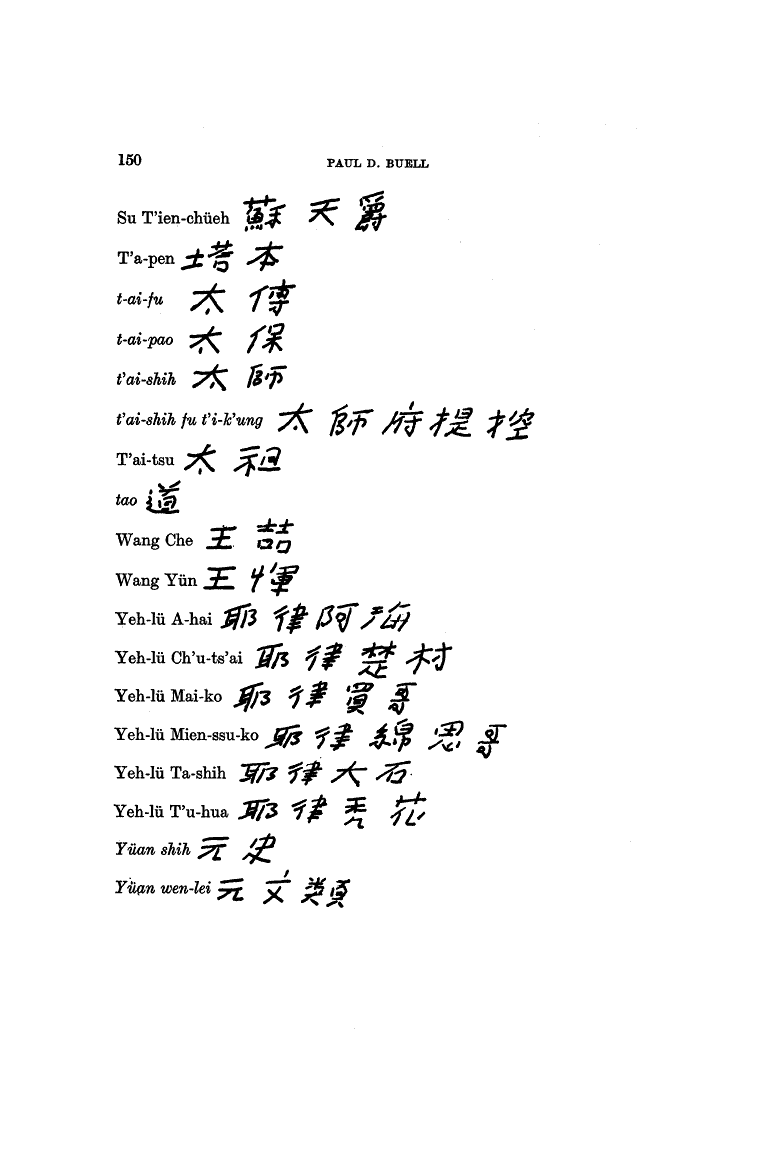
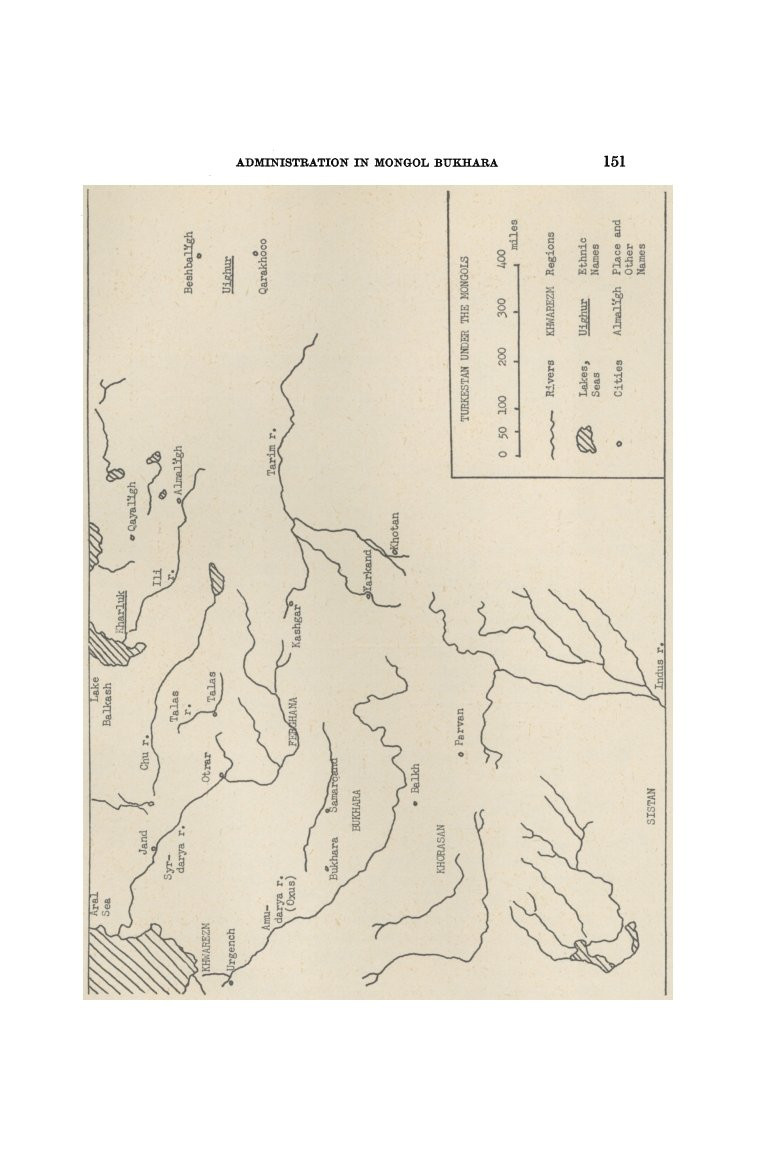
these are the pages regarding the Mongols sending Han Chinese to administer Bukara and Samarqand (while they sent Central Asian Muslim east to China and Korea)
the Central Asian Muslims in the Yuan and in Korea were switched places with Han sent to Central Asia
these are the pages regarding the Mongols sending Han Chinese to administer Bukhara and Samarqand (while they sent Central Asian Muslim east to China and Korea)
do you remember this
Chinese (Han) were also brought in the reverse direction to the Bukhara and Samarqand as state administrators of those regions under the Mongol empire.
"Sino-Khitan Administration in Mongol Bukhara"
https://jstor.org/stable/41930343?seq=1
Under the Mongol rule, Muslims of Samarqand were only allowed to manage their properties in conjunction with Chinese and other East Asian peoples moved to Central Asia to serve as administrators.
https://depts.washington.edu/silkroad/texts/changchun.html
"Samarkand is laid out on the borders of canals. As it never rains in summer and autumn, the people have conducted two rivers to the city, and distributed the water //[p.78] through all the streets, so that every house can make use of it. Before the dynasty of the suan-tuan (Sultan of Khorezm) was overthrown, the city of Samarkand had a population of more than a hundred thousand families, but after the occupation only the fourth part remained behind. Most of the fields and gardens belong to the Mohammedans, but they are not allowed to dispose of them.
They are obliged to manage their properties in conjunction with Ti-tan (i.e., Karakhitai), Chinese, and men from Ho si [=Tanguts]. Chinese workmen are living everywhere. In the middle of the city there is an elevated place, about a hundred feet high, on which the new palace of the Sultan was built. Formerly the T'ai shi lived //[p.79] here, but as this part of the city had become insecure owing to numerous robbers, he had withdrawn to the northern side of the river. The master with his disciples then occupied the palace, declaring that Taoists have no fear. The T'ai shi furnished everything for the master's subsistence, and from day to day his veneration for him increased. We saw there peacocks and great elephants, which had come from Yin-du (India), a country situated several thousand li to the south-east."
https://archive.org/details/historyofchinese00gern/page/377
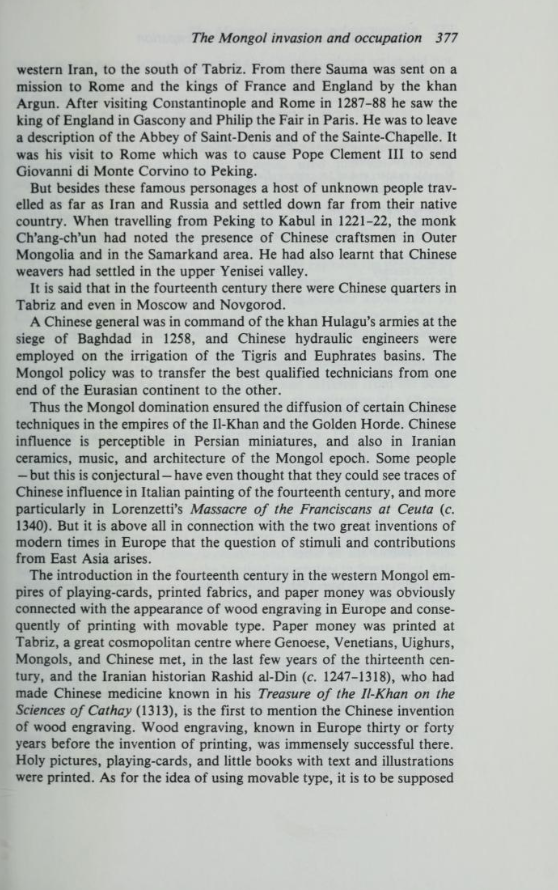

i have the pages now
these are the pages regarding the Mongols sending Han Chinese to administer Bukara and Samarqand (while they sent Central Asian Muslim east to China and Korea)
Han, Khitan and Tangut officials ruled over in Bukhara under the Mongol.
"Sino-Khitan Administration in Mongol Bukhara"
https://jstor.org/stable/41930343?seq=1
Han, Khitan and Tangut officials ruled over the natives in Bukhara under the Mongol empire.
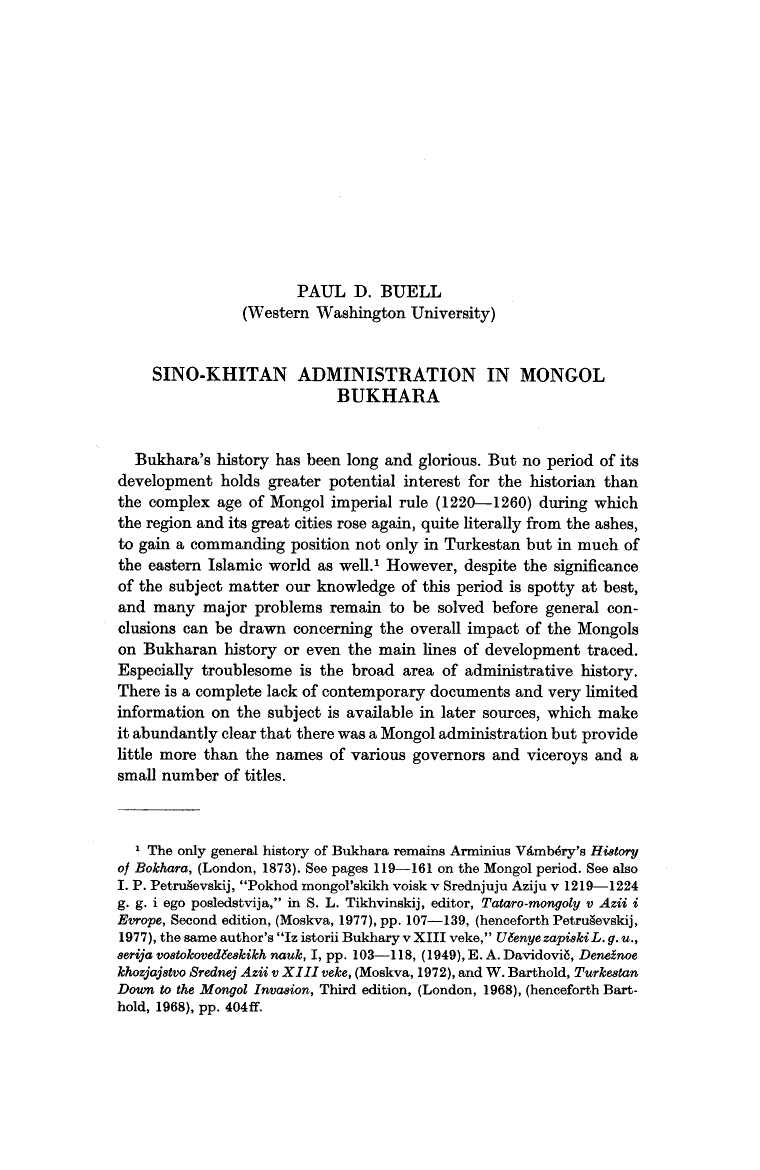
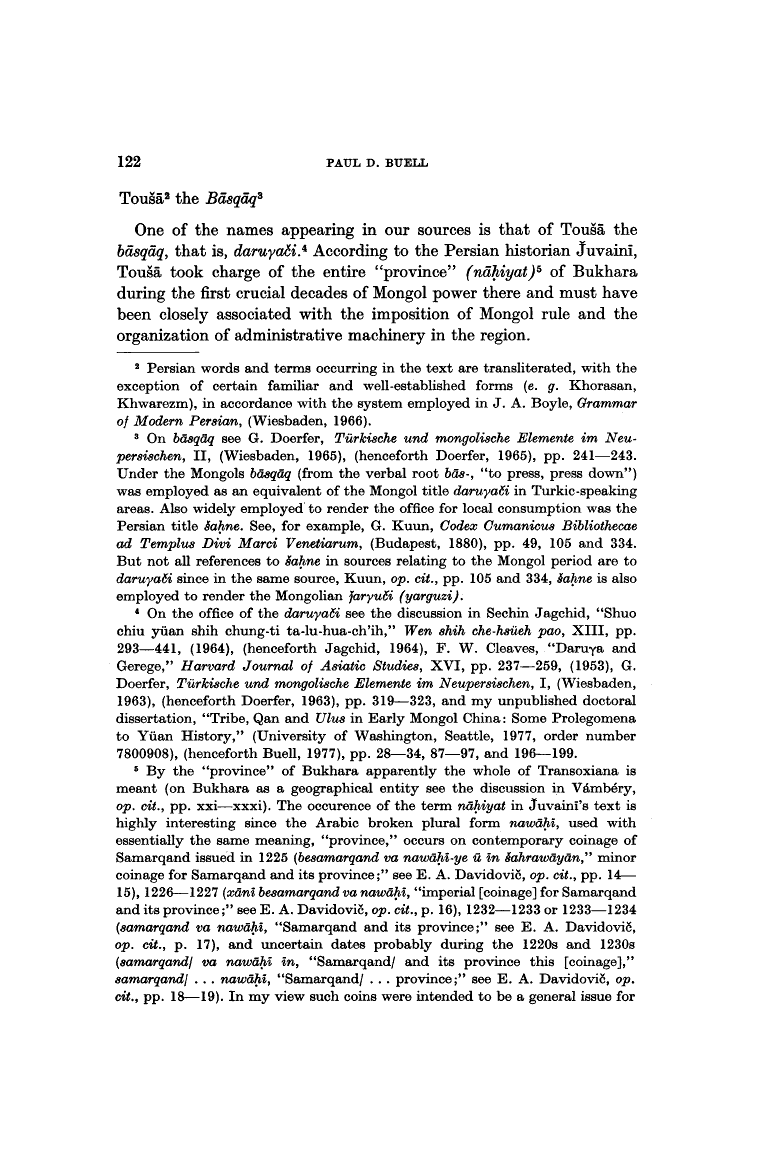
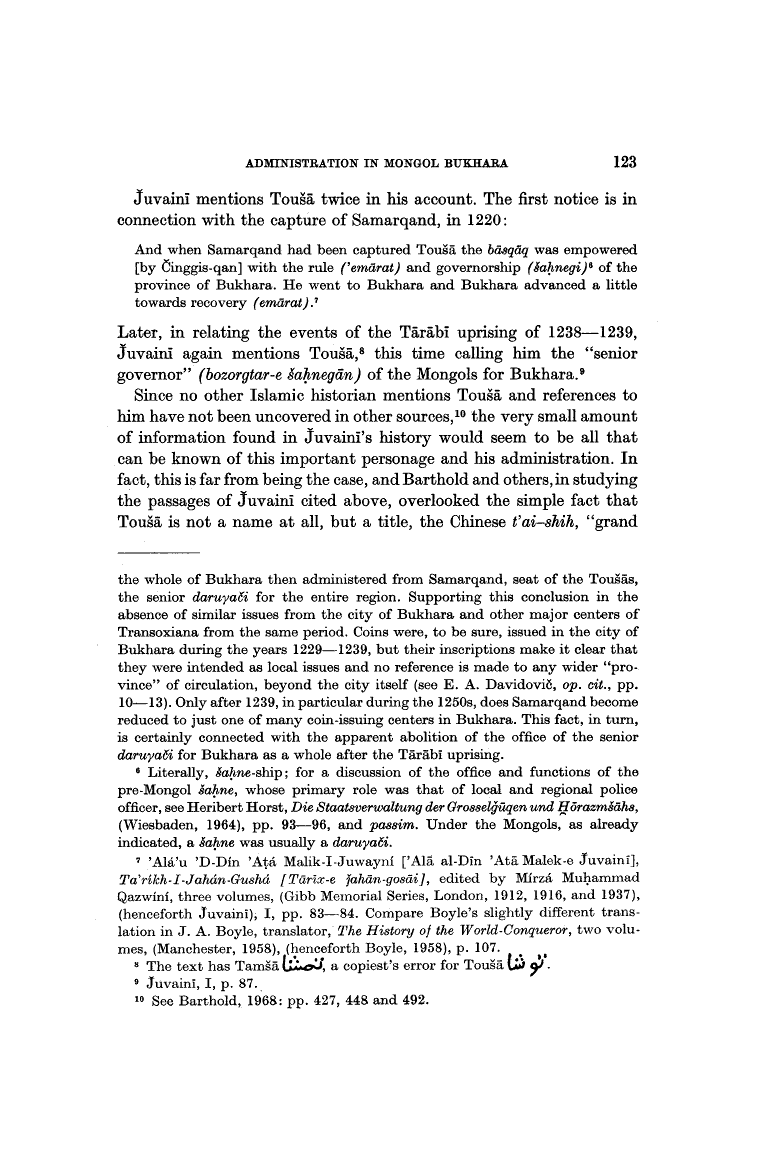
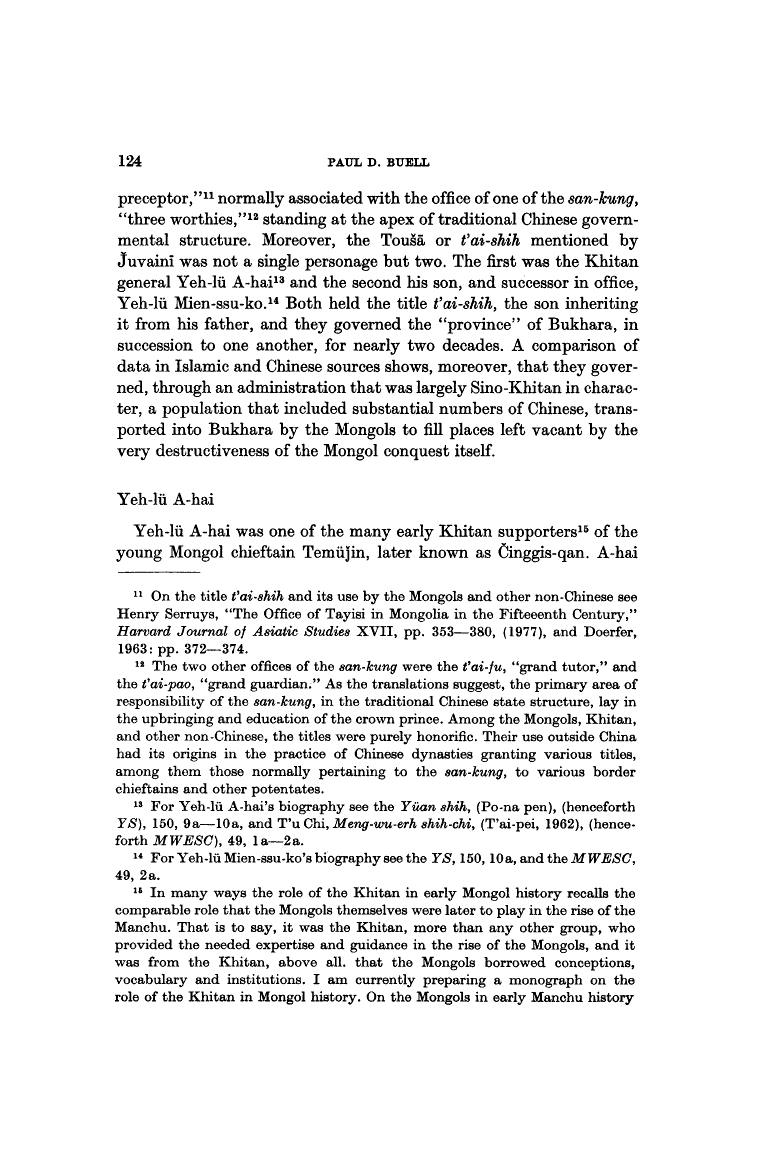
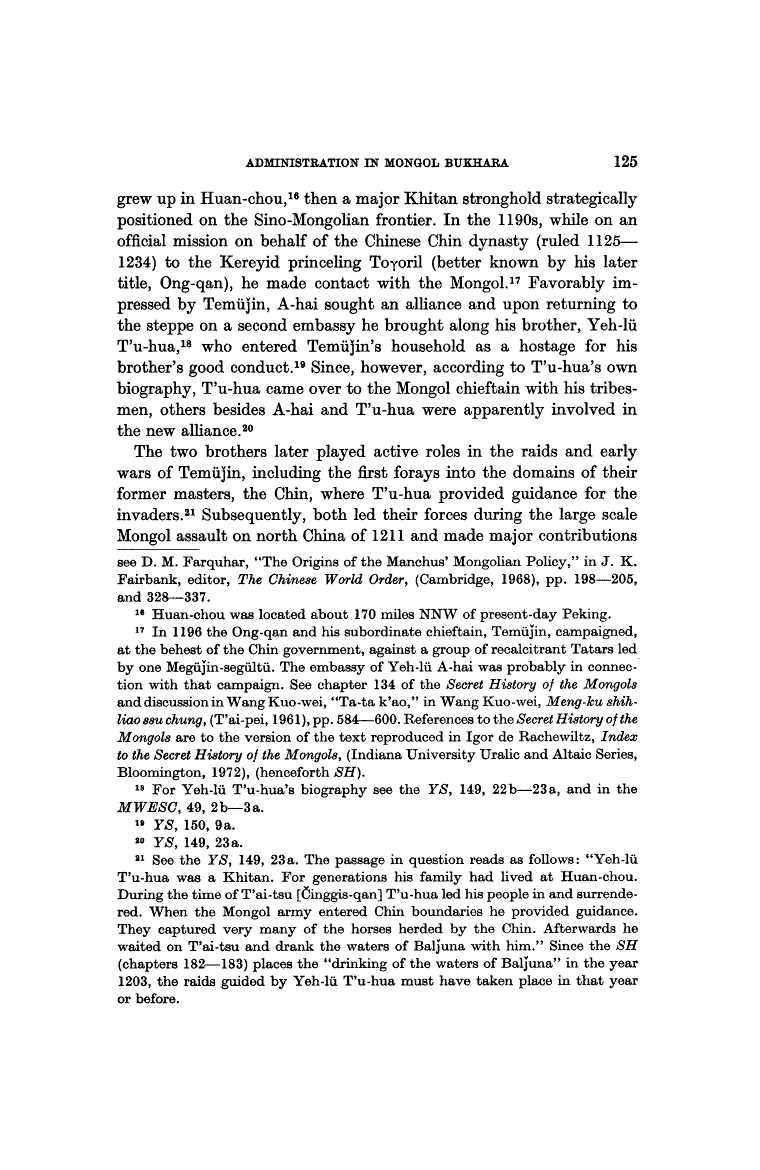
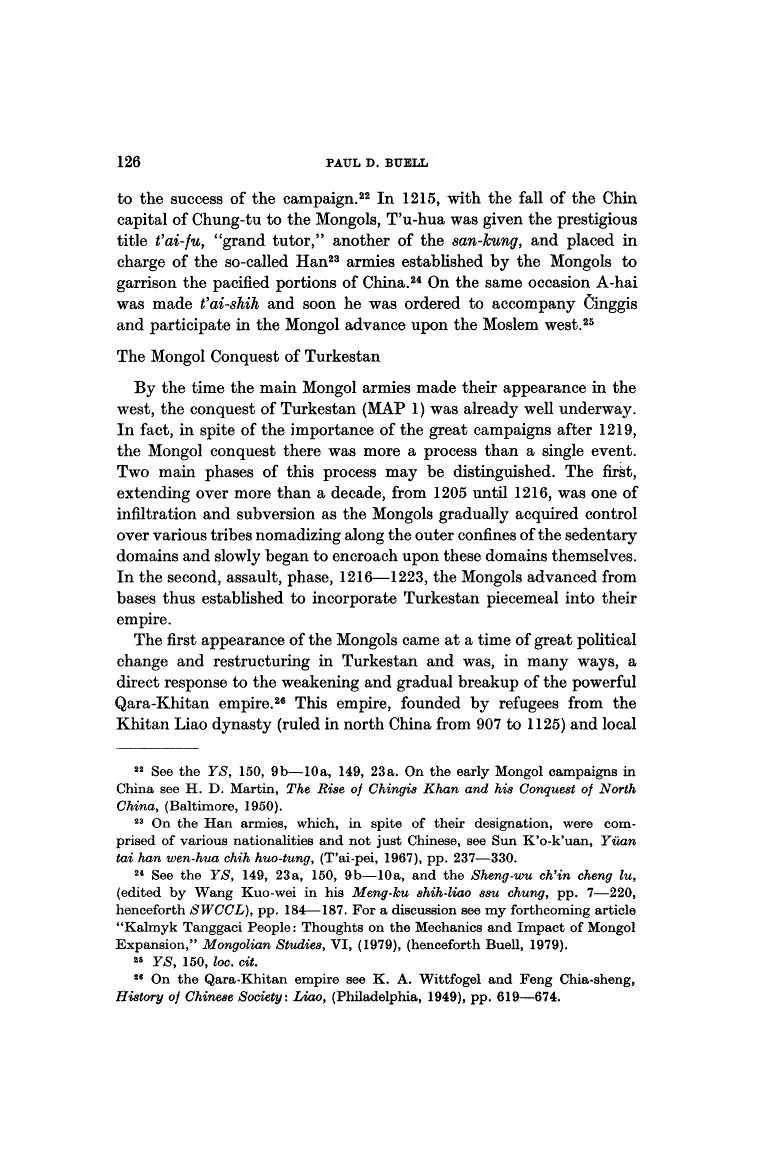
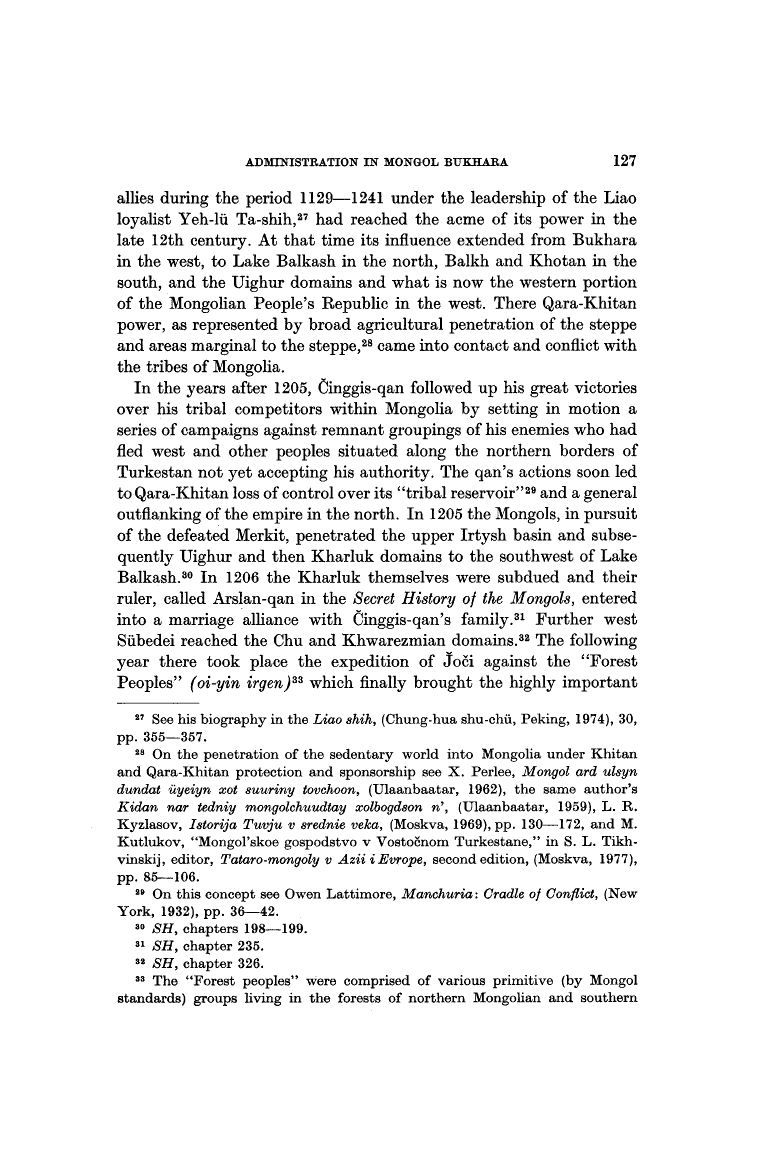
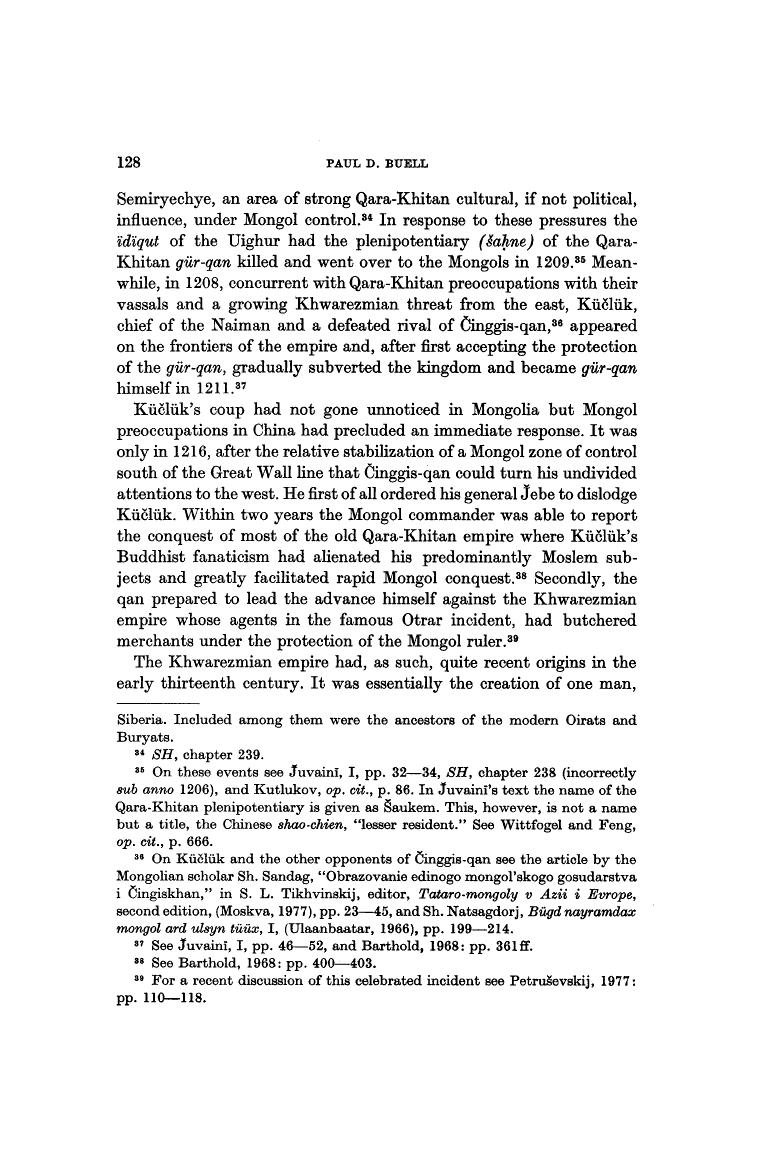
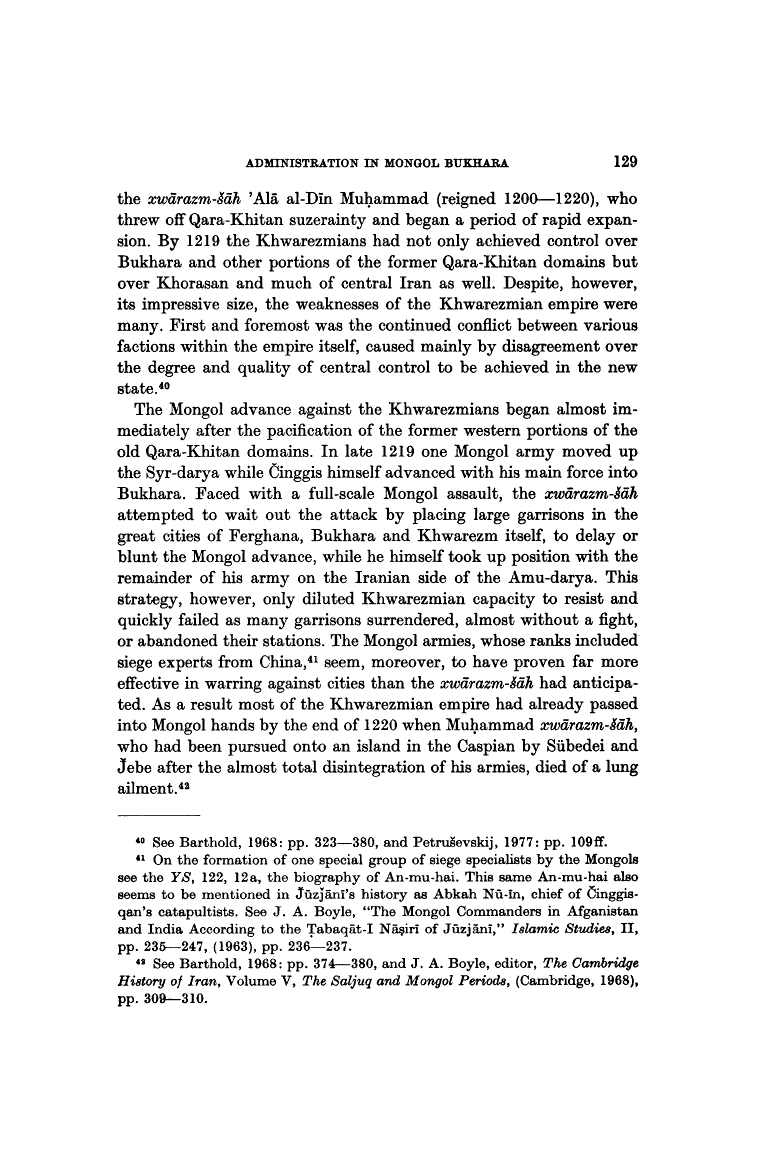
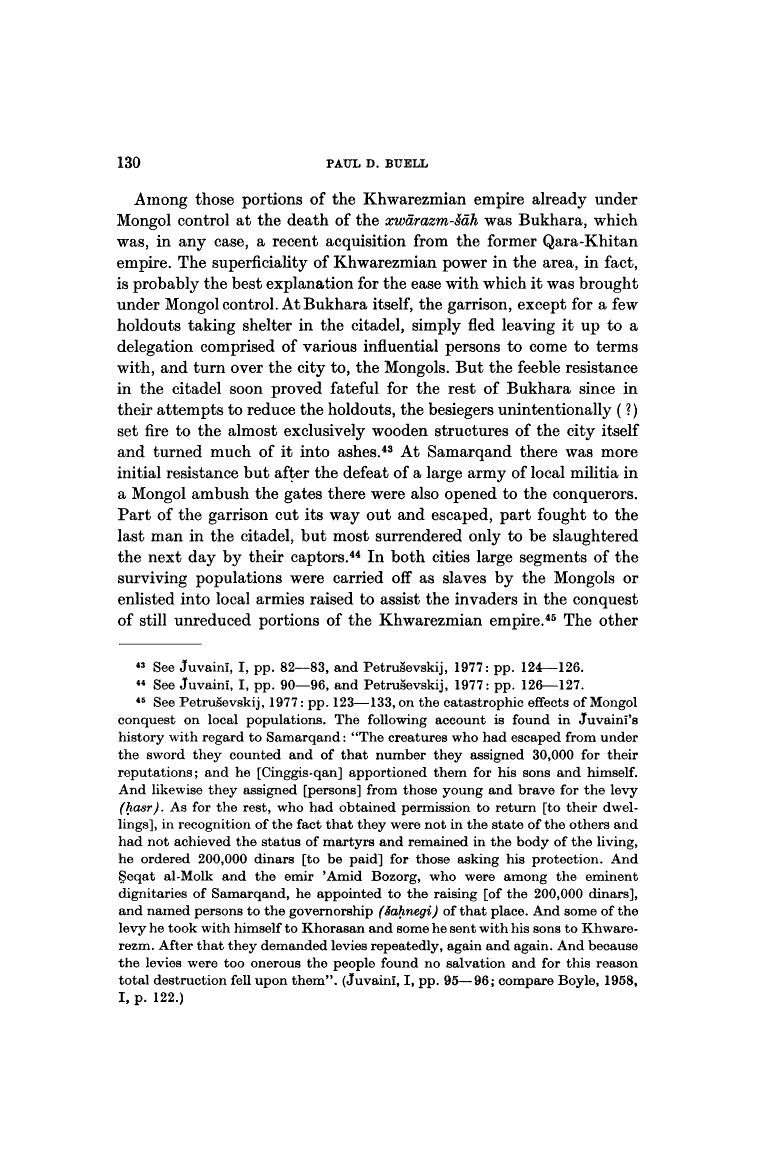
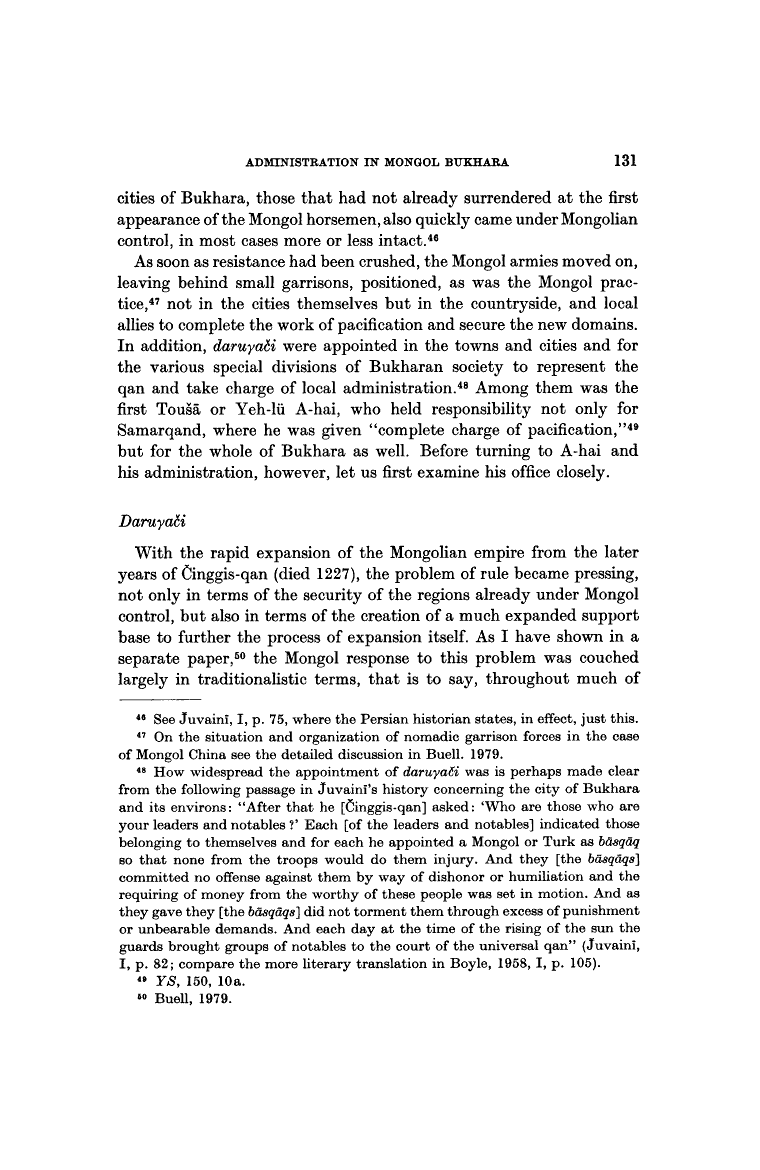
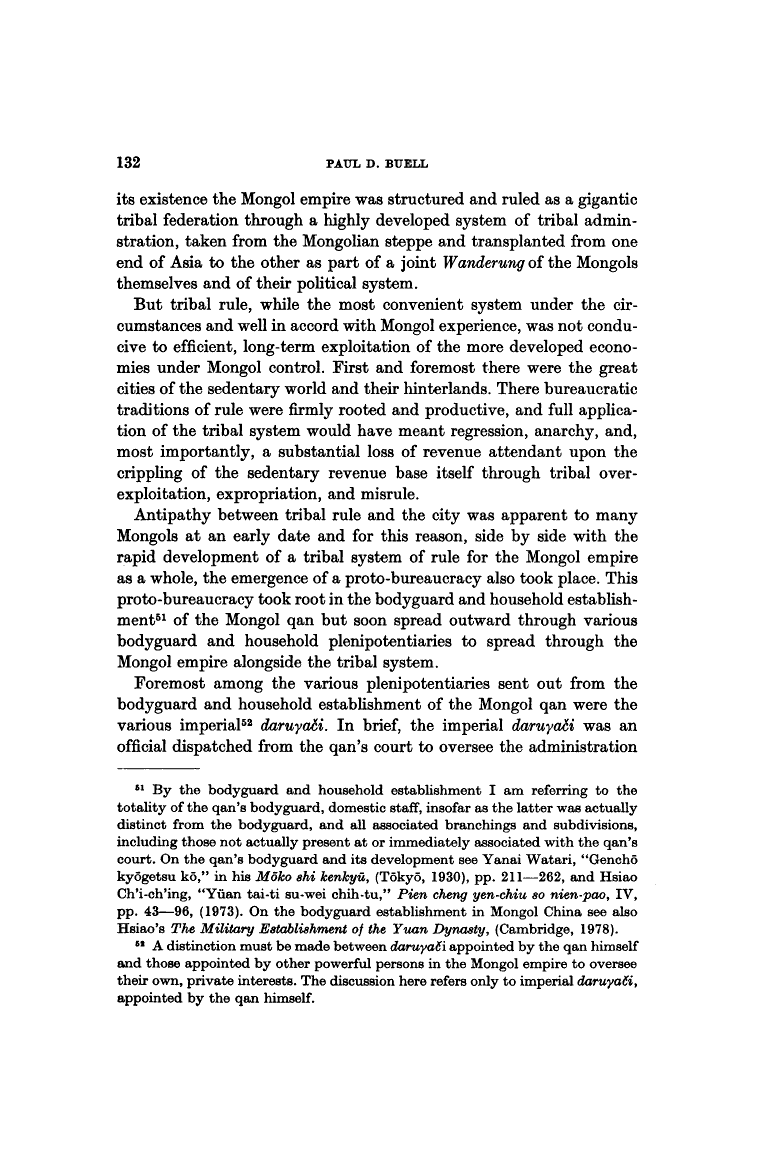
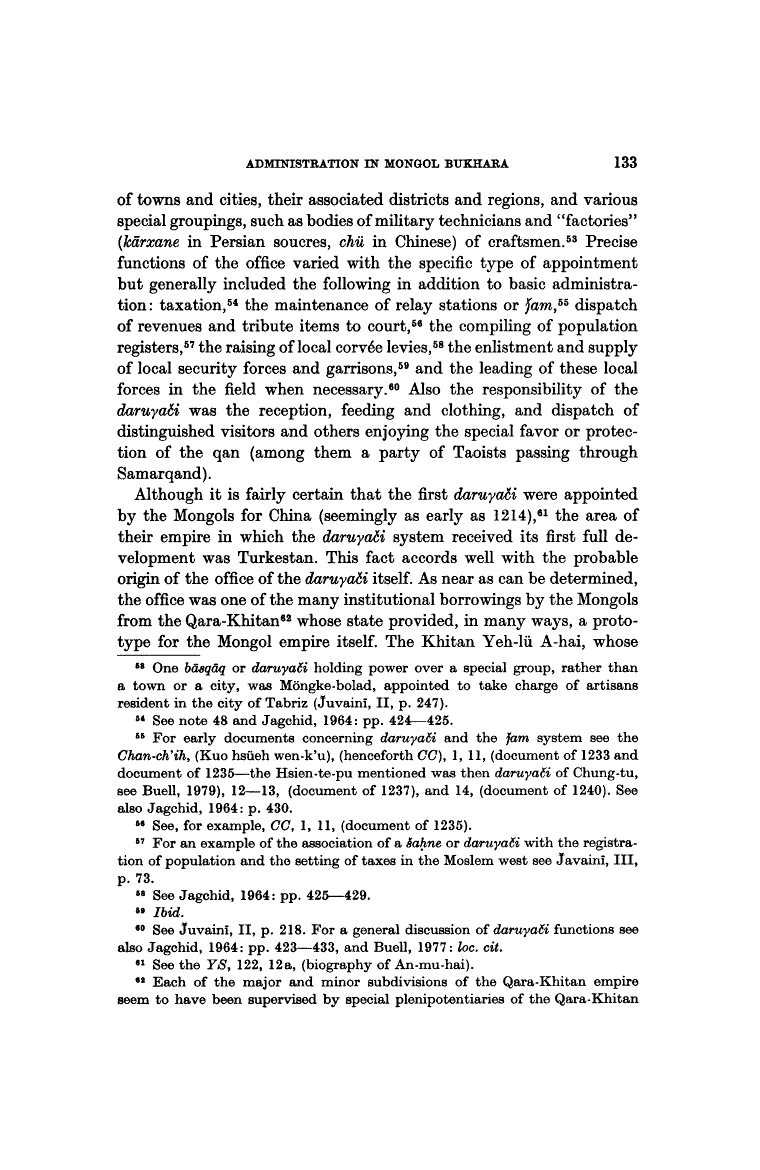
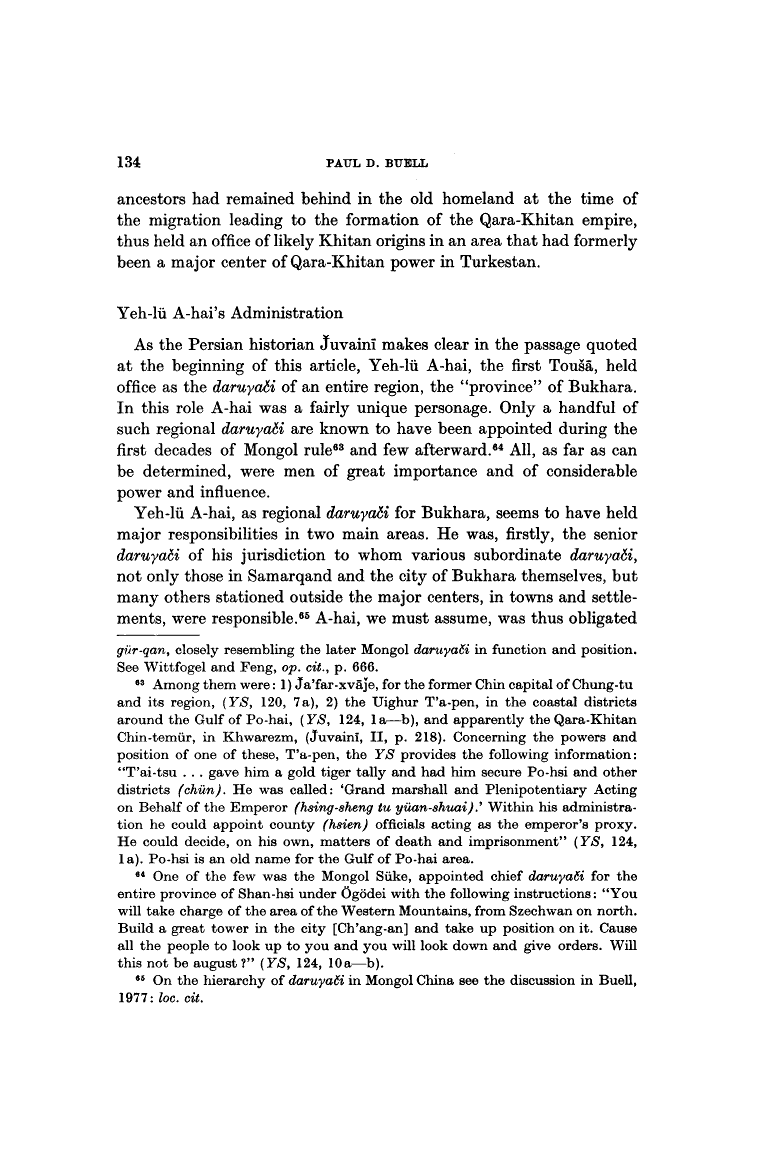
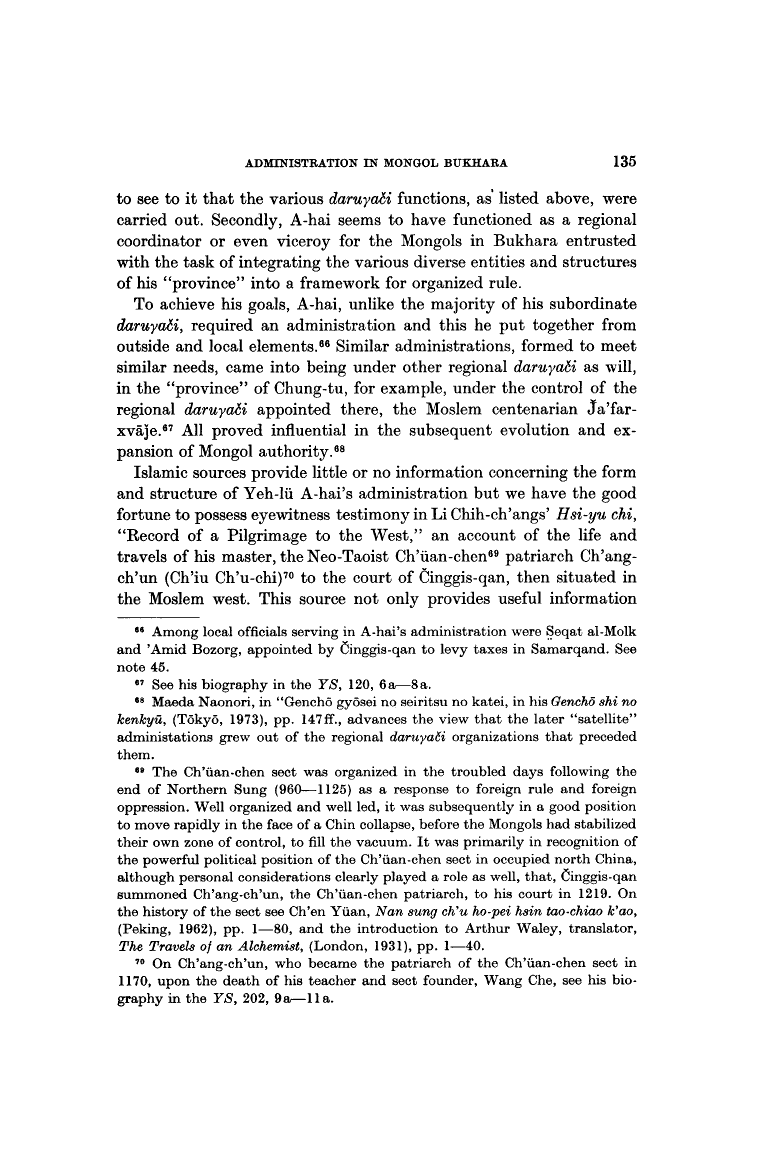
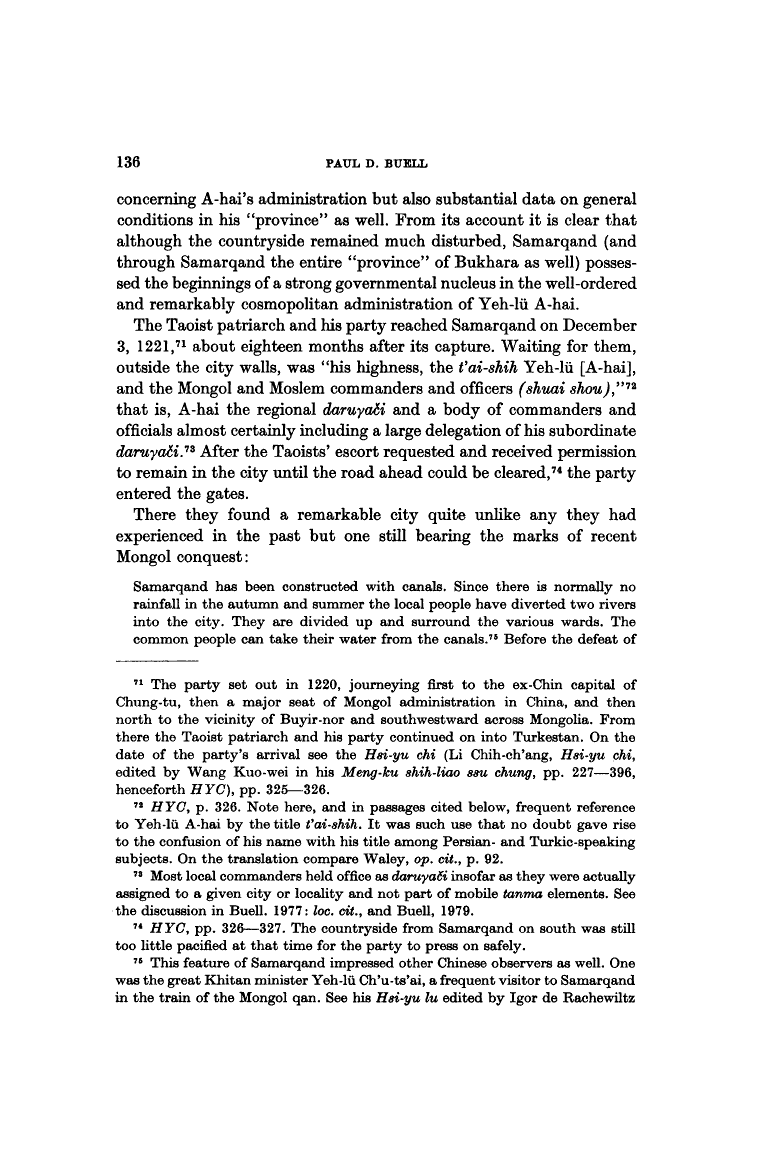 Han, Khitan and Tangut officials ruled over the natives in Bukhara under the Mongol empire.
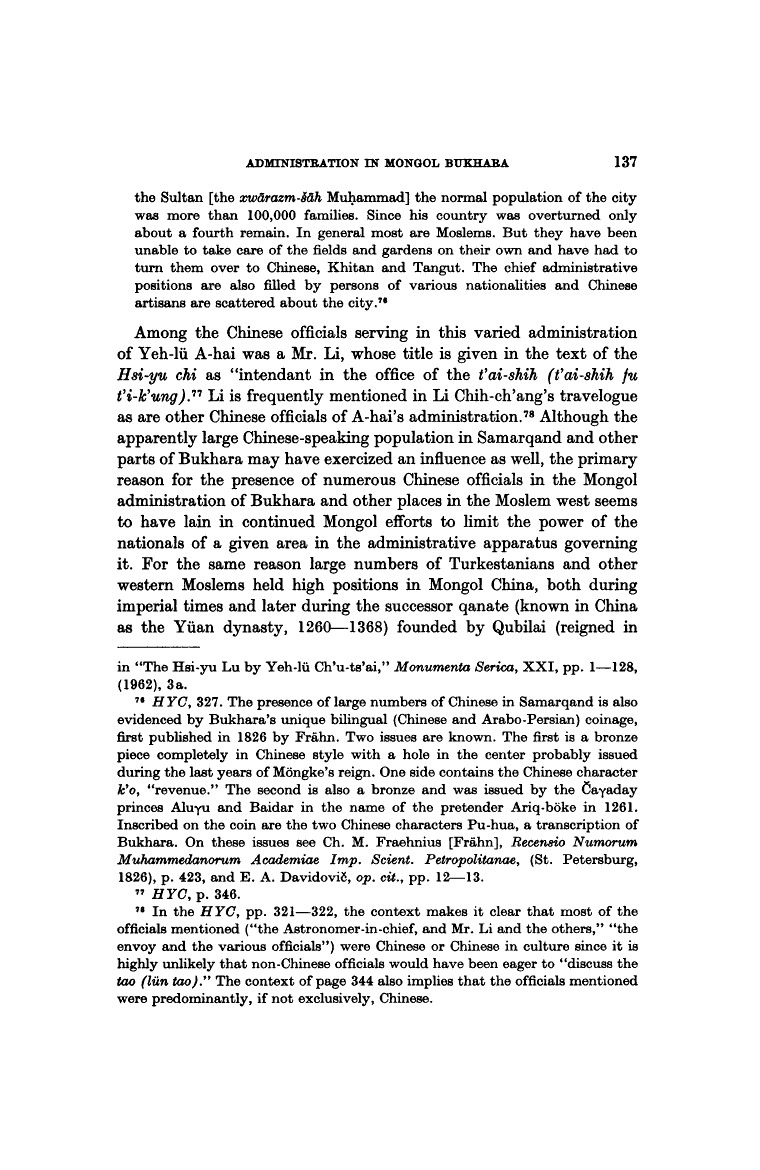
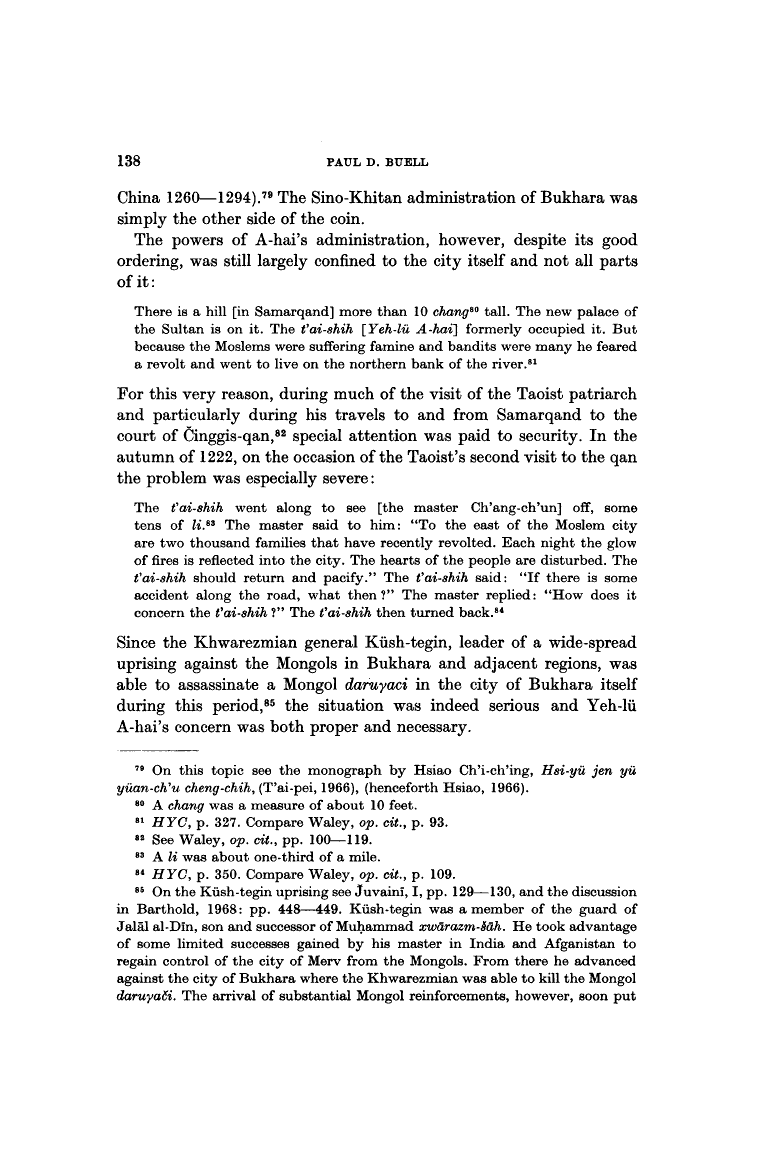
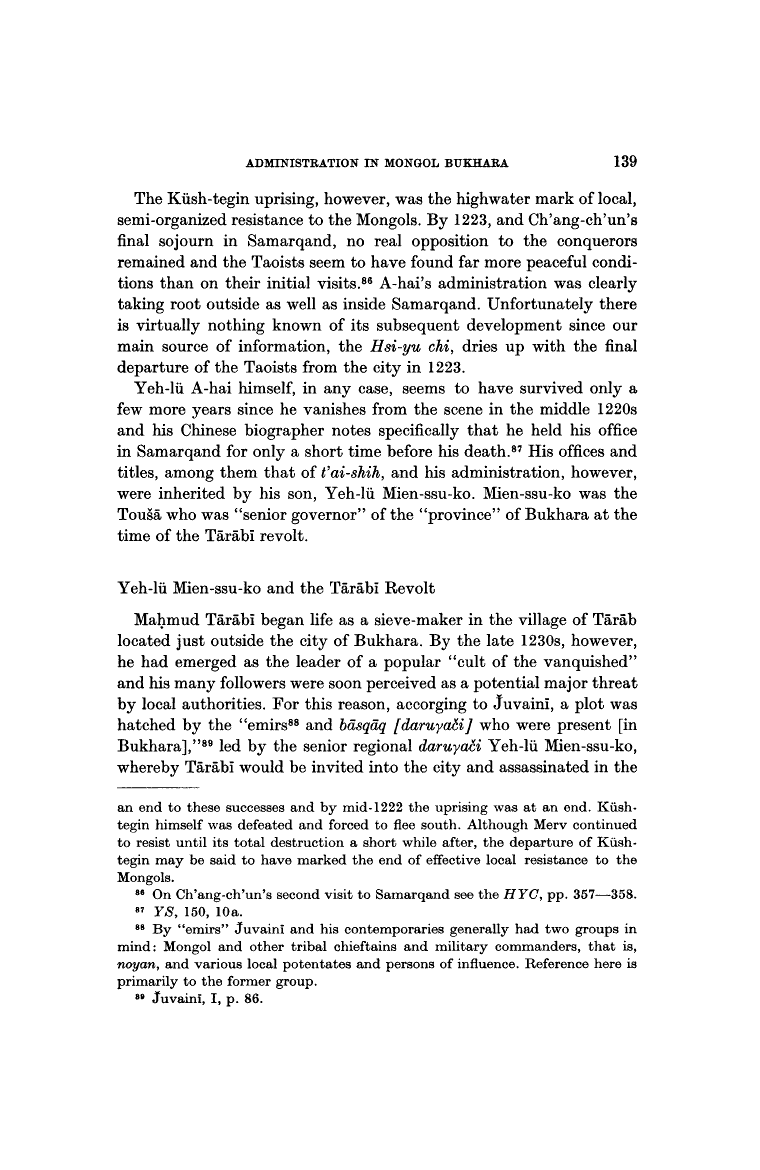
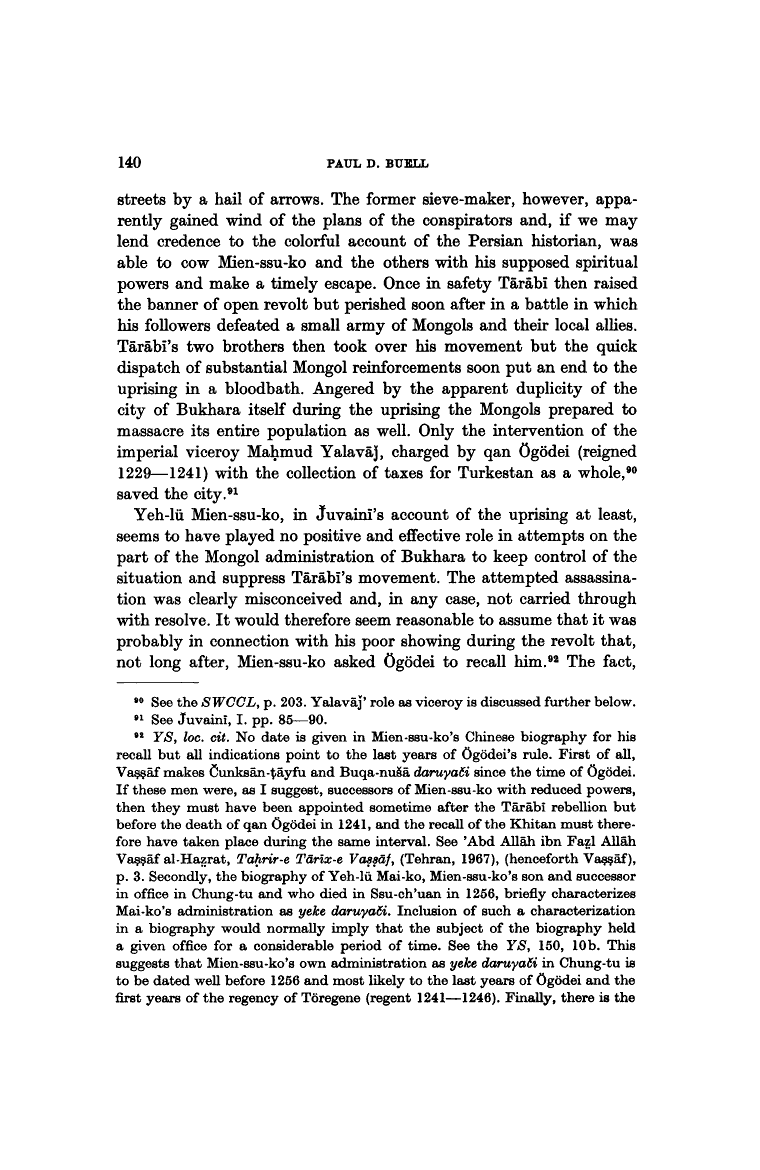
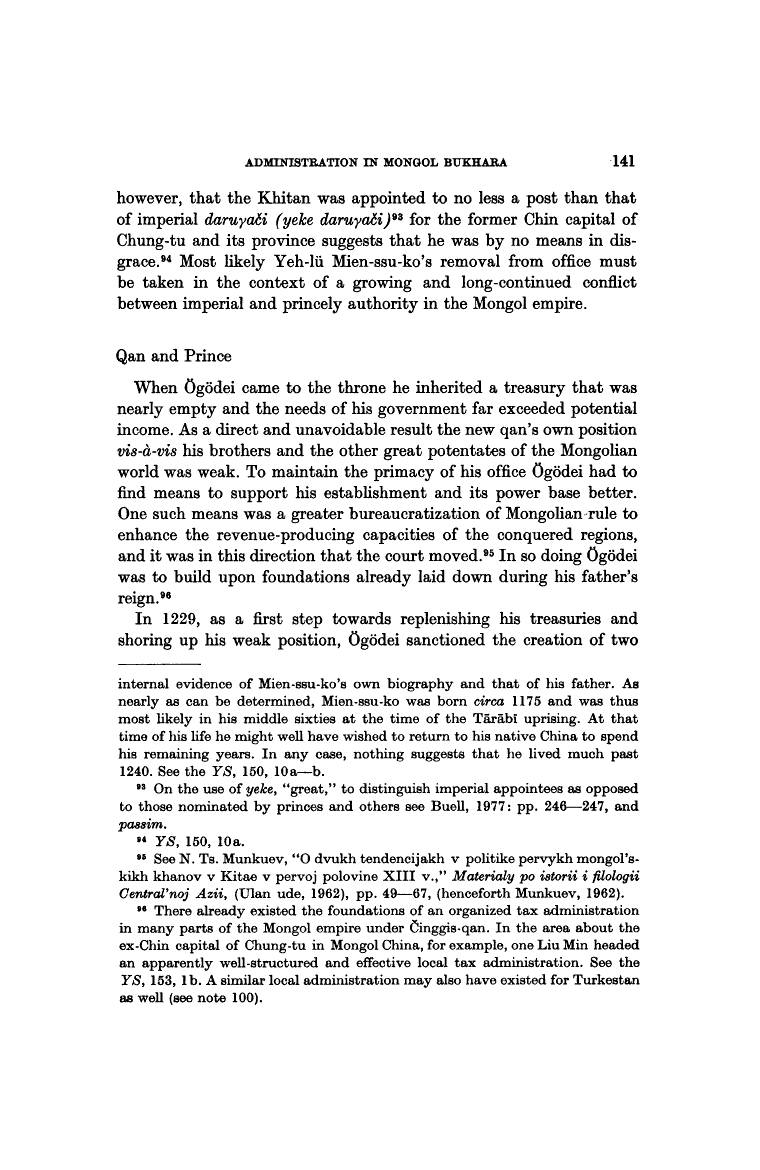
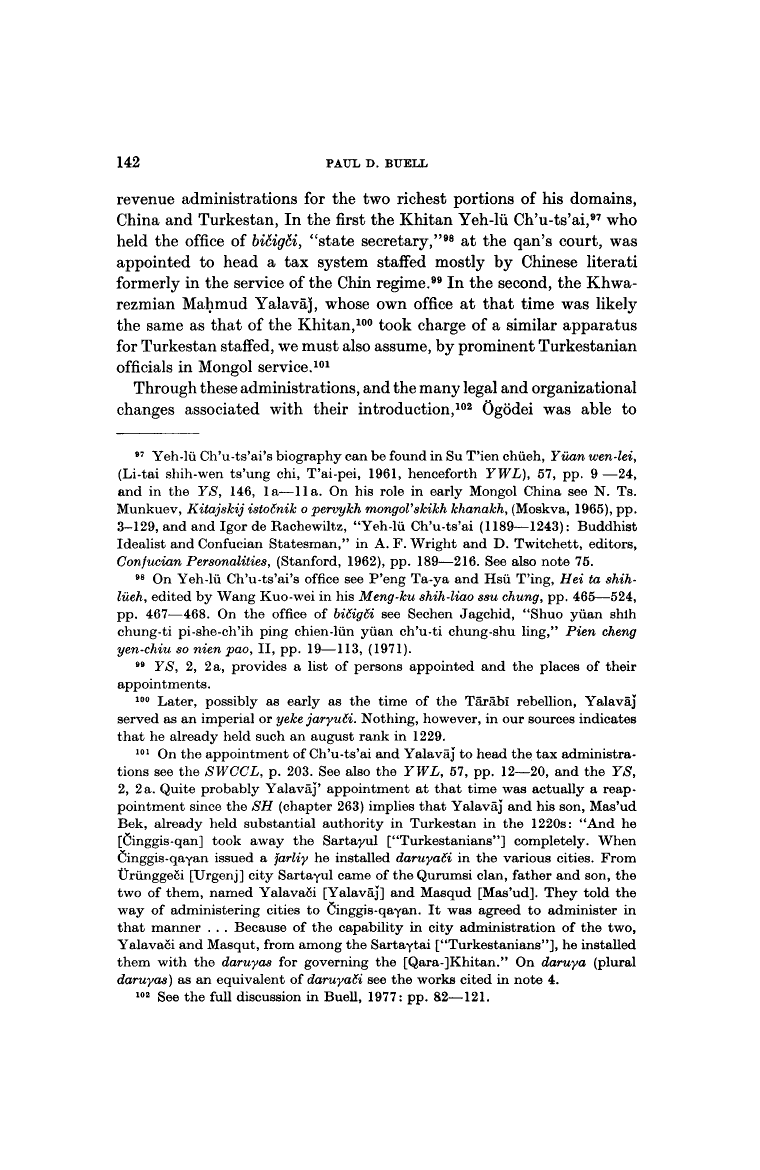
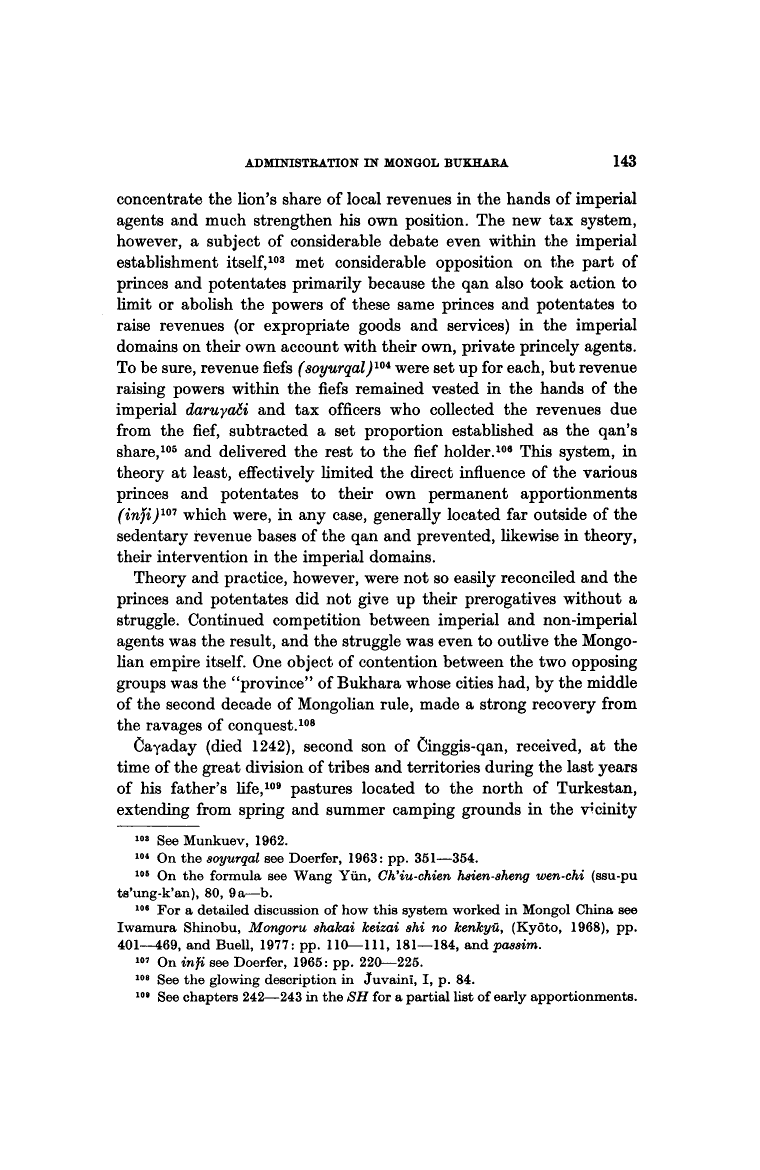
stationed in korea women invade japan mongol
The History of Korea (Vol.1&2): Complete Edition
books.google.com.ua › books
Знайдено всередині книги
When the young king arrived at Song-do has first act was to send an escort to bring his Mongol queen to him. The events ... The entire army of invasion rendezvoused on the southeastern coast of Korea, opposite the islands of Japan. It consisted of ... of Japan. Entering the harbor of Sam-nang they found a small garrison stationed there. ... A courtier named Pa-gyu observed to the king, “The male population of the country has been decimated but there are still plenty of women. For this ...
Militarized Global Apartheid
books.google.com.ua › books
Знайдено всередині книги
Japan, South Korea, Hong Kong, Taiwan, Singapore, and China all import hundreds of thousands of foreign migrant workers ... of colonial occupation by invading foreigners (Japan and the U.S., and even further back, Mongols and Manchus). ... to a South Korean parent and a parent from the U.S. or another Asian country).61 Many Filipina women work as hostesses in the clubs that service the constant force of 28,000 U.S. service members stationed in South Korea since World War II.
Guide to Korean Culture - Сторінка 24
books.google.com.ua › books
Знайдено всередині книги – Сторінка 24
During the next one hundred years , Koryo fell into decay , and her kings became pawns and puppets of the Mongol ... and customs were adapted to the Mongol tradition under the watchful eyes of the Mongol mandarins stationed in Koryo . ... During the reign of King Kongmin , Koryo was invaded by Japanese pirates on sea , and by Chinese bandits called ' the Red ... Secretly he married a beautiful female slave of Sin Don , the notorious wicked monk , while frequenting his private ...
The Koreas - Сторінка 21
books.google.com.ua › books
Знайдено всередині книги – Сторінка 21
In 1231, the Mongols with vastly superior forces invaded the peninsula, seized the capital of Kaesong, and demanded a ... the governmental structure was changed to signify subservience, and military garrisons and officials were stationed all ... of tribute obligations, and many were forced to build ships and furnish supplies for Mongolian expeditions against Japan. ... Because of the vastness of the Mongolian Empire, Korea was now more open to cultural and technological influences.
Japanese Civilization in the Modern World: Administrative ...
books.google.com.ua › books
1984 · У вигляді фрагментів
Знайдено всередині книги – Сторінка 89
Korea had ever undergone . ... year , as many as 206,800 men and women were captured by Mongol soldiers , and those who were slaughtered are unnumbered . ... The Mongol army stationed in Koryo from 1270 on virtually exhausted the resources of Koryo society . More specifically , the taxes exacted for military expenditures in support of the Mongol invasions of Japan in 1274 and 1281 consumed ... Documents and records concerning the first invasion are particularly numerous .
The Annals of King T'aejo - Сторінка 66
books.google.com.ua › books
2014
Знайдено всередині книги – Сторінка 66
One of the major battles was the invasion of the Red Turban bandits in the Sinch'uk year (1361), in which the king was forced ... Councilor Ch'oe Yŏng. When Mongolian Nahachu invaded our northeastern border, our military commanders were all ... In the Kyŏngsin year (1380), Japanese marauders landed at Chinp'o135 and rampantly burned and plundered our districts and villages, killing men and women, frequenting the borders of Yanggwang, Kyŏngsang, and Chŏlla Provinces.
The Military Establishment of the Yuan Dynasty - Сторінка 195
books.google.com.ua › books
Знайдено всередині книги – Сторінка 195
To these troops the Japanese scholar Abe Takeo has devoted an excellent article , “ Seijukuken shikyū seido ryakuko , ” in ... the sheng - ch ' uan could be exchanged for cash only in places where the soldiers were currently stationed , and the shu ... used in the first invasion of 1274 , in which about 20 , 000 Mongolian and Northern Chinese troops and 6 , 000 Korean ... sent by the Yuan government to Korea and 140 Korean women were subsequently captured ( Koryo sa , I , 424b ) .
American Prejudice - Сторінка xi
books.google.com.ua › books
Знайдено всередині книги – Сторінка xi
American and European males have fought in the South Pacific , Japan , Korea , and Vietnam , among other places . ... several children in Las Vegas schools whose mothers were Japanese and whose fathers were " blacks " who had been stationed in Japan . ... She also claimed the same for European women who were impregnated by the invading Mongol armies , which reached the gates of Paris and ...
Encyclopedia of Modern Asia - Том 5 - Сторінка 111
books.google.com.ua › books
"To the northeast, the Mongols, displeased with the quantity and quality of the Koreans' first shipment of tribute"
Commodity and Exchange in the Mongol Empire: A Cultural ...
books.google.com.ua › books
Знайдено всередині книги – Сторінка 28
To the northeast , the Mongols , displeased with the quantity and quality of the Koreans ' first shipment of tribute , dispatched envoys to their court in 1232 demanding " one million military uniforms , " " ten thousand pieces of genuine purple ...
"Mongols even demanded that young women and eunuchs work at the imperial palaces. To meet their requirements, in 1274 Koryŏ established the Kyŏrhon togam, or Directorate for Marriage, to seek out young women and, in 1275, placed a ban on marriage throughout the country. Many Koryŏ families were forced to dress young women in men's clothing to hide them. Once Mongols took Koryŏ's young women in, however, they gave them respectable positions. The Koryŏ women who went to Yuan, either willingly or unwillingly, were usually married to Mongol aristocrats, high-level officials, or rich men, even"
A History of Korea: From "Land of the Morning Calm" to ...
books.google.com.ua › books
Знайдено всередині книги – Сторінка 172
Mongols even demanded that young women and eunuchs work at the imperial palaces. To meet their requirements, in 1274 Koryŏ established the Kyŏrhon togam, or Directorate for Marriage, to seek out young women and, in 1275, placed a ...
https://books.google.com.ua/books?id=s2EVi-MpnUsC&pg=PA172&dq=%22Mongols+even+demanded+that+young+women+and+eunuchs+work+at+the+imperial+palaces.+To+meet+their+requirements,+in+1274+Kory%C5%8F+established+the+Ky%C5%8Frhon+togam,+or+Directorate+for+Marriage,+to+seek+out+young+women+and,+in+1275,+placed+a+ban+on+marriage+throughout+the+country.+Many+Kory%C5%8F+families+were+forced+to+dress+young+women+in+men%27s+clothing+to+hide+them.+Once+Mongols+took+Kory%C5%8F%27s+young+women+in,+however,+they+gave+them+respectable+positions.+The+Kory%C5%8F+women+who+went+to+Yuan,+either+willingly+or+unwillingly,+were+usually+married+to+Mongol+aristocrats,+high-level+officials,+or+rich+men,+even%22&hl=uk&sa=X&ved=2ahUKEwju55v0spztAhUF-aQKHSwmB7sQ6AEwAHoECAAQAg#v=onepage&q=%22Mongols%20even%20demanded%20that%20young%20women%20and%20eunuchs%20work%20at%20the%20imperial%20palaces.%20To%20meet%20their%20requirements%2C%20in%201274%20Kory%C5%8F%20established%20the%20Ky%C5%8Frhon%20togam%2C%20or%20Directorate%20for%20Marriage%2C%20to%20seek%20out%20young%20women%20and%2C%20in%201275%2C%20placed%20a%20ban%20on%20marriage%20throughout%20the%20country.%20Many%20Kory%C5%8F%20families%20were%20forced%20to%20dress%20young%20women%20in%20men's%20clothing%20to%20hide%20them.%20Once%20Mongols%20took%20Kory%C5%8F's%20young%20women%20in%2C%20however%2C%20they%20gave%20them%20respectable%20positions.%20The%20Kory%C5%8F%20women%20who%20went%20to%20Yuan%2C%20either%20willingly%20or%20unwillingly%2C%20were%20usually%20married%20to%20Mongol%20aristocrats%2C%20high-level%20officials%2C%20or%20rich%20men%2C%20even%22&f=false
"members of the royal family, and ended up in the higher echelon of Mongol society. The later empress Ki, for example, became consort of the Mongol emperor Shundi and bore him a son, Zhaozong, who became the next emperor of the Yuan dynasty."
A History of Korea: From "Land of the Morning Calm" to ...
books.google.com.ua › books
Знайдено всередині книги – Сторінка 173
members of the royal family, and ended up in the higher echelon of Mongol society. The later empress Ki, for example, became the consort ofthe Mongol emperor Shundi and bore him a son, Zhaozong, who became the next emperor ofthe ...
"Yüan's economic levies on Koryŏ sorely afflicted a nation laid waste by prolonged warfare. Under a variety of pretexts Yüan demanded Koryŏ gold, silver, cloth, grain, ginseng, and falcons. Worse, they even demanded young women and ...
A New History of Korea
books.google.com.ua › books
Знайдено всередині книги
Koryŏ's aristocratic ruling class, in collusion with the Mongols, schemed to drive a king from the throne. ... the second campaign against Japan, and they continued it in operation even after abandoning any thought of subjugating Japan. ... Yüan's economic levies on Koryŏ sorely afflicted a nation laid waste by prolonged warfare. Under a variety of pretexts Yüan demanded Koryŏ gold, silver, cloth, grain, ginseng, and falcons. Worse, they even demanded young women and eunuchs.
.
A New History of Korea - Сторінка 157
books.google.com.ua › books
李基白 ·
1997 ·
У вигляді фрагментів
Знайдено всередині книги – Сторінка 157
Thus while Yüan placed Korea under onerous restraint , it also worked hard to soothe Koryð feelings . ... second campaign against Japan , and they continued it in operation even after abandoning any thought of subjugating Japan . ... Yüan ' s economic levies on Koryo sorely afflicted a nation laid waste by prolonged warfare . Under a variety of pretexts Yüan demanded Koryo gold , silver , cloth , grain , ginseng , and falcons . Worse , they even demanded young women and eunuchs .
https://books.google.com.ua/books?id=xB8RAQAAMAAJ&q=%22Y%C3%BCan%27s+economic+levies+on+Kory%C5%8F+sorely+afflicted+a+nation+laid+waste+by+prolonged+warfare.+Under+a+variety+of+pretexts+Y%C3%BCan+demanded+Kory%C5%8F+gold,+silver,+cloth,+grain,+ginseng,+and+falcons.+Worse,+they+even+demanded+young+women+and+...&dq=%22Y%C3%BCan%27s+economic+levies+on+Kory%C5%8F+sorely+afflicted+a+nation+laid+waste+by+prolonged+warfare.+Under+a+variety+of+pretexts+Y%C3%BCan+demanded+Kory%C5%8F+gold,+silver,+cloth,+grain,+ginseng,+and+falcons.+Worse,+they+even+demanded+young+women+and+...&hl=uk&sa=X&ved=2ahUKEwj99Iums5ztAhWS3KQKHTL5AAQQ6AEwAXoECAAQAg
"missions to the Mongols increased nearly eightfold over those to the Liao and Jin.153"
Empire's Twilight: Northeast Asia under the Mongols - Сторінка 49
books.google.com.ua › books
Знайдено всередині книги – Сторінка 49
ute missions to the Mongols increased nearly eightfold over those to the Liao and Jin.153 The Mongols imposed heavy burdens on subjugated polities, but part of this steep increase arose out of an extensive “giftexchange” with the imperial ...
"the Khan's procurement of Korean concubines, and Korea's recruitment of talented men for its bureaucracy, its primary sources and its later historians were not as critical of Mongol rule.4"
Eurasian Influences on Yuan China - Сторінка 200
books.google.com.ua › books
Morris Rossabi · 2013
Знайдено всередині книги – Сторінка 200
... to royal intermarriages, the Khan's procurement of Korean concubines, and Korea's recruitment of talented men for its bureaucracy, its primary sources and its later historians were not as critical of Mongol rule.4 Japanese historians depicted ...
"Despite this inglorious end, Empress Gi's life and times present an intriguing picture of Goryeo's adaptation to the Mongol overlord period. She was likely most responsible, for example, for spreading Korean influence in China—through her political command, to be sure, but also through her incorporation of Korean females and eunuchs in the Yuan court. They in turn contributed to the flowering of a "Korean style" in the Chinese capital, from clothing and food to lifestyle. As a Korean observer at the time noted, it became fashionable for elite males in China to take Korean concubines, who exuded an aura of beuty and sophistication. Chinese sources, too—and often not in a flattering way—noted that Korean women, in particular, wielded strong influence over popular taste in China. Such a phenomenon may have represented a peak in the export of Korean culture in premodern times, and not until the early twenty-first century would Korean culture, popular or high, enjoy such widespread emulation and appeal outside the peninsula. This presents, then, another reminder that the Mongol period, while certainly a time of humiliating subjugation to a foreign power, also left a more faborable imprint. We certainly cannot discount the horrific circumstances of the long Mongol siege of the mid-thirteenth entury, or of the way Lady Gi and countless other captives wound up in China in the first place."
A History of Korea - Сторінка 49
books.google.com.ua › books
Знайдено всередині книги – Сторінка 49
Despite this inglorious end, Empress Gi's life and times present an intriguing picture of Goryeo's adaptation to the Mongol overlord period. She was likely most responsible, for example, for spreading Korean influence in China—through her ...
https://books.google.com.ua/books?id=Rjy7DQAAQBAJ&pg=PA49&dq=%22Despite+this+inglorious+end,+Empress+Gi%27s+life+and+times+present+an+intriguing+picture+of+Goryeo%27s+adaptation+to+the+Mongol+overlord+period.+She+was+likely+most+responsible,+for+example,+for+spreading+Korean+influence+in+China%E2%80%94through+her+political+command,+to+be+sure,+but+also+through+her+incorporation+of+Korean+females+and+eunuchs+in+the+Yuan+court.+They+in+turn+contributed+to+the+flowering+of+a+%22Korean+style%22+in+the+Chinese+capital,+from+clothing+and+food+to+lifestyle.+As+a+Korean+observer+at+the+time+noted,+it+became+fashionable+for+elite+males+in+China+to+take+Korean+concubines,+who+exuded+an+aura+of+beuty+and+sophistication.+Chinese+sources,+too%E2%80%94and+often+not+in+a+flattering+way%E2%80%94noted+that+Korean+women,+in+particular,+wielded+strong+influence+over+popular+taste+in+China.+Such+a+phenomenon+may+have+represented+a+peak+in+the+export+of+Korean+culture+in+premodern+times,+and+not+until+the+early+twenty-first+century+would+Korean+culture,+popular+or+high,+enjoy+such+widespread+emulation+and+appeal+outside+the+peninsula.+This+presents,+then,+another+reminder+that+the+Mongol+period,+while+certainly+a+time+of+humiliating+subjugation+to+a+foreign+power,+also+left+a+more+faborable+imprint.+We+certainly+cannot+discount+the+horrific+circumstances+of+the+long+Mongol+siege+of+the+mid-thirteenth+entury,+or+of+the+way+Lady+Gi+and+countless+other+captives+wound+up+in+China+in+the+first+place.%22&hl=uk&sa=X&ved=2ahUKEwj_usKNt5ztAhVDLewKHfasAD8Q6AEwAHoECAAQAg#v=onepage&q=%22Despite%20this%20inglorious%20end%2C%20Empress%20Gi's%20life%20and%20times%20present%20an%20intriguing%20picture%20of%20Goryeo's%20adaptation%20to%20the%20Mongol%20overlord%20period.%20She%20was%20likely%20most%20responsible%2C%20for%20example%2C%20for%20spreading%20Korean%20influence%20in%20China%E2%80%94through%20her%20political%20command%2C%20to%20be%20sure%2C%20but%20also%20through%20her%20incorporation%20of%20Korean%20females%20and%20eunuchs%20in%20the%20Yuan%20court.%20They%20in%20turn%20contributed%20to%20the%20flowering%20of%20a%20%22Korean%20style%22%20in%20the%20Chinese%20capital%2C%20from%20clothing%20and%20food%20to%20lifestyle.%20As%20a%20Korean%20observer%20at%20the%20time%20noted%2C%20it%20became%20fashionable%20for%20elite%20males%20in%20China%20to%20take%20Korean%20concubines%2C%20who%20exuded%20an%20aura%20of%20beuty%20and%20sophistication.%20Chinese%20sources%2C%20too%E2%80%94and%20often%20not%20in%20a%20flattering%20way%E2%80%94noted%20that%20Korean%20women%2C%20in%20particular%2C%20wielded%20strong%20influence%20over%20popular%20taste%20in%20China.%20Such%20a%20phenomenon%20may%20have%20represented%20a%20peak%20in%20the%20export%20of%20Korean%20culture%20in%20premodern%20times%2C%20and%20not%20until%20the%20early%20twenty-first%20century%20would%20Korean%20culture%2C%20popular%20or%20high%2C%20enjoy%20such%20widespread%20emulation%20and%20appeal%20outside%20the%20peninsula.%20This%20presents%2C%20then%2C%20another%20reminder%20that%20the%20Mongol%20period%2C%20while%20certainly%20a%20time%20of%20humiliating%20subjugation%20to%20a%20foreign%20power%2C%20also%20left%20a%20more%20faborable%20imprint.%20We%20certainly%20cannot%20discount%20the%20horrific%20circumstances%20of%20the%20long%20Mongol%20siege%20of%20the%20mid-thirteenth%20entury%2C%20or%20of%20the%20way%20Lady%20Gi%20and%20countless%20other%20captives%20wound%20up%20in%20China%20in%20the%20first%20place.%22&f=false
Lorge, Peter. China Review International, vol. 17, no. 3, 2010, pp. 377–379. JSTOR, www.jstor.org/stable/23733178. Accessed 25 Nov. 2020.
"The envoys from the Yuan court and officials dispatched by the various imperial offices , such as the administrations , courts , and bureaus ( ju , ssu , yuan ) as well as the directorates and offices ( chien , ssu ) , are mostly people of my country . They do not endeavor to spread Your Majesty's virtuous ideas but seek rather to boast of themselves in their localities . Their own power becomes their passion as they seek always to repay obligations or take revenge, thereby insulting the state councillors and humiliating the country's ruler. They remain for years without returning to Yuan, taking more wives and concubines and committing every evil possible. Twice a year they offer speical incense at various temples on Mount Kumgang, creating additional burdens for the people. By creating work, they go against Your Majesty's will to seek blessings for the people."
Sourcebook of Korean Civilization: Volume One: From Early ...
books.google.com.ua › books
Peter H. Lee · 2010
Знайдено всередині книги – Сторінка 361
The envoys from the Yuan court and officials dispatched by the various imperial offices , such as the administrations , courts , and bureaus ( ju , ssu , yuan ) as well as the directorates and offices ( chien , ssu ) , are mostly people of my country .
https://books.google.com.ua/books?id=ZU1uLvWyRJYC&pg=PA361&dq=%22The+envoys+from+the+Yuan+court+and+officials+dispatched+by+the+various+imperial+offices+,+such+as+the+administrations+,+courts+,+and+bureaus+(+ju+,+ssu+,+yuan+)+as+well+as+the+directorates+and+offices+(+chien+,+ssu+)+,+are+mostly+people+of+my+country+.+They+do+not+endeavor+to+spread+Your+Majesty%27s+virtuous+ideas+but+seek+rather+to+boast+of+themselves+in+their+localities+.+Their+own+power+becomes+their+passion+as+they+seek+always+to+repay+obligations+or+take+revenge,+thereby+insulting+the+state+councillors+and+humiliating+the+country%27s+ruler.+They+remain+for+years+without+returning+to+Yuan,+taking+more+wives+and+concubines+and+committing+every+evil+possible.+Twice+a+year+they+offer+speical+incense+at+various+temples+on+Mount+Kumgang,+creating+additional+burdens+for+the+people.+By+creating+work,+they+go+against+Your+Majesty%27s+will+to+seek+blessings+for+the+people.%22&hl=uk&sa=X&ved=2ahUKEwj2r6fBuZztAhUQGewKHRqlBa0Q6AEwAHoECAAQAg#v=onepage&q=%22The%20envoys%20from%20the%20Yuan%20court%20and%20officials%20dispatched%20by%20the%20various%20imperial%20offices%20%2C%20such%20as%20the%20administrations%20%2C%20courts%20%2C%20and%20bureaus%20(%20ju%20%2C%20ssu%20%2C%20yuan%20)%20as%20well%20as%20the%20directorates%20and%20offices%20(%20chien%20%2C%20ssu%20)%20%2C%20are%20mostly%20people%20of%20my%20country%20.%20They%20do%20not%20endeavor%20to%20spread%20Your%20Majesty's%20virtuous%20ideas%20but%20seek%20rather%20to%20boast%20of%20themselves%20in%20their%20localities%20.%20Their%20own%20power%20becomes%20their%20passion%20as%20they%20seek%20always%20to%20repay%20obligations%20or%20take%20revenge%2C%20thereby%20insulting%20the%20state%20councillors%20and%20humiliating%20the%20country's%20ruler.%20They%20remain%20for%20years%20without%20returning%20to%20Yuan%2C%20taking%20more%20wives%20and%20concubines%20and%20committing%20every%20evil%20possible.%20Twice%20a%20year%20they%20offer%20speical%20incense%20at%20various%20temples%20on%20Mount%20Kumgang%2C%20creating%20additional%20burdens%20for%20the%20people.%20By%20creating%20work%2C%20they%20go%20against%20Your%20Majesty's%20will%20to%20seek%20blessings%20for%20the%20people.%22&f=false
"The envoys from the Yüan court and officials dispatched by the various imperial offices, such as the administrations, courts and bureaus (fu, ssu, yüan) as well as the directorates and offices (chien, ssu), are mostly people of my country. They do not endeavor to spread Your Majesty's virtuous ideas but seek rather to boast of themselves in their localities. Their own power becomes their passion as they seek always to repay obligations to take revenge, thereby insulting the state councillors and humiliating the country's ruler. They remain for years without returning to Yüan, taking more wives and concubines and committing every evil possible. Twice a year they offer special incense at various temples on Mount Kŭmgang, creating additional burdens for the people. By creating work, they go against Your Majesty's will to seek blessings for the people."
"An amusing incident is reported as having occured about this time. A courtier named Pa-gyu observed to the king, "The male population of the country has been decimated but there are still plenty of women. For this reason it is that the Mongols take so many of them. There is danger that the pure Koryu stock will become vitiated by the intermixture of wild blood. The king should let each man take several wives and should remove the restrictions under which sons of concubines labor." When the news of
The History of Korea (Vol.1&2): Complete Edition
books.google.com.ua › books
Знайдено всередині книги
An amusing incident is reported as having occurred about this time. A courtier named Pa-gyu observed to the king, “The male population of the country has been decimated but there are still plenty of women. For this reason it is that the ...
Korea Review - Том 2 - Сторінка 45
books.google.com.ua › books
1902 · У вигляді фрагментів
Знайдено всередині книги – Сторінка 45
An amusing incident is reported as having occurred about this time . A courtier named Pa - gyu observed to the king , “ The male population of the country has been decimated but there are still plenty of women . For this reason it is . that the ...
The Korea Review - Том 2 - Сторінка 45
books.google.com.ua › books
1902 · У вигляді фрагментів
Знайдено всередині книги – Сторінка 45
An amusing incident is reported as having occurred about this time . A courtier named Pa - gyu observed to the king , “ The male population of the country has been decimated but there are still plenty of women . For this reason it is that the ...
The bulk of Central Asian Muslim immigration to China was during the Yuan and early Ming dynasty. Major amounts of foreign Central Asian Muslims, Naiman Christians, Jews, and Buddhists like the Buddhist Uighurs of Qocho and Tibetans were moved into China. They were classified as Semu by the Mongols.
The Mongols and the Semu foreigners viewed Korean women as the most beautiful. The Mongol Yuan demanded the Korean Kingdom of Goryeo send a massive tribute of thousands of Korean virgin girls to become concubines and castrated Korean boys to become eunuchs for the Mongols. The Mongols and Semu Central Asian Muslims, Indian Muslims, Uighur Buddhists, Tibetan Buddhists and others took Korean girls as wives. Koreans were classified as "Han ren" along with northern Chinese, Jurchen and Khitan.
Even today there are Korean TV dramas like Empress Ki which talk about the tribute of Korean girls and Korean boy eunuchs as gifts to the Mongols. Empress Ki was one of the Korean tribute girls. The numerous Korean concubines and wives of the Mongols came to wield power in the Yuan court. Empress Ki and her eunuch Bak Bulhwa were both Korean.
A Hui from Ningxia called Ma Juan 马娟 wrote a journal article about the marriages between Semu Central Asian foreign Muslim men and Korean women called "元代色目高丽通婚举例". He drew from Yuan era records of marriages between Korean women and foreign Muslim men in China. There was major intermarriage between Korean women and the foreign Semu in China. It wasn't some minor affair.
The Korean history record Goryeosa 高麗史 describes the marriage of a Korean woman, the daughter of Chae Ingyu 채송년 蔡仁揆. She was first married to a Tibetan named Sangha 桑哥 who worked for the Mongols. An Arab Muslim named Abu Ali fled from Ma'bar in south India to China and entered the service of the Mongols. He was then given Sangha's former Korean wife as his own wife after Sangha was executed.
These Korean women who were married to Mongol men and Semu Central Asian Muslim, Indian Muslim, and Buddhist Uighur men were used by the Korean Goryeo government to expand ties and linkages to their husband's homelands and cultures like Muslim Sultanates in India and the Buddhist Uighur Qocho Kingdom.
Yuan dynasty and Ming dynasty history record mention that it was popular for aristocratic high ranking Northerners in Yuan dynasty China to have Korean girls as slaves-《續資治通鑒·順帝紀》中稱,“京師達官貴人,必得高麗女,然后為名家” 《草木子·雜制篇》中稱:“北人女使,必得高麗女孩童﹔家僮,必得黑?。不如此,謂之不成仕宦。” Korean women were described as more beautiful than Chinese since they had "jade" like skin. “肌膚玉雪發雲霧”
In the Ming dynasty, the early Ming Emperors imitated the Mongol tribute demands on Korea and made Korea send Korean virgin girls and eunuchs to the Ming. Modern South Koreans are still so angry over this concubine and eunuch tribute they made a fantasy movie where a fictional Korean takes revenge by killing fictional Ming soldiers.
The Ming Zhengde Emperor surrounded himself with Central Asian Muslim advisors and Muslim eunuchs. One of his Muslim advisors praised Korean women's beauty and recommended them to Zhengde. mentioned in Chapter 8 of "The Ming Court and the Legacy of the Yuan Mongols". This was over a century after the fall of the Yuan and showed that Korean women were regarded as more beautiful than Chinese women by Central Asians Muslims. The Zhengde Emperor himself had several Central Asian Muslim Semu girls as concubines.
That is the explanation for Hui Muslims in eastern Chinese cities like Beijing, Tianjin etc. A lot of them are the result of Muslim male foreigners marrying Korean women. Koreans were classified as "Han" by the Mongols and eventually the descendants of these unions assimilated to Chinese Confucian culture and adopted Mandarin as their language.
Johan Elverskog Buddhism And Islam On The Silk Road
emperor stressed zhongguo huizi kangxi
China Marches West: The Qing Conquest of Central Eurasia
books.google.com.ua › books
Знайдено всередині книги – Сторінка 191
The editors of the military chronicle Record of the Emperor's Personal Expeditions to Pacify the Northern Frontiers ... He stressed that Galdan had violated the ways of the Dalai Lama by invading the Qing frontiers and had claimed support from the princes of Kokonor, the Russians, and “China's Muslims” (Zhongguo Huizi) in order to plot to conquer China and set up a Muslim as its ruler.72 Kangxi once .
Islam and Tibet: Interactions Along the Musk Routes - Сторінка 291
books.google.com.ua › books
Anna Akasoy, Charles S. F. Burnett, Ronit Yoeli-Tlalim · 2011
Знайдено всередині книги – Сторінка 291
Surprisingly , the Chinese Emperor Kangxi suspected him of looking for allies among the Muslims of the area and sending some of them into China as spies . Furthermore , to quote Peter Perdue , the emperor stressed that Ghaldan ' had claimed support from the princes of Kokonor , the Russians and “ China's Muslims " ( Zhongguo Huiziļ7 ) in order to launch an attack on China and to set up a Muslim as its ruler ' . ... Here Huizi does not distinguish Turkic and Chinese Muslims .
the respondent was a Korean woman of an older-age group, who had married an Uzbek man
Insights and Commentaries: South and Central Asia: South and ...
books.google.com.ua › books
... Koreans was 0.2 per cent, or 1 person out of 500 respondents (This respondent was a Korean woman of an olderage group, who had married an Uzbek man).
Ms Anita Sengupta, Mr Mirzokhid Rakhimov · 2015
The Mongols also deported many Han civilians to Mongolia itself during the Mongol empire and Yuan dynasty
entire cities across China were emptied of artisans and craftsmen and they were transferred to Mongolia and settled in cities there, even farmers were sent to Mongolia to grow food
Before them, the Khitan also deported many Han north towards Mongolia and settled them in cities called Hancheng (Han cities) in Mongolia to work as craftsmen and grow food. That is where they moved the Han population to Central Asia when they founded Kara-Khitai.
Xiongnu and Mongols both deported Han populations to the Yenisei river region of Siberia. They appointed Han officials, soldiers and craftsmen to those regions as well as Central Asai

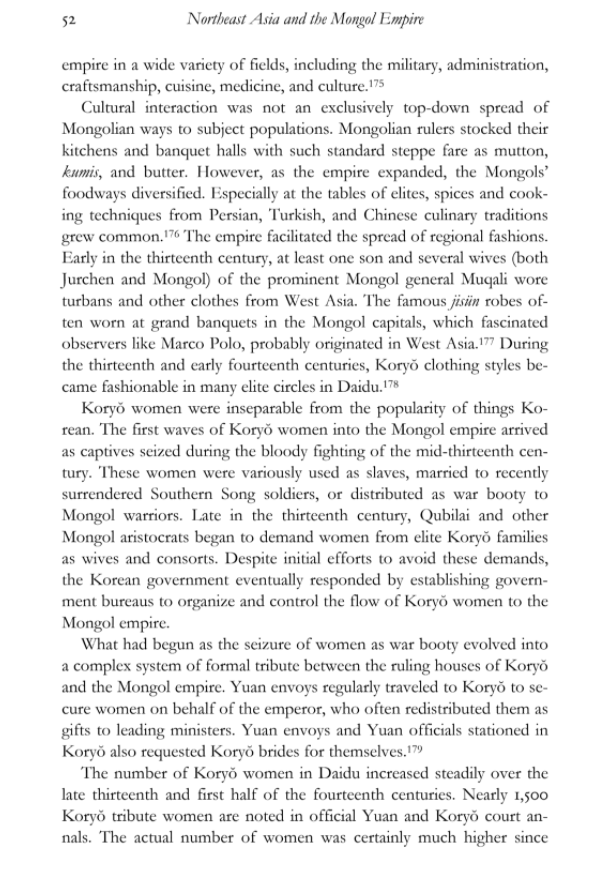
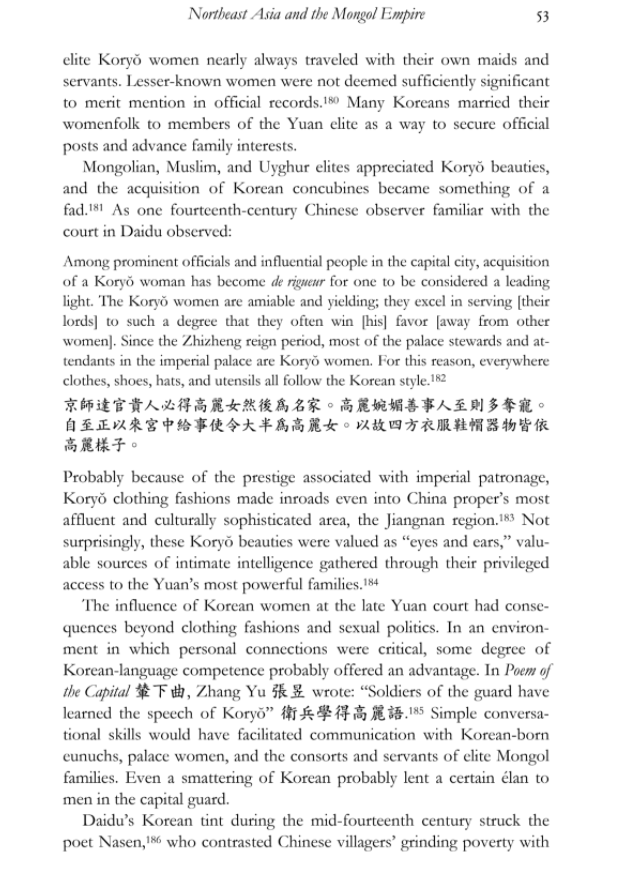
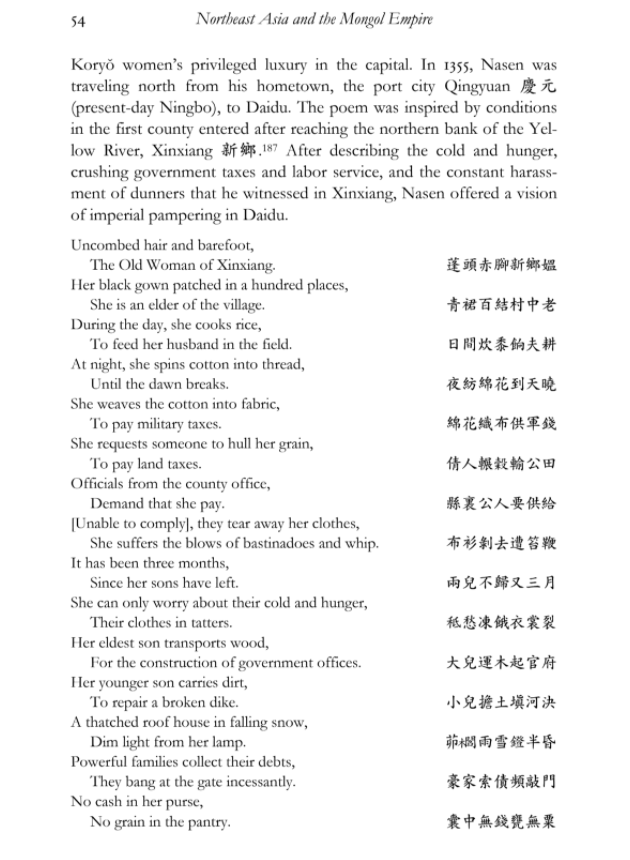
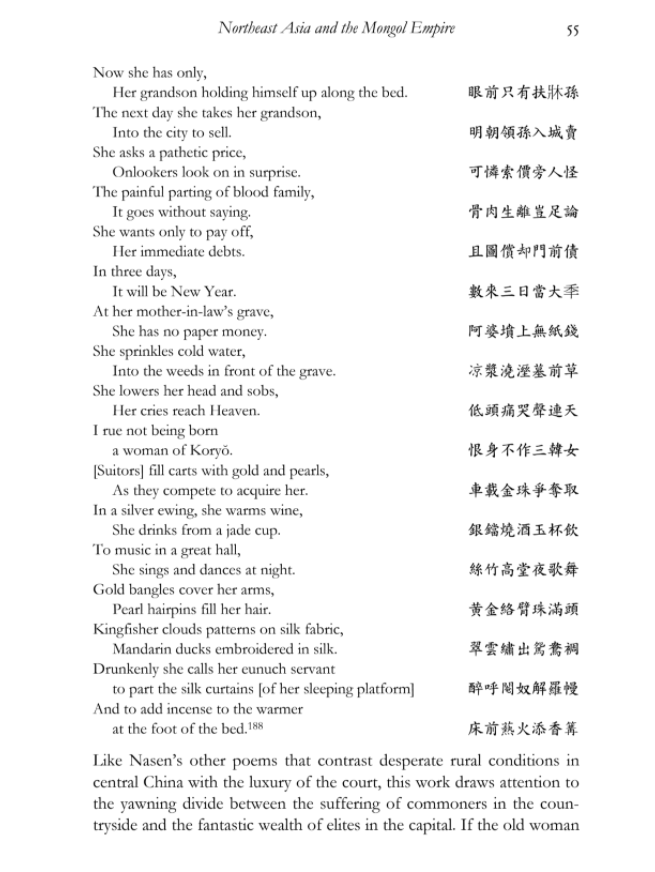
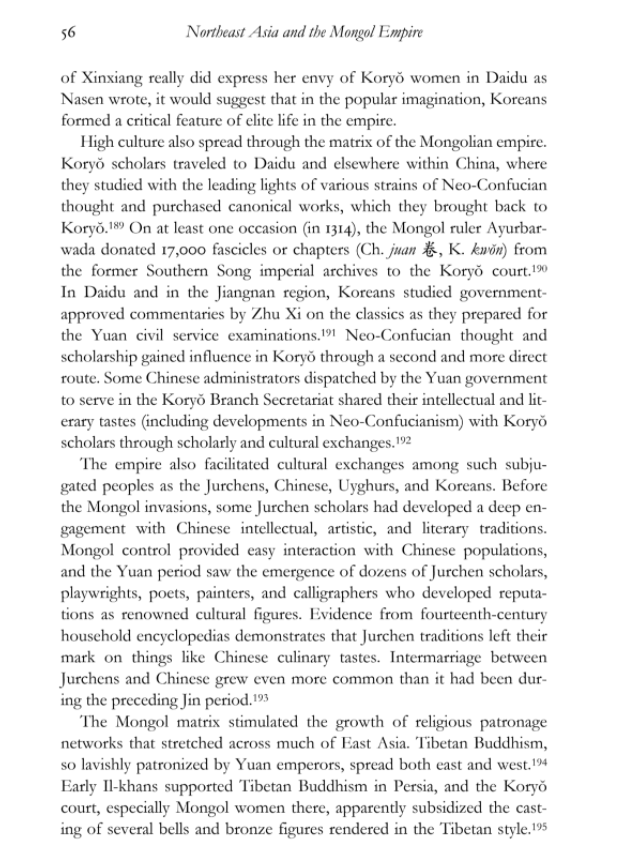 Many high ranking Mongols and Turkic, Central Asian, Uyghur officials of the Mongol empire and Yuan took Korean wives at that time.
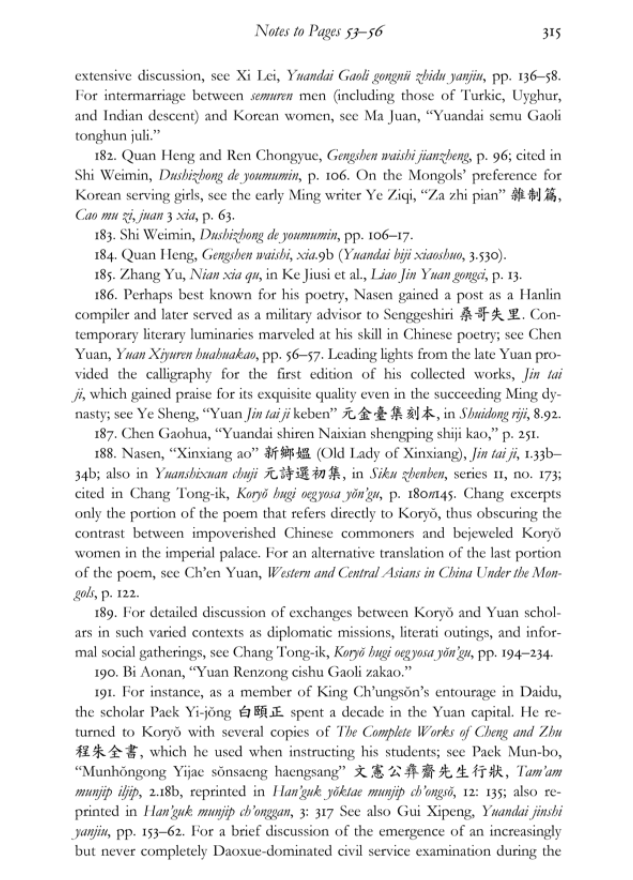 An Omani Arab Muslim man living in south India also moved to the Yuan dynasty and married a Korean woman
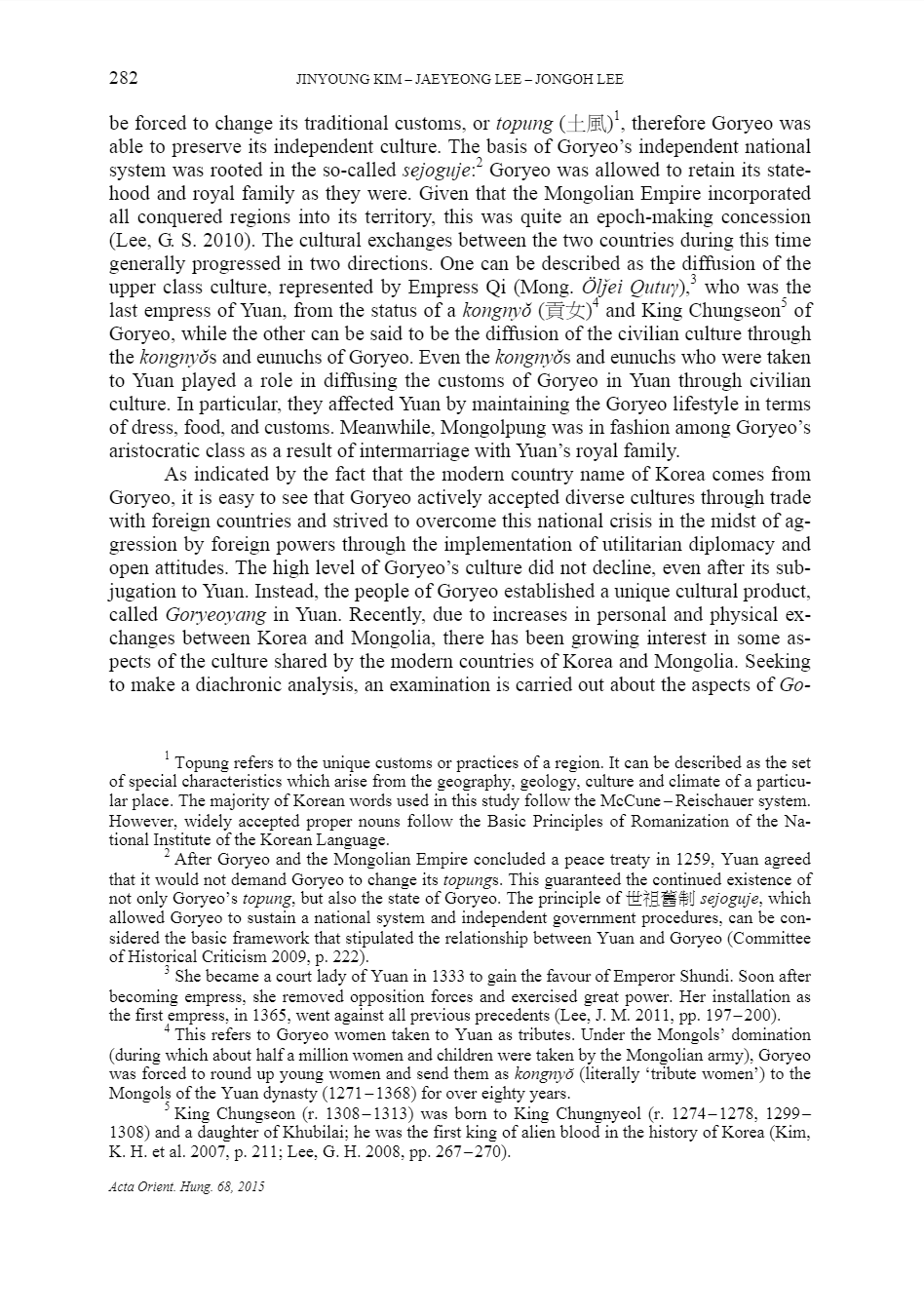 the tribute of Korean women to Mongols in the Yuan
 this is how Korean female fashions spread in Beijing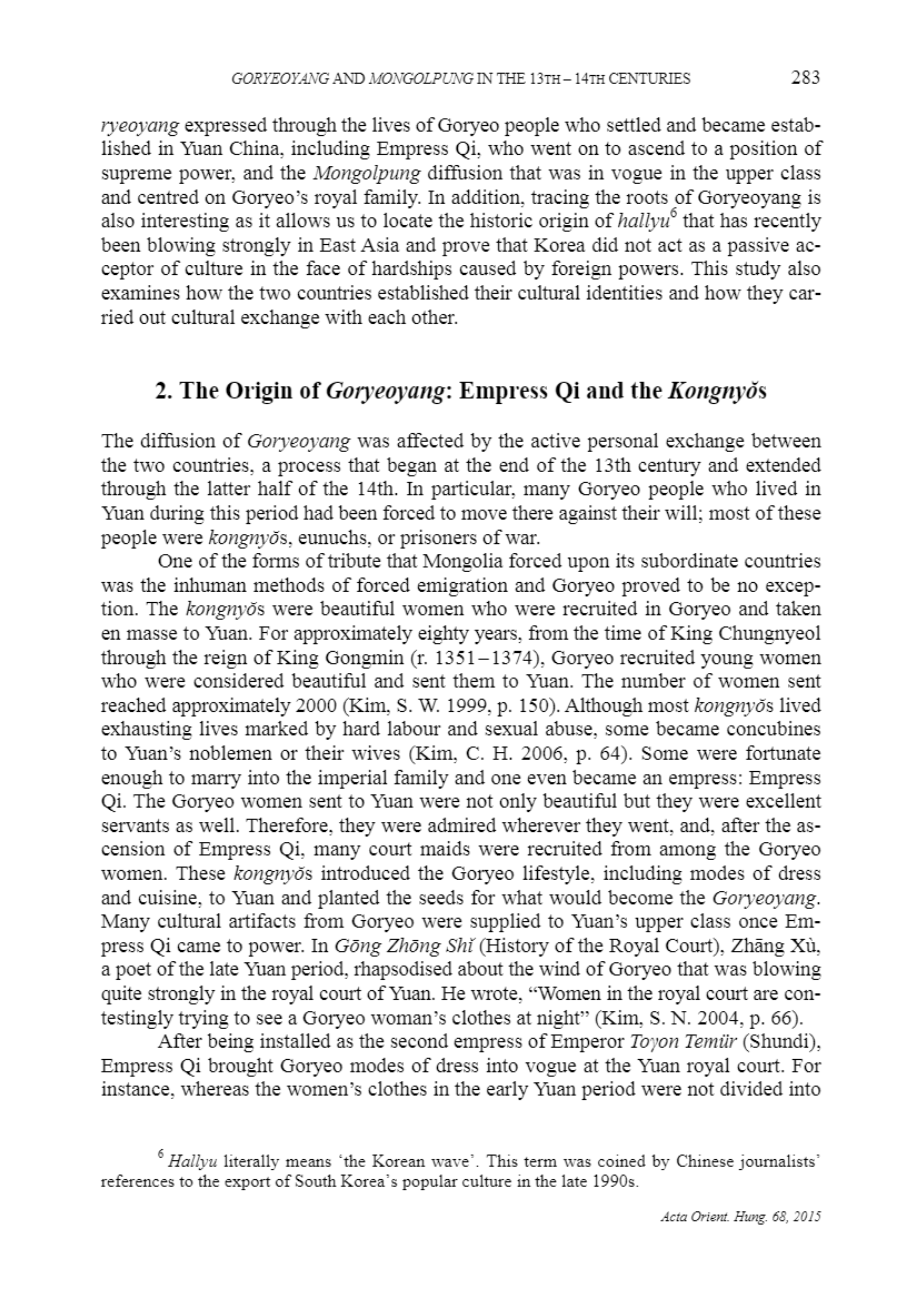
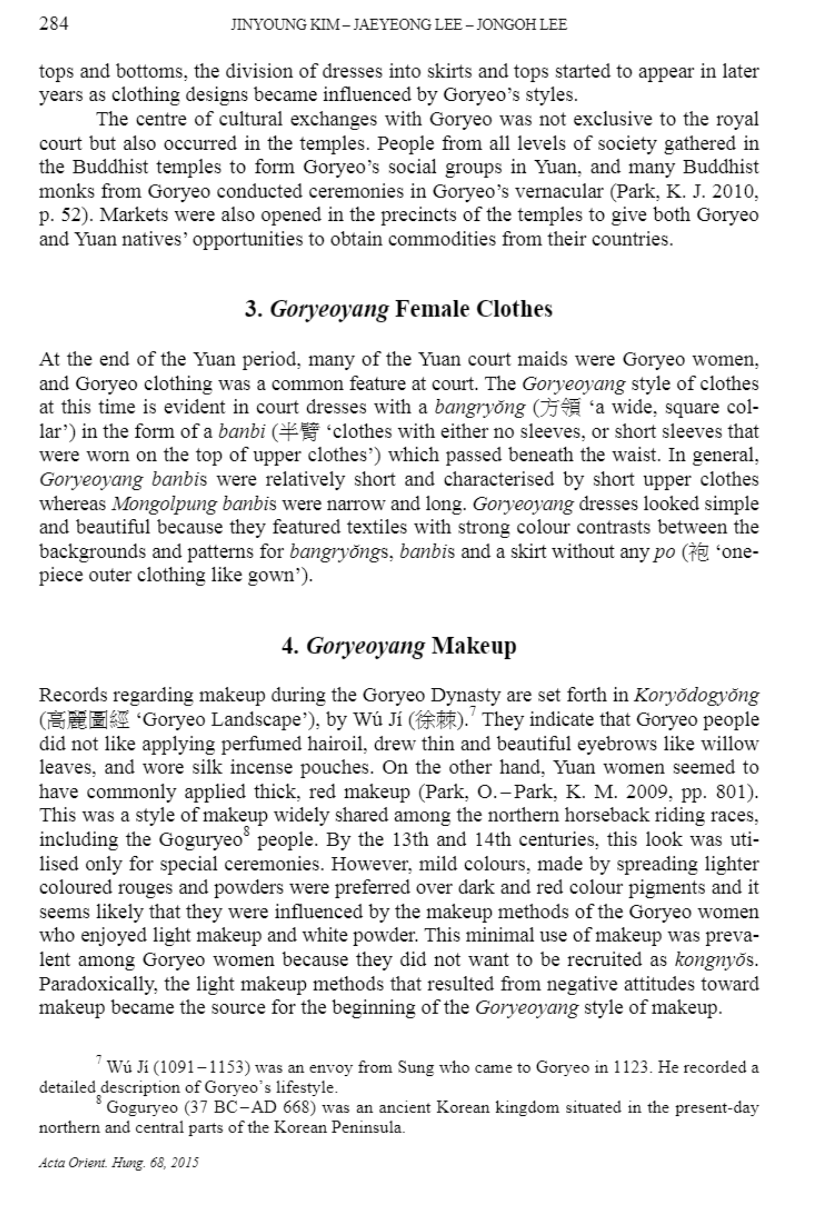 The Omani Arab was a rarity and came by the coast, most Muslims there were Central Asians rather than Arab
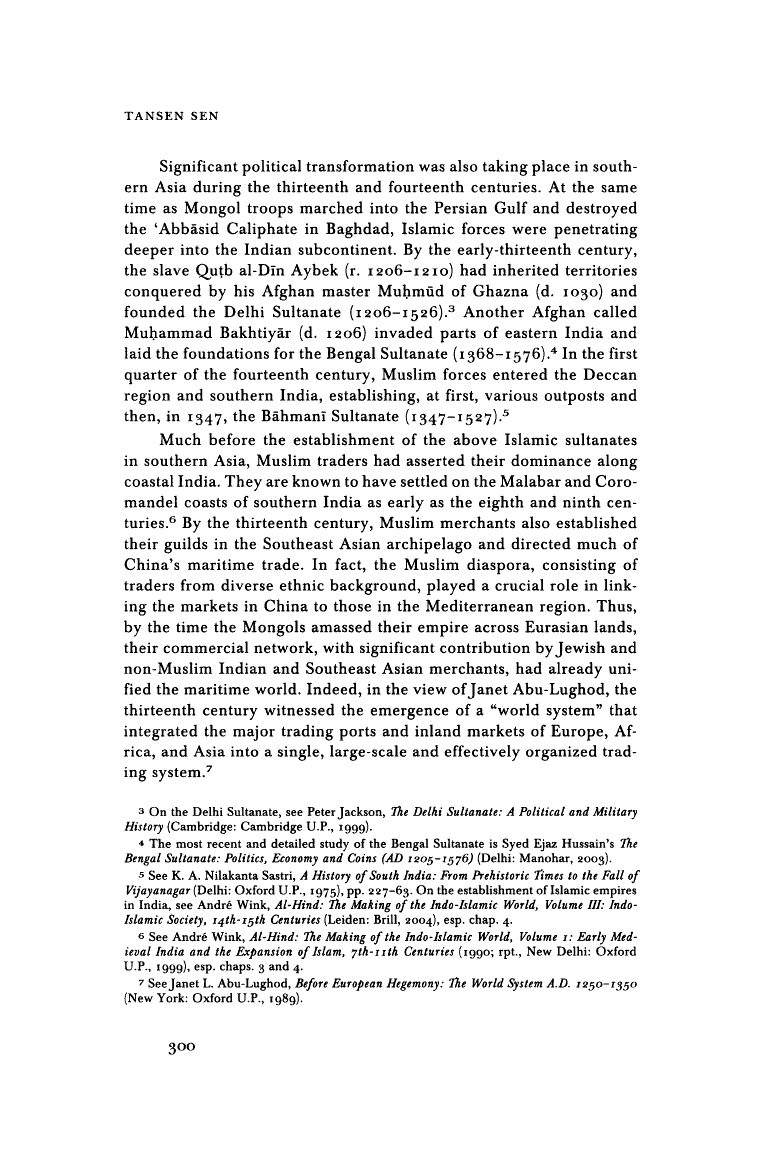
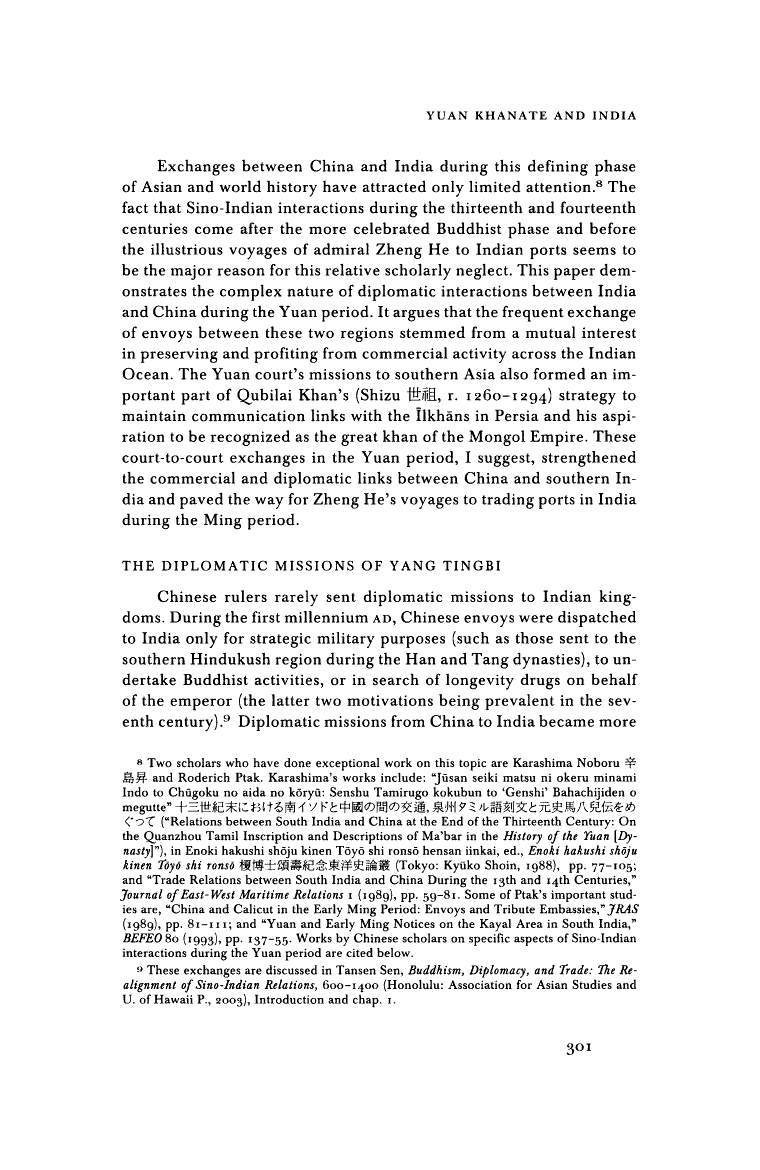
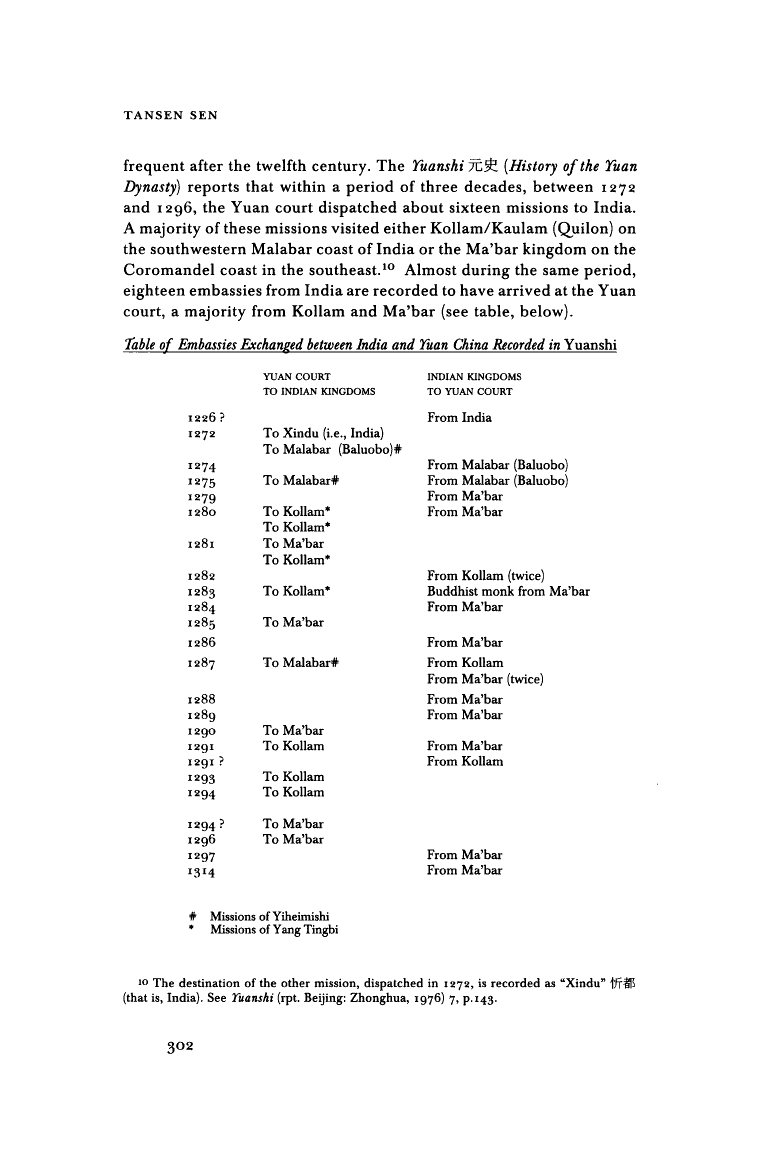
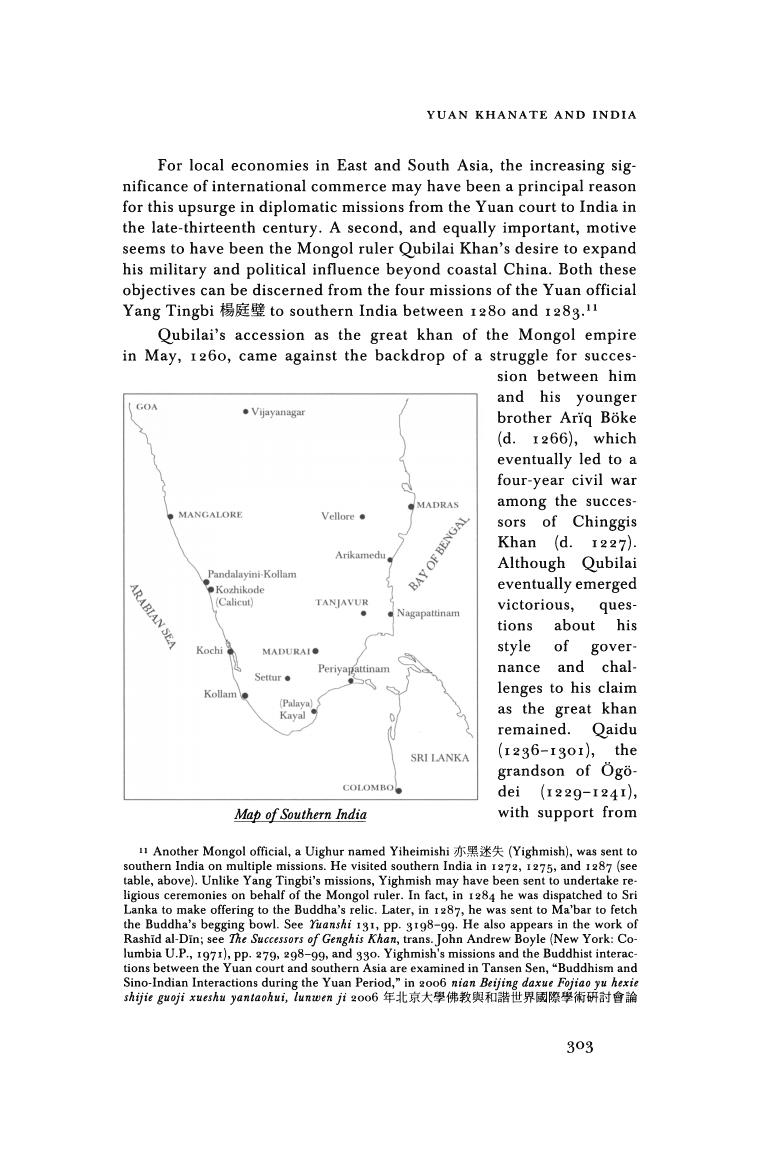
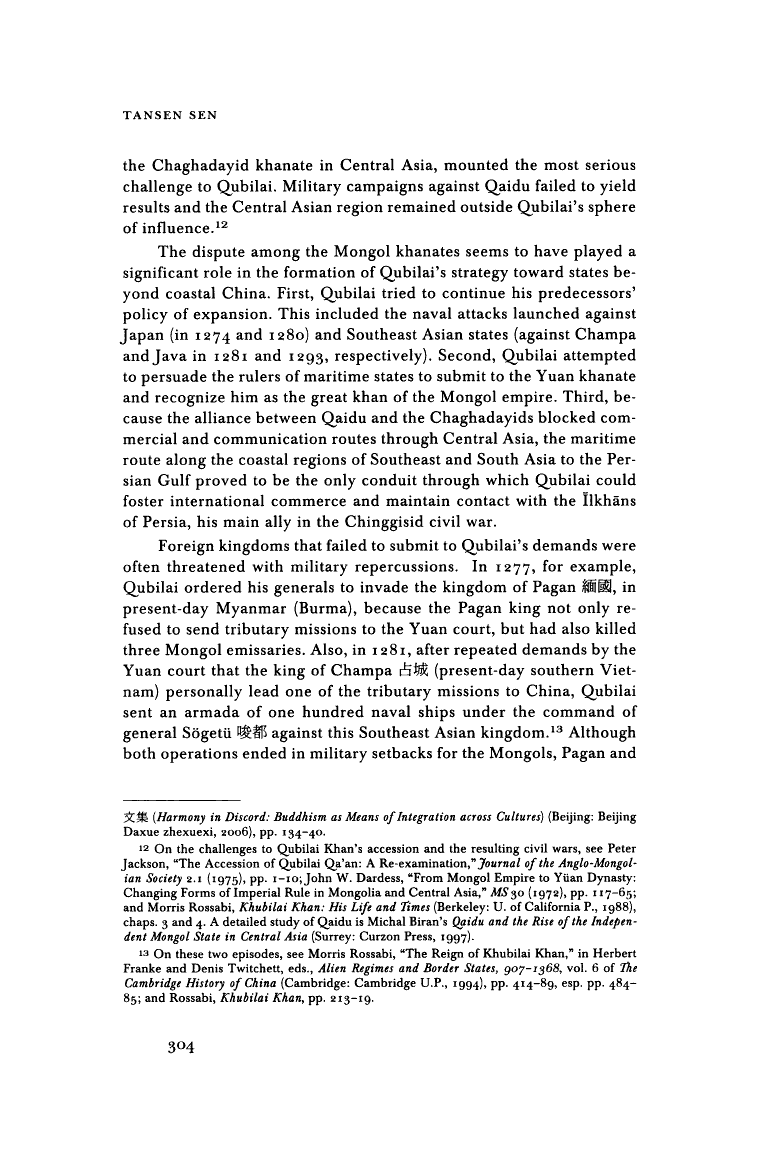
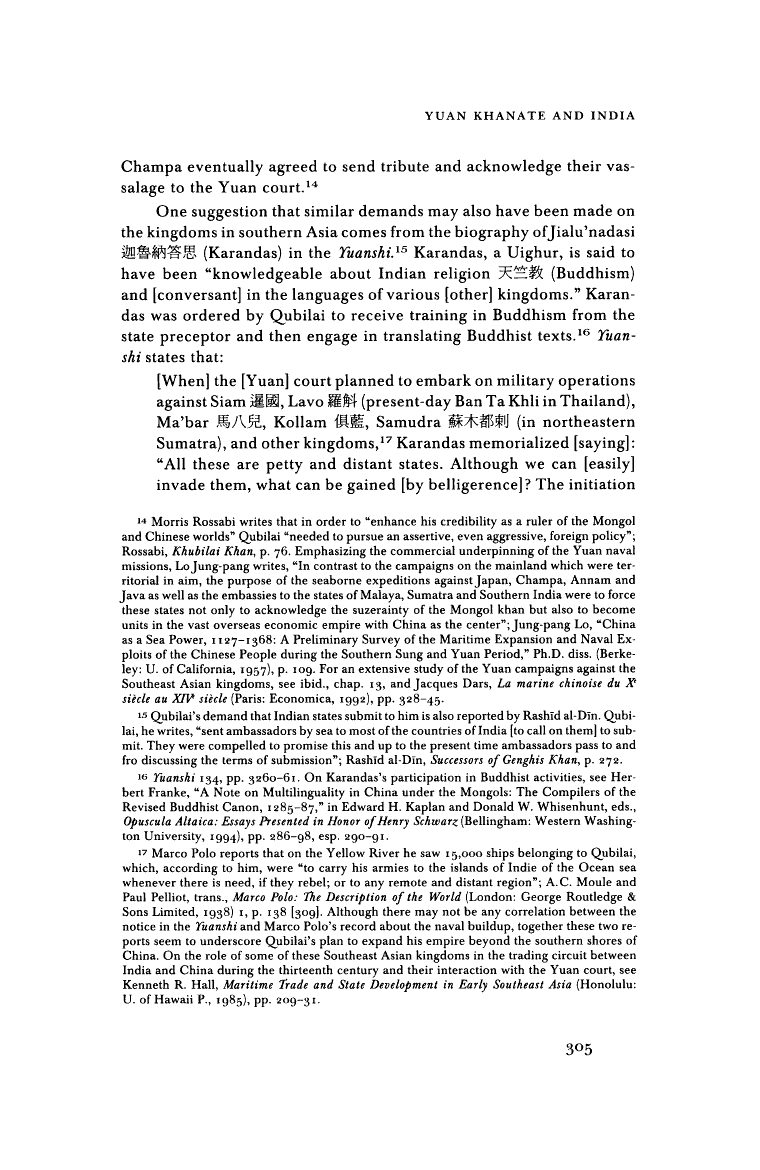
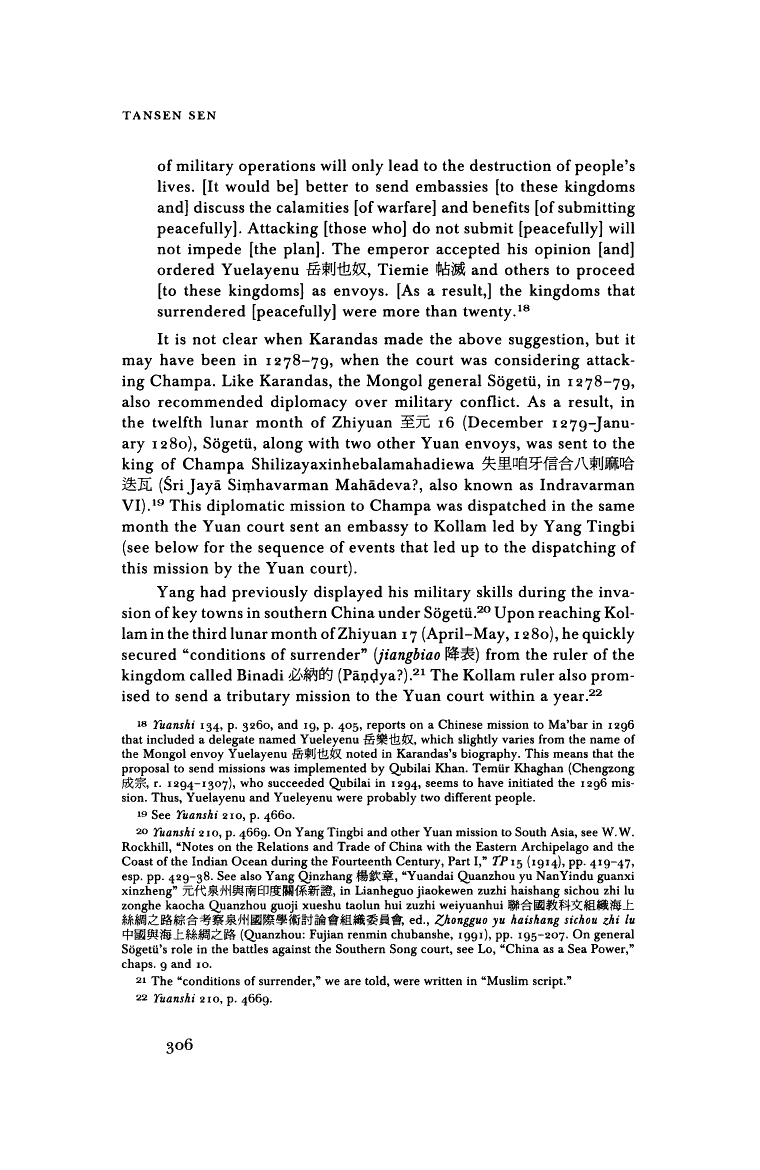
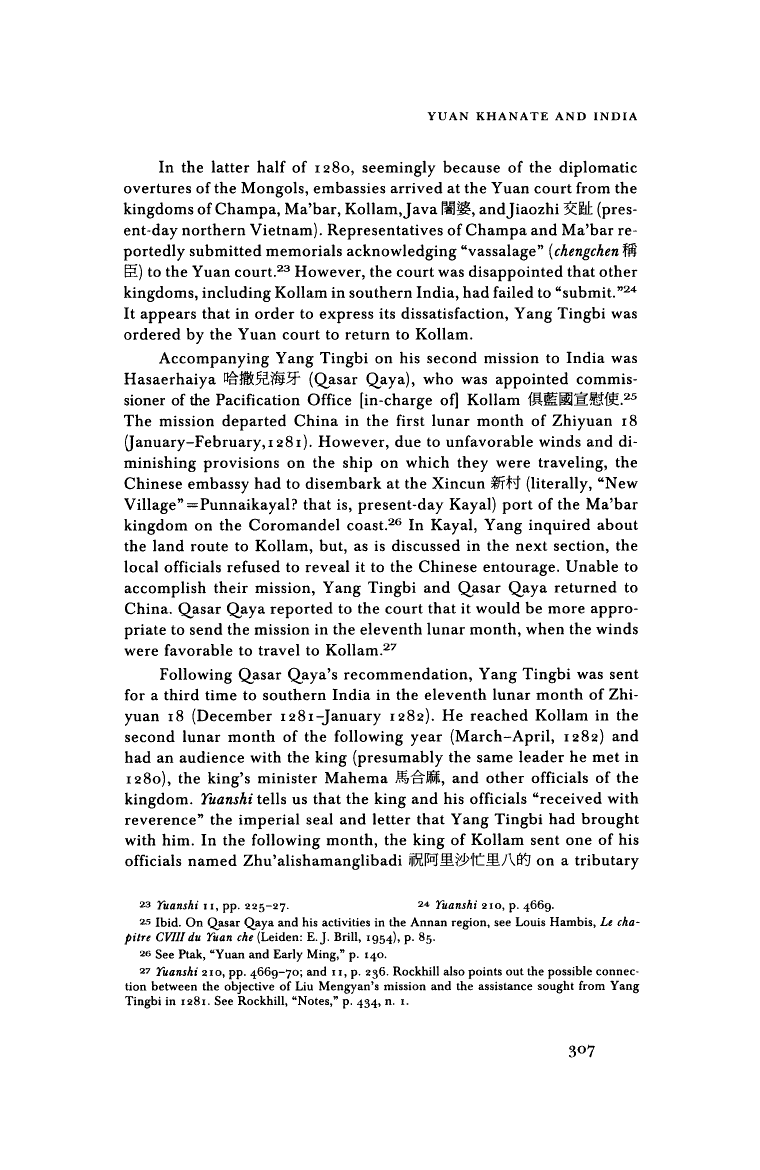
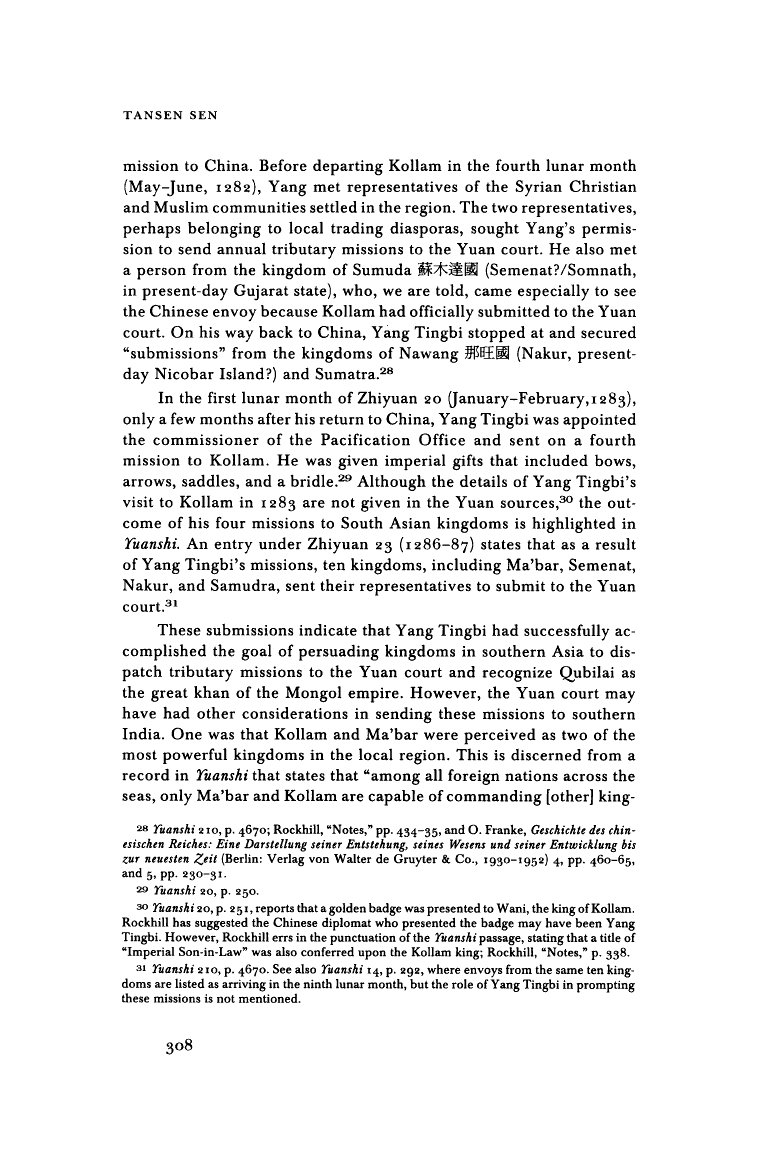
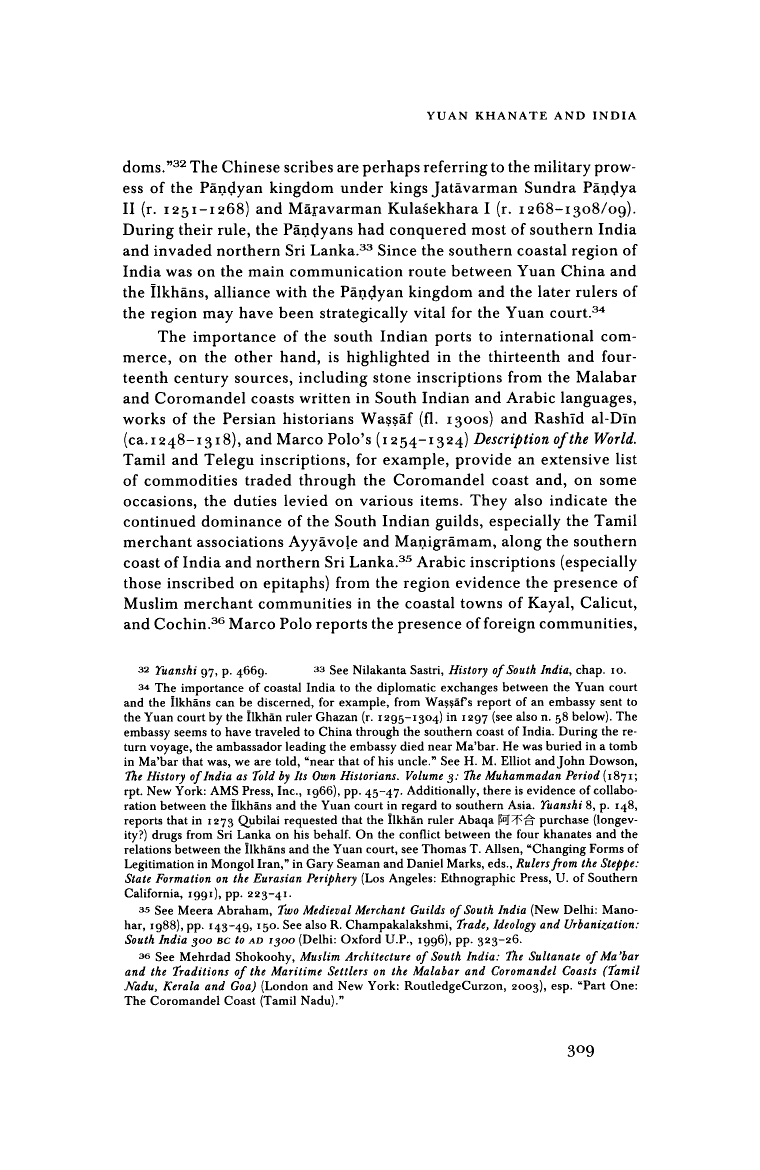
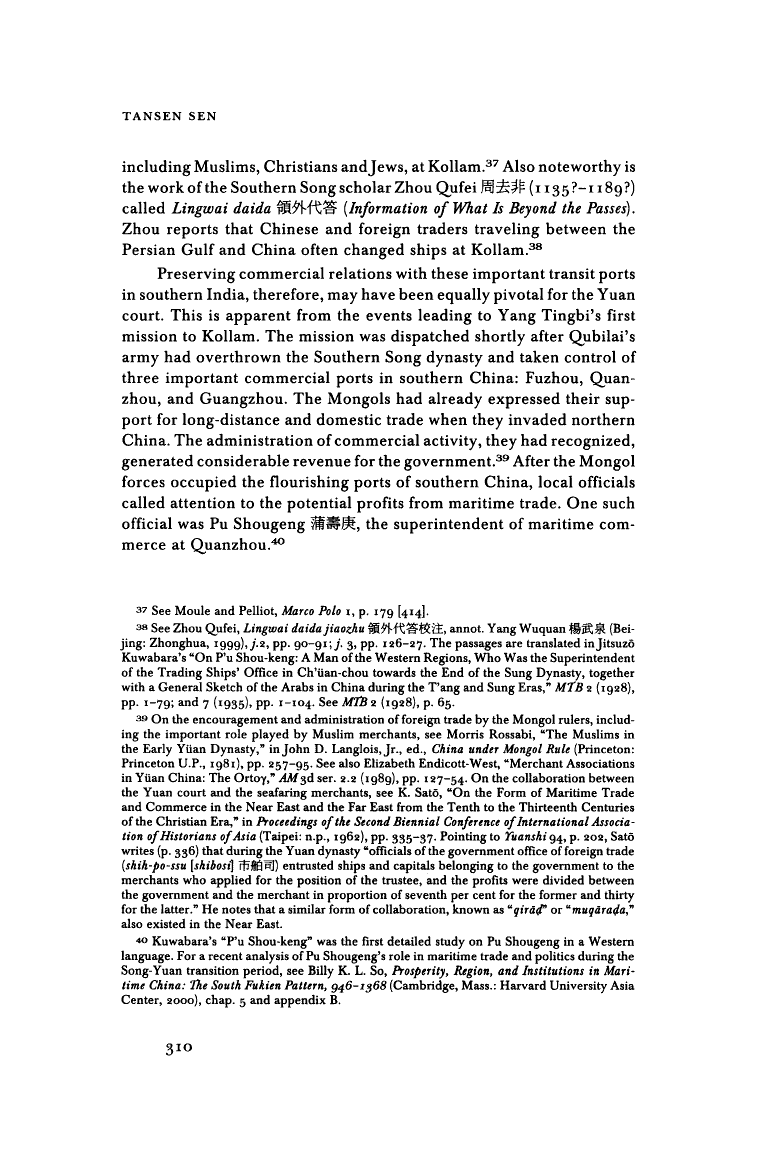
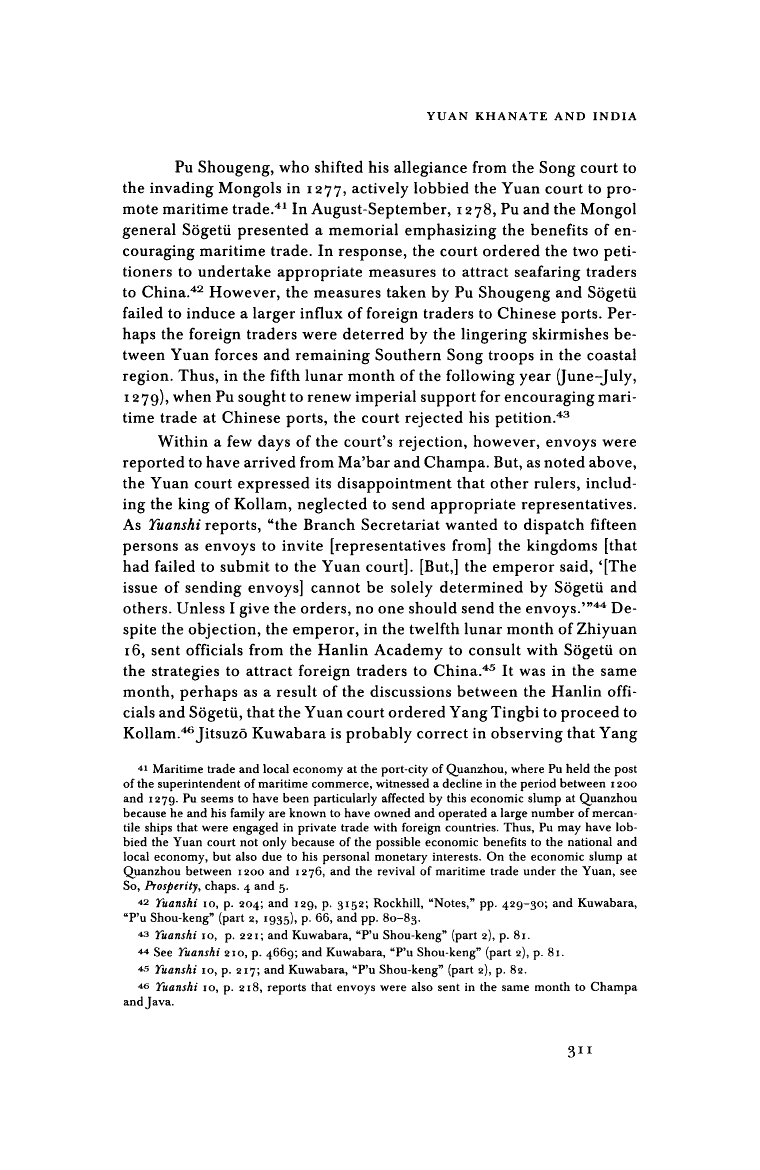
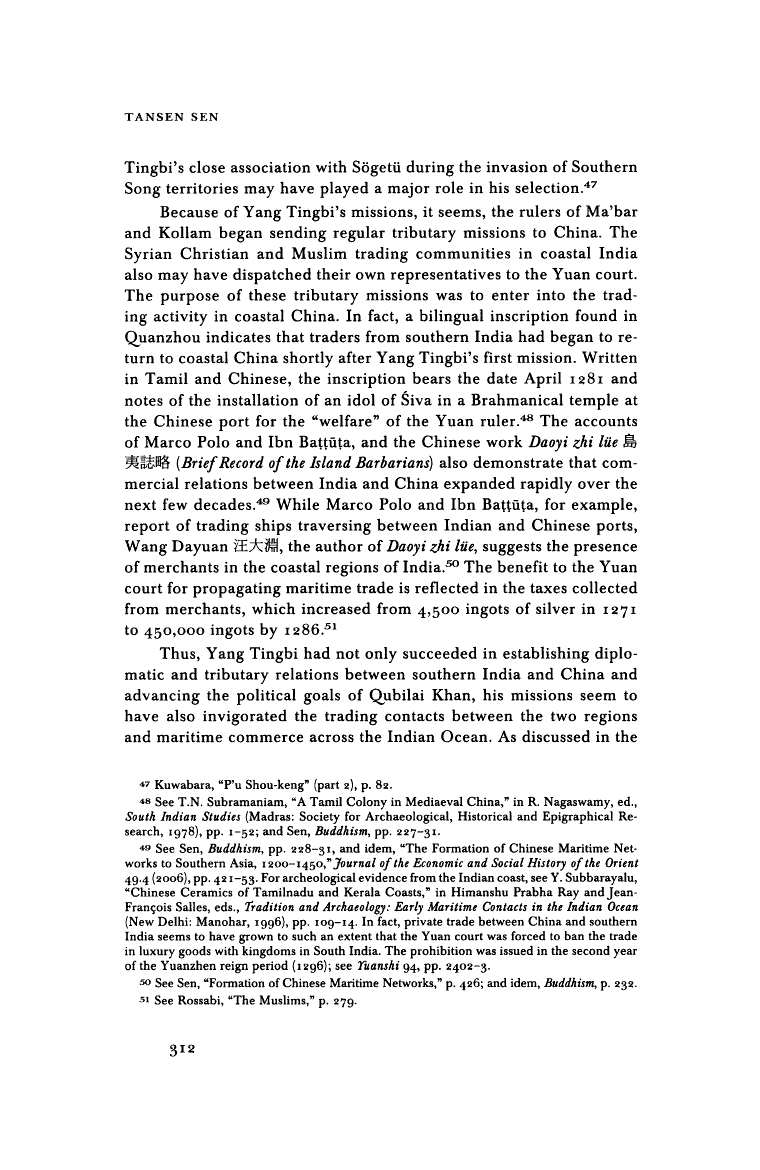 An Arab in Yuan China who married a Korean woman
 Kublai Khan gave that Arab a Korean woman to marry
 This says he is possibly Hadrami
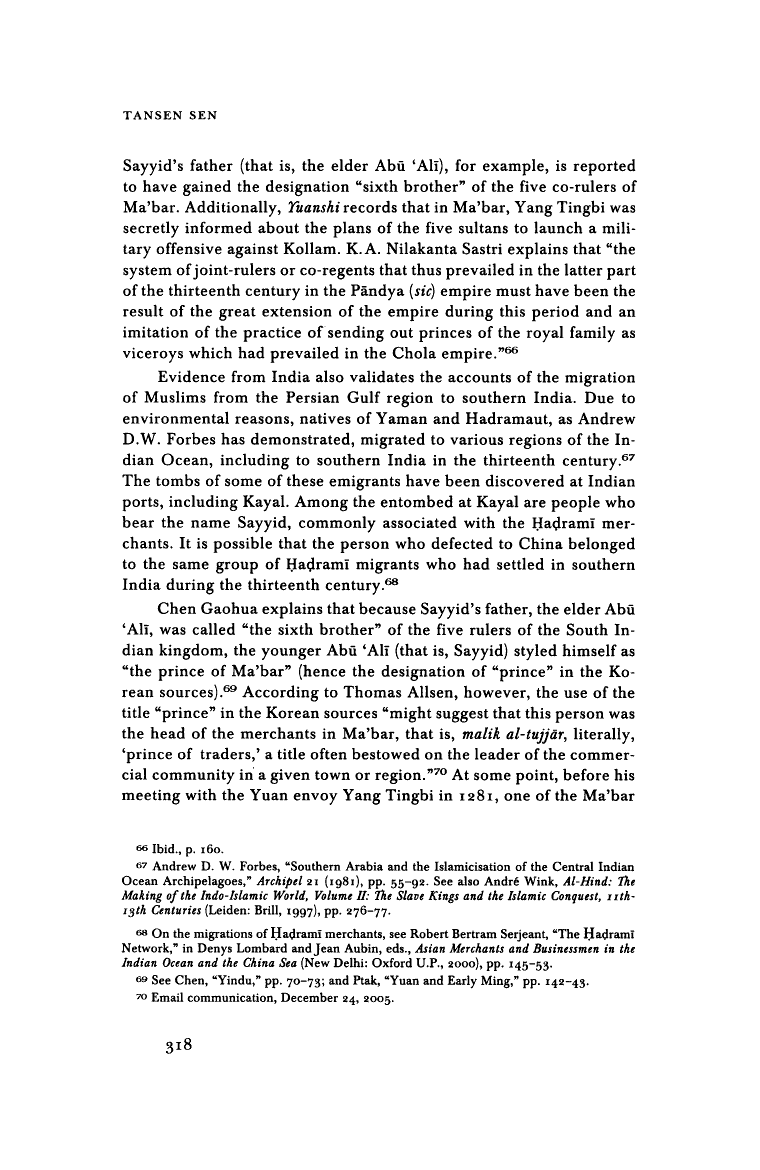 and a Sayyid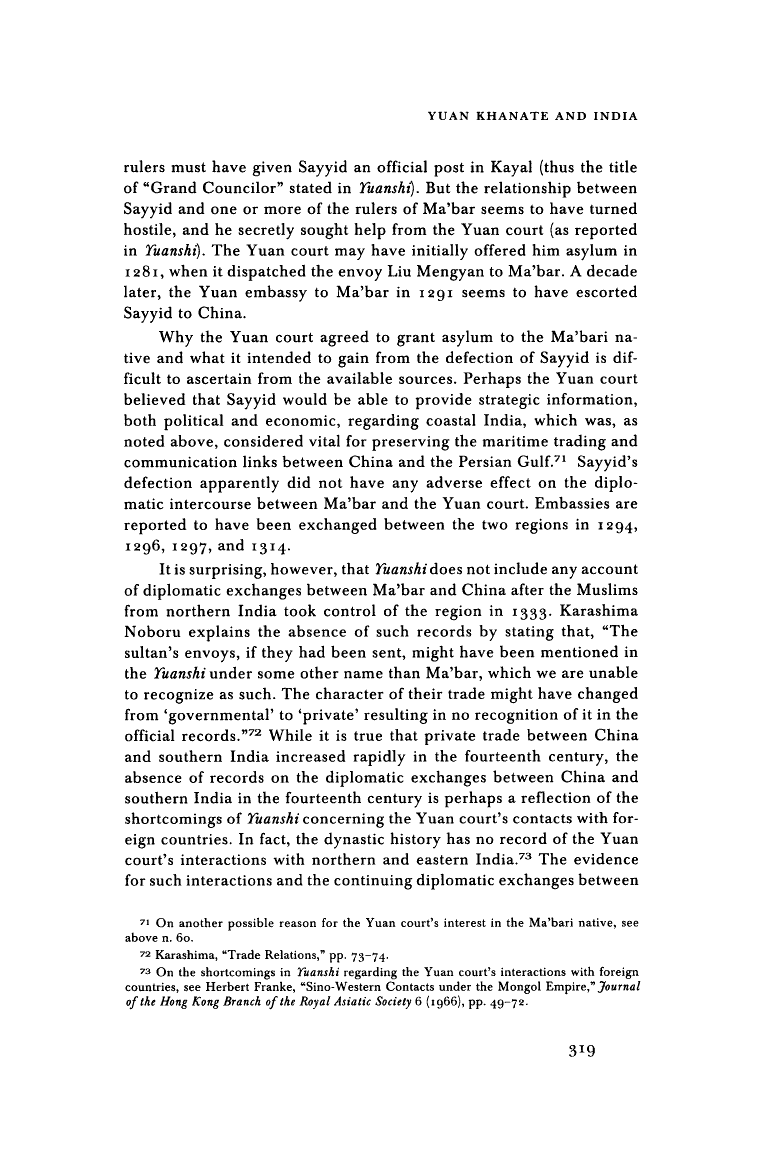
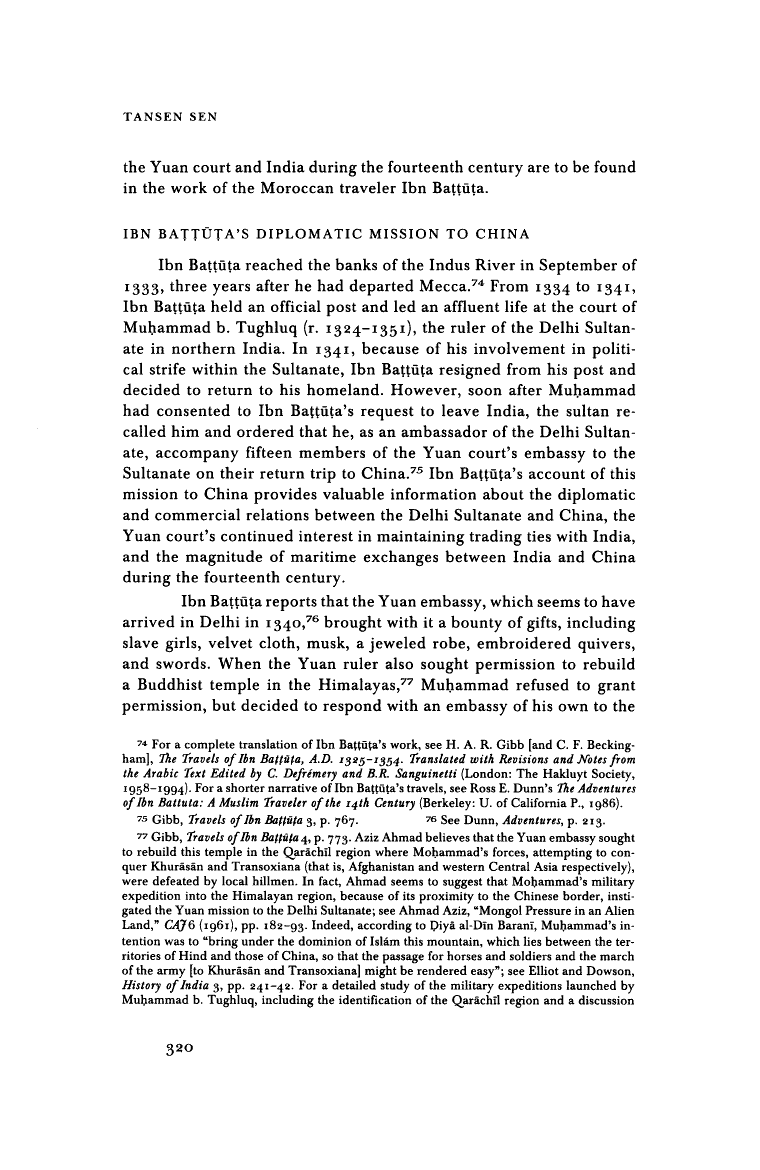
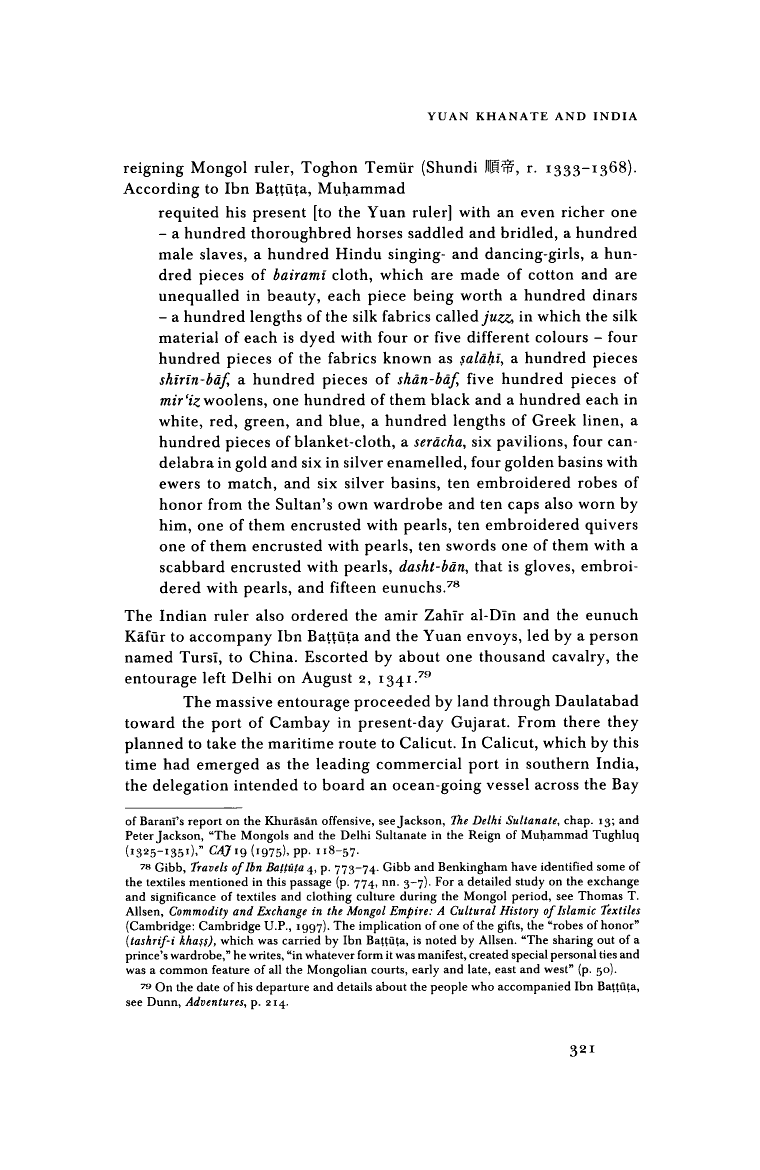
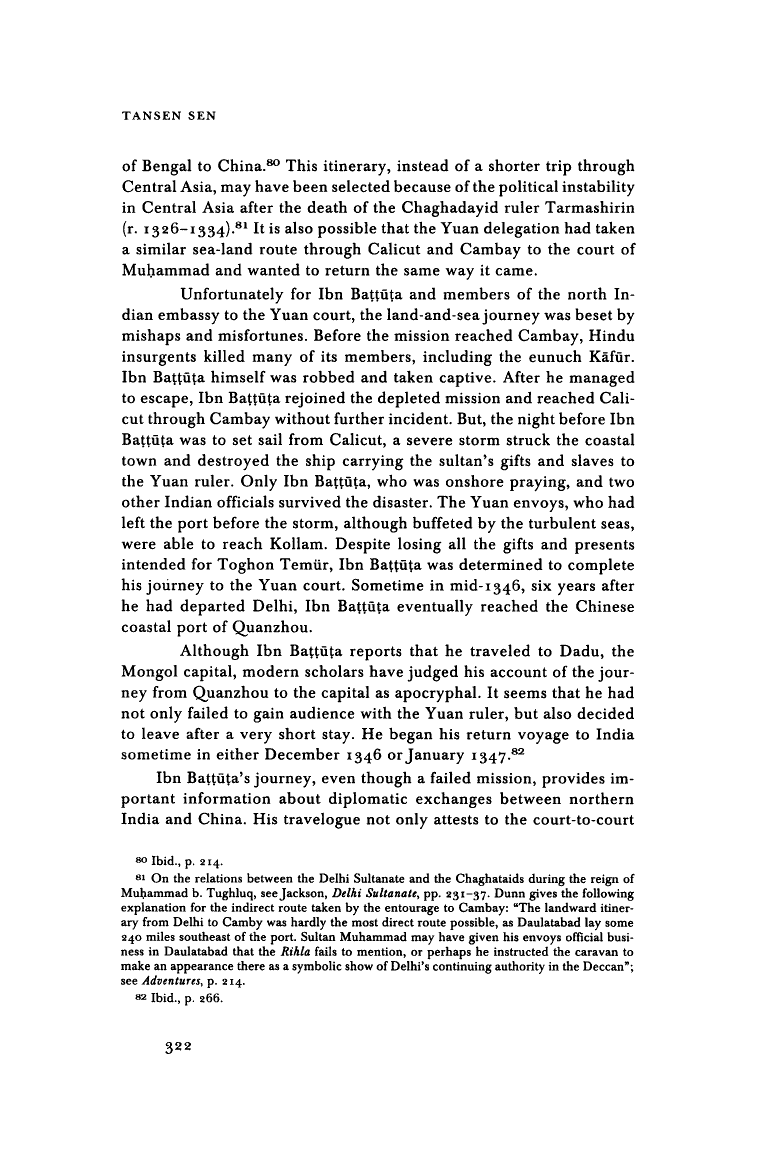
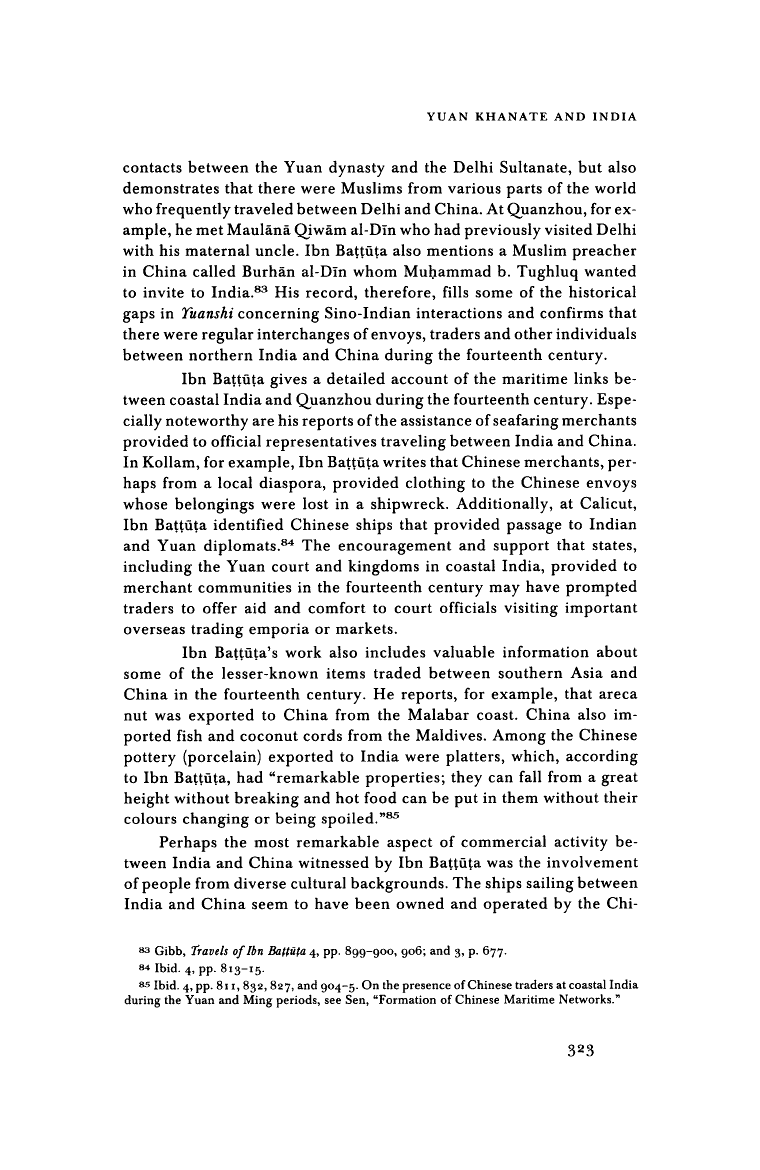
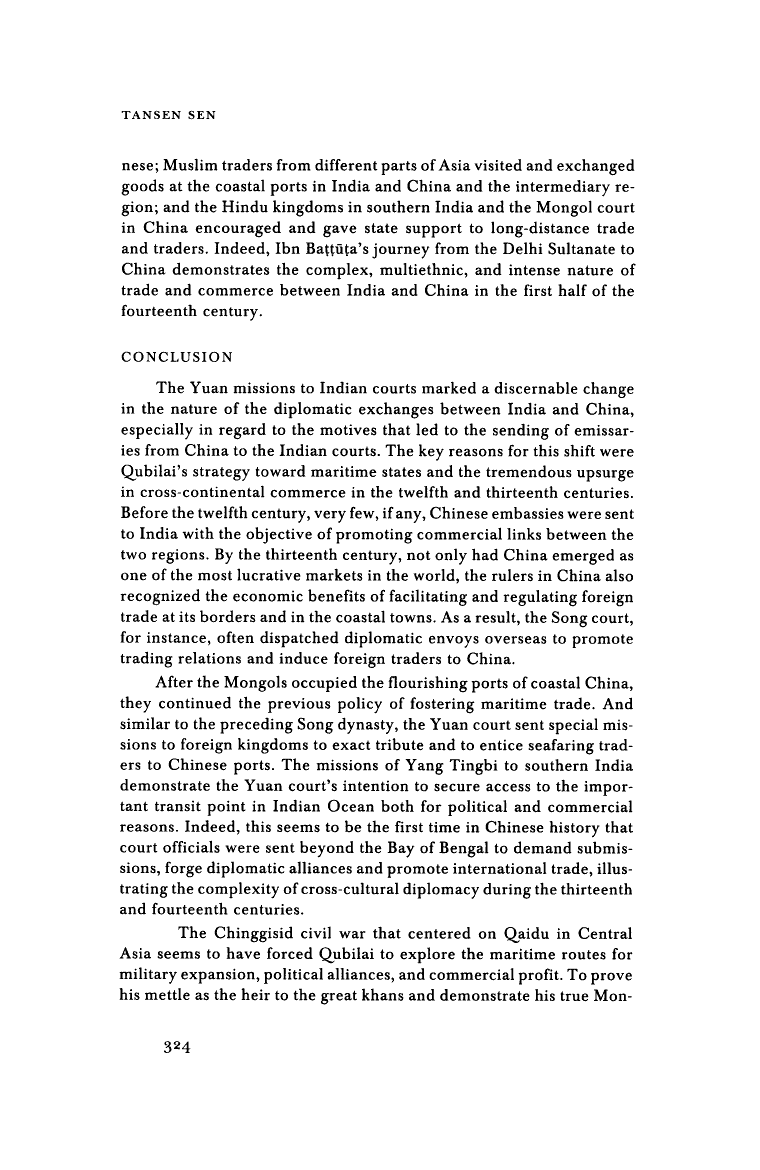
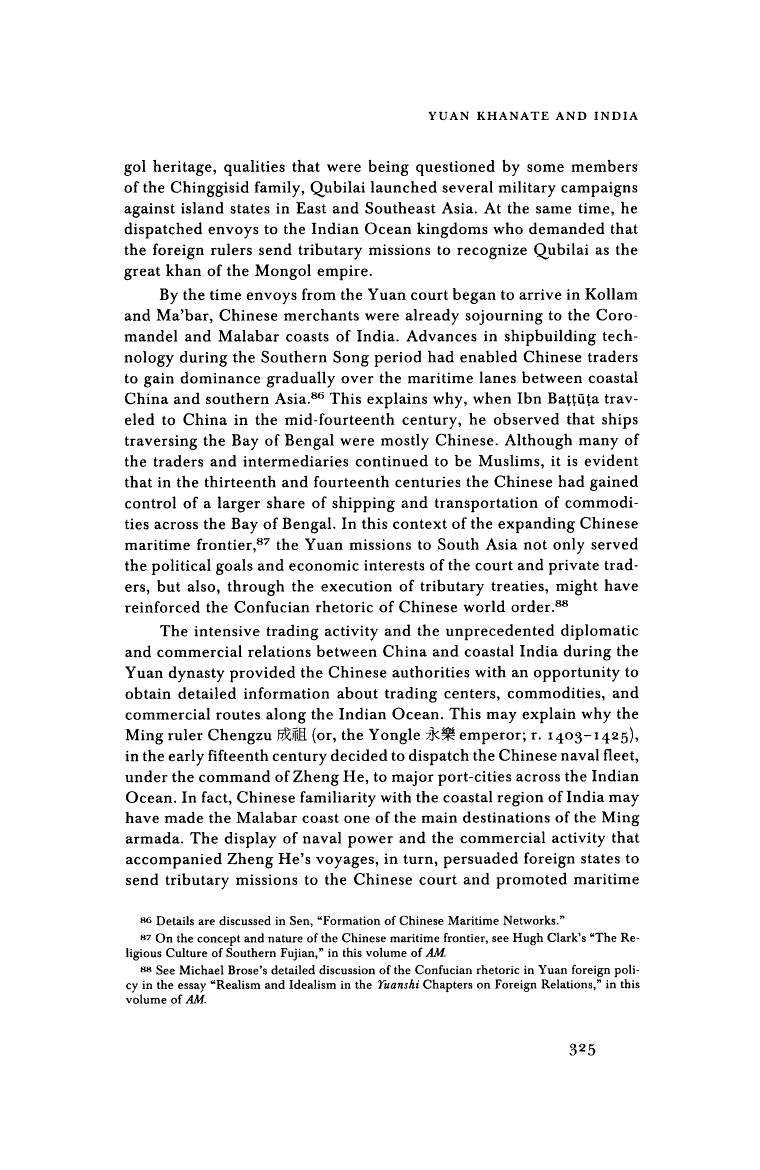
 This also says that guy is possibly Hadrami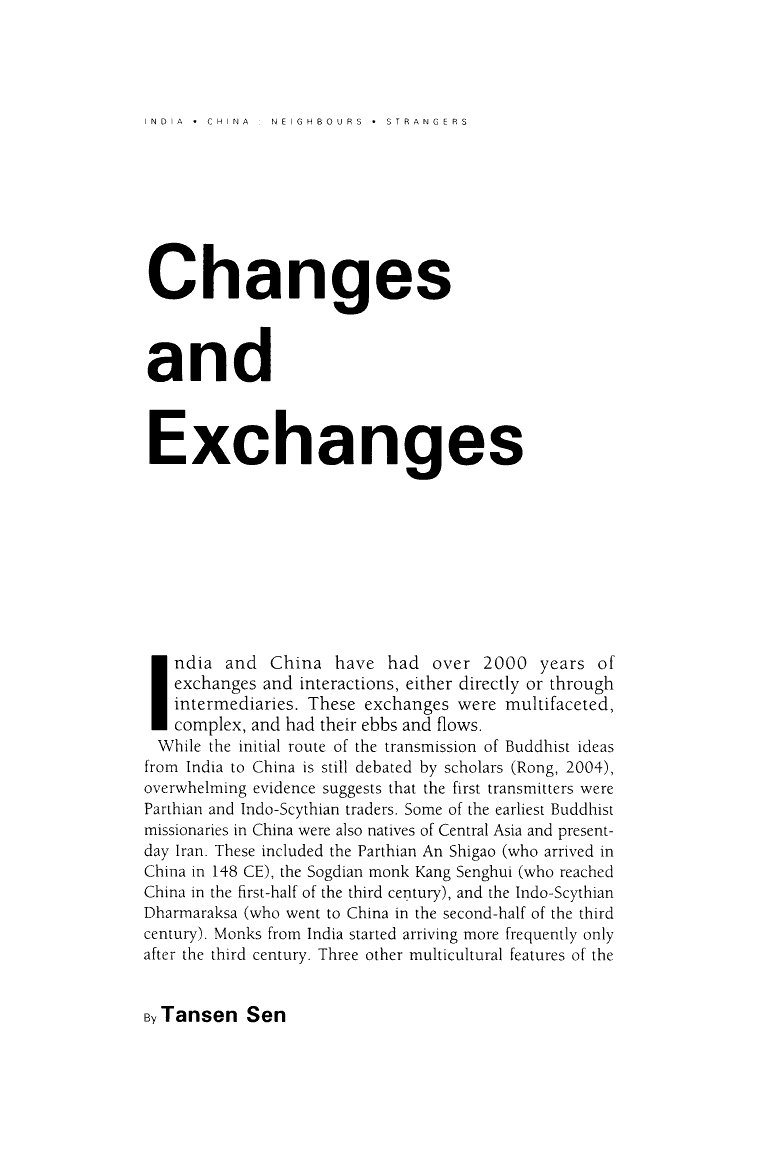
 This also says that guy is possibly Hadrami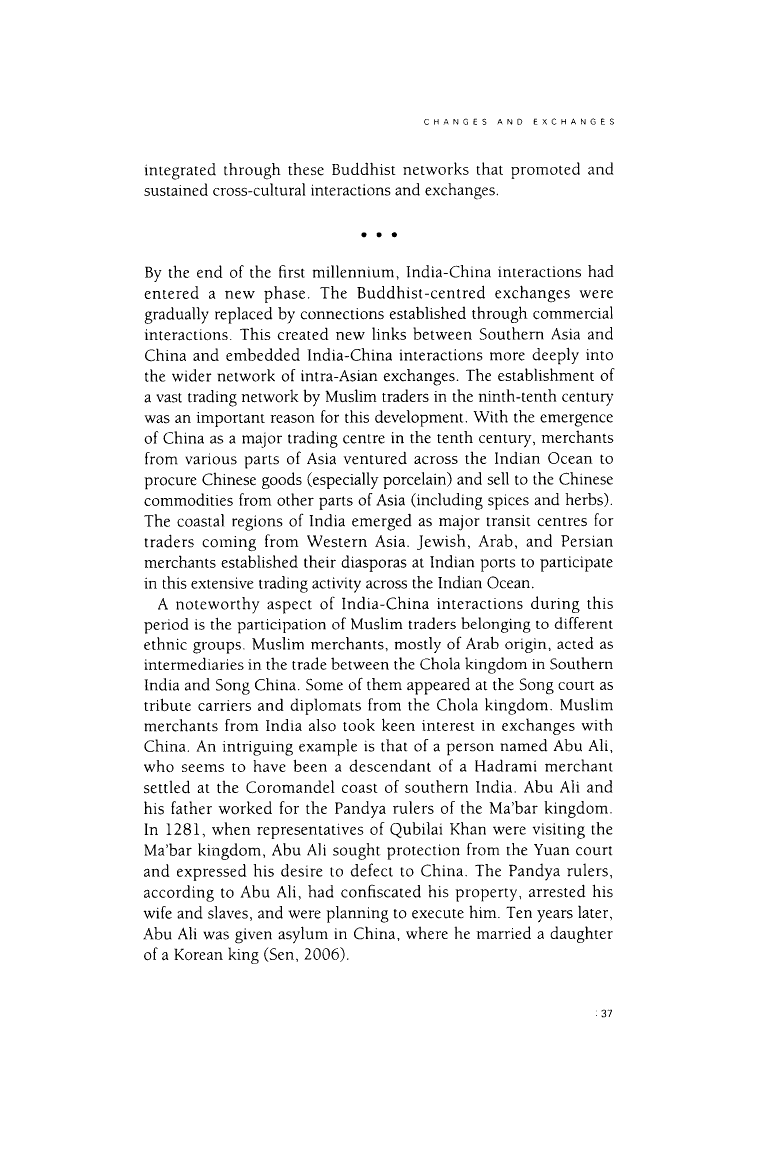

 https://twitter.com/Dina_Morgabiin/status/1302345530970955782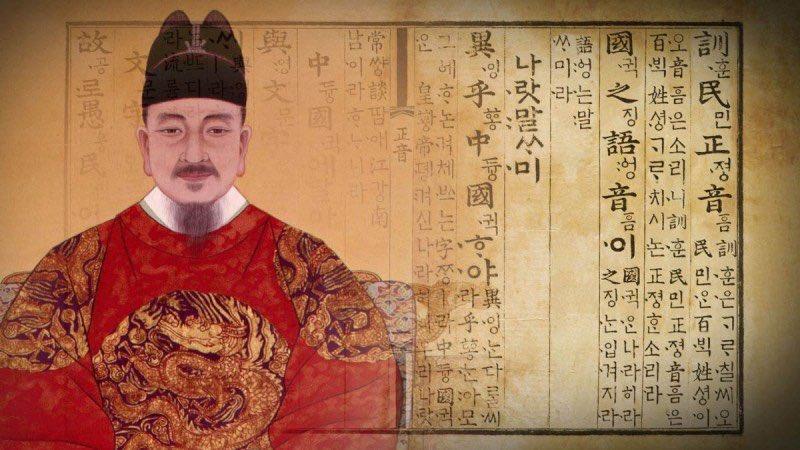
 https://twitter.com/Dina_Morgabiin/status/1302345549136498693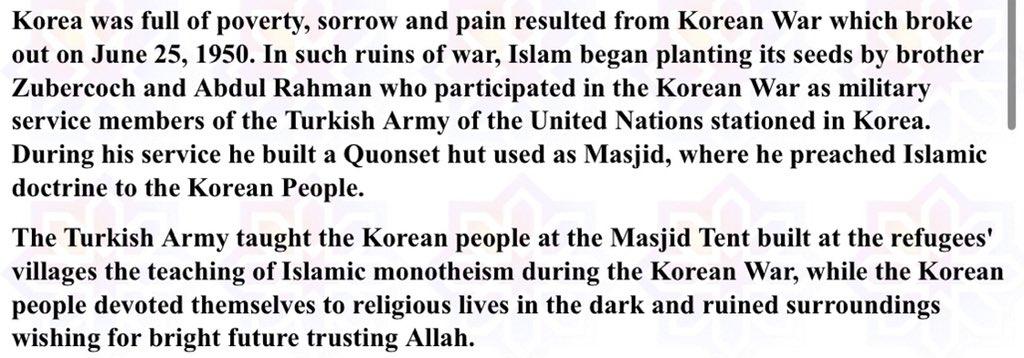




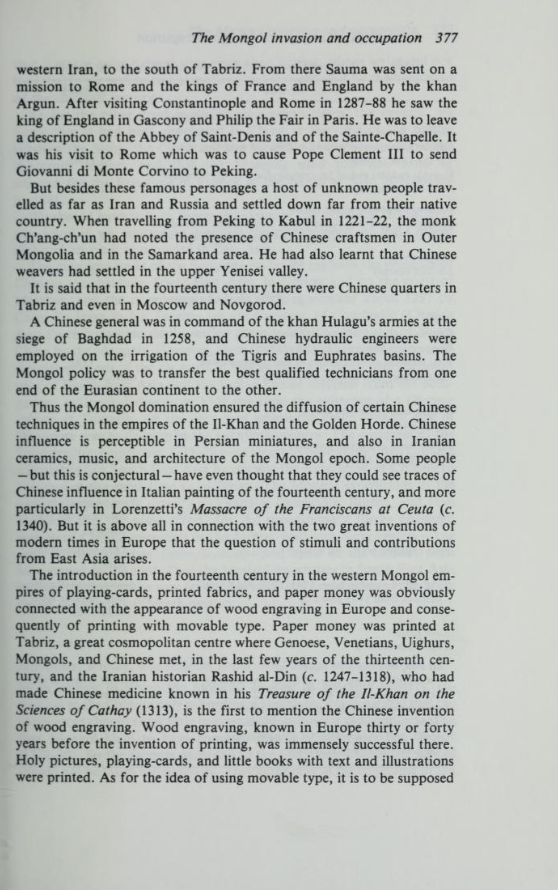

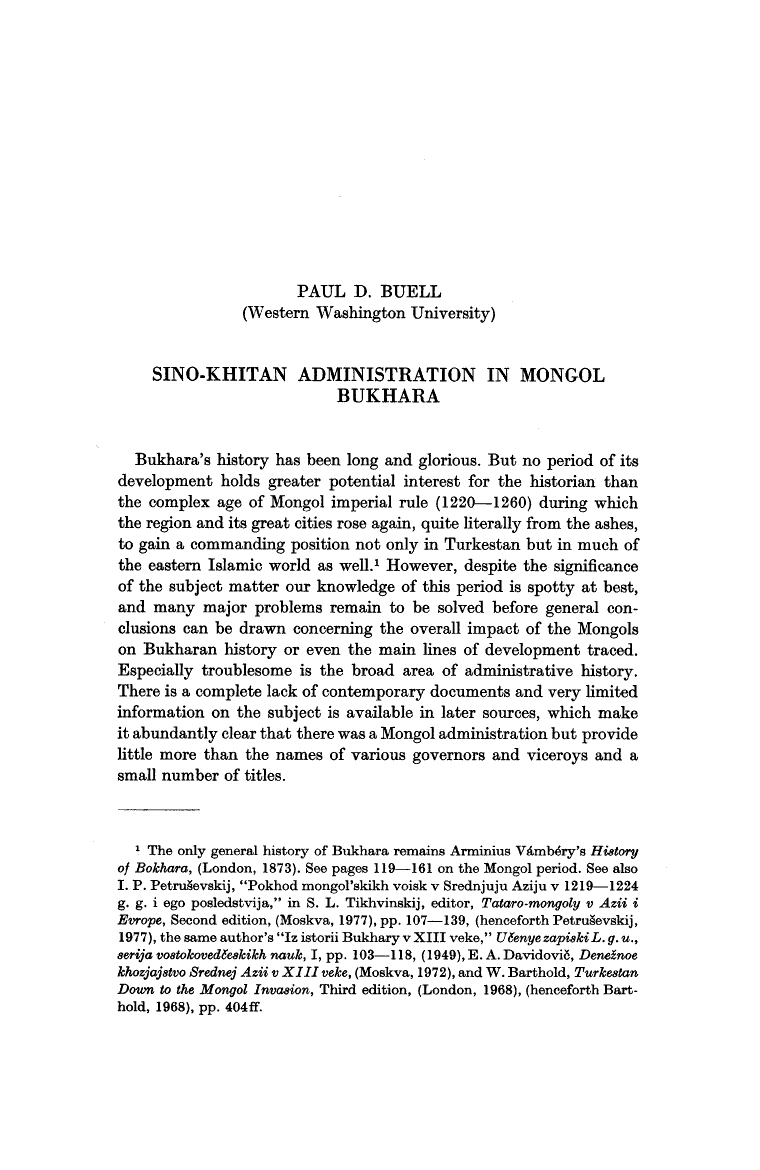
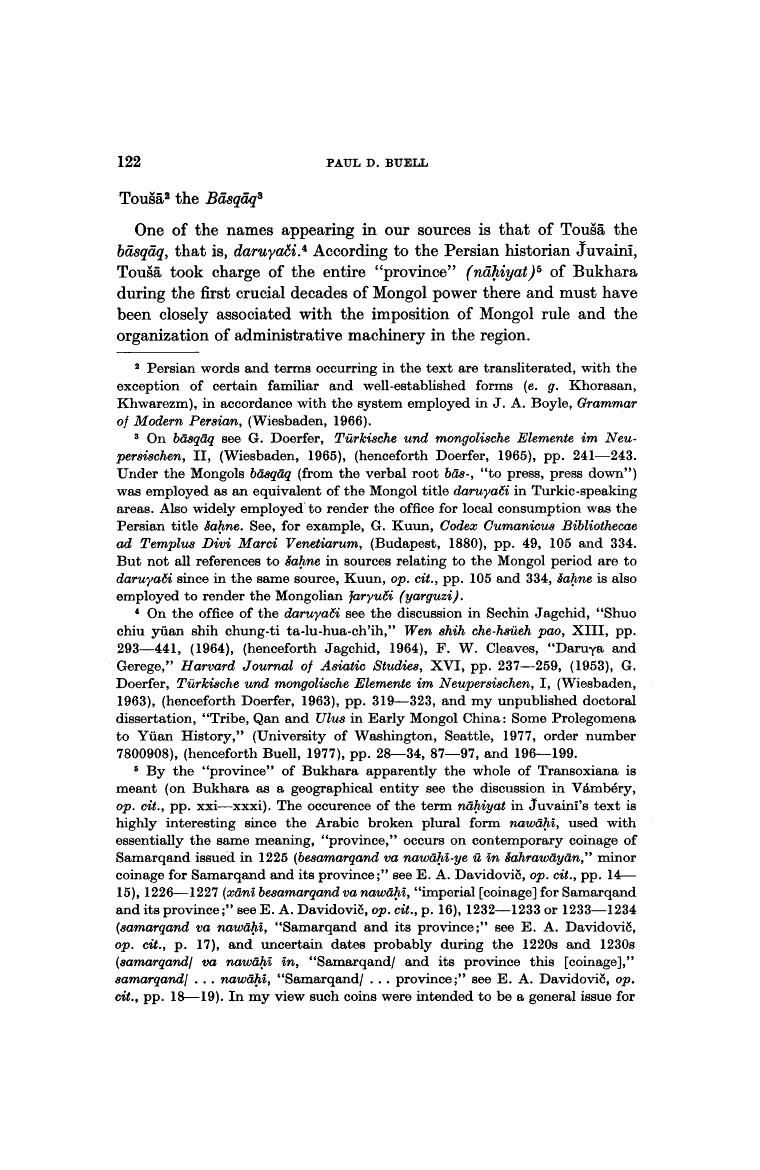
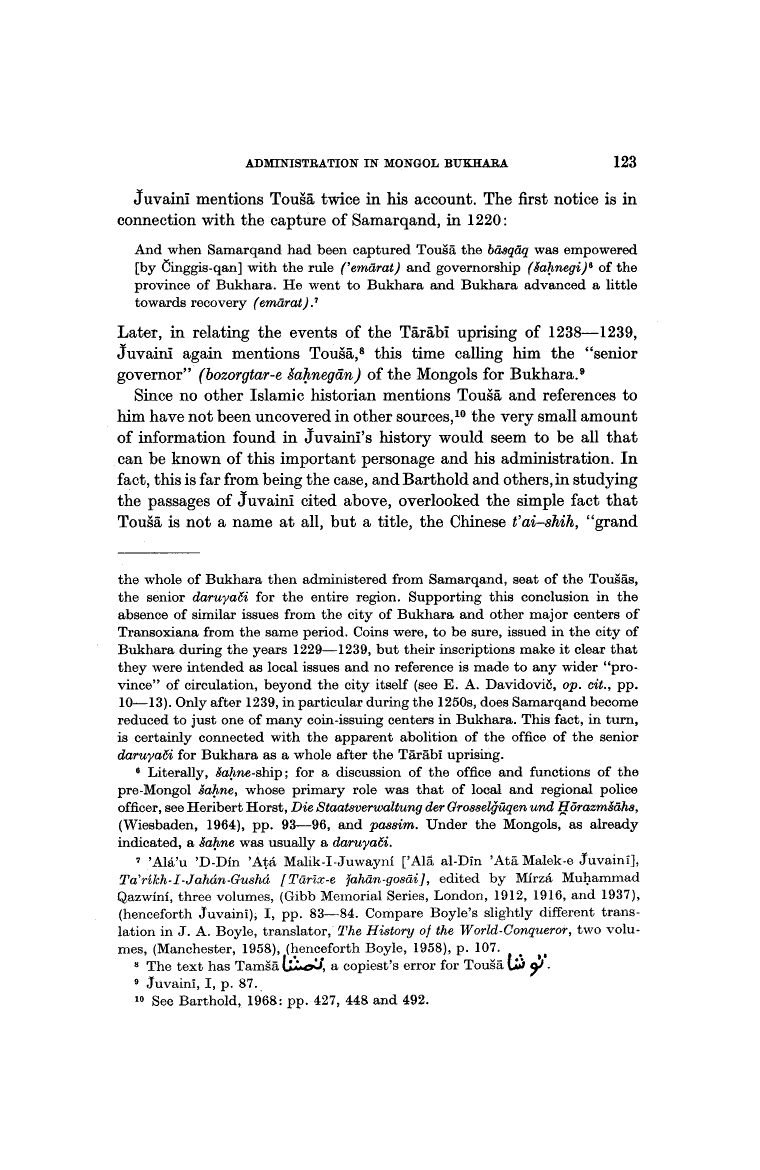
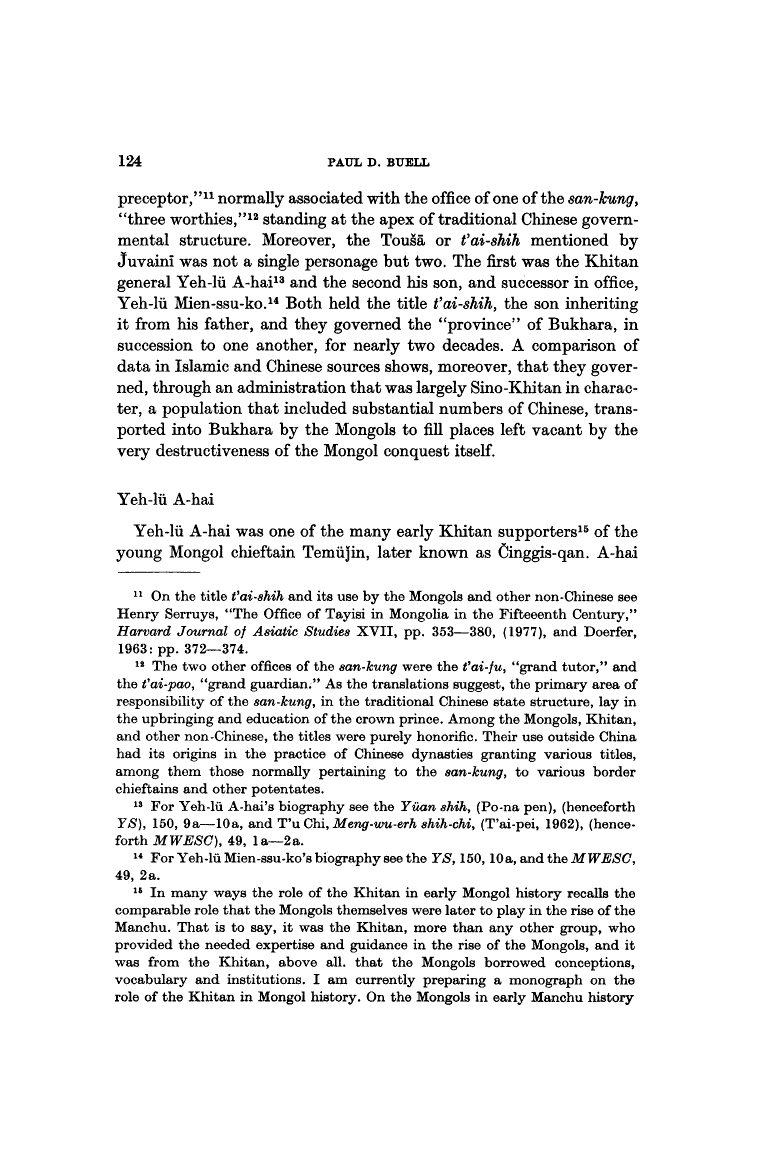
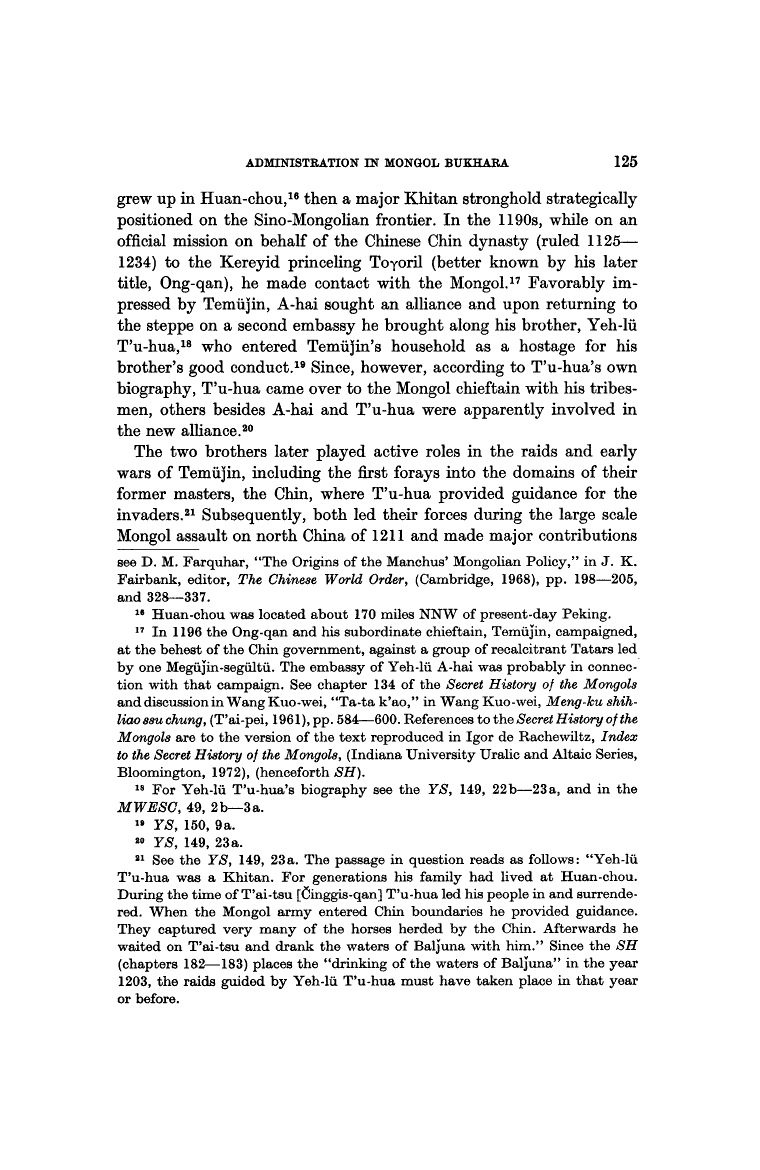
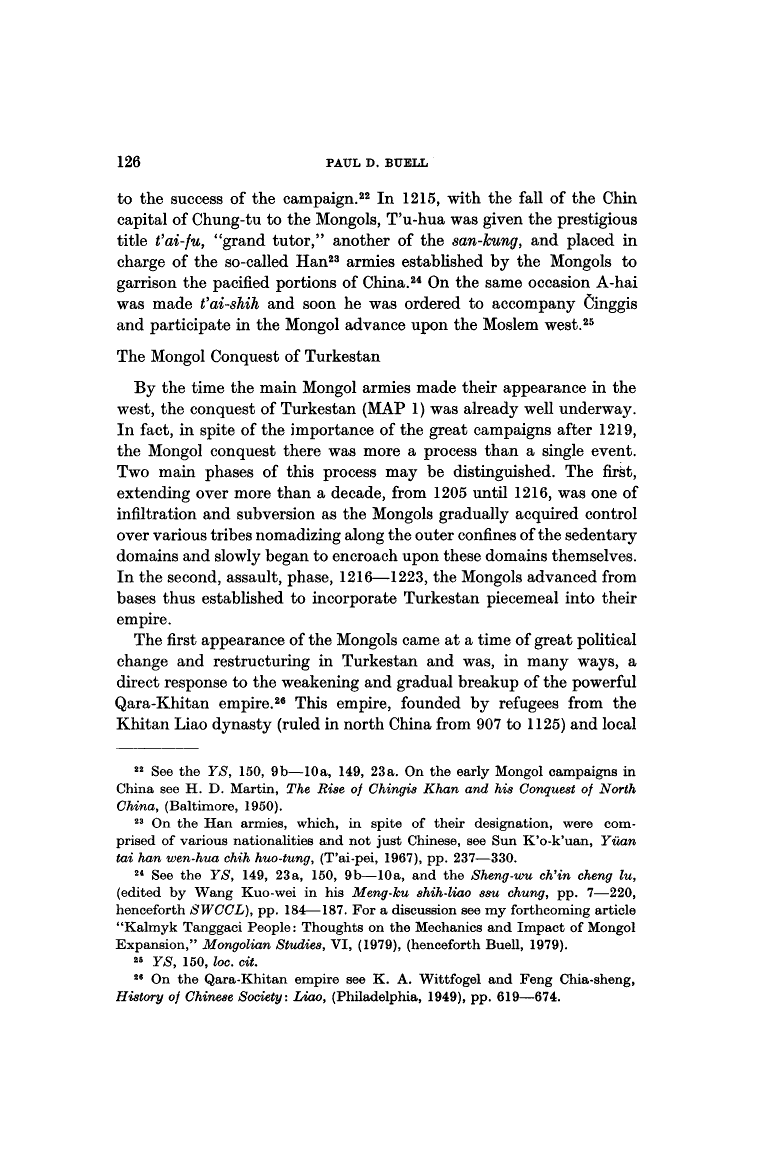
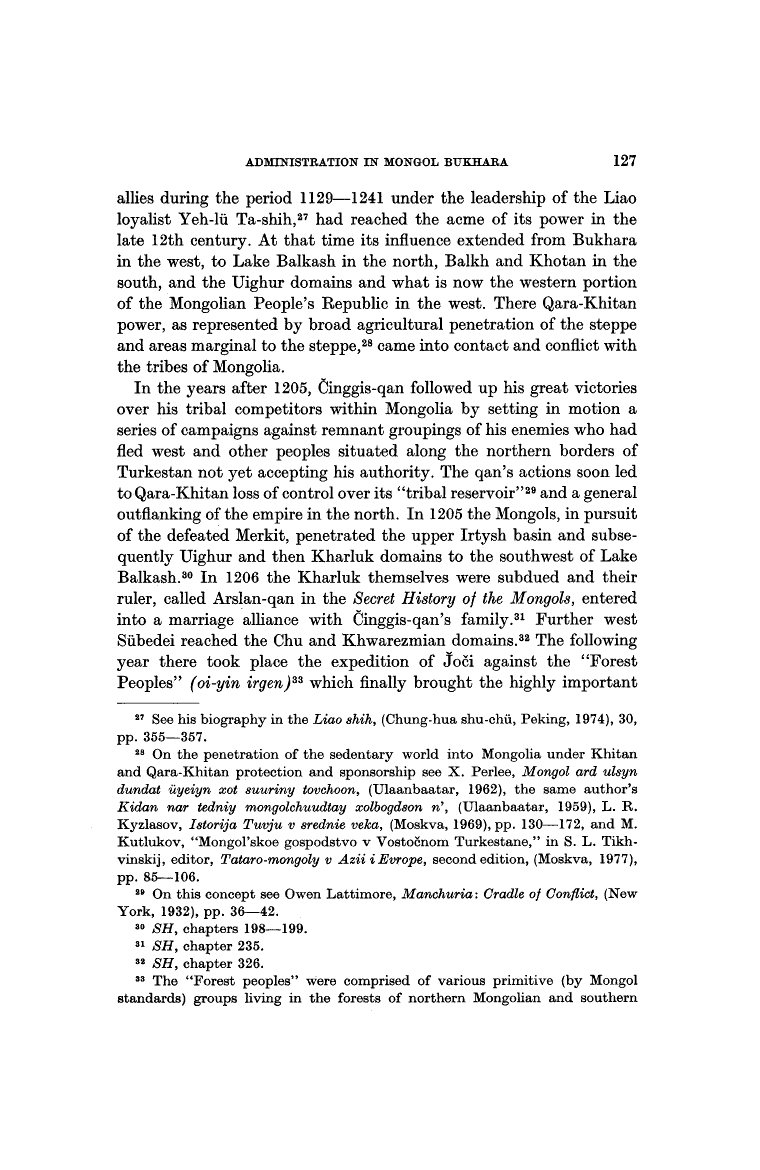
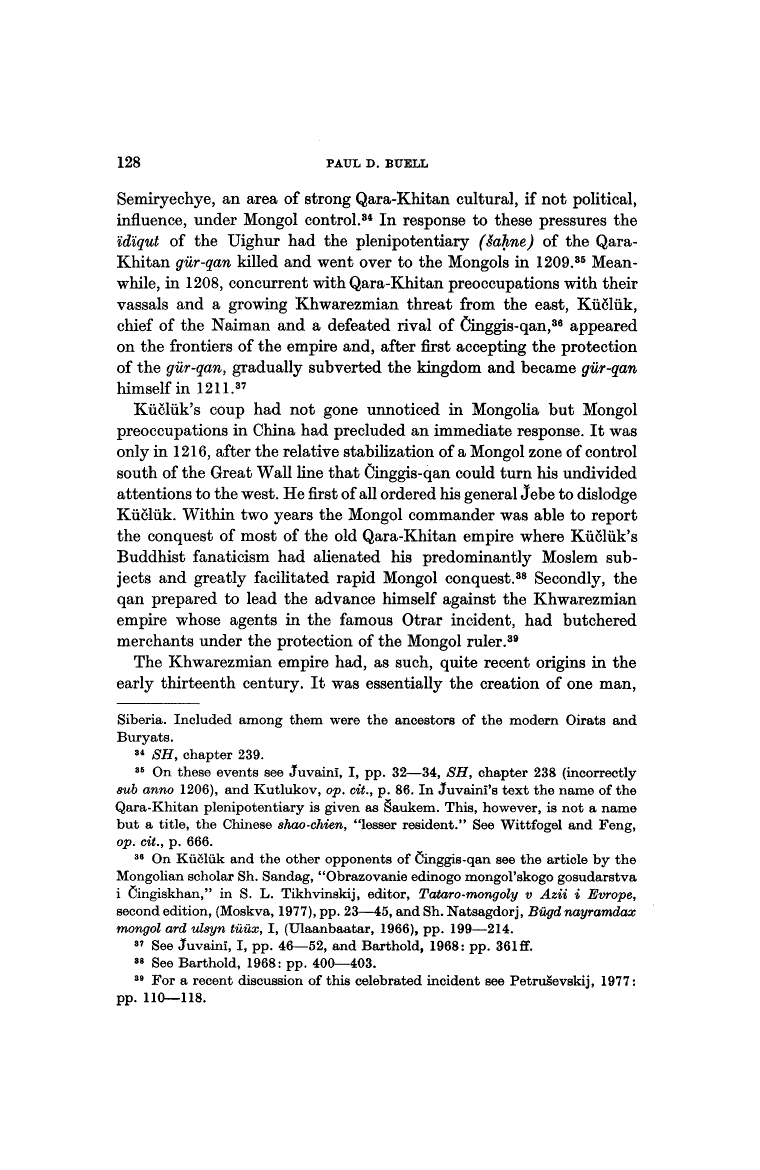
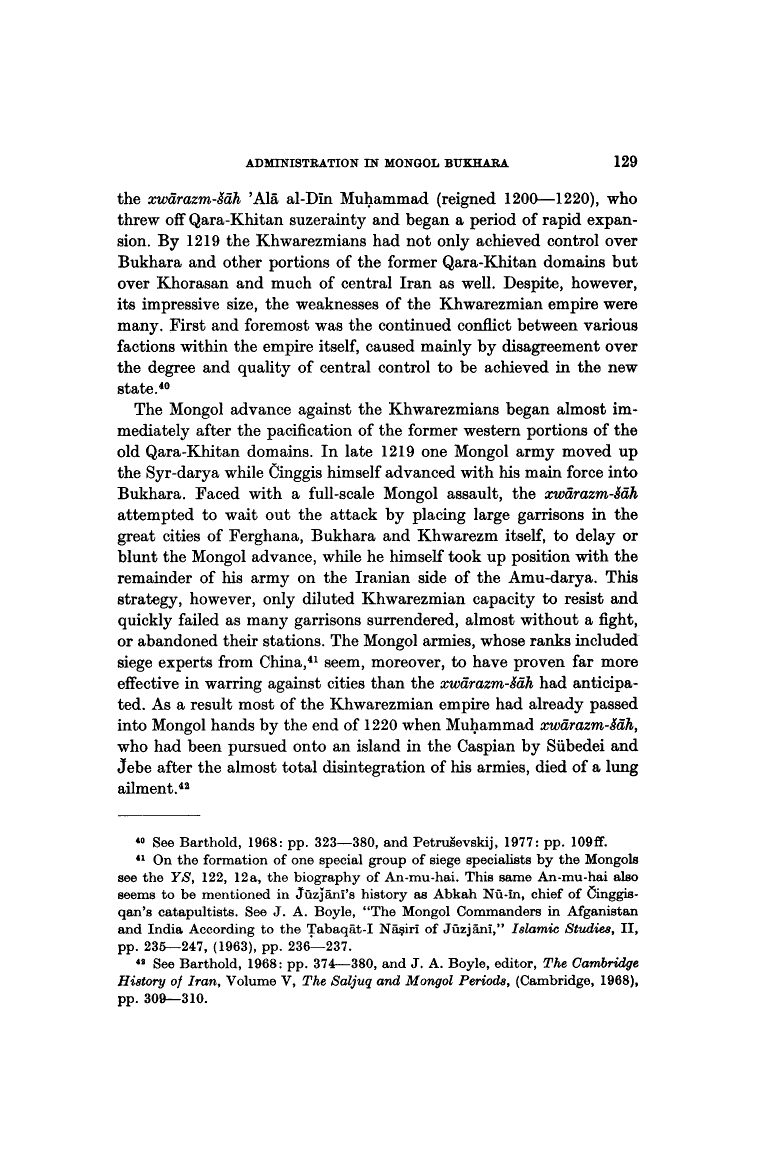
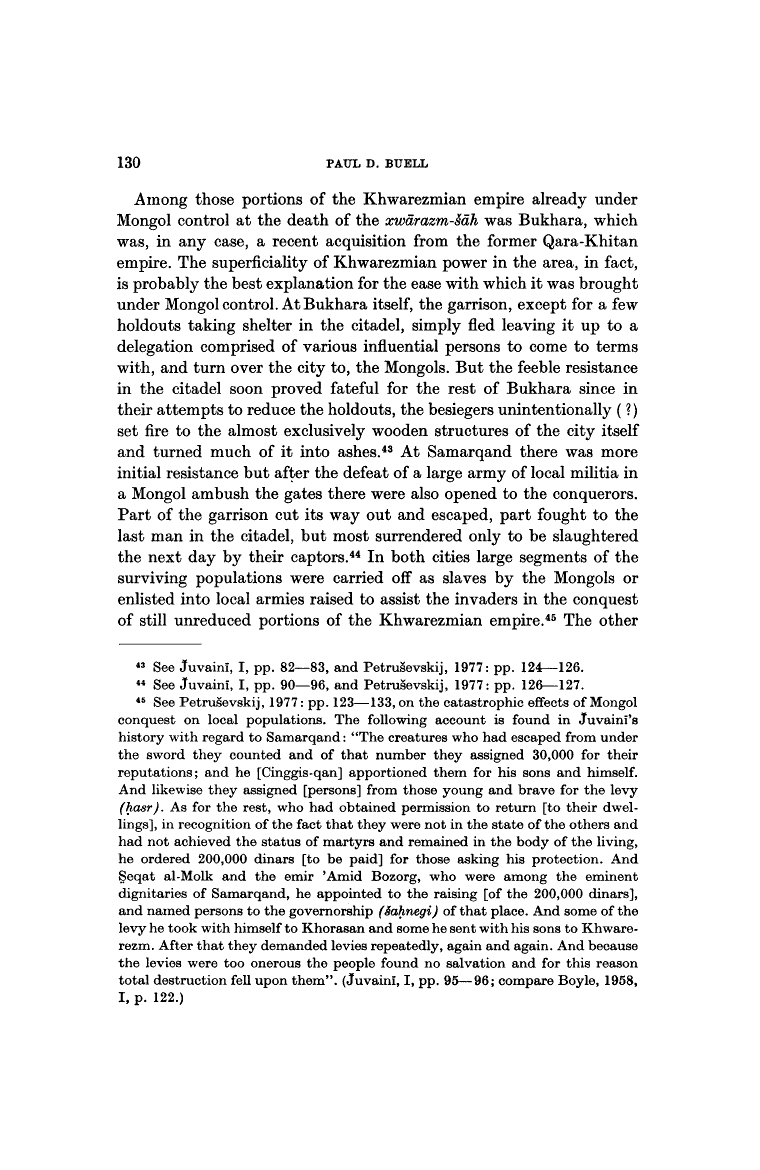
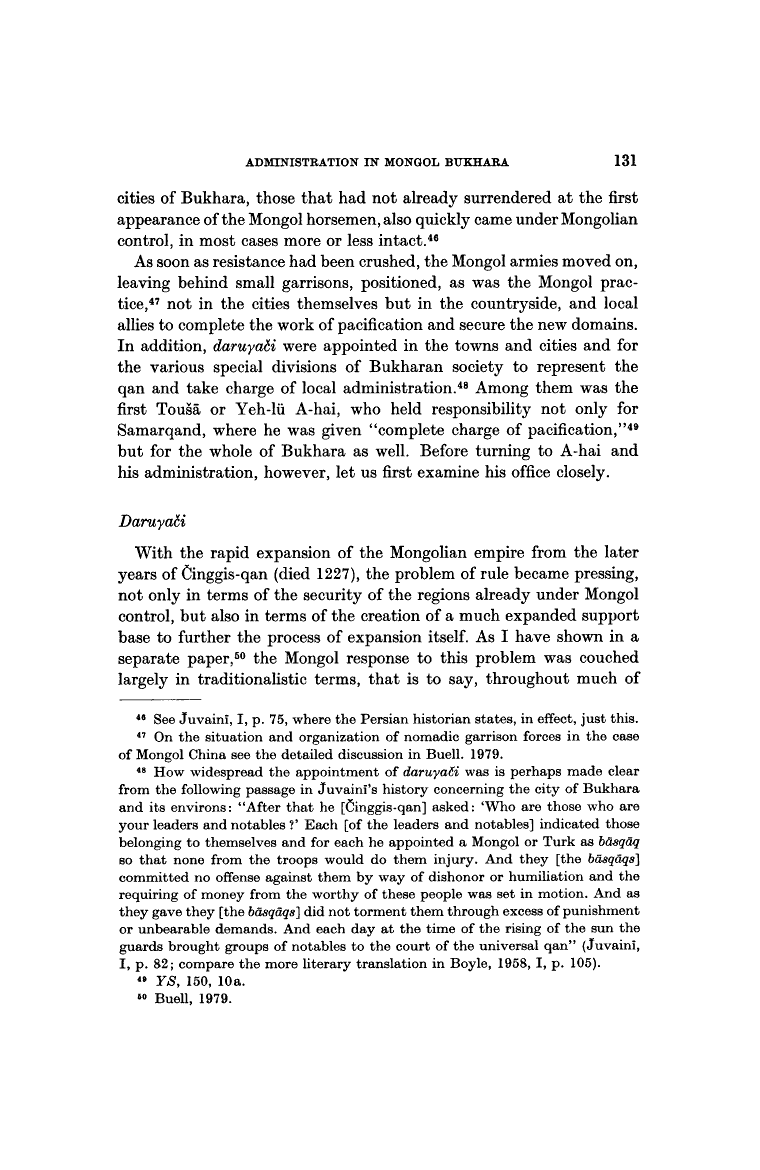
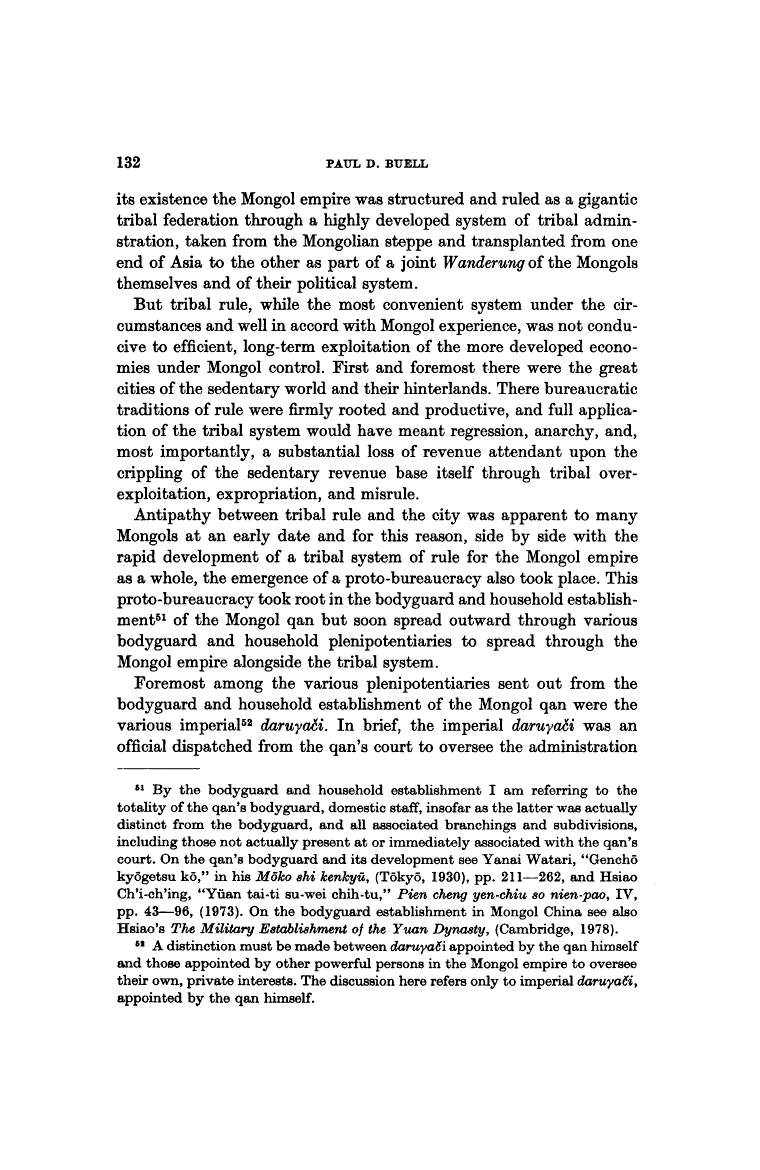
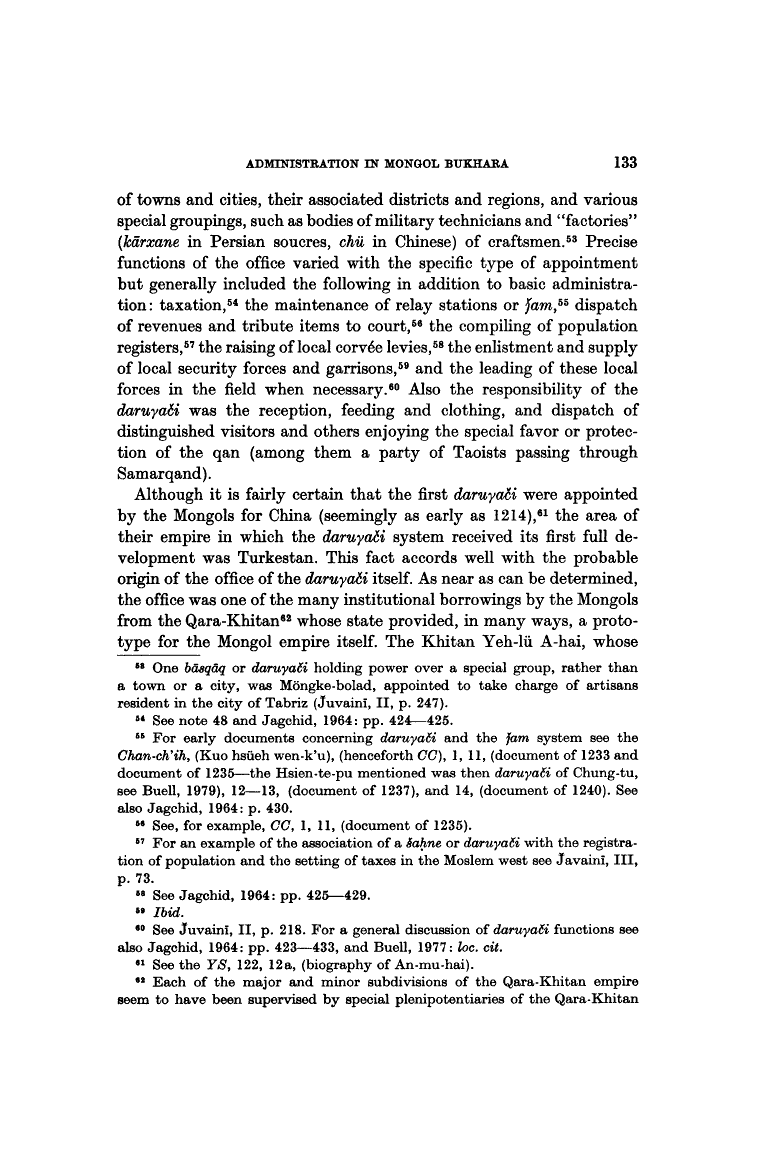
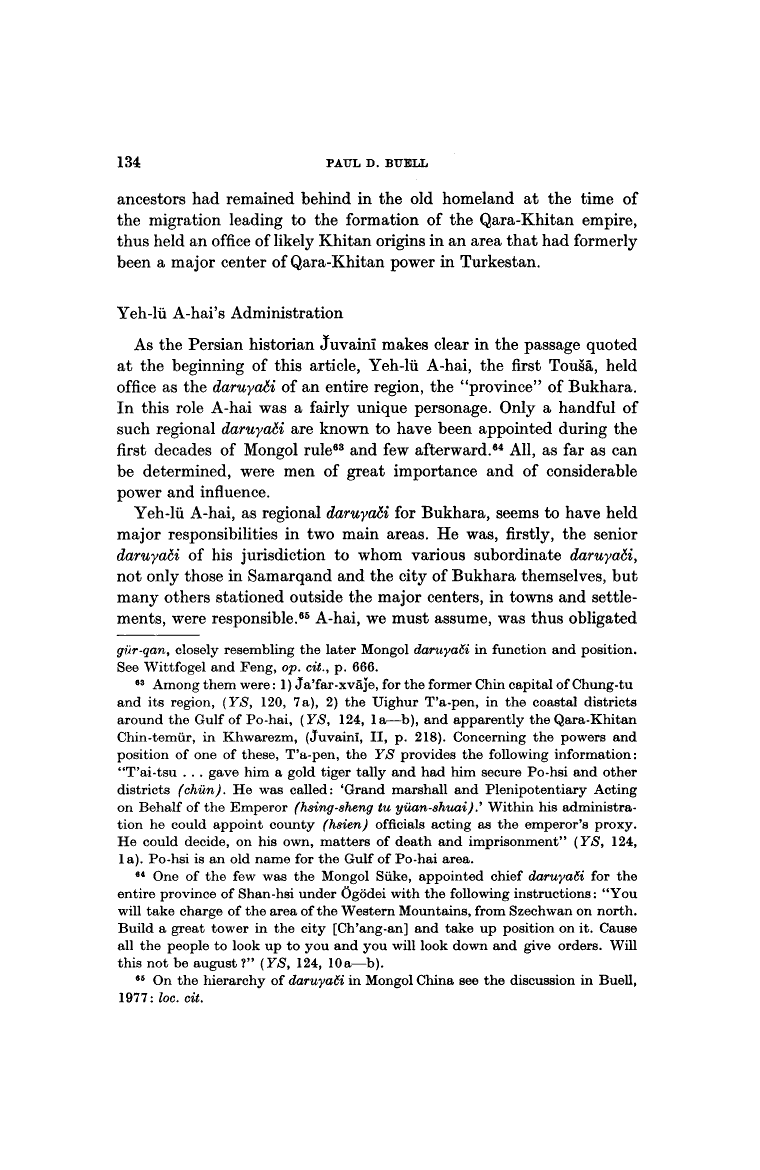
 Han, Khitan and Tangut officials ruled over the natives in Bukhara under the Mongol empire.