
Permaculture and Vocational Training
Exploring New Frontiers
Short link: https://bit.ly/ppc-c
Benefits for Student Participants
The Permaculture Pathways Course (PPC) is designed to offer a range of unique advantages to students, particularly appealing to those who might not typically engage in formal education settings. Here’s what students can expect:
-
Interactive Learning: Less academically rigid and more spontaneous, the course allows for real-time adjustments and interactive learning. This approach suits those who thrive in more dynamic and less structured environments.
-
Networking Opportunities: The PPC serves as a platform for networking among individuals who may not frequently attend educational courses. This can open doors to new collaborations and friendships within the permaculture community.
-
Inspirational Setting: By engaging in an educational setting that is accessible and informal, individuals who rarely seek out learning opportunities might be inspired to pursue further education and personal development.
-
Community and Trust: In permaculture, the emphasis on community and sharing is crucial. The PPC fosters an environment where trust and mutual support can flourish, helping to heal and uplift those who have lived under challenging conditions. This includes communal meals and shared experiences that reinforce the permaculture ethics of care for people and the earth.
-
Empowerment and Independence: Teaching practical skills like food production not only promotes food independence but also empowers individuals. This empowerment can ripple out to enhance the strength and reach of the permaculture movement, especially among underrepresented populations.
-
Creating Public Spaces: The course environment acts as a public space for meeting and cooperating with others who are enthusiastic about sustainable living. This dynamic setting encourages a culture of growth and cooperation.
-
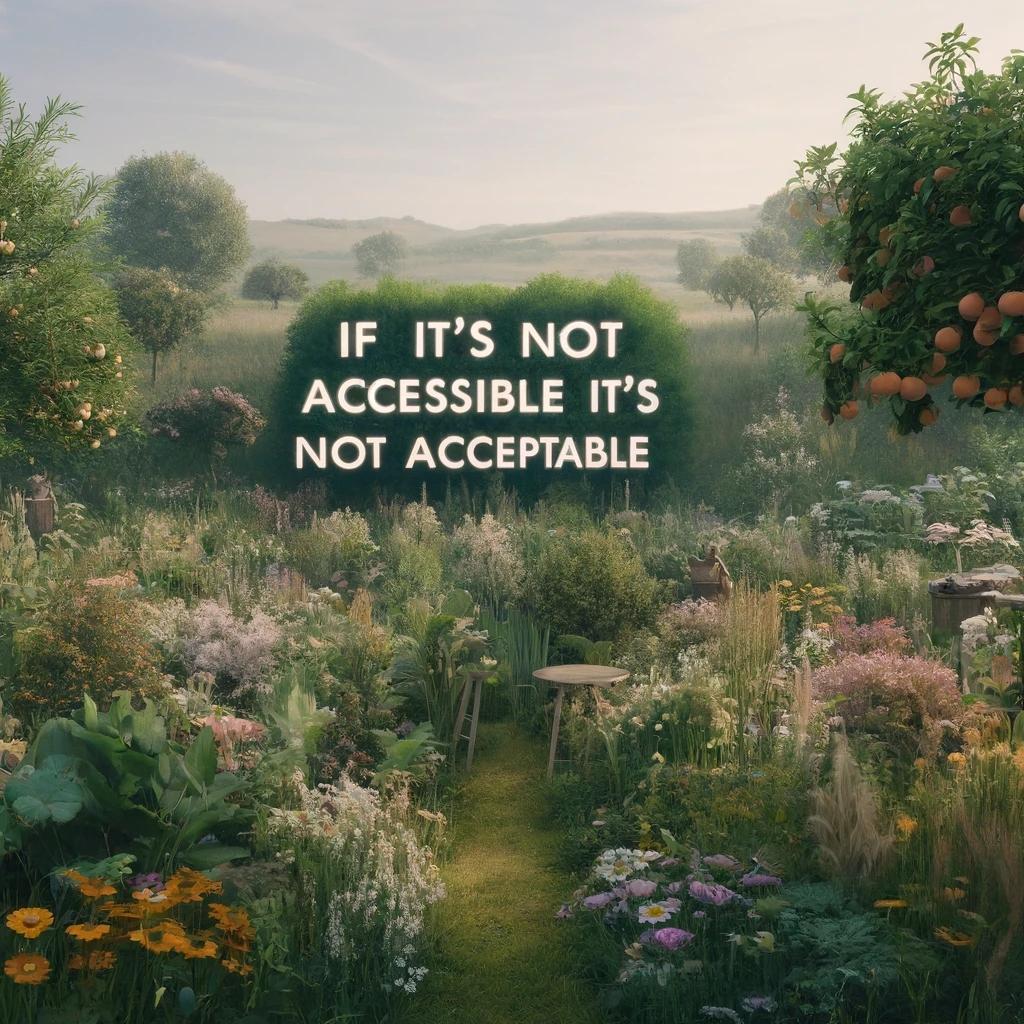
Accessibility: With its lower cost and community-focused structure, the PPC makes learning about sustainable practices more accessible to a broader audience, breaking down barriers that might prevent participation.
Benefits for Teacher Participants
The Permaculture Pathways Course (PPC) offers unique opportunities for teachers, especially those who are newly certified and looking to gain valuable teaching experience. Here are some key advantages for teacher participants:
-
Practical Teaching Experience: The PPC provides an opportunity for newly graduated PDC teachers to apply their knowledge in a real-world setting, enhancing their teaching skills and confidence.
-
Curriculum Development: Teachers can contribute to the development and adaptation of the course curriculum, which allows for creative input and helps to refine educational methodologies tailored to diverse student groups.
-
Professional Development: Participating as a teacher in the PPC serves as significant professional development, helping to build a teaching portfolio that can open up further career opportunities in permaculture education.
-
Networking with Peers: Teachers will interact with other permaculture professionals and educators, broadening their professional network and facilitating exchanges of ideas and practices.
-
Mentorship Opportunities: More experienced teachers can mentor newer educators, fostering a supportive learning environment and strengthening the permaculture teaching community.
-
Community Engagement: Teachers play a crucial role in building community within the course, leading by example in the application of permaculture principles such as mutual aid and ecological stewardship.
-
Feedback and Reflection: Engaging directly with students provides teachers with immediate feedback on their teaching methods, allowing for continuous personal and professional growth.
The PPC aims to be more affordable and thus more inclusive as it reduces the financial barrier. We believe this will not detract from the quality of learning but rather enhance the practical experience and make advancing into permaculture teaching more inviting. Ensuring accessibility to a wider audience allows us to enrich the permaculture community with diverse perspectives and experiences, which are vital for the growth and sustainability of the movement.
Accessibility for The Many
By setting a lower price point, we not only open the doors to a broader demographic but also foster an environment where learning and growth are prioritized over profit. This approach empowers students from various economic backgrounds, including the less affluent, to engage with permaculture principles without the burden of high costs typically associated with comprehensive training programs.
Enhanced Learning Experience
Complementing our commitment to affordability, the educational quality of the PPC remains uncompromised. The course is rich in practical applications and real-world relevance. A hands-on approach ensures that students can apply what they learn directly to their projects and environments, enhancing both their understanding and retention of permaculture principles. This practical experience is crucial for both immediate application and long-term retention of sustainable practices.
As we prepare to roll out the PPC, your insights are crucial.
We are particularly interested in your thoughts on the course content, its structure, and the potential impact on the community. Could this approach meet the needs of prospective students and new teachers alike? Would the settings and structure proposed resonate with the community?
Follow-up:
Subscribe to our Roots Of Change forum on the Mighty Networks platform.
Together, we can shape a program that truly reflects our collective vision and values.
Contact and Newsletter Subscription and Submissions
ADMIN
Call For Feedback
A way in which Team Members could assist the discussion while getting better acquainted with the advantages of working around more than midwifery but also around permaculture is by providing feedback on the suggestion to develop a vocational training program for recently graduate permaculture teachers. A program that would aim to reach people who previously had less access to permaculture and maybe to midwifery care(*).
(*) (Dawn House seeks a synergy between Permaculture, Midwifery and Spirituality).
“Permaculture and Vocational Training Initiatives”
---
* Audre Lorde: American writer, professor, philosopher, intersectional feminist, poet and civil rights activist.
https://en.wikipedia.org/wiki/Audre_Lorde