

Image Credit: Azay photography / Shutterstock
Scientifically known as Withania somnifera, ashwagandha is a potent herb long used in traditional medicine. Originally from India, this herb's revitalizing qualities have earned it a common name: "Indian ginseng."
What is Ashwagandha?
Growing in India, the Middle East, and some of Africa, ashwagandha is an evergreen shrub. Medical uses abound from its roots and berries. Considered an adaptogen, the herb aids in stress management for the body. Ashwagandha is well-known for its ability to increase energy, sharpen focus, as per Dr. Lin “Ashwagandha has long been used in Ayurvedic medicine to increase energy, improve overall health and reduce inflammation, pain and anxiety,”.
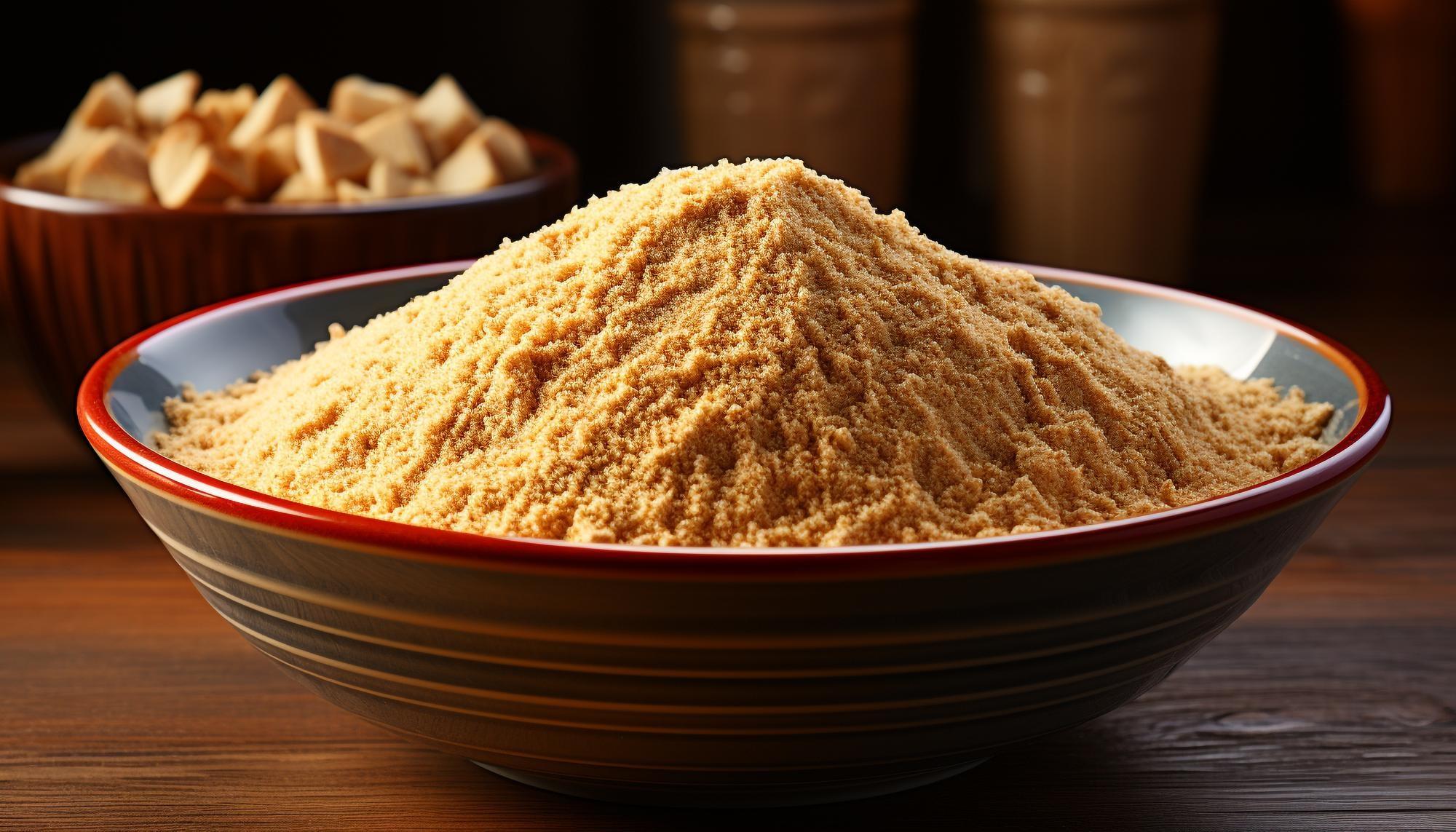
Image Credit: AI/Freepick
Historical Background and Traditional Uses
Ashwagandha has a rich background going back about 3,000 years. One of the first holistic healing systems created in India, Ayurvedic medicine has been a mainstay in Ayurvedic treatment worldwide. Translating as "smell of the horse," the term "Ashwagandha" speaks to the perfume of the root as well as the notion that it gives a horse its power and life.
Few Benefits of Ashwadandha |
|---|
| Stress management |
| Increase energy |
| Improved cognitive function |
| Anti-inflammatory properties |
| Immune system support |
| Improved sleep quality |
| Blood sugar regulation |
| Enhanced muscle strength |
| Cardiovascular health |
| Hormonal balance |
| Anti-aging effects |
| Sexual health |
| Mood stabilization |
| Joint health |
| Antioxidant properties |
Ashwagandha was utilized in conventional Ayurvedic treatments to boost longevity, revitalize the body, and treat both physical and mental illness. It was generally said to increase vitality, fight stress, sharpen cognitive ability, and strengthen immunity. Ashwagandha supplements also helped with sexual health and raised fertility.
Societal Use and Benefits
Ashwagandha has long been used in many civilizations for its broad medicinal advantages. Ayurvedic treatment, applied in India to address ailments including arthritis, anxiety, sleeplessness, and respiratory problems, is based on this fundamental ingredient. Ashwagandha has been used historically in African traditional medicine to treat inflammatory diseases and enhance general wellbeing.
Many of these age-old applications are supported by contemporary studies. Research indicates that Ashwagandha can help lower blood sugar and cortisol levels, improve brain function, ease tension and anxiety, and strengthen muscles and promote recovery. Those trying to increase their general health and resilience to stress often choose it because of its adaptogenic qualities.
Complementary Herbs
Often taken in combination with other herbs, ashwagandha improves its effects. Among the recommended herbs are:
- Known for its anti-inflammatory and antioxidant qualities, turmeric balances Ashwagandha in lowering inflammation and bolstering joint integrity.
- Another adaptogen, Holy Basil (Tulsi), lowers stress and boosts the immune system in concert with Ashwagandha.
- Used to boost memory and cognitive ability, Brahmi (Bacopa Monnieri) goes nicely with Ashwagandha for mental clarity and focus.
- Renowned for its digestive qualities, ginger can help Ashwagandha be more absorbed and offer extra anti-inflammatory action.
Precautions and Considerations
Although most people agree Ashwagandha is typically safe, there are some things to be aware of:
- As per NIH ( National Center for Complementary and Integrative Health ) Ashwagandha should be avoided during pregnancy and should not be used while breastfeeding.
- Those with autoimmune illnesses including lupus, multiple sclerosis, and rheumatoid arthritis should see their doctor before using Ashwagandha since it could aggravate their immune system.
- Medications: Ashwagandha might interfere with drugs meant for thyroid problems, diabetes, and blood pressure control. See a healthcare practitioner first before combining it with other therapies.
Ultimately
Long used in traditional medicine, ashwagandha is a flexible and potent herb. Its advantages for cognitive ability, general wellness, and stress management make it a great supplement to any health program. Knowing its applications, advantages, and safety issues will help you decide whether to include Ashwagandha into your way of life. Before beginning any new supplement, always speak with a healthcare provider.
General Disclaimer: The information provided in this article is for informational purposes only and is not intended as a substitute for advice from your physician or other healthcare professionals. You should not use the information in this article for diagnosing or treating a health problem or disease, or prescribing any medication or other treatment.