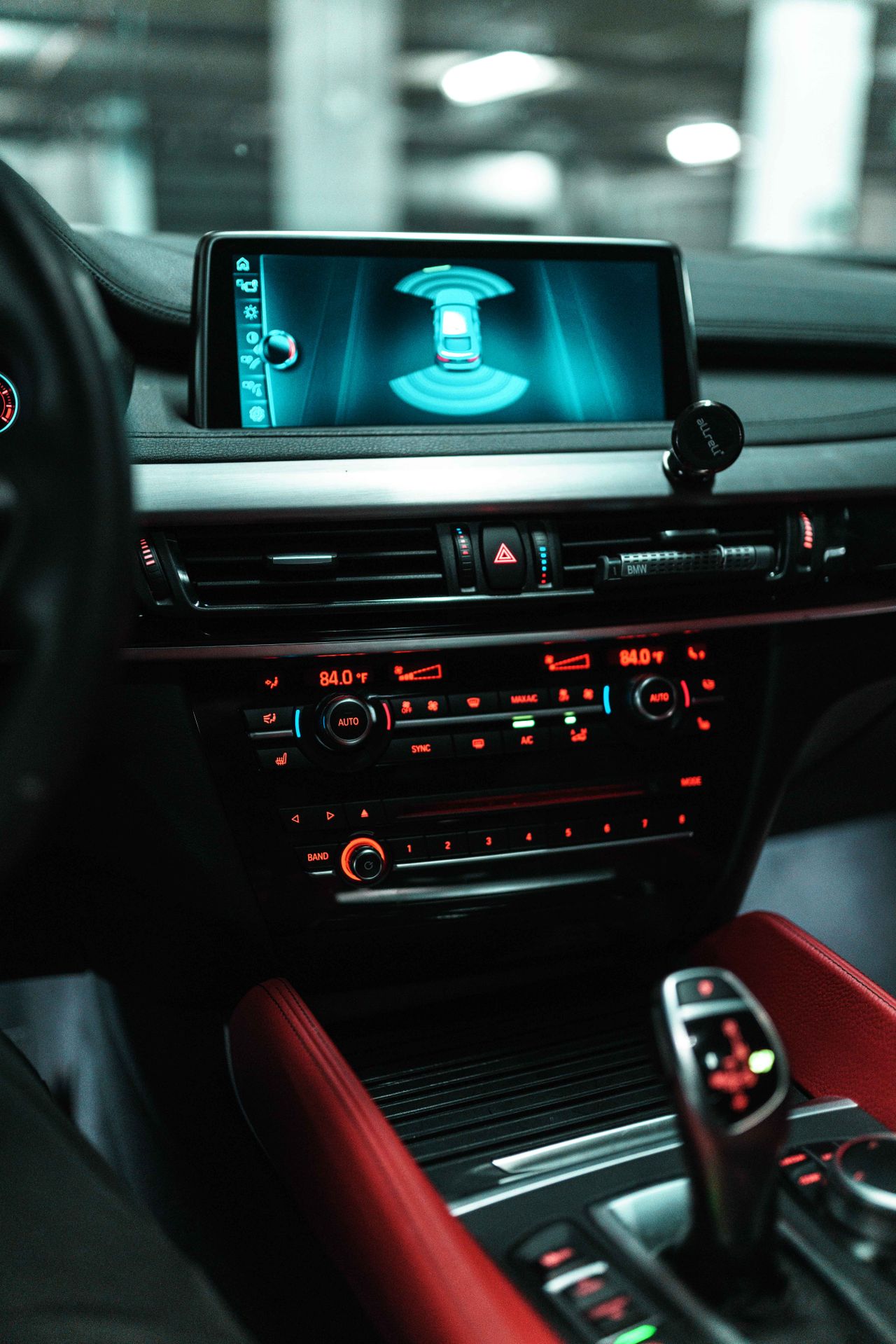
Have you ever been driving along when a strange symbol suddenly lights up on your dashboard? Most drivers recognize the fuel gauge or the check engine light, but modern vehicles have dozens of warning lights—some of them so unusual that they leave people scratching their heads.
As cars become more advanced, manufacturers continue adding new safety, performance, and convenience features. While these systems make driving easier, they also introduce a variety of dashboard icons that many drivers have never seen before.
Knowing what these warning lights mean can help you avoid expensive repairs, improve safety, and prevent unexpected breakdowns. Let's take a look at some of the most unusual dashboard warning lights and what they actually mean.
Why Dashboard Warning Lights Matter
Dashboard warning lights are your car's way of communicating with you. Sensors throughout the vehicle monitor important systems and alert you if something isn't working correctly.
Ignoring these warnings can turn a small issue into a major repair. Sometimes it's as simple as tightening your fuel cap, while other times it could signal a problem that needs immediate attention.
Understanding these symbols helps you make better decisions before damage occurs.
1. Tire Pressure Monitoring System (TPMS)
One of the most commonly misunderstood warning lights looks like a horseshoe with an exclamation mark in the middle.
Many people mistake it for a flat tire, but it actually indicates that one or more tires have low air pressure.
Possible causes include:
- Seasonal temperature changes
- Slow air leaks
- Tire damage
- Improper inflation after service
Driving with underinflated tires reduces fuel economy and increases tire wear.
2. Lane Departure Warning Light
Modern vehicles equipped with driver-assistance technology often display a symbol showing a car between two lane lines.
If this light flashes, your vehicle believes you're drifting out of your lane without using a turn signal.
The system uses cameras to monitor lane markings and may even gently steer the vehicle back into position.
Although helpful, drivers should never rely on this feature alone.
3. Adaptive Cruise Control Indicator
Some dashboard displays show a small vehicle with lines extending toward another car.
This indicates that adaptive cruise control is active.
Radar sensors measure the distance between your vehicle and traffic ahead, automatically adjusting speed to maintain a safe following distance.
If the light changes color or flashes, the system may be temporarily unavailable due to poor weather, dirt covering the sensors, or a system fault.
4. Automatic High Beam Indicator
Many drivers are surprised to see a headlight symbol with the letter "A."
This means your automatic high-beam system is active.
Using a camera near the windshield, the vehicle automatically switches between high and low beams depending on surrounding traffic.
It's a convenient feature that improves nighttime visibility while preventing glare for other drivers.
5. Diesel Exhaust Fluid (DEF) Warning
Diesel vehicles often display a warning that many owners don't recognize.
The DEF warning means your Diesel Exhaust Fluid level is low.
This fluid helps reduce harmful emissions and is required for many modern diesel engines.
Ignoring this warning may eventually prevent the engine from restarting until the fluid is refilled.
6. Electronic Stability Control (ESC)
This warning light usually shows a car with squiggly skid marks behind it.
It indicates that your stability control system is actively helping maintain traction.
If the light flashes briefly, the system is working as intended.
However, if it remains illuminated, there could be a fault requiring inspection.
ESC systems significantly improve safety on slippery roads.
7. Start-Stop System Indicator
Many newer vehicles automatically shut off the engine while stopped at traffic lights to save fuel.
A symbol featuring the letter "A" inside a circular arrow indicates this system is active.
Sometimes the light changes color when conditions prevent the engine from shutting off, such as:
- Low battery charge
- Extreme temperatures
- Heavy air conditioner use
This is usually normal.
8. Key Fob Battery Warning
Push-button start vehicles may display a small key symbol with a battery icon.
This simply means the battery inside your key fob is becoming weak.
Replacing the battery early helps avoid being stranded with a key that no longer communicates with the vehicle.
Fortunately, replacement batteries are inexpensive and easy to install.
9. Forward Collision Warning
One of the more intimidating dashboard icons shows two vehicles about to collide.
This warning appears when your car detects that you're approaching another vehicle too quickly.
Depending on the model, the system may:
- Sound an alarm
- Flash the warning
- Tighten seat belts
- Prepare the brakes
- Automatically apply braking force
Always take this warning seriously.
10. Power Steering Warning
Modern electric power steering systems use a steering wheel symbol with an exclamation mark.
If illuminated, steering assistance may be reduced.
The vehicle may still be drivable, but steering could become noticeably heavier.
Prompt diagnosis is recommended before continuing long trips.
11. Water in Fuel Warning
Found mainly on diesel vehicles, this symbol alerts drivers that water has accumulated in the fuel filter.
Too much water entering the fuel system can damage injectors and other expensive components.
Servicing the fuel filter quickly prevents more serious problems.
12. Brake Pad Wear Indicator
Some luxury and premium vehicles include electronic brake pad sensors.
Instead of waiting until you hear grinding noises, the dashboard alerts you when brake pads are approaching the end of their lifespan.
Replacing brake pads promptly helps protect the rotors and keeps repair costs lower.
Which Warning Lights Require Immediate Attention?
Not every dashboard light is an emergency, but some should never be ignored.
Stop driving as soon as it's safe if you see:
- Oil pressure warning
- Engine overheating warning
- Brake system failure
- Battery charging system failure
- Severe engine warning accompanied by flashing check engine light
Continuing to drive with these warnings could result in major engine or safety issues.
Yellow vs. Red Warning Lights
A simple rule of thumb is:
Yellow or Amber Lights
These indicate a problem that should be checked soon. The vehicle is usually safe to drive for a short time, but don't ignore the warning.
Examples include:
- Check Engine
- Tire Pressure
- ABS
- Stability Control
Red Warning Lights
These signal a serious issue requiring immediate attention.
Examples include:
- Oil Pressure
- Brake Failure
- Engine Temperature
- Charging System
If a red warning light appears, it's often safest to stop driving until the problem is diagnosed.
Preventing Dashboard Warning Lights
While not every warning can be avoided, regular maintenance greatly reduces the chances of unexpected alerts.
Good maintenance habits include:
- Checking tire pressure monthly
- Replacing fluids on schedule
- Maintaining battery health
- Servicing brakes regularly
- Changing engine oil on time
- Keeping sensors clean
- Addressing small issues before they become major problems
A well-maintained vehicle is far less likely to surprise you with warning lights.
When Warning Lights Keep Coming Back
As vehicles age, it's common for dashboard warnings to appear more frequently. Electrical components, sensors, wiring, and control modules wear out over time, and repairing multiple systems can become expensive. If your older vehicle constantly displays warning lights and repair costs continue to climb, it may no longer be worth the investment.
In these situations, many owners decide to sell their vehicle as a scrap car rather than spending thousands on ongoing repairs. Recycling an end-of-life vehicle allows valuable materials to be reused while putting some cash back in your pocket.
Final Thoughts
Modern dashboard warning lights do much more than indicate low fuel or an open door. They monitor nearly every part of your vehicle, from tire pressure and steering systems to advanced safety features like collision avoidance and lane-keeping assistance.
Understanding these unusual warning lights can help you react appropriately, avoid unnecessary repairs, and stay safer on the road. And if your aging vehicle is constantly flashing warnings despite repeated repairs, it may be a sign that it's nearing the end of its useful life. Knowing when to repair—and when to let go—can save you both time and money while ensuring your next drive is a safer one.