
The Benefits of Choosing ClearWave Dental for Fillings
How to Choose the Right Tooth Filling for You
By ClearWave Dental · 2026-07-30
Dental caries, commonly known as cavities, affect a significant portion of the population at some point in their lives. When a cavity forms, the standard of care is to remove the decay and restore the missing tooth structure with a dental filling. While this process sounds straightforward, the material you select directly impacts the longevity of the repair, the sensitivity of your tooth, and even the total cost of your dental care over time. Understanding the key differences between modern tooth filling options is essential for anyone facing restorative treatment.
The days of a single, one-size-fits-all silver filling are long gone. Today, dentists and patients collaborate closely on choosing the right dental filling based on factors like the tooth's location in the mouth, the size of the cavity, aesthetic preferences, and budget. Each material — from tooth-colored composites to traditional amalgam and high-strength ceramics — behaves differently inside the oral environment. This guide provides a detailed, evidence-based overview to help you navigate these choices with confidence. For anyone scaling up, choosing the right dental filling is well worth a closer look.
Key Takeaways
- Composite fillings offer the best overall balance of aesthetics and strength for most cavities.
- Amalgam fillings are the most durable and economical for back teeth under heavy chewing pressure.
- Cavity location and size are the most critical factors in determining the ideal filling material.
- Post-procedure sensitivity is normal for a few days but should be monitored closely.
- Investing in a premium filling can preserve more natural tooth structure over the long term.
The True Cost of Cavities: Why Filling Material Choice Matters
Ignoring a cavity leads to more extensive decay, potentially requiring a root canal or extraction. However, the material used to fill that cavity is equally important for the long-term health of the tooth. A filling does not just plug a hole; it must bond with the tooth structure, withstand significant chewing forces, and seal the tooth from bacteria. A mismatch in material properties can lead to recurring decay, fractures, or chronic sensitivity. For example, some materials expand and contract with temperature changes more than natural tooth enamel, which can create gaps over time. This is why the decision is not merely cosmetic but a functional and biological one that affects your oral health for years to come.
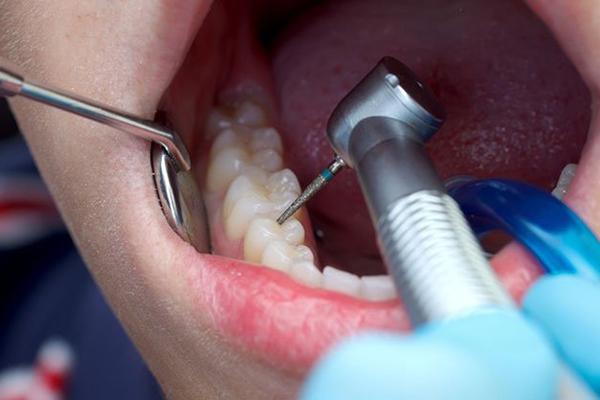
Tooth Cavity Filling Options: Materials Compared
Dental fillings generally fall into two categories: direct fillings, which are placed directly into the prepared cavity and harden within minutes, and indirect fillings, which are fabricated in a dental lab and then cemented onto the tooth. The most common direct materials are composite resin and amalgam, while ceramic and gold are used for indirect inlays or onlays. Each material possesses a unique profile of strengths, weaknesses, and ideal applications. This is often where how much do tooth fillings cost proves its value in practice.
Composite Resin: The Popular Choice
Composite fillings are made from a mixture of acrylic resin and finely ground glass-like particles. They are a popular option because they can be precisely color-matched to the surrounding teeth, making them virtually invisible. Beyond aesthetics, composite resin bonds directly to the tooth structure, which can actually strengthen the tooth and require the dentist to remove less healthy enamel compared to amalgam. This makes it an excellent choice for small to medium cavities, especially in visible areas like front teeth or premolars. However, composite is more technique-sensitive to place and may be less durable than metal options for extremely large cavities. It typically lasts between five and ten years before needing replacement, though proper care can extend this lifespan.
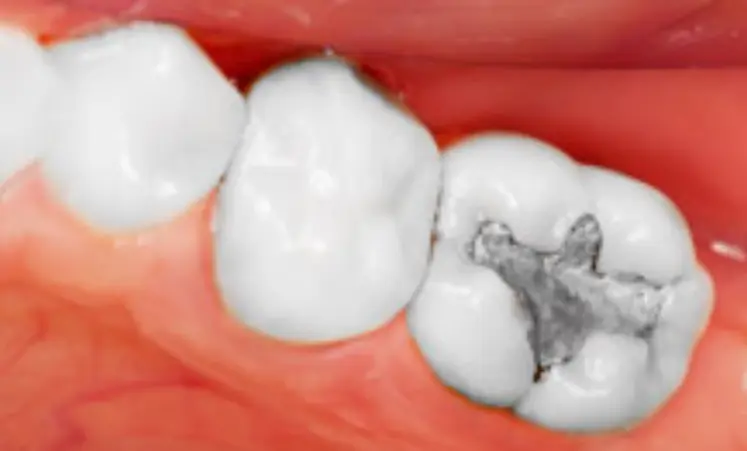
Amalgam: The Time-Tested Workhorse
Dental amalgam is a metal alloy composed of silver, tin, copper, and mercury. It has been used for over a century due to its exceptional durability and low cost. Amalgam fillings are incredibly strong and can withstand the heavy chewing forces exerted on posterior molars, often lasting 10 to 15 years or longer. This remains a viable and highly effective tooth cavity filling option for patients seeking maximum longevity and strength for back teeth. The primary downsides are aesthetic, as the dark silver color is highly visible, and the preparation requires removal of slightly more healthy tooth structure to create a mechanical lock. Patients who grind their teeth or have large cavities on chewing surfaces often benefit from it. When exploring a durable option for back teeth, discussing an how much do tooth fillings cost with your dentist can clarify if the trade-offs in aesthetics are worth the gains in strength. Many teams turn to tooth cavity filling to handle exactly this kind of workload.
Ceramic and Gold: Premium Alternatives
For patients who desire the highest level of biocompatibility and longevity, indirect fillings like ceramic (porcelain) and gold represent premium investments. Ceramic inlays and onlays are fabricated in a lab and provide excellent stain resistance and a natural translucency that closely mimics enamel. They are a fantastic choice for moderate-sized cavities in patients who want a metal-free, highly aesthetic solution. Gold fillings, while less common, are considered the gold standard for durability and biocompatibility. Gold does not corrode, wears down at a rate similar to enamel, and is extremely gentle on opposing teeth. The main drawbacks for both options are cost and the need for at least two dental appointments, as the restoration must be fabricated externally.
| Material | Aesthetics | Durability | Average Lifespan | Cost (per tooth) |
|---|---|---|---|---|
| Composite Resin | Excellent (tooth-colored) | Good (may wear over time) | 5 – 10 years | $150 – $450 |
| Amalgam | Poor (silver) | Excellent | 10 – 15+ years | $100 – $250 |
| Ceramic / Porcelain | Excellent (translucent) | Very Good | 10 – 15 years | $800 – $2,500 |
| Gold | Fair (metallic) | Excellent | 15 – 20+ years | $600 – $2,500 |
How Much Do Tooth Fillings Cost? A Practical Breakdown
Making the Choice: Matching Filling to Your Specific Tooth
Conclusion: Your Path to a Healthy, Restored Smile
Frequently Asked Questions About Choosing Dental Fillings
How long does a tooth filling procedure typically take?
For a simple, single-surface cavity, a direct composite or amalgam filling usually takes between 20 and 60 minutes from the injection of anesthetic to the final polish. Indirect fillings like ceramic or gold require two appointments: the first lasting 60 to 90 minutes for preparation and impressions, and the second lasting about 30 to 45 minutes for placement and cementation.
Does getting a dental filling hurt?
Your dentist will use a local anesthetic to numb the area completely, so you should not feel any sharp pain during the procedure. You may feel some vibration or pressure as the drill removes the decay. Post-procedure sensitivity to temperature or pressure is common for a few days but usually subsides quickly. Over-the-counter pain relievers are generally sufficient to manage any discomfort.
Is it safe to have an amalgam filling given it contains mercury?
Yes, dental amalgam is considered safe for the general population by the FDA, the ADA, and the World Health Organization. The mercury in amalgam is bound tightly with other metals, forming a stable alloy that releases negligible amounts of vapor. However, patients with certain medical conditions, such as kidney disease or a known allergy to mercury, may be advised to choose a composite or ceramic alternative.
What is the best filling material for a front tooth?
Composite resin is the standard recommendation for cavities in front teeth. Its ability to be color-matched precisely to the surrounding enamel provides an invisible repair. In rare cases where a front tooth has extensive structural damage, a ceramic veneer or crown may be considered, but for standard cavities, composite offers the best combination of aesthetics, adhesion, and preservation of tooth structure.
Will my dental insurance cover the cost of composite fillings?
Most dental insurance plans cover the cost of composite fillings on front teeth, as they are considered a necessity for aesthetics. For back teeth, many plans cover the cost of an amalgam filling and will pay a percentage towards a composite filling, with you responsible for the difference. Checking your specific plan's "patient responsibility" clause or receiving a pre-treatment estimate from your dentist will provide the most accurate financial picture.
How long do composite fillings last compared to amalgam?
On average, composite fillings last between 5 and 10 years before needing repair or replacement. Amalgam fillings have a longer track record and typically last 10 to 15 years or more. However, composite technology has improved significantly. The longevity of any filling depends heavily on the size of the cavity, the patient's oral hygiene, and habits like clenching or grinding.