
Bearings are one of the most crucial mechanical components in industrial machinery systems. Also known as the high-precision components, these are vital for decreasing friction and bearing load during rotational motion. Most industrial applications have at least one bearing. Using the right bearing type is crucial for optimizing equipment performance. The wrong bearing can decrease efficiency, cause expensive downtime, need extra maintenance, and in some cases, lead to equipment seizures. There are diverse kinds of bearings in the market, such as ball bearings, needle bearings, tapered roller bearings, and cylindrical roller bearings.
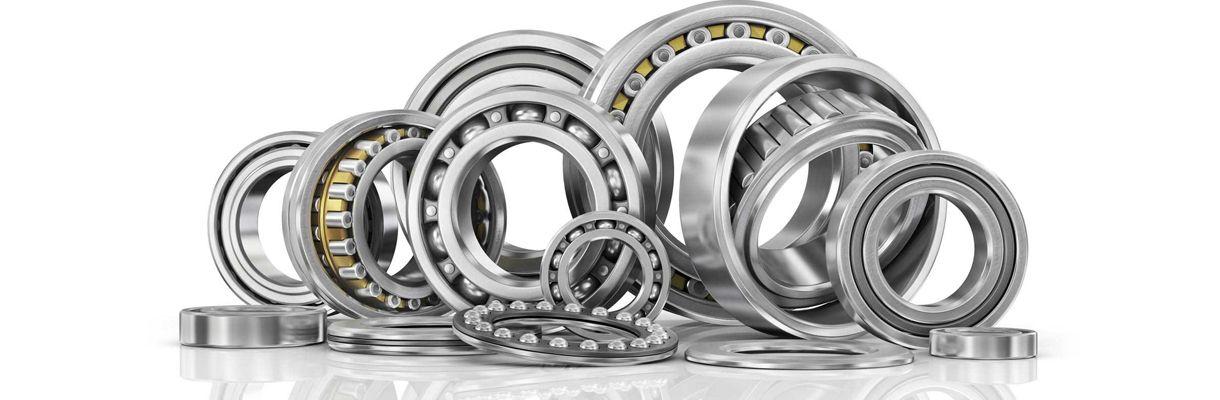
Ball bearings are the common types used in diverse applications. However, each bearing type has different features and advantages, making it apt for the usages and applications and are inappropriate for other machinery systems. So, choosing and installing the correct bearing is vital to ensure optimal machine performance. So, before you buy bearings, here are a few things you need to consider when finding the bearing for machinery usage.
Rotation Speed
Each bearing has a specific speed limit at which it operates with having a set maximum speed. A system that operates at high speed will be requiring a certain type of bearing to perform the task effectively. Bearings are designed to function well in a specific speed range. Also, when you select high-speed bearing, make sure they can continue safe operation despite slight misalignment issues that can have a drastic effect on fast rotation.
Bearing Load
The next deciding factor while choosing the correct bearing size is checking the bearing load capacity. The load they will bear helps determine the bearing for a specific application. While some bearings handle radial loads, acting perpendicularly to the axis of rotation, other bearing types handle axial loads. Moreover, a variety of loads handled by a bearing can drastically affect current performance. Therefore, it is better to check the load capacity during the selection process.
Strength and Resilience
Another important factor to consider when buying bearings is to check their durability and temperature tolerance. When loading, a slight twist or deformation on a bearing’s contact surfaces may happen that can become a serious issue in any application. In addition, some bearings need regular reassembly and disassembly to help for inspections and maintenance. Less lubrication, extra lubrication, combined lubricants, and contamination can affect the bearing performance. Thus, it is vital to consider grease service life, the number of times a bearing can function between lubrications. A more robust and durable bearing may cost more but need less maintenance and replacement.
Noise Level
In some machines and operating environments, a reduced level of running noise is crucial. Each application will have a diverse operating environment. Thus, it is vital to know the conditions in which bearings will be functioning. The rolling bearings produce a reduced level of operating noise. However, some changes can be made to bearings to help reduce the noise levels during operation. Deep groove ball bearings are usually the most preferred choice where reduced noise levels are critical.
In addition, you should check the bearing cost before making a final decision. If you are still confused about selecting the correct bearing type for your application, it is wise to consult a bearing specialist.