
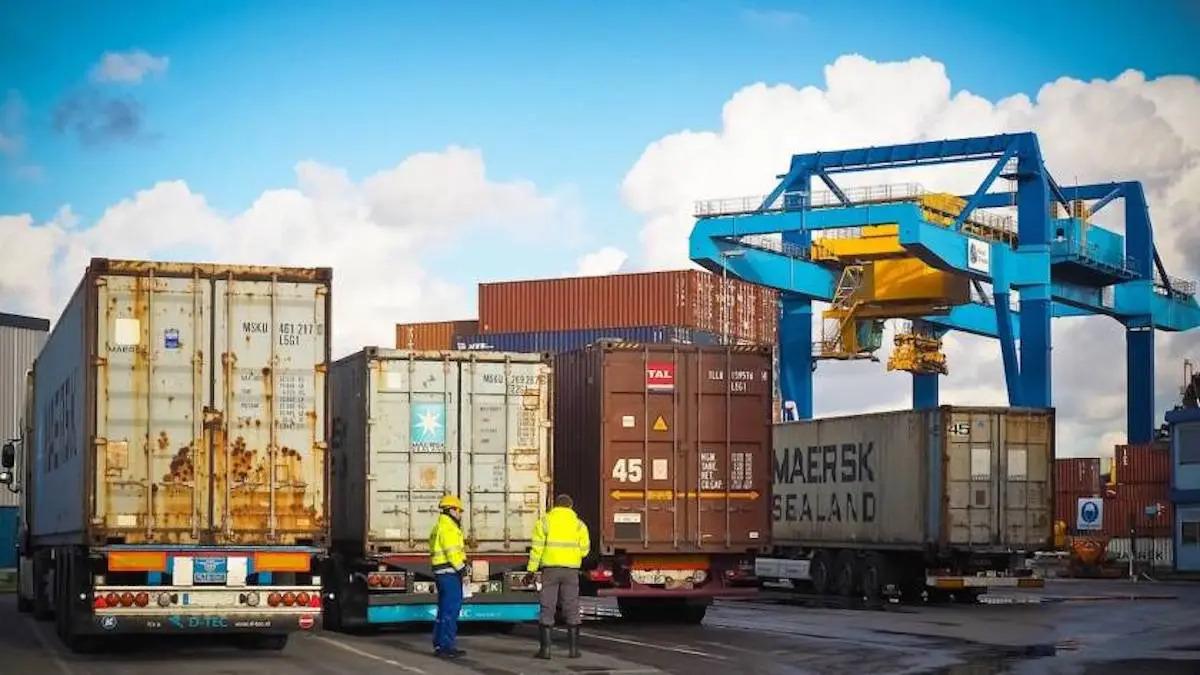
The Sustainable logistics sector is vital to any economy, contributing 14.4% to India’s GDP. However, it faces significant challenges in sustainability and high costs. With logistics expenses accounting for nearly 14% of India's GDP, much higher than the global average, the sector's impact on trade and competitiveness is profound.
To address these issues, adopting practices that reduce costs and environmental impact while enhancing efficiency and competitiveness is essential.
Prioritizing Electric Vehicles and Alternative Fuels
Promoting electric vehicles (EVs) and alternative fuels like ethanol and biodiesel can lead to sustainable logistics. Although EV adoption faces challenges such as inadequate charging infrastructure and high costs, investments from both public and private sectors in EV charging stations and government incentives can drive progress.
Promoting Multi-Modal Connectivity
With road freight contributing to 95% of greenhouse gas emissions, shifting to rail transport, which emits significantly less, is crucial. The National Logistics Policy and Sagarmala Program aim to enhance multi-modal connectivity, leveraging rail and water transport to reduce road dependency.
Smart and Sustainable Warehousing
Energy-efficient lighting, sustainable packaging, and waste reduction initiatives in warehouses can significantly reduce environmental impact. Businesses can invest in LED lighting, insulation, and recyclable packaging to promote sustainability.
Tech Investment in Logistics
Embracing technology, such as AI-driven tools for route optimization, can enhance efficiency, reduce costs, and minimize emissions.
Promoting sustainable logistics in India requires a holistic approach and collaboration between the private and public sectors. Adopting green technologies, reducing waste and emissions, and fostering a circular economy are crucial for a sustainable future.
Raaja Kanwar, Chairman and Managing Director of Apollo International Group and Apollo Supply Chain, highlights the logistics sector's significant contribution to India’s GDP and its challenges in sustainability and high costs. He advocates for prioritizing electric vehicles, alternative fuels, multi-modal connectivity, smart warehousing, and technology investment. These measures, coupled with collaboration between the private and public sectors, are essential for promoting sustainable logistics and enhancing India's economic growth and environmental responsibility.