
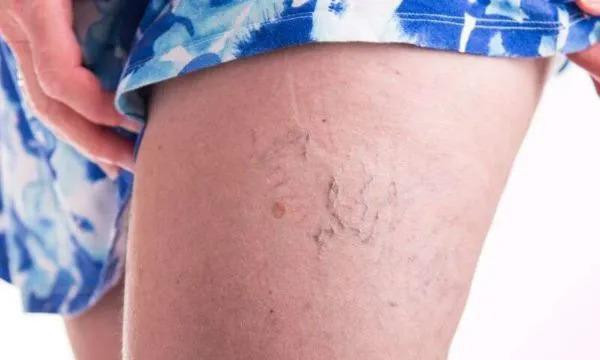
Have you recently begun to notice spider veins in your legs? Spider veins, also known as telangiectasia, are small clusters of blood vessels that form blue, red, or purple webs underneath the skin. They are often confused with varicose veins due to them having similar manifestations and overlapping symptoms.
What you should know is that varicose veins are an acute version of spider veins, with worse symptoms such as bulging and enlarged veins, and they may point to much more serious underlying issues. Spider veins, in comparison, are benign.
Although they are usually harmless, for some people, the sight of them is unpleasant enough that they go for cosmetic surgery to get them removed. However, it is entirely possible to reduce them on your own, starting by addressing spider vein causes directly. Read more to find which causes apply to you.
Here are the most common spider vein causes you should know:
-
Age
Age is one of the most common causes of spider veins. This is because as we grow older, our skin is less able to produce collagen, making our skin appear thin and resulting in the blood vessels becoming more apparent. On top of that, both our muscles and the valves in our veins would grow weaker, making it more difficult to ensure the blood flows back to the heart. This causes the blood to pool, enhancing the appearance of spider veins.
-
Family History
It is not uncommon for spider veins to be caused by hereditary conditions. Studies say about 90% of both men and women afflicted with spider veins have a family history of contracting them, which makes it difficult to combat on your own.
-
Gender
You are more likely to experience spider veins if you are a woman. This is for the most part due to hormonal changes, especially during pregnancy, puberty, or menopause. This risk increases more if you are taking hormonal birth control or going through hormonal replacement therapy to cope with menopause symptoms.
-
Body Weight
Obesity or being overweight is one of the more physically apparent spider veins causes people experience. The more weight you put on, the more pressure is applied to your veins, making it harder to circulate blood back to the heart and causing it to pool. Spider veins appear as a result.
-
Standing or Sitting for Long Periods of Time
Similar to how body weight can affect the legs, sitting and standing for hours on end, especially while working, causes gravity to pull your blood down to your legs. This defines the appearance of spider veins when the blood pools.
-
Sun Exposure
There is a reason why many people prioritize using sunscreen; standing around in the sun can do more damage to your skin than you think. The ultraviolet rays in sunlight can not only break down collagen and make your skin appear thinner, but they can also cause blood vessels to break.
-
Medical History
One major medical condition that may cause spider veins is blood clots, which occur when a blockage is formed in a blood vessel and prevents the blood flow back to the heart. Other conditions can also factor into the appearance of spider veins, mainly those that cause increased pressure in areas such as the abdomen. For example, constipation. Tumors can also play a role as they enlarge varicose veins.
-
Choice of Clothing
Clothing is also a cause for spider veins, though the role it plays would depend on how often you habitually wear tight clothing. Tights inhibit the flow of blood in and out of the legs, whereas girdles or corsets do the same for the abdominal area. All of these lead to the restriction of blood flow and will cause blood to pool.
As you can see, there are various factors that can contribute to the appearance of spider veins. You may be prone to them one way or another, depending on which spider vein causes you to experience, or whether they accumulate. But you need to remember: they aren’t a cause for concern!
However, if you would like to know how you can get them removed for aesthetic purposes, there are procedures such as sclerotherapy and laser treatment you can go for. Contact your nearest vascular clinic to find out more.