
In agriculture, product popularity often influences buying decisions. Farmers hear recommendations from neighbouring growers, retailers, or local markets and naturally lean toward products that are widely recognised. While popularity may indicate market acceptance, it does not always guarantee the best results for every crop or field.
Disease pressure varies from one season to another. Soil conditions, weather patterns, crop varieties, irrigation practices, and disease severity all influence how well a fungicide performs. A product that works exceptionally well in one region may not deliver the same results elsewhere.
This is why experienced farmers increasingly evaluate products based on field performance instead of simply following market trends.
Choosing effective crop protection requires understanding disease biology, crop growth stages, and product suitability. A well-planned fungicide program helps maintain healthy crops while supporting long-term productivity and better resource utilisation.
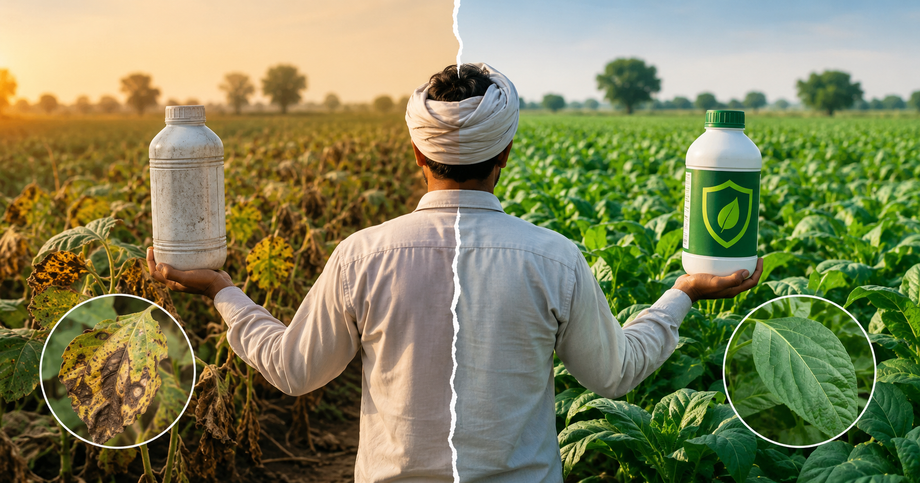
Why Doesn't Product Popularity Always Mean Better Performance?
Popular agricultural products often gain attention because of successful marketing, positive experiences in specific regions, or long-term availability.
However, popularity alone cannot account for factors such as:
- Local disease pressure
- Crop variety
- Climatic conditions
- Infection timing
- Crop growth stage
- Resistance management
Every farming situation is unique.
Selecting products purely because they are popular may result in unnecessary applications or less effective disease control if the product is not suited to the field conditions.
Disease Pressure Changes Every Season
Plant diseases behave differently depending on environmental conditions.
Heavy rainfall, prolonged humidity, fluctuating temperatures, and irrigation practices can all influence disease development.
As disease pressure changes, farmers should evaluate crop conditions before selecting protection strategies rather than relying only on previous experience.
Effective Disease control in crops depends on choosing solutions that perform well under current field conditions.
Understanding Performance-Based Fungicide Selection
Performance-based crop protection focuses on how well a product controls diseases in real farming situations.
Several factors influence performance:
Disease Spectrum
Different products target different fungal diseases.
Duration of Protection
Some fungicides provide longer residual activity than others.
Crop Compatibility
Products should be selected according to crop recommendations.
Application Timing
Applying products during the correct disease stage significantly improves effectiveness.
When these factors are considered together, farmers make more informed decisions that improve crop protection.
Why Crop-Specific Selection Matters?
No single fungicide performs equally across every crop.
Different crops face different disease challenges.
Using suitable Crop fungicides allows farmers to target diseases more accurately while improving crop health throughout the season.
Crop-specific planning often reduces unnecessary applications and supports more efficient disease management.
Looking Beyond Active Ingredients
Many farmers focus only on product names or active ingredients.
Although active ingredients are important, several additional factors affect field performance:
- Formulation quality
- Application technology
- Weather during spraying
- Disease severity
- Crop canopy coverage
Successful disease management combines the right product with proper application practices.
The Importance of Timing
Even highly effective products may produce disappointing results if applied too late.
Disease prevention usually delivers better outcomes than waiting until infections become widespread.
Monitoring fields regularly helps farmers identify disease risks before major damage occurs.
Timely applications improve crop protection while reducing future disease pressure.
Selecting the Right Fungicide for Better Results
Finding the Best fungicide for crop disease control is not about choosing the most popular product.
Instead, farmers should consider:
- Disease identification
- Crop growth stage
- Weather forecasts
- Field history
- Resistance management plans
Careful evaluation helps maximise the effectiveness of each application.
Building Long-Term Crop Protection
Successful farming requires planning beyond a single season.
A suitable Fungicide for long-term crop protection supports disease management while helping delay resistance development through responsible product use.
Rotating products with different modes of action, following label recommendations, and applying products only when necessary contribute to sustainable crop protection programs.
Healthy Crops Begin with Preventive Management
Disease prevention remains one of the most effective farming strategies.
Proper nutrition, balanced irrigation, crop rotation, resistant varieties, and fungicides for healthy crop development work together to maintain crop vigour throughout the season.
Healthy crops generally tolerate environmental challenges better than stressed plants.
Integrated crop management creates stronger production systems while reducing avoidable disease losses.
Why do farmers need better decision-making?
Modern agriculture demands smarter decisions rather than simply increasing product use.
Effective Fungicide selection for farmers involves balancing crop requirements, disease risk, environmental conditions, and long-term sustainability.
Instead of asking, "Which product is most popular?" farmers increasingly ask, "Which product is most suitable for my field today?"
This shift improves productivity while making crop protection investments more efficient.
The Value of Practical Field Observation
Field scouting remains one of the most valuable management tools.
Regular crop inspections allow farmers to identify:
- Early disease symptoms
- Changes in humidity
- Leaf damage
- Crop stress
- Disease progression
These observations support better Fungicide decision-making for farmers, allowing products to be applied when they are likely to deliver the greatest benefit.
How does Dhanuka support Smarter Crop Protection?
Modern farming requires agricultural partners that understand changing field conditions.
Dhanuka continues to support Indian farmers through innovative crop protection technologies developed for practical farming challenges.
Its commitment to research, farmer education, and responsible agricultural practices helps growers improve crop health while strengthening disease management strategies across diverse cropping systems.
Conclusion
Successful crop protection depends on informed decisions rather than familiar product names.
As farming becomes more knowledge-driven, evaluating products by their field performance helps farmers manage diseases more efficiently while improving crop health and protecting yield potential.
Choosing the right Fungicides means understanding crop needs, disease risks, and seasonal conditions instead of simply following popularity.
When integrated with good agronomic practices, timely applications, and responsible resistance management, performance-focused fungicide programs help build healthier crops, improve farm productivity, and support sustainable agriculture for the future.
FAQs
1. What are fungicides used for in agriculture?
Fungicides are crop protection products used to prevent, suppress, or manage fungal diseases that can reduce crop health, quality, and yield. They play an important role in maintaining healthy crops throughout the growing season.
2. How do farmers choose the right fungicide?
Farmers should consider the crop, disease type, growth stage, weather conditions, and product mode of action. Choosing a fungicide based on field conditions rather than popularity often leads to more effective disease management.
3. Can one fungicide control every crop disease?
No. Different fungal diseases require different control strategies. Selecting a fungicide that targets the specific disease affecting the crop improves the chances of successful disease management.
4. Why is fungicide performance more important than product popularity?
A popular product may not always perform well under every farming condition. Fungicide performance depends on disease pressure, application timing, crop stage, and environmental factors, making field suitability more important than brand recognition.
5. When should fungicides be applied?
Fungicides are most effective when applied at the recommended crop growth stage or during the early stages of disease development. Regular crop monitoring helps farmers determine the right application timing.
6. How can farmers reduce the risk of fungicide resistance?
Rotating fungicides with different modes of action, following label recommendations, avoiding unnecessary applications, and integrating cultural practices help reduce the development of fungicide resistance.
7. Does Dhanuka offer fungicide solutions for crop protection?
Yes. Dhanuka offers a range of crop protection solutions, including fungicides designed to help farmers manage fungal diseases effectively while supporting healthier crop growth and improved field performance.
8. Can fungicides be included in an integrated crop management program?
Yes. Fungicides work best when combined with balanced nutrition, crop rotation, proper irrigation, resistant crop varieties, and regular field monitoring as part of an integrated crop management approach.
9. How do fungicides contribute to better crop productivity?
By controlling fungal diseases before they spread, fungicides help protect leaves, stems, flowers, and fruits, allowing crops to grow more efficiently and maintain their yield potential throughout the season.
10. How does Dhanuka support farmers beyond providing fungicides?
Along with developing innovative crop protection products, Dhanuka supports farmers through research, technical guidance, and agricultural education, helping growers adopt effective disease management practices for sustainable farming success.