
All praise is due to Allāh, who has completed our religion, perfected His favor upon us, made the truth clear to those who seek it, and rendered all falsehood void no matter how adorned it may be and may peace and blessings be upon the one who conveyed the message and fulfilled the trust, and upon his family and all his companions. To proceed:
This narration is frequently cited by those whose religion revolves around excusing the Jahmiyyah and grave-worshippers. What is astonishing is that many from the ʿĀdhiriyyah use this narration to refute the clear ijmāʿ and the well-established, mutawātir principles, treating it as a shubha for excusing Mushrikīn due to ignorance, even in major acts of disbelief that are known by ʿaql and fiṭrah.
This narration was a key argument for Ibn Ḥazm and particularly Ibn Taymiyyah, who considers this ḥadīth a foundational proof for excusing Zanādiqah, and who repeatedly cites it in his books when discussing iʿdhār of Mushrikīn and Jahmiyyah.
The reality is the opposite of all this. We will clarify their incoherence, deception, and the corruption of their understanding and intellect, and we will elucidate the clear meaning of this ḥadīth in such a way that no ambiguity remains for any deviant.
This report exists in several versions, and its authentic lesson is that the people of Tawḥīd may be hoped to be delivered from Hell, not that it is a foundation for excusing disbelievers.
al-Imām az-Zuhrī used to narrate this report and follow it with the story of the woman who imprisoned a cat and thus entered the Fire. After that, he would say:
That is so that no man relies nor despairs.
📚 Ṣaḥīḥ Muslim - n° 2756
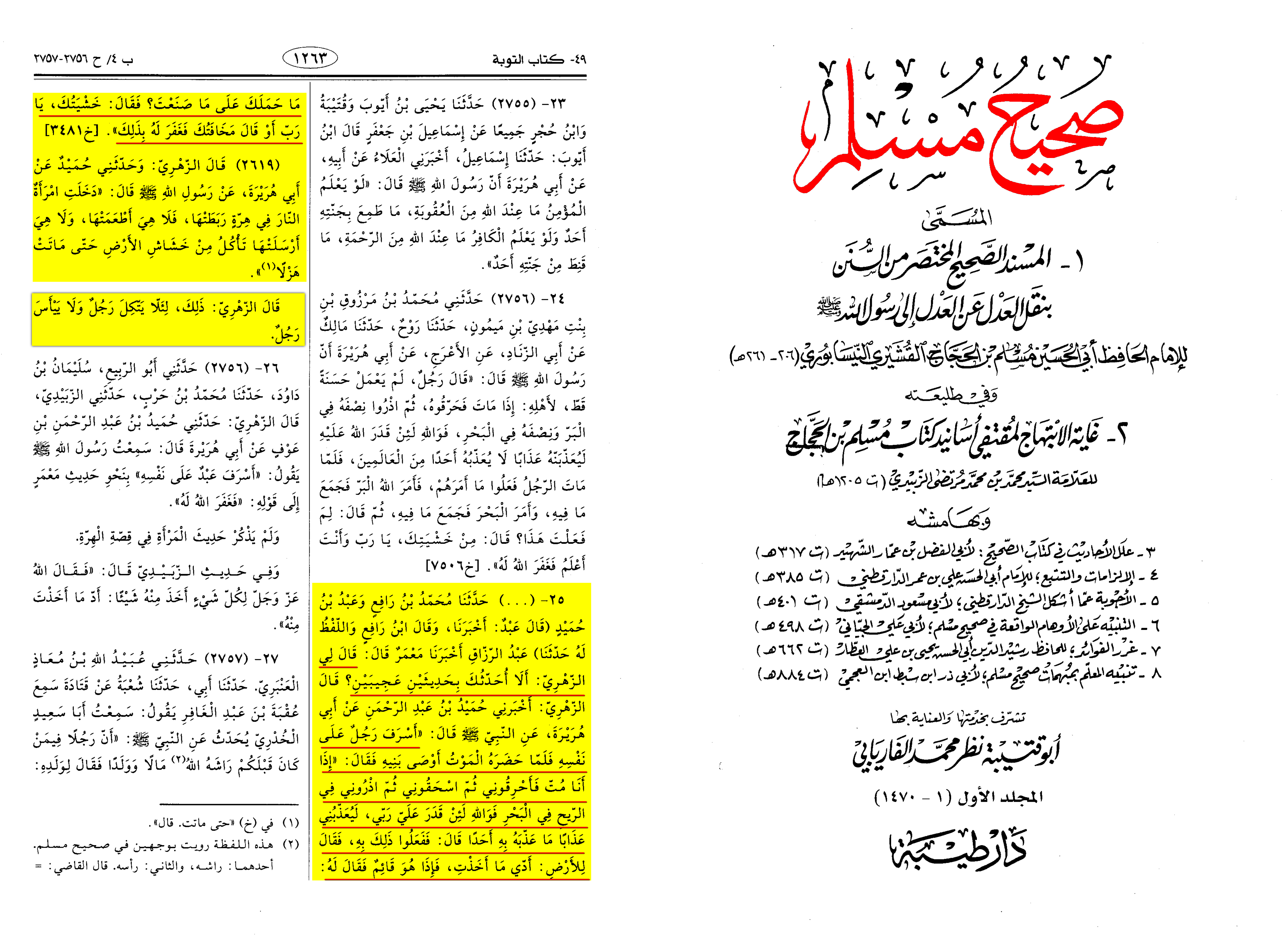
Abū ʿAwānah narrated it under the chapter:
Clarification of the vastness of Allāh's mercy, and that the servant should neither rely upon it nor despair of it, until fear and hope are equal.
📚 Musnad Abī ʿAwānah - vol. 21, p. 147, 155-156
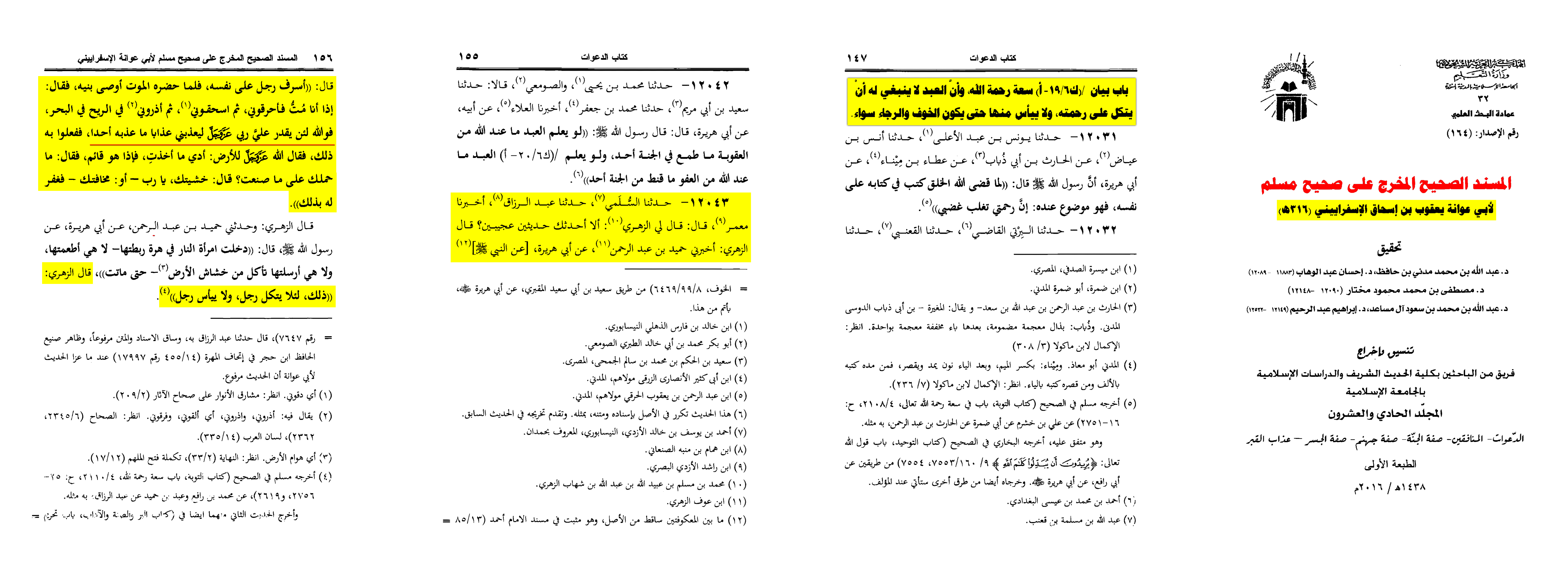
Al-Lālakāʾī narrates it under the chapter:
What has been narrated from the Prophet ﷺ that the Muslims aren't harmed by the sins which are major (kabāʾir) if they die upon repentance without persistence, and that such sins do not necessitate takfīr. But if they die without repentance, their matter is with Allāh; if He wills, He punishes them; and if He wills, He forgives them.
📚 Sharḥ Uṣūl al-Iʿtiqād - vol. 2, p. 484-->497
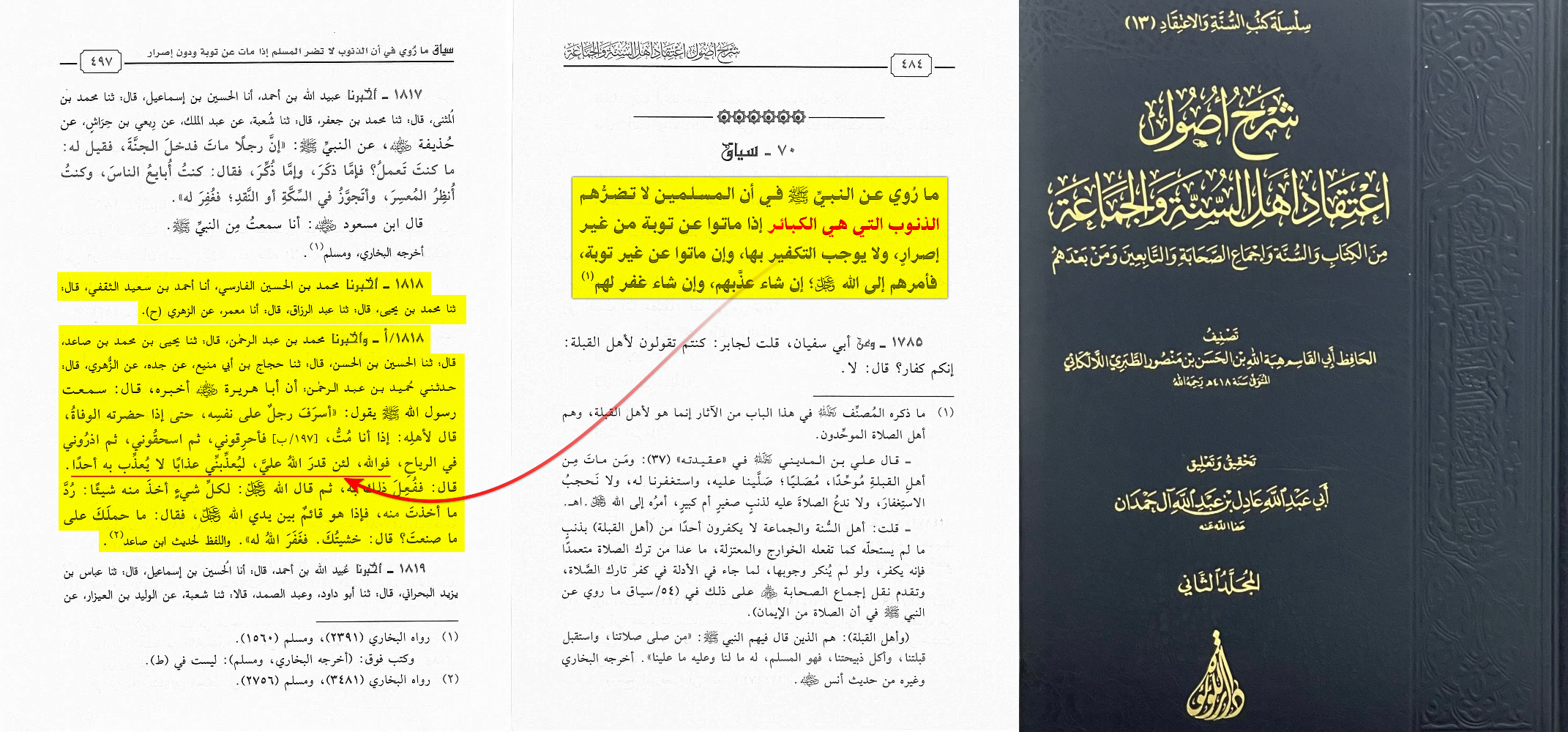
So reflect and take heed, dear reader: the Imāms have categorized this narration under the chapter of rajāʾ (hope) for the people of Islām, asserting that the muwaḥḥid is to be hoped for forgiveness of sins.
Now we ask a question. The action of this man, as you claim, stems from doubt in Allāh's power. Is this doubt of the nature of kufr, or of the type of maʿṣiyah (sin) for which forgiveness may be hoped?
If you say it is of the nature of maʿṣiyah, then you are thereby contradicting yourself and distorting the words of Allāh. For the one who denies the resurrection does so thinking that Allāh is not capable of it, just as you claim regarding this man, and yet Allāh calls this kufr:
That is their recompense because they disbelieved in Our verses and said: When we are bones and crumbled particles, will we [truly] be resurrected [in] a new creation?
Do they not see that Allāh, who created the heavens and earth, is [the one] able to create the likes of them? And He has appointed for them a term, about which there is no doubt. But the wrongdoers refuse except disbelief. [Qurʾān 17:98-99]
Notice that Allāh made their denial a denial of His power to resurrect and recreate them, and He named their statement kufr.
And He says:
Indeed, He is able to return him [to life]. [Qurʾān 86:8]
So Allāh has linked resurrection to power (qudrah), and thus the denial of power and doubt therein is a denial of resurrection and a doubt in it.
Their view, that this is among the sins (maʿāṣī), is refuted by Allāh and by sound human nature not by the nature corrupted by kufr and atheism that they have spread through such claims. They have made the denial of resurrection through doubting Allāh's power of the same nature as sins.
As Allāh, the Exalted said:
And I do not think the Hour will occur. And even if I should be brought back to my Lord, I will surely find better than this as a return.
His companion said to him while he was conversing with him: Have you disbelieved in He who created you from dust and then from a sperm-drop and then proportioned you [as] a man?
But as for me, He is Allāh, my Lord, and I do not associate with my Lord anyone. [Qurʾān 18:36-38]
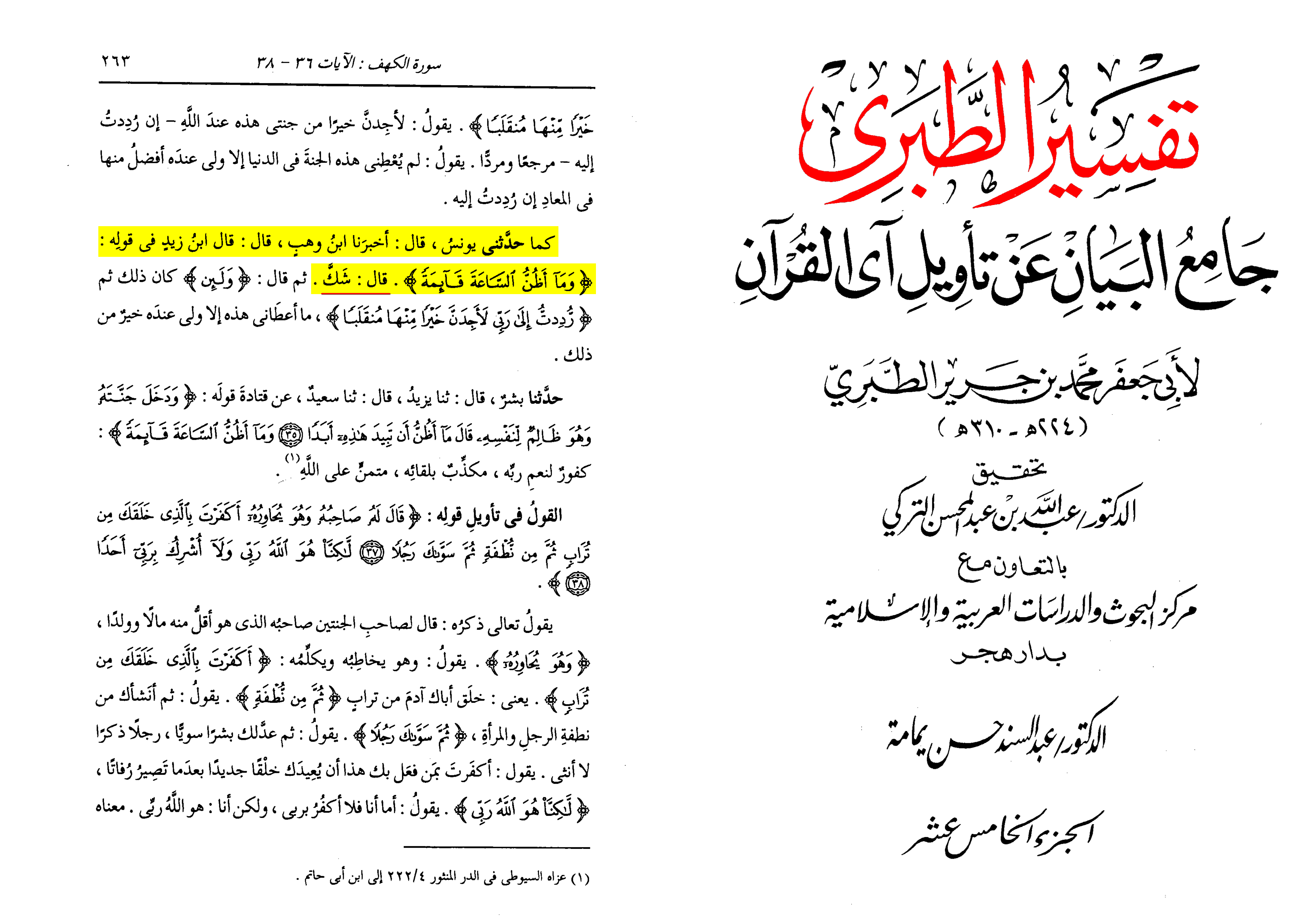
The man thought that the Hour wouldn't occur, and this ẓann was a form of shakk (doubt) as ʿAbd al-Raḥmān ibn Zayd ibn Aslam explained. Thus, his companion declared him a disbeliever.
📚 Tafsīr aṭ-Ṭabarī - vol. 16, p. 263
Had these people been present there, they would have said: Hold on! Do you declare a man a disbeliever without an explicit disbelief? Merely doubting Allāh's resurrection and power is not kufr! Do you declare sins as kufr? Are you a Khārijī?!
Then if they argue: This is disbelief, but we hope forgiveness for its perpetrator.
We respond: Where is this stated in any written scripture or transmitted athar?! Who has ever held such a view? Hope (rajāʾ) is for the muwaḥḥidīn, so how do you extend it to those who commit what necessitates takfīr?!
Further evidence that the man was indeed among the ʿuṣāt (disobedient sinners), and that the opponents' reasoning is flawed, lies in reports stating he performed no righteous deed except Tawḥīd, while denying Allāh's power, as in the story of the two men among Aṣḥāb al-Kahf. His kufr was a clear departure from the dīn of Islām.
As you can see here, the wording in the Musnad mentions that he performed no righteous deed except Tawḥīd.
📚 Musnad Aḥmad - vol. 6, p. 326-327
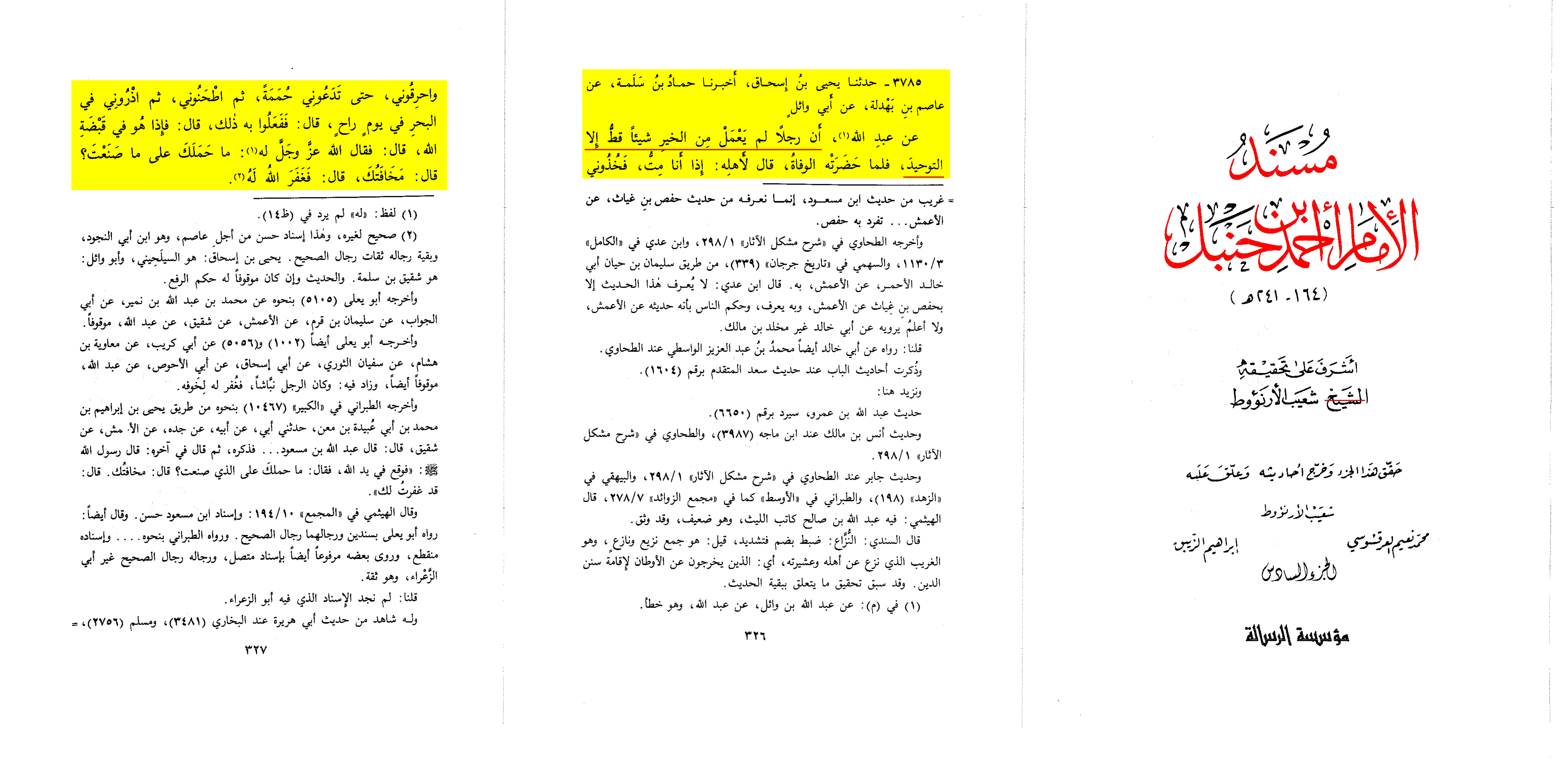
The man explained his action by stating that he feared Allāh, this won't make sense except in 3 cases:
1) He spoke those words in a state of bewilderment and mental confusion due to the intensity of fear and awe which overpowered his mind.
A person overwhelmed by extreme fear or extreme joy (like the owner of a lost camel which he suddenly found) may utter words of kufr without being held accountable, as they are not in a state of taklīf.
2) He asked to be burned out of extreme fear of Allāh so that if he punishes himself in this world, Allāh might spare him punishment on the Day of Judgment.
This interpretation is supported by some versions of the narration. (Narrated by aṭ-Ṭaḥāwī)
3) He asked to be burned out of fear of grave torment (ʿadhāb al-qabr).
If an ignorant Muslim believes that such torment is tied to the body's presence in the grave, this does not constitute disbelief.
The entire narration revolves around these three meanings. Whoever examines its wording and traces its various narrations will grasp this context clearly.
The answer that he did it out of fearing Allāh cannot make sense if he had a kufrī belief while he's in a state of taklīf.
1) If he was asked: What led you to doubt My power to resurrect you after you burned your body?!
It doesn't make sense for him to respond: I expressed doubt in Your power due to my fear of You!
2) If he was asked: What led you to doubt the attribute of creating and My ability to recreate you from nothingness after you burned your body, just as I originated your creation initially?!
It doesn't make sense for him to respond: I expressed doubt in the attribute of creating and Your power to recreate me due to my fear of You!
3) If he was asked: What led you to doubt your resurrection for judgment on the Day of Resurrection if your body were burned?!
It doesn't make sense for him to respond: I expressed doubt in my resurrection for judgment due to my fear of You!
His statement can be explained in two unproblematic ways:
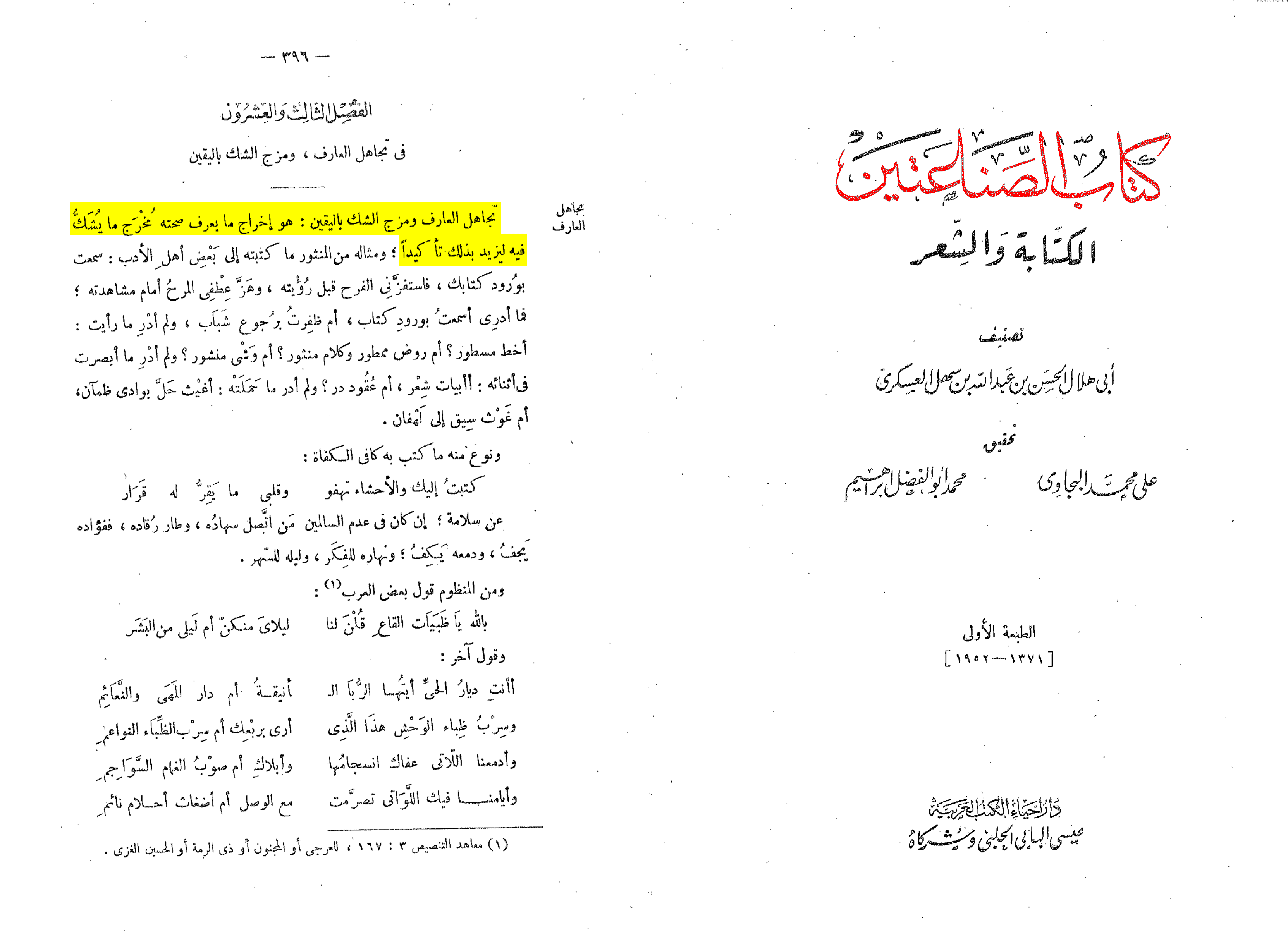
1) His statement "laʾin qadara ʿallaya" doesn't imply doubt but rather it is termed tajāhul al-ʿārif.
Abū Hilāl al-ʿAskarī defines tajāhul al-ʿārif as presenting what is known to be true in the form of something doubted, to increase its emphasis.
📚 Kitāb aṣ-Ṣanāʿatayn - p. 396
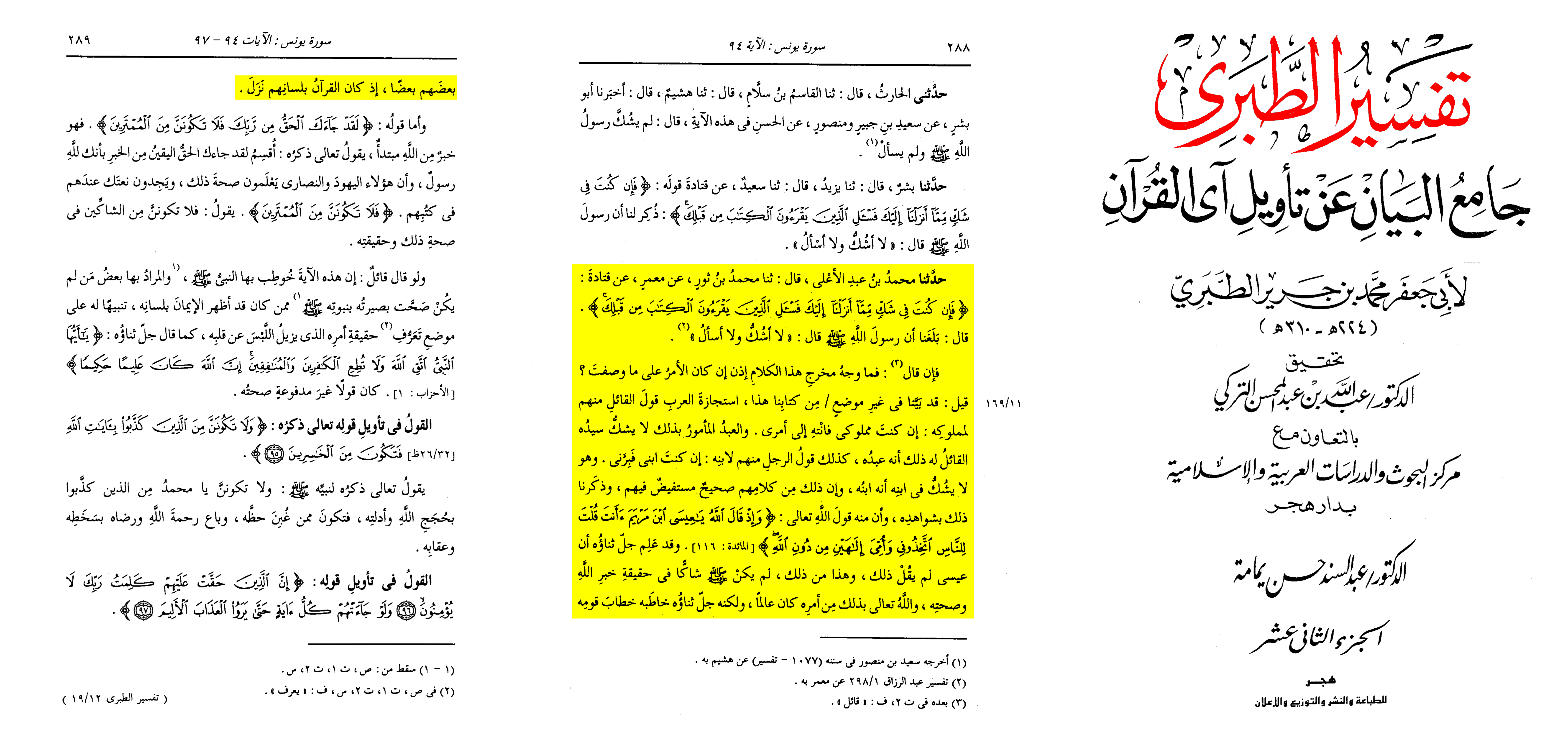
aṭ-Ṭabarī notes that this rhetorical device (tajāhul al-ʿārif) appears frequently in the Qurʾān and classical poetry.
📚 Tafsīr aṭ-Ṭabarī - vol. 12, p. 288-289
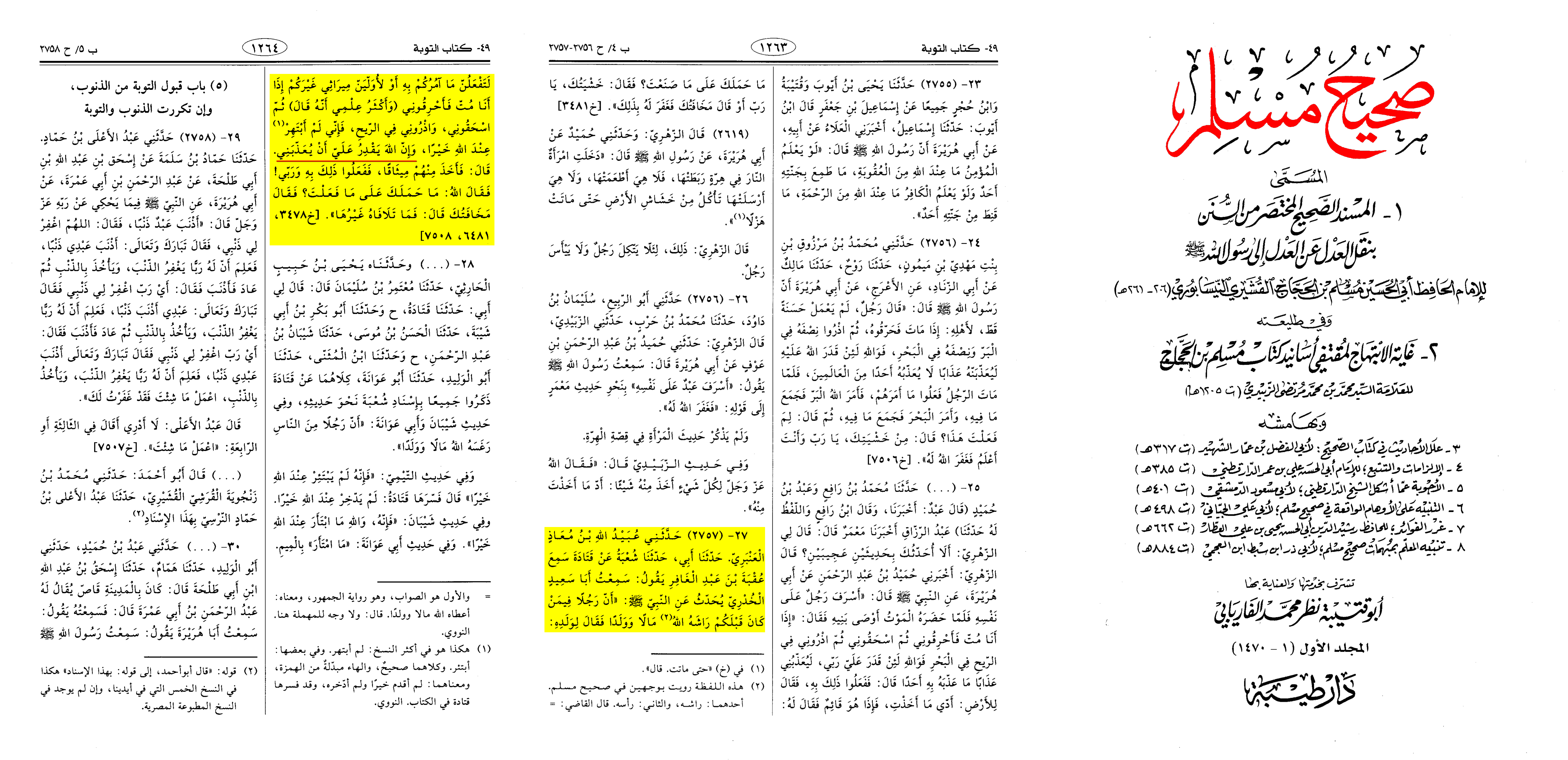
The man was absolutely certain that Allāh is capable of resurrecting him and would indeed bring him back to life. However, due to his distorted perception of Allah (sūʾ ẓannih billāh), he burned himself, believing this act would serve as an expiation to shield him from the Fire and that Allāh would not punish him for his sins. His use of the word "laʾin" (لَئِنْ) serves as emphatic affirmation (tawkīd), meaning that if Allāh were to punish him, it would be an immense punishment, but by burning himself, Allāh would not punish him. Indeed, his profound fear, as mentioned in the narration, clearly indicates he was certain of meeting Allāh, for such fear can only arise after attaining certainty.
Through this interpretation, we can reconcile the other narrations with the version in Ṣaḥīḥ Muslim, where the man explicitly affirms Allāh's power in clear terms.
📚 Ṣaḥīḥ Muslim - n° 2757
2) His statement "laʾin qadara ʿallaya" means constriction (taḍyīq).
Allāh said:
And [mention] the man of the fish [i.e. Yūnus ﷺ], when he went off in anger and thought that We would not naqdira ʿalayhi. And he called out within the darknesses: There is no deity except You; exalted are You. Indeed, I have been of the wrongdoers. [Qurʾān 21:87]
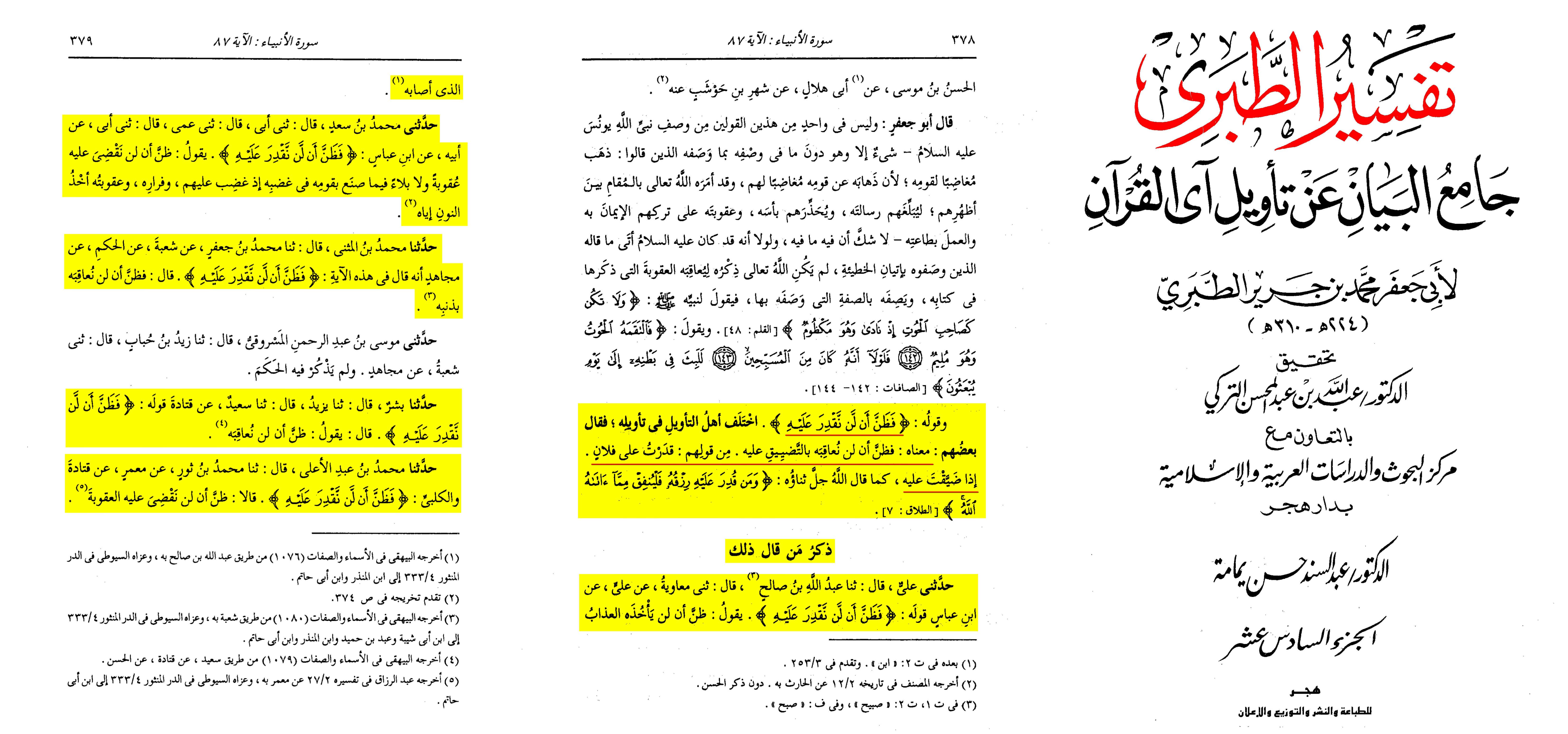
The phrase "lan naqdira ʿalayhi" was interpreted by Ibn ʿAbbās and his students to mean "We would not constrict him", a linguistically valid usage, as affirmed by al-Azharī.
Aṭ-Ṭabarī narrates from Ibn ʿAbbās and his students that they interpreted it to mean taḍyīq.
📚 Tafsīr aṭ-Ṭabarī - vol. 16, p. 378-379
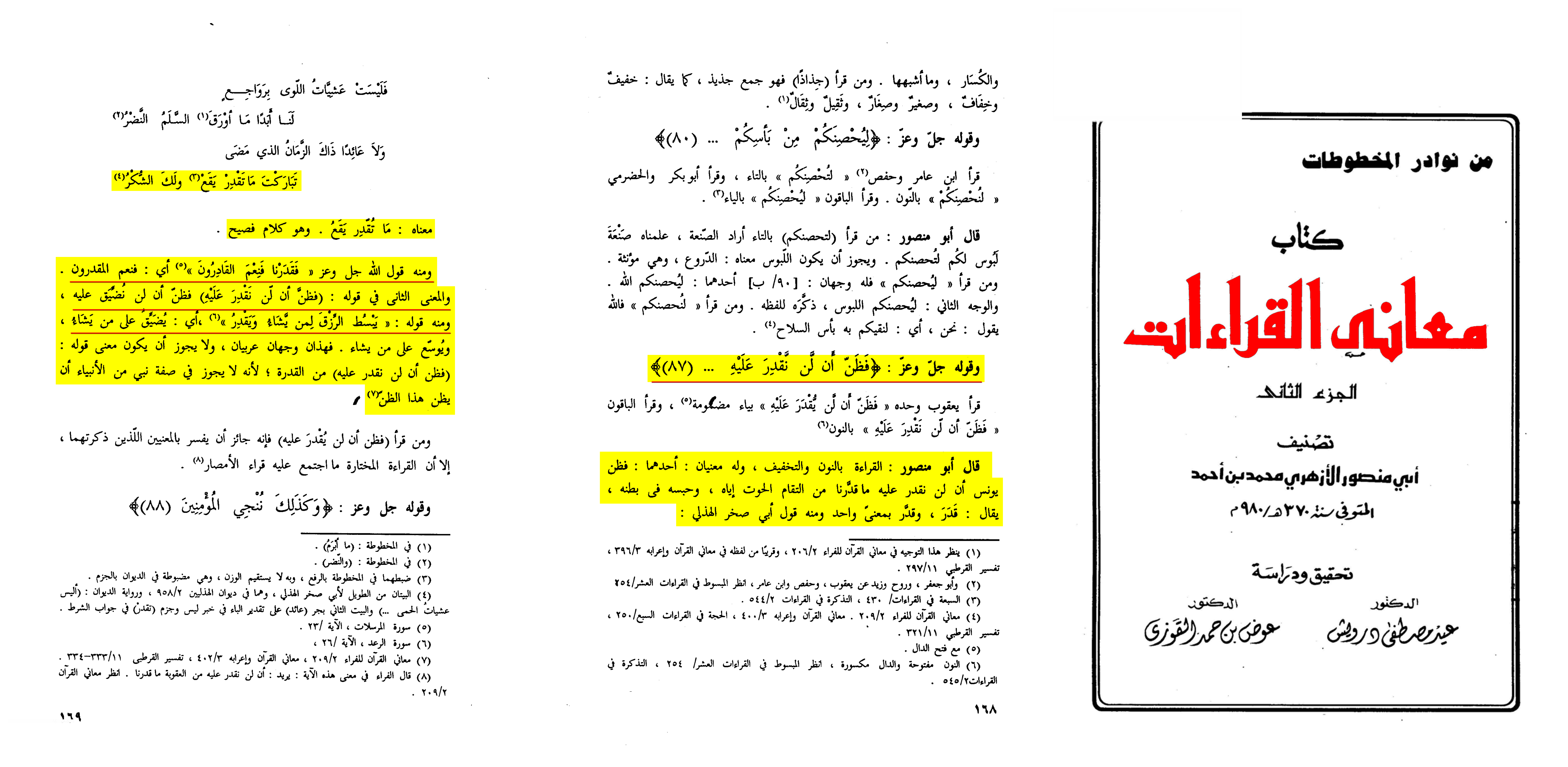
Abū Manṣūr al-Azharī explains that it can either mean taqdīr (decreeing) or taḍyīq (constriction) and that it isn't permissible to interpret it to mean power since a prophet can't have this thought.
📚 Maʿānī al-Qirāʾāt - vol. 2, p. 168-169
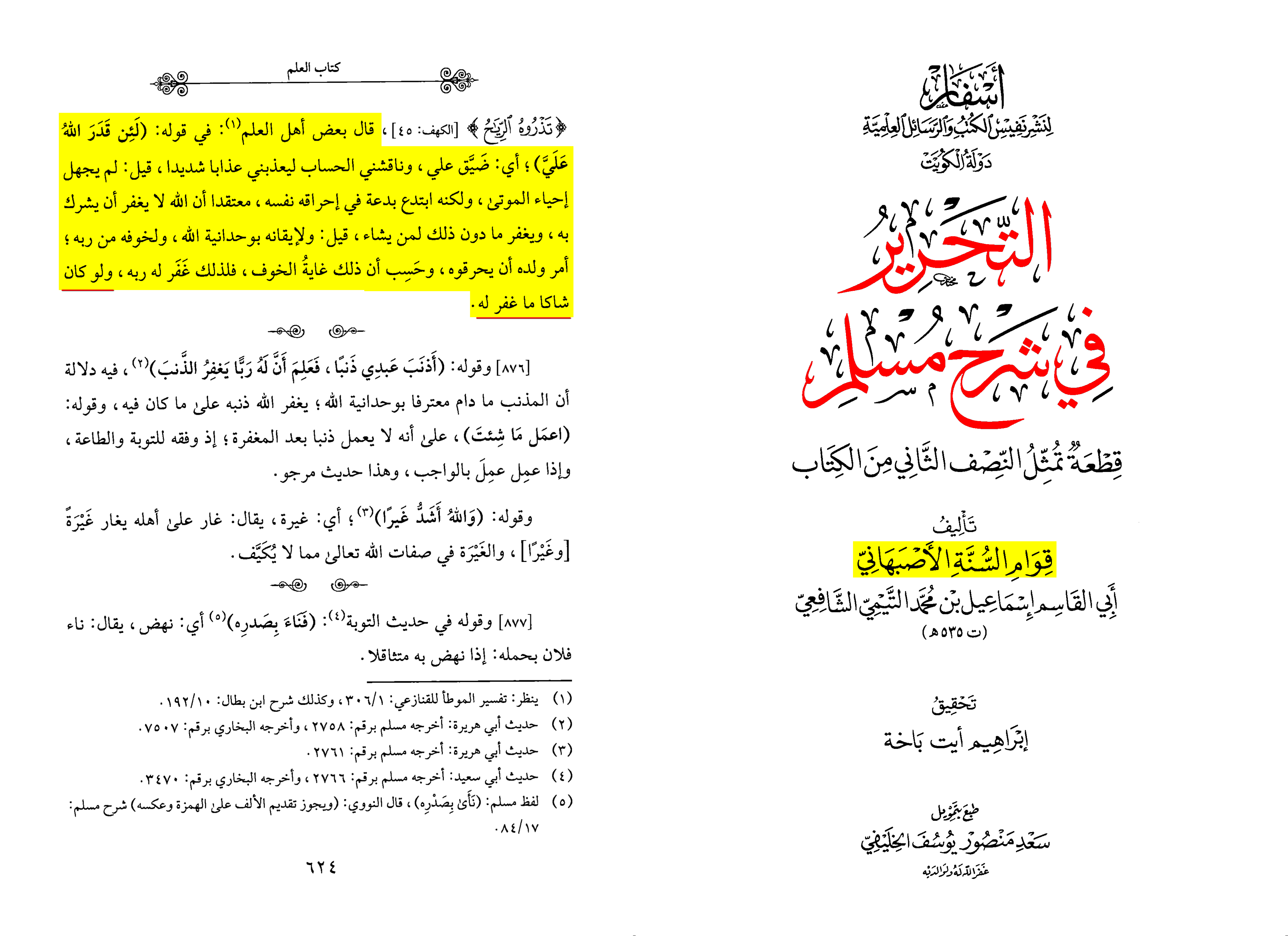
Qiwwām as-Sunnah al-Aṣbahānī said:
Some people of knowledge said regarding his statement: (laʾin qadara Allāhu ʿallaya), meaning: He constricts me and subjects me to strict reckoning to punish me with a severe punishment, it was said: He never denied the resurrection of the dead, but rather innovated a bidʿah by burning himself, believing that Allāh does not forgive association with Him but but He forgives what is less than that for whom He wills. It was said: Due to his certainty in Allāh's oneness and his fear of his Lord, he commanded his son to burn him, considering this the ultimate fear. Thus, his Lord forgave him. Had he doubted, he would not have been forgiven.
📚 At-Taḥrīr fī Sharḥ Muslim - p. 624
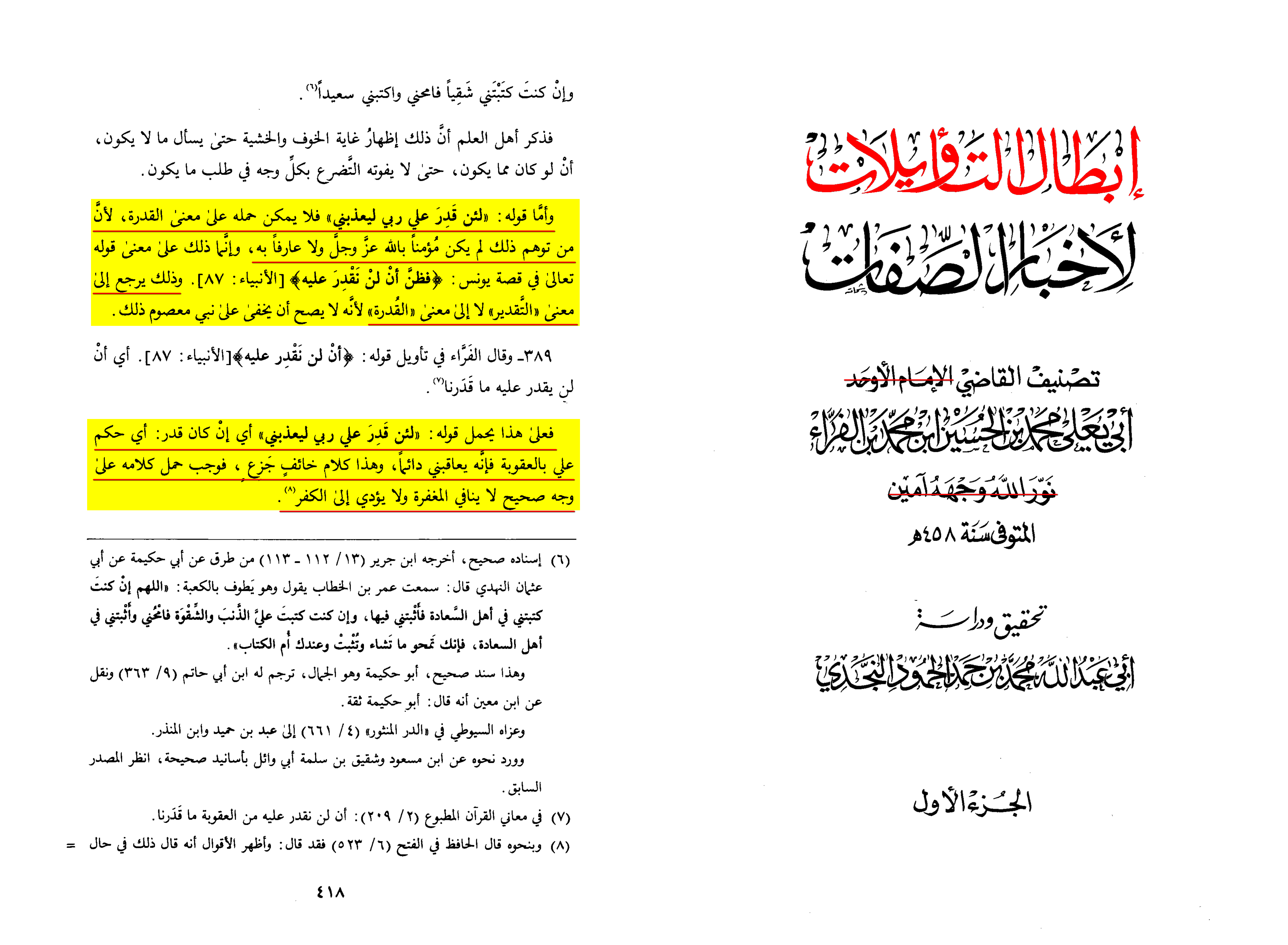
Abū Yaʿlā said:
As for his statement: ((laʾin qadara ʿalayya rabbī layuʿadhdhibanī)) then it cannot be interpreted in the sense of power, since whoever assumes that is neither a believer in Allāh, the Majestic and the Exalted, nor knowledgeable of Him. Rather it is in the sense of His statement, the Exalted, in the story of Yūnus: {He thought that We would not naqdira ʿalayhi} [Al-Anbiyāʾ:87]. This goes back to the meaning of taqdīr (decreeing), not the meaning of power, because it is not right for that to be hidden from an infallible prophet.
(...)
Thus, his statement: (((laʾin qadara ʿalayya rabbī layuʿadhdhibanī)) is interpreted to mean, If He has decreed, meaning He has judged punishment for me, then He will punish me forever. And this is the speech of a fearing terrified person, and his words must be understood in a sound manner that neither contradicts forgiveness nor implies disbelief.
📚 Ibṭāl at-Taʾwīlāt - p. 418
Aṭ-Ṭaḥāwī responds to the argument that if the man negated Allāh's power then he would have been a disbeliever by saying:
(...)
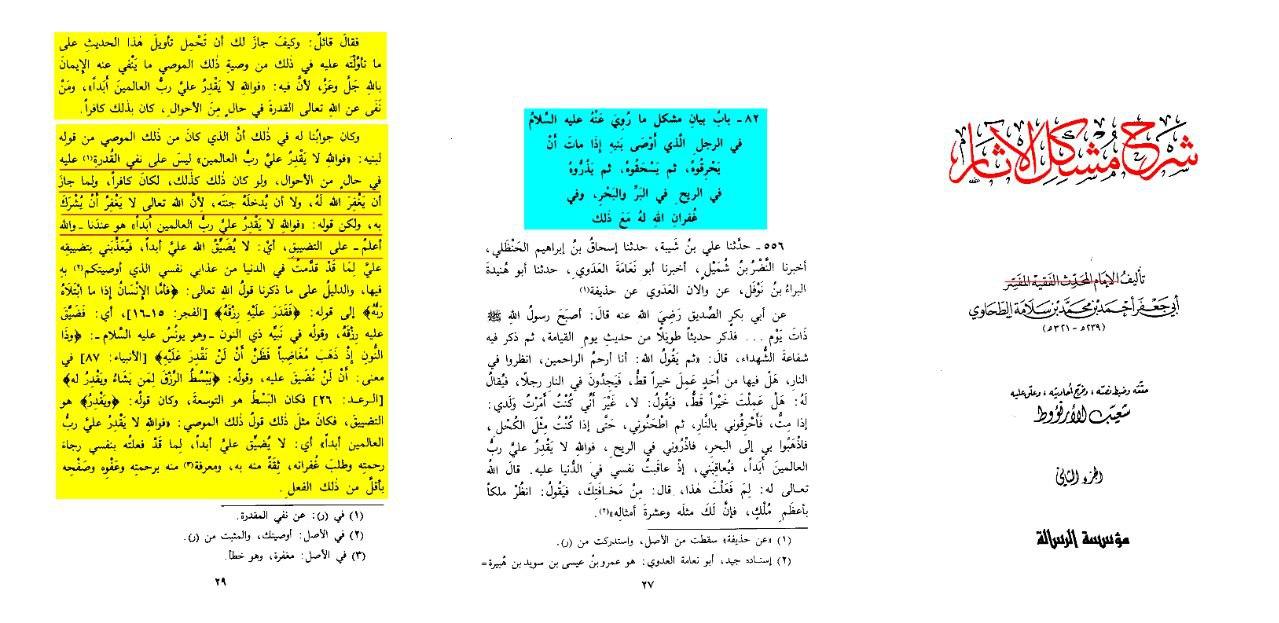
His statement to his sons: ((fa-wallāh lā yaqdiru ʿallaya rabbu al-ʿālamīn)) was not a denial of His power in any circumstance whatsoever. Had it been such, he would have been a disbeliever, and Allāh would neither have forgiven him nor admitted him to Paradise, for Allāh does not forgive association with Him. However his statement: (((fa-wallāh lā yaqdiru ʿallaya rabbu al-ʿālamīn)), it is with us - and Allāh knows best - in the sense of constriction...
📚 Sharḥ Mushkil al-Āthār - vol. 2, p. 28-29
Note: There's a wording in which the man commands his son to burn his body perhaps he eludes Allāh.
This wording contradicts the well-known narrations, and the narration only comes from one path, and it isn't mentioned in the Ṣaḥīḥayn or the Sunan. Thus, the statement is munkarah.
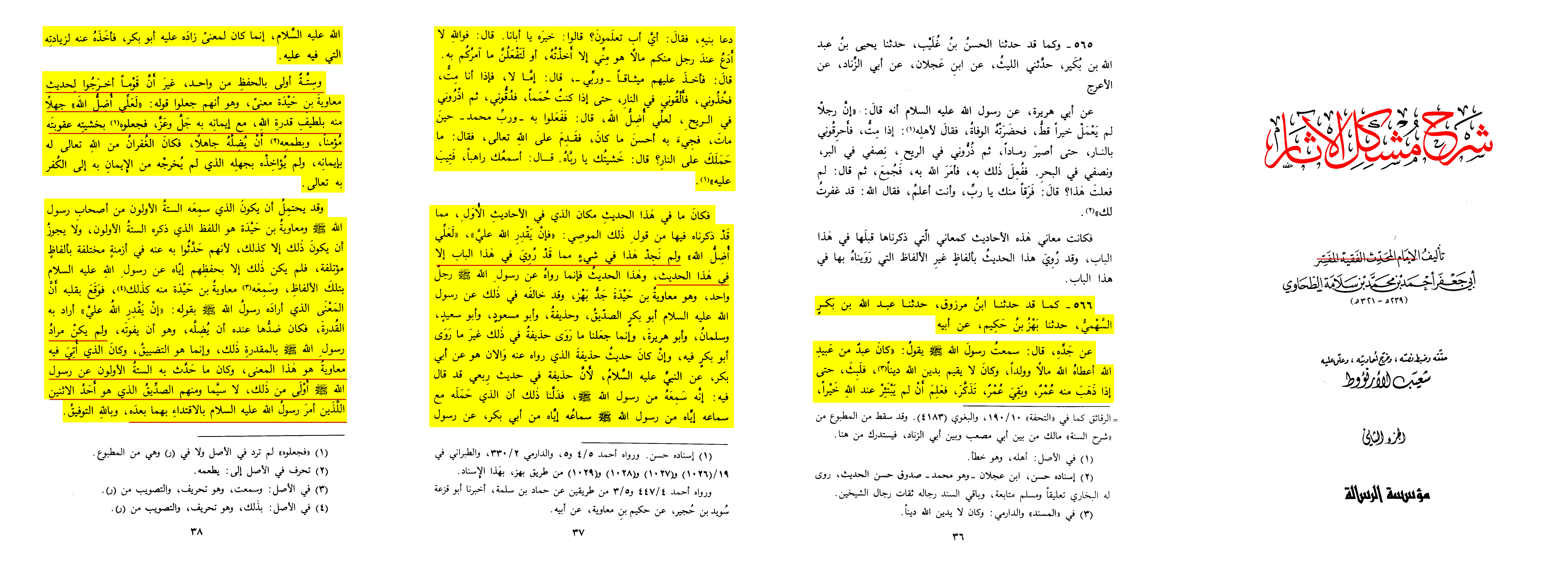
Aṭ-Ṭaḥāwī addresses this issue, this wording only comes from the path of Muʿāwiyah ibn Ḥaydah and six men opposed him: Abū Bakr, Ḥudhayfah, Abū Saʿīd, Abū Masʿūd, Sulaymān and Abū Hurayrah.
The narration of the six is taken over this singular narration and it can't be that Muʿāwiyah heard something other than the six heard. Perhaps Muʿāwiyah understood that the Prophet ﷺ meant power so the opposite of it was for the man to elude him, so he narrated the meaning and not the wording as he heard it, and it is known that the Prophet ﷺ didn't mean power but rather constriction.
📚 Sharḥ Mushkil al-Āthār - vol. 2, p. 36-38
I said: Perhaps that it is one of the narrators and not necessarily Muʿāwiyah himself.
Al-Baghawī said:
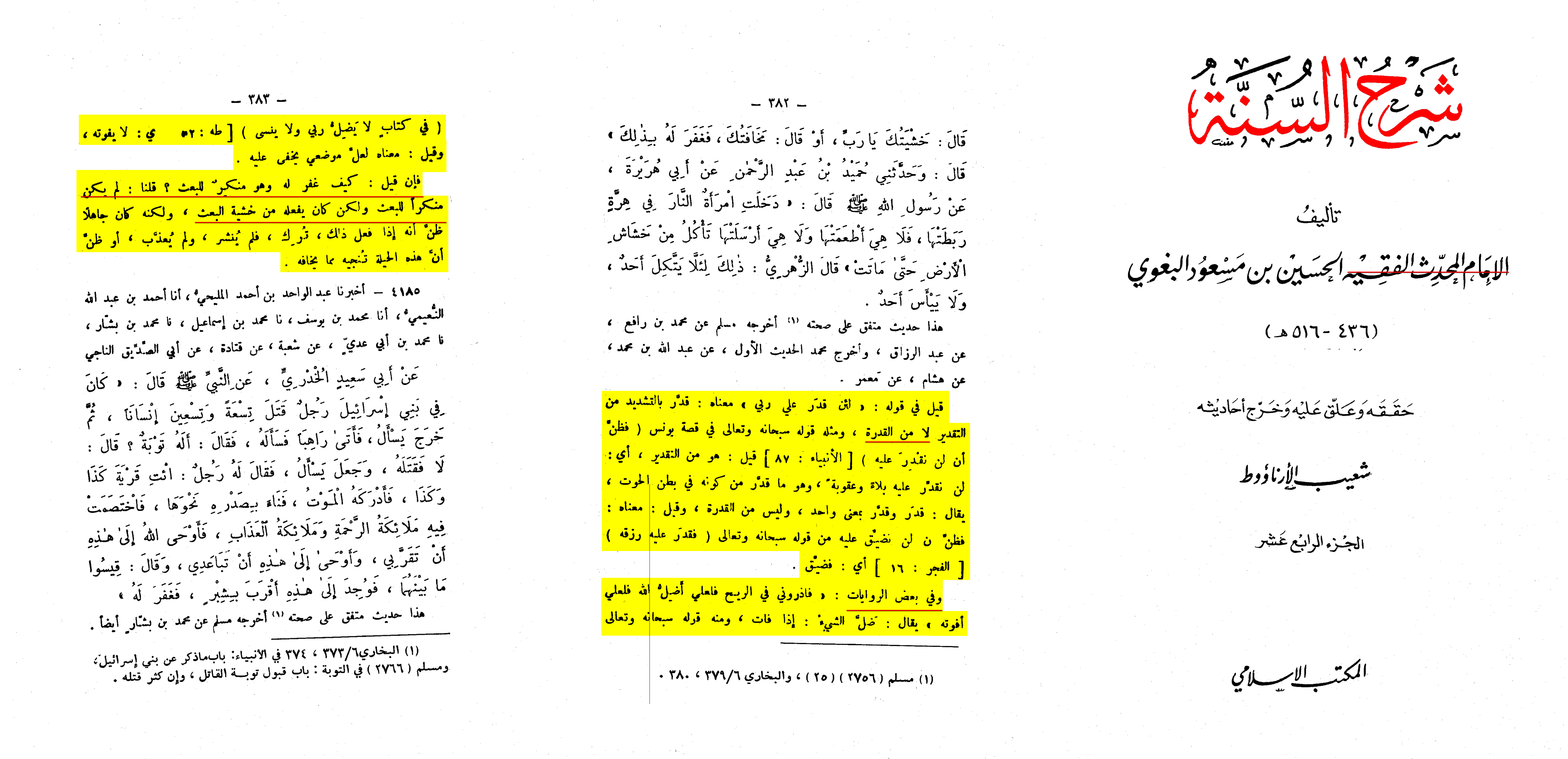
It was said regarding his statement: ((laʾin qadara ʿallaya rabbī)) its meaning is: qaddara with tashdīd, from taqdīr (decreeing), not from qudrah. Similar to this is Allāh's statement regarding the story of Yūnus:
{And he thought that We would not naqdira ʿalayh} [al-Anbiyāʾ:87], it was said that it means: We would not decree upon him any trial or punishment, which is what was decreed for him, namely, being in the belly of the whale. It is said: qadara and qaddara have one meaning, and it is not from qudrah.
It was also said: its meaning is, He thought We would not constrict him, as in Allāh's statement:
{So He restricted (qadara) his provision} [al-Fajr: 16], meaning He made it tight or limited.
And in some narrations: ((Then scatter me in the wind; perhaps I will aḍill Allāh, perhaps I will escape Him.))
It is said: ḍalla a thing, meaning: he escaped. Like the statement of Allāh the Exalted:
{In a record in which my Lord neither yaḍillu nor forgets} [Ṭā-Hā:52], i.e., nothing escapes Him.
It was also said: its meaning is "Perhaps my location will be hidden from Him."
If it is said: How was he forgiven while denying the resurrection?
We say: He was not denying the resurrection, rather, he did it out of fear of the resurrection. But he was ignorant and thought that if he did that, he would be left alone, not resurrected, and not punished, or he thought that this loophole would save him from what he feared.
📚 Sharḥ as-Sunnah - vol. 14, p. 382-383
Ibn Ḥajar said:
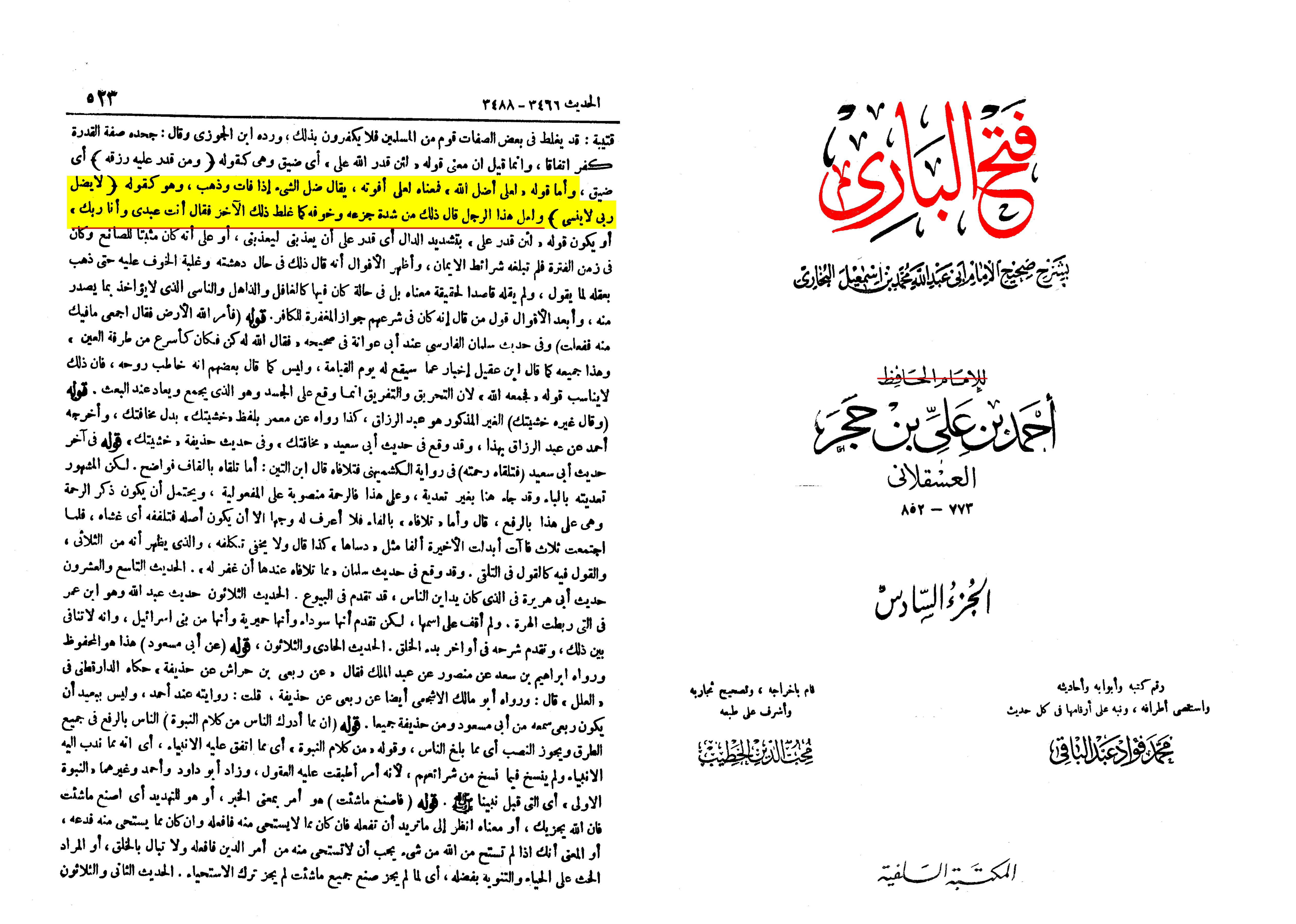
As for his statement: ((Perhaps I will elude Allāh)) meaning perhaps I will escape Him. It is said: ḍalla a thing if he escaped and went, and it is like His statement: {My Lord neither yaḍillu nor forgets}, and perhaps this man said this out of extreme anguish and fear, just like the other when he said: You are my servant and I am Your lord!
📚 Fatḥ al-Bārī - vol. 16, p. 523
And may peace and blessings be upon the Messenger of Allāh, and upon his family, and all of his Companions.