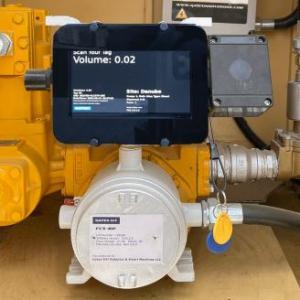
Fleet operators today face a tough mix of rising fuel costs, tighter compliance requirements, and growing pressure to operate around the clock. Traditional fueling methods—fuel cards, PINs, and manual logs—were built for a different era. They’re easy to misuse, hard to audit, and slow down operations at busy depots.
This is why RFID Vehicle Fueling is quickly becoming the backbone of modern fleet infrastructure. By combining automated vehicle identification with real-time authorization and data capture, RFID is transforming how fleets secure fuel, control costs, and scale operations without adding friction.
The Hidden Cost of Legacy Fleet Fueling Systems
Fuel is often the second-highest operating expense for fleets after labor. Yet many organizations still rely on outdated controls that leave major gaps:
- Fuel card sharing and PIN leaks that enable unauthorized refueling
- Limited visibility into who fueled what and when
- Manual reconciliation that delays detection of theft or waste
- Operational slowdowns at peak fueling times
These issues compound over time. Small leaks in fuel accountability quietly turn into major budget overruns. RFID Vehicle Fueling addresses these problems at the source by making authentication automatic and usage data reliable from the moment fuel is dispensed.
What Is RFID Vehicle Fueling?
RFID Vehicle Fueling uses radio-frequency identification tags mounted on vehicles (and optionally driver badges) to authenticate fueling events. RFID readers installed at fuel pumps identify authorized vehicles in seconds. If the vehicle meets predefined rules—fuel type, limits, access windows—the system enables the pump. If not, fueling is blocked.
This approach replaces fragile credentials (cards and codes) with tamper-resistant vehicle identity, creating a seamless yet secure fueling experience.
Core Components of an RFID Vehicle Fueling System
- RFID Tags – Attached to vehicles or equipment; uniquely identify each asset
- RFID Readers – Installed at pumps to authenticate approaching vehicles
- Pump Controllers – Enforce authorization rules before dispensing fuel
- Central Management Software – Logs transactions and provides reporting dashboards
- Integrations – Connect fueling data with fleet management, telematics, and ERP systems
Together, these components create an automated fueling ecosystem that works 24/7 with minimal human oversight.
How RFID Vehicle Fueling Works in Real-World Operations
- Approach and Identify
As a vehicle pulls up to the dispenser, the RFID reader scans its tag. - Authenticate and Authorize
The system checks policies such as: -
- Approved fuel type
- Daily, weekly, or per-transaction limits
- Time-of-day restrictions
- Optional driver authorization
- Dispense and Log
Once approved, fueling begins. The system records the transaction with: -
- Vehicle ID
- Time and date
- Fuel type and volume
- Pump location
- Monitor and Analyze
Managers view usage in real time and receive alerts for anomalies.
This workflow removes the most common points of failure in legacy fueling: human error, credential sharing, and delayed reporting.
Security and Compliance: Why RFID Is a Game-Changer
Fuel theft is rarely dramatic. It’s usually small, frequent, and internal—making it hard to detect with manual controls. RFID Vehicle Fueling changes the dynamic by making every transaction attributable and auditable.
Security Advantages
- Vehicle-bound identity reduces credential sharing
- Encrypted tags and readers mitigate cloning risks
- Policy enforcement at the pump prevents misuse in real time
- Automated logs create a verifiable audit trail
For municipal fleets, utilities, and regulated industries, this auditability isn’t just a nice-to-have—it’s essential for compliance and public accountability.
The Operational Upside: Faster, Smarter, More Scalable Depots
Unattended 24/7 Fueling
RFID enables fully or semi-unattended depots. Fleets can fuel vehicles overnight or during off-hours without staffing pumps, improving uptime and reducing labor costs.
Reduced Queues and Downtime
Contactless authentication speeds up each fueling event. During peak hours, this translates into shorter lines and faster turnarounds.
Cleaner Data for Better Decisions
With accurate, real-time fueling data, managers can:
- Compare fuel use by route or asset
- Identify abnormal consumption patterns
- Optimize maintenance schedules
- Forecast budgets more accurately
Data quality improves because RFID captures transactions automatically, eliminating manual entry errors.
RFID Vehicle Fueling + Smart Infrastructure
RFID is most powerful when paired with other smart depot technologies:
- IoT Sensors – Monitor tank levels, detect leaks, and automate reordering
- Telematics – Correlate fuel usage with mileage and routes
- AI Analytics – Flag anomalies and predict maintenance needs
- Cloud Dashboards – Provide remote visibility across multiple depots
This convergence turns the fueling depot into a self-monitoring, data-driven asset—a stepping stone toward autonomous fleet operations.
Use Cases Across Industries
Logistics & Trucking
High-volume depots benefit from faster throughput and tighter cost control.
High-volume depots benefit from faster throughput and tighter cost control.
Municipal and Government Fleets
Audit trails support transparency and compliance with procurement and fuel usage regulations.
Audit trails support transparency and compliance with procurement and fuel usage regulations.
Construction and Heavy Equipment
RFID controls which machines can receive which fuel types, reducing costly mistakes and misuse.
RFID controls which machines can receive which fuel types, reducing costly mistakes and misuse.
Distribution Centers
Unattended overnight fueling keeps outbound fleets on schedule without staffing pumps.
Unattended overnight fueling keeps outbound fleets on schedule without staffing pumps.
Best Practices for Successful Implementation
- Choose encrypted RFID technology to reduce cloning risk
- Define policies early (limits, fuel types, access windows)
- Integrate with existing systems for unified reporting
- Train drivers and staff once—RFID is intuitive, but adoption matters
- Review reports regularly to spot trends and anomalies early
A phased rollout—starting with a single depot or fleet segment—can help teams validate workflows before scaling system-wide.
Measuring ROI: How RFID Vehicle Fueling Pays Off
Fleets typically see returns through:
- Reduced fuel loss and fraud
- Lower administrative overhead
- Improved vehicle uptime
- Better budgeting and forecasting accuracy
Even modest reductions in unauthorized fueling can translate into significant annual savings for medium to large fleets.
The Road Ahead
As fleets move toward automation and data-driven operations, the depot itself becomes strategic infrastructure. RFID Vehicle Fueling is foundational to this shift—enabling secure, unattended refueling, reliable data capture, and policy enforcement at the point of use.
Looking ahead, deeper integration with AI, telematics, and predictive analytics will push fueling from a reactive cost center into a proactive, optimized operation. Fleets that modernize now position themselves to scale efficiently, operate securely, and compete in a landscape where margins and uptime matter more than ever.