
Key Takeaways
-
Two iconic treks in one journey – Combines the cultural richness of Tsum Valley with the high-altitude adventure of the Manaslu Circuit, including the 5,160m Larkya La Pass.
-
Excellent acclimatization profile – Gradual elevation gain through Tsum Valley significantly reduces altitude sickness risk before tackling higher Himalayan terrain.
-
Less crowded, more authentic – Fewer trekkers than Everest or Annapurna routes, offering deeper cultural immersion and pristine landscapes.
-
Requires preparation and permits – Good fitness, a licensed guide, restricted area permits, and proper insurance are mandatory for a safe and successful trek.
The Manaslu Tsum Valley trek combines two of Nepal's most spectacular yet underrated trekking routes into one epic 20-day journey. While trekkers flock to Everest and Annapurna, those seeking authentic Himalayan culture paired with stunning alpine scenery are discovering this incredible Manaslu circuit with Tsum Valley combination. This guide covers everything you need to know about planning this ultimate adventure.
Why Combine Manaslu Circuit with Tsum Valley
The Manaslu and Tsum Valley trek offers the best of both worlds: the sacred, culturally-rich Tsum Valley with its ancient Tibetan Buddhist monasteries, followed by the challenging high-altitude crossing of Larkya La Pass at 5,160 meters.
Trekking Tsum Valley with Manaslu makes logistical sense, both routes share the same starting point and initial trail from Soti Khola. Instead of backtracking after exploring Tsum Valley, you continue forward on the Manaslu Circuit, maximizing your time in this restricted area. This combination provides perfect acclimatization, as the lower-altitude Tsum Valley (2,200-3,700m) prepares your body for the higher elevations of the Manaslu Circuit.
You'll experience fewer crowds than on Nepal's classic treks, authentic cultural interactions in remote villages, and diverse landscapes ranging from subtropical forests to glaciated high passes, all while supporting local communities in one of Nepal's most pristine regions.
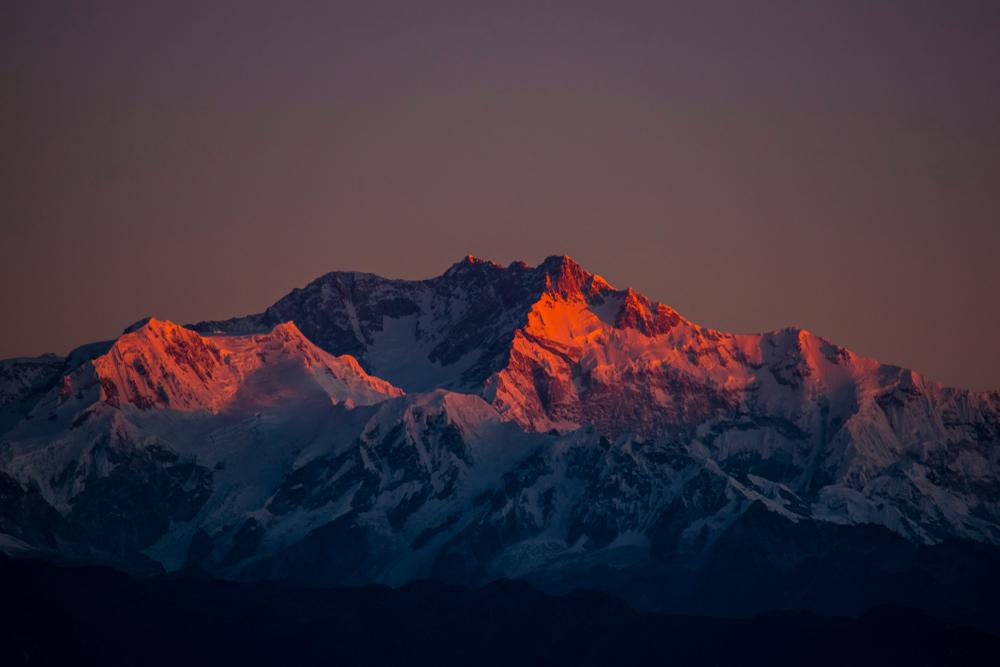
Complete 20-Day Manaslu Tsum Valley Trek Itinerary
Days 1-7: Tsum Valley Exploration
Your manaslu tsum valley trek begins with a scenic drive from Kathmandu to Soti Khola (700m). The trail follows the Budhi Gandaki River through terraced fields and traditional villages. By Day 3, you'll reach Chumling, the gateway to the sacred Tsum Valley.
Days 4-6 take you deeper into Tsum Valley, visiting ancient gompas (monasteries) like Mu Gompa and Rachen Gompa. The valley's Tibetan culture remains remarkably preserved, prayer wheels line the trails, and locals maintain centuries-old traditions. Day 6 serves as an acclimatization day, perfect for exploring nearby monasteries or interacting with monks.
Days 8-17: Manaslu Circuit Challenge
After returning to Chumling, you rejoin the main Manaslu Circuit trail at Deng. The route climbs through Namrung (2,630m) and Samagaon (3,530m), where you'll spend an extra day acclimatizing and possibly hiking to Manaslu Base Camp or Pungyen Gompa.
Days 13-14 take you through Samdo and up to Dharamsala (4,460m), your base before the big pass crossing. Day 15 is the trek's highlight, crossing Larkya La Pass at dawn. The challenging 8-9 hour day rewards you with panoramic views of Himlung Himal, Cheo Himal, and Manaslu itself.
The final days descend through Bimthang, Tilije, and Dharapani, where you'll catch a jeep back to Kathmandu.
Manaslu Circuit vs Tsum Valley: Key Differences
Understanding the differences helps you appreciate why the manaslu circuit with tsum valley combination is so special:
Tsum Valley focuses on culture and spirituality. At lower elevations (2,200-3,700m), it's less physically demanding but incredibly rewarding for cultural enthusiasts. Expect traditional stone houses, Buddhist monasteries, and warm hospitality from locals who've had limited outside contact.
Manaslu Circuit delivers high-altitude adventure. The challenging Larkya La Pass crossing requires good physical fitness and acclimatization. Landscapes transition from lush forests to barren alpine zones with dramatic mountain vistas.
Combined, you experience Nepal's cultural heritage and mountaineering challenge in one comprehensive journey, with better acclimatization than doing Manaslu Circuit alone.
Physical Preparation and Fitness Requirements
The Manaslu and Tsum Valley trek demands good fitness but no technical mountaineering skills. Expect to walk 5-7 hours daily, with some days reaching 8-9 hours during the pass crossing.
Start training 3 months before departure with cardio exercises like hiking, running, or cycling for 4-5 days weekly. Include stair climbing with a weighted backpack (8-10kg) to simulate trekking conditions. Focus on building endurance rather than speed, your ability to walk consistently for multiple days matters most.
Previous multi-day trekking experience is highly recommended. If you've successfully completed 5-7 day treks at moderate altitudes, you're likely ready for this challenge. The trek's built-in acclimatization days and gradual altitude gain through Tsum Valley significantly reduce altitude sickness risks.
Best Time for the Manaslu Circuit with Tsum Valley Trek
Autumn (September-November) offers the best conditions for the manaslu tsum valley trek. Crystal-clear skies provide spectacular mountain views, and stable weather makes the Larkya La Pass crossing safer. October is peak season, expect more trekkers but still far fewer than Everest or Annapurna routes. Temperatures range from 15°C at lower elevations to -10°C at the pass.
Spring (March-May) is the second-best option. Rhododendron forests burst into bloom, and warming temperatures make trekking pleasant. However, afternoon clouds can obscure mountain views, and March may still have snow at higher elevations.
Avoid monsoon (June-August) and winter (December-February) unless you're an experienced trekker comfortable with leeches, landslides, heavy snowfall, and potential trail closures.
Total Cost Breakdown
Budget $1,500-2,500 for the manaslu circuit with tsum valley trek, depending on your choices:
Permits (mandatory): $245-280 per person
-
Manaslu Restricted Area Permit: $100 (Sept-Nov) or $75 (Dec-Aug)
-
Manaslu Conservation Area Permit: $30
-
Tsum Valley Restricted Area Permit: $40 (Sept-Nov) or $30 (Dec-Aug)
-
TIMS Card: $20
Guide and Porter: $600-800 for 20 days (guide mandatory for restricted areas)
Food and Accommodation: $25-35 daily ($500-700 total). Teahouse meals cost $5-8, basic rooms $3-5 per night.
Transportation: $100-150 for Kathmandu-Soti Khola-Kathmandu jeep transfers
Miscellaneous: $200-400 for snacks, drinks, charging electronics, hot showers, and tips
Organized group treks from agencies cost $1,800-2,500, including permits, guide, accommodation, and meals.
Accommodation and What to Expect
Teahouse lodges along the Manaslu trek and Tsum Valley trek provide basic but adequate accommodation. Expect simple rooms with twin beds and shared bathrooms. Blankets are provided, but bring a sleeping bag rated for -10°C for higher elevations.
In Tsum Valley, lodges are more rustic but incredibly welcoming. You'll stay in traditional homes where families serve homemade dal bhat and share stories about valley life. Facilities improve along the main Manaslu Circuit route, though high-altitude lodges at Dharamsala remain basic.
Hot showers cost $3-5 and aren't always available at higher elevations. Bring wet wipes and hand sanitizer. Charging electronics costs $2-5 per device, bring power banks to minimize expenses.
Essential Packing Checklist
Clothing: 4-season layering system including base layers, fleece, down jacket, waterproof shell, trekking pants, and warm hat/gloves for the pass.
Footwear: Broken-in hiking boots with ankle support, camp shoes for evenings.
Technical Gear: -10°C sleeping bag, trekking poles, headlamp with extra batteries, water purification (tablets or filter), sunglasses with UV protection.
Documents: Passport with 6 months validity, passport photos (4 copies), travel insurance covering helicopter evacuation, permits (arranged through agency).
Cash: Bring sufficient Nepali rupees, there are NO ATMs after Kathmandu. Budget 7,000-10,000 NPR daily for expenses beyond your package.
Making Your Trek a Success
The manaslu tsum valley trek requires a licensed guide and minimum 2 trekkers for permits. Book through reputable agencies 3-4 months in advance, especially for autumn departures. Verify that permits, insurance, and emergency evacuation plans are included.
Respect local Buddhist culture in Tsum Valley, always walk clockwise around monasteries and chortens, ask permission before photographing people, and dress modestly. Practice Leave No Trace principles by carrying out all non-biodegradable waste.
Purchase comprehensive travel insurance covering trekking up to 6,000m and helicopter evacuation, which can cost $5,000-10,000 if needed. Stay connected with Ncell or Nepal Telecom SIM cards, though coverage is spotty above 3,000m.
Conclusion
The Manaslu circuit with Tsum Valley represents the pinnacle of Himalayan trekking, combining cultural immersion, physical challenge, and unmatched natural beauty. This 20-day adventure rewards those willing to venture beyond Nepal's crowded classics with authentic experiences and memories that last a lifetime.
Start training today, book a reputable agency, and prepare for the trek of a lifetime. The sacred valleys and soaring peaks of Manaslu await.