
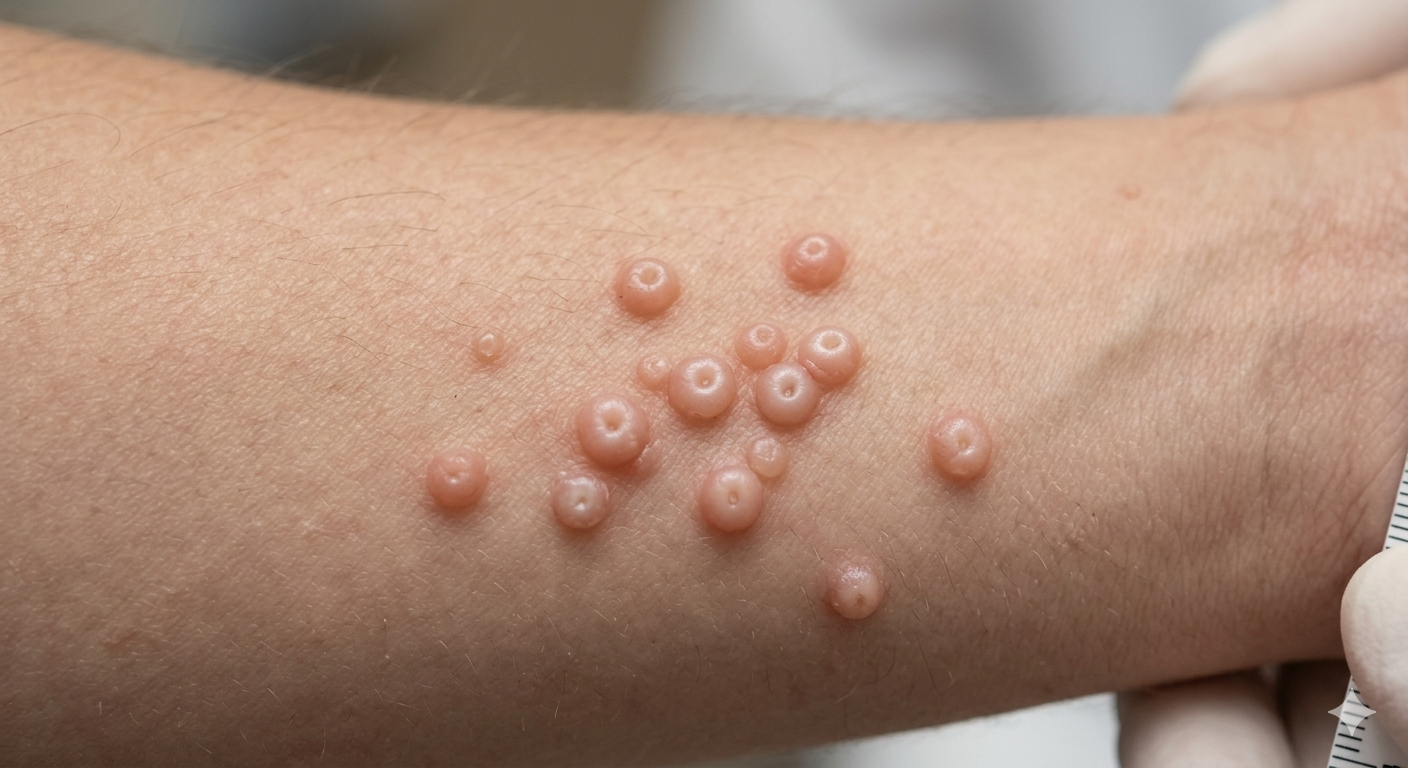
Molluscum contagiosum is a common viral skin infection that affects both children and adults. Although the condition is generally harmless, it can be frustrating due to its contagious nature and tendency to spread across different areas of the body. The infection causes small, raised skin bumps that may persist for months if left untreated.
As awareness of skin health continues to grow, many people are seeking reliable information about molluscum contagiosum, how it spreads, and the treatment options available for managing visible skin lesions. Understanding the condition can help individuals make informed decisions about skin care, infection control, and lesion management.
What Is Molluscum Contagiosum and How Does It Spread?
Molluscum contagiosum is caused by a poxvirus that infects the outer layer of the skin. The condition typically appears as small, flesh-coloured or pearly bumps with a characteristic central indentation. These lesions can develop individually or in clusters and are commonly found on the face, arms, torso, legs, and other areas of the body.
One reason the infection is so common is its ability to spread through skin-to-skin transmission. Direct contact with an infected person, sharing personal items such as towels, or touching contaminated surfaces can contribute to transmission. In some cases, scratching existing lesions may cause the virus to spread to nearby skin.
Children are particularly susceptible because of close contact during play and school activities. However, adults can also develop molluscum contagiosum through everyday contact or participation in sports and activities involving shared equipment.
Common Symptoms and Challenges Associated With Viral Skin Lesions
The primary symptom of molluscum contagiosum is the appearance of smooth, dome-shaped skin lesions. While these bumps are usually painless, they can become irritated, inflamed, or itchy. Some individuals experience cosmetic concerns, especially when lesions appear on visible areas such as the face or neck.
Because the infection is viral in nature, the body's immune system must eventually recognize and clear the virus. This process can take several months and, in some cases, over a year. During this period, new lesions may continue to develop.
The persistence of viral wart-like lesions can create additional challenges, including concerns about spreading the infection to family members, classmates, or sports teammates. As a result, many people seek professional skin treatment options that support lesion removal while minimizing damage to surrounding healthy tissue.
Modern Approaches to Molluscum Contagiosum Management
Advancements in dermatological cryotherapy and non-surgical skin treatment have expanded the options available for managing molluscum contagiosum. One widely recognized approach involves cryotherapy, a technique that uses extremely cold temperatures to target abnormal skin tissue.
Modern lesion freezing technologies allow practitioners to focus treatment directly on affected areas while preserving surrounding skin. Some systems use controlled nitrous oxide treatment to achieve precise cooling, making the procedure suitable for many different skin types and body locations.
CryoPen technology is an example of a precision-based cryotherapy system designed for targeted skin lesion treatment. Because of its accuracy, it is often considered for sensitive skin areas where minimizing unnecessary tissue damage is important. Individuals researching professional Molluscum Contagiosum Treatment options often explore these modern cryotherapy-based approaches due to their precision and minimal impact on surrounding healthy skin.
Professional assessment remains an essential part of treatment planning. Factors such as lesion location, patient age, skin type, and the extent of infection can influence the most appropriate management strategy. In paediatric skin treatment settings, precision and patient comfort are often key considerations.
Following treatment, skin healing typically occurs naturally as the body removes treated tissue and regenerates healthy skin. Proper aftercare and infection control practices can further support recovery while helping reduce the likelihood of additional spread.
Conclusion
Molluscum contagiosum is a common but highly contagious viral skin infection that can affect people of all ages. While many cases eventually resolve on their own, the condition may persist for extended periods and continue spreading if not properly managed.
Understanding how the virus spreads, recognizing early symptoms, and learning about available treatment approaches can help individuals make informed decisions about their skin health. With ongoing advances in dermatological cryotherapy, lesion removal techniques, and non-surgical treatment options, there are now more effective ways than ever to address molluscum contagiosum while supporting healthy skin recovery.