
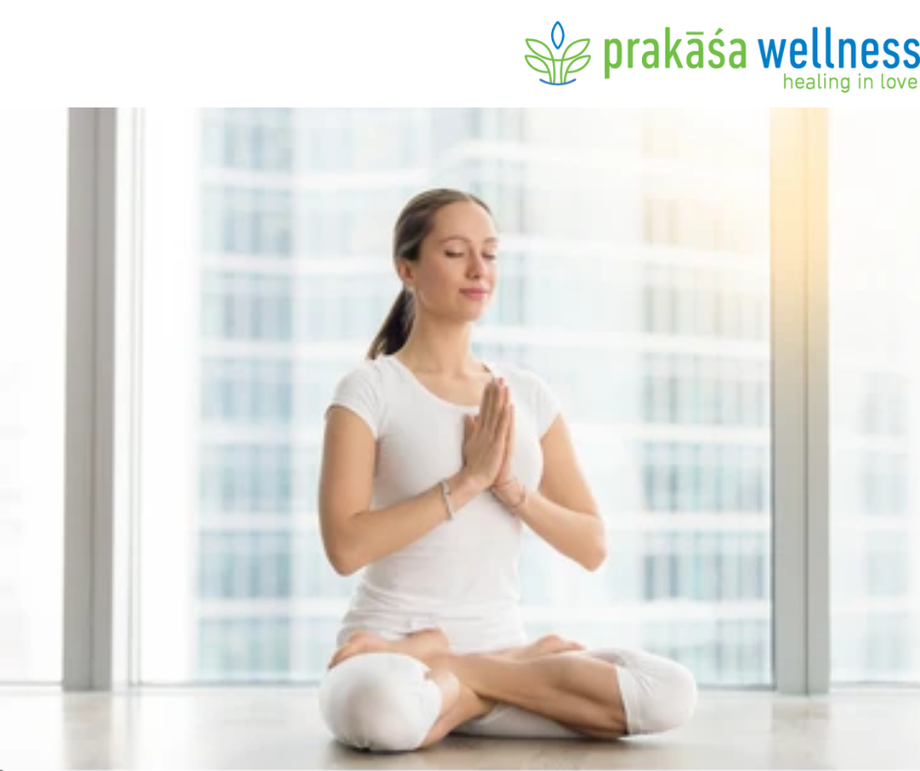
Pranayama, the ancient yogic practice of controlled breathing, has long been recognized as a powerful tool for enhancing overall wellness. Rooted in traditional Indian healing philosophies, pranayama focuses on regulating the breath to balance the body’s vital energy, known as prana. Today, scientific research and holistic wellness communities alike acknowledge pranayama as a transformative practice that nurtures both mind and body.From reducing stress to improving lung health, the benefits of pranayama extend far beyond the yoga mat. This blog explores how pranayama promotes deep mind–body wellness and why it remains one of the most essential practices for modern living.
1. Reduces Stress and Anxiety
One of the most well-known benefits of pranayama is its ability to alleviate stress. Controlled breathing activates the parasympathetic nervous system—the body’s natural relaxation response.
Through techniques such as Nadi Shodhana (alternate nostril breathing) and Ujjayi, pranayama helps:
-
Lower cortisol levels
-
Calm the mind
-
Reduce anxiety and emotional tension
-
Restore a sense of balance
By slowing the breath, the mind automatically becomes centered, making stress management easier in everyday life.
2. Enhances Mental Clarity and Focus
Pranayama increases the flow of oxygen to the brain, improving cognitive function and mental sharpness. Practices like Bhastrika and Kapalbhati stimulate the nervous system and energize the mind.
Benefits include:
-
Improved focus and concentration
-
Enhanced memory and mental processing
-
Better decision-making
-
Increased awareness and mindfulness
This makes pranayama an excellent practice for students, professionals, and anyone seeking mental clarity.
3. Improves Respiratory Health
Because pranayama directly exercises the lungs and respiratory muscles, it significantly improves lung capacity and overall breathing function.
Key respiratory benefits:
-
Strengthens the diaphragm
-
Improves oxygen circulation
-
Enhances the efficiency of respiratory muscles
-
Helps manage conditions like asthma or bronchitis (as a supportive practice)
Regular pranayama helps practitioners breathe more deeply and efficiently, improving stamina and vitality.
4. Balances the Nervous System
The breath is deeply connected to the nervous system. Shallow or rapid breathing often indicates stress, while slow, deep breathing signals calm. Pranayama trains the mind to regulate and balance these responses.
Benefits include:
-
Stabilized heart rate
-
Regulated blood pressure
-
Reduced physical symptoms of stress
-
Improved emotional resilience
This balance helps the body handle daily challenges with greater ease.
5. Enhances Emotional Stability
Emotional well-being is closely linked to breath awareness. Pranayama practices help clear mental clutter and regulate emotional fluctuations.
It supports:
-
Better control over negative emotions
-
Reduction of anger and irritability
-
Increased patience and compassion
-
Improved emotional self-awareness
As breath becomes steady, emotions follow, leading to greater harmony within.
6. Boosts Energy and Vitality
Pranayama increases prana—the life force—circulating through the body. This not only boosts energy but also revitalizes the entire system.
Techniques like Bhastrika and Kapalbhati are known to:
-
Improve circulation
-
Increase metabolic rate
-
Enhance overall vitality
-
Reduce feelings of fatigue
Many practitioners report feeling refreshed and energized after even a few minutes of breathwork.
7. Supports Better Sleep
Irregular sleep patterns often stem from an overactive mind or stress. Calming pranayama techniques like Bhramari (humming bee breath) and Chandra Bhedana induce relaxation and prepare the mind for restful sleep.
Benefits include:
-
Reduced insomnia
-
Improved sleep quality
-
Faster relaxation before bedtime
-
Balanced circadian rhythm
A few minutes of slow, deep breathing before bed can greatly improve sleep.
8. Enhances Digestive Function
Pranayama increases oxygen flow and stimulates the parasympathetic nervous system, which controls digestion.
It can help:
-
Reduce bloating and acidity
-
Improve metabolism
-
Support healthy digestion
-
Relieve symptoms of stress-related digestive issues
The rhythmic movement of the diaphragm also gives a gentle massage to the abdominal organs, enhancing digestive efficiency.
9. Strengthens Immune Function
A calm mind and well-oxygenated body naturally strengthen immunity. Pranayama promotes detoxification and increases the body’s ability to fight infections.
It supports immune health through:
-
Improved oxygen supply
-
Reduced inflammation
-
Balanced internal systems
-
Enhanced stress response control
With reduced stress and improved respiratory function, the immune system becomes more resilient.
10. Promotes Mindfulness and Inner Peace
Perhaps the most profound benefit of pranayama is the sense of inner stillness it cultivates. When breath, body, and mind align, a natural state of peace emerges.
Regular practice helps individuals:
-
Become more present
-
Develop deeper self-awareness
-
Reduce mental chatter
-
Experience a calm and centered state
This inner harmony supports long-term emotional and mental well-being.
Conclusion
Pranayama is not just a breathing technique—it is a comprehensive practice that nurtures holistic wellness. By fostering emotional balance, improving physical health, and enhancing mental clarity, pranayama empowers individuals to lead happier, healthier, and more mindful lives.
In a world filled with stress and fast-paced routines, pranayama offers a powerful pause—an opportunity to reconnect with one’s inner rhythm and restore harmony between mind and body. Whether you’re a seasoned yogi or a beginner exploring breathwork, pranayama can be a transformative addition to your wellness journey.