
Temperature measurement plays a crucial role in science, engineering, and everyday life. From monitoring weather conditions to controlling industrial processes, temperature sensors are essential tools that help us understand and regulate thermal changes. These devices are also widely used in educational setups and experiments, especially in developing a science model that demonstrates real-world applications.
What Are Temperature Sensors?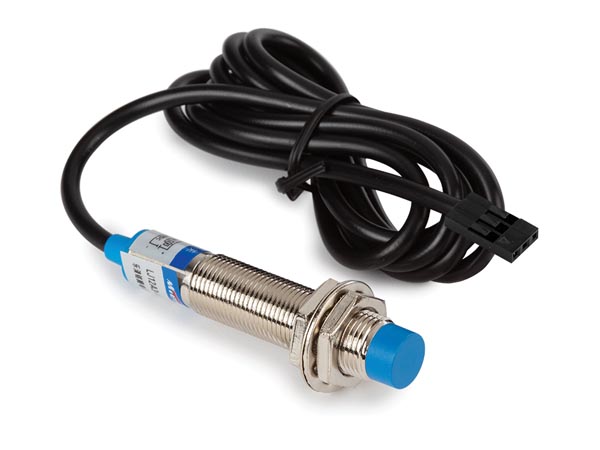
Temperature sensors are devices designed to detect and measure heat levels in an environment or object. They convert thermal energy into readable data, which can be displayed digitally or used to control systems automatically. These sensors are commonly found in household appliances, medical devices, automobiles, and industrial machines.
There are different types of temperature sensors, including thermocouples, resistance temperature detectors (RTDs), thermistors, and infrared sensors. Each type has unique features and is suited for specific applications depending on accuracy, range, and response time.
How Temperature Sensors Work
Temperature sensors function by detecting changes in physical properties such as resistance, voltage, or infrared radiation. For example, thermistors change their resistance when the temperature varies, while thermocouples generate voltage due to temperature differences between two metals.
These changes are then converted into electrical signals, which can be interpreted by microcontrollers or display systems. This ability to transform heat into measurable data makes temperature sensors highly valuable in automation and monitoring systems.
Importance in Science Models
In educational environments, temperature sensors are widely used in building interactive experiments and projects. A well-designed science model incorporating a temperature sensor can help students understand concepts like heat transfer, thermal expansion, and environmental monitoring.
For instance, students can create a weather station model that records temperature changes throughout the day. Another example is a smart home model where a temperature sensor automatically turns on a fan when the room gets too hot. These practical applications make learning more engaging and help bridge the gap between theory and real-world usage.
Applications in Daily Life
Temperature sensors are everywhere in our daily lives. They are used in air conditioners, refrigerators, and ovens to maintain desired temperatures. In healthcare, they monitor body temperature and ensure the safe storage of medicines. In industries, they play a critical role in maintaining safety and efficiency by preventing overheating of machinery.
Automobiles also rely heavily on temperature sensors to monitor engine heat and optimize performance. Even smartphones use these sensors to prevent overheating during heavy usage.
Advantages of Using Temperature Sensors
One of the major advantages of temperature sensors is their accuracy and reliability. Modern sensors provide precise readings, which are essential for sensitive applications like medical diagnostics and scientific research.
They are also compact, energy-efficient, and easy to integrate into various systems. This makes them ideal for both small-scale science projects and large industrial setups. Additionally, digital temperature sensors can be connected to IoT systems, enabling remote monitoring and control.
Future of Temperature Sensors in Science Models
With advancements in technology, temperature sensors are becoming more sophisticated and affordable. This opens new possibilities for students and researchers to create innovative science models. Integration with microcontrollers like Arduino and Raspberry Pi allows for more complex and interactive projects.
In the future, we can expect smarter sensors with higher accuracy and wireless capabilities. These developments will further enhance their role in education, research, and industrial applications.
Conclusion
Temperature sensors are fundamental components in modern technology and education. Their ability to measure and respond to thermal changes makes them invaluable in both practical and experimental settings. Whether used in advanced industries or simple classroom projects, they continue to play a vital role in innovation.
Incorporating temperature sensors into a science model not only improves understanding but also encourages creativity and problem-solving skills among students.