
An effective study plan for PMP is not a time plan that involves studying for 360 hours. It is about having a regular and planned sequence of learning, revising, mock exams, and mindset preparation. Many people pass the PMP exam within three months by enrolling in a concentrated PMP certification course that allows them to stay on track, prevent burnout, and practice real exam scenarios.
Many professionals also combine structured preparation with our PMP Exam Prep 2026: Pass on First Try program to improve exam confidence, strengthen decision-making skills, and prepare systematically for real PMP-style questions.
Why a 3-Month PMP Plan Works for Most Professionals?
The standard timeframe for PMP exam preparation is three months, which is considered ideal for working professionals in India who are juggling work, projects, and family obligations.
Less than that might seem like a rush. Longer than that and it's likely to be inconsistent and not build momentum.
The PMP exam has undergone many changes over the past few years. It is now more than just memorizing frameworks or formulas. Now, candidates are expected to consider how to think as project leaders, how to deal with agile situations, how to manage stakeholders, and how to make sound decisions in an adrenaline rush.
PMI's report says that by 2030, the global economy will require 25 million new project professionals.
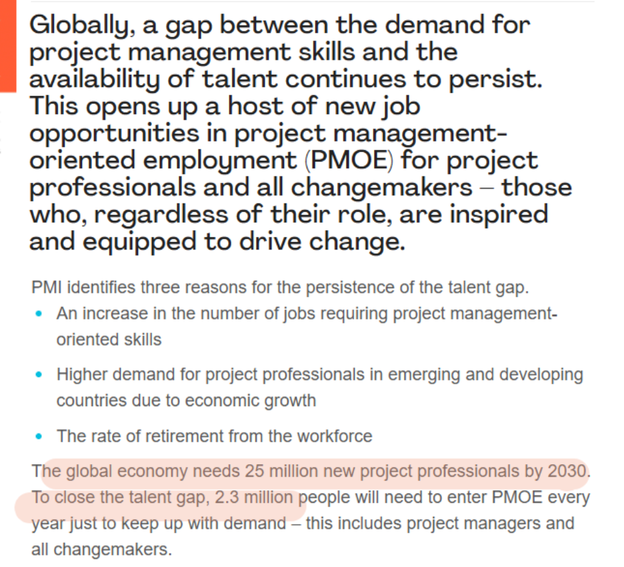
This growing demand is one reason why professionals across industries are actively investing in structured PMP training and certification programs to improve leadership opportunities and long-term career growth.
Month 1: Build Understanding Before Speed
The first month should be used to grasp concepts correctly, rather than doing mock exams too soon.
Many candidates tend to solve hundreds of questions in the practice papers without developing any conceptual understanding. That typically leads to confusion later on.
For the first month, candidates are encouraged to:
-
Understanding PMI mindset
-
End-to-end development of agile and hybrid software
-
Agile and hybrid software development life cycles.
-
Studying stakeholder communication
-
Being able to reason about project processes logically
-
Developing skills in problem solving, information gathering, and dialogue regarding possible future scenarios.
In this part, the aim is not perfection. It is clarity.
Month 2: Shift from Learning to Application
The second month is the month in which preparation begins to be more of a practical exercise.
Candidates should now shift from passive learning to active learning and go ahead and apply their concepts through:
-
Scenario-based questions
-
Topic-wise mock tests
-
Agile case studies
-
Time management practice
-
Weak-area revision
This stage is important because the PMP exam is heavily situation-oriented. Many questions contain multiple “correct-looking” answers, but only one reflects PMI’s preferred leadership and project management mindset.
That is why candidates preparing through a strong PMP training and certification approach usually spend significant time reviewing why answers are correct instead of only checking scores.
You can also explore our detailed PMP certification training course roadmap to understand how successful professionals structure mock practice alongside full-time work schedules.
Month 3: Train Like It Is the Real Exam
The final month should focus less on learning new topics and more on exam readiness.
This is where candidates should begin:
-
Full-length mock exams
-
Timed practice sessions
-
Revision of weak areas
-
Mental endurance preparation
-
Exam pacing strategy
Mental fatigue is one of the biggest hidden problems of the PMP exam. However, many candidates may be familiar with the concepts but lose focus as they are not familiar with holding their concentration for longer periods.
Candidates greatly benefit from good preparation in the third month:
-
Decision-making speed
-
Confidence under pressure
-
Time management
-
Acknowledging feelings related to challenging questions
This is a point where structured PMP project management training can be very useful, as mentors can pinpoint common errors and offer systematic strategies for managing the exam.
Candidates preparing during the final revision phase often use our Last-Week PMP Study Plan Before Exam to organize revision priorities, improve pacing strategy, and reduce stress before exam day.
Why Consistency is More Important than Long Study Hours?
Many PMP aspirants think that it's necessary to study with extreme aggression for 8–10 hours each day.
The truth is, the majority of the most successful professionals prepare more sustainably.
Typically, consistency trumps intensity.
Regular studies every day will enhance:
-
Concept retention
-
Confidence
-
Focus
-
Revision quality
-
Stress management
It is difficult for candidates to maintain continuity and avoid mental fatigue later when they learn sporadically.
That is one of the reasons many working professionals choose to take advantage of guided PMP training and certification support to ensure that they are held accountable and keep themselves prepared without getting fatigued.
The Role of Agile and Modern Project Thinking
The PMP exam in 2026 strongly emphasizes agile and hybrid project management approaches.
Candidates who only know the traditional project management approaches would find it difficult to answer the following questions:
-
Scrum collaboration
-
Adaptive planning
-
Servant leadership
-
Team empowerment
-
Stakeholder engagement
For many learners, it makes sense, therefore, to build up agile knowledge in the basics first and subsequently delve deeper into exam preparation on platforms such as Coursera Project.
The current project management is more and more people-centered, communication-based, and adaptable. PMP preparation should, likewise, reflect that shift.
Structured learning vs. Self-Study
For some candidates, success is completely through self-study, particularly for those with solid project management experience and good study habits.
Many professionals, however, want structured guidance as well:
- Reduces confusion
- Provides updated learning material
- Improves consistency
- Provides practice exam assistance
- Provides a more detailed preparation path forward
A good PMP certification training course is not just a course in theory. It helps the candidate to stay focused and to prepare properly for the test.
You can also check our advanced PMP project management training guide to understand how professionals balance preparation efficiently with work responsibilities.
The Mindset Difference
One major reason candidates fail is that they treat PMP preparation like a memory test instead of a leadership exam.
The PMP exam rewards:
-
Calm thinking
-
Communication-focused decisions
-
Risk awareness
-
Collaboration
-
Strategic problem-solving
Candidates who understand this mindset early usually become far more confident during mock tests and the real exam itself.
Even professionals using Coursera Project Management resources for conceptual learning often realize that structured PMP-focused preparation becomes necessary to fully understand PMI-style thinking.
Final Thoughts
A 3-month PMP exam preparation plan is effective not through brute-force cramming that compresses the study timeline, but by aligning with the gradual absorption rhythm of project management knowledge. Candidates who pass the PMP exam on their first attempt do not succeed by relying on luck from grinding mock tests right before the exam.
But by consistently reflecting on and reviewing knowledge points every day. The core of the PMP certification lies not in testing test-taking proficiency, but in assessing the fundamental capacity to implement project management in real-world contexts.