
Cerebral vasospasm remains one of the most challenging and life-threatening complications following aneurysmal subarachnoid haemorrhage (aSAH). Despite significant advancements in neurocritical care, refractory vasospasm continues to carry a high risk of delayed cerebral ischemia, neurological decline, and poor outcomes. In this evolving field, innovative, minimally invasive interventions are gaining increasing attention for their potential to enhance patient recovery and reduce morbidity.
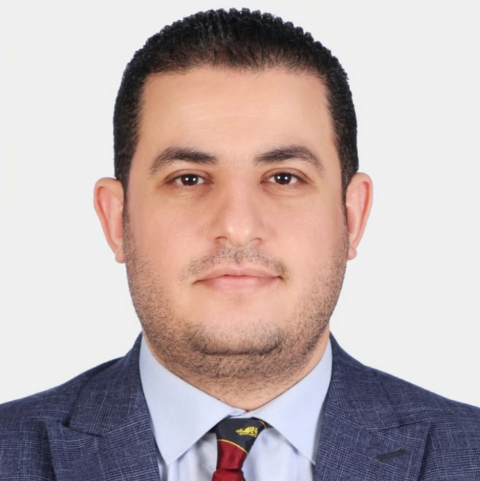
One such approach is the Ultrasound-Guided Stellate Ganglion Block (SGB)—a technique that has shown promising results in improving cerebral blood flow and mitigating vasospasm. This advanced neurointerventional strategy forms the focus of the work presented by Mr. Mohamed Elhendawy, a distinguished neurosurgeon from the United Kingdom.
About Mr. Mohamed Elhendawy
Affiliation: Neurosurgery Senior Clinical Fellow, NHS United Kingdom
Organization: University Hospital of Wales (NHS United Kingdom)
Country: United Kingdom
Qualifications: FRCS(SN), FEBNS
Mr. Mohamed Elhendawy is a highly accomplished neurosurgeon with extensive clinical expertise spanning both the United Kingdom and Europe. He holds dual specialist certifications from the Royal College of Surgeons of England (RCS) and the European Association of Neurosurgical Societies (EANS)—a testament to his rigorous training and advanced professional competence.
His neurosurgical practice encompasses the full breadth of adult and paediatric neurosurgery, with key clinical interests in:
-
Neurovascular surgery
-
Skull base surgery
-
Complex spine surgery
-
Neuro-oncology
Mr. Elhendawy currently serves within major tertiary care centres, where he actively manages high-acuity neurosurgical cases. His clinical approach emphasizes:
-
Timely, precise intervention
-
Evidence-based decision making
-
Enhanced peri-operative pathways for complex neurosurgical patients
Beyond clinical practice, he plays a vital role in neurosurgical education. He has delivered presentations at renowned scientific platforms, including the Society of British Neurological Surgeons (SBNS) and multiple European neurosurgical conferences.
Ultrasound-Guided Stellate Ganglion Block for Refractory Cerebral Vasospasm
The stellate ganglion block, traditionally used in pain management and sympathetic modulation, is now emerging as a potential adjunctive therapy for patients experiencing refractory cerebral vasospasm after aSAH. By decreasing sympathetic tone and enhancing cerebral perfusion, the ultrasound-guided approach offers a safer and more controlled method compared to landmark-based techniques.
Mr. Elhendawy’s interest and contribution in this innovative technique highlight the evolving landscape of neurovascular intervention. As neurosurgeons continue to explore minimally invasive methods to improve patient outcomes, ultrasound-guided SGB stands out as a promising direction that may reshape management strategies for severe vasospasm in the years ahead.
Conclusion
Mr. Mohamed Elhendawy’s dedication to advancing neurosurgical practice, combined with his commitment to innovation and high-quality patient care, positions him among the emerging leaders in modern neurosurgery. His focus on novel therapeutic approaches—such as ultrasound-guided stellate ganglion block—underscores the importance of continuous research in improving outcomes for patients with life-threatening neurovascular complications.