
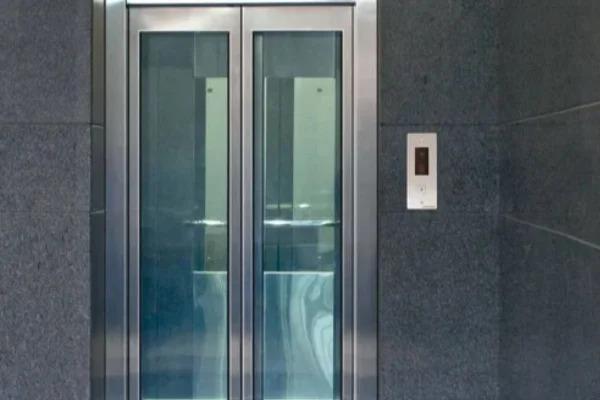
The modern architectural landscape is shifting toward sustainability, not just as a moral imperative but as a strategic financial decision. Elevators are often the most power-hungry systems in a building, accounting for a significant portion of total electricity consumption. By transitioning to energy-efficient models, property owners can achieve substantial reductions in long-term building costs. Innovative engineering has transformed these machines from simple pulleys into sophisticated, power-saving assets.
One of the primary ways these systems save money is through the reduction of peak power demand. Traditional lifts pull massive amounts of current to get a heavy cabin moving. Modern systems utilize variable voltage and variable frequency (VVVF) drives, which allow the motor to accelerate and decelerate smoothly. This prevents the "spikes" in electricity usage that utility companies often charge a premium for, especially in commercial settings.
Understanding Regenerative Drive Technology
The most revolutionary advancement in the industry is the regenerative drive. In a standard elevator, energy is dissipated as heat during braking—much like a car's brakes getting hot. In an energy-efficient system, this energy is captured and converted back into electricity. This power can then be fed back into the building’s electrical grid to run lights, HVAC systems, or even other elevators.
For high-traffic buildings, this technology can recover up to 40% of the energy used during operation. By minimizing heat output, these drives also reduce the burden on the building's air conditioning system, particularly in the machine room. This dual benefit—lower electricity bills and reduced cooling costs—makes modern lifts a cornerstone of cost-effective facility management.
Reducing Maintenance and Repair Expenses
Energy-efficient elevators are built with advanced materials and gearless traction technology. Unlike older geared systems that require heavy lubrication and frequent part replacements, gearless motors have fewer moving parts. This reduction in mechanical friction leads to a longer lifespan for the equipment and significantly lower maintenance overhead.
Furthermore, smart control systems can predict wear and tear before it leads to a total breakdown. Predictive maintenance ensures that small issues are fixed at a low cost, preventing the catastrophic failures that lead to expensive emergency repairs and tenant dissatisfaction. For property managers looking for a reliable lift manufacturer in rajasthan, choosing a provider that prioritizes these high-efficiency components is essential for future-proofing their investment.
Improving Property Value and Occupancy Rates
A building's value is closely tied to its operating costs and its technological sophistication. Installing luxury passenger lifts in udaipur does more than just move people; it signals to potential buyers or tenants that the property is managed with efficiency and care. In a competitive real estate market, energy-efficient features are a major selling point that can command higher rental yields.
Buildings with "Green" certifications, such as LEED or BREEAM, often see faster appreciation. Modern elevator systems are a key factor in achieving these certifications. When a lift uses 70% less energy than its predecessors, the overall energy profile of the building improves, making it more attractive to environmentally conscious corporate tenants who are looking to meet their own sustainability targets.
Smart Traffic Management Systems
Waste in elevator operation often comes from unnecessary trips—elevators stopping at every floor with only one person inside. Energy-efficient systems solve this through Destination Control Systems (DCS). Passengers select their floor at a kiosk in the lobby, and an AI-driven algorithm groups people going to the same floor into the same lift.
This reduces the number of starts and stops, which are the most energy-intensive parts of an elevator's cycle. By optimizing the "traffic flow" within the building, the elevators run fewer miles and consume less power. This efficiency also shortens wait times, improving the overall user experience while keeping operational costs at a minimum.
The Expertise of Imperial Elevators Udaipur
When seeking to integrate these cost-saving technologies, local expertise is invaluable. Imperial Elevators Udaipur specializes in delivering customized, energy-efficient solutions that cater to the specific architectural needs of the region. Whether it is a residential complex or a high-end commercial hub, their focus on quality craftsmanship and advanced motor technology ensures that buildings operate at peak efficiency.
By partnering with a team that understands the nuances of modern vertical mobility, building owners can transition from outdated, energy-draining systems to sleek, sustainable alternatives. This proactive approach to elevator management doesn't just lower monthly bills; it ensures the safety and comfort of every passenger while enhancing the building's long-term financial health.
Conclusion: A Long Term Investment Strategy
The initial cost of an energy-efficient passenger lift might be higher than a traditional model, but the return on investment is clear. Between the reduction in electricity consumption, the lower maintenance requirements, and the increase in property valuation, these systems pay for themselves over time. As energy prices continue to fluctuate, the stability provided by an efficient building infrastructure becomes an even greater asset. Investing in modern elevator technology is not just about moving up and down; it is about moving toward a more profitable and sustainable future for real estate.