
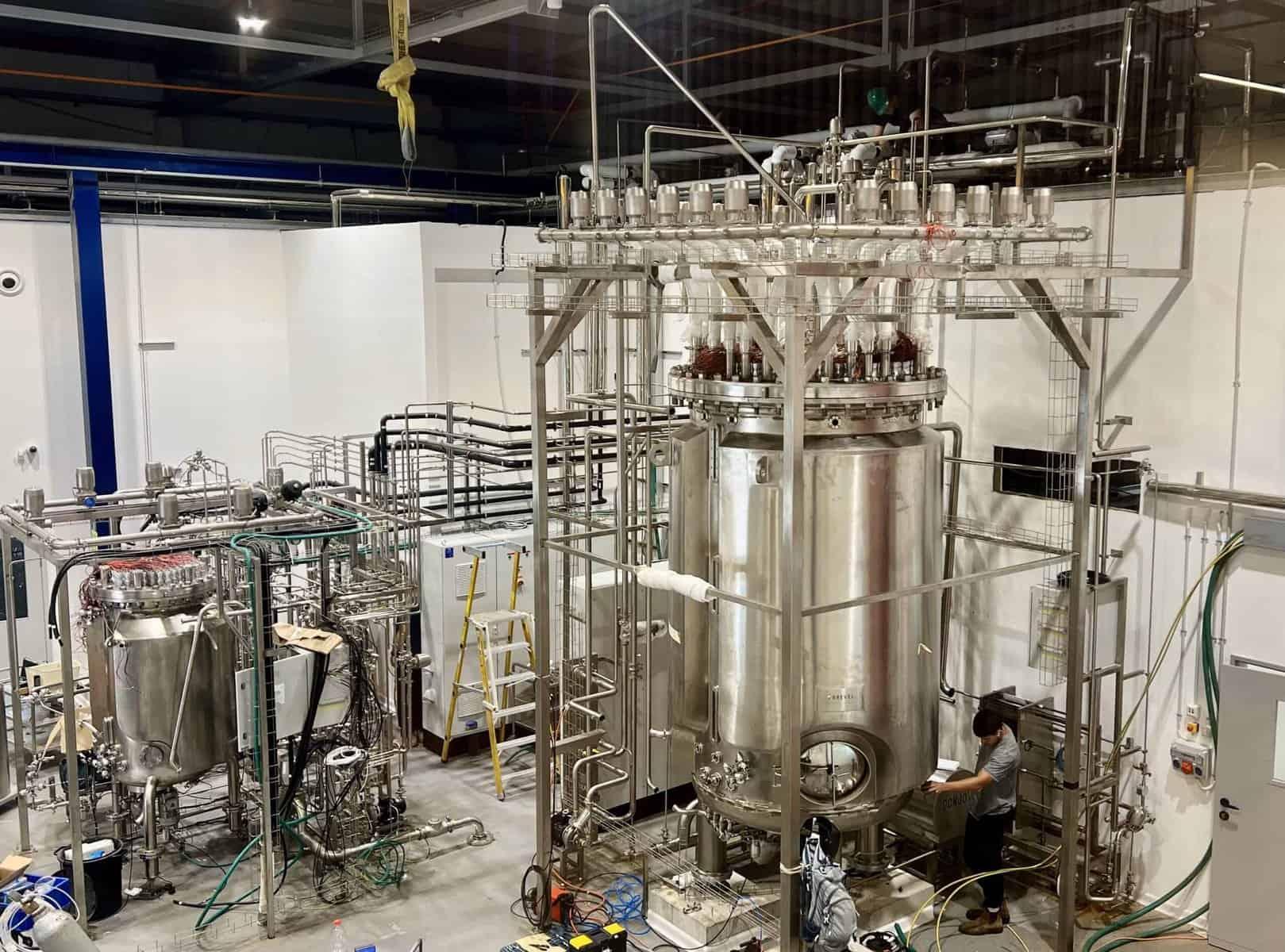
A protein production platform is a structured system used to express, produce, and purify proteins for research, diagnostic, and industrial purposes. These platforms are essential in biotechnology and life sciences, supporting the development of enzymes, therapeutic proteins, vaccines, and research reagents. By combining biological systems with optimized processes, a protein production platform ensures consistency, scalability, and quality in protein manufacturing.
Understanding a Protein Production Platform
A protein production platform integrates host expression systems, vectors, culture conditions, and purification strategies into a unified workflow. The goal is to generate proteins with the correct structure, activity, and stability. Selection of an appropriate protein production platform depends on factors such as protein complexity, post-translational modifications, yield requirements, and intended application.
Common Expression Systems
Several expression systems form the foundation of a protein production platform. Bacterial systems, particularly Escherichia coli, are widely used due to fast growth, low cost, and high expression levels. These systems are suitable for producing simple proteins that do not require complex modifications.
Yeast-based platforms provide a balance between simplicity and functionality. Yeast can perform some post-translational modifications, making them useful for moderately complex proteins. Insect cell systems, often using baculovirus vectors, support higher-level folding and modification, which is beneficial for structural and functional studies.
Mammalian cell-based protein production platforms are preferred for complex therapeutic proteins. These systems produce proteins with human-like post-translational modifications, ensuring biological relevance and functionality. Although more resource-intensive, mammalian platforms offer superior quality for clinical and commercial applications.
Vector Design and Expression Control
Vector design is a critical element of any protein production platform. Expression vectors include regulatory elements such as promoters, enhancers, and selection markers that control protein expression levels. Codon optimization and signal peptides are often incorporated to improve translation efficiency and secretion.
Precise control of expression conditions allows researchers to maximize yield while maintaining protein integrity. Inducible expression systems are commonly used to regulate production timing and reduce cellular stress.
Upstream Processing
Upstream processing refers to the cultivation of host cells under controlled conditions. This phase of the protein production platform includes media formulation, temperature regulation, and oxygen supply. Optimization of these parameters directly impacts cell growth and protein expression.
Scale-up considerations are also addressed during upstream processing. Bioreactors are designed to support consistent production from laboratory to industrial scale, ensuring reproducibility and efficiency.
Downstream Processing and Purification
Downstream processing focuses on protein recovery and purification. A protein production platform typically uses chromatographic techniques such as affinity, ion exchange, or size-exclusion chromatography. These methods remove impurities and concentrate the target protein to the desired purity level.
Quality control testing follows purification to verify protein identity, purity, and activity. Analytical techniques ensure that the protein meets predefined standards for its intended use.
Applications of Protein Production Platforms
Protein production platforms support a wide range of applications, including drug development, diagnostic assay creation, and basic research. In industrial biotechnology, these platforms enable the large-scale manufacture of enzymes and biologics. Their flexibility allows adaptation to different protein types and production goals.
Conclusion
A protein production platform is a cornerstone of modern biotechnology, enabling reliable and scalable protein manufacturing. By integrating expression systems, process optimization, and purification strategies, these platforms support diverse scientific and industrial needs. Continued advancements in protein production platforms contribute to improved efficiency, quality, and innovation across life science sectors.