
A Toilet Bowl is an essential fixture in every home, office, or public space. While often overlooked, selecting the right toilet bowl can significantly affect comfort, hygiene, water efficiency, and overall bathroom aesthetics. This guide will walk you through the types, features, installation tips, and maintenance practices for a toilet bowl.
Types of Toilet Bowls
Choosing the right toilet bowl starts with understanding the different types available. Each type offers unique benefits, and knowing these can help you make an informed decision.
1. One-Piece Toilet Bowls
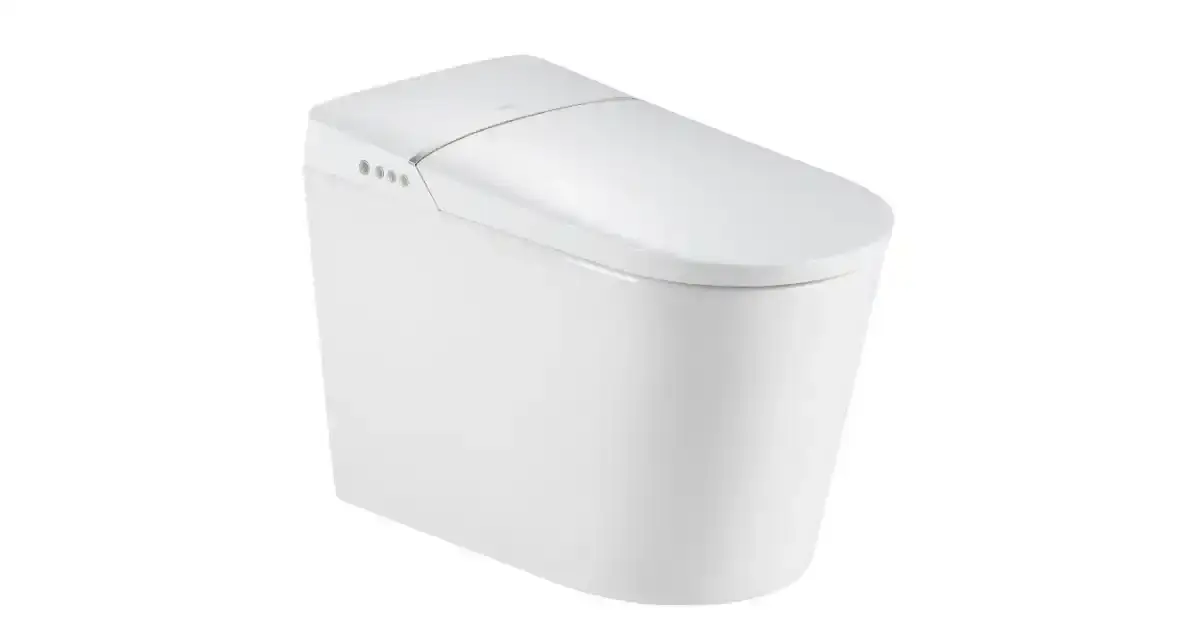
One-piece toilet bowls are designed with the tank and bowl fused into a single unit. This design makes cleaning easier since there are no gaps where dirt and bacteria can accumulate. One-piece models are often more stylish but tend to be slightly more expensive than other types.
2. Two-Piece Toilet Bowls
Two-piece toilet bowls are the most common type found in homes. These consist of a separate tank and bowl, making them easier to transport and install. While they may have a small gap between the tank and bowl, regular cleaning prevents hygiene issues.
3. Wall-Mounted Toilet Bowls
Wall-mounted toilet bowls are fixed to the wall rather than the floor. They save space and give a modern look to the bathroom. These types require professional installation and strong wall support but offer easy cleaning under the bowl.
Key Features to Consider
When choosing a toilet bowl, several features can impact performance, comfort, and water efficiency.
1. Bowl Shape
Toilet bowls generally come in two shapes: round-front and elongated. Round bowls are compact and suitable for smaller bathrooms, while elongated bowls offer extra comfort and are common in master bathrooms.
2. Flushing Mechanism
Modern toilet bowls may feature single-flush, dual-flush, or pressure-assisted flushing systems. Dual-flush systems allow users to choose between a full or half flush, conserving water, while pressure-assisted models are powerful for large households.
3. Height and Comfort
Standard toilet bowls usually have a height of around 15 inches, but comfort-height models range from 17 to 19 inches. Comfort-height toilets are especially helpful for elderly or physically challenged users.
4. Material and Finish
Most toilet bowls are made from vitreous china, offering durability, smoothness, and resistance to stains. Some models also have advanced coatings that prevent bacterial growth and reduce cleaning time.
Installation Tips
Proper installation is crucial to ensure your toilet bowl functions efficiently and avoids leaks. Here are some essential installation tips:
-
Measure the Space: Ensure that the toilet bowl fits your bathroom layout, keeping in mind the rough-in distance from the wall.
-
Use a Wax Ring: This ensures a tight seal between the toilet and the floor drain.
-
Level the Bowl: Check the bowl for level before tightening bolts to prevent wobbling.
-
Check the Water Supply: Make sure the inlet is positioned correctly and that the water line is secure.
-
Test the Flush: After installation, flush several times to confirm smooth operation and check for leaks.
Cleaning and Maintenance
Maintaining a toilet bowl is vital for hygiene and longevity. Here are some recommended practices:
-
Regular Cleaning: Use a mild toilet cleaner and brush at least once a week. Pay attention to under the rim where bacteria can accumulate.
-
Avoid Harsh Chemicals: Strong acids or bleach in excess can damage the finish of the toilet bowl.
-
Check for Leaks: Inspect seals, bolts, and water lines periodically. Early detection can prevent costly repairs.
-
Use Toilet Tablets Sparingly: While they help keep the bowl fresh, excessive use can damage internal components over time.
Common Problems and Solutions
Even the best toilet bowls may encounter issues over time. Here are common problems and their solutions:
1. Constant Running
A running toilet bowl often results from a worn flapper or faulty fill valve. Replacing these parts is usually a simple fix.
2. Clogs
Clogs can occur due to excessive paper use or foreign objects. Use a plunger or plumbing snake to clear the blockage without damaging the bowl.
3. Leaks
Leaks at the base or water tank are common. Check the wax ring, bolts, and water connections. Replacing faulty parts usually solves the issue.
Eco-Friendly Toilet Bowls
Modern toilet bowls focus on water efficiency. Low-flow toilets use significantly less water per flush without compromising performance. Dual-flush and pressure-assisted models also contribute to water conservation, reducing environmental impact and utility bills.
Final Thoughts
Choosing the right toilet bowl goes beyond aesthetics; it’s about comfort, hygiene, and efficiency. By understanding the types, features, and maintenance requirements, you can select a toilet bowl that meets your needs for years to come. Proper care and regular maintenance ensure your toilet bowl remains functional, clean, and a reliable part of your bathroom setup.