
An emergency command trailer is a critical asset designed to support fast, organized responses during crises. Whether dealing with natural disasters, large-scale accidents, or security threats, these mobile units act as centralized command centers that can be deployed anywhere within minutes.
What Is an Emergency Command Trailer?
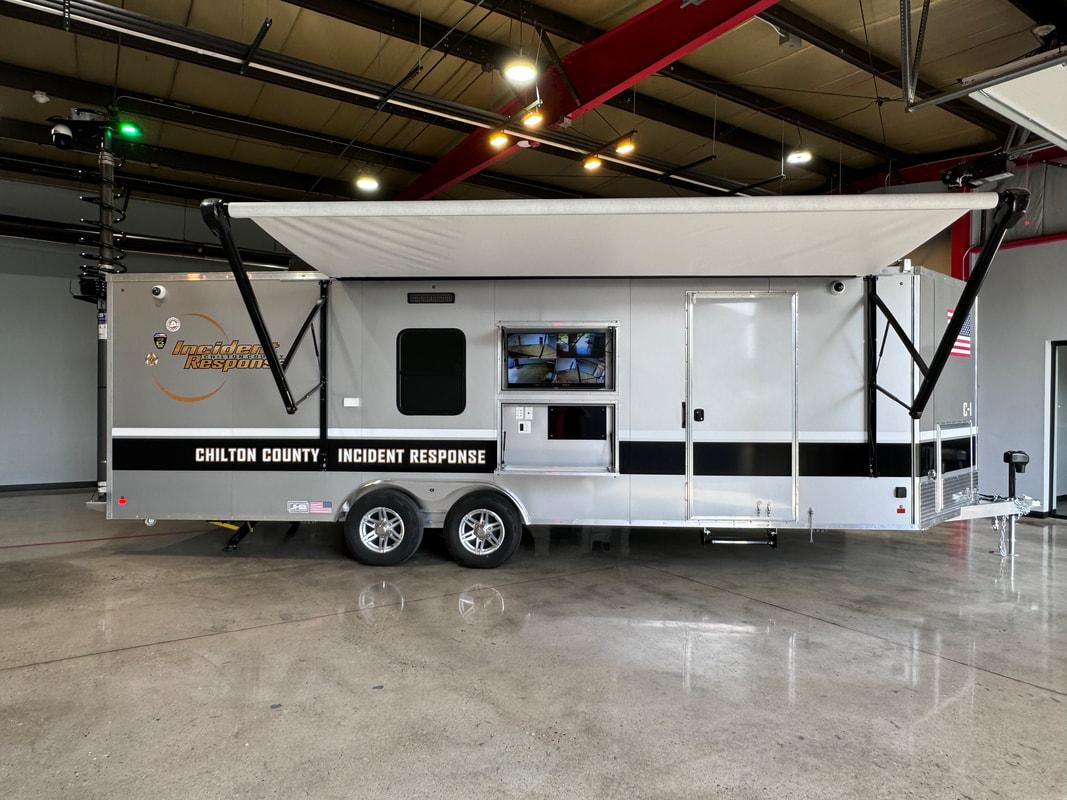
An emergency command trailer is a fully equipped mobile unit that enables emergency teams to coordinate operations in real time. It typically includes communication systems, monitoring tools, workstations, and power supplies—all built into a transportable trailer.
These trailers serve as the backbone of on-site decision-making, ensuring that responders stay connected and informed, even in chaotic environments.
Key Features and Capabilities
1. Advanced Communication Systems
- Satellite communication and radio networks
- Secure data transmission
- Integration with multiple agencies
2. Real-Time Monitoring
- Live video feeds from drones or surveillance cameras
- GPS tracking of personnel and vehicles
- Data visualization screens for situational awareness
3. Independent Power Supply
- Built-in generators
- Solar panel options
- Battery backups for uninterrupted operations
4. Flexible Workspace
- Workstations for command staff
- Conference areas for strategy discussions
- Climate-controlled interiors for comfort in extreme conditions
Why Emergency Command Trailers Matter
During emergencies, time and coordination are everything. A well-equipped emergency command trailer ensures:
- Faster response times by bringing command capabilities directly to the scene
- Improved coordination between multiple teams and agencies
- Better decision-making through access to real-time data
- Operational continuity even in areas with damaged infrastructure
Without a centralized mobile hub, response efforts can become fragmented and less effective.
Real-World Applications
Emergency command trailers are used across various scenarios, including:
- Disaster response (hurricanes, wildfires, floods)
- Law enforcement operations
- Large public event management
- Military and defense coordination
- Search and rescue missions
Their adaptability makes them essential for any organization responsible for public safety or crisis management.
Important Facts
- Many trailers are custom-built to meet specific operational needs
- They can be deployed within hours of an incident
- Modern units often include AI-powered analytics for faster insights
- Some trailers support remote collaboration with off-site experts
- They are designed to function in extreme weather conditions
Key Benefits at a Glance
- Mobility and rapid deployment
- Self-sufficiency in remote areas
- Enhanced communication and data sharing
- Scalable design for different mission sizes
- Increased efficiency in emergency operations
Final Thoughts
An emergency command trailer is more than just a mobile office—it’s a strategic tool that strengthens crisis response capabilities. By combining technology, mobility, and functionality, these trailers enable teams to act quickly and effectively when it matters most.
As emergencies become more complex, investing in reliable mobile command infrastructure is no longer optional—it’s essential for saving lives and minimizing damage.
FAQs
1. What is the main purpose of an emergency command trailer?
It serves as a mobile command center that helps coordinate response efforts during emergencies.
2. How quickly can it be deployed?
Most units can be mobilized and operational within a few hours, depending on location and readiness.
3. Who uses emergency command trailers?
They are commonly used by emergency services, law enforcement, disaster response teams, and military organizations.
4. Can these trailers operate without external power?
Yes, they typically include generators and backup power systems for independent operation.
5. Are emergency command trailers customizable?
Absolutely. They can be tailored with specific equipment and layouts to suit different operational needs.