
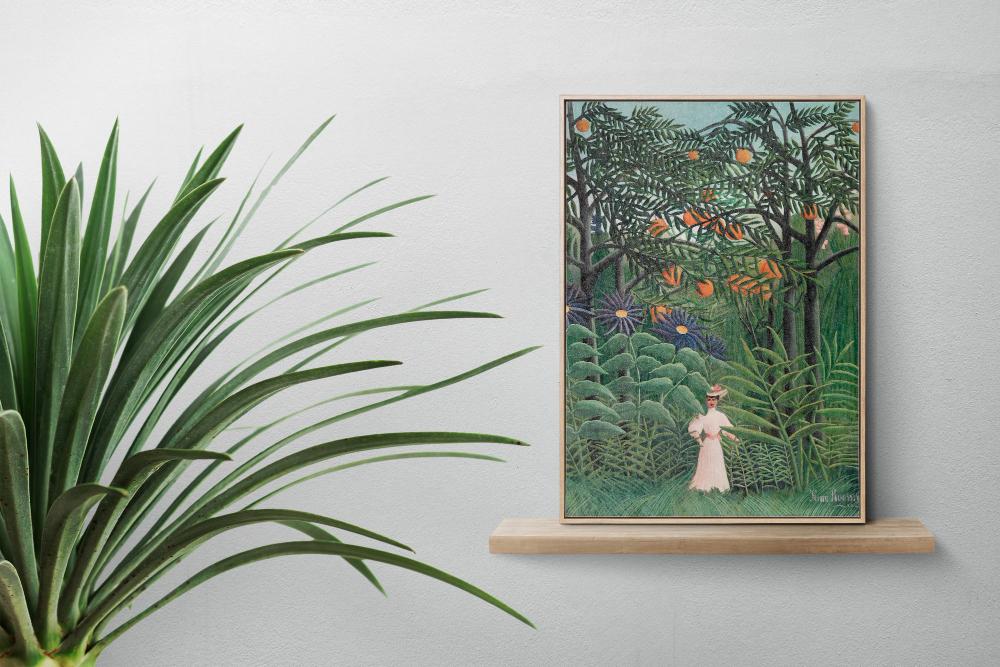
Selecting the perfect frame style can completely transform how artwork appears in your home. Whether you’re decorating a new space or refreshing your interior, the frame you choose determines the visual impact, mood, and overall presentation of your art. With so many options available today, especially for Canvas Wall Art in Australia, understanding the differences between stretched canvas, framed prints, and floating frames is essential. Each offers a unique aesthetic and comes with its own advantages and drawbacks. The key is choosing the style that complements your home, your taste, and the artwork itself.
What Is a Stretched Canvas?
A stretched canvas is artwork printed or painted directly onto canvas material and then stretched tightly over wooden stretcher bars. This style leaves the artwork frameless, allowing the edges to be visible. It’s one of the most popular ways to display modern and contemporary art due to its clean and gallery-inspired look.
Pros of Stretched Canvas
One of the biggest advantages of stretched canvas is its minimalist, seamless appearance. Without a frame, the artwork flows naturally to the edges, creating an uninterrupted view and a modern aesthetic that suits coastal, Scandinavian, bohemian, or minimalist interiors.
Stretched canvas pieces are also lightweight compared to framed prints, making them easier to hang and move. This is particularly useful for renters, those who frequently update their decor, or anyone who prefers simplified installation. Another benefit is durability—canvas material and solid wooden stretcher bars hold up well over time and don’t require glass, which can break or add glare.
Lastly, stretched canvases are often more affordable than framed options. Because they don’t require additional materials like moulding or glass, they offer a budget-friendly solution without compromising on style.
Cons of Stretched Canvas
While stretched canvases provide a clean and simple look, some people may find them too casual for certain interiors. Traditional or formal rooms often need the extra detail, texture, and refinement that frames provide.
The exposed edges of canvas can also be vulnerable to dust and occasional wear. Although canvas is durable, it doesn’t have the added protection of glass. In high-traffic areas or homes with pets or young children, this might be something to consider.
Additionally, stretched canvases don’t offer the same level of colour intensity as prints protected behind glass. While high-quality canvas printing has improved drastically, colours sometimes appear softer or more textured compared to glossy prints.
What Is a Framed Print?
A framed print is typically a paper print displayed behind glass or acrylic, surrounded by a chosen frame moulding. This classic method of presenting art has been used for centuries and suits a wide variety of interior styles.
Pros of Framed Prints
Framed prints provide a polished, timeless look that works exceptionally well in traditional, luxury, or formal spaces. The addition of a frame adds structure, texture, and definition to the artwork, making it stand out more dramatically on the wall.
The glass or acrylic front also offers excellent protection. It shields the artwork from dust, moisture, fingerprints, and UV rays, significantly extending its lifespan. If you’re investing in fine-art prints or artwork you want to preserve long-term, this is a strong advantage.
Framed prints are highly customisable. You can choose from dozens of frame colours, materials, and moulding thicknesses, as well as add matting to enhance depth and sophistication. This gives you more control over tailoring the artwork to your space and decor style.
Cons of Framed Prints
Despite their elegance, framed prints can be heavier due to the glass and framing materials. This makes them more challenging to hang, especially in larger sizes, and often requires stronger wall hooks or supports.
Framed prints are typically more expensive than stretched canvases because of the added materials and craftsmanship involved. Custom framing in particular can increase the price significantly.
Another consideration is glare. Glass surfaces can reflect light from windows or lamps, which may obscure the artwork unless you invest in glare-reduction glass—a premium upgrade that adds further cost.
What Is a Floating Frame?
A floating frame is a stylish hybrid between stretched canvas and traditional framing. In this style, a stretched canvas is placed inside a frame with a deliberate gap around the edges, creating the illusion that the canvas is “floating.” This creates a striking shadow line effect that elevates the artwork.
Pros of Floating Frames
Floating frames strike the perfect balance between modern and classic. They provide the sleekness of stretched canvas while adding the refined structure of a frame. This makes them ideal for contemporary, transitional, or premium interiors.
Because the artwork remains on canvas, floating frames avoid glare issues associated with glass. The artwork remains textured and vibrant, while the surrounding frame enhances depth and elegance. Floating frames also protect the canvas edges, preventing dents or fraying.
They work particularly well for large statement pieces, adding visual presence without overwhelming the artwork. The shadow gap offers a distinctive look that instantly feels more luxurious.
Cons of Floating Frames
Floating frames tend to be more costly than stretched-canvas pieces due to the additional framing process. They are also slightly heavier, although still lighter than glass-covered framed prints.
While they protect the sides of the canvas, they do not offer the glass-based front protection that framed prints provide. This means dusting is still required, and care should be taken in high-traffic areas.
Additionally, because floating frames are more contemporary, they may not suit very traditional homes or vintage-style interiors unless the frame moulding is chosen carefully.
Which Option Should You Choose?
The best choice depends on your home decor, purpose, and personal preferences:
-
Choose stretched canvas if you want a clean, modern, lightweight, and budget-friendly option.
-
Choose framed prints if you want maximum protection, timeless elegance, and custom detailing.
-
Choose floating frames if you want a premium, gallery-style look with a balance of modern and classic aesthetics.
Consider where the artwork will be displayed, how much durability you need, and the style you want to achieve. Each option offers a unique personality, and understanding their pros and cons makes it easier to pick the perfect finishing touch for your space.
If you want your artwork to feel refined yet contemporary, floating frames are a standout choice. For a casual or minimalist look, stretched canvas is ideal. And if you’re building a timeless gallery wall or preserving cherished art, framed prints deliver unmatched sophistication.
Choosing the right frame isn’t just about presentation—it’s about creating harmony between your art and your home. With the right decision, your artwork will shine exactly as you envision it.