
Introduction
Solar panel systems have become increasingly popular as homeowners seek reliable and sustainable energy solutions. With rising electricity costs and greater awareness of environmental impact, residential solar systems are now considered a smart long-term investment. Understanding solar energy basics helps homeowners make informed decisions about adopting clean power. In this article, we will explore the key components, system configurations, and benefits of solar panel systems, along with important considerations for customization, installation, and selecting high-quality components.
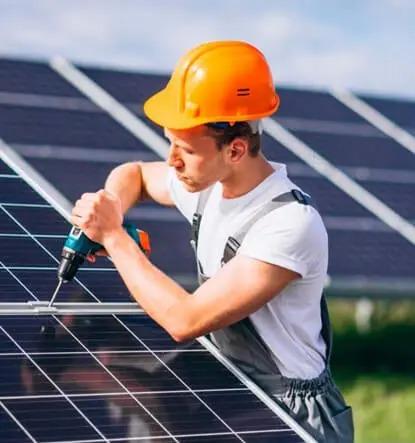
Understanding the Components of Solar Panel Systems
-
Solar panels capture sunlight and generate DC electricity
-
Inverters convert DC power to AC power for household use
-
String inverters: cost-effective for simple layouts
-
Microinverters: improved efficiency and panel-level monitoring
-
Power optimizers: balance performance and cost
-
-
Mounting kits secure panels and ensure correct tilt and orientation
-
Electrical components include interconnect cables, AC/DC disconnects, and safety switches
-
High-quality components improve system efficiency, lifespan, and reliability
Exploring Different Solar Panel System Configurations
-
Grid-tied solar systems connect to the utility grid
-
Benefit from net metering and lower electricity bills
-
Do not provide backup during grid outages
-
-
Off-grid solar solutions operate independently from the grid
-
Suitable for remote or rural locations
-
Require battery storage systems
-
-
Hybrid solar setups combine grid connection and battery storage
-
Offer backup power and flexible energy management
-
Higher upfront cost but greater control
-
The Future Outlook for Residential Solar Panel Systems
-
Renewable energy trends are driving solar technology advancements
-
Bifacial panels increase energy production from reflected sunlight
-
Building-integrated photovoltaics (BIPV) improve aesthetics
-
Solar panel systems contribute to reduced carbon emissions
-
Adoption supports long-term sustainability and climate goals