
 Conveyor belt systems are the backbone of modern material handling. From small manufacturing units to large-scale industrial plants, conveyor belts help move materials efficiently, safely, and continuously. Understanding what a conveyor belt is, its applications, and the supporting equipment involved is essential for choosing the right system for any industry.
What Is a Conveyor Belt?
A conveyor belt is a mechanical system designed to transport materials from one point to another with minimal manual effort. It consists of a continuous belt loop supported by rollers and driven by pulleys connected to a motor and gearbox. Conveyor belts can be customized in terms of size, speed, material, and load capacity to suit different industrial requirements.
These systems are widely used to move raw materials, semi-finished goods, and finished products across short or long distances.
Understanding Conveyor Belt Application in Industry
The conveyor belt application depends on the type of industry and material being handled. Some of the most common applications include:
Manufacturing and Assembly Lines
In manufacturing units, conveyor belts ensure smooth movement of components between different stages of production. They improve productivity, reduce handling time, and maintain uniform workflow.
Mining, Cement, and Power Plants
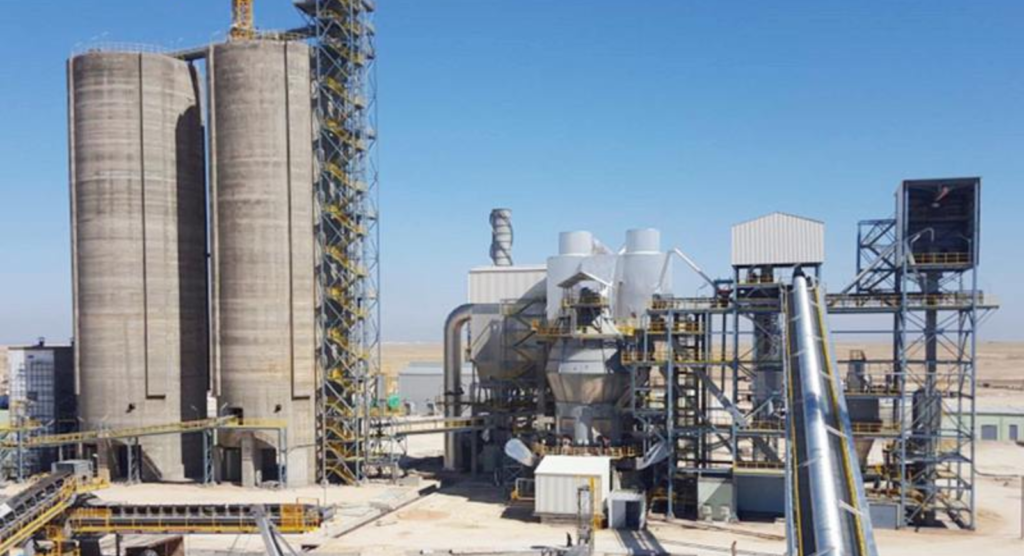
Heavy-duty conveyor belts are used to transport coal, limestone, ores, and clinker. These belts are designed to handle high loads and operate efficiently in dusty and harsh environments.
Food and Beverage Industry
Conveyor belts are widely used to move ingredients, packed food items, and containers. Food-grade belts help maintain hygiene and comply with safety standards.
Warehousing and Logistics
In warehouses, conveyor systems simplify sorting, loading, and unloading processes. They improve speed and accuracy in material handling operations.
Agriculture and Fertilizer Plants
Conveyor belts are ideal for handling grains, seeds, fertilizers, and other bulk agricultural materials with minimal product loss.
Main Components of a Conveyor Belt System
A conveyor system functions efficiently when all components work together properly:
Conveyor Belt
The belt is made from rubber, PVC, fabric, or metal-reinforced materials depending on the application and load.
Rollers and Pulleys
Rollers support the belt and reduce friction, while pulleys guide and drive the belt movement.
Drive Unit and Gearbox
The drive system powers the conveyor. Gearboxes are used to control speed and torque. Many industries prefer solutions from a reliable SMSR gearbox manufacturer because shaft-mounted speed reducers offer compact design and high torque output.
Importance of SMSR Gearboxes in Conveyor Systems
SMSR gearboxes are widely used in conveyor belt applications due to their efficiency and ease of installation. They are mounted directly on the conveyor shaft, eliminating the need for couplings and base frames.
Key advantages include:
-
High load-carrying capacity
-
Compact and space-saving structure
-
Reduced maintenance requirements
-
Long operational life
For this reason, selecting the right SMSR gearbox manufacturer is critical for ensuring smooth conveyor operation and minimal downtime.
Role of Gear Oil Pumps in Conveyor Equipment
Proper lubrication is essential for the performance of gearboxes and rotating components. Gear oil pumps ensure a consistent flow of lubricant, reducing friction and preventing overheating.
Trusted Gear Oil Pump Manufacturers in Ahmedabad provide pumps that are commonly used in conveyor gearboxes to:
-
Maintain proper lubrication
-
Reduce wear and tear
-
Improve gearbox efficiency
-
Extend service life
Effective lubrication significantly improves the reliability of conveyor belt systems.
Benefits of Using Conveyor Belt Systems
Conveyor belts offer several advantages for industrial operations:
-
Faster and more efficient material handling
-
Reduced dependency on manual labor
-
Improved workplace safety
-
Consistent and controlled material flow
-
Suitable for both light-duty and heavy-duty operations
How to Choose the Right Conveyor Belt System
When selecting a conveyor belt system, consider:
-
Type and weight of material
-
Required belt speed and capacity
-
Operating environment
-
Quality of gearbox and lubrication system
Working with experienced manufacturers ensures reliable performance and long-term operational efficiency.
Conclusion
Understanding what is conveyor belt and the wide scope of conveyor belt application helps industries optimize material handling processes. Conveyor systems play a crucial role in improving productivity across manufacturing, mining, food processing, and logistics sectors.
With dependable components such as SMSR gearboxes and lubrication solutions from trusted Gear Oil Pump Manufacturers in Ahmedabad, conveyor belt systems can deliver consistent performance, durability, and cost-effective operation over time.