
Clean, safe, and great-tasting water is essential for every household. Whether you're cooking, drinking, or bathing, water quality plays a major role in your family’s health and comfort. Unfortunately, tap water often contains impurities like chlorine, sediments, bacteria, and even harmful chemicals. This is where a reliable water filtration system becomes essential. With so many options available, choosing the right one can feel overwhelming. This guide will help you understand the different types of water filters, what to look for, and how to select the perfect system for your home.
1. Understand What’s in Your Water
Before selecting a water filtration system, you need to know what contaminants are present in your water supply. Every region has different water quality issues. Common impurities include:
-
Chlorine and chloramines
-
Sediments and dirt
-
Heavy metals like lead and mercury
-
Hard water minerals
-
Bacteria, viruses, and microorganisms
-
Chemical pollutants and pesticides
You can request a water quality report from your local municipality or conduct an independent water test. Once you're aware of the specific issues, you can choose a filter designed to target those contaminants.
2. Types of Water Filtration Systems
There are several types of water filtration systems, each offering different levels of protection. Here's a breakdown of the most common options:
a. Activated Carbon Filters
These are among the most popular for household use. They effectively remove chlorine, odors, bad taste, and some chemicals. They are ideal for improving water flavor and basic filtration.
b. Reverse Osmosis (RO) Systems
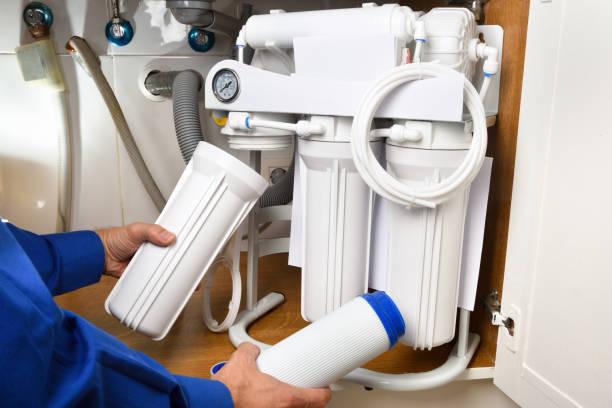
RO systems provide some of the highest levels of filtration by forcing water through a semi-permeable membrane. They remove heavy metals, dissolved salts, fluoride, and many harmful contaminants. These systems are perfect for homeowners wanting nearly pure drinking water.
c. UV Water Purifiers
Ultraviolet systems kill bacteria, viruses, and microorganisms using UV light. While they don’t remove chemicals or sediments, they ensure microbiologically safe water.
d. Whole-House Filtration Systems
These systems treat water at the entry point of your home, ensuring clean water for bathing, washing, and cooking. They help reduce sediment, chlorine, and hard minerals throughout your entire plumbing system.
e. Water Softeners
These systems specifically target hard water minerals like calcium and magnesium. While they don’t purify water, they protect pipes, appliances, and fixtures from scale buildup.
3. Consider Your Household Needs
Every home is different, so your filtration needs may vary based on several factors:
-
Number of family members
-
Daily water usage
-
Local water quality
-
Existing plumbing setup
-
Health concerns or allergies
For example, if your main concern is drinking water quality, an RO system under the sink may be enough. But if you want soft, clean water throughout your home, a whole-house system combined with a water softener might be the best solution.
4. Evaluate Installation and Maintenance Requirements
Some systems are easy to install, while others require professional plumbing support. Reverse osmosis systems and whole-house filters often need a plumber for setup. Consider:
-
Replacement filter costs
-
Filter lifespan
-
System durability
-
Warranty and support
Regular maintenance ensures your filtration system continues to perform efficiently. Skipping filter changes can reduce water quality and damage the system.
5. Compare Costs and Long-Term Value
While price is important, the cheapest system isn’t always the best. High-quality filtration protects your health, appliances, and plumbing system. Think about:
-
Upfront cost
-
Ongoing maintenance
-
Lifespan of the system
-
Water savings
A good filtration system pays for itself by reducing bottled water purchases and preventing plumbing damage caused by hard water.
Conclusion
Choosing the right water filtration system is essential for improving your home’s water quality and protecting your family’s health. Start by understanding what’s in your water, explore the different filtration types, and consider your household needs. With the right system, you’ll enjoy cleaner, safer, and better-tasting water every day. If you need help selecting or installing the perfect filtration setup, a professional plumber can guide you toward the best solution for your home.