
First-ever compendium of indigenous technologies provides
a powerful toolkit for climate-resilient design
February 3, 2020 - By Julia Watson
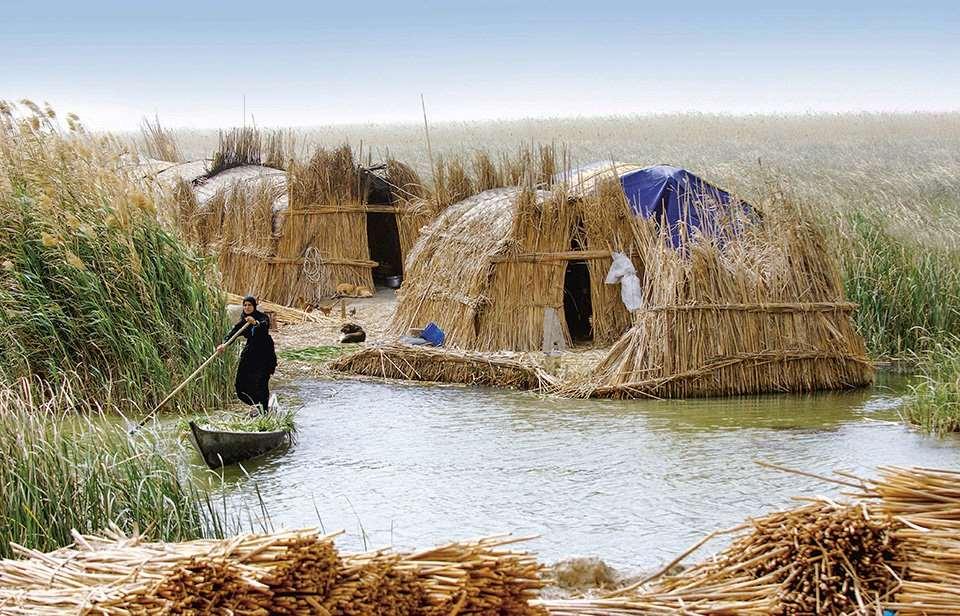
The design field is at an inflection point. It must challenge its repertoire, rethink technology, and begin to
see biodiversity as a building block of urban environments. Julia Watson’s lush and meticulous new book,
Lo—TEK: Design by Radical Indigenism, provides a blueprint for sustainable architecture in the 21st
century. For designers of the built environment, it is a first-ever compendium of overlooked design
technologies from indigenous groups around the world. For the intrepid traveler or curious citizen, it is an
invitation to know millennia-old societies thriving in symbiosis with nature thanks to local ingenuity,
creativity, spirituality, and resourcefulness. For the indigenous groups represented, it is a source of
satisfaction from seeing contemporary design scholarship catch up with their time-tested practices.
And for Watson, the book is a means to name, document, and create a toolkit for a design movement.

“Lo-TEK,” is built on “lesser known technologies, traditional ecological knowledge (TEK) and indigenous
cultural practices and mythologies,” as she writes in the book’s introduction. It explores the space where
design and “radical indigenism” meet. Conceived of by Princeton professor and Cherokee Nation
member Eva Marie Goutte, radical indigenism encourages us to look to indigenous philosophies to
rebuild our knowledge base and generate new dialogues across genres. Watson is advocating a
movement that merges these beliefs with design to yield sustainable and climate-resilient infrastructures.
“I realized that all of these high-tech, repackaged, nature-based, eco-technologies come from a long
lineage of indigenous technologies and knowledge. We can look to cultures that have been living with
natural systems and understanding how to develop civilizations with complex ecosystems as a grounding
for moving forward as designers,” Watson explains. “It’s a movement toward rethinking how urbanism
interacts with nature.”
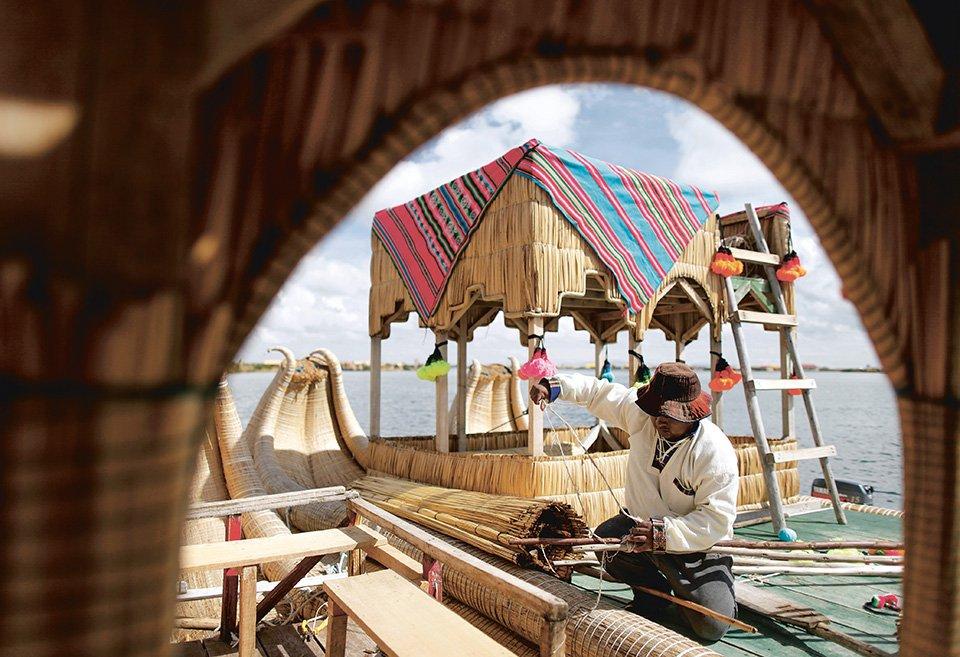
Lo-TEK investigates that movement through its evidence base: more than 100 indigenous innovations
from 20 countries. They are divided by ecosystem—mountains, forests, deserts, and wetlands—which underscores the link between the technologies and the environments and communities that gave birth to
them. The Tofinu people of Benin’s wetlands built a city on stilts surrounded by 12,000 man-made
aquaculture pens. The acadja, as the paddocks are called, house fish and wildlife that rival commercial
aquaculture systems in scale and productivity but with better environmental benefits and none of the
drawbacks.
We’re stuck in a paradigm of thinking conservation is this passive, fringe condition.
It’s becoming apparent, however, that conservation landscapes and the management and
adaptation of those landscapes are critical to survival.
Julia Watson
On the responsibility of designers to integrate and recontextualize indigenous technologies
Lo-TEK’s arresting cover features the living root bridges and ladders of the Khasi hill tribe of northern
India, one of the world’s more innovative examples of vernacular architecture. In a practice dating to 100
BCE, the Khasi train rubber fig trees to grow into bridges and ladders that allow them to navigate steep
ravines and flooded river crossings during the monsoon season. Each bridge takes one generation to
build, and they have proven to be the only structures that can withstand the unforgiving monsoon rains.
The book is itself a design feat. Co–art directed by Watson and W-E studio, its Swiss brochure binding
exposes the spine and the book’s “construction and materiality.” The detached cover also allows readers
to map each technology to an altitude guide printed on its inside. Diagrams and illustrations are rendered
simply to make the complex systems they depict easier to grasp. The aesthetic coherence between the
many photographs belie sourcing from 100 different photographers. And gold foiling plays up the
contradiction between the true value of indigenous technologies and the fact that they are “incredibly
undervalued because they’re not even recognized as technology,” says Watson.
This is another central message of the book: that the design world must upend the prevailing paradigm
that has revered “hard” (single-use) infrastructures, high-tech, and homogenous design, and the
domination of nature while trivializing “soft” (multi-use) systems, local wisdom, vernacular architecture, and coexisting with nature. Identifying this hierarchy of beliefs as colonial and racist and labeling
indigenous practices as technology are examples of Watson’s efforts at this disruption in Lo-TEK. “The
book is trying to break all the tropes of what we understand about indigenous people and say that what
we think of as primitive is actually innovative,” explains Watson.
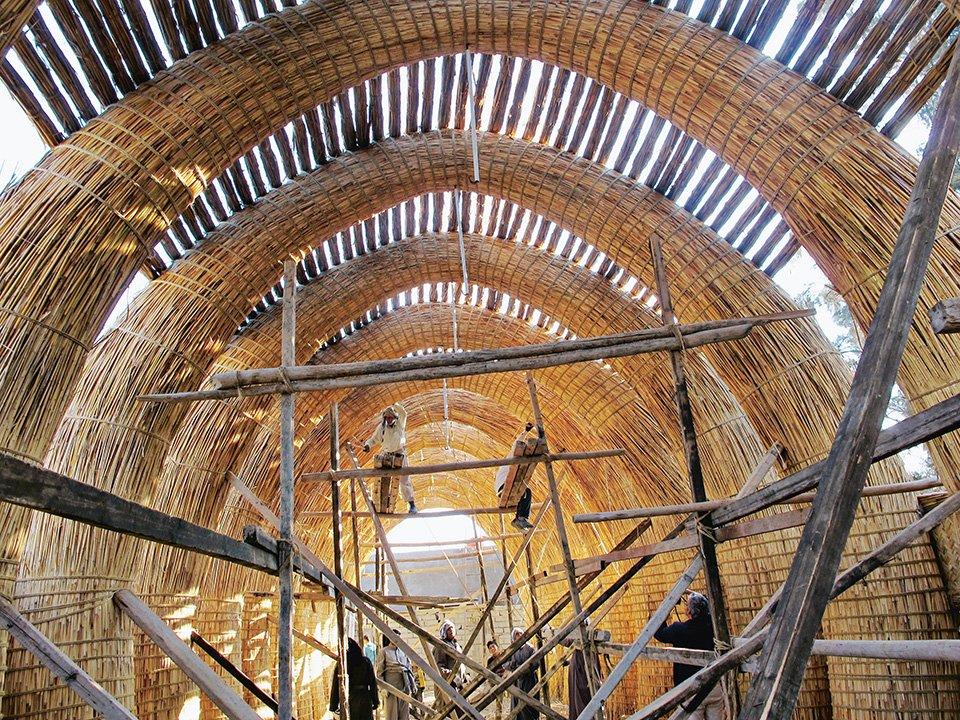
Watson is Australian, but long before the wildfires began tearing through her country, she was deeply
concerned about climate change and committed to design-based responses that involve radical
indigenism. The climate crisis has made it imperative, not only because many indigenous innovations are
inherently sustainable but also because standard architectural approaches have exacerbated climate
change. “We are looking for high tech solutions to deal with a problem that was created through this
fascination with high tech and industrialization,” Watson says.
Lo-TEK proposes an alternative way forward, with Watson and her fellow practitioners in the charge. “It’s
up to designers now that they have this toolkit that extends our understanding of technologies that can be
integrated and recontextualized in urban or peri-urban projects. We’re stuck in a paradigm of thinking
conservation is this passive, fringe condition. It’s becoming apparent, however, that conservation
landscapes and the management and adaptation of those landscapes are critical to survival. When you
see forests being burnt at scale in Australia, you understand that these landscapes are interdependent
with our cities. They impact our air quality, our survival. It’s a critical time for critical considerations for
designers.”
Related
Sacred Groves & Secret Parks: Orisha Landscapes in Brazil and West Africa
----------
Source:
---
More:
Indigenous Knowledge & Regenerative Design
---