
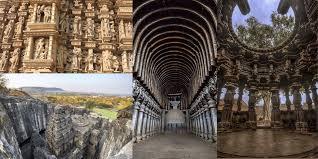
When I started exploring architecture deeply, one thing that truly fascinated me was how ancient Indian architecture still influences modern buildings today. It’s amazing to see how principles developed thousands of years ago are still relevant, practical, and even more sustainable than many modern techniques.
In this article, I’m sharing the key design principles from ancient Indian architecture that continue to inspire modern construction and interior design.
Ancient Indian Architecture: Design Principles That Still Inspire Modern Buildings
1. Vastu Shastra: The Foundation of Balanced Living
One of the most important aspects I came across is Vastu Shastra, the ancient Indian science of architecture.
It focuses on aligning buildings with natural elements like:
-
Earth
-
Water
-
Fire
-
Air
-
Space
The goal is to create harmony between humans and nature.
How it inspires modern design:
-
Proper room placement
-
Entrance direction planning
-
Natural light and ventilation
Even today, many homeowners and architects follow Vastu principles for better energy flow and well-being.
Vishwa Shanti Stupa – Peace Pagoda & Buddhist Monument in India
2. Climate-Responsive Design
What impressed me the most is how ancient structures were designed according to local climate — without any modern technology.
Examples I love:
-
Thick stone walls to keep interiors cool
-
Small windows in hot regions
-
Sloped roofs in rainy areas
Modern inspiration:
Today’s sustainable architecture is adopting the same ideas to reduce energy consumption.
👉 Less dependency on AC = eco-friendly living
3. Courtyard Planning (Aangan Concept)
The traditional Indian home often had a central courtyard, known as an aangan.
I personally find this concept brilliant.
Benefits:
-
Natural ventilation
-
More daylight
-
Social gathering space
Modern use:
-
Open-to-sky spaces
-
Indoor gardens
-
Skylight courtyards
This design makes homes feel more open and connected to nature.
4. Use of Local and Natural Materials
Ancient architecture relied heavily on locally available materials like:
-
Stone
-
Wood
-
Mud
-
Brick
This not only reduced cost but also improved durability and sustainability.
Modern takeaway:
I always suggest using local materials because:
-
They suit the climate
-
Reduce environmental impact
-
Add a natural aesthetic
5. Intricate Carvings and Craftsmanship
One thing I truly admire is the detailing in ancient structures.
Temples, palaces, and stepwells showcase:
-
Detailed carvings
-
Symmetry
-
Artistic excellence
Modern inspiration:
-
Statement walls
-
Decorative panels
-
Customized interiors
Even minimal modern designs often borrow elements of traditional craftsmanship.
Sarnath Buddhist Architecture in India – History & Significance
6. Symmetry and Geometry
Ancient Indian architecture followed strong geometric principles.
Everything was:
-
Balanced
-
Proportionate
-
Symmetrical
Why it matters today:
Modern design still uses symmetry to create visually pleasing spaces.
It brings a sense of order and calmness.
7. Water Management Systems
I was amazed to learn how advanced ancient water systems were.
Examples:
-
Stepwells (Baolis)
-
Rainwater harvesting
-
Temple tanks
Modern relevance:
With water scarcity increasing, these techniques are being revived in sustainable architecture.
8. Natural Ventilation Techniques
Ancient homes were designed to allow continuous airflow.
Techniques included:
-
Jali (perforated screens)
-
High ceilings
-
Open courtyards
Modern benefits:
-
Reduced heat
-
Better air quality
-
Energy efficiency
I personally believe this is something modern apartments should adopt more.
9. Spiritual and Cultural Integration
Ancient Indian architecture was not just functional — it had spiritual significance.
Spaces were designed to:
-
Promote peace
-
Encourage meditation
-
Reflect cultural values
Modern influence:
-
Meditation rooms
-
Calm, minimal spaces
-
Use of natural elements
This creates a deeper emotional connection with the space.
Mahabodhi Temple: A Sacred Site of Enlightenment
10. Durable and Timeless Construction
Many ancient structures have lasted for centuries.
That says a lot about their construction quality.
Key factors:
-
Strong foundations
-
Quality materials
-
Skilled craftsmanship
Modern lesson:
Instead of short-term construction, focus on long-lasting design.
Pros of Ancient Indian Design Principles
-
Sustainable and eco-friendly
-
Climate-responsive
-
Promotes natural living
-
Timeless aesthetics
-
Energy-efficient
Cons to Consider
-
Some methods may be costly today
-
Requires skilled craftsmanship
-
Not always suitable for compact urban spaces
-
Needs adaptation for modern needs
Final Thoughts
From my experience, ancient Indian architecture is not outdated — it’s timeless.
It teaches us how to live in harmony with nature while creating functional and beautiful spaces. Many modern architectural trends like sustainability, minimalism, and eco-design are actually rooted in these ancient principles.
I truly believe that if we combine traditional wisdom with modern technology, we can create homes that are not only stylish but also meaningful and future-ready.