
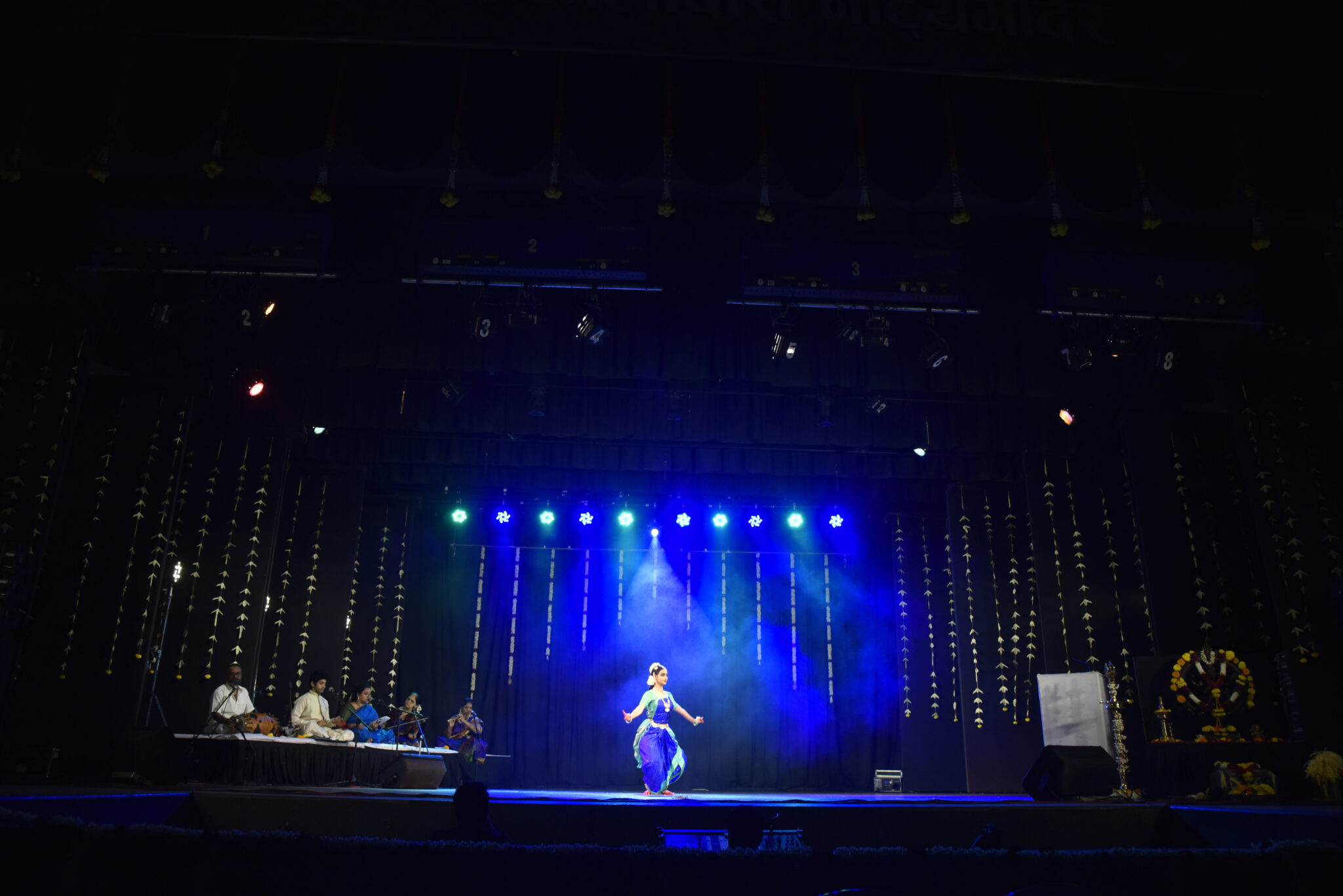
At what age is an arangetram usually performed? An arangetram is not just a performance. It is shaped by years of disciplined practice, the steady guidance of a guru, and quiet perseverance. While the audience witnesses grace and confidence on stage, the dancer experiences a profound transition — from student to artist. This milestone marks the dancer’s readiness to step into the wider world of Indian classical art with responsibility and awareness.
What Is an Arangetram?
The word arangetram comes from the Tamil words arangu (stage) and etram (to ascend). It refers to a dancer’s first formal solo performance after years of structured training under a guru. An arangetram does not signify the end of learning; instead, it announces the dancer’s preparedness to represent the art form in public with discipline and understanding.
Why Arangetram Is Important
An arangetram is significant because it is earned, not arranged. It reflects years of dedication, mastery over technique and rhythm, and a growing ability to communicate emotion through movement. Most importantly, it upholds the guru–shishya parampara, where the guru presents the student to the world as a responsible carrier of tradition.
The Preparation Behind an Arangetram
Preparing for an arangetram involves far more than rehearsing choreography. Physically, the dancer develops strength, stamina, and precision. Mentally and emotionally, the dancer learns to hold the stage with confidence and composure. Spiritually, the journey builds humility, gratitude, and respect for the art form and lineage.
The Role of the Guru
The guru plays a central role in every arangetram. From deciding when the student is ready to curating the repertoire, the guru ensures that the performance reflects the integrity of the tradition. An arangetram represents years of shared effort and trust between teacher and disciple.
Structure of an Arangetram Performance
A traditional arangetram follows a carefully planned progression. It usually begins with an invocation, followed by pure dance pieces that demonstrate technical clarity. Expressive items highlight storytelling and abhinaya, leading to a central piece that tests endurance and depth. The performance concludes with gratitude and composure.
Arangetram Is a Beginning, Not an End
One of the most common misconceptions is that arangetram marks completion. In reality, it marks a beginning. After the arangetram, learning becomes more refined, artistic responsibility deepens, and the dancer begins to explore individuality within the framework of tradition.
The Emotional Significance
For families and teachers, an arangetram is a moment of pride and reflection. For the dancer, it carries nervous anticipation, reverence for the stage, and the awareness of crossing an important threshold. What remains is not perfection, but the memory of having honoured the journey.
The True Spirit of Arangetram
The essence of an arangetram lies in patience over haste, depth over display, and discipline over recognition. When approached with sincerity, it continues to serve as a meaningful rite of passage in Indian classical arts.
Conclusion
An arangetram is a promise — to respect tradition, continue learning, and carry the art forward with integrity. It is a dancer’s first formal step into the world of classical art, grounded in devotion, discipline, and lifelong commitment.
Frequently Asked Questions (FAQs)
Is an arangetram mandatory for all classical dancers?
No, an arangetram is not mandatory. It is a traditional milestone that marks readiness to perform independently, but many dancers continue learning and performing without formally presenting an arangetram.
There is no fixed age for an arangetram. It depends on the dancer’s training, maturity, stamina, and the guru’s assessment of readiness rather than age alone.
How long does it take to prepare for an arangetram?
Preparation typically spans several years of consistent training. In the final phase, focused rehearsals may take several months to a year, depending on the repertoire and the dancer’s experience.
Does an arangetram mean the dancer has completed learning?
No. An arangetram signifies the completion of basic training, not the end of learning. It marks the beginning of a deeper, more refined phase of artistic growth.
What is the role of parents and family in an arangetram?
Families provide emotional, logistical, and moral support throughout the journey. Their encouragement and involvement play a vital role in helping the dancer reach this milestone with confidence.