
LED spotlights have become famous for residential and commercial lighting due to their energy efficiency, longevity, and versatility. Choosing the right LED spotlights can significantly impact a space's ambiance and functionality. This guide provides a comprehensive overview of what to consider when buying LED spotlights.
Types and Categories
-
Indoor vs Outdoor LED Spot Lights = LED spotlights are designed for various environments. Indoor spotlights are typically used for accent and task lighting within homes and offices. In contrast, outdoor spotlights are designed to withstand weather conditions and are used for landscape lighting and security purposes.
-
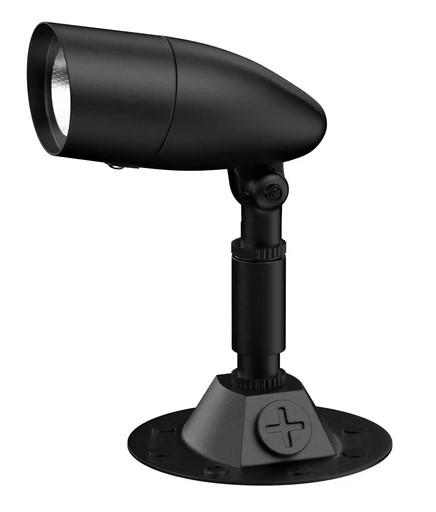
Fixed vs Adjustable LED Spot Lights = Fixed LED spot lights provide a consistent beam in one direction, ideal for highlighting specific areas. Adjustable LED spotlights offer flexibility, allowing you to direct the light where needed.
-
Surface-Mounted vs Recessed LED Spot Lights = Surface-mounted spotlights are installed on the surface of ceilings or walls, providing easy installation and accessibility. Recessed spotlights, on the other hand, are embedded into the ceiling or wall, offering a sleek, modern look.
-
Battery-Powered vs Hardwired LED Spot Lights = Battery-powered LED spotlights are portable and easy to install, making them ideal for temporary or mobile lighting. Hardwired LED spotlights are connected to the electrical system, offering a permanent and reliable lighting solution.
Technical Specifications
-
Lumen Output = The brightness of LED spotlights is measured in lumens. Higher lumen output means brighter light. Depending on the application, you can choose a lumen output that suits your needs.
-
Color Temperature = Color temperature, measured in Kelvin (K), determines the warmth or coolness of the light. Lower Kelvin values (2700K-3000K) provide warm, yellowish light, while higher values (5000K-6500K) offer cool, bluish light.
-
Beam Angle = The beam angle affects the spread of light. Narrow beam angles (15-30 degrees) are ideal for focused lighting, while wider angles (60-120 degrees) cover larger areas.
-
Power Consumption = LED spotlights consume significantly less power than traditional lighting options. Please check the wattage to make sure it meets your energy-saving goals.
-
Lifespan = LEDs have a longer lifespan, typically 25,000 to 50,000 hours. Consider this factor for long-term cost savings and reduced maintenance.
-
Dimming Capabilities = Some LED spotlights have dimming features, allowing you to adjust the brightness to create the desired ambiance.
-
CRI (Color Rendering Index) = CRI measures how accurately the light renders colors. A higher CRI (80+) is recommended for areas where color accuracy is essential.
Applications
-
Residential Use = LED spotlights are perfect for kitchens, living rooms, and bedrooms, providing both functional and decorative lighting.
-
Commercial Use = LED spotlights benefit offices, retail stores, and hospitality venues because they are energy efficient and aesthetic.
-
Industrial Use = LED spotlights enhance visibility and safety in industrial settings, especially work areas.
-
Outdoor Landscape Lighting = LED spotlights highlight features and improve security in gardens and pathways.
-
Accent Lighting = These lights highlight artwork, architectural features, and display items.
Benefits
-
Energy Efficiency = LED spotlights consume up to 80% less energy than traditional lighting, leading to significant electricity bill savings.
-
Longevity = With a lifespan of up to 50,000 hours, LED spotlights reduce the need for frequent replacements.
-
Low Heat Emission = LEDs produce minimal heat, reducing the risk of burns and fire hazards.
-
Versatility in Design = LED spotlights can complement any decor style in various shapes, sizes, and colors.
-
Environmental Impact = LEDs are eco-friendly, contain no harmful substances, and are fully recyclable.
Challenges and Limitations
-
Initial Cost = LED spotlights have a higher upfront cost than traditional lighting. However, their long-term benefits often outweigh this initial investment.
-
Compatibility with Existing Fixtures = Not all LED spotlights are compatible with existing fixtures. Please ensure compatibility to avoid additional costs.
-
Dimming Issues = Some LED spotlights may not be compatible with older dimmer switches, leading to flickering or reduced lifespan.
-
Heat Dissipation in High-Power LEDs = High-power LED spotlights requires proper heat dissipation to maintain performance and longevity.
Latest Innovations
-
Innovative LED Spot Lights = Smart technology allows for remote control and automation, offering convenience and energy savings.
-
Color-Changing LED Spot Lights = These lights offer customizable color options, perfect for creating moods and atmospheres.
-
Integrated Motion Sensors = Motion sensor LED spotlights to enhance security and save energy by activating only when needed.
-
Voice-Controlled LED Spot Lights = Integration with voice assistants like Alexa and Google Assistant allows hands-free lighting control.
Future Prospects
-
Trends in LED Technology = LED technology continues to evolve, with trends pointing towards more efficient and versatile lighting solutions.
-
Predictions for Market Growth = The LED lighting market is expected to grow significantly, driven by demand for energy-efficient and intelligent lighting solutions.
-
Upcoming Features and Improvements = Future LED spotlights may feature enhanced connectivity, better energy efficiency, and improved color rendering.
Comparative Analysis
-
LED vs. Halogen Spot Lights: LEDs are more energy-efficient and have a longer lifespan than halogen lights, making them a better choice for most applications.
-
LED vs. CFL Spot Lights: While both are energy-efficient, LEDs offer better performance, a longer lifespan, and are more environmentally friendly than CFLs.
-
LED vs. Incandescent Spot Lights: Incandescent lights are less energy-efficient and have a shorter lifespan than LEDs, making LEDs a superior option.
User Guides or Tutorials
-
How to Choose the Right LED Spot Light for Your Needs: When choosing an LED spotlight, Consider factors like brightness, color temperature, beam angle, and application.
-
Installation Guide for LED Spot Lights = Proper installation ensures optimal performance and safety. Follow manufacturer instructions or hire a professional.
-
Maintenance Tips for LED Spot Lights = Regular cleaning and checking for loose connections can extend the lifespan of your LED spotlights.
Safety and Health Precautions
-
Electrical Safety = Always follow electrical safety guidelines when installing or maintaining LED spotlights.
-
Heat Management = Ensure proper ventilation to prevent overheating and maintain performance.
-
Eye Protection = Avoid looking directly at bright LED spotlights to prevent eye strain or damage.
Budget Planning
-
Cost-Effectiveness of LED Spot Lights = While the initial cost is higher, the long-term savings on energy and maintenance make LED spotlights cost-effective.
-
ROI (Return on Investment) = Calculate the ROI by considering energy savings, reduced replacement costs, and longer lifespan.
-
Budget-Friendly Options = Look for LED spotlights that balance cost and performance best.
Conclusion
Choosing the right LED spotlights involves considering factors such as type, specifications, and application. Their energy efficiency, longevity, and versatility make them valuable to any space. By understanding the different options and following expert advice, you can make an informed decision that meets your lighting needs.