
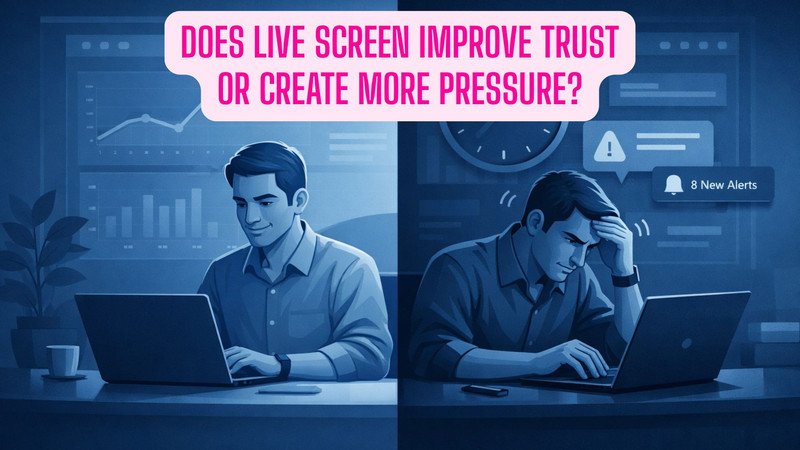
Does screen visibility actually help teams work better, or does it make employees feel constantly watched? The short answer: it can do both. When implemented thoughtfully, it builds transparency and accountability. When misused, it creates pressure, anxiety, and even distrust.
In modern hybrid and remote workplaces, leaders are constantly balancing productivity with employee well-being. Real-time visibility tools are becoming more common, but their impact depends entirely on how they’re used, not just what they do.
What Is Live Screen Monitoring in the Workplace?
Live screen tools allow managers to view an employee’s computer activity in real time. This could include open applications, workflows, and task progress. The goal is typically to:
- Ensure productivity
- Offer real-time support
- Maintain accountability in remote setups
However, technology alone doesn’t define outcomes; company culture does.
Does It Improve Trust? Yes When Done Right
When used transparently and ethically, live screen visibility can strengthen trust within teams.
#1. Promotes Transparency
Employees know what is expected of them and how their work is being evaluated. This removes ambiguity and builds fairness.
#2. Encourages Accountability
When team members are aware that their work is visible, they tend to stay focused and organized.
#3. Enables Real-Time Support
Managers can quickly identify bottlenecks and step in to help instead of waiting for delays to escalate.
#4. Builds Data-Driven Confidence
Rather than relying on assumptions, decisions are based on actual work patterns and performance insights.
When Does It Create Pressure?
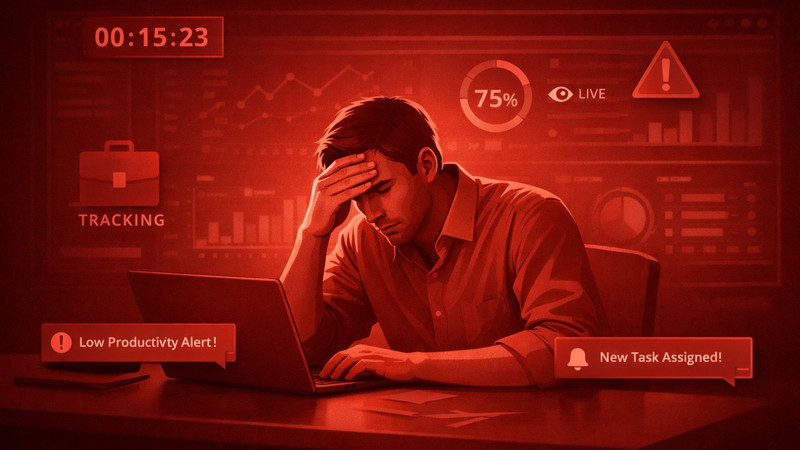
Despite its benefits, live visibility can backfire if implemented poorly.
#1. Feeling of Constant Surveillance
Employees may feel like they’re being watched every second, leading to discomfort and reduced morale.
#2. Reduced Autonomy
Micromanagement becomes easier, which can make employees feel less trusted.
#3. Performance Anxiety
Instead of focusing on meaningful work, employees may focus on “looking busy.”
#4. Creativity Takes a Hit
High-pressure environments often limit experimentation and innovation.
Finding the Balance Between Trust and Pressure
The key is not whether to use monitoring, but how.
Best Practices for Balanced Implementation
- Be Transparent: Clearly communicate what is being tracked and why
- Focus on Outcomes: Measure results, not just activity
- Set Boundaries: Avoid monitoring outside work hours
- Encourage Feedback: Let employees share how they feel about it
When employees understand the purpose, resistance decreases and trust increases.
The Role of Smart Monitoring Systems
Modern tools like Empmonitor are designed to balance oversight with employee comfort. Instead of aggressive tracking, they emphasize productivity insights and workflow optimization.
Around this point, many organizations shift from raw observation to structured screen monitoring, which focuses more on patterns and efficiency rather than constant surveillance. This approach reduces unnecessary pressure while still maintaining visibility.
Does It Actually Reduce Distractions?
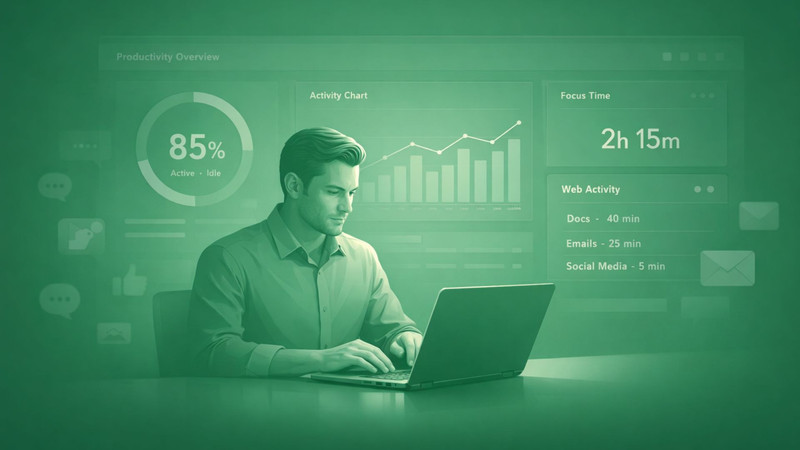
One often overlooked benefit is its ability to minimize inefficiencies.
In many workplaces, productivity loss isn’t intentional; it’s caused by interruptions, multitasking, or lack of focus. With the right approach, visibility tools can highlight common office distractions and help teams address them proactively.
For example:
- Identifying frequent app switching
- Spotting time lost on non-work activities
- Understanding peak productivity hours
Instead of punishing behavior, this data can be used to improve workflows and create a healthier work environment.
Trust vs Pressure: What Really Matters?
Ultimately, the outcome depends on leadership intent.
Trust-Focused Approach
- Uses data to support employees
- Encourages autonomy
- Builds open communication
Pressure-Driven Approach
- Focuses on control
- Encourages micromanagement
- Creates fear-based productivity
The same tool can lead to completely different results depending on how it’s positioned within the organization.
Also, watch this video - How to Monitor Employee Screens in Real-Time with EmpMonitor
Wrapping up
The debate isn’t about whether visibility tools are good or bad; it’s about execution. When used ethically, Live screen monitoring becomes a powerful way to enhance productivity, transparency, and collaboration. When overused or misused, it creates stress and damages trust.
The smartest organizations don’t just monitor; they empower.
FAQs
Q1. Does live screen monitoring increase productivity?
Yes, when used correctly, it helps identify inefficiencies and keeps employees focused.
Q2. Is it legal to monitor employee screens?
In most regions, yes, but employers must inform employees and follow privacy laws.
Q3. How can companies avoid making employees feel pressured?
By being transparent, setting boundaries, and focusing on performance outcomes instead of constant tracking.
Q4. Is it suitable for remote teams only?
No, it can be useful for both remote and in-office teams when applied thoughtfully.