
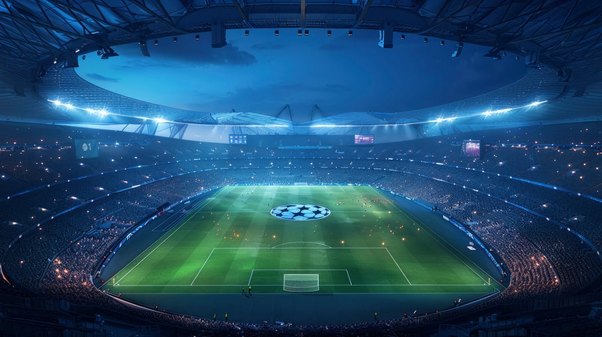
Choosing between football stadium lights that deliver intense output and those that save on maintenance is not just about brightness—you are balancing long-term cost, reliability, and performance under real game conditions.
Facility managers, contractors, and athletic directors all face the same dilemma: will a high-output system truly pay off, or will upkeep eat into your budget later? Understanding the trade-offs matters before you decide.
To unpack this, we will compare common real-world lighting options used in stadium projects today.
High Output vs. High Maintenance—What Your Facility Really Needs
When it comes to lighting up a football field, not all systems are equal. Some promise maximum brilliance, while others come with ongoing service demands that can erode your budget and uptime.
Below, we walk through typical lighting approaches and what each means in operational reality for your stadium.
-
Classical Metal Halide/Legacy Systems
-
What It Is: Older HID (high-intensity discharge) lighting technology has been used for decades in sports lighting.
-
Performance: Initially bright, but suffers from color shift and lumen depreciation over time.
-
Maintenance Load: High—bulbs burn out more frequently and require professional service.
-
Energy Use: Inefficient compared with modern LEDs.
-
Real-World Reality: Many facilities still operate legacy systems they inherited because replacement costs seemed high at the time.
-
Drawbacks: Bulb life is often less than 10,000 hours; re-lamps and ballast failures are common.
-
Pros: Lower upfront purchase price if reused; familiar to older maintenance teams.
-
Cons: Higher operating and service costs over the life cycle.
-
Mid-Tier LED Retrofits
-
What It Is: LED kits designed to replace older metal halide fixtures without a full redesign.
-
Performance: Better energy efficiency and color consistency than older tech, but often limited by retrofit fitments.
-
Maintenance Load: Medium—LEDs last longer than HID, but heat management and driver life can vary.
-
Energy Use: Significantly lower than legacy, but not as efficient as optimized systems.
According to the Clean Revolution, “properly designed LED retrofits can cut energy use by up to 50 percent compared to HID systems, but system design is critical for realizing those savings.”
-
Pros: Lower energy bills, acceptable performance uplift.
-
Cons: Partial retrofit solutions may still require driver replacements or component servicing.
-
Fully Engineered LED Lighting Systems
-
What It Is: Purpose-built, high-output LED arrays with precision optics and control systems tailored for stadium play.
-
Performance: Broad, uniform illumination with tunable controls for glare reduction, broadcast standards, and color accuracy.
-
Maintenance Load: Low—long-life LEDs (often 50,000+ hours) and robust housings reduce service events.
-
Energy Use: Most efficient option, often 60–70 percent savings vs. legacy.
-
Control Features: Dimming, zoned control, and integration with facility management systems.
-
Pros: Best long-term value, lowest maintenance profile, future-ready features.
-
Cons: Higher initial investment (often justified quickly by lifecycle savings).
-
Customized Hybrid Approaches
-
What It Is: Combining high-quality LEDs with strategic lighting zones to balance output and budget.
-
Performance: Tailored for facilities that need broadcast-ready lighting on center field and economical lighting elsewhere.
-
Maintenance Load: Moderate, but optimized around usage patterns.
-
Energy Use: Better than retrofit kits; a cost-effective step toward full LED conversion.
-
Pros: Custom balance of quality and cost.
-
Cons: More complex design process.
Comparison Table: Football Stadium Lights at a Glance
|
Lighting Type |
Output Quality |
Maintenance Frequency |
Energy Efficiency |
Lifecycle Cost |
|
Metal Halide |
Medium |
High |
Low |
High |
|
Mid-Tier LED Retrofits |
Medium-High |
Medium |
Medium |
Medium |
|
Engineered LED Systems |
High |
Low |
High |
Low |
|
Hybrid Solutions |
Custom |
Medium |
Medium-High |
Medium |
What This Comparison Reveals
-
High Output Alone Is Not Enough: How a lighting system performs over time and under real use matters most.
-
Maintenance Adds Hidden Costs: Frequent service interrupts events, increases subcontractor spending, and can affect facility reputation.
-
Energy and Control Matter More with LED Evolution: Modern systems provide performance and flexibility for future needs.
Next, we will explore how expert design and tailored solutions elevate stadium lighting outcomes for every project.
Why Expertise Turns Lights Into Performance Assets
Selecting football stadium lights is not just about wattage or initial cost but about matching performance to your facility’s real needs while avoiding long-term frustration.
This is where partnering with a specialized provider like Texas Sports Lighting makes practical sense.
We help you go beyond flashy specs to systems that balance brightness, visibility, reliability, and operating costs tailored to your stadium environment.
Below, we break down why specialized support matters to facility owners, contractors, and venue planners who care about outcomes, not guesswork.
-
Designed for Your Venue, Not One-Size-Fits-All
-
Every football stadium has unique dimensions, sightlines, and usage patterns.
-
Off-the-shelf systems rarely account for spacing, uniformity, glare control, or broadcast-grade performance.
-
A specialized partner analyzes your field footprint, pole locations, and performance goals.
-
The result? Custom light layouts that deliver consistent illumination across the entire playing area.
-
Predictable Long-Term Costs and Operability
-
Modern engineered LED systems are up to 75 percent more energy-efficient than traditional lamps, reducing annual costs. (Source: U.S. Department of Energy)
-
Equipment that runs longer with fewer failures means fewer service calls and less disruption to your schedule.
-
Predictive maintenance insights help you plan for replacements and budgeting rather than reacting to outages.
-
Wider System Integration and Smart Controls
-
Advanced systems support dimming, zoning, and programmable scenes for games, practice nights, and events.
-
Smart controls help reduce energy use further and adapt lighting levels as needed.
-
These features matter for stadiums that host varied events, community activities, and broadcasted games.
-
ROI That Extends Beyond Energy Savings
-
High-output lighting that runs without frequent burnout keeps games on schedule and matches looking professional.
-
Better light quality improves player visibility, reduces shadows, and enhances spectators’ experience.
-
In many cases, venues optimize revenue potential by hosting more night events thanks to reliable lighting performance.
-
Safety, Compliance, and Performance Standards
-
Broadcast standards often require specific illuminance (lux) levels and uniformity ratios for television coverage.
-
Specialized providers design systems that meet these spec thresholds, not just “bright enough” numbers.
-
This reduces last-minute changes and keeps installations compliant with modern requirements.
-
Integrated Project Support from Start to Finish
-
We guide you from initial layout and design to installation oversight and final commissioning.
-
Coordinated lighting design helps avoid downstream issues such as glare complaints or uneven coverage.
-
End-to-end service support keeps project timelines on track, with fewer surprises and hidden costs.
-
Experience Matters—Especially for Complex Stadium Needs
-
Seasoned specialists offer insights that generic suppliers simply do not.
-
You benefit from lessons learned across installations, which helps avoid repeating common lighting pitfalls.
Questions Stadium Managers Often Ask
FAQ 1. What is the Real Difference Between High-Output and High-Maintenance Systems?
Answer: High-output systems without optimized design often waste energy and require frequent service, whereas engineered solutions balance output with durability.
FAQ 2. How Much Can Modern Systems Save On Energy Bills?
Answer: LED football stadium lights typically consume 50–70 percent less energy than older metal halide systems.
FAQ 3. Will Better Lighting Improve Player Safety and Visibility?
Answer: Yes—consistent and even illumination helps reduce shadows and glare, enhancing visibility for players and officials.
FAQ 4. Do Smart Controls Matter in Stadium Lighting?
Answer: Smart features like dimming and zoning reduce waste and tailor light levels for different events.
FAQ 5. How Long Do Modern LED Stadium Systems Last?
Answer: LED systems often exceed 50,000 hours of reliable performance, reducing replacements and service needs.
With clarity on what professional support brings to your project, it becomes easier to decide which lighting solution fits your goals.
Turning the Right Lighting Choice Into Long-Term Peace of Mind
At Texas Sports Lighting, we believe confident decisions come from clarity, not pressure.
Choosing the right football stadium lights is not about chasing maximum output alone—it is about aligning performance, maintenance expectations, and long-term operating costs with how your facility is actually used. That is where thoughtful design and proven expertise make the difference.
We help buyers evaluate real-world conditions, from field size and usage frequency to energy efficiency and control flexibility, so lighting works reliably season after season.
With tailored solutions and end-to-end support, we reduce uncertainty and help you avoid systems that look impressive upfront but demand constant attention later.
If you are exploring football stadium lights that balance brightness, durability, and operating efficiency, we are here to guide that process.
Explore your options, request a consultation, or learn how our approach to football stadium lights supports smarter planning and fewer surprises.
Let’s connect and help you move forward with confidence.