
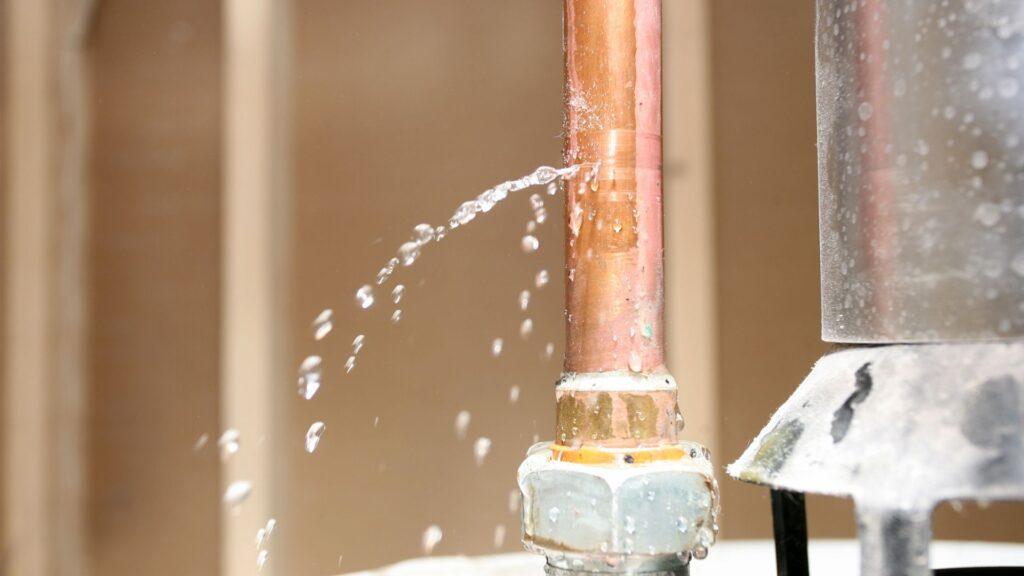
Water leaks are one of the most common — and costly — plumbing issues homeowners face. While some leaks are easy to spot, such as a dripping faucet or a visible puddle under the sink, others can go unnoticed for months. Hidden water leaks repair behind walls, under floors, or within ceilings can lead to structural damage, mold growth, and skyrocketing water bills. Detecting these leaks early can save you from expensive repairs down the line. Here’s how to spot hidden leaks before they cause major damage.
1. Monitor Your Water Bill
A sudden increase in your water bill without any change in your usage habits is often the first sign of a hidden leak. Compare your recent bills to previous ones. If the numbers are higher than usual, it’s time to inspect your plumbing system. Turn off all faucets and appliances, then check your water meter — if it continues to run, you likely have a leak somewhere in the system.
2. Look for Signs of Moisture Damage
Hidden leaks often reveal themselves through moisture-related issues. Keep an eye out for:
-
Discoloration or stains on walls, ceilings, or floors.
-
Warped or bubbling paint that looks like it’s peeling away.
-
Soft or spongy flooring near bathrooms, kitchens, or laundry areas.
These visual clues indicate that water has been seeping into the structure for some time.
3. Check for Mold or Mildew
Mold thrives in damp, hidden spaces. If you notice a musty odor or dark spots appearing on your walls, ceiling, or baseboards, it’s a clear sign of trapped moisture. Even small leaks can create the perfect environment for mold growth. Since mold can pose serious health risks, it’s important to locate and fix the source of the moisture as soon as possible.
4. Listen for Dripping or Running Water
In a quiet house, you can sometimes hear leaks before you see them. Turn off all water sources and listen carefully. If you hear the sound of running or dripping water behind a wall or beneath the floor, it’s a clear indicator of a hidden leak. Using a plumber’s stethoscope or a moisture detector can help pinpoint the location.
5. Inspect Fixtures and Appliances
Check under sinks, behind toilets, around washing machines, and near water heaters. Even small connections or seals can loosen over time, leading to slow, unnoticed leaks. Regularly inspect these areas for any signs of moisture, corrosion, or rust on fittings.
6. Use the Water Meter Test
A simple way to confirm a hidden leak is with the water meter test:
-
Turn off all water fixtures and appliances in your home.
-
Note the current reading on your water meter.
-
Wait for two hours without using any water.
If the reading changes during that time, you have a leak somewhere in your plumbing system.
7. Invest in Leak Detection Technology
Modern smart leak repair detectors can alert you to leaks in real time. These devices monitor water flow and send notifications to your phone if irregular usage patterns are detected. Professional plumbers also use advanced tools like thermal imaging cameras and acoustic sensors to locate hidden leaks without opening walls or floors.
When to Call a Professional Plumber
If you suspect a hidden leak but can’t find the source, it’s time to contact a professional plumber. Experts have the experience and tools to accurately diagnose and repair leaks without unnecessary damage to your home. Ignoring a hidden leak can lead to structural issues, mold growth, and high utility costs.
Conclusion
Hidden water leaks are silent threats that can cause significant damage over time. By regularly inspecting your home, monitoring your water usage, and investing in leak detection technology, you can catch problems early and protect your property. When in doubt, don’t hesitate to call a professional plumbing service to ensure your home stays safe and dry.