
Some medical emergencies arrive with sirens and chaos. Others appear quietly, almost deceptively. Stroke belongs to the second kind. One moment a person is chatting normally, perhaps laughing at a joke or scrolling through their phone. The next moment, something feels… wrong. Words come out slurred. A hand won’t move properly. A smile looks uneven in the mirror.
It’s unsettling how quickly life can shift in those moments.
For years, strokes were seen as unpredictable events with limited treatment options. Families often heard the same cautious phrases from doctors: “We’ll see how recovery goes,” or “The damage may already be done.” But that narrative is slowly changing. Advances in medical science — especially in neurological care — are reshaping how strokes are treated and how patients recover afterward.
Today, treatment is faster, more precise, and in many cases surprisingly effective.
Understanding What Actually Happens During a Stroke
A stroke occurs when blood flow to a part of the brain is interrupted. Brain cells depend on oxygen-rich blood every second, so when that supply stops, those cells begin to suffer damage rather quickly.
There are two major types of strokes. The first, and most common, is ischemic stroke. This happens when a blood clot blocks an artery that supplies blood to the brain. The second type is hemorrhagic stroke, where a weakened blood vessel ruptures and bleeding occurs in the brain.
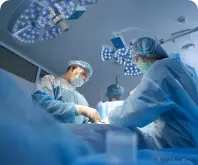
Both situations are serious, but modern medicine has found ways to intervene — especially if patients reach the hospital quickly enough.
The challenge, of course, is time. Brain tissue is extremely sensitive to oxygen deprivation. Every passing minute matters.
Recognizing the Warning Signs Early
One of the most powerful tools in stroke treatment isn’t actually technology. It’s awareness.
Doctors often teach the FAST rule to help people recognize stroke symptoms quickly:
-
F – Face drooping
-
A – Arm weakness
-
S – Speech difficulty
-
T – Time to call emergency services
These signs might look subtle at first, but they shouldn’t be ignored. Acting quickly can dramatically change the outcome for a patient.
I once heard a neurologist describe stroke response like putting out a small kitchen fire. If you catch it early, a simple extinguisher works. If you wait too long, the entire house may be involved.
The same principle applies to the brain.
How Stroke Treatment Has Quietly Evolved
If you asked doctors twenty years ago about stroke treatment, the conversation would have sounded very different. Back then, treatment options were limited. Much of the focus was on stabilizing the patient and managing long-term disability.
Today, the approach is far more proactive.
Advanced imaging techniques allow doctors to see exactly what’s happening inside the brain. CT scans and MRIs help specialists determine the location of the blockage, the extent of damage, and whether brain tissue can still be saved.
If the stroke is caused by a clot and the patient arrives within the right timeframe, doctors may administer clot-dissolving medication. In some cases, they perform a mechanical thrombectomy — a delicate procedure where a tiny catheter is threaded through blood vessels to remove the clot directly.
It sounds almost futuristic, but it’s becoming a routine procedure in specialized stroke centers.
In fact, the increasing availability of Advanced Stroke Treatment in India has played a significant role in expanding access to these procedures across major hospitals and neurological institutes.
Why Stroke Care Requires a Team Effort
Something interesting about modern stroke treatment is that it’s rarely handled by just one doctor.
A typical stroke response team might include neurologists, neurosurgeons, radiologists, emergency physicians, and rehabilitation therapists. Each specialist focuses on a specific stage of care — diagnosis, intervention, recovery, and long-term rehabilitation.
Hospitals equipped with dedicated stroke units often follow carefully designed treatment pathways. When a patient arrives with symptoms, scans are performed almost immediately. Specialists review the images within minutes, and treatment decisions happen quickly.
It’s a coordinated process that relies heavily on speed and communication.
And when it works well, the difference in patient outcomes can be remarkable.
Why Many Patients Explore Treatment Options in India
Healthcare decisions have become more global in recent years. Patients frequently research hospitals beyond their own countries, looking for specialized expertise, advanced equipment, and experienced medical teams.
India has steadily become an important destination for neurological care. Major hospitals across cities such as Delhi, Mumbai, Chennai, and Bangalore now operate advanced stroke units equipped with modern imaging systems and catheter-based treatment facilities.
Because of this growing expertise, international patients often come across information about Advanced Stroke Treatment in India while researching options for complex neurological care. Many of these hospitals combine cutting-edge technology with experienced neurologists who have trained in global medical institutions.
For patients facing a life-changing medical condition, having access to multiple treatment options can be reassuring.
Life After a Stroke: Recovery Is Not Always Linear
One of the biggest misconceptions about stroke is that recovery happens quickly — or not at all.
In reality, recovery tends to unfold gradually, sometimes unevenly. A patient may regain movement in one arm but struggle with speech. Another might walk again within weeks yet require months of cognitive therapy.
The brain has a remarkable ability called neuroplasticity, which allows it to reorganize and form new neural connections. Through therapy and consistent practice, the brain can sometimes compensate for damaged areas.
Rehabilitation often includes physical therapy, speech therapy, and occupational therapy. Patients work on rebuilding strength, coordination, and daily skills.
It can be exhausting work. But it’s also where many of the most meaningful milestones happen.
The first clear sentence spoken after weeks of speech therapy. The first independent steps across a room. The moment someone realizes they can write their name again.
Those moments stay with families forever.
Prevention Still Matters More Than Treatment
Even with all these advances, doctors emphasize something simple but important: preventing a stroke is still far better than treating one.
Several risk factors significantly increase stroke risk:
-
High blood pressure
-
Diabetes
-
Smoking
-
High cholesterol
-
Lack of physical activity
Managing these conditions can dramatically reduce the likelihood of experiencing a stroke.
Lifestyle habits also matter more than people realize. Regular exercise, balanced diets, stress management, and routine health checkups all play a role in protecting brain health.
Sometimes the most powerful medical advice sounds almost ordinary — move more, eat well, sleep enough.
Yet those habits quietly protect the brain over time.
A Future That Looks a Little More Hopeful
Stroke will always be a serious medical emergency. That hasn’t changed. But the way doctors respond to it has evolved in ways that would have seemed almost impossible a few decades ago.
Advanced imaging technology, specialized stroke units, telemedicine consultations, and minimally invasive procedures are transforming patient outcomes. What once meant lifelong disability may now lead to meaningful recovery.
There’s still plenty of work ahead. Research continues, treatments improve, and awareness campaigns expand.
But one thing is clear: modern medicine has shifted the narrative around stroke. Instead of focusing only on damage, doctors are now focused on possibility.
And for patients and families facing those frightening first symptoms, that possibility means everything.