
Pregnancy and the weeks after birth are often described as joyful, yet many parents quietly experience stress, uncertainty, and exhaustion during this time.
Questions arise early and often:
Am I getting enough support?
What happens if something feels off?
How do I balance appointments, work, and recovery?
In recent years, families have begun rethinking how maternity support fits into real life. Rather than relying solely on clinic-based visits, many are turning toward care models that meet them where they are physically, emotionally, and practically. Home-based maternity support is emerging not as a replacement for medical care, but as a complementary approach that focuses on comfort, continuity, and whole-person wellness.
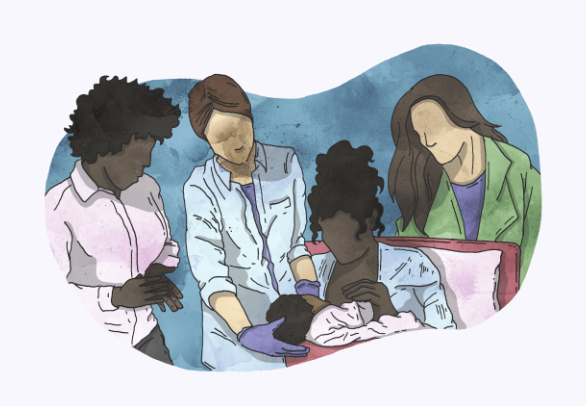
This shift reflects a broader understanding: pregnancy and postpartum recovery are not isolated events. They are a continuous journey that benefits from consistent guidance, emotional reassurance, and individualized attention.
Understanding the Full Spectrum of Prenatal and Postnatal Care
Before diving into care options, it helps to clarify what maternity care truly includes. Prenatal and postnatal care is more than a series of medical checkups—it is an ongoing process that supports both physical health and emotional wellbeing.
During pregnancy, care focuses on:
-
Monitoring maternal and fetal health
-
Identifying potential risks early
-
Providing education about body changes, nutrition, and preparation for birth
-
Offering emotional reassurance as the body and lifestyle change
After birth, priorities shift toward:
-
Physical recovery and healing
-
Infant feeding guidance and newborn care education
-
Emotional adjustment and mental health awareness
-
Helping parents transition into daily routines with confidence
When these stages are treated as disconnected, families may feel unsupported once the baby arrives. A more integrated approach recognizes that postpartum recovery begins during pregnancy, not after delivery.
Why Families Are Seeking More Personalized Support
Modern parents face unique pressures. Many juggle work responsibilities, limited family support, transportation challenges, or prior health concerns. Traditional care models, while medically essential, may not always address these realities.
Some common frustrations include:
-
Short appointment times with limited opportunity for questions
-
Long travel times for routine visits
-
Feeling rushed or unheard
-
Lack of follow-up after delivery
As awareness grows around maternal mental health and early intervention, families are seeking care that feels proactive rather than reactive. Personalized, relationship-based support is increasingly viewed as a necessity—not a luxury.
Pregnancy Care in the Comfort of Home
One growing option for expectant families is receiving pregnancy support at home. Home prenatal care services offer structured visits in a familiar environment, allowing providers to spend more time observing, educating, and listening.
What Happens During Home Visits?
While services vary, home-based prenatal support often includes:
-
Routine health check-ins and wellness monitoring
-
Education about pregnancy milestones and body changes
-
Guidance on nutrition, movement, and rest
-
Addressing concerns before they escalate
Being at home allows conversations to feel less clinical and more collaborative. Parents often feel more comfortable asking questions they may hesitate to bring up in a busy office setting.
Benefits of Home-Based Pregnancy Support
-
Reduced stress: No travel, waiting rooms, or scheduling strain
-
Personalized attention: Care adapts to the individual’s lifestyle
-
Early identification of concerns: Subtle changes are easier to notice
-
Partner involvement: Loved ones can participate more easily
Home-based care does not replace medical providers. Instead, it works alongside them, reinforcing guidance and improving continuity.
The Often Overlooked Reality of Postpartum Recovery
While pregnancy is closely monitored, the postpartum period is frequently underestimated. Many parents are surprised by how intense recovery can be—both physically and emotionally.
Common postpartum experiences include:
-
Fatigue and sleep deprivation
-
Hormonal shifts affecting mood and energy
-
Physical discomfort or delayed healing
-
Feelings of overwhelm or isolation
Without consistent support, these challenges can compound. This is where home postpartum care services play a critical role.
Recovery Support That Comes to You
Postpartum care at home focuses on nurturing the parent while they care for their newborn. Rather than expecting families to navigate recovery alone, in-home support brings guidance directly into daily life.
Key Areas of Postpartum Support
-
Monitoring physical recovery and healing
-
Infant feeding guidance and newborn care education
-
Emotional check-ins and mental health awareness
-
Practical tips for rest, recovery, and routine-building
Being in the home environment allows providers to offer realistic, actionable advice tailored to how families actually live.

Emotional Wellness During Pregnancy and After Birth
Mental and emotional health deserve the same attention as physical recovery. Hormonal changes, identity shifts, and lifestyle adjustments can all affect emotional wellbeing.
It is normal to experience:
-
Mood swings or anxiety
-
Emotional sensitivity
-
Moments of self-doubt
However, persistent feelings of sadness, fear, or disconnection should not be ignored. Early conversations and regular emotional check-ins can help differentiate between normal adjustment and the need for additional support.
When emotional wellness is addressed proactively, families feel empowered rather than ashamed to seek help.
Preparing for a Supported Maternity Experience
Preparation is not about perfection—it is about awareness and planning. Families who feel supported tend to recover more smoothly and report greater confidence in early parenthood.
Practical Preparation Tips
-
Learn what support options are available before delivery
-
Create a simple postpartum recovery plan
-
Encourage partners or trusted family members to be involved
-
Prioritize rest and realistic expectations
Support works best when it is intentional rather than last-minute.
Why Home-Based Maternity Care Is a Growing Trend
The rise of home-based care reflects larger shifts in healthcare and family life. People are seeking:
-
Care that adapts to them, not the other way around
-
Integrated physical and emotional support
-
Continuity from pregnancy through recovery
Technology, telehealth coordination, and evolving care models make it easier than ever to combine medical oversight with personalized, in-home guidance.
Families are recognizing that comfort and familiarity enhance—not compromise—quality care.
Frequently Asked Questions Parents Are Searching For
Is home-based maternity care safe?
Yes, when coordinated with medical providers, home support enhances monitoring and early intervention.
When should postpartum care begin?
Ideally, planning starts during pregnancy so support is ready immediately after birth.
Who benefits most from in-home support?
First-time parents, those with limited support systems, busy schedules, or higher stress levels often benefit greatly.
Does home care replace doctor visits?
No. It complements medical care by filling gaps between clinical appointments.
How long does postpartum recovery take?
Recovery varies, but support during the first weeks can significantly improve long-term wellbeing.
Bringing It All Together
Pregnancy and early parenthood are not meant to be navigated alone. When care extends beyond clinic walls and into daily life, families feel seen, heard, and supported.
By approaching maternity care as a continuous journey—before birth and after—parents are better equipped to handle challenges, celebrate milestones, and recover with confidence.
Conclusion
A supportive maternity experience is one that adapts to the needs of families, not the other way around. Personalized care delivered in the comfort of home allows for deeper connection, earlier support, and smoother transitions into parenthood.
Organizations like Bridge Prenatal are helping redefine what comprehensive maternity support can look like—placing care, compassion, and continuity at the center of the journey.