
Knock Down Rebuild vs. Renovation: Which One is Right for You?
If your home no longer suits your needs, you may need to decide whether to renovate your current house or opt for a Knock Down Rebuild? Both options have their advantages and challenges, and the best choice depends on factors like budget, time, long-term value, and personal preferences.
This guide will compare knock down rebuilds and renovations to help you make an informed decision.
1. Cost Comparison: Which Is More Affordable?
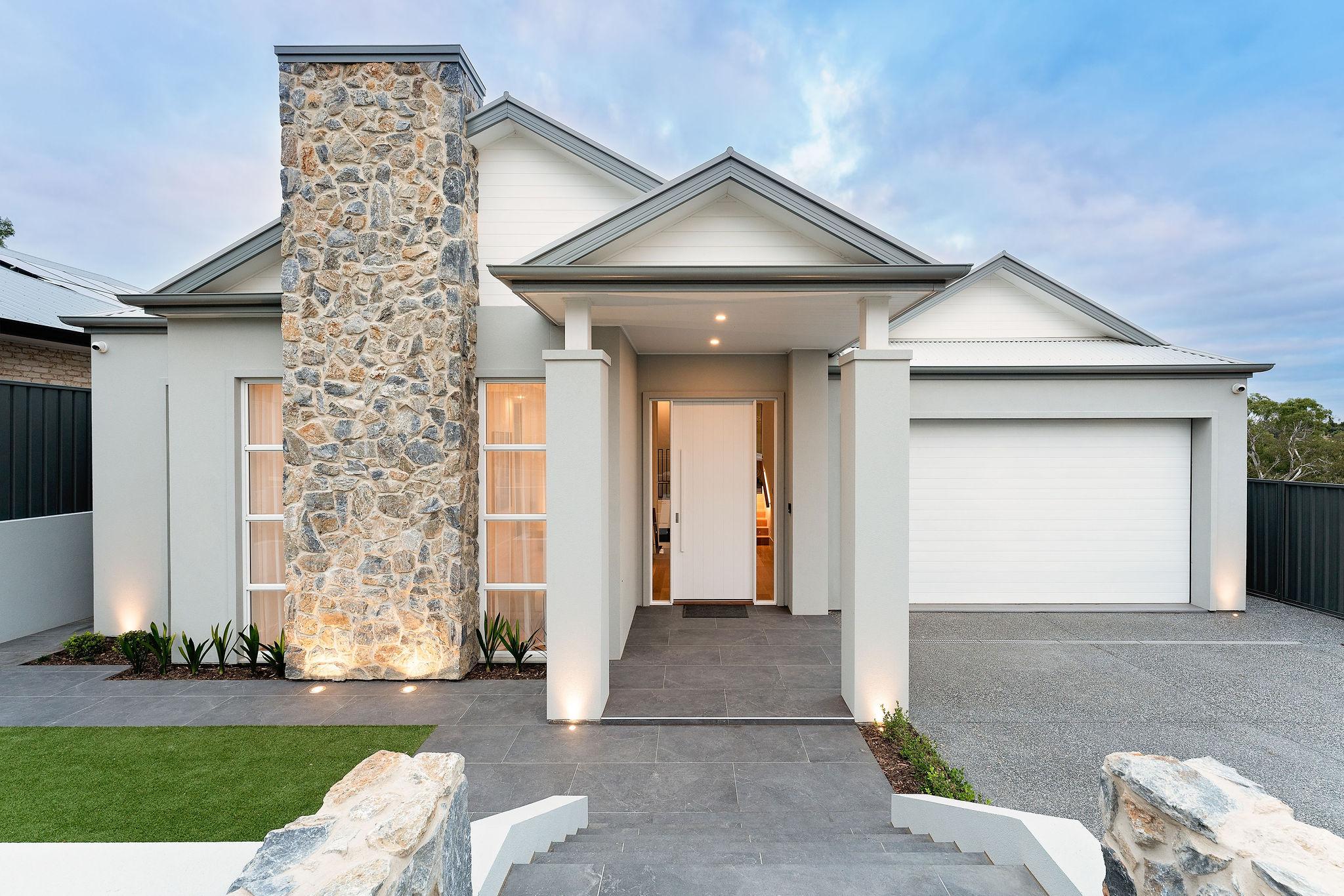
The cost of a knock down rebuild or a renovation depends on the extent of work required. While renovations might seem cheaper at first, unexpected issues (such as outdated wiring or foundation problems) can drive up costs.
| Factor | Renovation Cost | Knock Down Rebuild Cost |
|---|---|---|
| Minor changes (kitchen, bathroom upgrade) | $20,000 – $80,000 | N/A |
| Full-house renovation | $200,000 – $500,000 | N/A |
| Knock down & rebuild (standard home) | N/A | $300,000 – $700,000 |
| Unexpected structural repairs | $10,000 – $50,000 | None (new build) |
| Total cost range | $200,000 – $700,000+ | $300,000 – $900,000+ |
📌 Fact:
- Renovations often exceed budgets by 20-30% due to hidden issues, whereas a knock down rebuild usually follows a fixed-price contract.
💡 Key takeaway: If your renovation requires major structural changes, a knock down rebuild might be the more cost-effective option.
2. Timeframe: Which Takes Longer?
Both renovations and knock down rebuilds require careful planning, permits, and construction. However, the timeline differs based on complexity.
| Process | Renovation Timeline | Knock Down Rebuild Timeline |
|---|---|---|
| Planning & permits | 2–6 months | 4–8 months |
| Construction | 6–18 months | 9–12 months |
| Unexpected delays | Common | Less likely (structured timeline) |
| Total estimated time | 8–24 months | 12–20 months |
📌 Fact:
- Renovations often take longer than expected due to unforeseen problems, whereas a knock down rebuild follows a structured schedule.
💡 Key takeaway: If you need a predictable timeline, a knock down rebuild may be the better option.
3. Design Flexibility: Customization vs. Restrictions
One of the biggest advantages of a knock down rebuild is the ability to design a home from scratch, whereas renovations must work around existing structures.
| Aspect | Renovation | Knock Down Rebuild |
|---|---|---|
| Layout changes | Limited by existing structure | Fully customizable |
| Energy efficiency | Limited improvements | Built to modern standards |
| Future-proofing | May require additional upgrades later | Designed for long-term needs |
| Building compliance | Must work with old foundations & regulations | Meets all new building codes |
📌 Fact:
- Modern knockdown rebuilds include energy-efficient features like solar panels, double-glazed windows, and smart home technology, reducing long-term costs.
💡 Key takeaway: If you want a fully customized home with modern features, a knock down rebuild is the way to go.
4. Structural Issues & Hidden Problems
Older homes often have hidden structural problems, which can add significant costs to a renovation.
| Common Issues in Older Homes | Renovation Cost |
|---|---|
| Outdated electrical wiring | $5,000 – $20,000 |
| Plumbing replacement | $10,000 – $50,000 |
| Foundation repairs | $10,000 – $100,000 |
| Asbestos removal | $5,000 – $30,000 |
| Termite damage | $2,000 – $50,000 |
📌 Fact:
- 60% of home renovations uncover structural problems that weren’t initially accounted for in the budget.
💡 Key takeaway: If your home is old and needs major repairs, a knock down rebuild may be a better long-term investment.
5. Property Value & Resale Potential
The impact on property value is another crucial consideration. A brand-new home typically increases resale value more than a renovated one.
| Aspect | Renovation | Knock Down Rebuild |
|---|---|---|
| Increased property value | Moderate increase | Significant increase |
| Market appeal | Depends on extent of renovation | High demand for new homes |
| Future maintenance costs | Potentially high | Low |
| Return on investment (ROI) | 50-70% | 80-100% |
📌 Fact:
- Newly built homes attract 20-30% more buyers than older renovated properties.
💡 Key takeaway: If maximizing resale value is a priority, a knock down rebuild is often the better investment.
6. Council Approvals & Regulations
Whether you choose to renovate or knock down rebuild, you’ll need permits from your local council.
| Approval Type | Renovation | Knock Down Rebuild |
|---|---|---|
| Minor works permit | Sometimes required | Not applicable |
| Structural changes permit | Required | Required |
| Demolition permit | Not needed | Required |
| Heritage restrictions | Can limit changes | May prevent demolition |
📌 Fact:
- Heritage-listed properties may prevent a knock down rebuild, making renovation the only option.
💡 Key takeaway: Always check local council regulations before deciding.
Final Verdict: Which One Should You Choose?
| Factor | Renovation | Knock Down Rebuild |
|---|---|---|
| Budget-friendly for minor updates | ✅ | ❌ |
| Best for modern, energy-efficient design | ❌ | ✅ |
| Avoiding unexpected costs | ❌ | ✅ |
| Long-term property value increase | ❌ | ✅ |
| Customization & flexibility | ❌ | ✅ |
| Faster process with fewer delays | ❌ | ✅ |
📌 Fact:
- 80% of homeowners who initially plan a renovation end up choosing a knock down rebuild due to cost and structural concerns.
When to Choose a Renovation:
✅ You love your home’s original charm and want to preserve it.
✅ Your budget is limited, and you only need minor updates.
✅ Your property is heritage-listed or restricted from demolition.
When to Choose a Knock Down Rebuild:
✅ You want a brand-new, modern home with full customization.
✅ Your current house has structural issues that would be expensive to fix.
✅ You want the best long-term resale value and lower maintenance costs.
Conclusion
Both knock down rebuilds and renovations have their pros and cons, but the right choice depends on your goals, budget, and the condition of your current home. If you want a completely modern home with minimal maintenance and better resale value, a knock down rebuild is often the smarter choice.
Before making a decision, consult with builders, architects, and local councils to determine what’s best for your property.