
Uterine fibroids are non-cancerous growths that develop in or around the uterus. While many women may not experience symptoms, fibroids can significantly impact menstrual health, leading to discomfort and changes in normal cycle patterns. Understanding these effects is essential for timely diagnosis and effective management.
Heavy Menstrual Bleeding
One of the most common ways fibroids affect menstrual health is by causing heavy or prolonged periods. Fibroids can increase the surface area of the uterine lining, leading to excessive bleeding during menstruation. Women may notice soaking through pads or tampons quickly or having periods that last longer than a week. This condition, known as menorrhagia, can sometimes result in anemia due to blood loss.
Irregular Menstrual Cycles
Fibroids can disrupt the regular hormonal balance of the uterus, leading to irregular cycles. Some women may experience shorter cycles, while others may skip periods or have unpredictable bleeding. This irregularity can make it difficult to track ovulation and overall reproductive health.
Severe Menstrual Pain
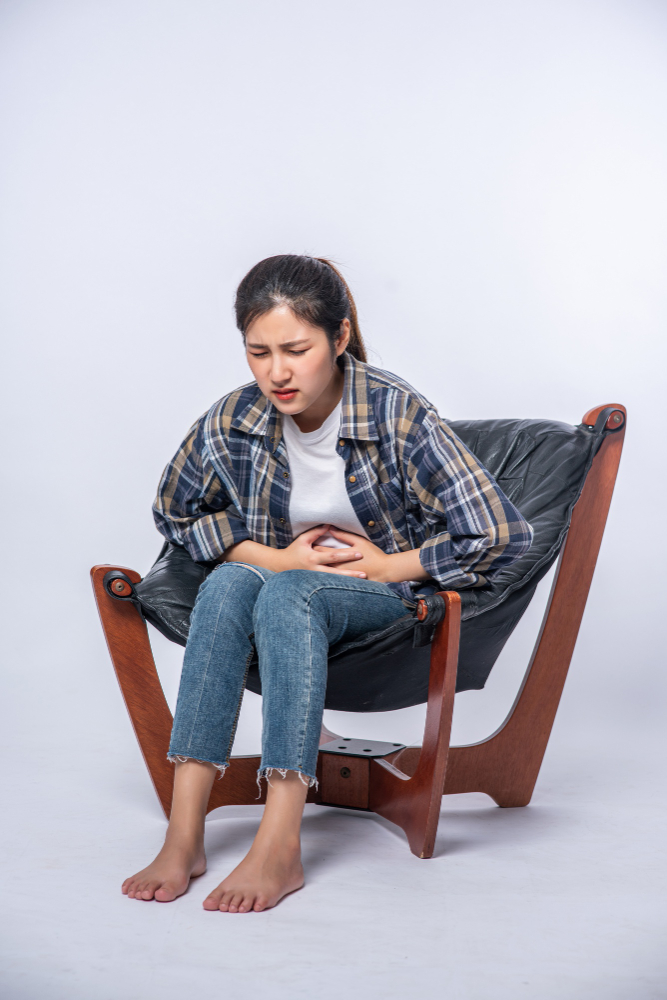
Fibroids, especially those located within the uterine wall, can cause increased uterine contractions during menstruation. This often results in more intense cramps and pelvic pain compared to normal periods. The pain may also radiate to the lower back or legs, affecting daily activities and overall quality of life.
Spotting Between Periods
Another effect of fibroids on menstrual health is spotting or light bleeding between periods. This occurs when fibroids irritate the uterine lining, causing unexpected bleeding outside the regular menstrual cycle. Although it may seem minor, persistent spotting should always be evaluated by a healthcare professional.
Impact on Overall Health
Chronic menstrual issues caused by fibroids can lead to fatigue, weakness, and reduced productivity. Women experiencing these symptoms should seek medical advice to prevent complications and improve their quality of life. Early diagnosis allows for better treatment options, ranging from medication to minimally invasive procedures.
When to Seek Medical Help
If you notice symptoms such as extremely heavy periods, severe pain, or irregular cycles, it is important to consult a specialist. Guidance from the Best High Risk Pregnancy Doctors in Hyderabad and the Best Gynecology Doctor in Hyderabad can help in identifying the severity of fibroids and choosing the most suitable treatment plan.
Conclusion
Fibroids can have a significant impact on menstrual health, affecting everything from bleeding patterns to pain levels. Recognizing the symptoms early and seeking appropriate care can help manage the condition effectively. With the right medical support and lifestyle adjustments, women can maintain better reproductive and overall health despite fibroids.
Visit for more information: https://share.google/HVgvAM8LzsvuHPwoA