
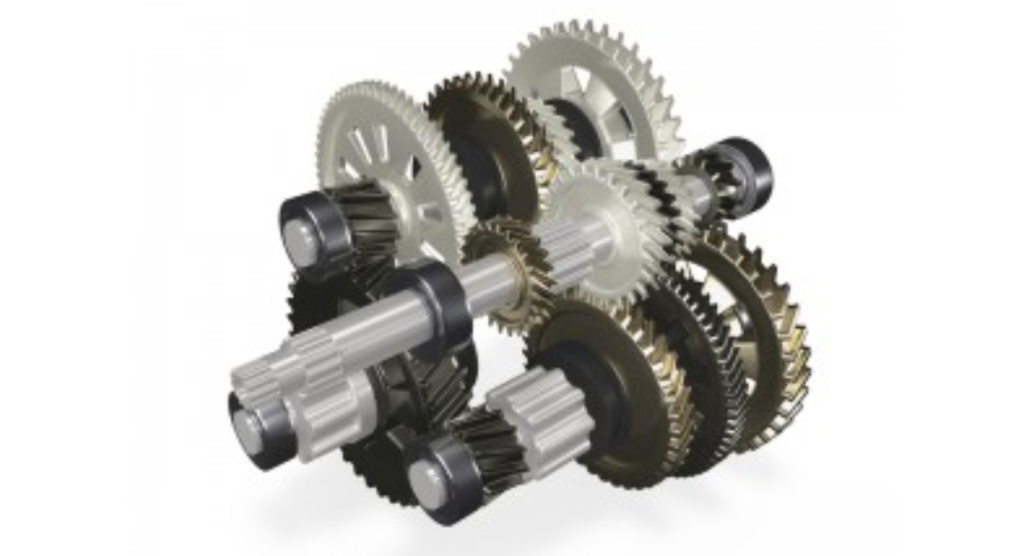
Selecting the right gearbox is one of the most important decisions in any industrial power transmission system. A gearbox directly affects machine efficiency, load handling capacity, operating life, and maintenance costs. This Gearbox Selection Guide explains how to choose the correct gearbox by understanding application needs and how it works with conveyor systems.
Importance of Proper Gearbox Selection
A gearbox converts motor speed into usable torque. If the gearbox is not matched to the application, it can cause excessive vibration, overheating, and premature failure. The correct selection ensures:
-
Stable torque transmission
-
Smooth and continuous operation
-
Reduced mechanical stress
-
Longer service life
This is especially critical in conveyor systems that operate for long hours under heavy loads.
Analyze Your Application Requirements
Before selecting a gearbox, evaluate:
-
Material load and weight
-
Required operating speed
-
Working cycle (continuous or intermittent)
-
Environmental conditions such as dust, moisture, and temperature
-
Installation space and mounting style
These parameters help determine gearbox size and type.
What Are Conveyor System Components?
Understanding what are conveyor system components is essential when selecting a gearbox for conveyor-driven equipment. Conveyor systems consist of multiple parts that work together to move materials efficiently, and the gearbox must be compatible with these components.
Types of Conveyor System Components
Knowing the types of conveyor system components helps in accurate gearbox selection:
Conveyor Belt
Carries the load and defines torque demand.
Rollers and Idlers
Support the belt and influence resistance and power requirements.
Conveyor Pulleys
Transmit motion and affect alignment and mounting of the gearbox.
Drive Motor
Provides input speed and power to the gearbox.
Gearbox
Reduces speed and increases torque to suit conveyor operation.
Conveyor Frame
Supports components and determines gearbox mounting position.
Take-Up System
Maintains belt tension, affecting load variation on the gearbox.
Selecting the Right Gearbox Type
Different applications require different gearbox designs. For conveyors, shaft-mounted gearboxes are commonly preferred due to their compact structure and ease of installation.
SMSR Gearboxes in Conveyor Applications
SMSR gearboxes are widely used in material handling because they mount directly on the driven shaft. This eliminates complex couplings and reduces alignment issues. Industries often rely on an experienced SMSR Gearbox Manufacturer in Ahmedabad for gearboxes that deliver high torque and reliable performance.
Key Factors to Consider in Gearbox Selection
Torque Capacity
Ensure the gearbox can handle starting and running torque under full load.
Speed Ratio
Select the correct reduction ratio for desired output speed.
Mounting and Space Constraints
Choose a gearbox that fits within available installation space.
Efficiency
High-efficiency gearboxes reduce power loss and operating costs.
Maintenance Needs
Easy lubrication access and simple servicing improve uptime.
Advantages of Using SMSR Gearboxes
SMSR gearboxes offer:
-
High load-bearing capacity
-
Compact and space-saving design
-
Simple installation
-
Low maintenance requirements
These features make them ideal for demanding conveyor environments.
Avoid Common Gearbox Selection Errors
-
Undersizing the gearbox
-
Ignoring environmental conditions
-
Choosing incorrect speed ratios
-
Overlooking future load increases
Avoiding these mistakes ensures reliable and long-lasting performance.
Conclusion
This Gearbox Selection Guide highlights the importance of matching gearbox specifications with application requirements. Understanding what are conveyor system components and the various types of conveyor system components helps ensure proper selection. For conveyor systems, choosing solutions from a trusted SMSR Gearbox Manufacturer in Ahmedabad ensures durability, efficiency, and smooth operation across industrial applications.