
High pressure feeders play a crucial role in maintaining fluid balance, chemical treatment, and system efficiency in industrial and commercial operations. Bypass High Pressure Feeders are designed to introduce chemicals or additives into closed-loop systems without shutting down operations. These feeders help regulate pressure, maintain fluid quality, and prevent corrosion or scaling. Understanding how they work helps facility managers maintain system performance while reducing downtime and long-term maintenance costs.
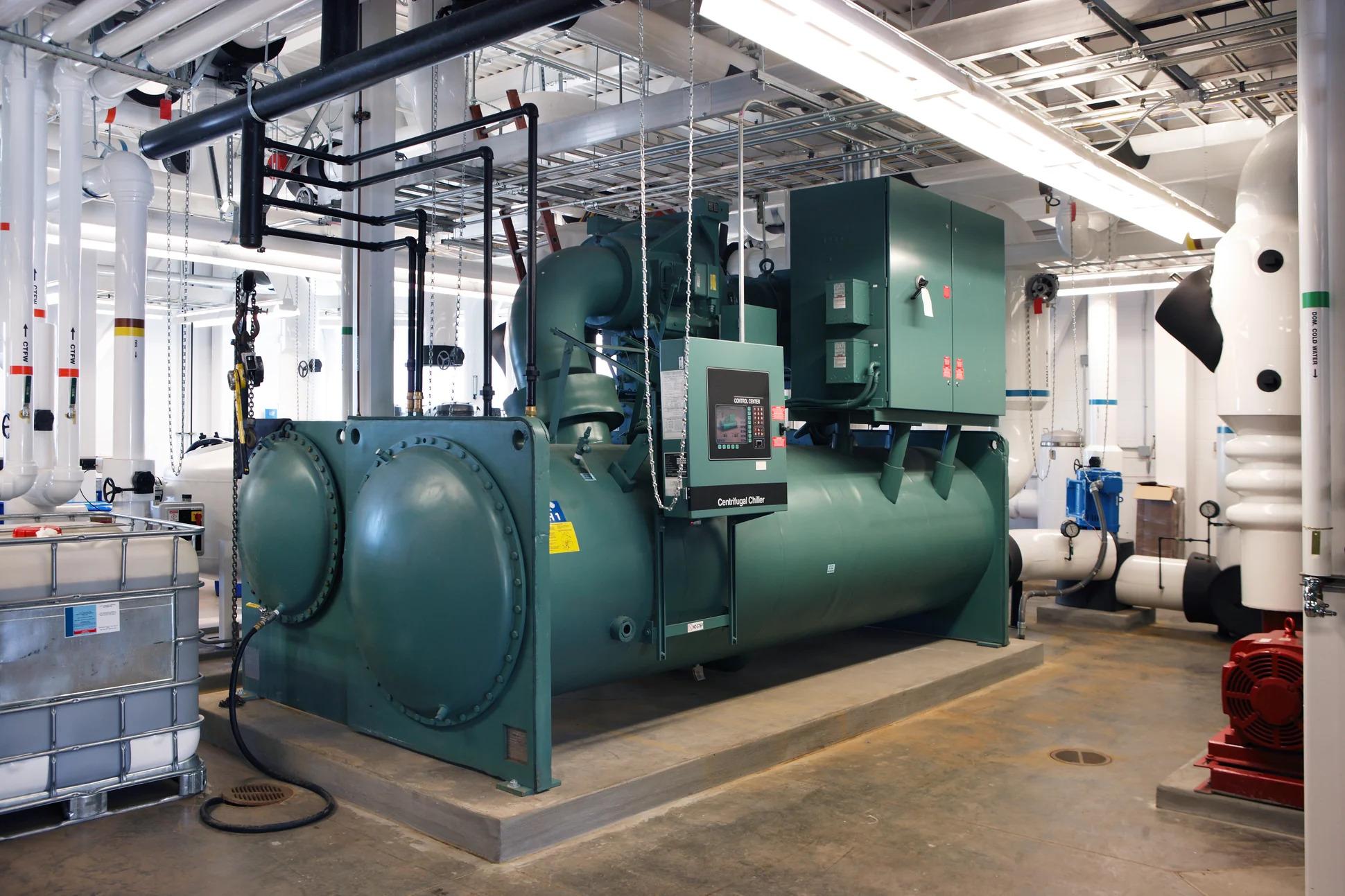
What Is a High Pressure Feeder?
A high pressure feeder is a specialized device used to inject chemicals or treatment solutions into pressurized systems such as boilers, hydronic heating loops, and cooling systems. Unlike standard feeders, these units are engineered to withstand high operating pressures while ensuring consistent chemical dosing. Their robust design allows technicians to add inhibitors, glycol, or cleaning agents without disrupting the system’s operation.
These feeders typically include a pressure-rated vessel, isolation valves, gauges, and a controlled feed mechanism. The design ensures safe operation even under demanding industrial conditions.
Key Components of a High Pressure Feeder
Pressure-Rated Tank
The tank is built from heavy-duty materials capable of handling high system pressures. It stores treatment chemicals and ensures safe containment during operation.
Isolation Valves
Isolation valves allow technicians to safely open, refill, or maintain the feeder without interrupting the entire system. They are essential for maintaining safety and efficiency.
Pressure Gauges and Controls
Gauges help monitor internal and system pressure levels. Proper monitoring ensures that chemicals are introduced gradually and safely.
Injection Mechanism
The injection mechanism regulates how chemicals enter the system. It ensures precise dosing, preventing overfeeding or underfeeding.
Step-by-Step Working Process
1. System Isolation
Before adding chemicals, the feeder is isolated from the main system using dedicated valves. This allows technicians to safely open the vessel.
2. Chemical Loading
The required treatment solution—such as corrosion inhibitors or glycol—is added to the feeder tank. Once loaded, the tank is sealed and pressurized.
3. Pressure Equalization
The feeder is gradually connected back to the system. Pressure equalization occurs to ensure that the chemicals flow smoothly into the loop without sudden surges.
4. Controlled Injection
As the system operates, chemicals move from the feeder into the system through pressure differentials. Bypass High Pressure Feeders ensure that dosing occurs gradually and consistently, maintaining system balance without interrupting operations.
5. Continuous Monitoring
Technicians monitor pressure gauges and fluid levels to ensure the correct chemical concentration. Regular monitoring prevents issues such as corrosion, scaling, or freezing in colder environments.
Benefits of Using High Pressure Feeders
Improved System Efficiency
By maintaining optimal chemical levels, feeders help improve heat transfer efficiency and reduce energy consumption.
Reduced Downtime
Since chemicals can be added without shutting down the system, operations continue uninterrupted, improving productivity.
Enhanced Equipment Lifespan
Proper chemical treatment prevents corrosion and buildup, extending the life of expensive components.
Safety and Precision
Modern feeders are designed with safety features that allow accurate dosing and safe operation even under high pressure.
Also Read: What Are the Benefits of Using Neptune Pumps?
Common Applications
High pressure feeders are widely used in commercial buildings, manufacturing plants, HVAC systems, and district heating networks. They are especially valuable in closed-loop systems where maintaining fluid quality is essential for efficient performance. Facilities with high-pressure boilers or extensive piping networks rely on these feeders to maintain system stability and prevent costly repairs.
Maintenance Tips for Optimal Performance
Regular inspection is key to ensuring reliable operation. Check pressure gauges for accuracy, inspect valves for leaks, and clean the tank periodically to prevent residue buildup. Always follow manufacturer guidelines when handling chemicals and maintaining the feeder. Routine maintenance not only enhances performance but also improves safety and operational longevity.