
Air Purifier Market Analysis: Trends, Drivers, and Future Outlook
The global air purifier market has witnessed significant growth over the past decade, driven by rising awareness of air pollution’s adverse health effects and increasing urbanization. Air purifiers, devices designed to remove contaminants from the air in indoor environments, are gaining traction in both residential and commercial settings. This analysis explores key market trends, drivers, challenges, and future prospects shaping the air purifier industry.
Market Overview
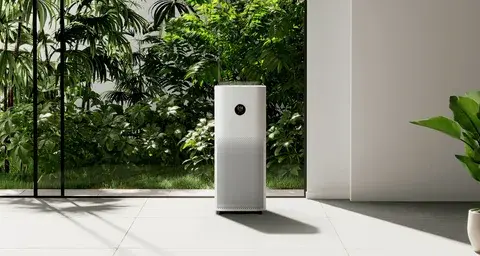
The air purifier market encompasses a wide array of products, from compact portable units for home use to large-scale systems for commercial buildings and industrial applications. These devices typically use filters—such as HEPA (High-Efficiency Particulate Air) filters, activated carbon filters, and UV light technology—to remove airborne particles like dust, pollen, smoke, bacteria, and viruses.
In 2023, the global air purifier market was valued at approximately USD 10 billion and is projected to grow at a compound annual growth rate (CAGR) of around 9-11% through 2030. This steady growth is attributed to several factors, including increased pollution levels, growing health consciousness, and technological advancements in air purification.
Key Market Drivers
-
Increasing Air Pollution Levels:
Urban air quality has deteriorated in many parts of the world, particularly in Asia-Pacific and parts of Europe and North America. Rapid industrialization, vehicular emissions, and construction activities contribute to poor outdoor air quality, which often infiltrates indoor spaces. As a result, consumers and businesses are turning to air purifiers to mitigate exposure to harmful pollutants. -
Health Awareness and Concerns:
The COVID-19 pandemic significantly heightened awareness about airborne pathogens and respiratory health. People are now more conscious about maintaining clean indoor air to reduce the risk of respiratory infections and allergies. This trend is boosting demand for air purifiers equipped with advanced filtration systems capable of capturing viruses and bacteria. -
Rising Prevalence of Respiratory Diseases:
According to the World Health Organization (WHO), respiratory conditions such as asthma and chronic obstructive pulmonary disease (COPD) affect millions globally. Cleaner indoor air environments are critical for managing these conditions, fueling demand for effective air purification solutions. -
Technological Innovations:
Manufacturers are continuously improving air purifier designs by incorporating smart technologies like IoT connectivity, air quality sensors, and energy-efficient motors. These innovations enable users to monitor indoor air quality in real-time and optimize device performance, increasing consumer appeal. -
Government Regulations and Initiatives:
Several governments have implemented regulations and programs aimed at improving air quality standards. In regions with high pollution levels, subsidies or incentives for purchasing air purifiers are becoming common, further stimulating market growth.
Market Segmentation
The air purifier market can be segmented based on product type, technology, end-use sector, and geography.
-
Product Type: Portable air purifiers dominate the market due to their affordability and ease of use. However, HVAC-integrated air purifiers are gaining popularity in commercial and industrial applications.
-
Technology: HEPA filters remain the most preferred technology due to their high efficiency in removing particulate matter. Activated carbon filters are commonly used to eliminate odors and gaseous pollutants. Emerging technologies like photocatalytic oxidation and UV-C light are also gaining traction.
-
End-Use Sector: Residential applications constitute the largest market share, followed by commercial offices, healthcare facilities, and industrial sectors.
-
Geography: Asia-Pacific leads the market, driven by high pollution levels and urban growth in countries like China and India. North America and Europe are mature markets with steady demand fueled by health-conscious consumers.
Challenges Facing the Market
Despite strong growth prospects, the air purifier market faces some challenges:
-
High Cost of Advanced Models: Premium air purifiers with sophisticated technologies are often expensive, limiting accessibility for price-sensitive consumers.
-
Lack of Awareness in Developing Regions: While urban centers show growing demand, rural and semi-urban populations may lack awareness or affordability for air purification devices.
-
Maintenance Requirements: Regular replacement of filters and maintenance can be inconvenient and add to the total cost of ownership, affecting user satisfaction.
-
Market Fragmentation: The presence of numerous small and large players creates intense competition, sometimes leading to quality and performance inconsistencies.
Competitive Landscape
The air purifier market is characterized by the presence of several key players including Philips, Honeywell, Xiaomi, Blueair, Dyson, and LG Electronics. These companies compete based on product innovation, brand reputation, pricing, and after-sales service. Strategic collaborations, mergers, and acquisitions are common as companies aim to expand their product portfolios and geographic reach.
Future Outlook
Looking ahead, the air purifier market is poised for sustained growth, fueled by ongoing urbanization, rising health awareness, and climate change-related environmental concerns. Key trends likely to shape the market include:
-
Integration with Smart Home Ecosystems: Air purifiers will increasingly become part of connected home systems, controlled via smartphones or voice assistants, enabling seamless management.
-
Sustainable and Energy-Efficient Designs: Demand for eco-friendly products with low energy consumption and recyclable filters will rise as consumers become more environmentally conscious.
-
Personalized Air Purification: Customized solutions tailored to individual health needs, such as devices targeting allergens or specific pollutants, will emerge.
-
Expansion in Emerging Markets: Growing disposable incomes and awareness in regions like Latin America, Africa, and Southeast Asia will open new avenues for market expansion.
Conclusion
The air purifier market is rapidly evolving as consumers prioritize health and well-being in increasingly polluted environments. While challenges remain, technological advancements, government support, and rising demand from both residential and commercial sectors promise a robust growth trajectory. Businesses that innovate and adapt to changing consumer preferences will be well-positioned to capitalize on the expanding opportunities within this dynamic market.