
Industrial uniforms play a critical role in workplace safety, employee comfort, and brand identity. Whether in construction, manufacturing, oil and gas, or logistics, the right uniform is more than just clothing—it’s protective gear designed to withstand harsh conditions while ensuring workers can perform efficiently.
This blog explores how industrial uniforms are manufactured, the importance of fabric selection, durability factors, and the safety standards that define high-quality workwear.
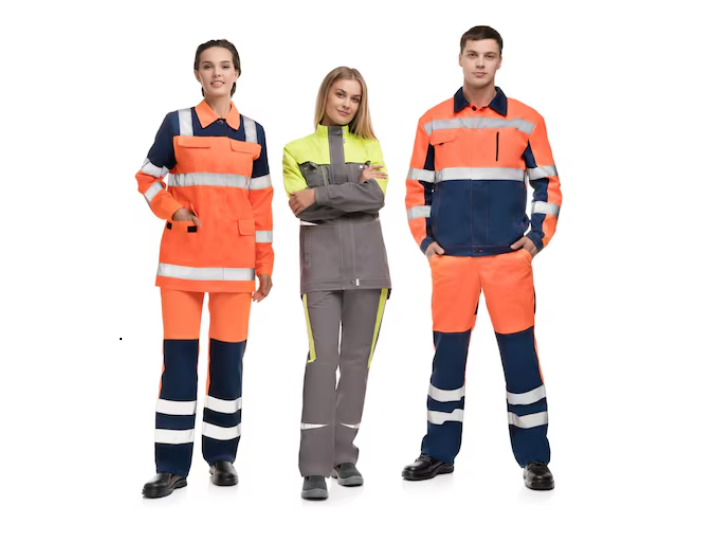
Understanding Industrial Uniform Manufacturing
Industrial uniform manufacturing involves designing and producing garments specifically tailored for demanding work environments. Unlike regular apparel, these uniforms must meet strict performance requirements, including resistance to wear, chemicals, heat, and mechanical stress.
The process typically includes:
- Requirement analysis based on industry type
- Fabric selection suited to specific hazards
- Pattern design for comfort and mobility
- Stitching and reinforcement
- Quality testing and compliance checks
Manufacturers focus on both functionality and long-term performance, ensuring uniforms can endure continuous use in tough conditions.
Importance of Fabric in Industrial Uniforms
Fabric is the foundation of any industrial uniform. The choice of material directly impacts safety, durability, and comfort.
1. Cotton and Cotton Blends
Cotton is widely used due to its breathability and comfort. However, pure cotton may not be suitable for high-risk environments. Cotton blends, combined with polyester, offer better durability and wrinkle resistance.
Best for:
- General manufacturing
- Light industrial work
- Indoor environments
2. Polyester and Synthetic Fabrics
Polyester is known for its strength, resistance to shrinking, and quick-drying properties. It is often blended with cotton to enhance performance.
Advantages:
- High durability
- Low maintenance
- Resistance to abrasion
3. Flame-Resistant (FR) Fabrics
Industries like oil and gas require flame-resistant uniforms. These fabrics are treated or inherently designed to resist ignition and prevent flame spread.
Key benefits:
- Protection against fire hazards
- Self-extinguishing properties
- Reduced burn injuries
4. High-Visibility (Hi-Vis) Fabrics
Workers in construction or road safety require high-visibility clothing. These fabrics include reflective strips and bright colors to enhance visibility in low-light conditions.
5. Waterproof and Chemical-Resistant Fabrics
In environments exposed to chemicals or moisture, specialized coatings are applied to fabrics to prevent penetration.
Used in:
- Chemical plants
- Cleaning industries
- Food processing units
Durability: A Core Requirement
Industrial uniforms must withstand extreme conditions, repeated washing, and physical stress. Durability is not just about longevity—it directly affects worker safety and operational costs.
Factors Affecting Durability
1. Fabric Strength
High GSM (grams per square meter) fabrics are thicker and more resistant to wear and tear.
2. Stitching Quality
Double stitching and reinforced seams prevent tearing, especially in high-stress areas like shoulders, knees, and elbows.
3. Color Fastness
Uniforms should retain their color even after multiple washes. This is especially important for branded workwear.
4. Resistance to Shrinkage
Pre-shrunk fabrics ensure the uniform maintains its size and shape over time.
5. Abrasion Resistance
In industries like construction, uniforms often rub against rough surfaces. Strong fibers help prevent damage.
Safety Standards in Industrial Uniforms
Safety standards ensure that uniforms provide adequate protection against workplace hazards. Compliance is essential for both legal and operational reasons.
1. Flame Resistance Standards
Flame-resistant clothing must meet specific standards to protect workers from fire hazards. These standards test how fabrics react to flames and heat exposure.
2. High-Visibility Standards
High-visibility clothing must meet regulations regarding brightness and reflectivity. Reflective strips are strategically placed to ensure maximum visibility.
3. Chemical Protection Standards
Uniforms used in chemical industries must resist penetration and protect the skin from harmful substances.
4. Electrical Safety Standards
Workers dealing with electrical systems require uniforms that reduce the risk of electric shock or arc flash injuries.
5. General Safety Compliance
Industrial uniforms often need to comply with international or regional safety certifications, ensuring consistency and reliability.
Design Considerations for Industrial Uniforms
A well-designed uniform balances safety, comfort, and functionality.
1. Comfort and Fit
Workers wear uniforms for long hours, so comfort is essential. Breathable fabrics, ergonomic designs, and proper sizing improve productivity.
2. Mobility
Uniforms should allow free movement. Stretchable fabrics and smart tailoring help workers perform tasks efficiently.
3. Functional Features
Industrial uniforms often include:
- Multiple pockets for tools
- Reinforced knee pads
- Adjustable cuffs and waistbands
- Ventilation panels
4. Branding
Uniforms also serve as a branding tool. Logos, colors, and designs reflect the company’s identity while maintaining professionalism.
The Manufacturing Process
Industrial uniform production follows a structured process to ensure quality and consistency.
Step 1: Requirement Analysis
Understanding the work environment, risks, and user needs.
Step 2: Fabric Selection
Choosing materials based on durability, safety, and comfort.
Step 3: Design and Prototyping
Creating samples to test fit and functionality.
Step 4: Cutting and Stitching
Using advanced machinery for precision and efficiency.
Step 5: Quality Testing
Checking for strength, color retention, and compliance with safety standards.
Step 6: Final Delivery
Packaging and distributing uniforms to clients.
Quality Control in Industrial Uniform Manufacturing
Quality control ensures that every uniform meets required standards.
Key Quality Checks:
- Fabric strength testing
- Seam durability testing
- Shrinkage and wash testing
- Safety compliance verification
Manufacturers often conduct multiple inspections throughout the production process to maintain consistency.
Benefits of High-Quality Industrial Uniforms
Investing in well-manufactured uniforms offers several advantages:
1. Enhanced Safety
Proper uniforms reduce workplace injuries and hazards.
2. Improved Productivity
Comfortable workers perform better and stay focused.
3. Cost Efficiency
Durable uniforms last longer, reducing replacement costs.
4. Professional Appearance
Uniforms create a consistent and professional image.
5. Employee Confidence
Workers feel more secure and confident when properly equipped.
Challenges in Industrial Uniform Manufacturing
Despite advancements, manufacturers face several challenges:
- Balancing cost and quality
- Meeting diverse industry requirements
- Ensuring compliance with evolving safety standards
- Managing large-scale production efficiently
Future Trends in Industrial Uniforms
The industry is evolving with new technologies and innovations.
1. Smart Fabrics
Uniforms with sensors to monitor temperature, fatigue, or exposure to hazards.
2. Sustainable Materials
Eco-friendly fabrics and production methods are gaining popularity.
3. Customization
Advanced manufacturing allows for tailored uniforms based on individual needs.
4. Lightweight Protective Gear
New materials offer high protection without compromising comfort.
Choosing the Right Industrial Uniform Manufacturer
Selecting the right manufacturer is crucial for quality and reliability.
Look for:
- Experience in your industry
- Compliance with safety standards
- Customization options
- Strong quality control processes
- Positive client feedback
A reliable manufacturer ensures your workforce is equipped with uniforms that meet both safety and performance expectations.
Conclusion
Industrial uniform manufacturing is a specialized process that combines fabric science, engineering, and safety compliance. From selecting the right materials to ensuring durability and meeting strict safety standards, every step plays a vital role in protecting workers and enhancing productivity.
Businesses that invest in high-quality industrial uniforms not only improve workplace safety but also strengthen their brand image and operational efficiency. As industries continue to evolve, the demand for advanced, durable, and safe workwear will only grow.