
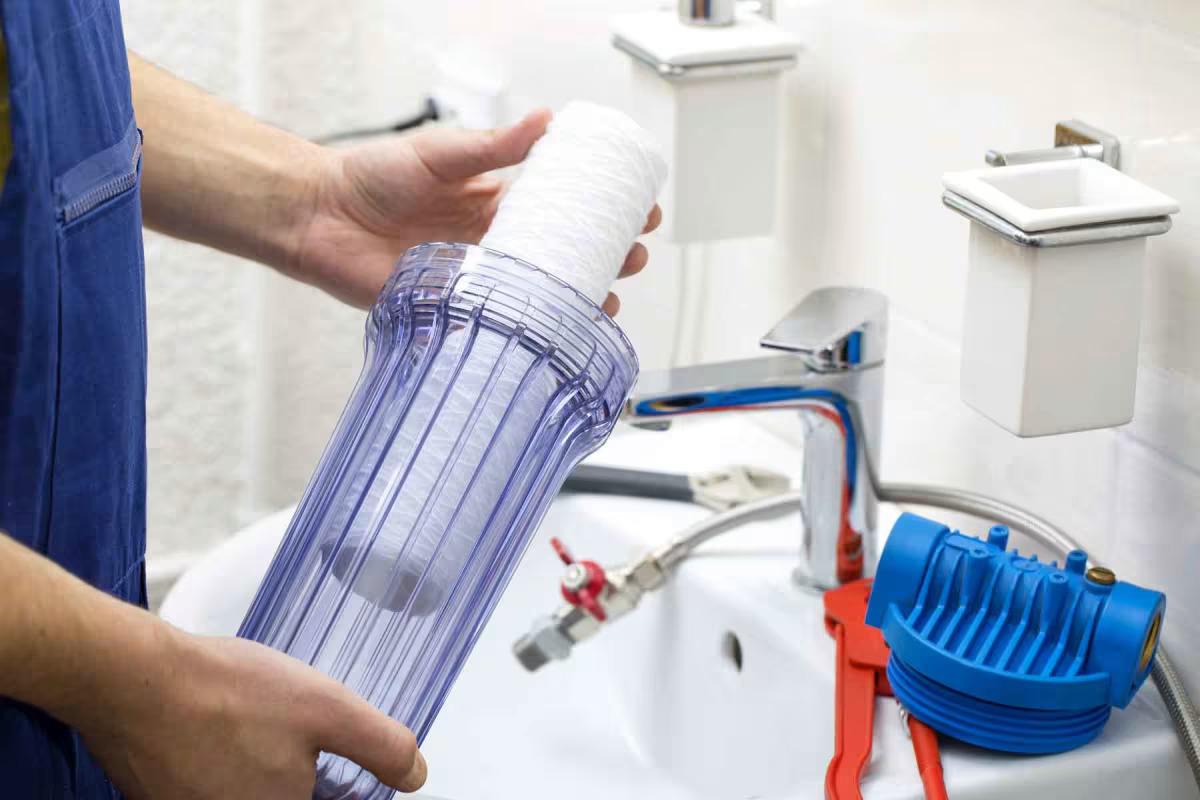
A water filtration system is a valuable investment for your home. It ensures you and your family have access to clean, safe, and great-tasting water every day. But just like any other system or appliance, it requires regular maintenance and timely replacement of parts to function properly. Ignoring routine upkeep can lead to reduced performance, clogged filters, or even contaminated water.
In this article, we’ll explore how to properly maintain and replace your water filter system to keep it working efficiently for years to come.
Why Maintenance Matters
Many people install a water filtration system and then forget about it—until the water starts to taste off or the flow decreases. Regular maintenance is essential for the following reasons:
-
Maintains water quality: Filters trap sediments, chemicals, and harmful contaminants. When clogged or dirty, they can no longer remove these pollutants effectively.
-
Extends system life: A well-maintained system is less likely to break down prematurely.
-
Saves money: Replacing a whole system due to neglect is far more expensive than simply changing a filter on time.
Understand Your System Type
Before you start maintenance, it’s important to know which type of water filtration system you have. Each system has specific components and maintenance needs:
-
Pitcher-style filters: Simple to use, but need frequent filter replacement.
-
Faucet-mounted filters: Compact, affordable, and require regular cartridge changes.
-
Under-sink filters: Usually have multi-stage filters; maintenance involves replacing individual filter cartridges as needed.
-
Whole-house filters: Installed at the main water line; these handle large volumes of water and require professional-level maintenance.
-
Reverse osmosis (RO) systems: Complex systems with pre-filters, membrane filters, and post-filters that all need to be replaced at different intervals.
Check your user manual for exact model instructions, as replacement timelines vary based on water quality and usage.
General Water Filter Maintenance Tips
Here are universal steps and tips to keep any water filtration system running smoothly:
1. Know the Replacement Schedule
Each type of filter has a lifespan, typically measured in gallons or months:
-
Carbon filters: Replace every 2–6 months.
-
Sediment filters: Replace every 6–12 months.
-
Reverse osmosis membranes: Last 2–5 years, depending on water quality.
-
Whole-house filters: Replace sediment and carbon pre-filters every 3–12 months.
Always follow the manufacturer’s guidelines, and consider setting a calendar reminder or using a filter change tracker.
2. Check for Warning Signs
Even if the scheduled time hasn’t passed, your filter may still need replacing. Look for signs like:
-
Reduced water pressure
-
Strange taste or odor
-
Discolored or cloudy water
-
Filter housing leaks
These are clear indicators that something’s not working properly, and it’s time to investigate.
3. Flush New Filters Before Use
Most new filters—especially carbon ones—need to be flushed with water before use. This helps remove loose particles and prevents a temporary charcoal taste. Run cold water through the filter for a few minutes, or until the water runs clear.
4. Clean Filter Housings
If your system has filter housings (common in under-sink and whole-house systems), clean them whenever you change the filters. Use warm, soapy water and a soft cloth or sponge. Rinse thoroughly before inserting the new filter.
5. Avoid Harsh Chemicals
Never clean your filter housing or components with bleach or abrasive cleaners, as they can damage the unit and leave behind harmful residues. Stick to mild soap or manufacturer-approved cleaning solutions.
6. Inspect Seals and O-rings
O-rings create a watertight seal in many filtration systems. Over time, they can wear out or become misaligned. Inspect them during filter changes, and apply food-grade silicone lubricant to keep them supple and crack-free. Replace any damaged seals immediately to prevent leaks.
7. Keep the System Dry and Protected
If your filter is installed under the sink or in a basement, make sure the area is dry and protected from moisture buildup, which can lead to mold. Avoid stacking cleaning supplies or clutter around it, which may cause accidental damage or restrict airflow.
8. Use Quality Replacement Filters
Stick to filters recommended by your system’s manufacturer. Cheap third-party options might not fit properly or filter water effectively. Using the wrong filter can void warranties and reduce water quality.
When to Call a Professional
Some maintenance tasks are DIY-friendly, while others may require expert help. If you notice a major leak, a drop in water pressure across your whole home, or recurring system errors, it’s best to call in a plumber or water filtration technician. This is especially true for whole-house and reverse osmosis systems, which can be complex to diagnose and repair.
Also, consider a professional inspection once a year to ensure the system is working as intended and nothing is wearing out prematurely.
Conclusion
Maintaining and replacing your water filter system properly is key to enjoying safe, clean, and great-tasting water. It doesn’t have to be complicated—just stay on top of the filter replacement schedule, clean regularly, and keep an eye out for warning signs.
With a little care and attention, your water filtration system will continue to protect your health, improve your home’s water quality, and save you money in the long run. It’s a small effort for a big reward—peace of mind and pure water at every tap.