
Air conditioning systems play a critical role in maintaining comfort, protecting indoor air quality, and preserving property value. Whether you own a single-family home, manage a commercial building, oversee rental properties, or invest in real estate, understanding common AC repair issues can help you act quickly and minimize costly disruptions.
Cooling systems are complex machines with many interconnected components. When one part fails, it can affect overall performance. Below are the most common AC problems property owners encounter—and how professionals resolve them.
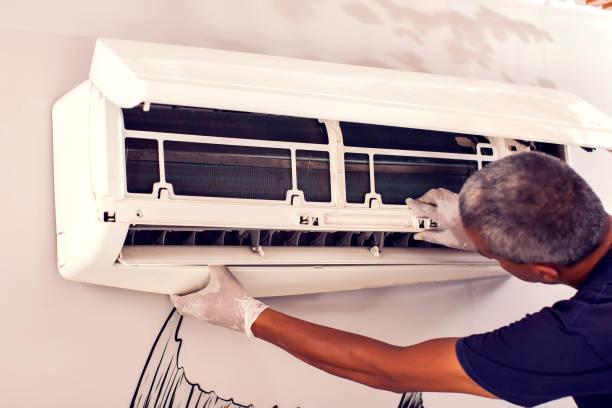
1. Refrigerant Leaks
One of the most frequent AC repair issues involves low refrigerant levels. Refrigerant is essential for absorbing and transferring heat. When levels drop due to leaks, your system may blow warm air or struggle to cool efficiently.
How Professionals Fix It:
Technicians inspect the system to locate the leak, repair the damaged section, and recharge refrigerant to manufacturer specifications. Simply adding refrigerant without fixing the leak is not a long-term solution.
Prompt repair restores cooling efficiency and prevents compressor damage.
2. Dirty or Clogged Air Filters
Clogged air filters restrict airflow, forcing the system to work harder. Over time, this can cause overheating, frozen coils, and poor indoor air quality.
How Professionals Fix It:
During routine AC maintenance, technicians replace or clean filters and inspect airflow. Property managers and landlords benefit from scheduled maintenance plans that reduce tenant complaints and prevent recurring issues.
Regular filter changes also improve indoor air quality, reducing dust and allergens.
3. Frozen Evaporator Coils
When airflow is restricted or refrigerant levels are low, evaporator coils can freeze. Ice buildup prevents proper cooling and may cause water leakage when it melts.
How Professionals Fix It:
Experts shut down the unit, safely thaw the coils, and diagnose the root cause—whether it’s airflow blockage, refrigerant imbalance, or a failing component. Addressing the underlying issue ensures the problem doesn’t return.
4. Faulty Thermostats
Sometimes the issue isn’t the AC unit itself but the thermostat. Incorrect temperature readings, wiring problems, or outdated systems can lead to inconsistent cooling.
How Professionals Fix It:
Thermostat repair may involve recalibration, rewiring, or replacing the unit with a programmable or smart model. Upgrading thermostats improves system efficiency and comfort control, especially in commercial spaces.
For larger properties, proper thermostat function reduces energy waste and enhances tenant satisfaction.
5. Electrical Component Failures
AC systems rely on capacitors, relays, contactors, and wiring connections. Over time, electrical parts wear out or loosen due to vibration.
How Professionals Fix It:
Trained technicians test electrical components and replace damaged parts. Addressing electrical issues promptly prevents sudden system shutdowns and reduces fire risks.
Commercial property owners especially benefit from proactive inspections to avoid operational downtime.
6. Compressor Problems
The compressor is the heart of the cooling system. If it fails, the entire unit may stop working. Compressor issues often result from neglect, refrigerant imbalances, or prolonged strain.
How Professionals Fix It:
In some cases, compressor repair is possible. However, severe damage may require replacement. When repair costs approach system replacement costs, professionals may recommend new AC installation for better efficiency and reliability.
Property investors should evaluate long-term savings before deciding between repair and replacement.
7. Drainage Issues and Water Leaks
AC systems produce condensation, which drains through a dedicated line. When the drain line becomes clogged, water can back up and cause leaks.
How Professionals Fix It:
Technicians clear the drain line, inspect the condensate pump, and ensure proper drainage. Routine AC maintenance prevents buildup that leads to water damage.
Unchecked leaks can affect ceilings, walls, and flooring—making this a priority repair.
8. Uneven Cooling or Poor Airflow
Hot and cold spots throughout a property may indicate ductwork issues, failing blowers, or improperly sized equipment.
How Professionals Fix It:
Experts inspect ducts, test airflow, and determine whether adjustments or repairs are needed. In some cases, a system upgrade or mini split installation may provide a more efficient solution for zoning or room-specific cooling.
Mini split systems are especially useful for additions, older buildings, or commercial spaces needing flexible temperature control.
9. Aging or Inefficient Systems
Older AC units naturally lose efficiency over time. Frequent AC repair calls may signal that the system is nearing the end of its lifespan.
How Professionals Fix It:
Technicians assess overall system health. If repair costs outweigh benefits, they may recommend new AC installation with energy-efficient models. Modern systems offer improved performance, better indoor air quality, and lower operating costs.
Upgrading equipment can increase property value and appeal to tenants or buyers.
The Importance of Professional Expertise
Attempting DIY AC repair can lead to further damage or safety risks. Professional technicians, including those offering Keizer air conditioning services, have the training and tools to accurately diagnose and fix issues.
For homeowners, this ensures comfort and peace of mind. For commercial property owners and landlords, it minimizes liability and operational disruptions.
Preventing Future Repairs
While some repairs are unavoidable, many problems stem from neglect. Scheduling routine AC maintenance reduces wear and tear, improves efficiency, and extends equipment lifespan.
Preventative maintenance includes:
-
Inspecting electrical components
-
Cleaning coils
-
Checking refrigerant levels
-
Replacing filters
-
Testing thermostat performance
Consistent servicing protects indoor air quality and lowers energy costs across residential and commercial properties.
Conclusion
Air conditioning systems are essential investments that require proper care. From refrigerant leaks and thermostat repair to drainage issues and compressor failures, common AC repair problems can disrupt comfort and increase expenses if ignored.
Professional technicians not only fix immediate concerns but also identify underlying causes and recommend long-term solutions—whether through AC maintenance, mini split installation, or full AC installation upgrades.
For homeowners, commercial property owners, property managers, landlords, and real estate investors, proactive action ensures reliable cooling, healthier indoor air quality, and preserved property value. Addressing issues early keeps systems running efficiently and prevents costly surprises during peak cooling seasons.