
When a fire is extinguished, most property owners feel a sense of relief. The flames are gone, the immediate danger has passed, and it may seem like the worst is over. But in reality, fire is only part of the problem. What fire leaves behind—especially smoke and soot—can continue damaging a property long after the fire trucks leave. This is where fire and smoke damage restoration becomes critical.
Smoke Damage Is Often Invisible but More Destructive
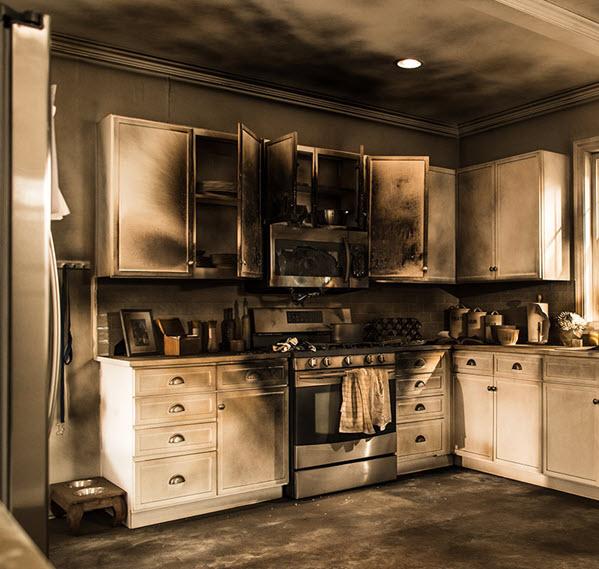
Unlike fire, smoke doesn’t just affect the burned area. It travels quickly through walls, ceilings, HVAC systems, and insulation. Microscopic soot particles settle into surfaces you can’t easily see—inside wall cavities, behind cabinets, and deep within fabrics.
Smoke residue is acidic. Over time, it eats away at metal, discolors walls and ceilings, corrodes wiring, and permanently damages electronics. If left untreated, this hidden damage can turn a repairable property into a costly rebuild.
Different Fires Create Different Types of Smoke
Not all smoke damage is the same. The source of the fire determines how severe and complex the restoration process will be:
-
Protein smoke (from kitchen fires) is nearly invisible but produces strong, persistent odors
-
Wet smoke (from smoldering fires) leaves sticky residue that spreads easily
-
Dry smoke (from fast-burning fires) contains fine particles that infiltrate cracks and porous materials
-
Synthetic smoke (from plastics and furniture) is highly toxic and difficult to remove
Professional fire and smoke damage restoration teams identify the smoke type first, because each requires specific cleaning methods.
Soot and Odor Don’t Go Away on Their Own
One of the biggest mistakes property owners make is assuming smoke odor will fade with time. In reality, odors become more embedded the longer they sit. Porous materials like drywall, wood framing, insulation, carpets, and upholstery absorb smoke deeply.
DIY cleaning methods—air fresheners, surface wiping, or repainting—only mask the problem temporarily. Without proper deodorization techniques such as thermal fogging, ozone treatment, or hydroxyl generators, smoke odors will return, especially in warm or humid conditions.
Structural and Air Quality Risks
Smoke doesn’t just damage surfaces—it compromises indoor air quality. Soot particles can remain airborne, triggering respiratory issues, allergies, and long-term health concerns. This is especially dangerous for children, elderly occupants, and people with asthma.
In addition, fire-related moisture from firefighting efforts creates the perfect environment for mold growth. Without immediate restoration, a fire-damaged property can quickly turn into a mold-damaged one, adding another layer of risk and expense.
Why Timing Matters in Fire and Smoke Damage Restoration
The first 24 to 72 hours after a fire are crucial. During this period:
-
Corrosion begins on metal surfaces
-
Smoke stains permanently set into walls and ceilings
-
Odors intensify and spread further
-
Structural materials weaken due to acidic residue
Quick action by a professional restoration company can significantly reduce long-term damage and overall repair costs.
What Professional Restoration Really Involves
True fire and smoke damage restoration goes far beyond cleaning visible soot. It includes:
-
Detailed damage assessment
-
Soot and residue removal using specialized equipment
-
Structural cleaning and sealing
-
Advanced odor neutralization
-
Air quality restoration
-
Coordination with insurance providers
The goal isn’t just to make the property look better—but to make it safe, healthy, and fully functional again.
Conclusion
Fire may be the event everyone remembers, but smoke is often the lasting problem. The damage it causes is subtle, persistent, and destructive if ignored. Understanding what fire leaves behind helps property owners take the right steps early.
Investing in professional fire and smoke damage restoration isn’t just about repairs—it’s about protecting your property, health, and long-term value.