
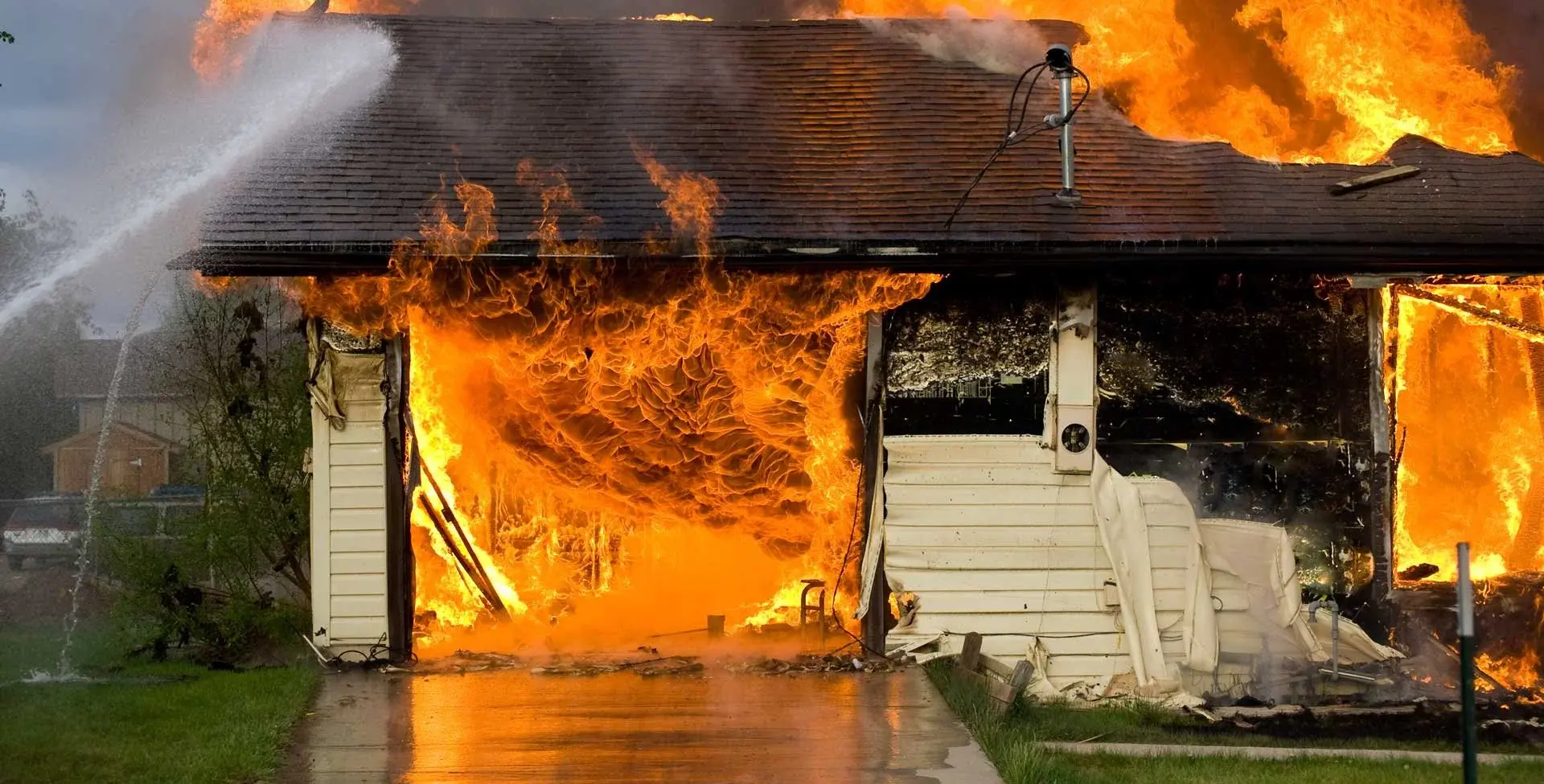
Experiencing a fire in your home or business is a devastating event that leaves more than just visible damage. While flames may destroy walls, furniture, and personal belongings, the challenges of fire restoration extend far beyond what meets the eye. Understanding these hidden aspects is crucial for anyone looking to restore their property safely and effectively.
The Invisible Damage
One of the most overlooked aspects of fire damage is the invisible harm caused by smoke and soot. Smoke particles can penetrate walls, furniture, HVAC systems, and even clothing, leaving behind odors and harmful residues. Soot, a byproduct of combustion, is acidic and can corrode metals, damage electronics, and stain surfaces permanently if not treated promptly. Attempting to clean these residues without professional tools and expertise often leads to secondary damage, making restoration more complicated and costly.
Structural Complications
Even when the fire appears to be contained to one area, the structural integrity of a building can be compromised in ways that aren’t immediately apparent. Heat can weaken beams, joists, and roofing materials, creating potential safety hazards. Water used to extinguish the fire can exacerbate structural issues, leading to warping, mold growth, and long-term deterioration. A thorough structural assessment is often required to ensure the building is safe before reconstruction or renovation begins.
Health Risks
Fire restoration isn’t just about property—it’s about protecting people. Residual smoke, soot, and chemicals from burned materials pose significant health risks. Prolonged exposure can lead to respiratory issues, skin irritation, and other long-term health problems. Professionals use specialized equipment and protective gear to manage these risks during the cleanup and restoration process. Without proper precautions, homeowners attempting DIY restoration may unknowingly expose themselves to dangerous toxins.
Emotional Challenges
The emotional toll of a fire can be just as challenging as the physical restoration. Losing personal belongings, family heirlooms, or business assets can lead to stress, anxiety, and a sense of helplessness. Fire restoration professionals understand these challenges and often provide support by handling the heavy lifting, guiding homeowners through insurance claims, and creating a clear, step-by-step restoration plan. Addressing emotional well-being is an often-overlooked aspect of recovery that can make a significant difference in the overall experience.
Insurance and Documentation
Another hidden challenge in fire restoration is dealing with insurance claims. Accurate documentation of the damage is essential for a successful claim, but this process can be overwhelming for property owners already coping with the aftermath of a fire. Professionals often assist with photographing damage, itemizing losses, and coordinating with insurance adjusters to ensure that claims are processed efficiently and fairly. Missteps in this stage can lead to delays or denied claims, making professional guidance invaluable.
The Restoration Process
Comprehensive fire restoration involves several steps beyond basic cleanup. This includes smoke and soot removal, odor neutralization, structural repairs, and sometimes even mold remediation due to water used during firefighting. Professionals employ specialized equipment such as thermal foggers, air scrubbers, and industrial vacuums to restore the property safely and effectively. Skipping any of these steps can result in lingering odors, hidden damage, and higher costs down the line.
Conclusion
Fire restoration is far more complex than simply repairing burned walls or replacing furniture. Hidden challenges such as invisible smoke damage, compromised structures, health risks, emotional stress, and insurance complications all play a critical role in the recovery process. By understanding these aspects and relying on experienced restoration professionals, property owners can navigate the aftermath of a fire more safely, efficiently, and confidently, turning devastation into a pathway for renewal.