
The water looks like glass on a calm morning, even in winter. Kelp fronds sway under the jetty, and a reef edge fades from green to deep blue. That's the moment many people chase in freediving australia, but the lead-up can feel messy, foggy, cold, and strangely tiring.
The good news is you don't need fancy upgrades to feel better in the water. A few cheap setup tweaks can cut stress, save energy, and keep your mind quiet. The team and community around www.rustyfreediving.com often talk about the same thing: comfort first, then progress.
In this guide, you'll get simple gear hacks that support solid free diving techniques, especially in Australia's mix of wind, chop, and changing temps.
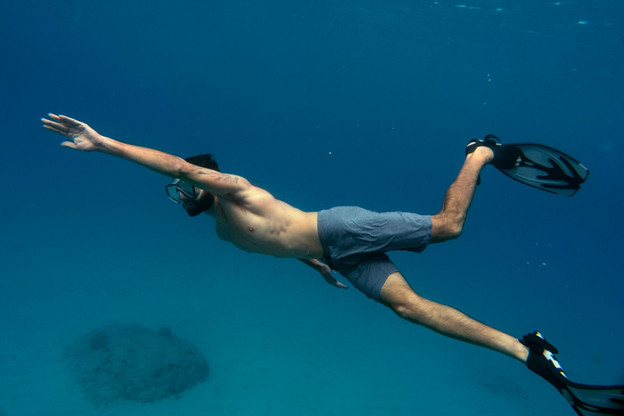
Set up your kit so it works with you, not against you
Australia asks a lot of your gear. Down south, cold currents and wind chill can turn a long session into a short one. Up north, warmth and sun can still mean chop, surge, and long swims. Beach entries add sand and small rocks, while jetties add ladder climbs and busy surface zones.
So, start by removing the tiny annoyances. A mask that leaks, a snorkel that tugs, or a suit that rubs can steal focus fast. Comfort is not a luxury in freediving. It's how you stay calm enough to make good choices.
Also, keep your changes simple. If a tweak adds complexity, it can create new problems when conditions turn. Aim for gear that feels "quiet" on your body, with nothing pulling, pinching, or twisting as you breathe up.
Mask and snorkel tweaks that stop leaks, jaw ache, and fog
Mask fog feels like a personal insult when the water turns clear. First, remove any factory film. Wash the lens gently with mild dish soap, then rinse well. After that, a baby shampoo mix works for most people, even in colder salt water. Use a tiny drop, rub it in, then do a quick dip rinse so it doesn't sting.
Spit still works as a backup, especially if you're already in the water and the mask starts hazing. Just don't over-rinse it.
Storage helps more than most divers think. Keep the skirt lying flat in your bag so it doesn't crease. A folded skirt often leaks at the same spot every time.
Facial hair can break the seal. If you've got a mustache, try a thin layer of silicone-based mask seal or a petroleum-free option made for skin. Use the smallest amount that works, otherwise it feels slippery.
Next, fix strap problems. Place the strap high on the back of your head, not low near your neck. Tuck stray hair away from the skirt. Then set the snorkel keeper so it holds the tube without yanking the mask strap sideways. Jaw fatigue usually comes from clenching a hard mouthpiece or fighting a bad snorkel angle. A softer mouthpiece and a slightly forward angle helps your jaw relax.
One easy line to remember before you splash: Seal, strap, snug, spit.
Wetsuit comfort hacks for Australian temps, chafe, and long sessions
Suit choice depends on where you dive and the season, so keep it general. If you shiver on the surface, you'll breathe faster. If you overheat on long swims, you'll also breathe faster. Either way, comfort sets your rhythm.
Open-cell suits feel amazing, but they need lube. Mix water with a small amount of hair conditioner in a bottle, then swish it inside the suit. It slides on without a wrestling match, so you start the session calmer.
Chafe sneaks up during long days. Neck rub is common, especially with repetitive breathe-ups and head turns in chop. A thin neoprene neck guard can help, or a rash vest if the rub shows up under the arms. Some divers also use small strips of sports tape on hot spots. Keep it smooth, and don't tape so tight that it limits movement.
If your suit keeps flushing at wrists or ankles, don't crank them down until your hands tingle. Instead, aim for a flat seal. Smooth the cuffs, remove trapped hair, and check that gloves and socks sit without bunching. Poor glove or sock fit can trigger cramps, especially in cooler water.
Finally, warm up on shore like you mean it. Put on a windbreaker between dives, and keep a bottle of warm water in the car. Pour a little into the suit before the next swim.
Warmth doesn't make you "tougher," it makes relaxed breathing easier to find.
Easy add-ons that improve dives fast, with less effort and more control
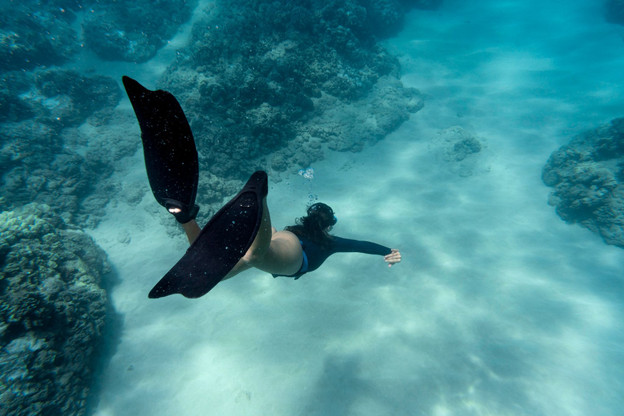
Once your basics feel good, small add-ons can change the whole day. Think of these as low-cost helpers for Australian realities: surge that moves you around, rocky entries that punish bare feet, and visibility that shifts by the minute.
The goal isn't to push deeper. It's to move with less drag, hold better trim, and spend safer time on the surface. When gear supports your body position, your free diving techniques improve because you stop fighting your own setup.
Weighting and buoyancy: the simple way to feel balanced and relaxed
Most new divers carry too much lead. A quick self-check helps: on the surface, after a normal breath, you should float comfortably without sculling your hands. If you sink while relaxed, you're probably overweighted.
Distribution matters as much as total weight. A rubber belt often sits better than nylon because it stays put as your suit compresses. If your legs drop, a small tail weight can help balance you. Neck weights exist too, but only use them with coaching and a clear reason. Advanced weighting copied from a video can go wrong fast.
Micro-adjust in small steps, not big jumps. Half a kilo can feel like a different sport. Keep the buckle easy to reach with either hand, and practice a clean release on land.
Safety note: get in-person coaching before trying advanced buoyancy setups, and never train breath-hold alone.
Proper buoyancy supports calm descents and controlled ascents, because you're not fighting to stay in position.
Fins, straps, and entry hacks for reefs, jetties, and beach breaks
Fin comfort is often a sock problem. Thin socks reduce rubbing, but thick socks can save you in cold southern water. If you get hot spots, add blister tape before you suit up. That one change can save a whole weekend.
Check your fin rails for nicks. A rough edge catches water and can feel "grabby" in surge. A quick smoothing (carefully, and only if you know what you're doing) can make the kick feel cleaner. Fin keepers can help if your foot pockets run loose, but don't rely on them to fix a poor fit.
Entry and exit matter in Australia. For rock hops, a simple mesh fin bag keeps your hands free and your fins safe. Anti-slip booties help on sharp reef and algae-covered stones, especially when you're carrying a float.
When it's time to put fins on, slow down. Many ankle tweaks happen right at the shore break. If possible, don them seated, in shallow water, or with a buddy steadying you. Around jetties, keep your fins pointed away from ladders and pylons to avoid awkward tangles.
A small leash setup on a float or board helps in wind and current. It also keeps your gear together if you need to rest.
Make it an Australian routine, from car park to surf exit
Gear hacks work best when they become a routine. The ocean doesn't care if you're late, excited, or trying something new. A steady flow keeps you safer when conditions change, which happens often in freediving australia.
Build a habit that starts at the car and ends after you rinse your kit. Keep it simple enough that you'll actually do it on tired days. If you want guidance that matches local conditions, www.rustyfreediving.com is a solid place to refresh skills and stay connected with training and community.
A 5-minute pre-dive check that prevents most gear problems
Run this quick check before you enter:
-
Mask seal feels even, strap sits high, hair is clear of the skirt.
-
Snorkel keeper holds without pulling the mask sideways.
-
Suit closures are secure (zipper, beaver tail, or both), nothing is twisted.
-
Weight belt buckle sits reachable, quick release is clear and practiced.
-
Knife or line cutter is placed where you can reach it, if you carry one.
-
Float and flag are ready when boat traffic is possible, and the line is tidy.
-
Buddy signals are agreed on, and you both look each other in the eyes.
-
If anything feels off, sit it out and fix it first.
Post-dive care that keeps gear working all season
Rinse everything in fresh water as soon as you can. Salt hides in buckles, snorkel keepers, and fin pockets. Dry gear in the shade because sun eats neoprene and soft plastics over time.
Store your wetsuit without sharp folds. Hang it wide, or lay it flat. Clean defog residue off the mask lenses so it doesn't build into a cloudy film. Shake sand out of foot pockets, then check for tiny pebbles that cause rubbing next time.
Before you forget, make one quick note on your phone. What leaked, what rubbed, what felt heavy. Those notes save money because you stop buying "new solutions" for old setup problems.