
The brain, spinal cord, and nervous system are responsible for controlling essential activities of the human body. They influence movement, memory, coordination, sensation, and communication. Any condition affecting these structures can significantly impact a person's health and everyday life. Neurological problems may develop gradually or appear suddenly, making timely diagnosis and specialised medical attention important. With advancements in modern healthcare, patients can access specialised neurosurgical consultations, advanced diagnostic investigations, and treatment options for various complex neurological conditions.
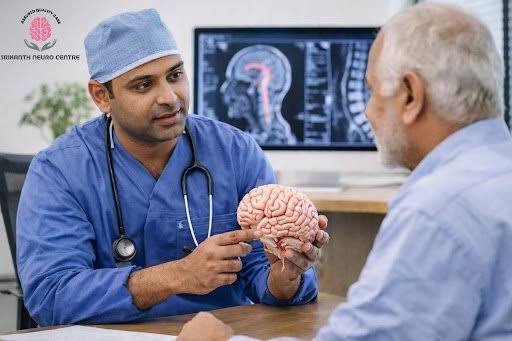
Understanding the Role of a Neurosurgeon
A neurosurgeon is a specialised medical professional trained to diagnose and treat disorders affecting the brain, spine, spinal cord, and peripheral nerves. These specialists manage several conditions that may require surgical intervention or careful medical monitoring.
Neurosurgery involves detailed clinical evaluation and individualised treatment planning. Depending on the patient's condition, the doctor may recommend medication, observation, surgery, or rehabilitation. The primary objective is to manage the underlying neurological problem while protecting essential nervous system functions.
Common Conditions Treated by Neurosurgeons
Neurosurgeons manage a wide range of brain and spinal disorders. Some conditions require immediate medical attention, while others develop slowly and need regular monitoring.
Common conditions include:
-
Brain tumours: Abnormal growths that may require specialised investigations, surgery, or additional treatment.
-
Spinal disorders: Conditions such as slipped discs, spinal stenosis, and spinal cord compression.
-
Head injuries: Traumatic injuries that may affect brain function.
-
Brain aneurysms: Weak areas in blood vessel walls that require appropriate medical evaluation.
-
Epilepsy: Certain patients with difficult-to-control seizures may benefit from surgical assessment.
-
Hydrocephalus: A condition involving excessive accumulation of fluid within the brain.
-
Nerve compression: Disorders that may cause numbness, weakness, tingling, and persistent pain.
Early diagnosis helps specialists understand the condition and recommend an appropriate treatment approach.
When Should You Consult a Neurosurgeon?
Persistent headaches, unexplained weakness, balance difficulties, recurring neck pain, and back problems may require professional medical evaluation. Although these symptoms do not always indicate a serious neurological disorder, they should not be ignored when they continue or become worse.
Consulting an experienced neurosurgeon hyderabad can help patients receive a detailed assessment of their neurological health. Depending on the symptoms, the specialist may recommend MRI scans, CT scans, neurological examinations, or other diagnostic investigations.
Sudden severe headaches, seizures, difficulty speaking, loss of consciousness, and unexpected weakness on one side of the body require immediate emergency medical attention.
Choosing Experienced Neurosurgical Specialists
Selecting an experienced specialist is an important part of neurological treatment. Patients should consider the doctor's educational qualifications, clinical experience, areas of expertise, and approach to patient care.
A comprehensive consultation generally includes reviewing medical history, understanding symptoms, examining diagnostic reports, and discussing suitable treatment options. Patients should also ask questions about surgical procedures, possible complications, recovery expectations, and follow-up requirements.
Clear communication helps patients and their families understand the treatment process and make informed healthcare decisions.
Advanced Neurosurgery Facilities and Technology
Modern medical technology has improved the diagnosis and management of many neurological conditions. Depending on the hospital's facilities and the patient's requirements, neurosurgical treatment may involve operating microscopes, neuro-navigation systems, minimally invasive surgical instruments, and advanced imaging equipment.
These technologies can support accurate surgical planning and help specialists manage complicated brain and spinal conditions. However, the most appropriate technique depends on the diagnosis, medical history, and individual clinical requirements.
Benefits of Consulting Neuro Surgeons in Hyderabad
Patients looking for specialised neurological care can explore services offered by experienced Neuro surgeons in Hyderabad. A well-equipped hospital may provide coordinated care through neurosurgeons, neurologists, radiologists, anaesthesiologists, and rehabilitation professionals.
Multidisciplinary treatment is particularly important for patients with complex brain and spine disorders. It allows different specialists to contribute their expertise during diagnosis, treatment planning, surgery, and recovery.
Recovery and Rehabilitation After Neurosurgery
Recovery depends on the neurological condition and the type of treatment performed. Some patients require short-term hospital monitoring, while others may need an extended rehabilitation programme.
Physiotherapy, occupational therapy, prescribed medications, and regular follow-up consultations may support the recovery process. Following medical instructions and attending scheduled assessments can help monitor progress and identify complications early.
Conclusion
Neurological conditions require specialised medical attention, accurate diagnosis, and carefully planned treatment. Choosing a qualified neurosurgeon and a hospital with appropriate diagnostic and surgical facilities is essential for effective healthcare management. Patients in Hyderabad should evaluate medical expertise, available technology, multidisciplinary support, and rehabilitation services before selecting a healthcare provider. With personalised medical guidance and appropriate treatment, patients can work towards better neurological health and an improved quality of life.