
Following his recent family visit to İmralı, DEM Party MP Ömer Öcalan shared insights from his conversation with imprisoned Kurdish leader Abdullah Öcalan. His uncle strongly condemned the ongoing violence against Syrian Alevis, comparing it to ISIS-like methods, and emphasised the need for solidarity and unity among oppressed communities. Abdullah Öcalan called for the protection of the rights of Syrian Alevis, Druze and Kurds, and urged these marginalized groups to stand together against oppression.
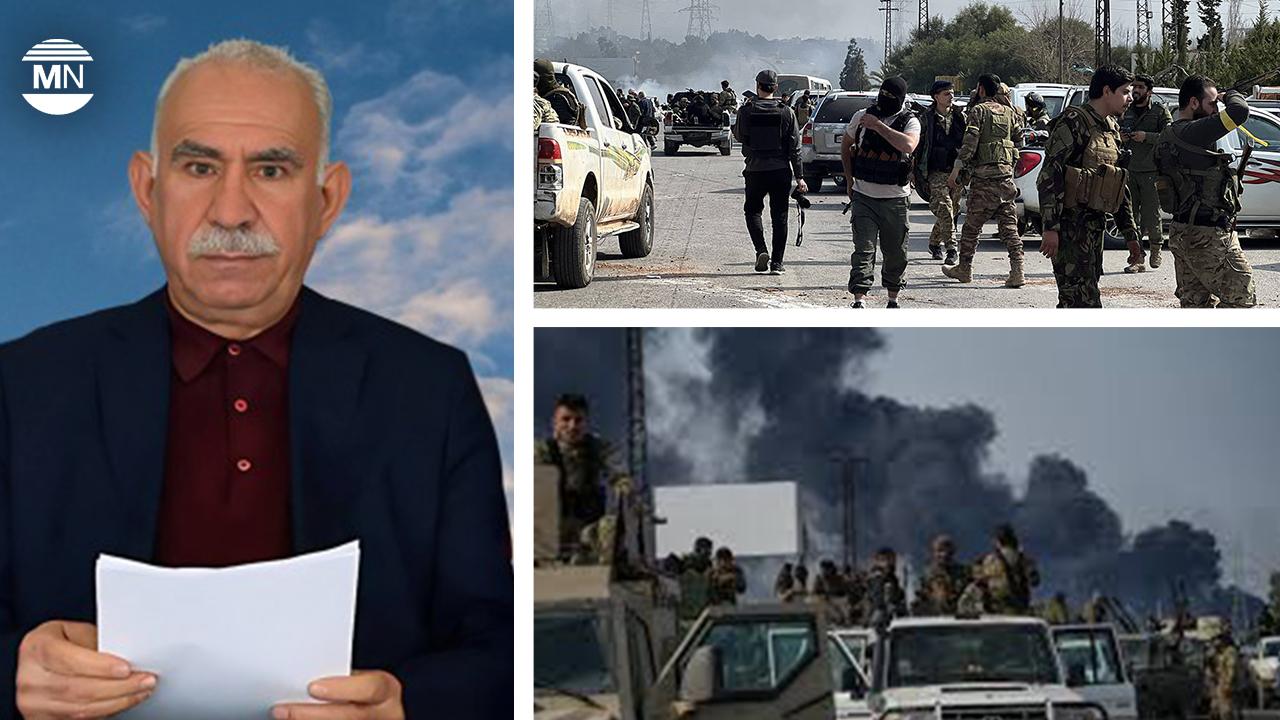
Ömer Öcalan, a member of the Peoples’ Equality and Democracy (DEM) Party and the nephew of Abdullah Öcalan, has shared his thoughts with Mezopotamya Agency on his recent visit to İmralı Prison. During the visit, he discussed his uncle’s health, his ongoing struggle and the main political issues affecting the Kurdish movement, with a special focus on the situation of Syrian Alevis and the growing Kurdish movement, which has now reached millions.

The DEM Party MP shared that Abdullah Öcalan had expressed his deep concern for the Alevi community in Syria, which has been subjected to ongoing violence and oppression. He strongly condemned the attacks on Syrian Alevis, comparing them to ISIS-like methods, and stressed that the rights of these communities, along with those of the Druze and Kurds, must be protected. “We do not accept this, this cannot be,” Öcalan said.
“This is an ISIS-like method. We do not accept it. The rights and laws of the Syrian Alevis must be protected. The rights and laws of the Druze have to be protected. These communities can create systems similar to those created by the Kurds. They can establish links with each other and they must not accept these ISIS-like methods.”
Öcalan called for solidarity among these marginalized groups to resist oppression and ensure their survival and dignity.
One of the key moments in the interview was Ömer Öcalan’s reflection on the history of their struggle. He recalled a conversation in which Abdullah Öcalan described their cause as the struggle of the “forsaken” – those with no tribe, no support, and no resources. Despite starting from such a position of isolation, Öcalan expressed his pride that this movement, born from those who had nothing, had grown into a powerful force embraced by millions, showing the power of collective action.
Ömer Öcalan also emphasised his uncle’s continued hope for a peaceful solution despite the challenges. He quoted Abdullah Öcalan as saying “I keep my hope and I will see this process through to the end”, underlining his continued commitment to the Kurdish cause and the pursuit of peace.
The visit allowed for an exchange of personal and political reflections, with Abdullah Öcalan continuing to focus on long-term goals for the region, including a just and democratic solution for the Kurdish people and other oppressed groups.