
Understanding the Importance of Therapeutic Drug Monitoring in Modern Healthcare
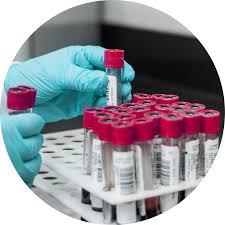
Therapeutic drug monitoring (TDM) has become an essential tool in modern healthcare, enabling healthcare professionals to optimize patient care by ensuring that medication levels remain within the desired therapeutic range. By measuring drug concentrations in a patient's blood, TDM allows for personalized dosing adjustments, minimizing the risk of adverse effects while maximizing treatment efficacy.
The importance of TDM lies in its ability to account for individual variations in drug absorption, distribution, metabolism, and elimination. Factors such as age, weight, genetic makeup, and the presence of other medical conditions can significantly influence how a patient responds to a particular medication. TDM takes these factors into consideration, providing a more tailored approach to drug therapy.
Moreover, TDM plays a crucial role in managing medications with narrow therapeutic indexes, such as antibiotics, immunosuppressants, and antiepileptic drugs. These medications require precise dosing to ensure that the patient receives the maximum therapeutic benefit while minimizing the risk of toxicity. By closely monitoring drug levels, healthcare providers can make timely adjustments to the dosage, ensuring that the patient maintains optimal drug concentrations.
The Role of TDM in Chronic Disease Management
Chronic diseases, such as epilepsy, asthma, and diabetes, often require longterm medication management. In these cases, Therapeutic Drug Monitoring can be particularly beneficial in ensuring that patients receive the most appropriate dose of their prescribed medications. By regularly monitoring drug levels, healthcare providers can identify and address any changes in the patient's response to the medication over time.
For example, in the management of epilepsy, TDM is routinely used to monitor the levels of antiepileptic drugs such as carbamazepine, phenytoin, and valproic acid. By ensuring that these medications remain within the therapeutic range, TDM helps to minimize the occurrence of seizures while reducing the risk of adverse effects, such as drowsiness, dizziness, and cognitive impairment.
Similarly, in the treatment of asthma, TDM can be used to monitor the levels of medications such as theophylline, a bronchodilator used to prevent and control asthma symptoms. By adjusting the dose based on the patient's individual response, healthcare providers can optimize the effectiveness of the medication while minimizing the risk of side effects, such as nausea, headache, and insomnia.
TDM in Oncology: Enhancing Cancer Treatment Outcomes
In the field of oncology, TDM has emerged as a valuable tool for optimizing cancer treatment outcomes. Many chemotherapeutic agents, such as methotrexate and 5fluorouracil, have narrow therapeutic indexes and can cause severe toxicity if not carefully monitored. By employing TDM, oncologists can ensure that patients receive the maximum therapeutic benefit from these medications while minimizing the risk of adverse effects.
Moreover, TDM can help to identify patients who may be at risk of developing drug resistance, a common challenge in cancer treatment. By monitoring drug levels over time, healthcare providers can detect any changes in the patient's response to the medication and adjust the treatment plan accordingly. This proactive approach can help to prevent the development of drug resistance and improve overall treatment outcomes.
The Future of TDM: Advances in Technology and Personalized Medicine
As technology continues to advance, the field of TDM is poised for significant growth and innovation. The development of more sensitive and specific analytical methods, such as liquid chromatographytandem mass spectrometry (LCMS/MS), has enabled the accurate measurement of drug concentrations in smaller sample volumes, making TDM more accessible and costeffective.
Furthermore, the integration of TDM with other emerging technologies, such as pharmacogenomics and artificial intelligence, holds great promise for the future of personalized medicine. By combining TDM data with information about a patient's genetic profile and clinical history, healthcare providers may be able to develop even more targeted and effective treatment plans.
For example, pharmacogenomic testing can help to identify patients who may be more susceptible to certain drugrelated adverse effects or who may require higher or lower doses of a medication based on their genetic makeup. By integrating this information with TDM data, healthcare providers can further refine their dosing strategies, ensuring that each patient receives the most appropriate and effective treatment possible.
Get this Report in Japanese Language
Get this Reports in Korean Language
About Author:
Priya Pandey is a dynamic and passionate editor with over three years of expertise in content editing and proofreading. Holding a bachelor's degree in biotechnology, Priya has a knack for making the content engaging. Her diverse portfolio includes editing documents across different industries, including food and beverages, information and technology, healthcare, chemical and materials, etc. Priya's meticulous attention to detail and commitment to excellence make her an invaluable asset in the world of content creation and refinement.
(LinkedIn https://www.linkedin.com/in/priyapandey8417a8173/)